24 Hours Hotline: +86 137-3541-1378
Email:info@tripstoshanghai.com
24 Hours Hotline: +86 137-3541-1378
Email:info@tripstoshanghai.com

When people think of Hangzhou, the first thing that comes to mind is the picturesque scenery of the lakes and mountains. However, this city, which has been soaked in the mist and rain of the West Lake for thousands of years, is also a city that has been seriously underestimated in terms of its culinary delights.
Hangzhou cuisine, as one of the eight major Chinese cuisines and an important representative of Zhejiang cuisine, combines the poetic charm of scholars and poets with the bustling atmosphere of the streets and alleys in a "delicate and refined, original and authentic" way.
Whether you want to savor the classic dishes that have been passed down for a hundred years, or search for the local delicacies found in alleys and streets, Hangzhou can satisfy your taste buds. This guide will take you deep into Hangzhou's food map and unlock those unforgettable taste delights that you shouldn't miss.
This guide is divided into two sections: an introduction to Hangzhou cuisine and an introduction to Hangzhou restaurants:
In the section on Hangzhou cuisine, you can learn about Hangzhou-style dishes, street snacks, and beverages.
In the section on Hangzhou restaurants, you can learn about time-honored restaurants, local budget-friendly restaurants, and night markets.
Overview of Hangzhou Cuisine
· Cuisine Characteristic: Elegant and refined in the Jiangnan style, fresh and not greasy, emphasizing seasonal ingredients, excelling in river fish dishes, and maintaining a balance between sweet and salty flavors.
· Cuisine Taste: Fresh, fragrant, tender, crispy, sweet.
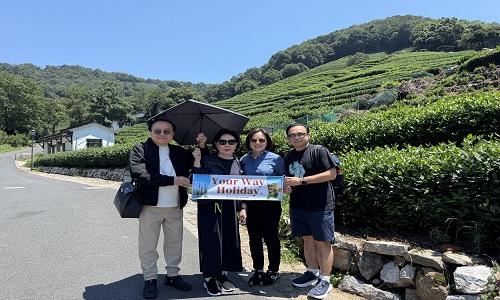 Private Hangzhou Day Tour: Remarkable Journey of Serenity and Beauty of Nature
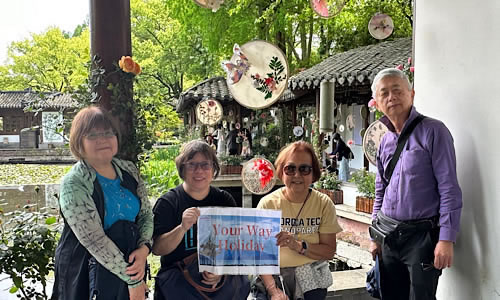 Ultimate Hangzhou Private Day Tour for Essence Highlights
Hangzhou Cuisine
These top-notch Hangzhou-style dishes are not just food; they are also carriers of Hangzhou's history and culture, representing the elegance of a thousand years on the dining table. Behind each dish lies a story that has been passed down through the ages.
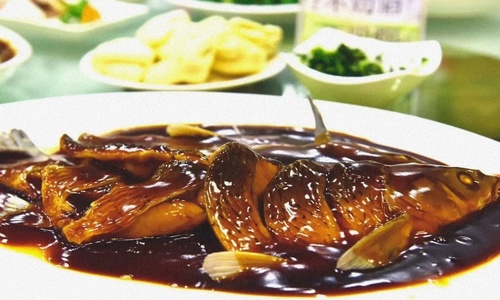
West Lake Vinegar Fish
---The essence of Hangzhou cuisine, where controversy and legend coexist
· Introduction
West Lake Vinegar Fish is not only a culinary icon of Hangzhou, but also one of the most talked-about and popular dishes in the culinary world. This dish, renowned as the soul of the Hangzhou cuisine, has an extremely meticulous production process.
· Flavor
It is renowned for its balanced sweetness and sourness, as well as its tender and refreshing texture. Even with high-quality cooking, diners can taste a flavor similar to that of crab meat.
· Method
The grass carp must be "starved" in the live water of the West Lake for one or two days to eliminate the earthy smell and make the meat firm. During cooking, the chef only uses boiling water to blanch the fish until it is cooked, without adding any oil. Finally, a smooth and glossy sauce made from sugar, vinegar, and soy sauce is poured over the fish. The dish has a bright red color and a flowing sauce, resembling the water waves of the West Lake.
· Story
It is said that during the Southern Song Dynasty, a lady from the family, in order to protect her younger brother who was under persecution, cooked this sweet and sour fish. The meaning was "Eat fish without forgetting your brother, and don't forget to avenge your country's grievances". Later, people attributed it to "The Fish Leaping Over the Dragon Gate" related to Yue Fei, adding a rich layer of legendary color to it.
· Recommended restaurants
Luowai Lou, Zhiwei Guan
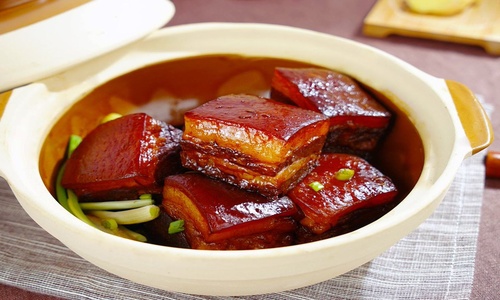
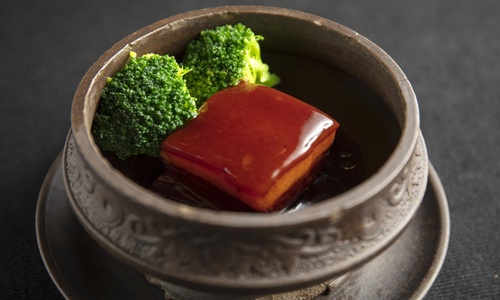
Dongpo Pork
---A piece of literary red-braised pork that has traveled through the ages
· Introduction
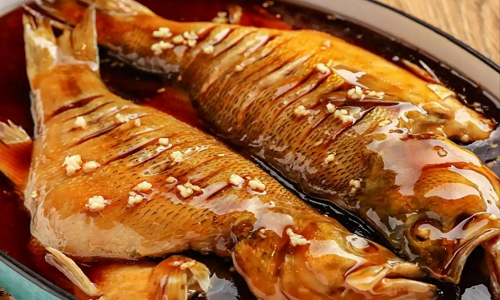
Tangshan Pork is widely regarded as the "killer of rice". It is a literary dish that has been passed down through the ages due to Su Dongpo. The core of this dish lies in the cooking philosophy of "slow fire, less water, and more wine".
· Flavor
It melts in your mouth, tender yet not greasy. The tender meat is filled with a rich aroma of wine and a moderately sweet and salty sauce. Every bite is an ultimate comfort for your taste buds.
· Method
The chef will select the lean and fatty pork in a balanced ratio, cut it into square pieces, and use pure Shaoxing rice wine instead of water. He will also add sugar and soy sauce, and simmer it over low heat for several hours. The finished dish has a bright red color like amber, and the shape remains intact without disintegrating.
· Story
This dish originated from Su Dongpo's act of benefiting the people by dredging the West Lake. The common people were grateful for his kindness and generously gave him pork. Su Dongpo then ordered someone to cook the meat into braised pork, and gave it back to the workers involved in the project. This dish, full of human warmth, thus got its name and has been passed down to this day.
· Recommended restaurants
Luowai Lou, Grandma's Home
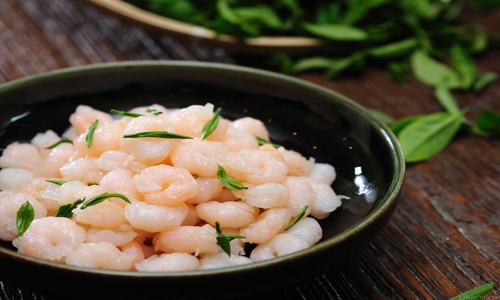
Longjing Shrimp
---The Poetic Charm of Jiangnan on Your Tongue
· Introduction
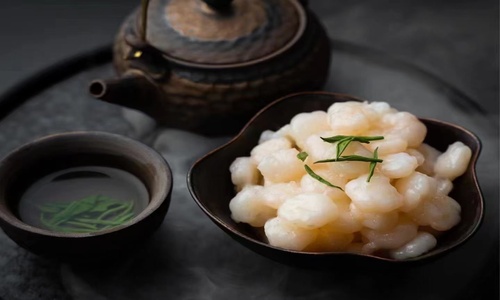
Longjing Shrimp is a perfect example of combining the two major specialties of Hangzhou - West Lake Longjing tea and fresh shrimp. It is regarded as the pinnacle of the elegant aesthetic of Hangzhou cuisine.
· Flavor
First, the shrimp meat offers a crispy and refreshing sweetness. Then, the lingering and elegant aftertaste of Longjing tea follows. It seems to encapsulate the entire spring of West Lake in the plate.
· Method
The ingredients for this dish are extremely carefully selected. It requires the use of fresh tea from the period before the end of spring - the "pre-festival" Longjing tea. This tea is characterized by its green color, rich aroma, sweet taste, and beautiful shape. It is paired with freshly shelled, lively large river shrimp. During the cooking process, the chef quickly stir-fries the shrimp until they become white and tender. Before removing from the heat, the chef sprinkles in the tea, allowing the tea fragrance and the shrimp flavor to instantly blend together under high heat. The finished dish has an elegant color.
· Story
It is said that the inspiration for this dish originated when Emperor Qianlong visited the south of China. The tea farmers created it to entertain him, and since then it has become very famous.
· Recommended restaurants
Luowai Lou, Shanwai Shan
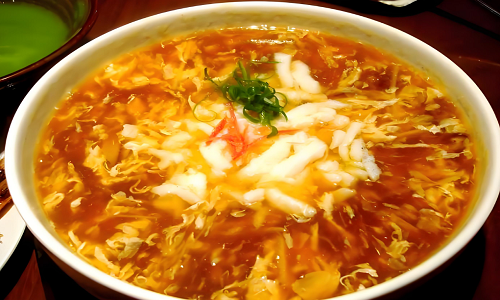
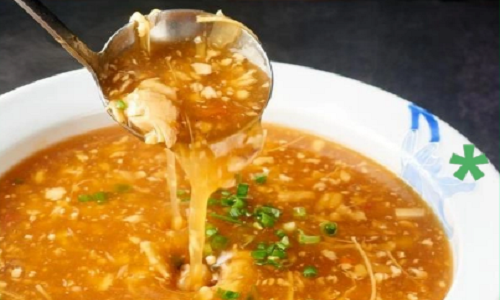
Sister Song's Fish Chowder
---A Bowl of 800-Year-Old Imperial Feast of the Southern Song Dynasty
· Introduction
Sister Song's Fish Chowder is hailed as "the best soup in Hangzhou", and it is a famous dish from the Southern Song Dynasty with a history of over 800 years. Its delicious taste once earned high praise from Emperor Zhao Gou of the Song Dynasty.
· Flavor
The finished dish has a shiny and golden color, with a tender and smooth texture, and a rich and delicious flavor. Due to its similar freshness to crab soup, it is also known as "Super Crab Soup".
· Method
The preparation process of this dish is very complex, demonstrating the integrating wisdom of the Hangzhou cuisine of "using southern ingredients for northern cooking". The chef selects either carp or sea bass, cooks them until tender, then carefully separates them into delicate fish fillets. These are combined with slices of Jinhua ham, shiitake mushrooms, tender bamboo shoots, etc., and cooked in a broth. Finally, it is thinned with starch and drizzled with sweet vinegar and sesame oil.
· Story
Behind it lies a story about perseverance and opportunity: During the Southern Song Dynasty, a woman named Song Wuzhou fled from the war and settled by the West Lake, making a living by selling fish soup. One day, Emperor Gaozong of the Southern Song tasted her fish soup and highly praised it, awarding her a reward. As a result, this humble folk dish suddenly became a famous delicacy renowned throughout the capital.
· Recommended restaurants
Zhiwei Guan, Luowai Lou
Beggar's Chicken
---The Legendary Story of the Underground World
· Introduction
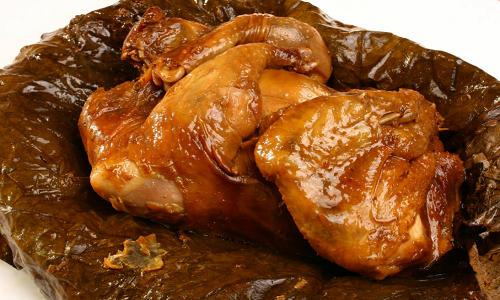
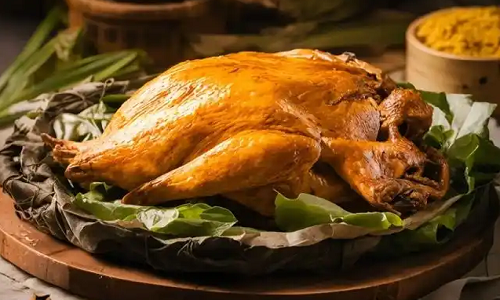
Beggar's Chicken, also known as Huangniu Rehuo Chicken, is a famous dish from Hangzhou that exudes a sense of the martial arts world and legendary charm. Its cooking method is extremely unique, filled with primitive wisdom and a sense of ritual.
· Flavor
After being simmered and roasted for a long time, the chicken has become tender and boneless, with all its original flavors perfectly preserved, resulting in an extremely rich and delicious taste.
· Method
The chef will select young chickens, fill their abdomens with rich fillings such as pork, ham, and mushrooms. They are then wrapped layer by layer with pig skin parchment and West Lake lotus leaves. Finally, the mixture is tightly sealed with Shaoxing wine jar mud and placed in the oven to be simmered and roasted for three to four hours. When served, the waiters will use a small hammer to break open the hard mud shell on the spot. In an instant, steam filled with the fragrances of lotus leaves, Shaoxing wine, and chicken is released, filling the room with an intoxicating aroma.
· Story
The origin of this dish is said to be related to a hungry beggar. In a situation where he had no pot or stove, he wrapped the chicken in mud and roasted it, accidentally discovering this extremely delicious flavor.
· Recommended restaurants
Luowai Lou, Shanwai Shan
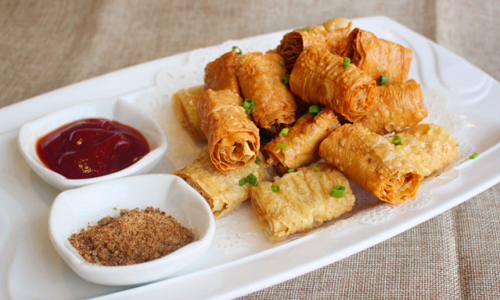
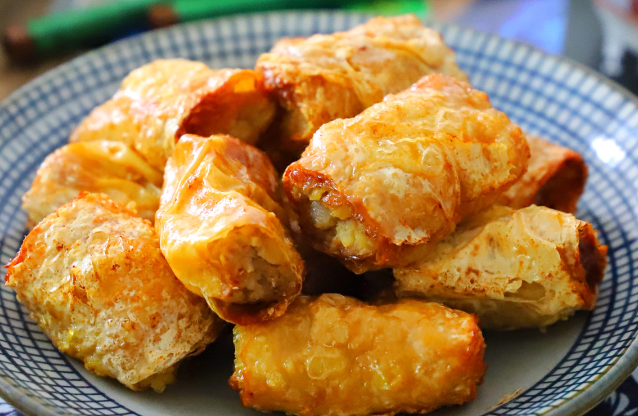
Deep-fried Tofu Skin Roll
---A Crunchy Melody on the Tongue Like a Bell
· Introduction
Deep-fried Tofu Skin Roll is a classic Hangzhou-style dish that tests a chef's ability to precisely control the oil temperature and cooking time. It is renowned for its extremely crispy texture. This dish uses Sixiang tofu skin from Hangzhou, which is extremely thin and has great elasticity.
· Flavor
When eaten, it is usually paired with sweet bean sauce or pepper salt. The salty-sweet or salty-savory dipping sauce blends with the refreshing aroma of the bean curd skin and the deliciousness of the meat filling, creating an extremely rich and varied taste experience.
· Method
The chef rolled the finely seasoned pork tenderloin minced meat into the tofu skin, cut it into inch-sized pieces, and then fried it in the just-right oil temperature. The finished dish has a golden color and resembles a potato. The outer skin is crispy and crumbles easily when eaten. It is named this way because it makes a clear and crisp "ping-ping" sound when fried in the oil.
· Story
In ancient Hangzhou, there were two restaurants - a large one and a small one. The owner of the large restaurant often mistreated the small restaurant in order to monopolize the business. One day, he learned that the small restaurant was out of tofu skin, so he went to the restaurant and specially ordered this dish. He threatened that if he couldn't make it, he would destroy the restaurant. A big man who often drank in the restaurant stepped forward and brought tofu skin he had bought from Si Xiang. The restaurant owner was extremely grateful and immediately used high-quality pork as the filling, rolled the tofu skin into the shape of a potato, and fried it in oil. To commemorate this brave man's virtue.
· Recommended restaurants
All major Hangzhou-style restaurants offer this dish.
Street Food
If you want to truly understand the essence of a city, you must start with the street food. In Hangzhou, the place with the strongest "flavor" is not the upscale restaurants, but the alleys, old streets, and night market stalls. These seemingly simple snacks often carry the memories of several generations and are the most indispensable flavors for the locals in their daily lives.
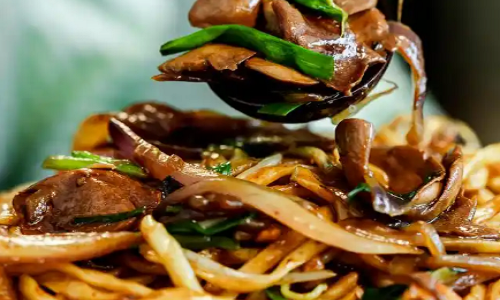
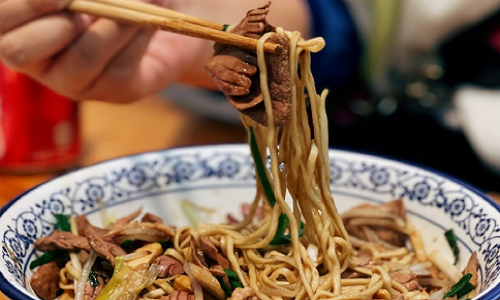
Pian Er Chuan Noodles
---The "heart of breakfast" of Hangzhou people
· Introduction
Known as the "breakfast soul" of Hangzhou people, Pian Er Chuan Noodles is a classic soup noodle dish with a strong street food culture flavor. It is also one of the most representative noodles in Hangzhou. It does not seek luxurious ingredients. Instead, it combines the seasonal local products of Jiangnan and the bustling urban atmosphere in the most simple way.
· Flavor
The key lies in the "three-topping garnish" - pickled mustard greens, bamboo shoots, and pork slices. Accompanied by the firm-tender alkaline noodles, the broth is clear, fresh and rich, featuring the slightly salty fermented aroma of the pickled mustard greens, the sweet and refreshing taste of the bamboo shoots, and the meaty flavor of the pork slices, with distinct layers.
· Method
First, the pork slices are quickly stir-fried, then the pickled mustard greens and bamboo shoots are added and stir-fried to release the aroma; then the stock is poured in, and after the flavors blend, the pre-cooked alkaline noodles are added, and finally, it is slightly boiled to absorb the flavors before being served.
· Story
Pian Er Chuan Noodles originated from home-style cuisine and got its name because of the "toppings slices" and "noodles". In the past, it was an energy supplement for dock workers and ordinary people. Now, it has become an important symbol of Hangzhou's food culture.
· Recommended restaurants
Kuiyuan Guan, Ju Ying Noodle Shop
Cong Bao Hui
---The Historical Trial on the Tip of the Tongue
· Introduction
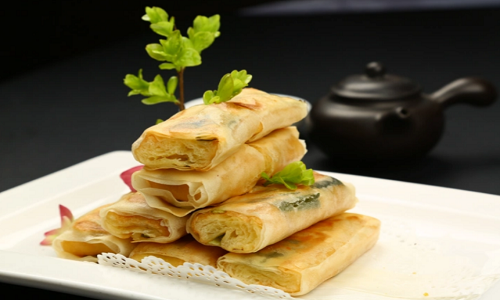
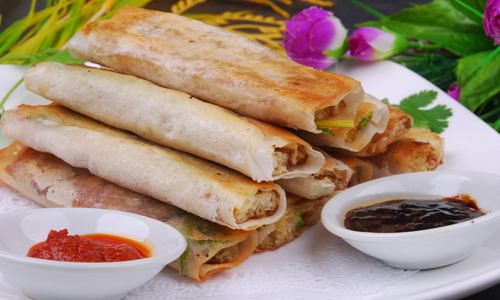
This is the most story-filled traditional street snack in Hangzhou, blending historical anecdotes and folk wisdom. It is a must-visit classic for tourists.
· Flavor
The texture is crispy on the outside and tender on the inside, with a strong aroma of scallions.
· Method
Put the fried dough stick and scallion segments into the thin pancake, roll it up, and place it on a hot griddle. Press-grill it repeatedly to make the surface slightly charred and crispy; finally, brush with sauce for seasoning and it's ready to be eaten.
· Story
During the Southern Song Dynasty, the renowned anti-Jin general Yue Fei was murdered by the corrupt minister Qin Hui under false charges at Fouboting. The people of Hangzhou were filled with grief and anger, but there was nowhere for them to seek justice. So, a vendor came up with an ingenious idea. He shaped Qin Hui and his wife Wang into figures with dough and fried them in an oil pan, calling it "fried Qin Hui", in order to vent their anger.
· Recommended restaurants
Grandma Sun's Green Onion Pancake Shop, Hefang Street Food Stands
Dingsheng Cake
---The delicate and adorable "Victory Symbol"
· Introduction
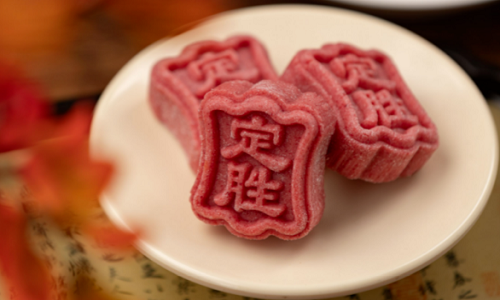
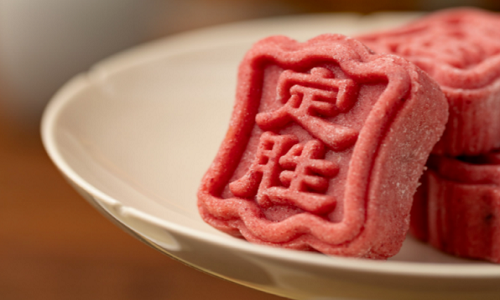
Dingsheng Cake is a traditional rice cake that symbolizes good luck. It has a soft and cute appearance. As a traditional delicacy in Jiangsu and Zhejiang regions, Dingsheng Cake not only delights the taste buds but also represents good fortune and happiness.
· Flavor
After being steamed, the Dingxiang cake has a soft texture that is not sticky to the teeth. It melts in your mouth, sweet but not overly so, with the smoothness of the glutinous rice and the sweetness of the bean paste, along with a faint fragrance of osmanthus.
· Method
Mix the two types of rice flour together with water, then stir well. Pour the mixture into the mold, add the bean paste filling and press it firmly to shape. Finally, steam it until it is cooked.
· Story
The legend of Dingsheng Cake is associated with the famous anti-Jin general Han Shizong of the Southern Song Dynasty. According to the legend, during the Southern Song Dynasty, Han Shizong led his troops on a campaign. The people of Suzhou, in order to boost the morale of the soldiers, specially made this kind of cake and printed the words "Dingsheng" on it, symbolizing "a successful start and certain victory". After the soldiers ate this cake, their morale soared and they indeed won the battle. Since then, Dingsheng Cake has spread among the people and has become a lucky food for people to pray for blessings and success for their relatives and friends.
· Recommended restaurants
Hefang Street, Zhiwei Guan
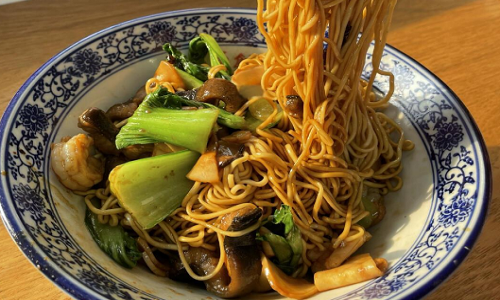
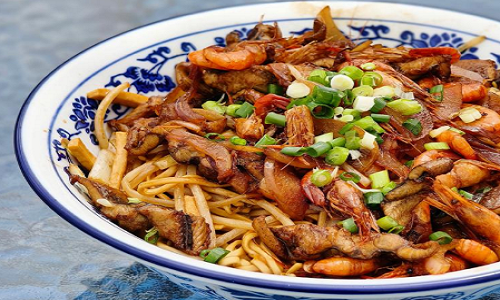
Shrimp and Eel Noodles
---The "Top" of Hangzhou Noodles
· Introduction
This signature dish from the century-old restaurant "Kui Yuan Hall" is hailed as the "top tier" of Hangzhou's noodle cuisine. It not only uses luxurious ingredients but also has an extremely elaborate production process. Each bowl of noodles embodies the chef's reverence for the ingredients and his pursuit of the ultimate flavor.
· Flavor
Use fresh river shrimp and eels, cook them separately and then combine them. The shrimp meat is tender and bouncy, while the eel slices have a crispy exterior and tender interior. Paired with a rich soy-based sauce and noodles, the flavor intensifies layer by layer.
· Method
The eels need to be deodorized first, then stir-fried at high heat until the surface becomes slightly crispy. The river shrimp should be quickly stir-fried to maintain their tenderness. Finally, the two are separated and prepared separately before being combined and served together, ensuring a layered taste.
· Story
It is said that during the Tongzhi period of the Qing Dynasty, there was an abundance of eels along the Qiantang River, while freshwater shrimp were relatively rare. The owner of Kui Yuan Restaurant, in order to promote the sales of eels, combined the precious freshwater shrimp with eels and created this dish, "Shrimp and Eel Noodles". Unexpectedly, this dish, with solid ingredients and delicious taste, was immediately popular upon its launch and quickly became a signature dish, continuing to be passed down to this day and becoming a golden card of Hangzhou cuisine.
· Recommended restaurants
Kuiyuan Guan
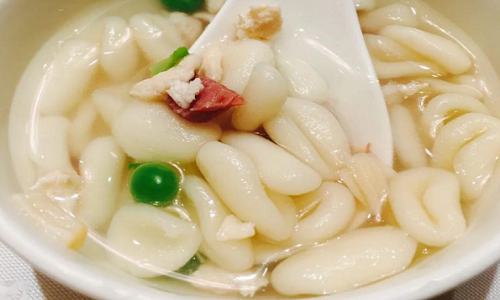
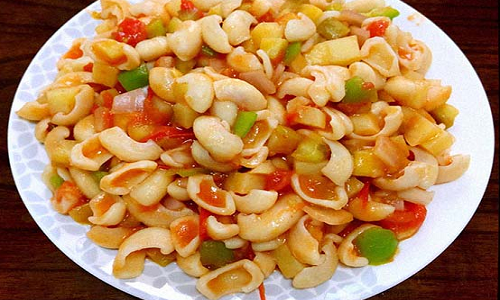
Cat's Ear Noodles
---A "precious pastry" bestowed with a name by Emperor Qianlong
· Introduction
Cat Ears is a delicately crafted pastry in Hangzhou that is both beautiful in appearance and exquisite in texture. It gets its name because of its small and delicate shape that resembles cat ears. It is not actually cat ears but a kind of hand-made pastry. This snack perfectly combines the rough yet powerful pastry-making techniques from the north with the meticulous culinary aesthetics from the south.
· Flavor
The small dough pieces are firm and chewy. They are often combined with shrimp, ham, diced chicken or seasonal vegetables for braising, resulting in a soup that is rich and flavorful.
· Method
First, roll out the dough into long strips and cut them into small pieces. Then, press out the "cat ear" shape with your fingers. Next, boil them in boiling water until cooked. Finally, combine them with the ingredients and cook in a pot until well seasoned.
· Story
It is said that during Emperor Qianlong's covert visit to West Lake, he was caught in a heavy rain and had to take shelter on a fishing boat. Starving, he asked the fisherman for food. The fisherman's family did not have a rolling pin and thus couldn't make noodles. The little granddaughter of the fisherman had an idea and used her hands to shape the dough into small ear-like shapes. After boiling them, she poured fish and shrimp sauce over them and served them to Emperor Qianlong. After tasting them, Emperor Qianlong praised them repeatedly and asked what kind of noodles they were. The girl replied that it was "cat ears". Since then, this ingenious dish has become very famous and has become a famous delicacy in Hangzhou.
· Recommended restaurants
Zhiwei Guan
Hangzhou Speciality Beverages
In Hangzhou, beverages are not just a means of quenching thirst, but also a way of life. From the thousand-year-old tea culture to the street-side sweet soups, every sip embodies the warmth and elegance of Jiangnan. Compared to beverages with strong flavors, the drinks here are more focused on "lightness, soothingness, and nourishment", and are very suitable for savoring slowly.
Longjing Tea
---A Cup of the "King of Green Tea" with the Poetic Charm of Jiangnan
· Introduction
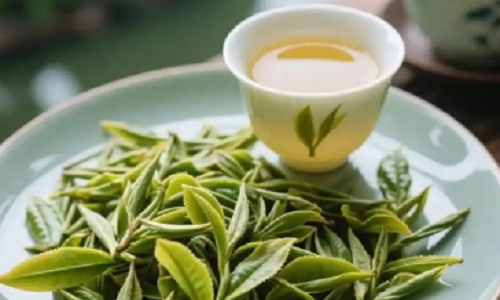
Longjing Tea is the top among China's ten famous teas and is known as the "king of green tea". It is produced in Longjing Village, near the West Lake. It is also one of the most representative cultural symbols of Hangzhou.
· Flavor
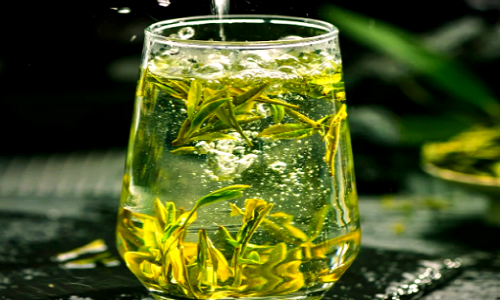
Produced through the non-fermented tea processing method with tender buds, the tea infusion is clear and transparent, with a subtle bean aroma and orchid fragrance. It has a fresh and lingering sweetness when consumed.
· Method
The most common method is to brew in a glass cup, with the water temperature controlled at around 80 degree to avoid damaging the freshness of the tea. The "tea appreciation ritual" of "observing the color, smelling the aroma, and tasting" is emphasized.
· Story
Longjing tea is not only a beverage, but also one of the representatives of Chinese tea culture. As early as the Qing Dynasty, it was listed as tribute tea. The spring tea-picking season is particularly worth experiencing.
· Recommended restaurants
Generally all major Hangzhou-style restaurants offer this beverage.
Osmanthus Rice Wine Dessert
---A Limited Edition of Slight Drunkenness and Romanticism in Autumn
· Introduction
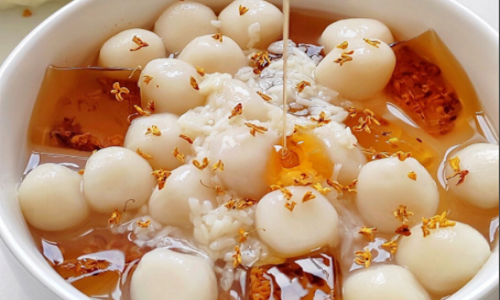
This is a traditional sweet beverage with distinct Jiangnan characteristics. It combines fermented glutinous rice with osmanthus, resulting in a very unique aroma.
· Flavor
The rice wine has a naturally fermented sweetness and a faint alcoholic aroma. Combined with the delicate fragrance of osmanthus, the overall taste is smooth and soothing, sweet but not overly rich.
· Method
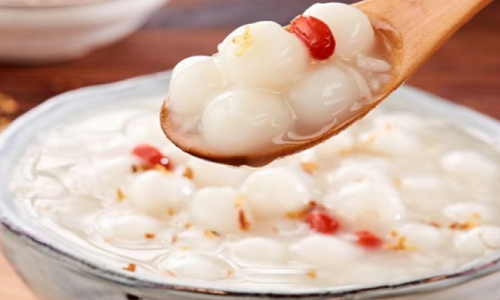
Often, glutinous rice balls or egg drops are added to enhance the texture and flavor. The autumn is particularly classic and is often found in dessert shops or traditional snack stalls. It can be enjoyed both as a cold drink and a hot drink.
· Story
The osmanthus flower symbolizes elegance and abundance in the culture of the Jiangnan region. Therefore, this beverage also has a strong regional cultural attribute and has become a representative product of "seasonal offerings".
· Recommended restaurants
Generally all major Hangzhou-style restaurants offer this beverage.
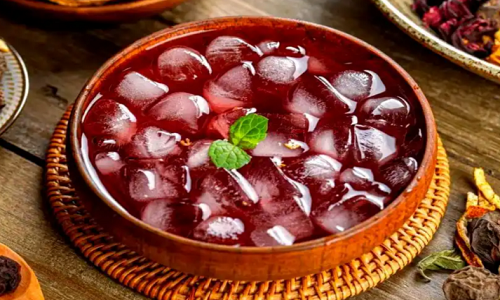
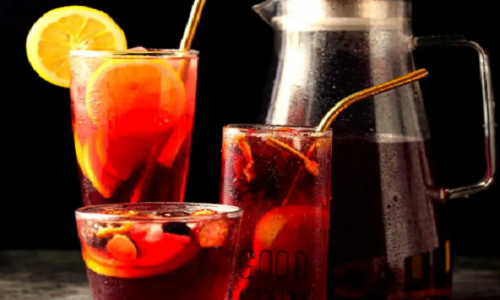
Sour Plum Drink
---The Lifesaving Drink of Summer in Old Hangzhou
· Introduction
The "summer cooling drink" that has long been a favorite among old Hangzhou people (a drink for relieving heat in summer), is also one of the representative traditional Chinese herbal beverages.
· Flavor
It is sweet and sour, with traditional effects of promoting salivation and quenching thirst, as well as relieving heat and cooling off. In hot summer days, they can be seen everywhere on the streets. After being chilled, their flavor becomes even better. They are the "perfect match" for heavy-flavored snacks.
· Method
It is made by simmering ingredients such as smoked plum, hawthorn, and licorice. It has a balanced sweetness and sourness, with a faint smoky aroma, and is extremely effective in reducing grease.
· Story
In the days without air conditioning, a bowl of chilled plum soup was the "life-sustaining drink" that old Hangzhou people relied on to cope with the scorching heat. While walking along Hefang Street, one can always hear the clear and crisp sound of vendors striking their copper bowls. That is the most melodious urban music of old Hangzhou in the summer.
· Recommended restaurants
In summer, generally all major Hangzhou-style restaurants offer this beverage.
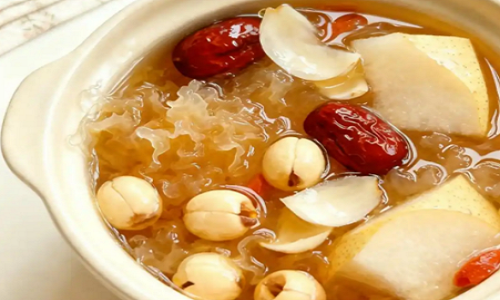
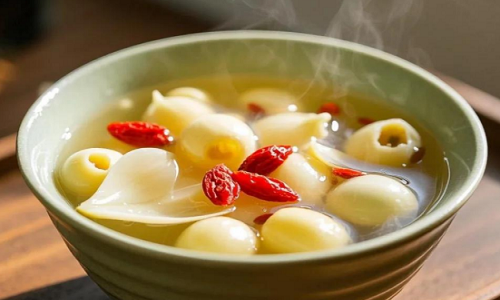
Lotus Seed Soup
---A bowl of soothing and purifying soup with a touch of the Zen spirit of Jiangnan region
· Introduction
A traditional herbal dessert soup that is beneficial for health is very common in Hangzhou and the Jiangnan region.
· Flavor
The taste is light and sweet, and the soup has a gentle texture. In the concept of Traditional Chinese Medicine (TCM), lotus seeds have the functions of calming the mind and soothing the nerves, as well as reducing internal heat. They are particularly suitable for consumption during summer or after staying up late.
· Method
The main ingredients are lotus seeds, combined with rock sugar or tremella. Put water in the pot, add the prepared ingredients, bring to a boil over high heat, then turn to low heat and cook for 5 to 10 minutes.
· Story
In Chinese traditional culture, "lotus" is pronounced the same as the word "lian" (meaning love or compassion). Ancient people often used lotus seeds to express their love or affection.
· Recommended restaurants
Southern Song Imperial Street, West Lake D11 Food City
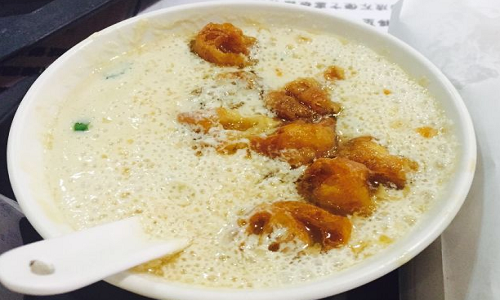
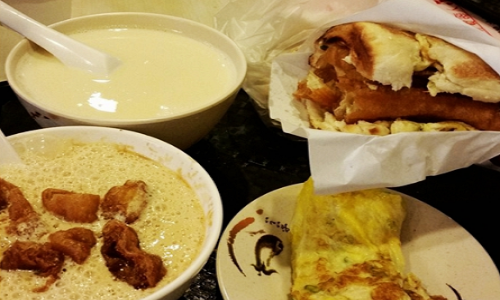
Hangzhou Style Soy Milk
---The Everyday Flavor of the Salty Soy Milk Essence
· Introduction
Unlike the common sweet soy milk, "savory soy milk" is more popular in Hangzhou. It is one of the core elements of the local breakfast culture.
· Flavor
Add soy sauce, black vinegar, scallions, and fried dough pieces to the hot soy milk, creating a unique taste similar to "soy milk soup". The taste is rich and complex, with a strong and savory flavor.
· Recommended pairing
It is usually paired with pan-fried buns or soup dumplings, which is the most authentic combination for a Hangzhou breakfast.
· Cultural highlights
Reflects the characteristic of "subtle yet layered flavors" in Jiangnan cuisine.
· Recommended restaurants
Youbu Soy Milk
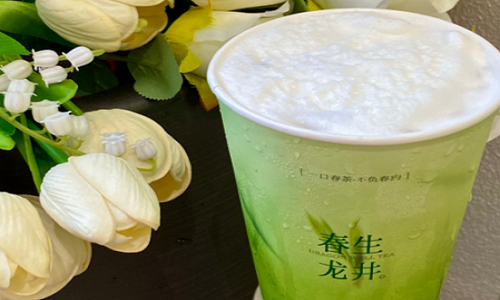
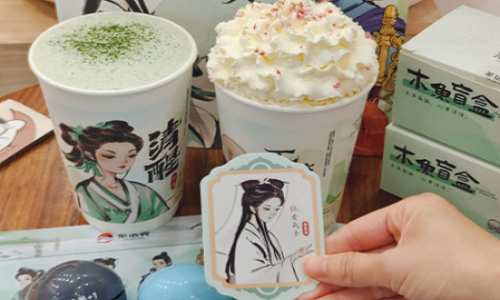
Modern Tea Drinks
---When Osmanthus Longjing Meets Modern Tea Beverages
· Introduction
In recent years, the modern tea beverages in Hangzhou have developed rapidly, integrating traditional elements with trendy flavors to create the distinctive "Hangzhou-style milk tea".
· Flavor
Based on local elements such as Longjing tea and osmanthus, it is combined with milk, cheese foam or fruit infusion, presenting a fresh and not greasy taste.
· Representatives
Longjing Latte, Osmanthus Milk Tea, Sparkling Tea.
· Features
Emphasizing "low sugar, light taste" better meets the demands of contemporary healthy eating. Shopping malls, scenic spots and trendy districts can be found everywhere. They are typical representatives of the fusion of tradition and modernity.
· Recommended restaurants
All the major milk tea shops in shopping malls and scenic areas offer this beverage.
Food Map: Where to Find the Most Authentic Cuisine?
The culinary landscape of Hangzhou is a three-dimensional picture that blends the poetic charm of mountains and waters with the bustling life of the city. To truly understand the taste code of this city, one must not merely take a cursory look at the scenic spots; instead, one should delve into the streets and alleys of Hangzhou.
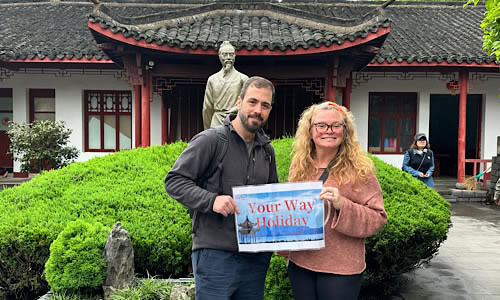 Hangzhou Dragon Well Tea Village & Longjing Tea Plantation Day Tour
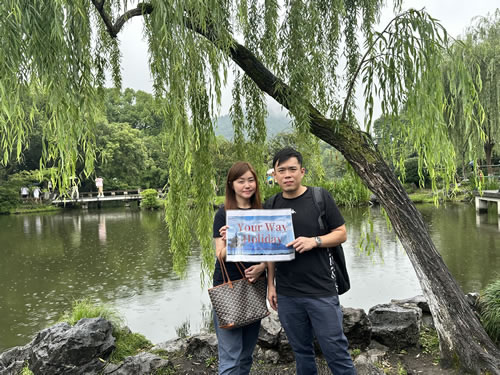 Shanghai to Hangzhou Day Trip by High-Speed Train: Dragon Well Tea Plantation and Cultural Tour
Time-honored Restaurants
---A Taste Pilgrimage Through Time
In Hangzhou, dining is not merely about satisfying hunger; it is also a dialogue with history. These "time-honored brands" are not just restaurants; they are living museums, with each dish preserving the century-old hardships and legends, carrying the city's memory and the continuation of culinary heritage.
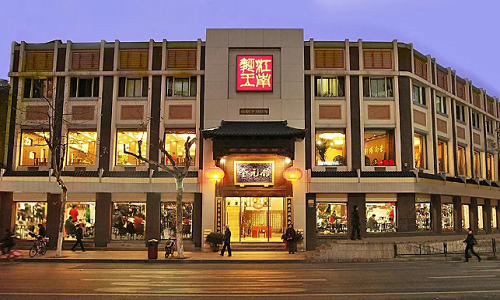
Louwai Lou Restaurant
---The "No. 1 Chinese Restaurant" by the West Lake
· Introduction
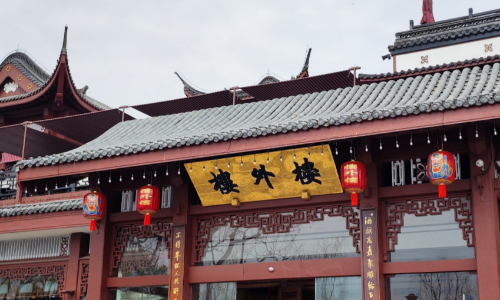
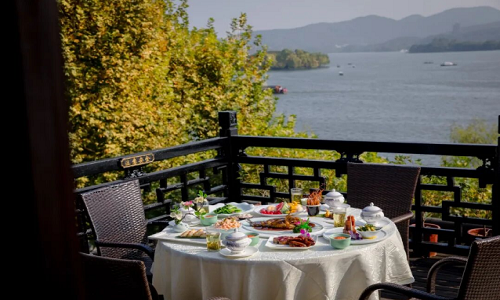
Located at the southern foot of the Gushan Hill in the West Lake, Louwai Lou Restaurant is not only a landmark of dining in Hangzhou, but also a "living fossil" of Hangzhou cuisine. Since its establishment in the 28th year of the Qing Dynasty (1848), it has presented a poetic scene of "mountains beyond the mountains and buildings beyond the buildings", overlooking the changing rain and mist of the West Lake. It was once the stopping place of historical figures such as Sun Yat-sen, Lu Xun, and Zhou Enlai, and also the venue for the luncheon of the hostesses of the G20 Hangzhou Summit in 2016.
· Address
No. 30 Gushan Road, Xihu District (close to Zhongshan Park, located within the West Lake Scenic Area)
· Telephone
0571-87990764
· Signature dishes
West Lake Vinegar Fish, Longjing Shrimp, Beggar's Chicken.
· Per capita consumption
150 yuan - 200 yuan
· Experience Tips
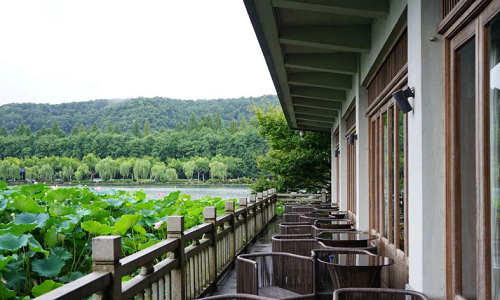
It is recommended to make a reservation in advance for the window-viewing seats. While enjoying the panoramic view of West Lake, you can also taste the intangible cultural heritage skills and experience the unique atmosphere of "building a tower based on the name of the dish and promoting the tower through literature".
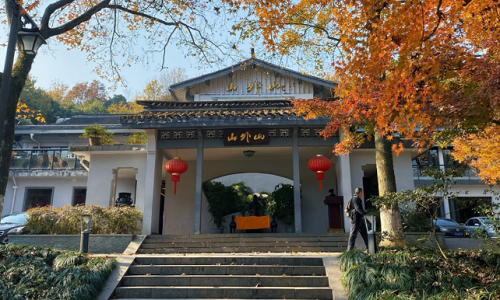
Shanwai Shan Restaurant
---"The Emperor of Fish Heads" in the Botanical Garden
· Introduction
Shanwai Shan Restaurant is nestled deep within the Hangzhou Botanical Garden. The environment is serene, exuding a sense of "hidden peace even in the midst of the city". It was first established in 1903. Here, they offer high-end Hangzhou cuisine and a series of organic fish from Qian Dao Lake. It is the preferred choice for local families for gatherings and entertaining guests in privacy.
· Address
No. 8, Yuquan Road, Xihu District (Inside the North Gate of Hangzhou Botanical Garden)
· Telephone
0571-87995866
· Signature dishes
Eight-Treasure Fish Head Supreme: Crafted with premium Bighead Carp heads from the pristine Qiandaohu Lake, this masterpiece is enriched with eight delicacies—including ham, scallops, and abalone. Slow-simmered for hours, it yields a creamy white broth and incredibly tender, fresh-tasting meat. It is hailed as the definitive representative of "New Hangzhou Cuisine."
The Qianlong Imperial Banquet: A culinary journey that recreates the splendor of the Qing Dynasty court, perfectly fusing seasonal Jiangnan ingredients with time-honored royal cooking techniques.
· Per capita consumption
130 yuan - 150 yuan
· Experience Tips
The restaurant has a branch named Lin Yu Garden. The garden-style dining environment is superb. After the meal, you can stop by the botanical garden to enjoy the pleasant time of "eating outside the mountains and enjoying the scenery inside the paintings".
Zhiwei Guan Restaurant
---To understand my flavor, simply observe the ingredients
· Introduction
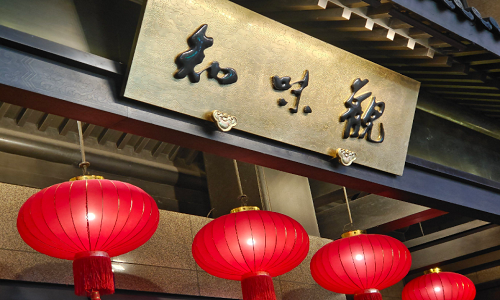
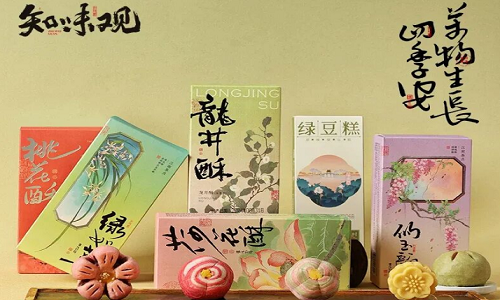
Established in 1913, Zhiwei Guan is hailed as the "Kingdom of Pastries" and is the epitome of Hangzhou's local cuisine. From the ancient-style gatehouse of the Hubin main store to the convenient online delivery services of its community chain outlets, Zhiwei Guan has long been integrated into the daily lives of Hangzhou residents. Here, there are both high-end and exquisite "Wei Zhuang" restaurants as well as the bustling "Snack Bar" food stalls, making it the perfect place to experience the dual delights of Hangzhou's "Hangbang Cuisine" and pastries.
· Address
No. 83 Renhe Road, Shangcheng District (Close to Dongpo Road, Main Store)
· Telephone
0571-87012200
· Signature dishes
Cat's Ear Noodles, Dingsheng Cake, Fresh meat steamed buns.
· Per capita consumption
30 yuan - 150 yuan
The snack/delivery counter on the first floor costs only ¥30 - ¥50 per person (for dishes like Fresh meat steamed buns, Cat's Ear Noodles, and pastries); while the ordering area on the second or third floor costs around ¥100 - ¥150 per person (for authentic Hangzhou-style cuisine).
· Experience Tips
The Lakefront Main Store has a food culture exhibition area where you can enjoy delicious food while learning about the century-long evolution of Hangzhou's culinary culture.
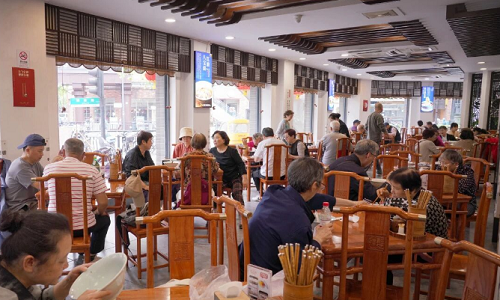
Kuiyuan Guan Restaurant
---Where Martial Spirit Meets Culinary Elegance in a Bowl
· Introduction
Established in 1867, Kuiyuan Guan isn't just a restaurant; it's a legend. Crowned the "King of Noodles in Jiangnan" by the renowned artist Cheng Shifa, this century-old establishment has served everyone from Republican-era icons like Mei Lanfang to Jin Yong, who considered it his absolute favorite.
· Address
No. 154 Jiefang Road, Shangcheng District
· Telephone
0571-87063206
· Signature dishes
Shrimp and Eel Noodles, Pian Er Chuan Noodles.
· Per capita consumption
45 yuan - 60 yuan
· Experience Tips
Be prepared for a crowd—queues are a permanent fixture during meal hours, so try to visit during off-peak times. If you don't have a huge appetite, consider sharing a large bowl with a friend and ordering some side dishes.
Affordable Restaurants Often Visited by Local People
---A cost-effective, authentic "cafeteria"
In Hangzhou, there are such a group of Hangzhou-style restaurants. They are not century-old family businesses, but with their authentic flavors and affordable prices, they have become the "family dining halls" that locals frequently visit. These restaurants lack luxurious decorations, yet they always manage to attract a full house during meal times, adding a touch of warmth to the bustling culinary scene of Hangzhou.
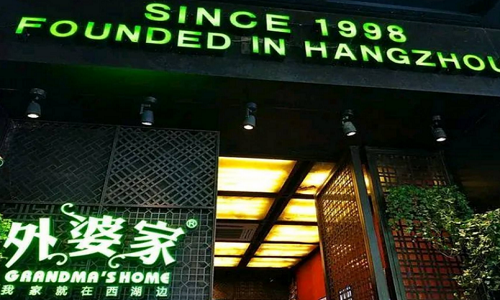
Grandma's Home Restaurant
---A Generation's Introduction to Hangzhou Cuisine
· Introduction
Grandma's Home is a phenomenon in the Hangzhou catering industry and serves as the starting point for many tourists from other places to learn about Hangzhou cuisine. With the concept of "affordable yet delicious food", it has brought Hangzhou cuisine into the era of mass consumption.
· Address
No. 3, Hupin Road, Shangcheng District
· Telephone
+86 571 8510 1939
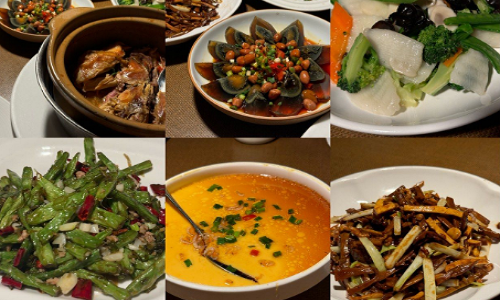
· Signature dishes
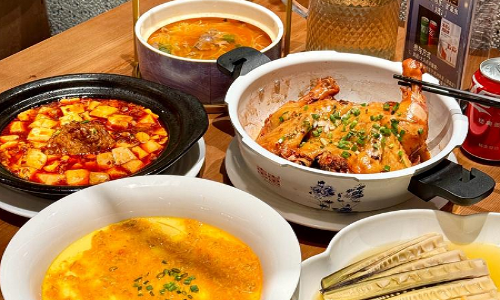
Tea Fragrance Chicken, Mapo Tofu, and Grandma's Braised Pork.
· Per capita consumption
60 yuan - 70 yuan
· Experience Tips
The flavors of the dishes here are moderate, taking into account both the preferences of local people and the acceptance of tourists from other places. It is a safe choice for family gatherings and small gatherings among friends.
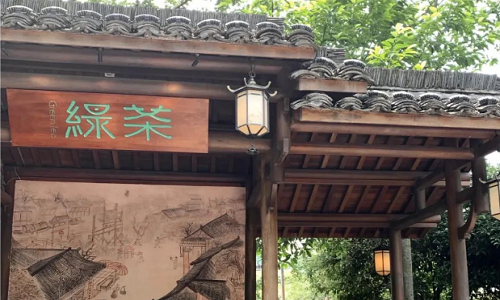
Green Tea Restaurant
---A Poetic Feast in the Style of Jiangnan Gardens
· Introduction
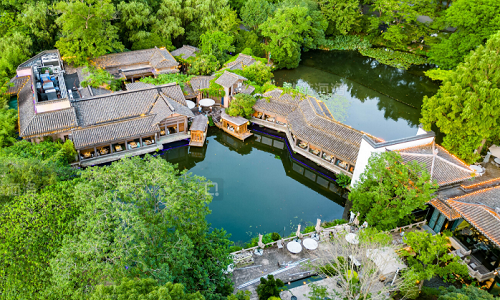
Each branch of Green Tea Restaurant is highly designed, seamlessly integrating Jiangnan garden elements with modern dining spaces. Every step leads to a new scene, making diners feel as if they are immersed in an ink wash painting.
· Address
No. 83, Longjing Road, Xihu District
· Telephone
+86-0571-87206380
· Signature dishes
Green Tea Roast Chicken, stone pot chicken soup.
· Per capita consumption
55 yuan - 65 yuan
· Experience Tips
The dishes here mainly feature creative Hangzhou-style cuisine. They are carefully selected and beautifully presented, fully demonstrating the elegance and innovation of traditional Hangzhou cuisine.
In the Lane Restaurant
---The Urban Echoes of Old Hangzhou Lanes
· Introduction
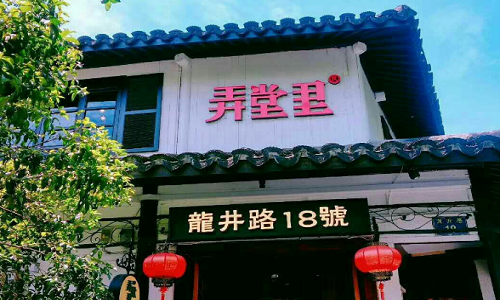
This restaurant is renowned for its unique "Old Hangzhou Lane" architectural style, as if the old Hangzhou street scenes from the past have been brought into the restaurant. The mottled brick walls, the retro signs, and the old-fashioned bicycles - every detail is filled with a sense of nostalgia.
· Address
No. 18, Longjing Road, Xihu District
· Telephone
0571-88083178
· Signature dishes
Granny's Fresh Shrimp Roll, Lane-style Stir-fry, and Egg Yolk Chicken Wings.
· Per capita consumption
65 yuan - 75 yuan
· Experience Tips
The dishes here mainly feature authentic Jiangnan home-style cuisine, with a strong flavor, slightly salty and sweet, full of the urban flavor of old Hangzhou.
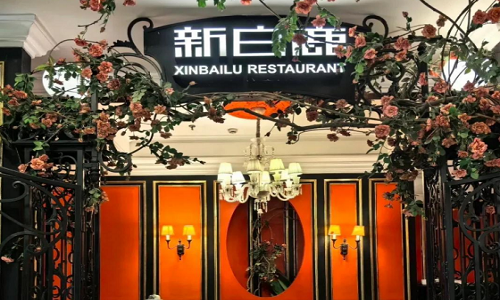
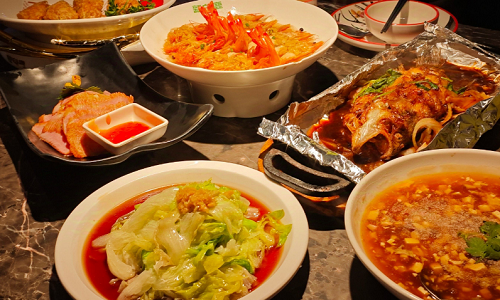
Xin Bailu Restaurant
---The National Cafeteria That Set a Guinness World Record
· Introduction
This restaurant is undoubtedly the "national cafeteria" in the hearts of the people of Hangzhou. With its unparalleled cost-effectiveness and authentic flavors, it has consistently topped the list of the preferred dining options for local people.
· Address
3rd Floor, Hubin Yintai, Area C, No. 258, Yan'an Road, Shangcheng District
· Telephone
0571-87025826
· Signature dishes
egg yolk chicken wings (once set a Guinness World Record), sweet and sour pork ribs and ice cream baked cheesecake.
· Per capita consumption
50 yuan - 70 yuan
· Experience Tips
The ingredients used in the dishes here are genuine, and the flavors are authentic. Many classic dishes maintain affordable prices, making it a high-value choice for family gatherings and friends' parties.
Hangzhou Night Market & Food Streets
---Savoring the Flavor of Hangzhou's Bustling Atmosphere
In Hangzhou, during the day, the West Lake belongs to the landscape and mountains; while at night, its soul lies in the hustle and bustle of the streets and alleys. To truly understand the taste code of this city, apart from the exquisite restaurants of the Hangzhou style cuisine, you need to immerse yourself in those noisy and lively night markets and food streets. Here, there are no strict table manners; only sizzling grilled skewers, sweet and chewy pastries, and the continuous sounds of vendors' calls.
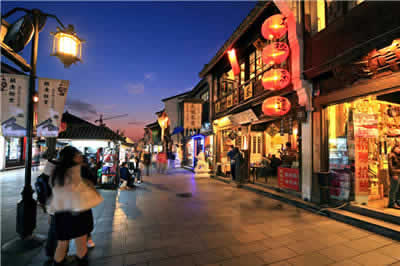
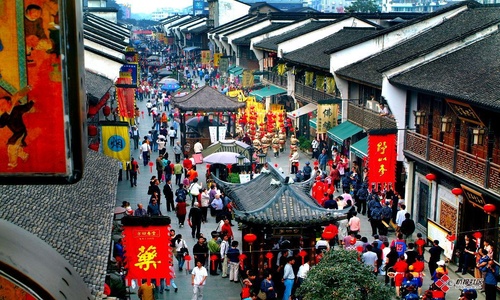
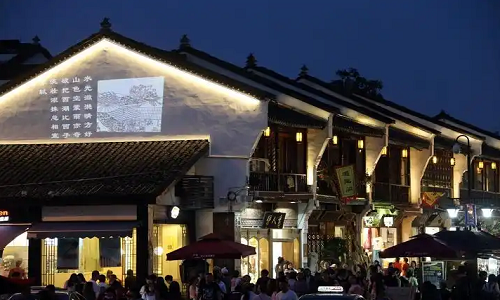
He Fang Street & Southern Song Imperial Street
---A Taste-Tasting Journey Through Time
· Introduction
As one of the most famous ancient streets in Hangzhou, He Fang Street, along with the Southern Song Imperial Street area, is a hotspot where tourists and locals gather both during the day and at night. It has a strong historical atmosphere, yet is also filled with modern excitement and vitality.
· Signature
The variety of street food here is extensive, including traditional Hangzhou cuisine as well as some local specialties and innovative fusion dishes. While walking on the street, you can enjoy your meal while experiencing the local atmosphere of Hangzhou.
· Experience Tips
The night-time Hefang Street is the most bustling area. Especially on holidays or weekends, the shops on both sides of the street are diverse and numerous, making it a must-visit landmark for tourists.
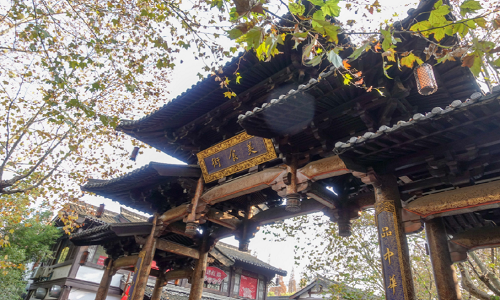
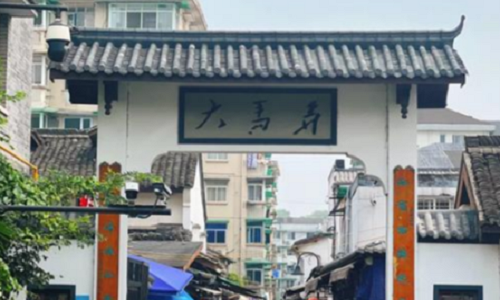
Zhongshan South Road & Dama Long Lane
---The Old-fashioned Street Life of the Common People
· Introduction
If you want to avoid the crowds and experience the most authentic "old Hangzhou" flavor, then you must visit Dama Long Lane on the southern section of Zhongshan South Road. There is no exquisite decoration here; only faded walls and a bustling vegetable market filled with the aroma of daily life. This is a traditional street belonging to the locals. In the morning, it is a bustling market; in the evening, the air is filled with the fragrant smells of various small restaurants.
· Signature
The cuisine in these two neighborhoods leans more towards traditional snacks, with rich and authentic flavors. Unlike the commercialized atmosphere in other areas, this place retains the old-school flavors of Hangzhou and has more reasonable prices.
· Experience Tips
The night in Dama Long Lane exudes a strong sense of local urban charm, being both understated and intriguing. It is particularly suitable for travelers who enjoy exploring local culture.
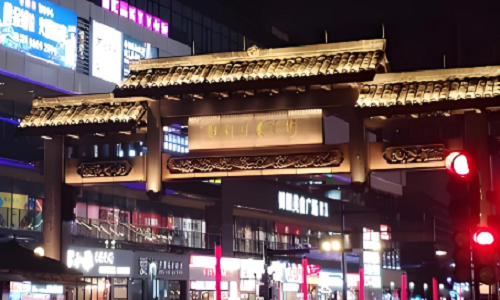
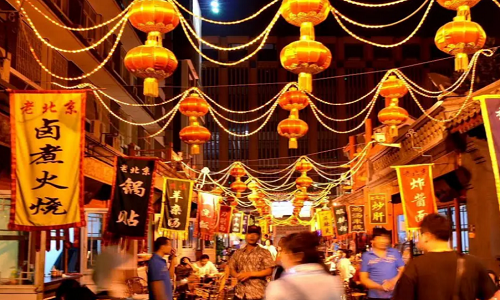
Victory River Food Street
---The late-night restaurant of the locals
· Introduction
This place is hailed as the "night snack mecca" of Hangzhou, and it is the top choice for locals to seek food at night. The ancient buildings are built along the river, with a dazzling "hotspot sky" above and a sparkling river below. The environment is extremely unique.
· Signature
The snacks here are usually characterized by their freshness and spiciness, which will stimulate your taste buds. Among them, grilled squid, fried skewers and hot dry noodles are particularly famous. Having a string of these snacks and a glass of beer at night on the streets of Hangzhou is definitely the perfect combination.
· Experience Tips
In the Victory River Food Street at night, the neon lights are shining brightly. The snacks here are mostly "shared", and people gather with friends for a small gathering. While eating, they chat and enjoy a unique atmosphere.
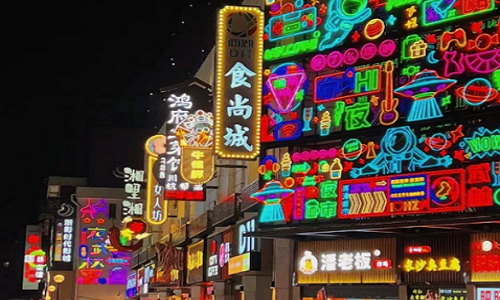
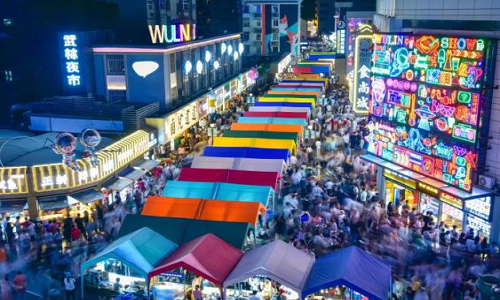
Wulin Night Market
---A Cultural and Creative Paradise for Young Trendsetters
· Introduction
This restaurant is undoubtedly the "national cafeteria" in the hearts of the people of Hangzhou. With its unparalleled cost-effectiveness and authentic flavors, it has consistently topped the list of the preferred dining options for local people.
· Signature
The food street of the Wulin Night Market has a rich atmosphere, blending tradition and modernity. The snacks here not only have local characteristics of Hangzhou but also various flavors from all over China. Moreover, the cultural and creative stalls in the night market also allow people to experience the cultural vitality of Hangzhou as a "creative city".
· Experience Tips
The Wulin Night Market is not only a place for dining, but also has various interesting handicraft stalls, making it perfect for taking photos and posting them online. If you are a creative type, this place often hosts some small exhibitions and performances, combining art and delicious food.
Safety Tips for Avoiding Pitfalls
In this charming city of Hangzhou, although there is a wide variety of delicious food, some restaurants and snacks might disappoint you. To make your dining experience more enjoyable, avoid the common "food pitfalls". Here are some essential tips for avoiding such traps, allowing you to better appreciate the essence of Hangzhou cuisine.
1. West Lake Vinegar Fish – It’s Not About Being Too Sour, Avoiding Overly Fishy Flavors
The sourness of West Lake Vinegar Fish should be mild. The sauce is mainly a balance of sweet and sour flavors, rather than just being "sour". The essence of West Lake Vinegar Fish lies in the "vinegar fragrance" and the tenderness of the fish. If you encounter a fish with a "fishy smell", be cautious. Authentic West Lake Vinegar Fish should use fresh grass carp, and the fish meat should be delicate without any fishy odor.
2. Be Cautious with High-Priced Restaurants Near Scenic Spots
When visiting scenic spots such as West Lake or Lingyin Temple, many tourists are often drawn to the expensive restaurants nearby. Although these restaurants have excellent locations and beautiful views, some of them charge excessively high prices, and the food quality may not match the price. If you don't want to miss authentic Hangzhou cuisine, you can choose local restaurants with good reputations. These restaurants usually offer more authentic and cost-effective food.
3. Social Media Hotspots Are Not Always the Best
Queuing up doesn't necessarily mean the food will be good. Especially for some "quick-service" restaurants, their food quality may not be as excellent as expected. It's better to choose restaurants with a long-standing reputation, especially those recommended by locals.
4. Pian Er Chuan Noodles – Always Choose "Stir-fried Toppings Made to Order"
Pian Er Chuan Noodles, as one of the classic noodles in Hangzhou, are often known by many tourists for their refreshing soup and delicious taste. However, their toppings are not well understood by most people. Many restaurants prepare the toppings in advance and do not stir-fry them fresh. To enjoy authentic Pian Er Chuan noodles, it is recommended to choose those restaurants that can stir-fry the toppings on the spot. The pickled mustard greens, bamboo shoots, and pork slices in the toppings should be quickly stir-fried to retain the most delicious taste. The soup of Pian Er Chuan noodles should be light and fresh, not greasy, and the noodles should be springy. Avoid those restaurants whose soup is too cloudy or whose noodles are too soft when cooked.
5. For Cong Bao Hui, Choose Street-side Traditional Stoves
Cong Bao Hui likes to eat the items that are baked in traditional stoves. This way, the pastry can be crispy on the outside and tender on the inside, and the fragrant aroma of the onions can be retained. Street vendors are usually the most authentic choice for tasting this snack.
6. Avoid Overly Sweet "Fake Hangzhou Cuisine"
Authentic Hangzhou cuisine should retain the natural flavors of the ingredients, rather than being overly sweet. If you encounter a restaurant where the dishes taste overly sweet, especially some classic dishes such as Dongpo Pork or West Lake Vinegar Fish, be cautious.
7. Seasonal Dishes: Spring Bamboo Shoots, Autumn Crabs, Winter Lamb are the Freshest
· Spring bamboo shoots: Spring bamboo shoots are sweet, tender and crisp. This is the perfect time to try classic dishes like braised pork with bamboo shoots.
· Autumn crabs: Autumn crabs are plump and rich in butter and yellow. This is the time to taste steamed hairy crabs.
· Winter lamb: In the cold season, lamb is tender and not pungent. It is perfect for enjoying lamb soup and other warming delicacies.
When choosing seasonal dishes, it is best to ask the restaurant if they use the freshest ingredients. This not only ensures the taste but also allows for a better experience of the local seasonal flavors.
 Private Two Days Hangzhou Highlights Tour - Soul of Hangzhou with Optional Impression Westlake Show
 Hangzhou Day Trip From Shanghai with Impression West Lake Show & Optional First Class Bullet Train
Prev: Hangzhou Nightlife Guide: Best Things to Do at Night
Next: Hangzhou Hiking Guide: Tea Mountains & Countryside Trails
Wechat: YourWayHolidayAsia
24 Hours Hotline:
+86 137-3541-1378
* Authentic Experiences: Genuine local experiences that immerse you in the true essence of Hangzhou and beyond.
* Safety First: Highest safety standards with secure activities and reliable transportation.
* Customizable Tours: Flexible itineraries tailored to your interests and needs.
* Local Expertise: In-depth knowledge of Hangzhou and China, offering exclusive insights.
* Professional Guides: Licensed bilingual guides with over 5 years of experience.
* Comfortable Travel: Experienced drivers and well-maintained vehicles for a smooth journey.
* Sustainable Tourism: Commitment to responsible tourism and supporting local communities.
* Customer-Focused: Personalized service and continuous improvement based on your feedback.
* Free Cancellation: Cancel up to 24 hours before travel for flexibility and peace of mind.
* 24/7 Support: Round-the-clock assistance for any questions or help needed.
1 to 1 tailor-made service from our professional travel advisors for the most sophisticated
Constantly excellent reviews for attraction, hotel and service Competitive price
Local experts provide quality tours Best selected knowledgeable local guides Authentic local restaurants
7*24 hours available to create you a worry-free tour. No Hidden Fees and absolutely no pressure to buy. Secured








Copyright © 2017 Hangzhouprivatetour.com All rights reserved.