24 Hours Hotline: +86 137-3541-1378
Email:info@tripstoshanghai.com
24 Hours Hotline: +86 137-3541-1378
Email:info@tripstoshanghai.com
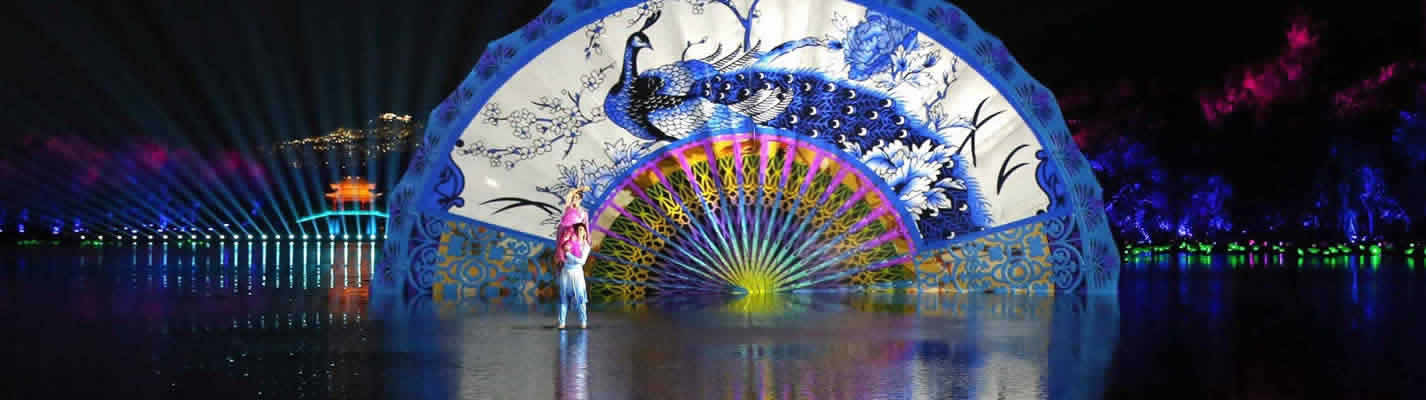
Hangzhou’s transportation network is well-developed and user-friendly, integrating public transportation, private transportation, and scenic area-specific transportation. The city has a comprehensive subway system covering major scenic spots, commercial districts, and transportation hubs; a convenient bus network connecting every corner of the city; and flexible taxi and ride-hailing services to meet your personalized travel needs. In addition, the scenic areas such as West Lake also have special transportation options to help you explore the scenery comfortably. Before starting your trip, understanding Hangzhou’s transportation rules, payment methods, and key tips will make your journey more smooth and enjoyable. This guide will detail all aspects of Hangzhou’s transportation, helping you solve all travel-related troubles.
 Hangzhou Highlights Day Trip from Shanghai: West Lake Sunset Views & Optional First-Class Bullet Train
 Hangzhou Cultural Legacies Tour for Asians and Overseas Chinese
Public Transportation—The Most Economical and Convenient Choice
Air
Main Airport Overview
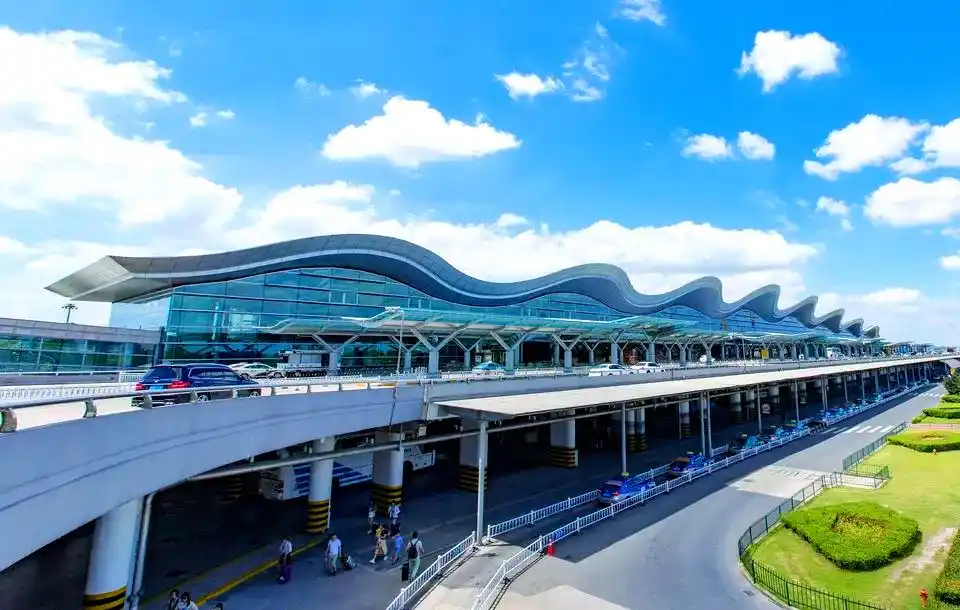
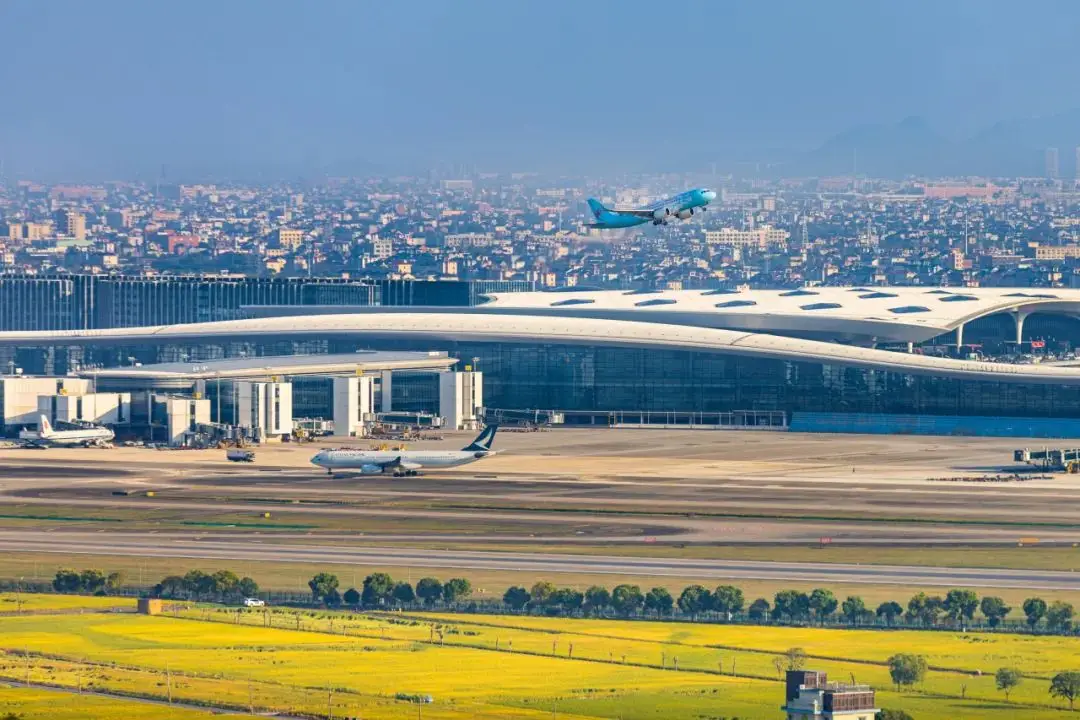
Hangzhou’s main airport is Hangzhou Xiaoshan International Airport (IATA: HGH), located in Xiaoshan District, about 27 kilometers from the urban center. It is a 4E-level international airport, operating a large number of domestic and international flights, covering major cities in China, as well as popular international destinations such as Southeast Asia, East Asia, and Europe. The airport has two terminals (Terminal 1 and Terminal 3) and one international terminal, with clear English signs, electronic guides, and bilingual staff throughout the airport to provide assistance for foreign tourists.
Flight Inquiry and Ticketing
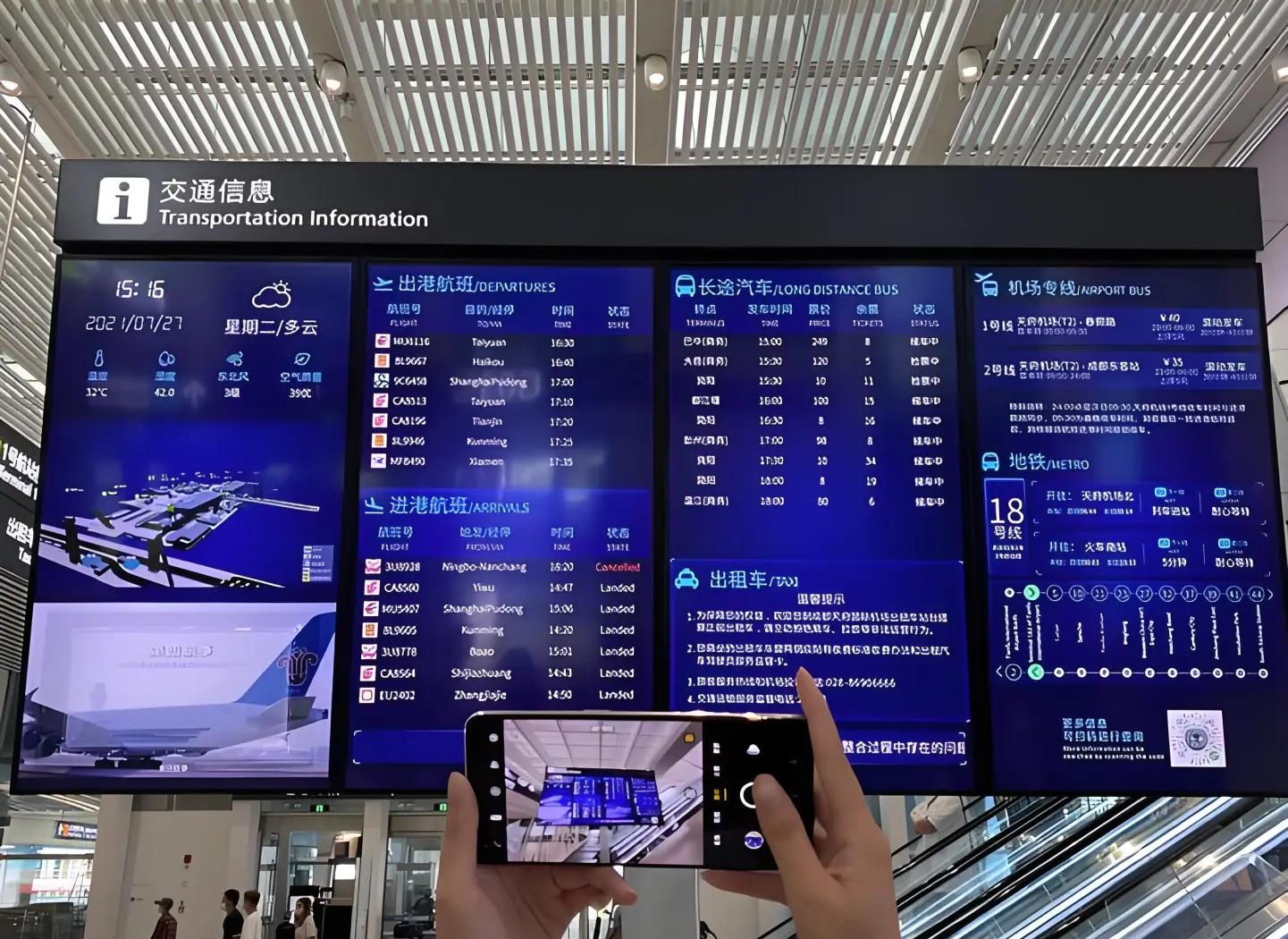
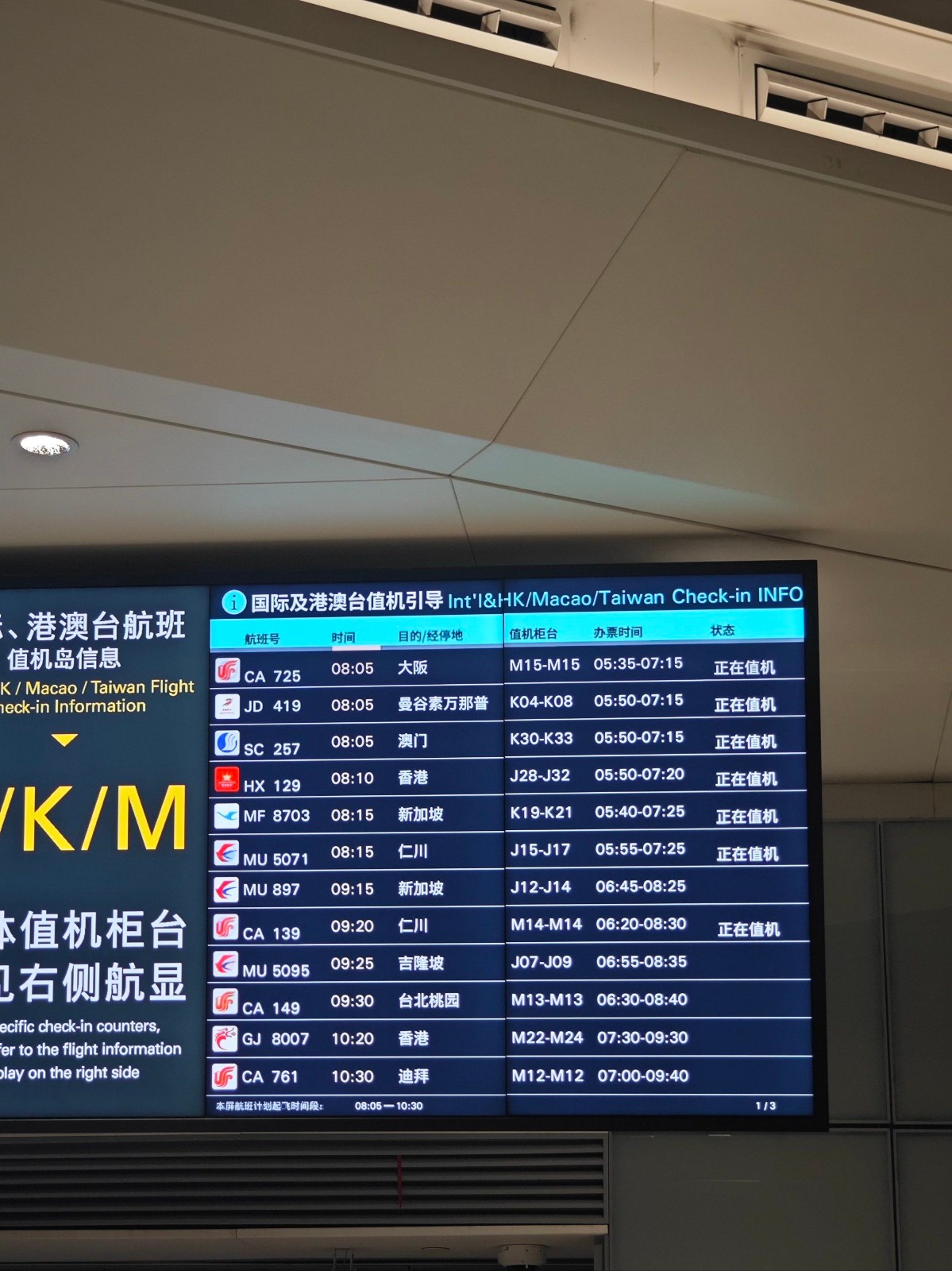
1. Flight Inquiry: Foreign tourists can inquire about flight schedules, flight status, and terminal information through official channels: Airport official website (English interface), "Hangzhou Airport" app (English version available), or international flight inquiry platforms (e.g.Ctrip).
2. Ticketing Methods: Purchase tickets through online platforms (bind international credit cards or use Alipay/WeChat), airport ticket offices (English-speaking staff), or travel agencies. When purchasing tickets, prepare your passport information, and the electronic ticket will be sent to your registered email or mobile phone.
3.Note: Check the latest flight status before departure, as flights may be delayed or canceled due to weather or other reasons.
Airport Check-in and Boarding Process
1. Check-in Time: For domestic flights, check-in starts 2 hours before departure and closes 45 minutes before departure; for international flights, check-in starts 3 hours before departure and closes 1 hour before departure.
2. Check-in Methods:
- Self-service Check-in: Self-service check-in machines are available in the terminal (English interface), scan your passport or enter your booking number to print your boarding pass.
- Counter Check-in: Go to the corresponding airline counter (marked with airline logo and English signs), present your passport and booking information to the staff for check-in and luggage consignment.
3. Security Check: After check-in, go through security check with your passport, boarding pass, and carry-on luggage. Prohibited items (liquids over 100ml, sharp objects, flammables, etc.) are not allowed to be carried on board; check the airport’s official website for detailed prohibited item lists.
4. Boarding: After security check, find your boarding gate according to the information on your boarding pass (English signs guide the way), and board the plane with your passport and boarding pass when boarding is announced.
Airport Transportation Connection
After arriving at Hangzhou Xiaoshan International Airport, foreign tourists can choose the following transportation methods to reach the urban area or key stations (including Hangzhou South Railway Station):
1. Metro Line 19 (Airport Line): The most convenient and economical way, directly connecting the airport to the urban area. The airport station is located in the terminal building, and the line passes through Wulin Square, Qianjiang New City, Yuhang Railway Station (transfer to Line 1), etc. It takes about 40 minutes to reach the urban center, with a fare of 7-10 yuan.
2. Airport Bus: 8 routes covering major areas of Hangzhou (e.g., Route 1 to Hangzhou Railway Station, Route 2 to Hangzhou East Railway Station, Route 3 to Wulin Square). Fare: 20-30 yuan per person, operating hours matching flight arrival times.
3. Taxi/Ride-hailing: Dedicated taxi and ride-hailing waiting areas are set outside the terminal, with clear English signs. It takes about 40-60 minutes to reach the urban center, with a fare of 80-120 yuan; it takes about 30 minutes to reach Hangzhou South Railway Station, with a fare of 60-80 yuan.
4. Hotel Shuttle Service: Many high-end hotels in Hangzhou provide free shuttle service from the airport; confirm with the hotel in advance when booking.
Airport Facilities and Tips
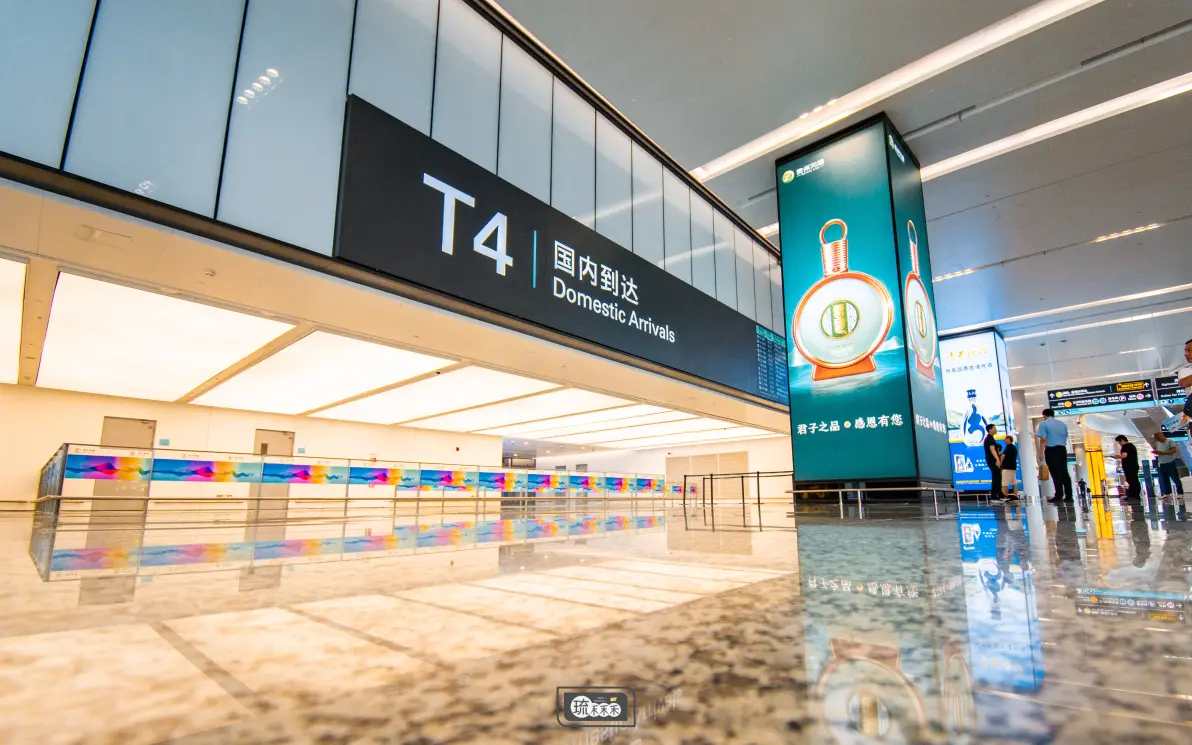
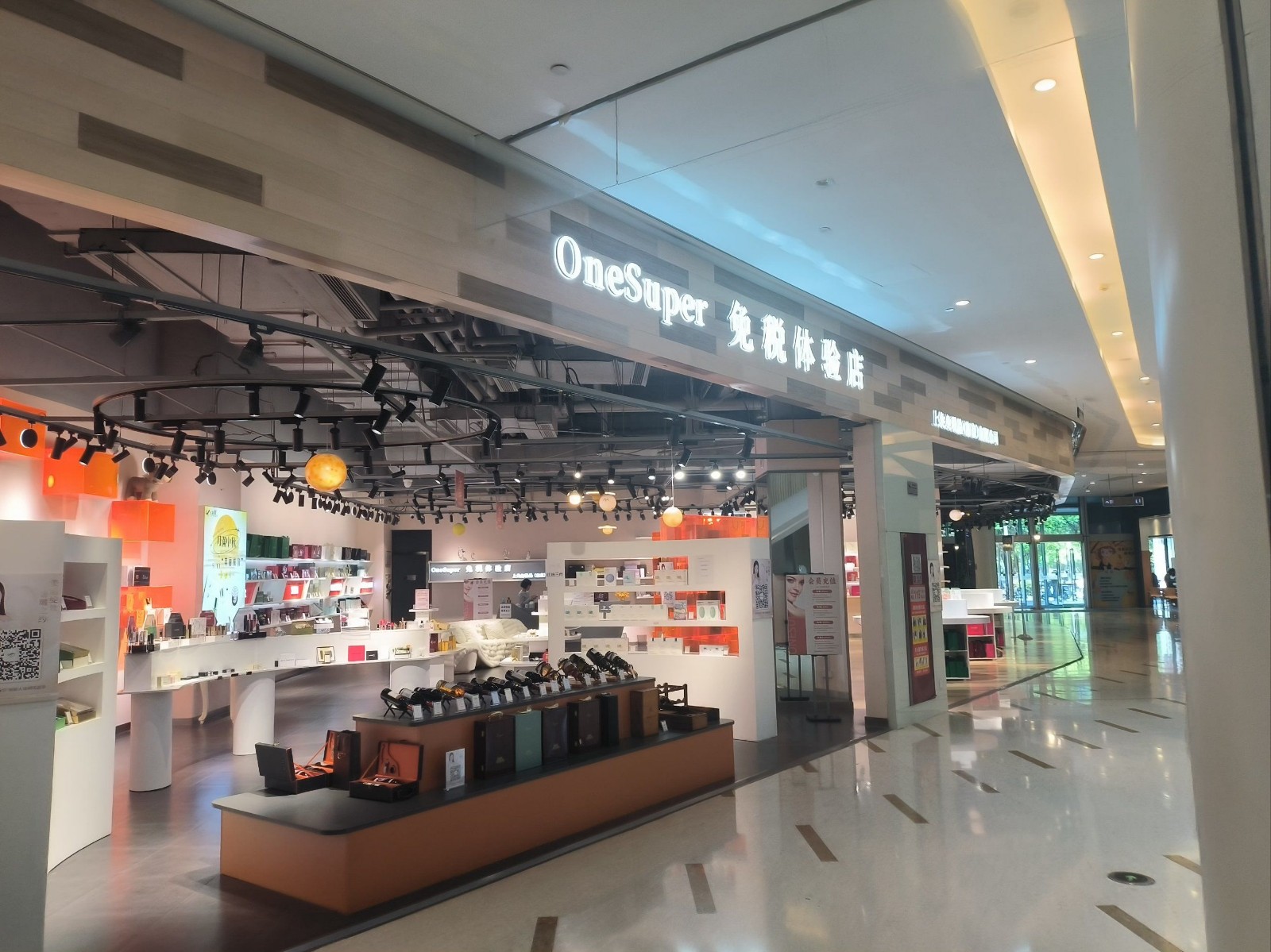
1. Airport Facilities: The airport is equipped with currency exchange offices (supporting major international currencies), ATMs (accepting international credit cards), duty-free shops, restaurants (with English menus), lounges, and medical service centers. There are also charging stations and free Wi-Fi (English connection guide) throughout the terminal.
2. Luggage Services: Luggage storage points are available in the terminal (chargeable), and lost and found offices (bilingual staff) can help with lost luggage inquiries.
3. Tips: Keep your passport and boarding pass safe; if you miss your flight, contact the airline counter immediately for assistance; for international flights, complete customs clearance procedures with your passport and visa (if required) before boarding.
Train
Overview of Major Railway Stations
Hangzhou has four core railway stations, covering high-speed trains and ordinary trains, connecting Hangzhou with major cities across the country. All stations are equipped with clear English signs, electronic guides, and bilingual staff to provide assistance for foreign tourists. Detailed introduction of each station:
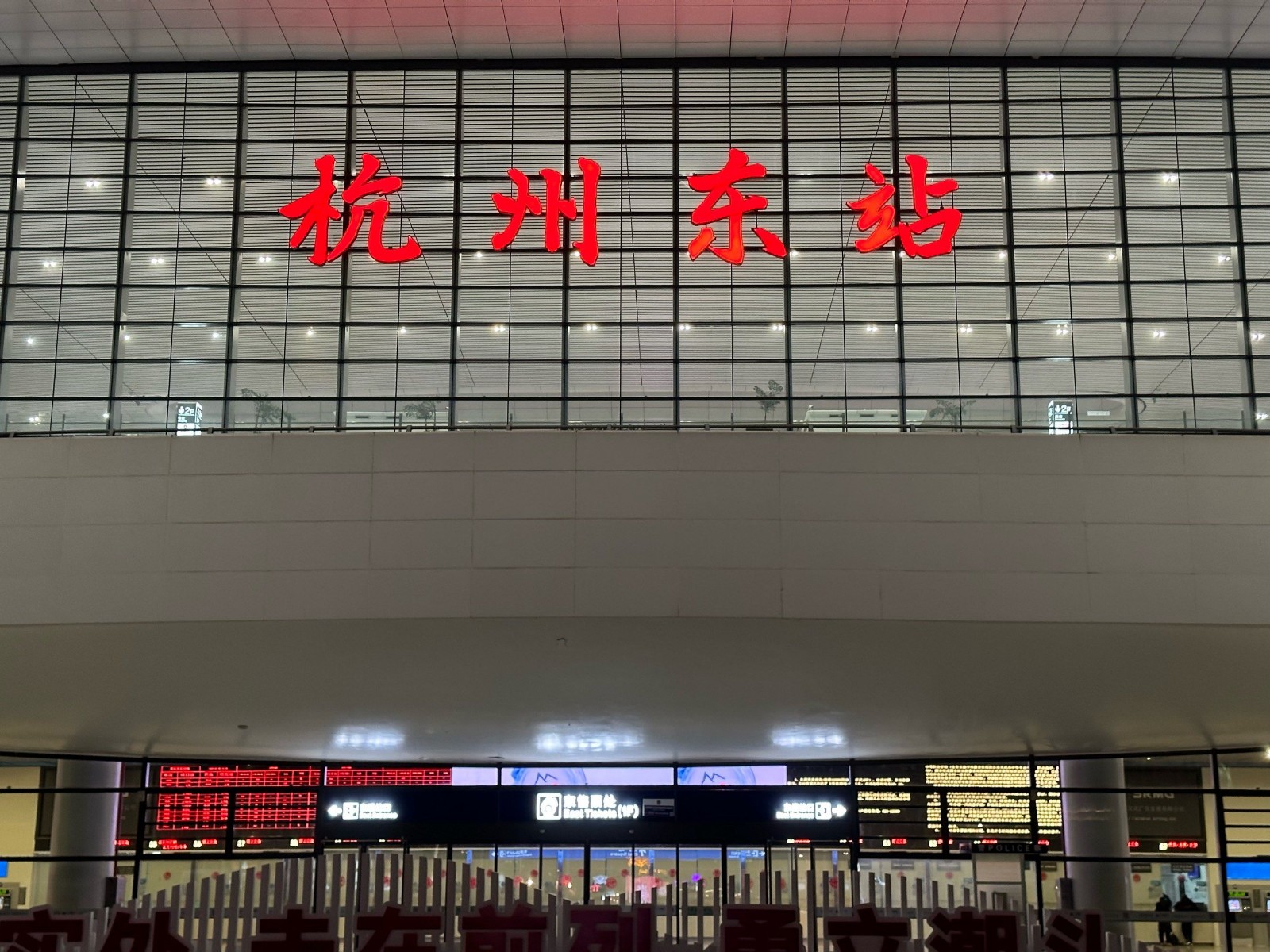
1. Hangzhou East Railway Station: The largest high-speed railway station in Hangzhou, mainly operating high-speed trains (G-series, D-series) to major cities such as Beijing, Shanghai, Guangzhou, and Chengdu, about 15 kilometers from the urban center, with complete supporting facilities and convenient transportation connection.
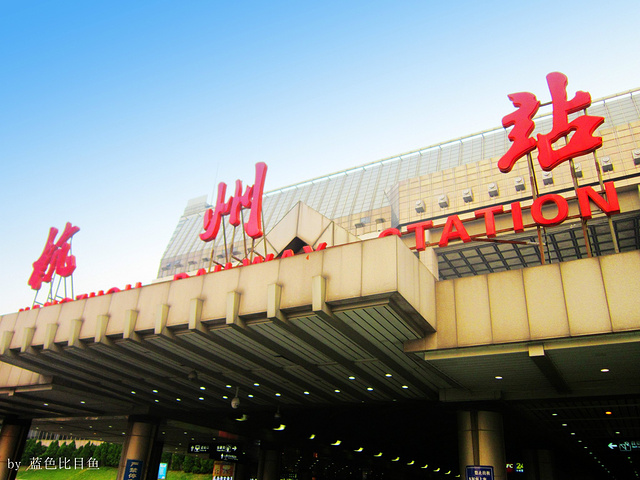
2. Hangzhou Railway Station (Chengzhan): Located in the urban center, about 2 kilometers from West Lake and 1 kilometer from Hubin Business District. It mainly operates ordinary trains (Z-series, T-series, K-series) and short-distance high-speed trains, suitable for short-distance travel and tourists who prefer to stay in the urban area.
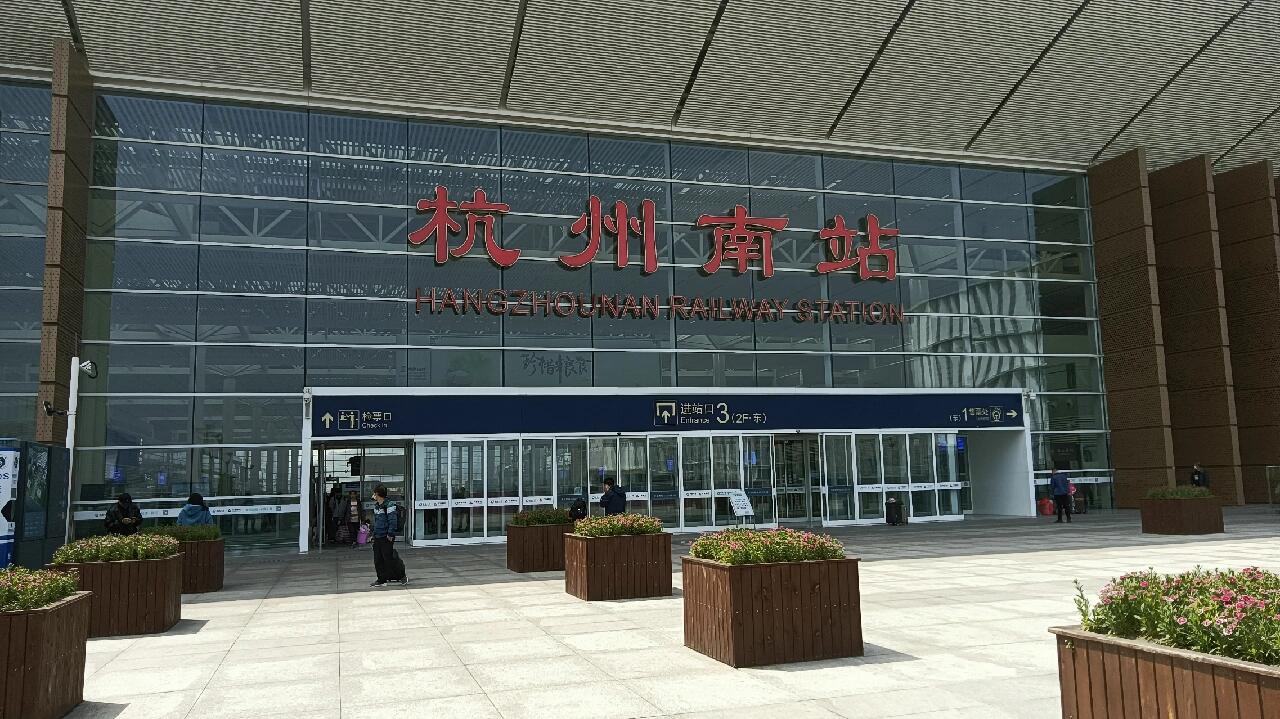
3. Hangzhou South Railway Station: A key railway station in Hangzhou, operating both high-speed trains and ordinary trains, mainly connecting Hangzhou with southern cities such as Shenzhen, Xiamen, and Guangzhou. It is located in Xiaoshan District, with convenient transportation connection to the urban area and scenic spots.
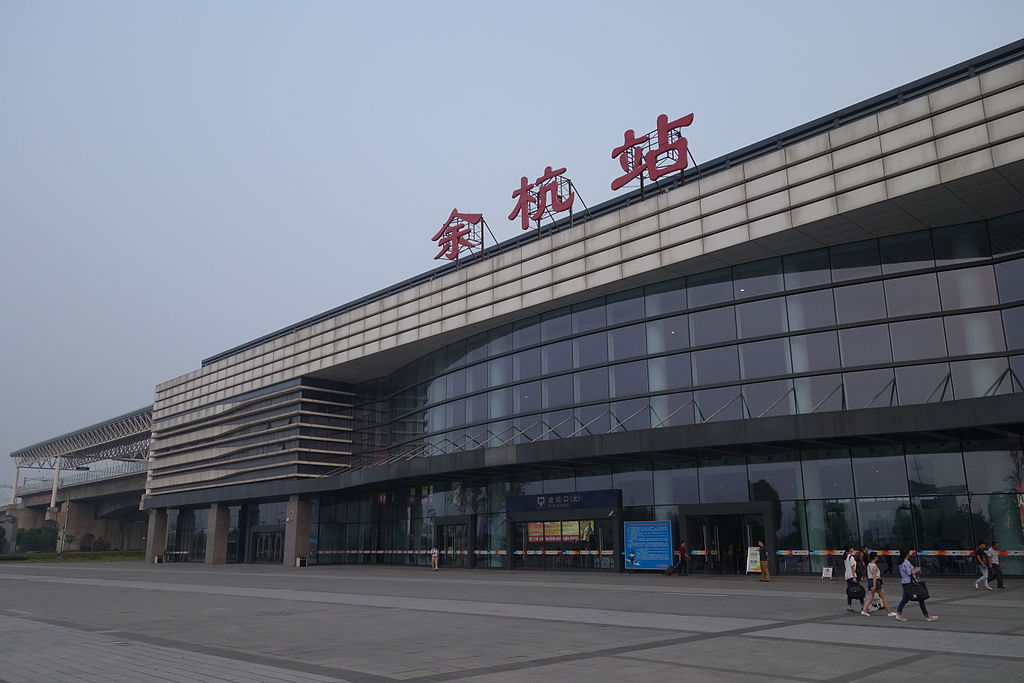
4. Yuhang Railway Station: Located in Yuhang District, mainly operating high-speed trains and intercity trains, connecting Hangzhou with surrounding cities such as Jiaxing and Huzhou. It is a transfer hub for Metro Line 1 and Line 19 (Airport Line), convenient for transferring to the airport.
High-Speed Train
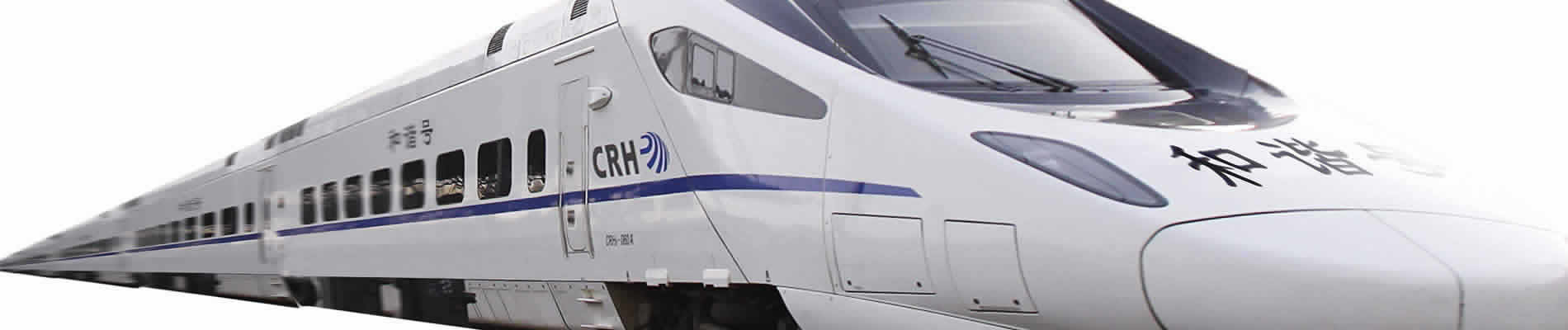
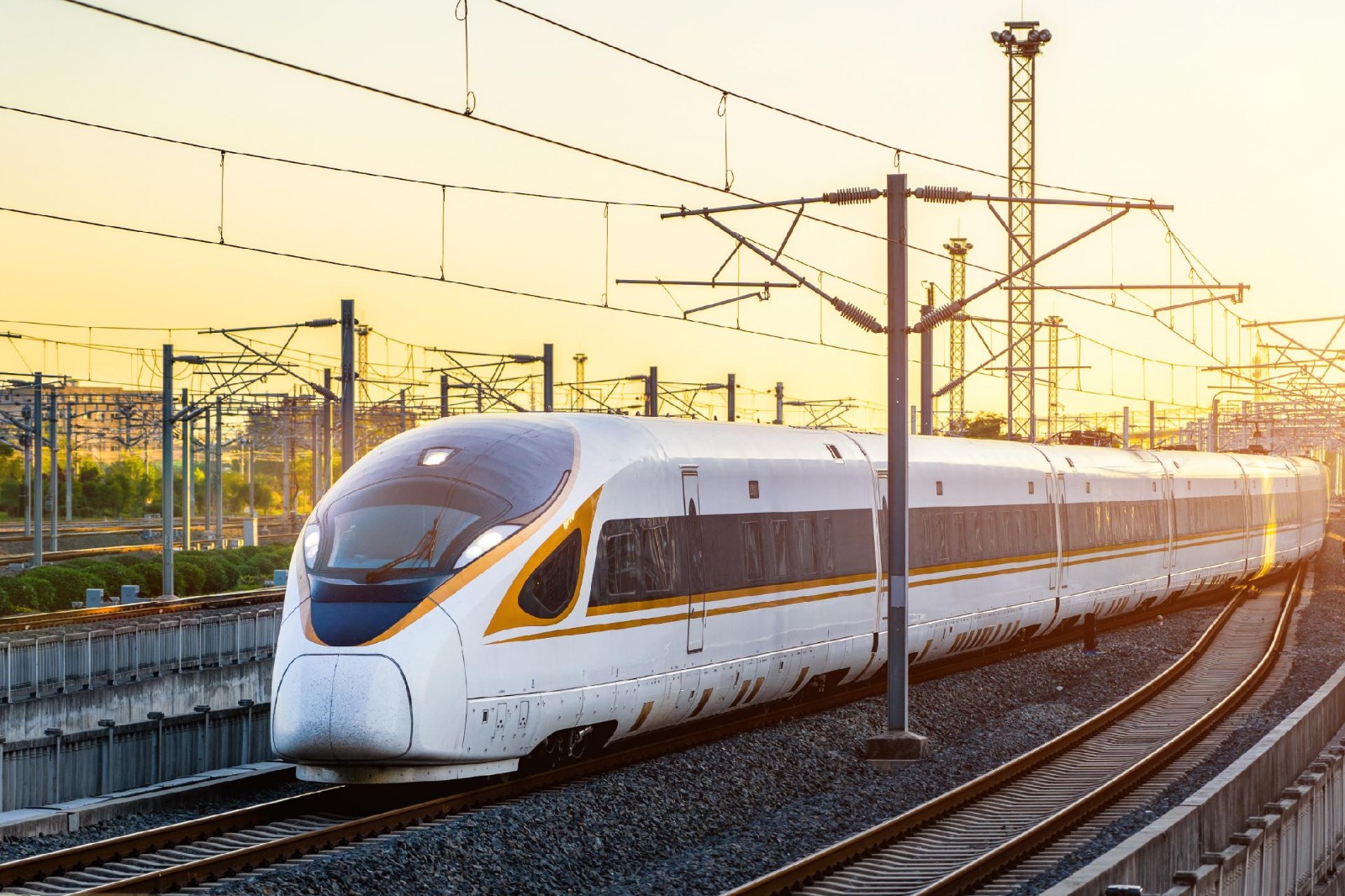
High-speed trains in Hangzhou mainly refer to G-series (high-speed EMU) and D-series (EMU) trains, which are fast, comfortable and efficient, mainly used for medium and long-distance travel between major cities.
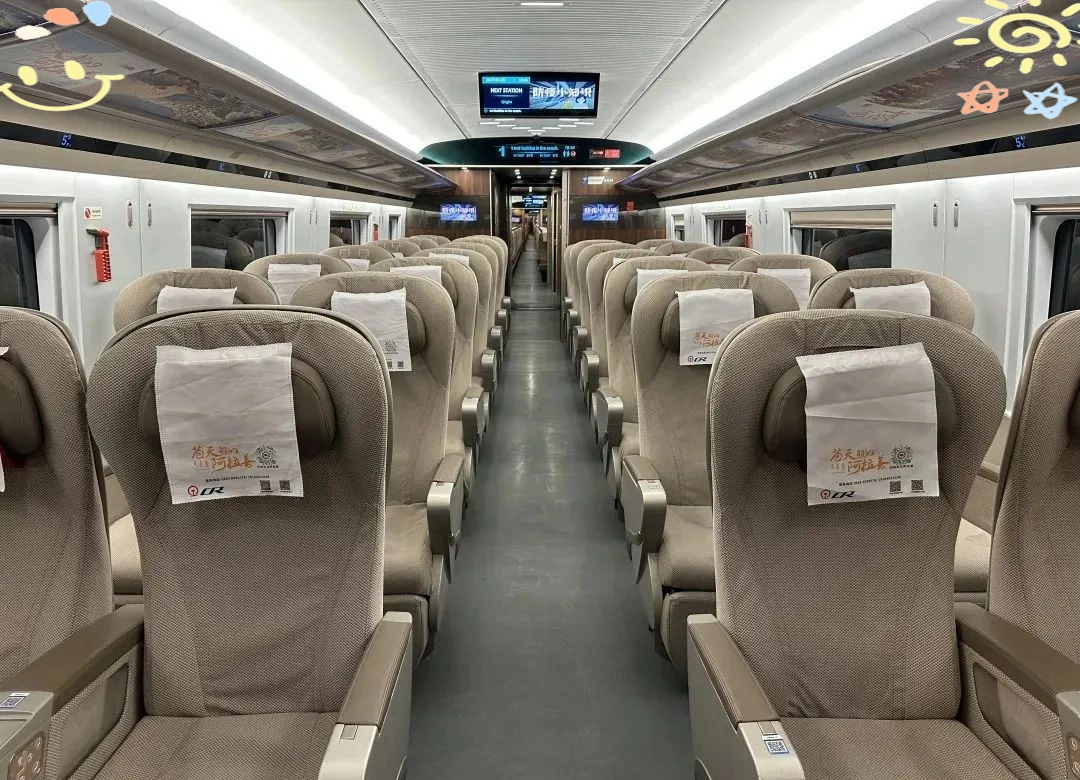
1. Seat Types:
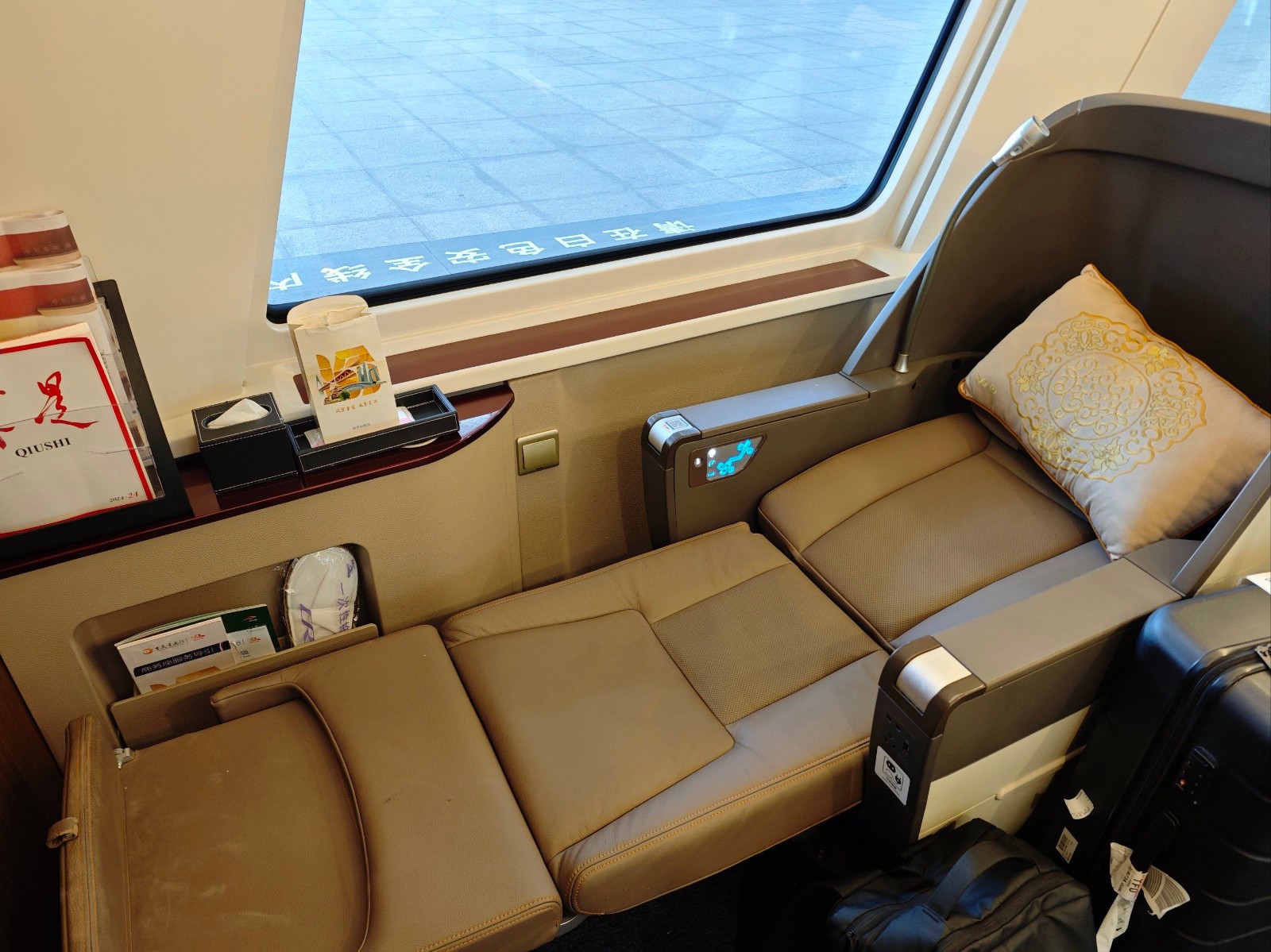
- Business Class: The most comfortable and high-end seat type, with a small number of seats (2-3 seats per row), large space, adjustable seats (reclining to a flat state), footrests, and dedicated service (drinks, snacks). The fare is the highest, suitable for tourists pursuing a high-quality travel experience.
- First Class: 4 seats per row (2+2 layout), spacious seats, adjustable backrests, armrests with storage boxes, and power sockets. The fare is lower than business class and higher than second class, suitable for tourists who value comfort.
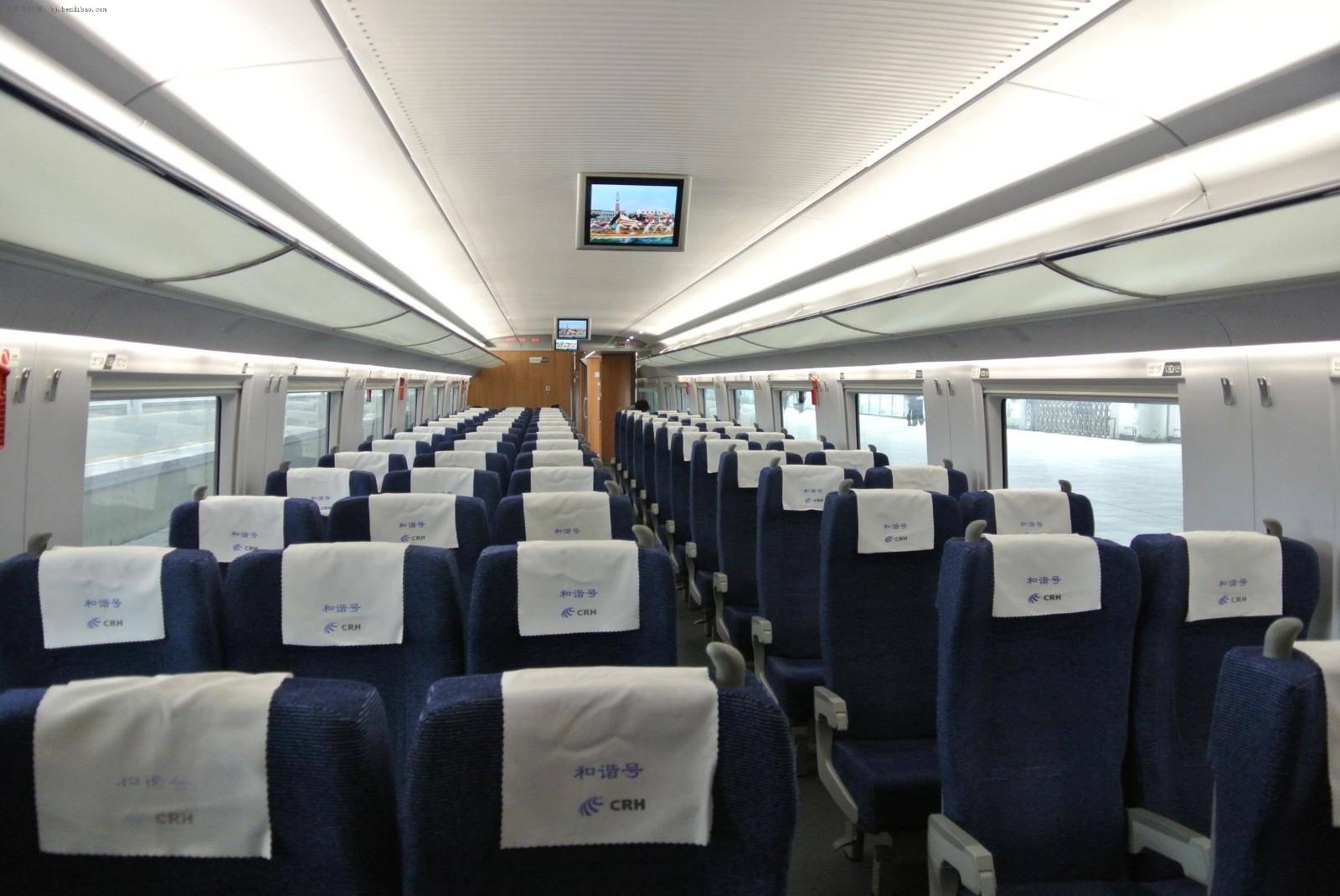
- Second Class: The most common and cost-effective seat type, 5 seats per row (3+2 layout), comfortable seats, adjustable backrests, power sockets (between seats), and luggage racks above the seats. The fare is the most affordable, suitable for most tourists.
- Standing Ticket: When high-speed train tickets are in short supply (especially during peak seasons), standing tickets are available. The fare is the same as the second-class seat. There is no fixed seat; passengers can stand in the designated areas (such as the junction of carriages) and are not allowed to occupy the seats of other passengers or block the passage.
2. Key Features:
- Speed: G-series trains run at a speed of 300-350 km/h, and D-series trains run at 200-250 km/h, which is much faster than ordinary trains, greatly shortening travel time.
- Facilities: All carriages are air-conditioned, with free Wi-Fi (some trains), clean toilets (including accessible toilets), and flight attendants providing thoughtful service. There are also dining cars or vending machines providing food and drinks.
- Operation: High-speed trains have strict departure and arrival times, no delays in principle, and most stations only stop for 2-5 minutes, with efficient operation.
- Ticketing: Tickets are in high demand, especially during peak seasons, and it is recommended to book in advance. Electronic tickets are widely used, and you can board with a passport and electronic ticket without printing a paper ticket.
Ordinary Train
Ordinary trains in Hangzhou mainly include Z-series (direct express), T-series (express), and K-series (fast) trains, with a lower speed than high-speed trains, but a more affordable fare, mainly used for short-distance travel or long-distance travel with a limited budget.
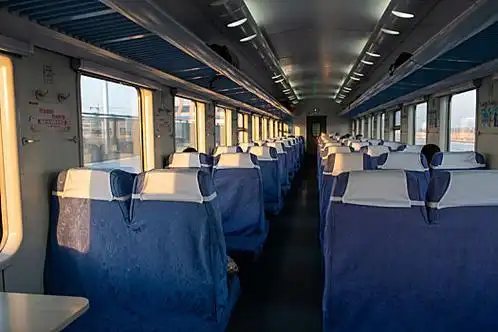
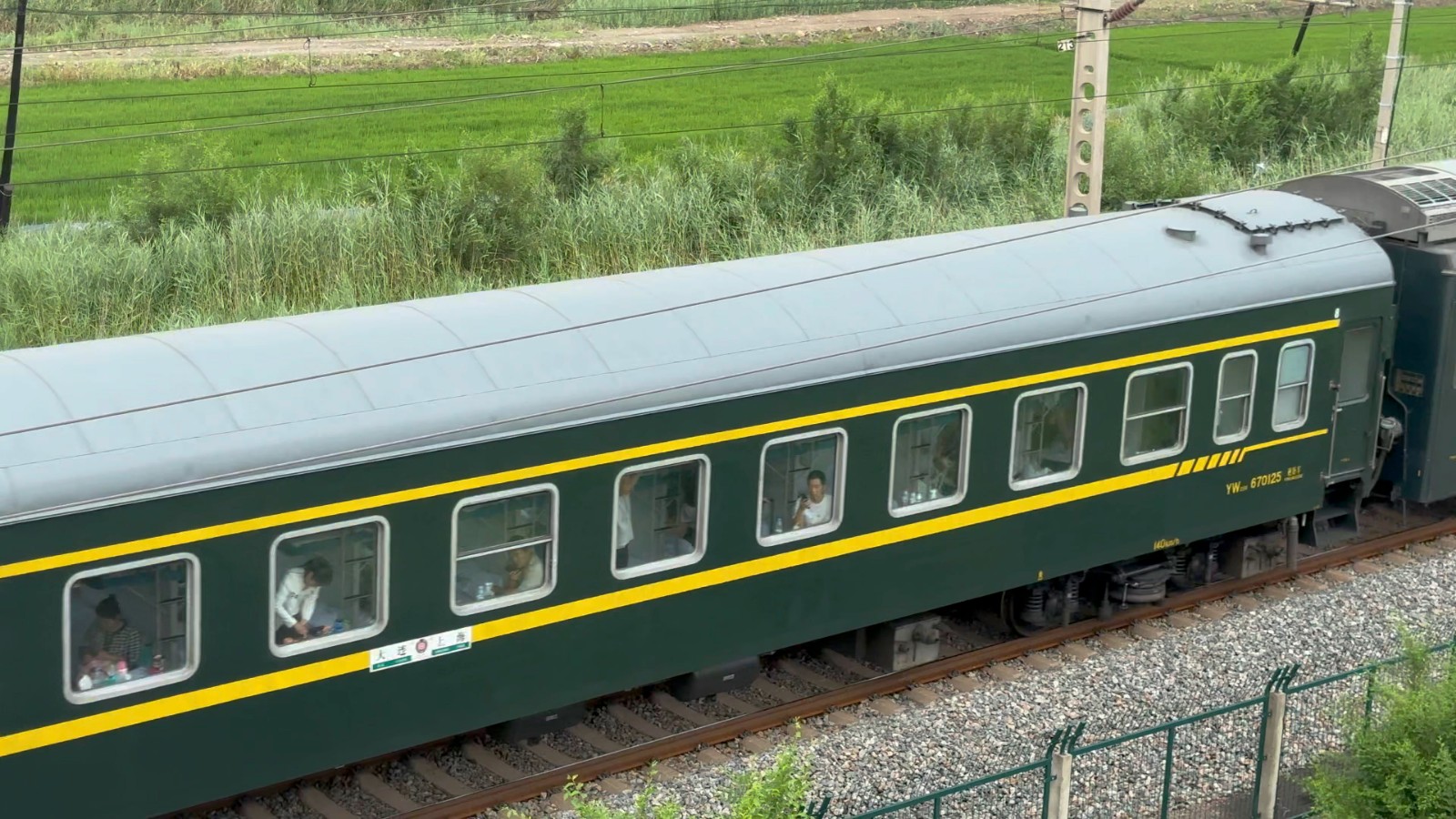
1. Seat Types:
- Hard Seat: The most basic and cheapest seat type, 5 seats per row (3+2 layout), hard seats, no adjustable backrests (or only slightly adjustable), small legroom, and crowded during peak seasons. Suitable for short-distance travel (within 2 hours).
- Soft Seat: More comfortable than hard seats, 4 seats per row (2+2 layout), soft seats, adjustable backrests, larger legroom, and fewer passengers. The fare is higher than hard seats but lower than sleeper.
- Hard Sleeper: A common sleeper type for long-distance travel, with 6 berths per compartment (3 upper, 3 lower), hard mattresses, simple bedding, and shared toilets and washrooms. The fare is moderate, suitable for tourists with a limited budget.
- Soft Sleeper: More comfortable than hard sleeper, with 4 berths per compartment (2 upper, 2 lower), soft mattresses, better bedding, independent locks for the compartment, and shared toilets and washrooms. The fare is higher than hard sleeper, suitable for tourists who need a rest during long-distance travel.
- Luxury Soft Sleeper: The highest-end sleeper type, with 2 berths per compartment (1 upper, 1 lower), spacious space, soft beds, independent toilets, and even a small sofa in some compartments. The fare is high, suitable for tourists pursuing comfort during long-distance travel.
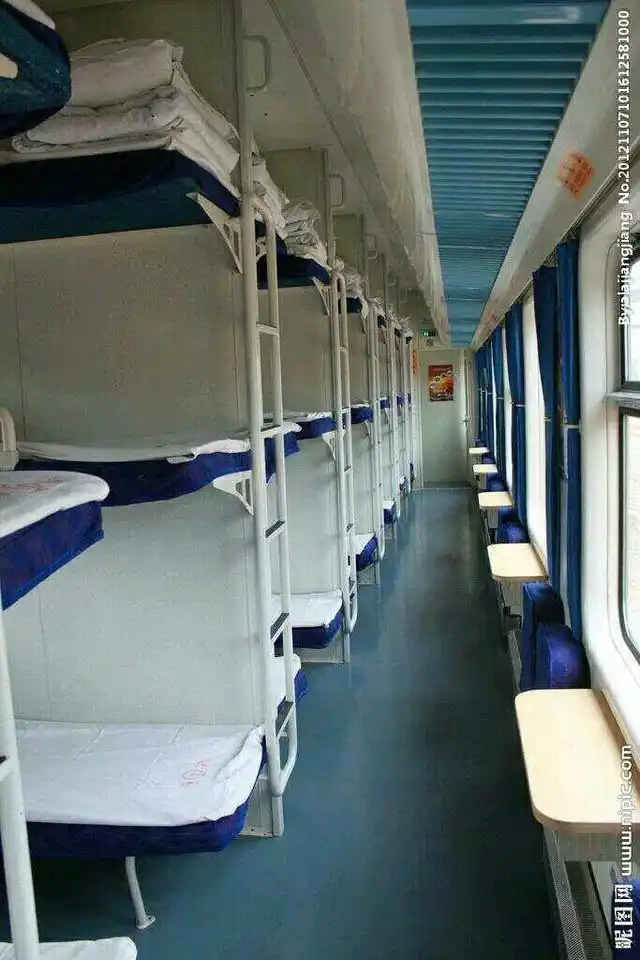
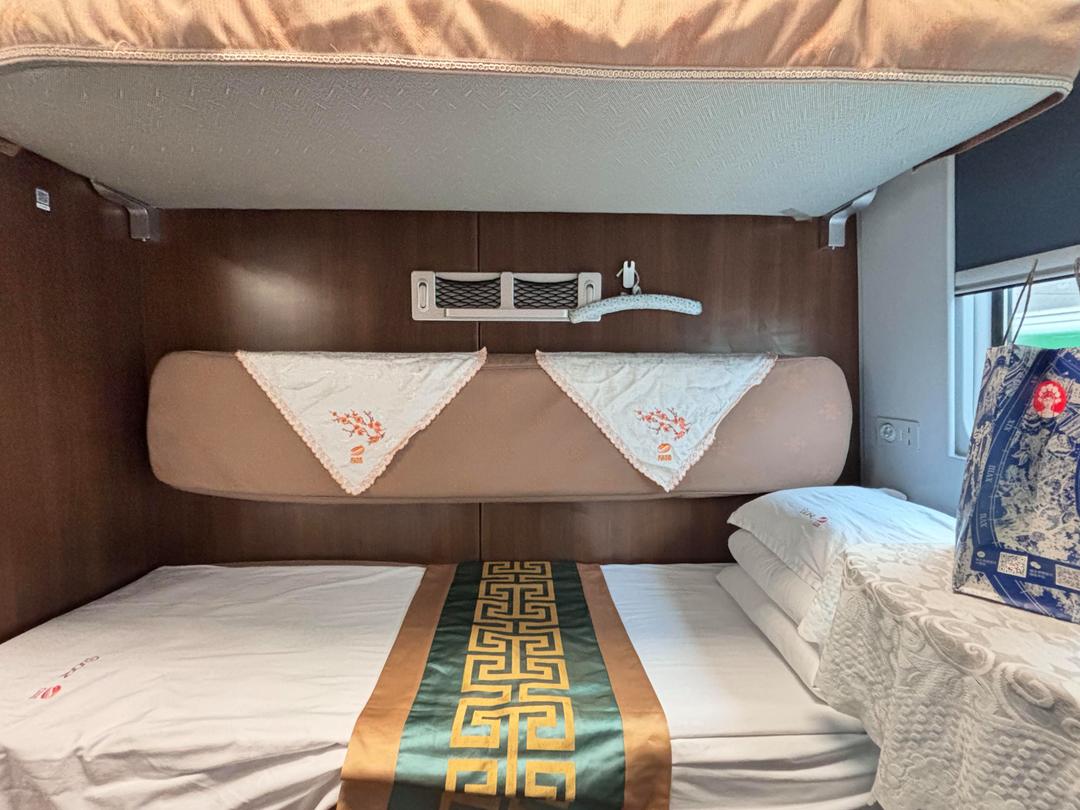
2. Key Features:
- Speed: The running speed is 120-160 km/h, which is much slower than high-speed trains, and the travel time is longer.
- Facilities: Most carriages are air-conditioned (some old trains may not be), with basic toilets and washrooms, no free Wi-Fi, and a dining car providing simple meals. The overall facilities are simpler than high-speed trains.
- Operation: There may be delays due to route scheduling or weather, and the stop time at each station is longer (5-15 minutes), with relatively low operation efficiency.
- Ticketing: The fare is low, and tickets are relatively easy to buy (except during peak seasons). Paper tickets are still available, and you can board with a passport and paper/electronic ticket.
Key Differences Between High-Speed Trains and Ordinary Trains
In addition to the differences in seat types and facilities mentioned above, there are other obvious differences between high-speed trains and ordinary trains:
1. Speed and Travel Time: High-speed trains are 2-3 times faster than ordinary trains, which can save a lot of travel time for long-distance trips. For example, the travel time from Hangzhou to Shanghai by high-speed train is about 1 hour, while by ordinary train it is 2.5-3.5 hours.
2. Fare: The fare of high-speed trains is 2-3 times higher than that of ordinary trains. For example, the second-class seat from Hangzhou to Beijing is about 500 yuan, while the hard seat of ordinary trains is about 150 yuan.
3. Station Location: High-speed trains mainly operate at large stations such as Hangzhou East Railway Station and Hangzhou South Railway Station, which are slightly far from the urban center; ordinary trains mainly operate at Hangzhou Railway Station (Chengzhan), which is located in the urban center, convenient for tourists staying in the urban area.
4. On-board Experience: High-speed trains have a quiet, clean and comfortable environment, with no noise from the train operation; ordinary trains may have noise, and the environment is relatively crowded during peak seasons, with a general on-board experience.
5. Luggage Restrictions: High-speed trains have strict restrictions on carry-on luggage (total weight =20kg, maximum size =130cm), and checked luggage is not available for most high-speed trains; ordinary trains have looser luggage restrictions, and checked luggage is available for all trains.
Train Ticketing Methods
Foreign tourists can purchase high-speed train and ordinary train tickets through multiple convenient channels, with clear English prompts and simple operation:
1. Online Ticketing Platforms:
- 12306 Official Website/APP: The official ticketing platform of China Railway, with an English interface. Register with an international mobile phone number, complete real-name authentication with a passport, search for routes, select seats (high-speed train: business class/first class/second class; ordinary train: hard seat/soft seat/hard sleeper/soft sleeper), and pay with an international credit card or Alipay/WeChat.
- Third-Party Platforms: Ctrip , Fliggy etc. which support English operation and international payment methods, and provide flight-train connection services.
2. On-site Ticketing:
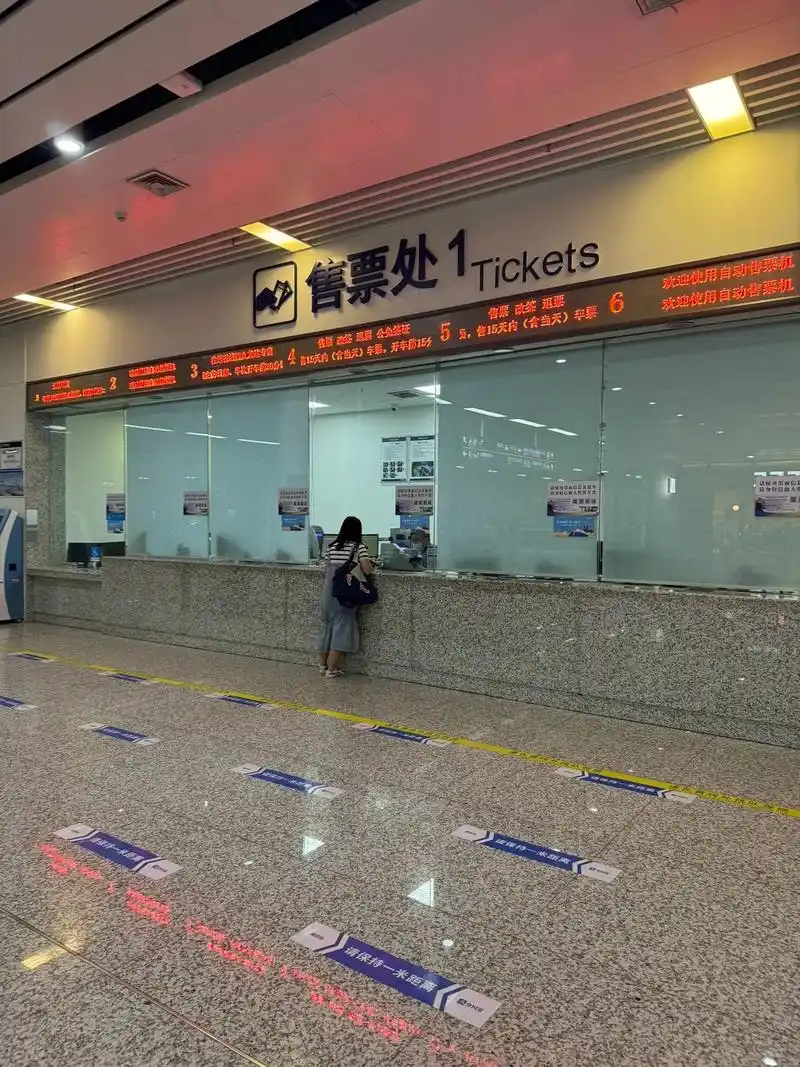
- Ticket Windows: All four railway stations have ticket windows with English-speaking staff. Present your passport to the staff, specify the destination, date, and seat/sleeper type, and pay in cash (RMB) or by card.
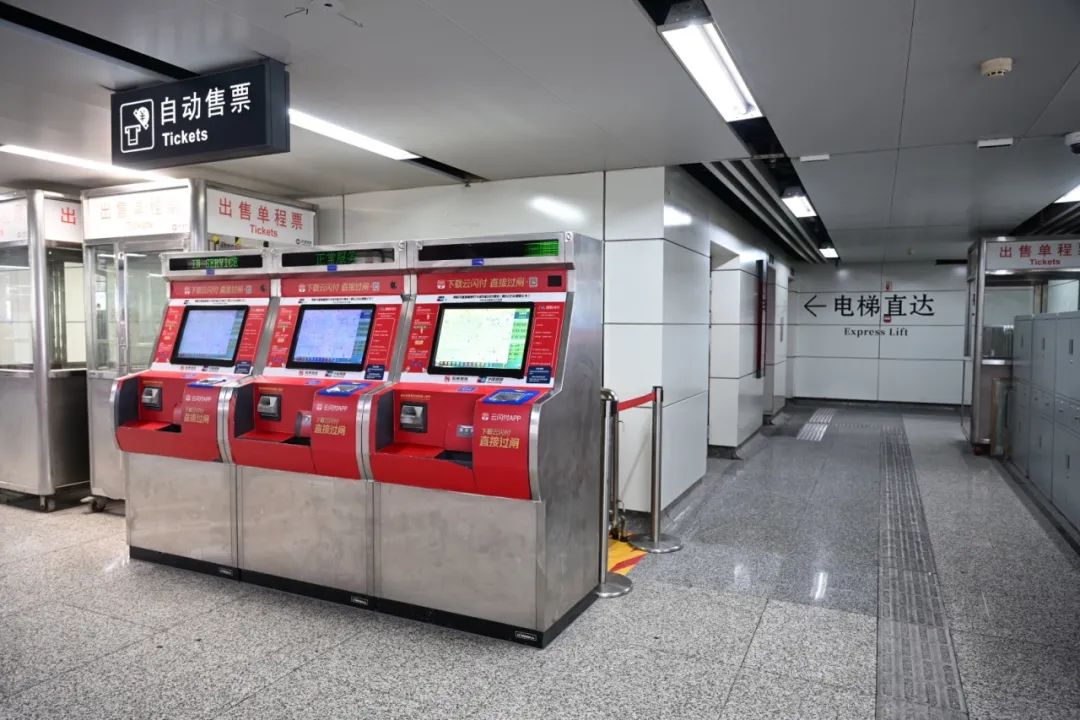
- Self-service Ticket Vending Machines: Located in the station hall, with an English interface. Insert your passport or enter your passport number, select the route and tickets, and pay with cash, Alipay, or WeChat.
- Note: Train tickets are limited, especially during peak seasons (holidays, summer vacation), it is recommended to book tickets 15-30 days in advance. High-speed train tickets are more in demand than ordinary train tickets, so early booking is more necessary.
Train Station Check-in and Boarding Process
The check-in and boarding process for high-speed trains and ordinary trains is basically the same, with clear English signs to guide the way:
1. Check-in Time: For high-speed trains, check-in starts 60 minutes before departure and closes 15 minutes before departure; for ordinary trains, check-in starts 45 minutes before departure and closes 10 minutes before departure.
2. Security Check: Enter the station with your passport and train ticket (electronic or paper), and go through security check. Prohibited items include dangerous goods, flammables, sharp objects, and liquids over 100ml (except for daily necessities that meet the standards).
3. Find the Waiting Hall and Platform: According to the information on the train ticket (train number, departure time), find the corresponding waiting hall (marked with English) and platform. Electronic screens in the waiting hall display real-time train information.
4. Boarding: When the boarding announcement is made, go to the corresponding carriage according to the seat/sleeper number on the ticket (carriage number is marked in English). Show your passport and train ticket to the staff when boarding if required.
5. On-board Notes: For high-speed trains, find your seat according to the seat number (row number and seat letter); for ordinary trains, find your seat or berth according to the seat/sleeper number. Keep your passport and valuables safe, and follow the on-board staff's arrangements.
Railway Station Transportation Connection
All four core railway stations have convenient transportation connections to the urban area, scenic spots, and other transportation hubs. Detailed connection methods are as follows:
1. Hangzhou East Railway Station:
- Metro: Line 1 and Line 4, directly connected to the station hall, convenient for transferring to the urban area, West Lake, and other scenic spots.
- Bus: Over 20 bus lines (including BRT lines), connecting major areas of the city.
- Taxi/Ride-hailing: Dedicated waiting areas outside the station, with clear English signs, 30-40 minutes to the urban center.
- Airport Transfer: Take Metro Line 1 to Yuhang Railway Station, transfer to Line 19 (Airport Line) to reach Hangzhou Xiaoshan International Airport.
2. Hangzhou Railway Station (Chengzhan):
- Metro: 10-minute walk to Line 1 Longxiangqiao Station or Chengzhan Station.
- Bus: Bus No.7, No.27, etc., connecting West Lake, Lingyin Temple, and other scenic spots.
- Taxi/Ride-hailing: Dedicated waiting area at the station entrance, 10-15 minutes to West Lake.
3. Hangzhou South Railway Station:
- Metro: Line 2, directly connected to the station, 30 minutes to the urban center.
- Bus: Bus No.300, No.315, etc., connecting Hangzhou Railway Station and West Lake.
- Taxi/Ride-hailing: Dedicated waiting area, 30 minutes to the urban center, 40 minutes to the airport.
4. Yuhang Railway Station:
- Metro: Transfer hub for Line 1 and Line 19 (Airport Line), 40 minutes to the airport, 20 minutes to the urban center.
- Bus: 5 bus lines, connecting surrounding areas of Yuhang District.
Train Riding Notes
1. Ticket and Document Check: Keep your passport and train ticket (electronic or paper) safe, as they may be checked during boarding and on the train.
2. Luggage Restrictions: For high-speed trains, each passenger can carry 2 pieces of carry-on luggage (total weight =20kg, maximum size =130cm), and most high-speed trains do not provide checked luggage service. For ordinary trains, each passenger can carry 2 pieces of carry-on luggage (total weight =20kg, maximum size =130cm), and checked luggage is available for all trains, with a fee based on weight and distance.
3. On-board Etiquette: Do not make loud noises, smoke, or eat smelly food on the train; take the initiative to give up seats to the elderly, weak, sick, disabled, pregnant women, and infants. For ordinary train sleepers, do not disturb other passengers' rest after 22:00.
4. Delay or Cancellation: If the train is delayed or canceled due to weather, equipment failure, etc., check the real-time information on the station electronic screen or 12306 APP, or consult the station staff for refund or rescheduling. Ordinary trains are more likely to be delayed than high-speed trains.
5. Lost and Found: If you lose your belongings, contact the station lost and found office (bilingual staff) or the on-board conductor, providing detailed information about the lost items.
Metro
Overview of Metro Lines and Key Stations
As of 2026, Hangzhou has opened 12 metro lines (Lines 1-12), covering all key transportation hubs, major scenic spots, and commercial districts. Each line is color-coded for easy identification, with clear English signs, announcements, and electronic screens at every station. Key lines and corresponding key stations are detailed below, including stations connecting all transportation hubs (including Hangzhou South Railway Station):
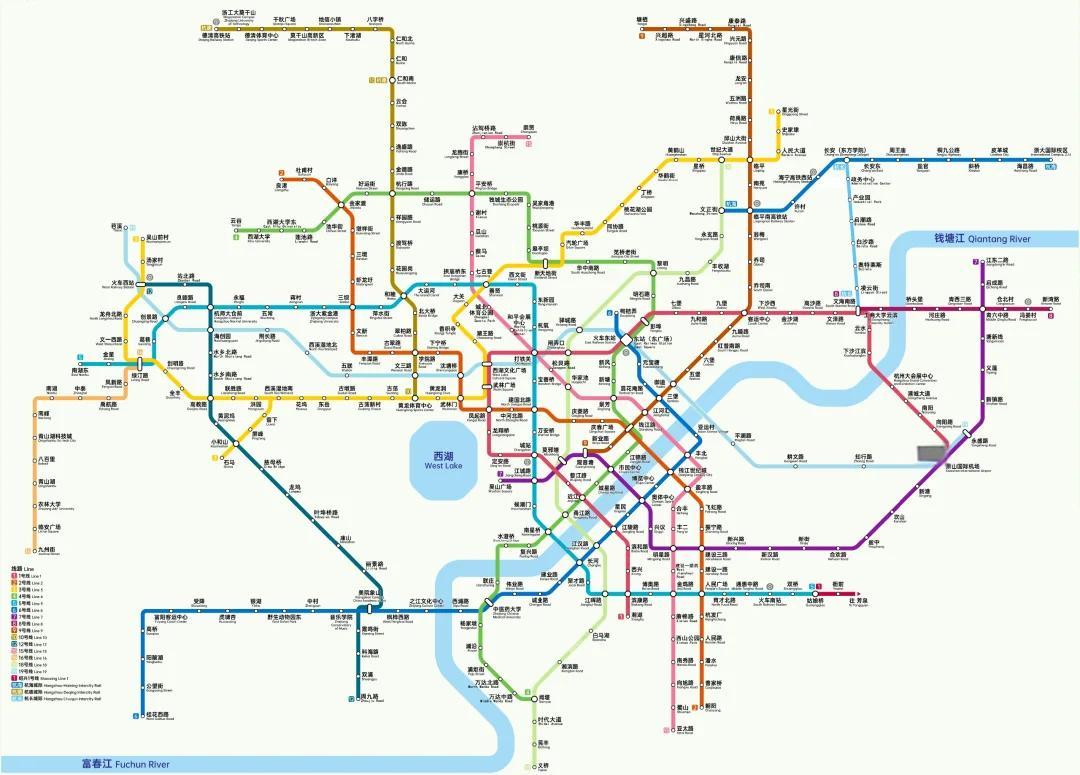
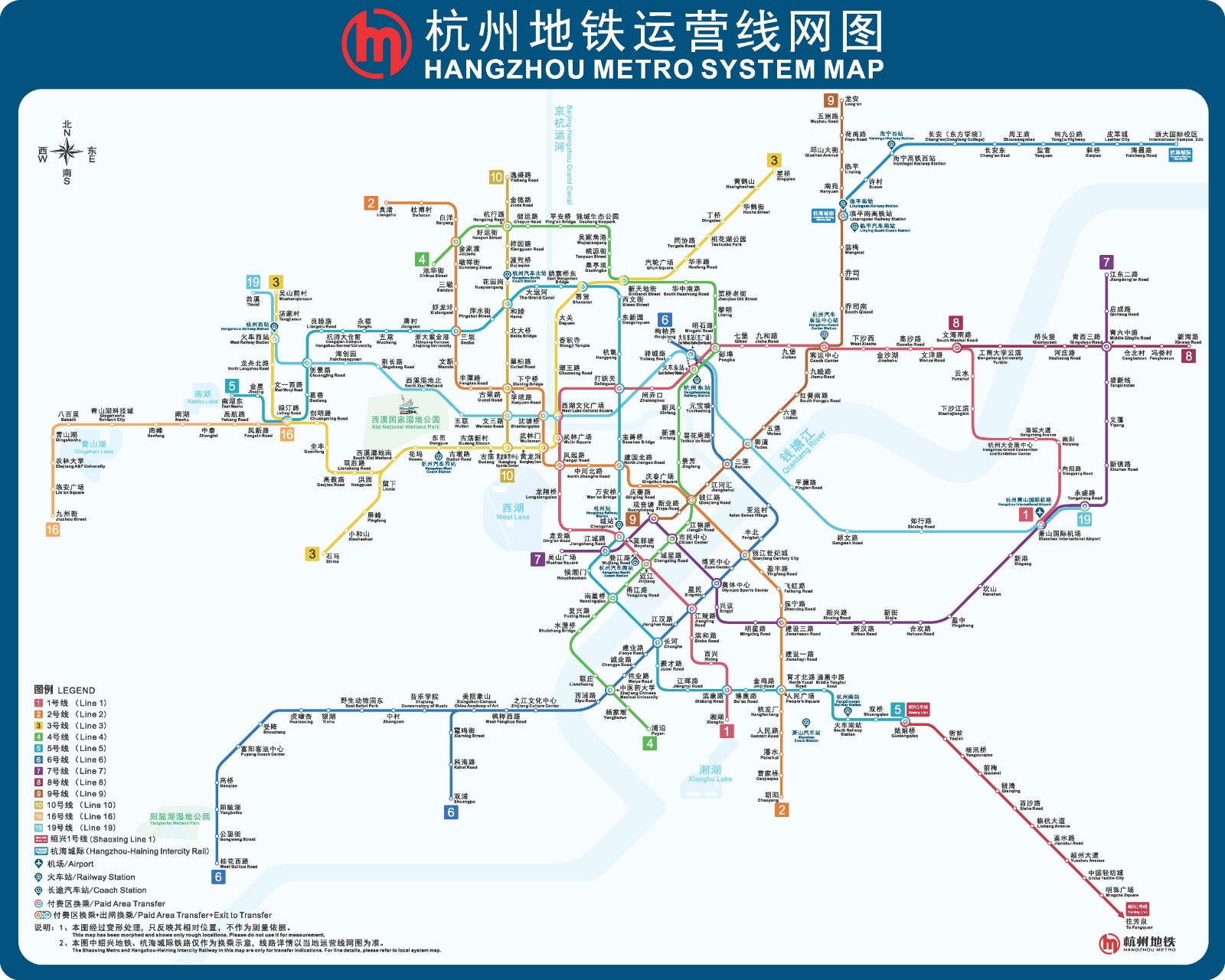
- Line 1 (Red Line): Connects key stations such as Hangzhou East Railway Station, Longxiangqiao Station (near West Lake), Xianghu Station, and Chengzhan Station (near Hangzhou Railway Station). It is the most frequently used line for tourists, covering core scenic spots and transportation hubs.
- Line 2 (Orange Line): Connects Hangzhou South Railway Station, Qianjiang New City Station, and other key stations, passing through Qianjiang New City CBD, Citizen Center, and other attractions. It is the main line connecting Hangzhou South Railway Station to the urban area.
- Line 3 (Yellow Line): Leads to Xixi Wetland South Station (direct to Xixi Wetland main entrance), Huanglong Sports Center Station (near Lingyin Temple), and other scenic spots-related stations, covering major cultural and natural scenic spots.
- Line 4 (Green Line): Connects Hangzhou East Railway Station, Qianjiang Road Station (transfer hub), and other stations, serving as an important auxiliary line for urban travel.
- Line 6 (Pink Line): Connects Zhipu Road Station (near Songcheng), and other stations, mainly serving scenic spots and suburban areas.
- Line 9 (Blue Line): Runs through Linping District and the urban area, connecting Linping South High-speed Railway Station, Guanyintang Station, and other stations, suitable for tourists visiting Linping District.
- Line 19 (Purple Line, Airport Line): Directly connects Hangzhou Xiaoshan International Airport (Airport Station) to the urban area, with stations at Wulin Square, Qianjiang New City, and Yuhang Railway Station (transfer to Line 1), covering the airport and core urban areas.
All metro stations are equipped with accessible facilities (elevators, ramps, accessible toilets) and customer service centers with English-speaking staff to provide assistance.
Metro Ticketing Methods
Foreign tourists can purchase metro tickets in three convenient ways, suitable for different needs:
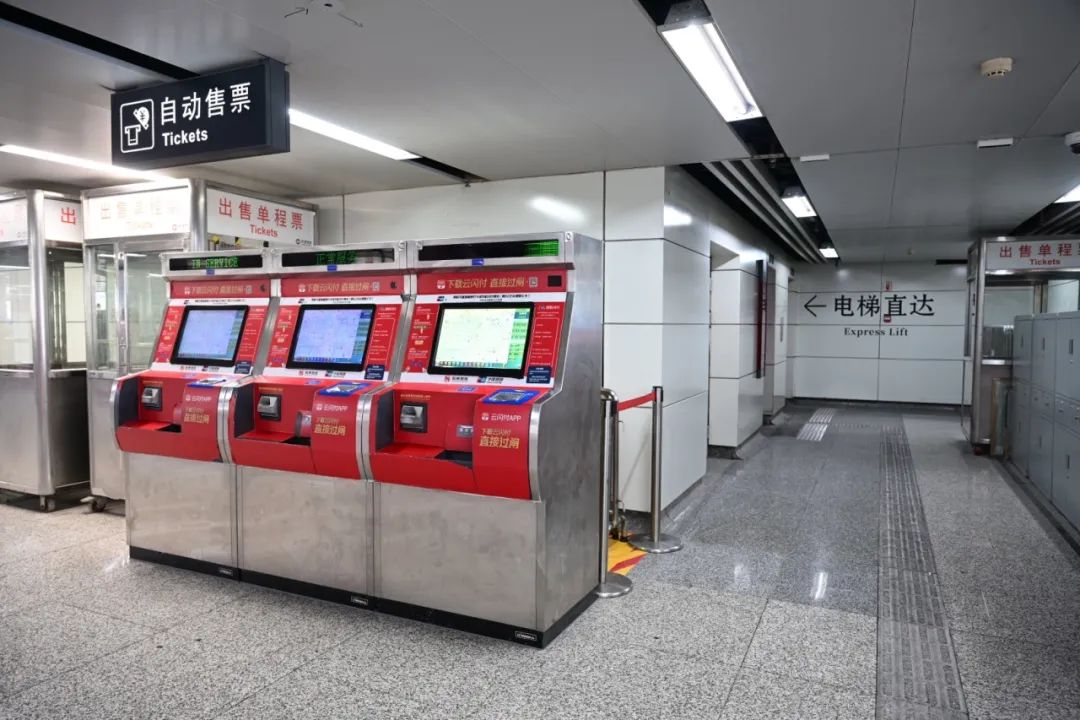
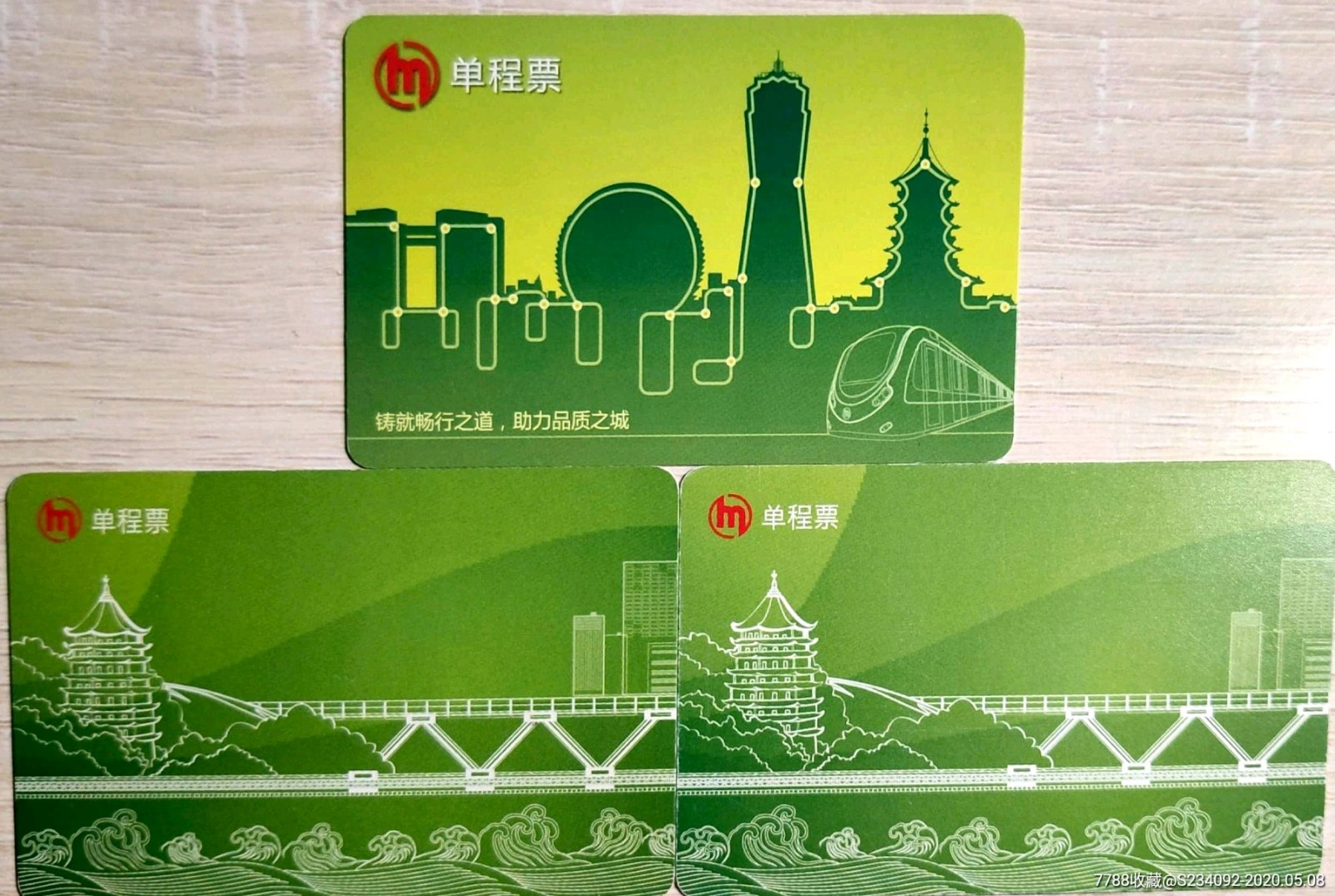
1. Self-service Ticket Vending Machines: Located at every metro station (near the entrance/exit), supporting cash (RMB 1, 5, 10, 20, 50, 100 yuan notes and coins), Alipay, WeChat Pay, Alipay Hong Kong, Kakao Pay, and Touch'n Go eWallet. The machines have a clear English operation interface—select "English" in the upper right corner, choose the destination station, select the number of tickets, and pay. The one-way ticket is a plastic card, which needs to be inserted into the ticket checker at the exit (recycled automatically).
2. Hangzhou Tong Card: Apply at the customer service center of any metro station (with "Customer Service" English signs). Foreign tourists only need to present their passport (original or copy), pay a 15-yuan deposit (refundable when returning the card), and fill in a simple English application form. The card can be used for metro, buses, and ferries, with a 91% discount on fares and transfer discounts. It can be recharged at customer service centers, self-service recharge machines, convenience stores, or via Alipay/WeChat.
3. Mobile Payment (Alipay/WeChat): The most convenient way. For Alipay: Download the app, register with an international mobile phone number, link an international bank card, tap "Transport" on the homepage, select "Hangzhou Metro QR Code", and complete real-name authentication with a passport. For WeChat: Download the app, register, bind an international credit card, search for "Hangzhou Public Transport QR Code" in Mini Programs, and apply with a passport. Scan the QR code to enter and exit the station.
Metro Transfer Skills
Most metro lines have direct transfer stations, marked with red "Transfer" English signs and electronic guides. Transfer time is usually 3-5 minutes, no need to exit or re-purchase tickets. Key transfer stations and tips:
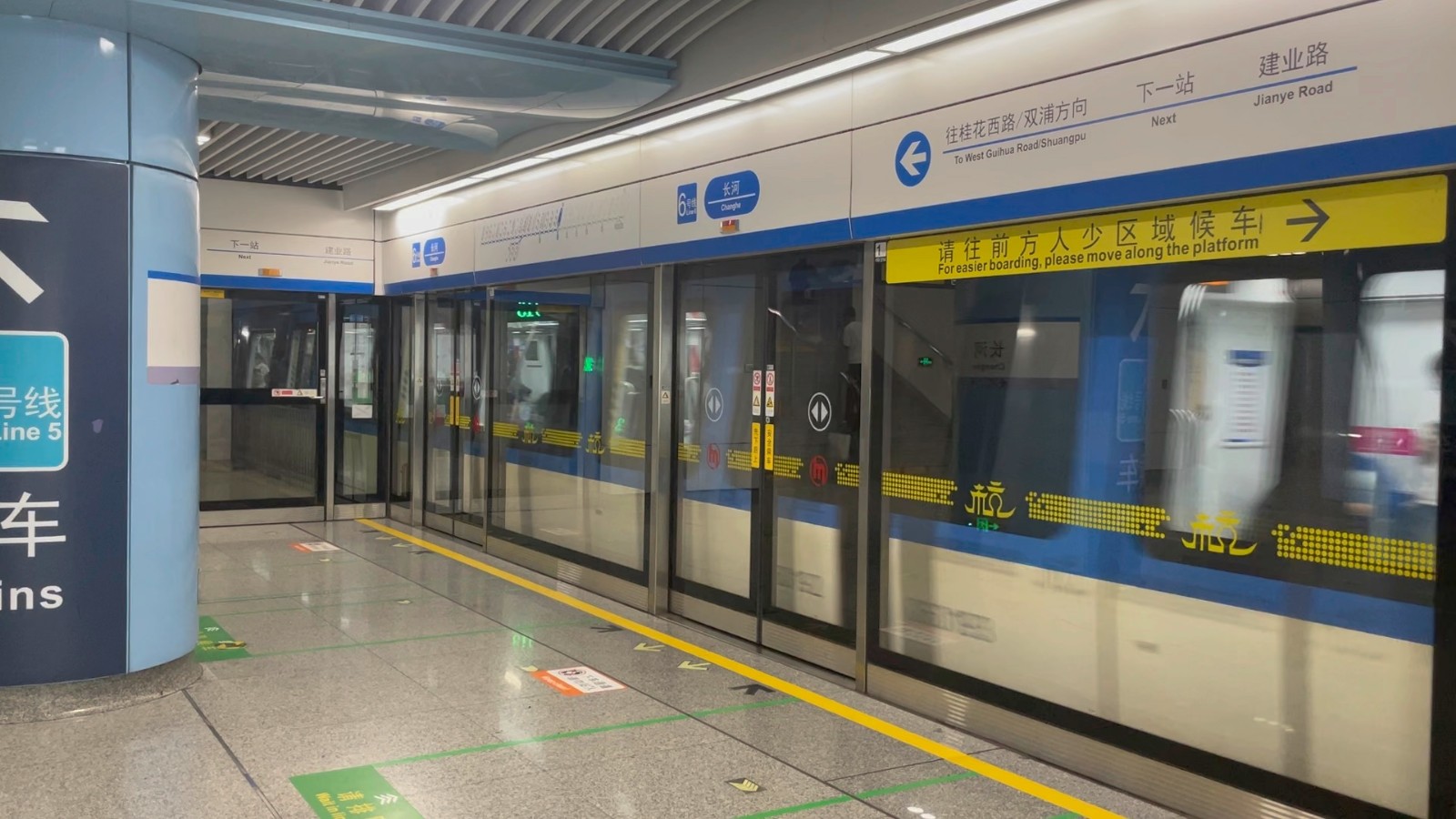
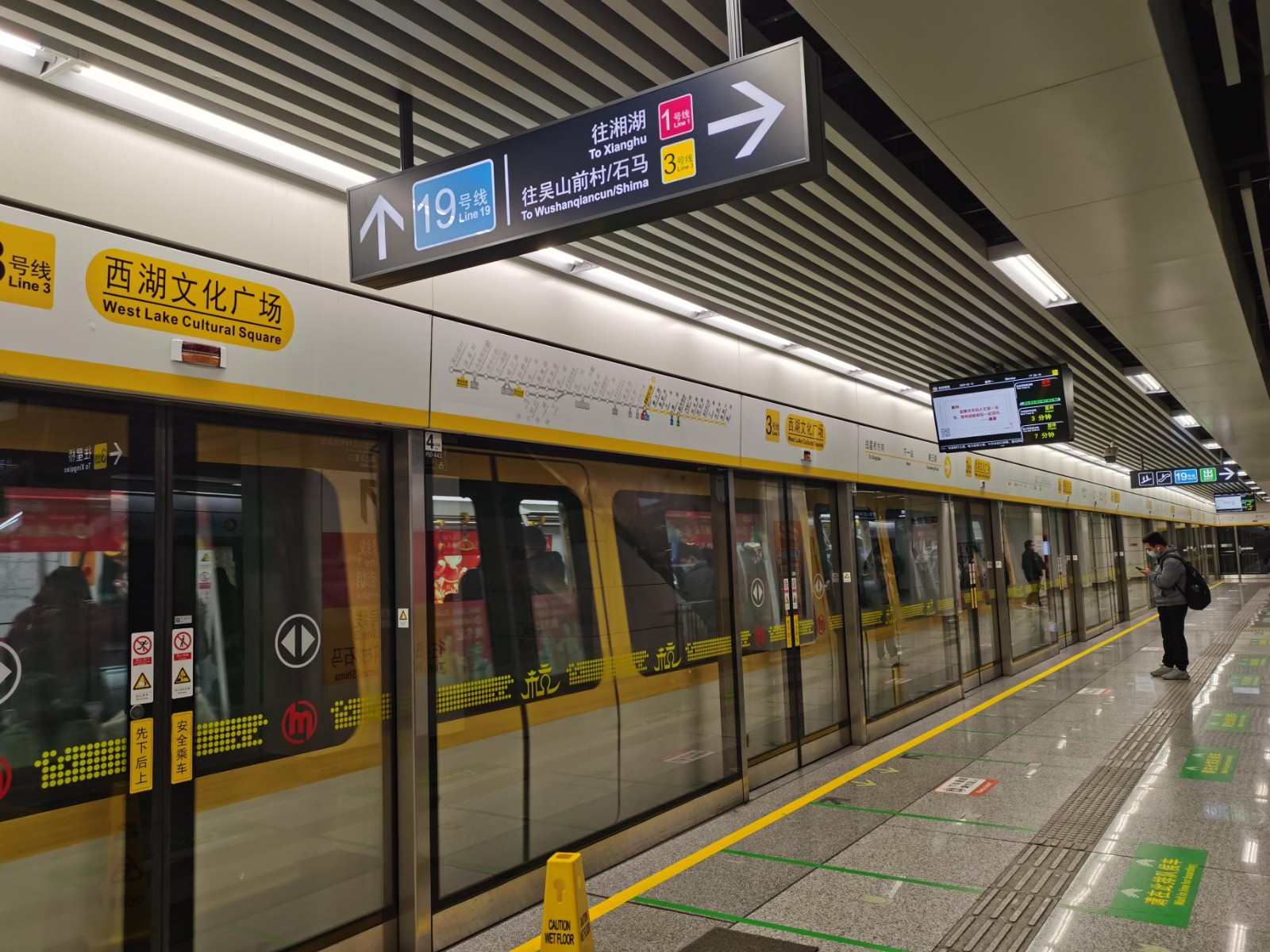
- Wulin Square Station: Transfer between Line 1 (Red Line) and Line 3 (Yellow Line), near Wulin Commercial District.
- Qianjiang Road Station: Transfer between Line 2 (Orange Line), Line 4 (Green Line), and Line 9 (Blue Line), a key hub connecting the urban area and Linping District.
- Yuhang Railway Station: Transfer between Line 1 (Red Line) and Line 19 (Purple Line, Airport Line), convenient for transferring from high-speed rail to the airport.
- Qianjiang New City Station: Transfer between Line 2 (Orange Line) and Line 4 (Green Line), near Qianjiang New City scenic area.
* Tips: Pay attention to the train direction (electronic screens and signs display destinations); avoid peak hours (7:30-9:00, 17:00-19:00) for less crowding; consult staff or use the "Hangzhou Metro" app (English interface) for unclear routes.
Metro Operating Hours and Fare Standards
· Operating hours: Most lines start at 6:00 and end at 23:00. Line 19 (Airport Line) extends to 23:30 to match late flights. The first and last train times of each station are marked on the platform (Chinese and English) and the "Hangzhou Metro" app.
· Fare standards: Distance-based fare, starting at 2 yuan (within 4 kilometers), 1 yuan additional for every 4 kilometers beyond, maximum 10 yuan. Preferences: Free for children under 1.2 meters (accompanied by adults); 50% discount for children 1.2-1.5 meters; free for seniors over 70 years old (temporary pass with passport at customer service).
· Note: Staying in the station after operating hours requires consulting customer service to exit, no additional fees.
Metro Access to Popular Scenic Spots
Detailed guide to reach popular scenic spots via metro, including exit information and walking time:
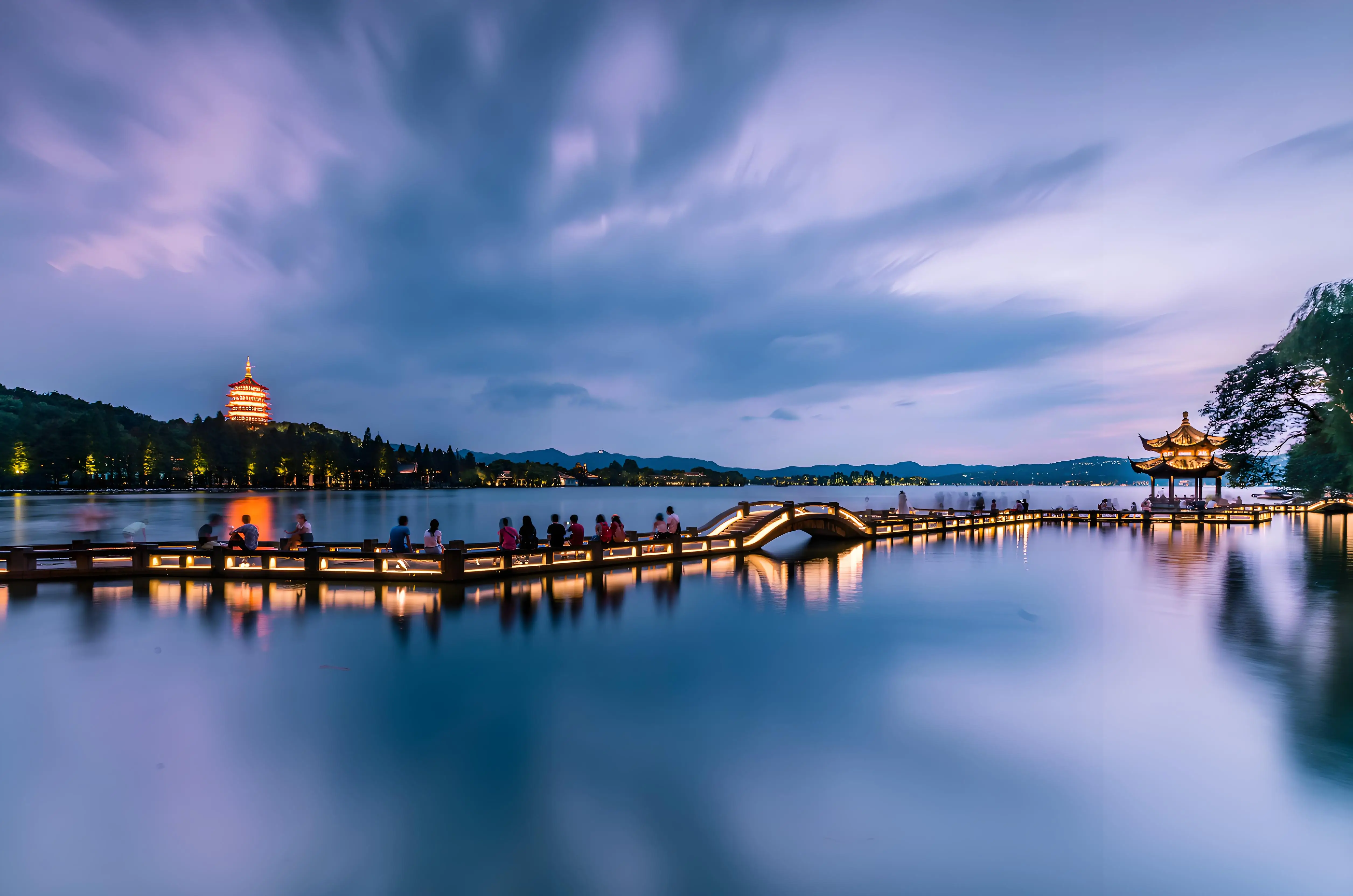
- West Lake: Line 1 to Longxiangqiao Station, Exit C ? 5-minute walk to Hubin Pier.
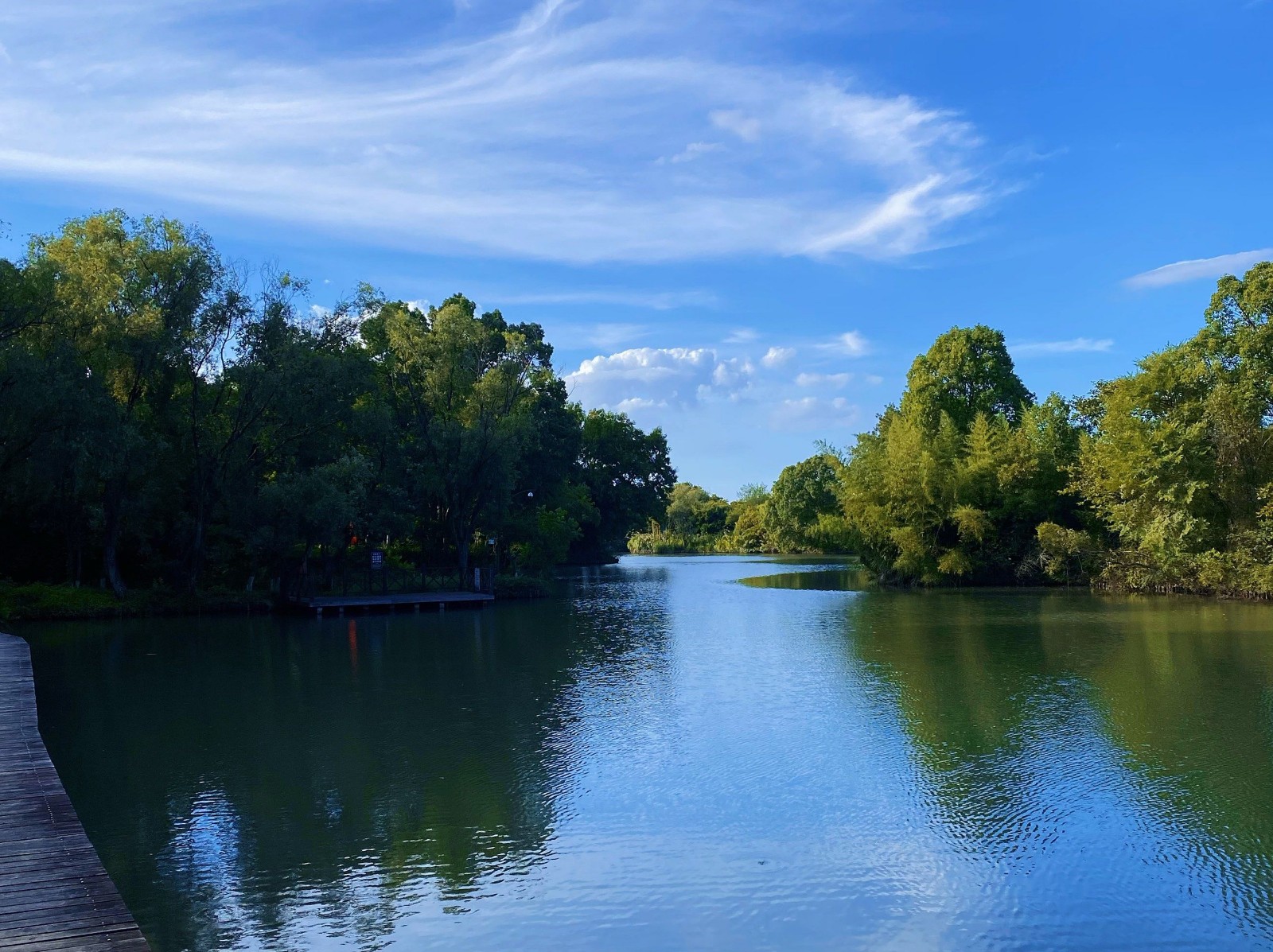
- Xixi Wetland: Line 3 to Xixi Wetland South Station, Exit A ? 2-minute walk to the main entrance.
- Lingyin Temple: Line 3 to Huanglong Sports Center Station, Exit D ? transfer to Bus No.7 or 7B to Lingyin Temple.
- Songcheng: Line 6 to Zhipu Road Station, Exit A ? take a taxi (10 minutes) or Bus No.318 (5 minutes).
- Qianjiang New City: Line 2 to Qianjiang New City Station, Exit B ? directly reach CBD and light show venue.
Bus
Bus Line Classification and Key Stations
Hangzhou buses are divided into three categories, covering all key transportation hubs (including Hangzhou South Railway Station) and scenic spots, with clear English signs and announcements:
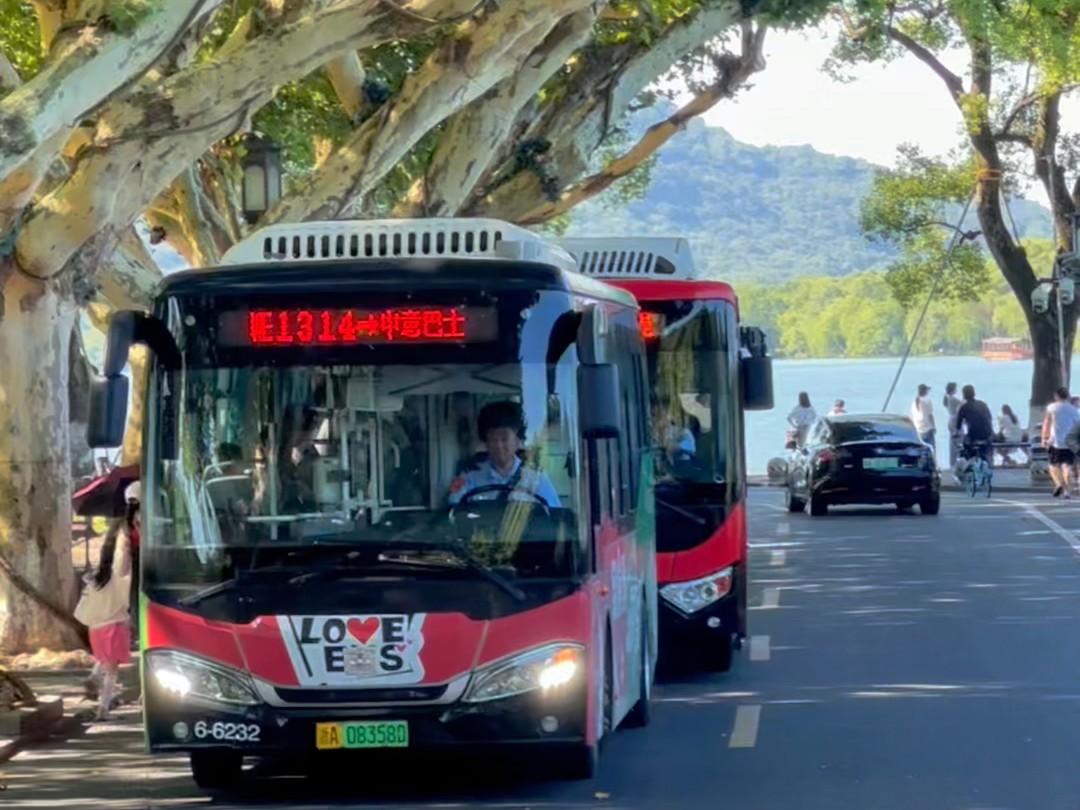
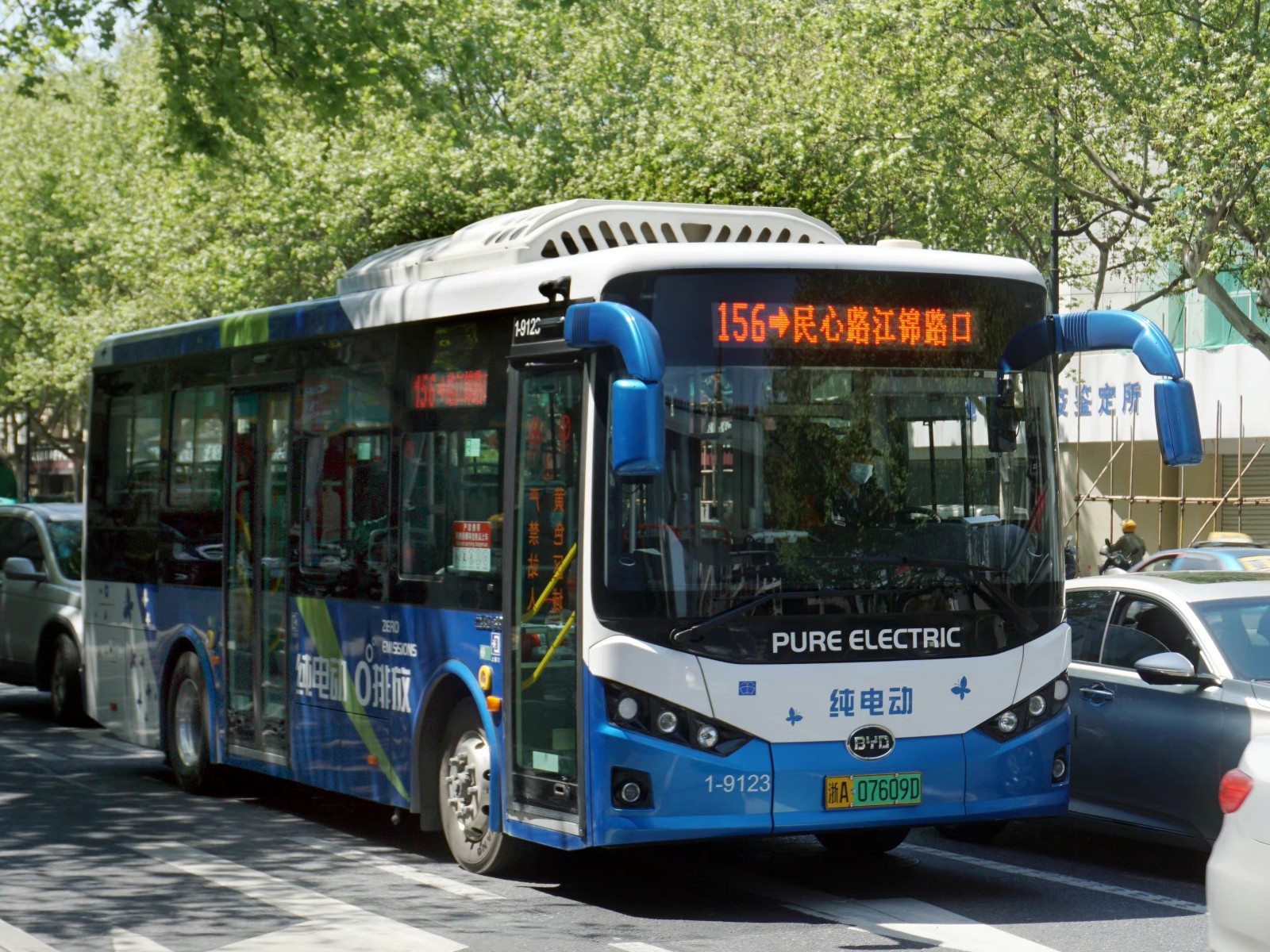
1. Regular Buses: Over 500 lines, covering urban and suburban areas, connecting every corner of the city. Fare: 2 yuan per trip (air-conditioned buses also 2 yuan). Operating hours: 6:00-22:00 (night buses marked "Night" or "Y" operate until 23:30). Key lines covering transportation hubs:
- Bus No.7: Connects Hangzhou Railway Station, West Lake, and Lingyin Temple.
- Bus No.27: Connects Yuewang Road and Longjing Tea House (tea culture line).
- Bus No.300: Connects Hangzhou South Railway Station and Hangzhou Railway Station, serving as a key line for transferring between railway stations.
- Bus No.315: Connects Hangzhou South Railway Station and West Lake, convenient for tourists arriving at Hangzhou South Railway Station to reach scenic spots.
2. Rapid Transit (BRT): 8 lines with dedicated lanes, faster than regular buses. Fare: 2 yuan per trip. Stations are separate with automatic ticket checkers, connecting major transportation hubs and commercial districts (e.g., BRT 1 connects Hangzhou East Railway Station and Wulin Square).
3. Tourist Special Lines: Designed for tourists, fewer stops, faster speed. Recommended lines:
- Bus WE1314: Connects No.1 Park (West Lake) and Songcheng (love-themed line).
- Scenic Shuttle Buses: Peak seasons (March-May, September-November) and holidays, connecting metro stations and scenic spots (e.g., Huanglong Sports Center Station to Lingyin Temple). Fare: 5 yuan per trip.
Note: Remote scenic spots (Mogan Mountain, Qiandao Lake) require long-distance buses from Hangzhou Long-distance Bus Station.
Bus Payment Methods
Payment methods are the same as metro, with three options:
1. Cash: Prepare 2-yuan RMB change, put into the coin box (marked "Cash Only" in English). No change provided for large-denomination notes.
2. Hangzhou Tong Card: Swipe on the card reader when getting on, 91% discount on fares, free transfer between buses within 1 hour, maximum 2-yuan discount for bus-metro transfer. Not shareable.
3. Mobile Payment: Scan Alipay/WeChat bus QR code (same as metro) on the card reader when getting on. Successful scan shows "Payment Successful" in English.
Note: Section-graded lines require swiping/scanning both when getting on and off; forgetting to scan when getting off deducts the maximum fare.
Bus Riding Notes
1. Queue up: Queue at the bus stop (white lines marked "Queue Up" in English), "get off first, then get on". Front door for boarding, back door for alighting (separate doors); wait for passengers to alight first (single door).
2. Priority seating: Special seats (marked "Priority Seating" in English) for the elderly, weak, sick, disabled, pregnant women, and infants; take the initiative to give up seats.
3. Luggage restrictions: Free luggage within 15kg, 0.064 cubic meters; extra fare for over-limit luggage; over-sized luggage prohibited. Strollers and wheelchairs are allowed.
4. Forbidden items: No dangerous goods, live poultry (except service dogs), flammables, strong-smelling items, sharp items, or inflatable balloons.
5. Other tips: Do not extend body parts out of the window; no eating, smoking, or loud noises; keep belongings safe; take the reverse bus back if getting off at the wrong stop.
Hangzhou Ferry
Main Ferry Routes and Key Piers
Hangzhou has two main ferry routes, serving as both transportation and scenic viewing tools, with clear English signs and staff who can speak simple English:
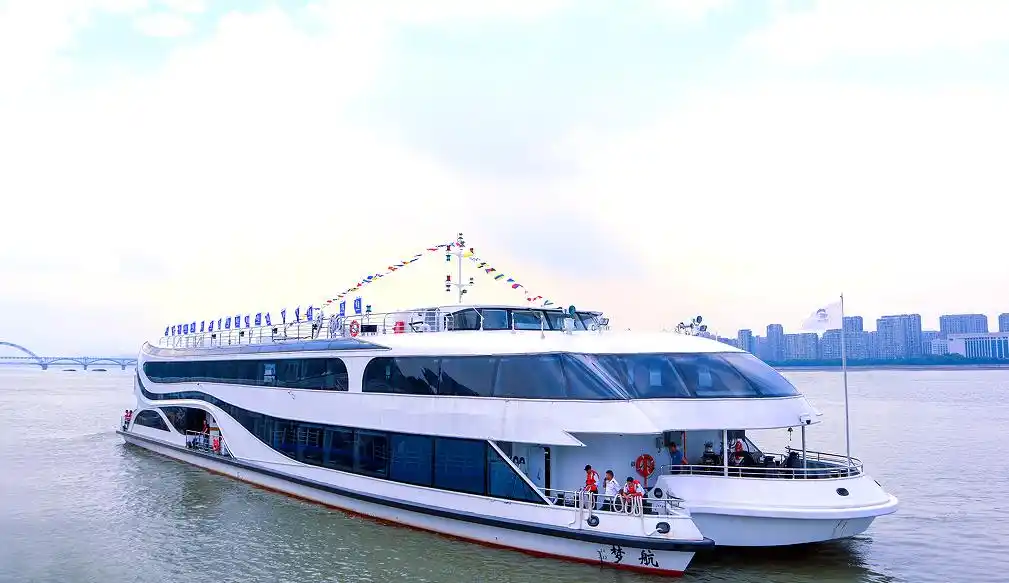
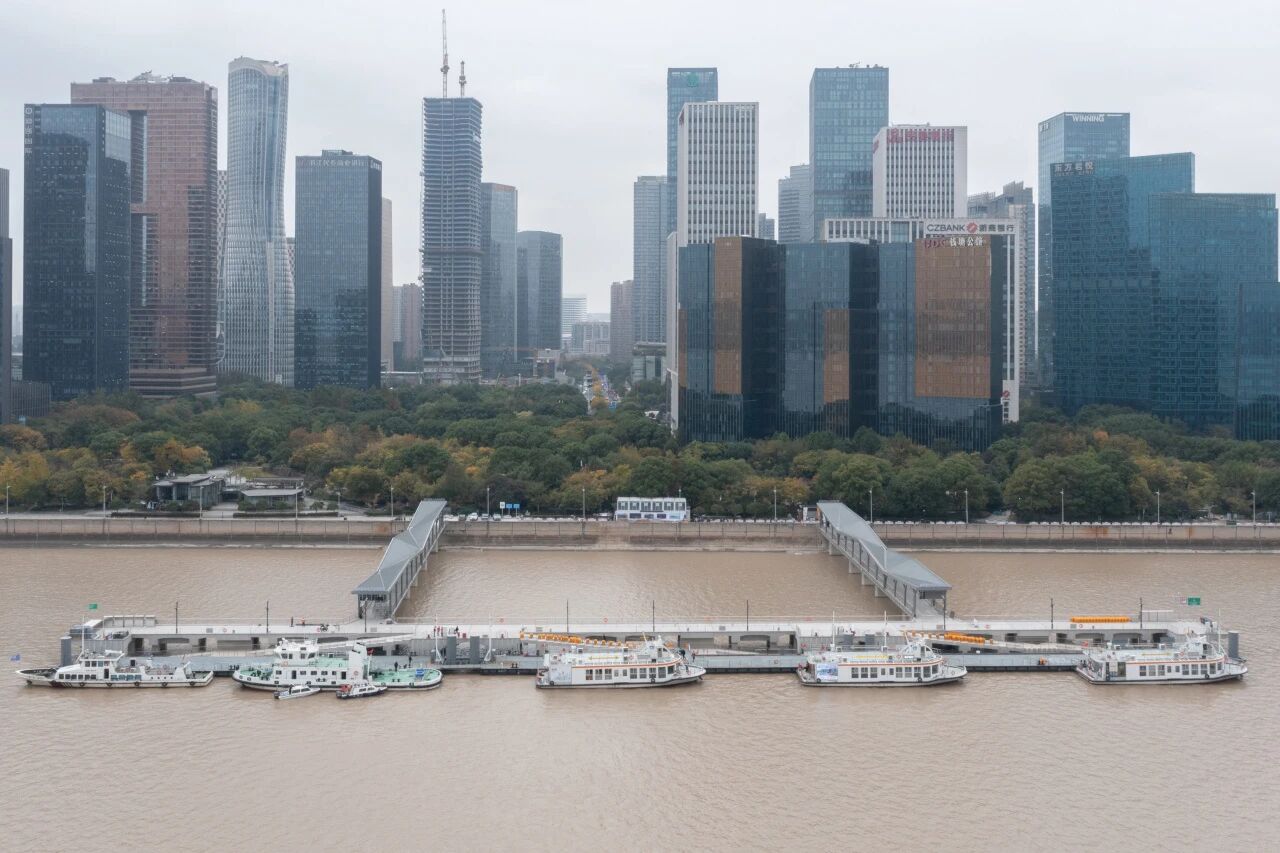
1. West Lake Ferry: Operates on West Lake, connecting major scenic spots around the lake. Key piers: Broken Bridge Pier, Leifeng Pagoda Pier, Solitary Hill Pier, Three Pools Mirroring the Moon Pier. Three types of boats:
- Large Cruise Ships: 50-100 people, air-conditioned, 30 yuan per person (one-way), English announcements, alight at any of the three piers.
- Small Speedboats: 6-8 people, 120-150 yuan per boat (one-way), customizable routes, drivers speak simple English.
- Hand-Rowed Boats: 4-6 people, 80-100 yuan per hour per boat, boatmen introduce West Lake in simple English, book in advance during peak hours.
2. Qiantang River Ferry: Connects Yuhang District (north bank) and Xiaoshan District (south bank), key piers: North Bank Pier, South Bank Pier. Large passenger ships with viewing decks, 5 yuan per person (one-way), operates every 20-30 minutes.
Note: West Lake Ferry stops in severe weather; check the weather forecast in advance.
Ferry Ticketing and Operating Hours
1. Ticketing: West Lake Ferry tickets can be purchased at pier ticket offices or online (Alipay, WeChat Mini Programs). Qiantang River Ferry tickets can be purchased at pier ticket offices or by swiping Hangzhou Tong Card.
2. Operating hours: West Lake Ferry: 8:00-17:30 (extended to 19:00 in summer); Qiantang River Ferry: 6:30-18:30.
 All-Inclusive Hangzhou to Wuzhen Water Town Discovery Day Tour with Private Boat Ride
 Essence Suzhou Day Trip from Hangzhou to Humble Administrator’s Garden, Tiger Hill and More
Private Transportation— Flexible and Comfortable Choice
Hangzhou Taxi
Identification of Regular Taxis
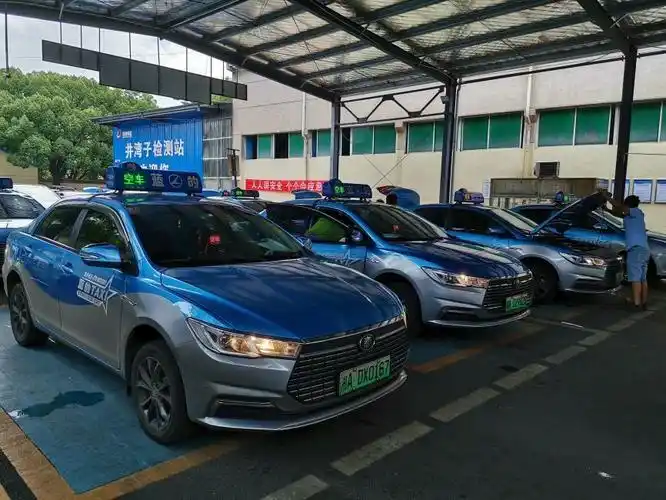
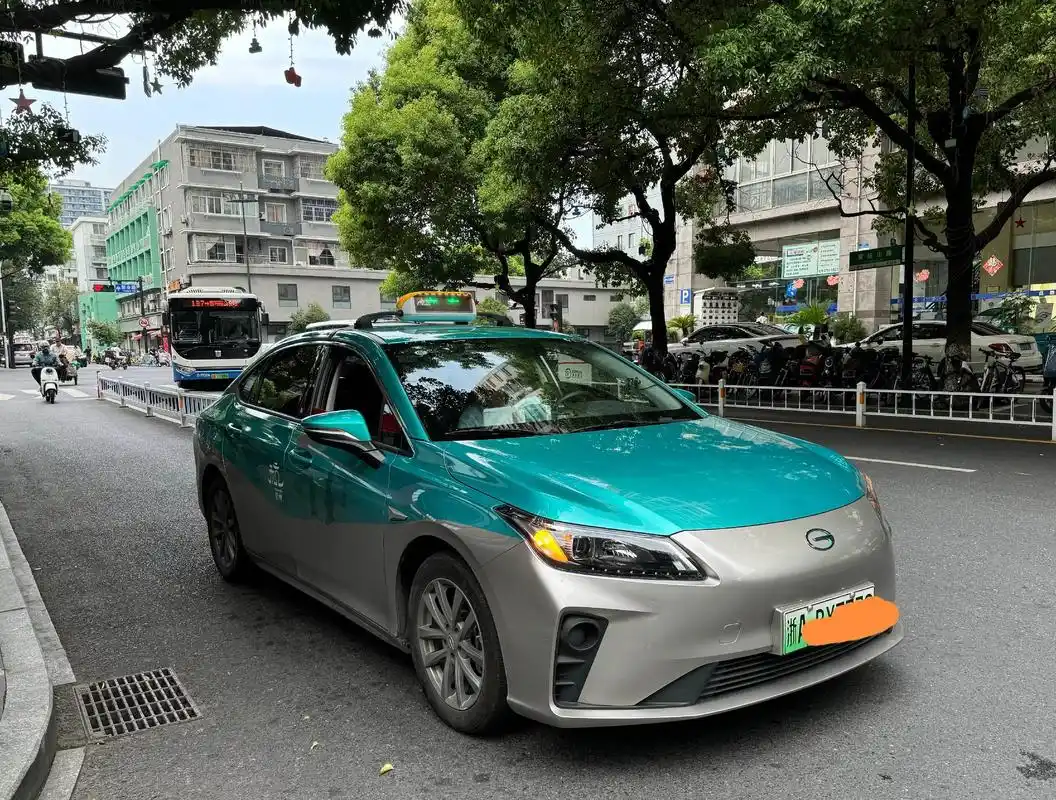
Regular taxis in Hangzhou are mainly blue, green, and orange, with "Hangzhou Taxi" logo on the body, special license plates starting with "Zhe A", and a meter and driver’s license in the car. Do not take unlicensed taxis (black cars) to avoid overcharging or safety issues.
Taxi Fare Standards
Hangzhou taxi fare standard:
- Starting fare: 13 yuan for the first 3 kilometers.
- Mileage fare: 2.50 yuan per kilometer for 3-10 kilometers; 3.75 yuan per kilometer for over 10 kilometers (50% return empty subsidy).
- Low-speed waiting fee: 2.5 yuan every 4 minutes (non-peak hours); 3.75 yuan every 4 minutes (morning peak 7:00-9:00) when speed =12 km/h.
- Additional fees: 2 yuan per trip for night trips (23:00-5:00 next day); highway/bridge tolls borne by passengers.
Taxi Hailing Methods and Key Stations
1. Hailing on the street: Wave to stop at designated taxi stops (near scenic spots, shopping malls, transportation hubs including Hangzhou South Railway Station, Hangzhou East Railway Station, etc.).
2. Taxi-hailing apps: Didi Chuxing (English interface, international credit card payment), Uber. Enter the destination in English, and the driver will pick you up at the designated location.
3. Hotel booking: Ask the hotel front desk to book a taxi, especially convenient for early morning departures.
Tips: It is difficult to hail a taxi near West Lake on weekends/holidays; walk 200-300 meters to main roads. All key transportation hubs (airport, four railway stations) have dedicated taxi waiting areas with English signs.
Communication Skills and Complaint Methods
1. Communication skills: Most drivers do not speak fluent English; prepare the Chinese and English names of the destination (e.g., "Hangzhou South Railway Station ", "West Lake") and show them to the driver, or use translation apps.
2. Complaint methods: Record the license plate number, driver’s name, and ride time if encountering overcharging, detours, or bad service. Call the complaint hotline: 0571-96520 (English service available), or complain via Didi app.
Ride-hailing Apps
Recommended Apps and Registration Methods
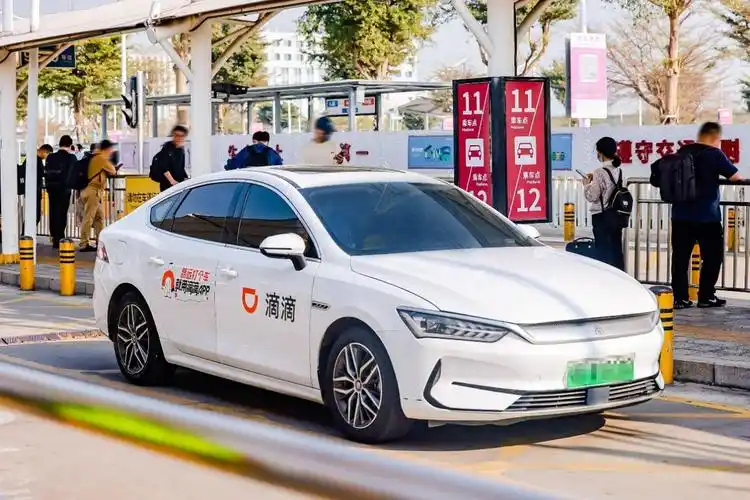
1. Recommended apps: Didi Chuxing (most commonly used in Hangzhou, English interface), Uber, Meituan Dache.
2. Registration methods: Download the app, register with an international mobile phone number, bind an international credit card (Visa, Mastercard, etc.) or use Alipay for payment. The registration process is simple with English prompts throughout.
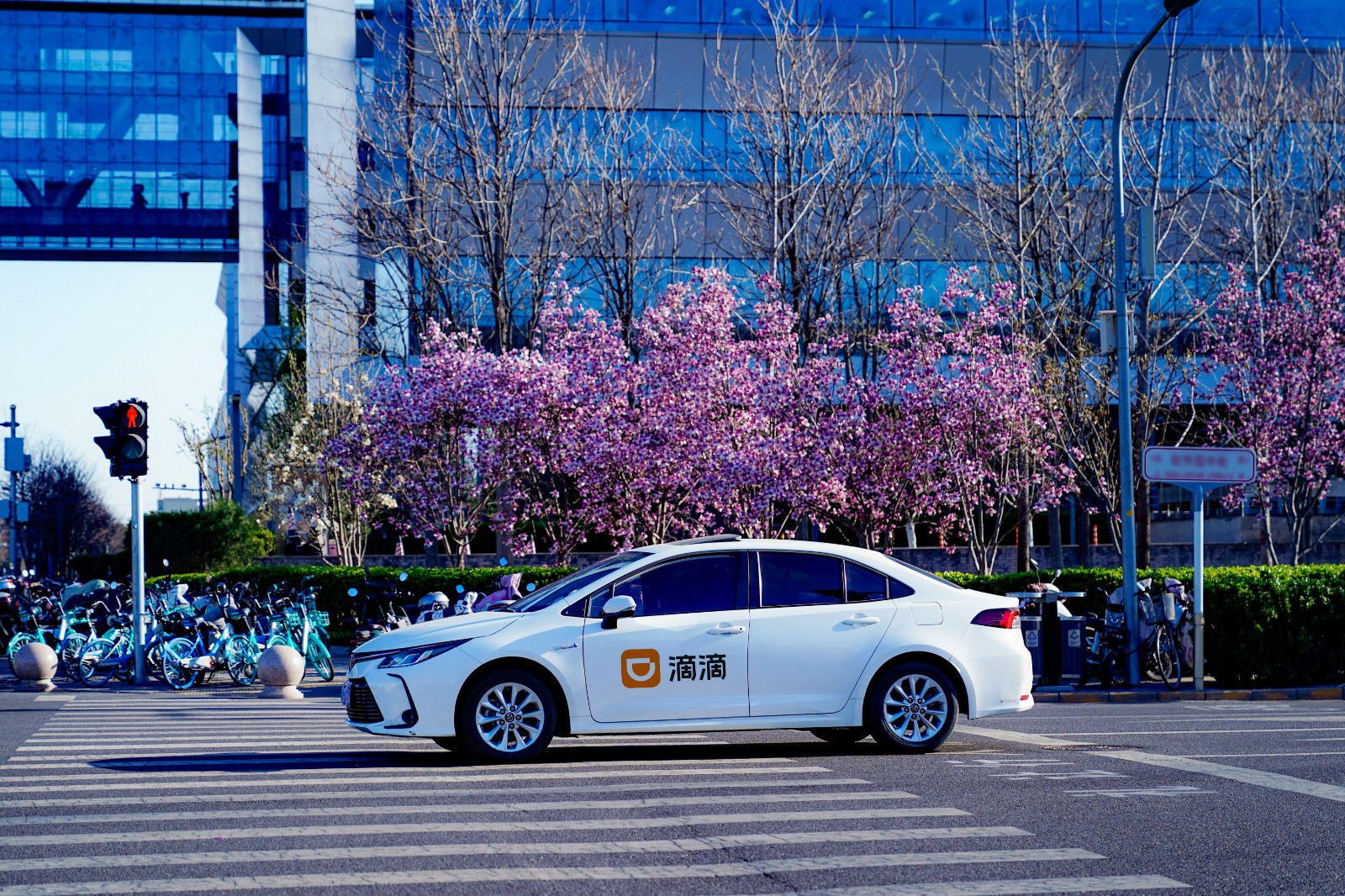
Ride-hailing Notes and Key Station Pickup
1. Confirm vehicle information: After receiving the order, check if the license plate number, model, and driver’s information match the app to avoid getting on the wrong car.
2. Share your trip: Share trip information with friends/family via the app for safety.
3. Payment: Fare is automatically deducted from the bound card/Alipay, with a transparent fare list on the app.
4. Key station pickup: All key transportation hubs (Hangzhou Xiaoshan International Airport, Hangzhou East Railway Station, Hangzhou Railway Station, Hangzhou South Railway Station) have designated ride-hailing pickup points with clear English signs.
5. Emergency help: Use the "emergency help" button on the app in case of emergency.
Bicycle/Electric Bike
Shared Bicycle/Electric Bike
Hangzhou is known as the "Bicycle City", with a large number of shared bicycles and electric bikes scattered throughout the city, especially near key stations (all railway stations, airport) and scenic spots.
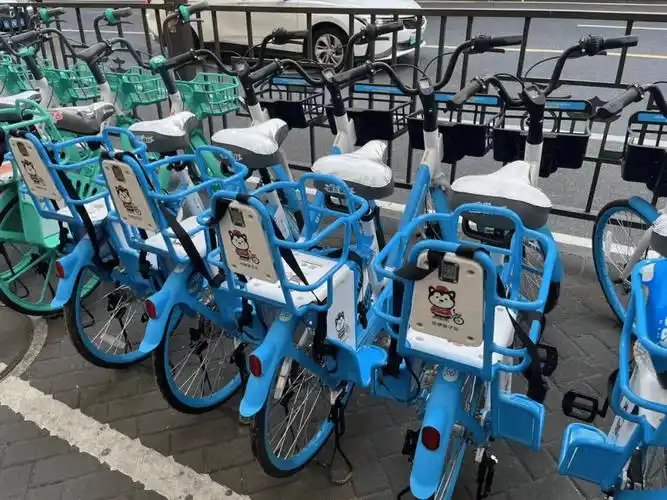
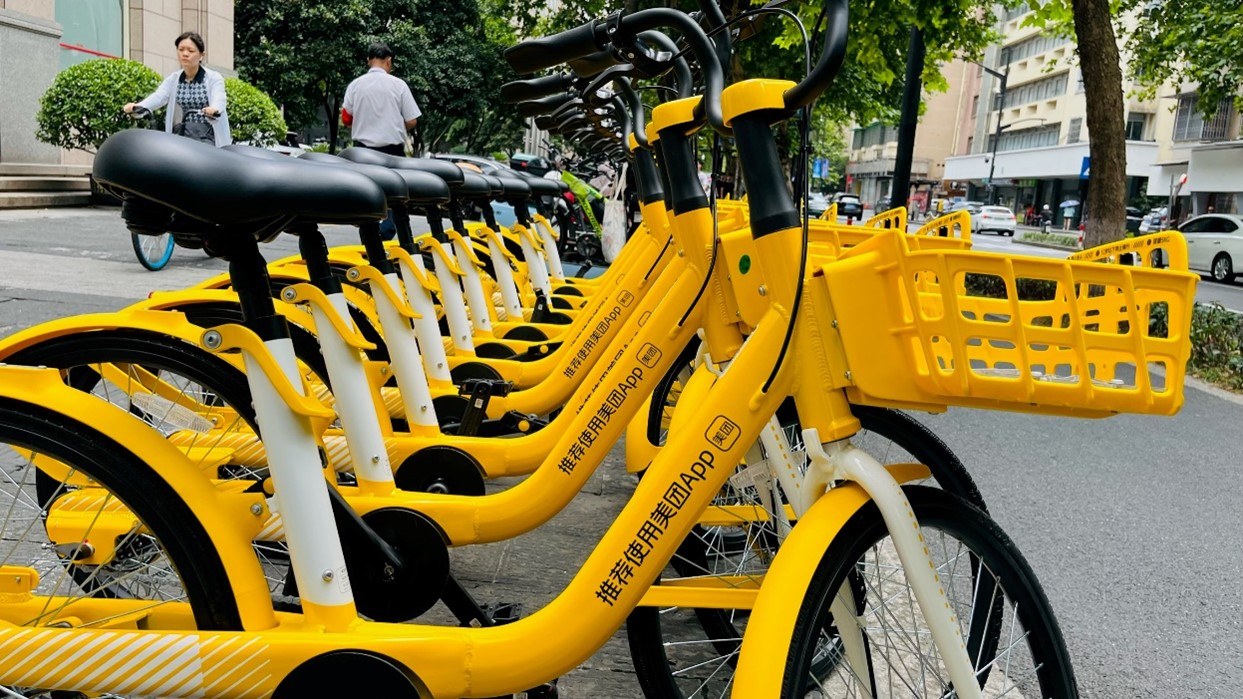
- Usage method: Scan the QR code on the vehicle with Alipay or WeChat, pay a deposit (99-199 yuan, refundable), and unlock. Fare: 1-2 yuan per 30 minutes (bicycles); 2-3 yuan per 15 minutes (electric bikes).
- Notes: Park in designated areas (white lines); no random parking to avoid fines. Electric bikes are prohibited in the core area of West Lake; pay attention to signs.
Private Rental (Bicycle/Electric Bike)
For long-term use (e.g., West Lake day tour), rent from private shops near scenic spots or key stations.
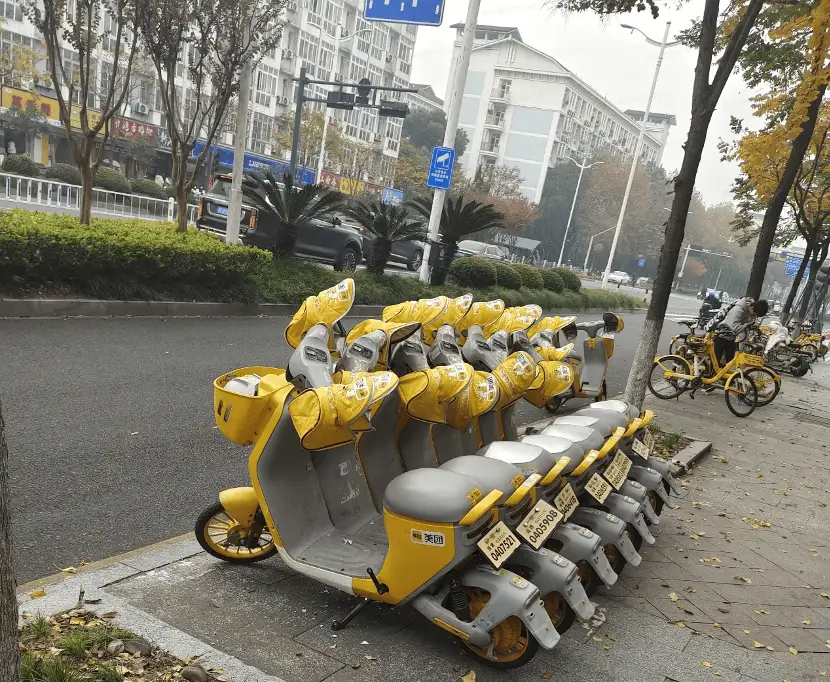
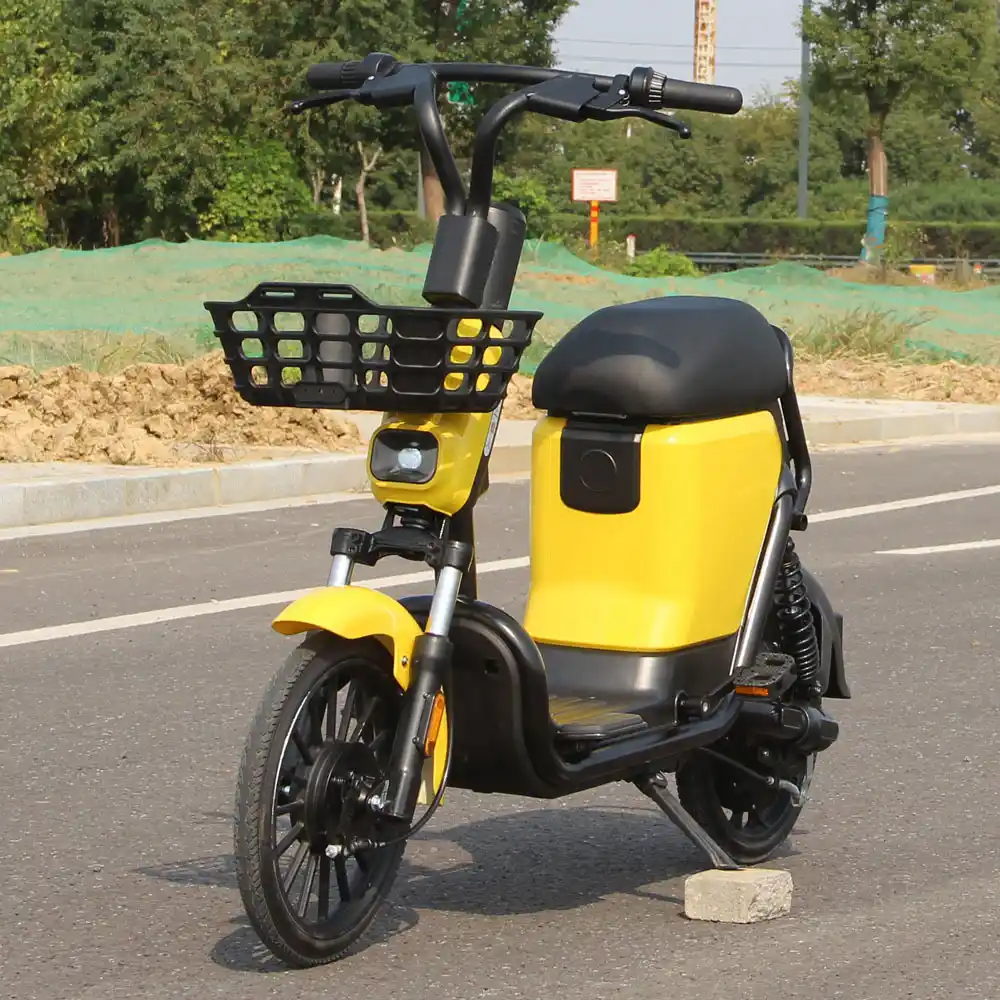
Rental fee: 20-50 yuan per day (bicycles); 50-100 yuan per day (electric bikes). Present your passport as a deposit; the shop owner provides locks and simple maintenance tools.
Tips: Riding a bicycle around West Lake is a great experience; follow traffic rules (ride on non-motor vehicle lanes) and pay attention to safety.
Intra-Scenic Transportation— Explore the Scenery Comfortably
West Lake Scenic Area
West Lake is large (about 15 kilometers around), and walking the entire lake is tiring. Available transportation methods (separate elaboration, no mixing):
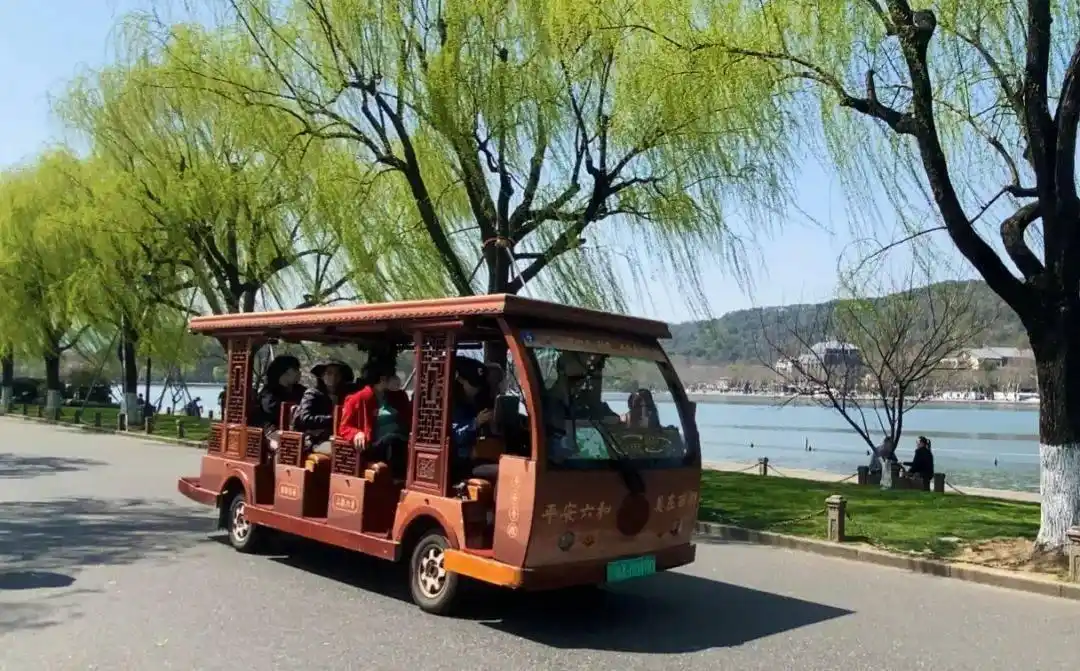
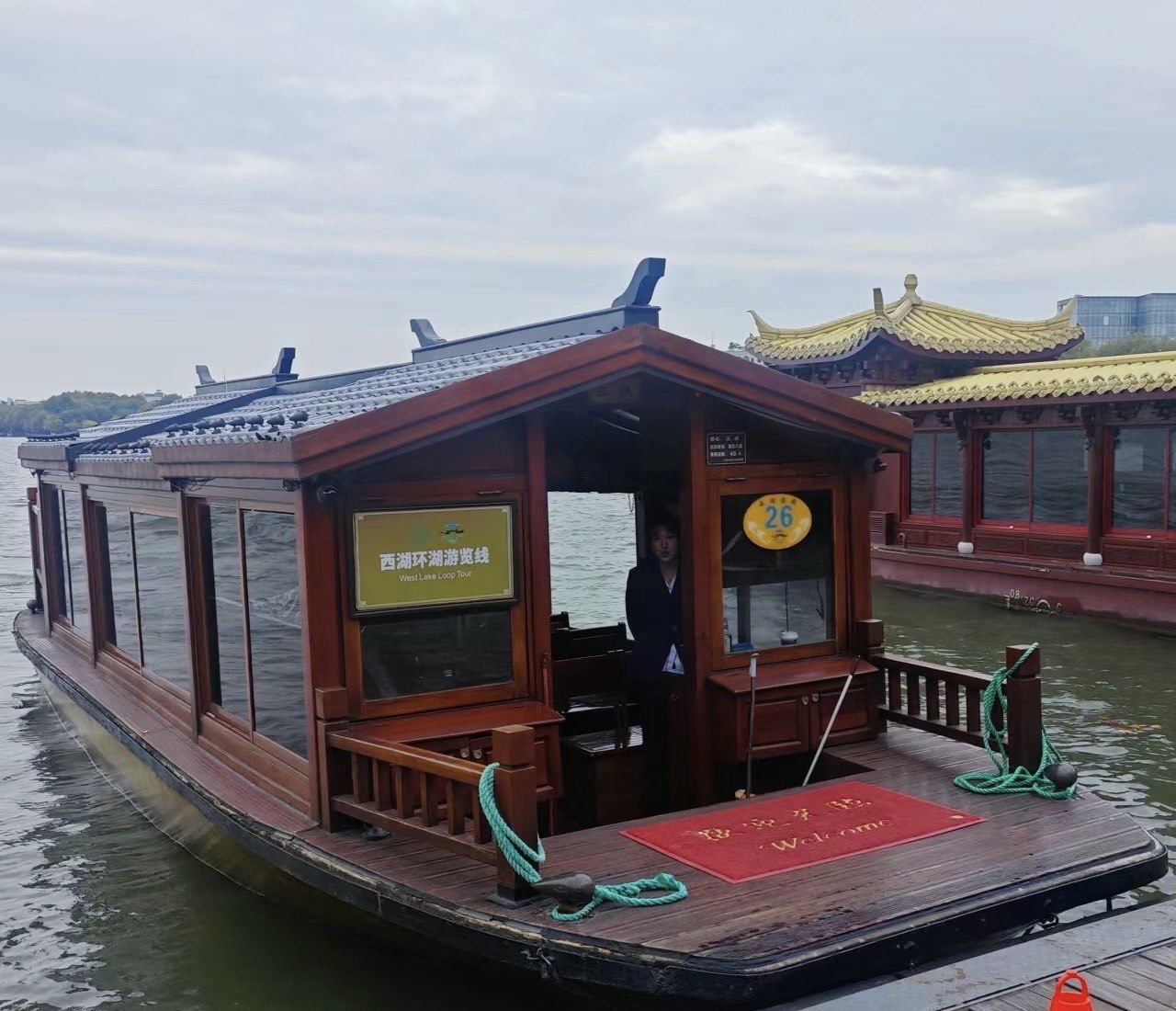
1. West Lake Tourist Bus: Two ring routes (East Line and West Line), covering all major scenic spots around the lake. Fare: 5 yuan per stop or 40 yuan for an all-day pass, with English announcements and signs.
2. Electric Tourist Car: Operated in the scenic area, 10-20 yuan per section, suitable for tired tourists who want to reach the next scenic spot quickly.
3. Ferry: As elaborated in the public transportation section, connecting major scenic spots on the lake, the most popular choice for tourists.
4. Bicycle/Electric Bike: As elaborated in the private transportation section, suitable for tourists who want to enjoy the lake scenery leisurely.
Lingyin Temple Scenic Area
The scenic area includes Feilai Peak, Lingyin Temple, and Three Tianzhu Temples, with large area. Available transportation methods:
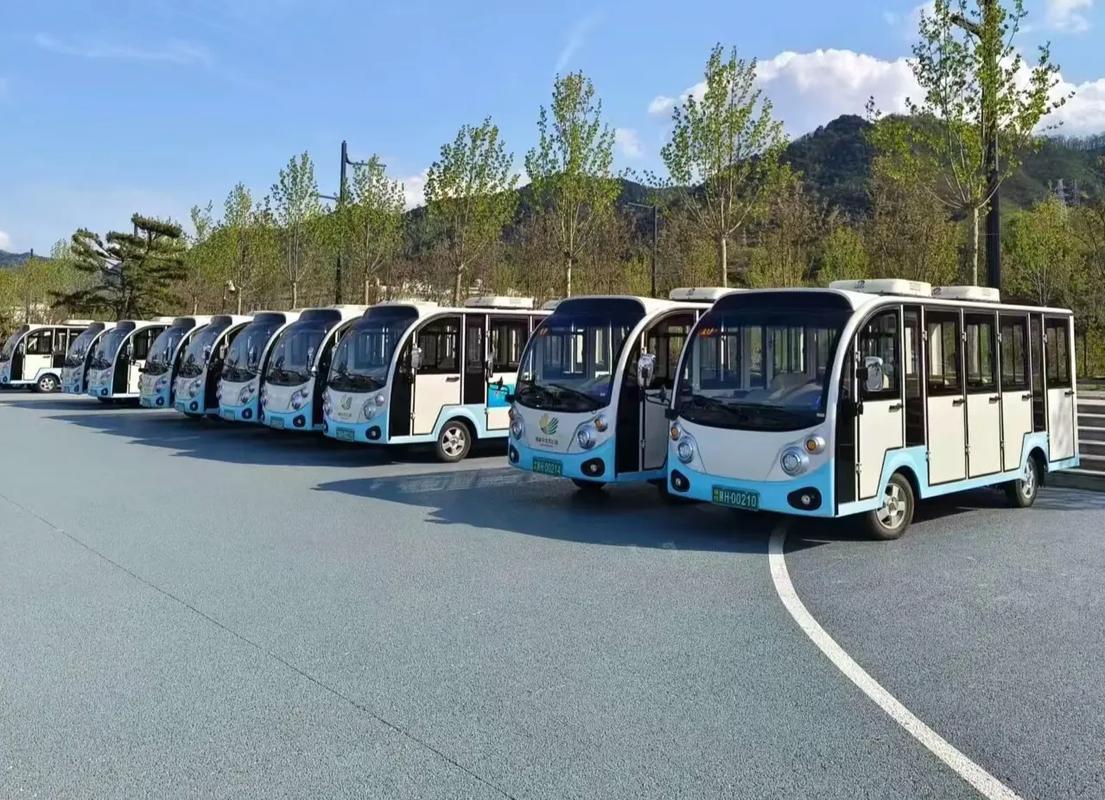
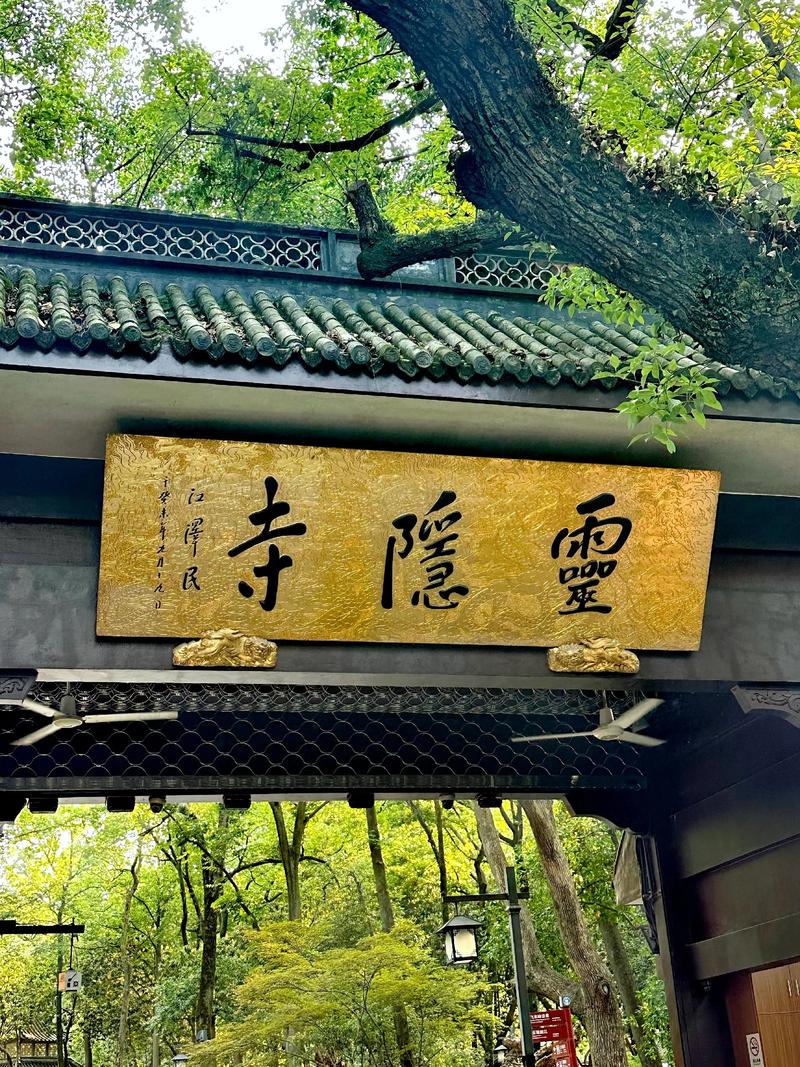
1. Electric Shuttle Bus: Connects the scenic area entrance, Feilai Peak, Lingyin Temple, and Three Tianzhu Temples. Fare: 10 yuan per trip, convenient for transferring between spots.
2. Walking: 500 meters between Feilai Peak and Lingyin Temple, 1-2 kilometers between Three Tianzhu Temples, suitable for tourists with good physical strength, enjoying mountain scenery along the way.
Xixi Wetland Scenic Area
A large wetland scenic area, internal transportation mainly by boat and electric vehicle:
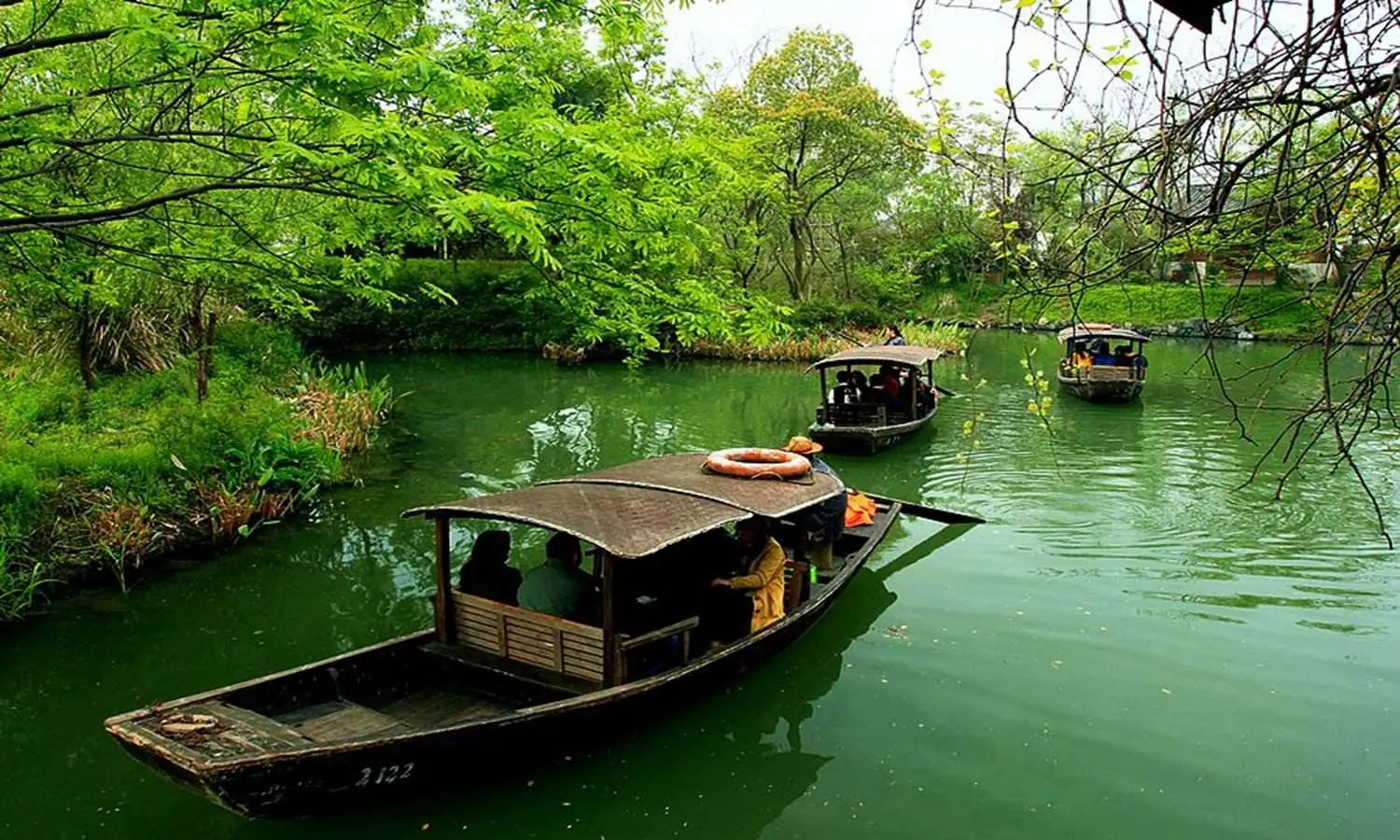
1. Electric Boat: Main transportation in the scenic area, 60 yuan per person, stopping at four piers, alight at any pier, enjoying wetland scenery along the way.
2. Electric Tourist Car: Connects main entrances and key scenic spots, 15 yuan per trip, suitable for quick transfer between different areas.
3. Walking: Many plank roads in the scenic area, suitable for tourists who want to walk slowly and enjoy wetland ecology.
Transportation Payment Guide
Hangzhou Tong Card
Universal transportation card in Hangzhou, usable for metro, buses, ferries, and some shared transportation, suitable for long-stay tourists.
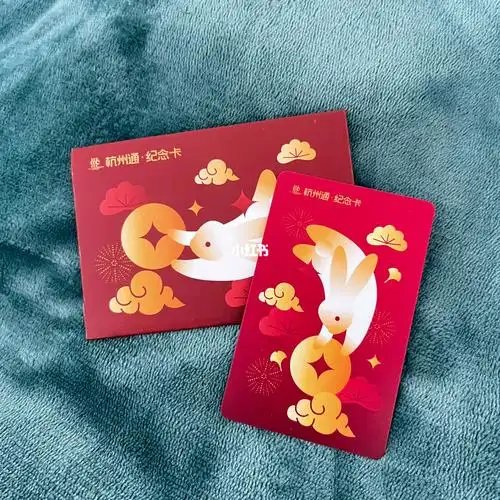
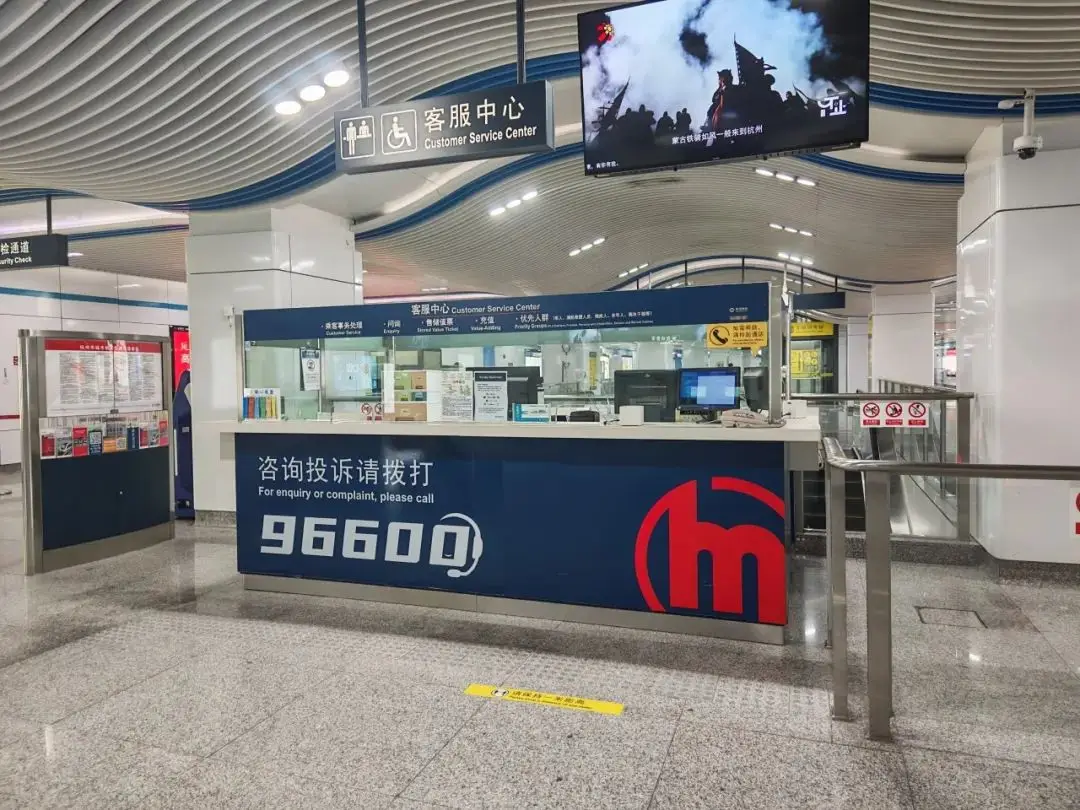
- Application location: Metro station customer service centers, Hangzhou Tong service points.
- Application materials: Passport (foreign tourists), 15-yuan deposit (refundable).
- Recharge methods: Metro customer service centers, self-service recharge machines, convenience stores, Alipay/WeChat.
- Preferences: 91% discount on metro and bus fares, transfer discounts.
- Note: Long validity, remaining balance refundable when returning the card.
Mobile Payment (Alipay/WeChat)
Most commonly used payment method in Hangzhou, usable for all transportation methods.
- Alipay: Download the app, register with an international mobile phone number, link an international bank card, enter "Transport" to apply for QR code, scan to pay.
- WeChat: Download the app, register, bind an international credit card, search for "Hangzhou Public Transport QR Code" in Mini Programs, apply for QR code.
- Note: English interface available, ask staff for help if encountering problems.
Cash Payment
Usable for tourists not used to mobile payment, RMB cash only.
- Metro: Purchase one-way tickets at self-service machines or manual windows (cash supported).
- Bus: Prepare 2-yuan change, put into the coin box.
- Taxi: Pay cash to the driver, change provided.
- Note: Exchange a small amount of RMB (100-200 yuan) in advance for emergencies.
 8 Days Eastern China Tours: Shanghai Suzhou Hangzhou Huangshan Tour Package
 Three Days Hangzhou Highlights Tour Package with All-Inclusive Extension to Wuzhen Water Town
Practical Tips
Peak Hour Avoidance Suggestions
1. Urban peak hours: 7:30-9:00 (morning), 17:00-19:00 (evening). Adjust travel time to avoid crowding and congestion.
2. Scenic peak hours: Weekends, holidays, 10:00-16:00 daily. Take metro + scenic shuttle bus to avoid difficulty in hailing taxis/buses.
3. Congested routes: Avoid West Lake and Qianjiang New City during peak hours; take ring roads or non-scenic routes by taxi/ride-hailing.
Real-Time Transportation Query Methods
1. Apps: "Hangzhou Metro" app (English interface) for metro information; "Hangzhou Bus" app for bus information.
2. Mini Programs: Search for "Hangzhou Metro" or "Hangzhou Public Transport" in WeChat/Alipay Mini Programs.
3. On-site inquiry: Staff at stations and hubs can provide real-time information and route planning (most speak simple English).
4. Airport/Railway Station Information Desks: Special information desks at Hangzhou Xiaoshan International Airport, four railway stations provide bilingual route consultation and printed English route maps for free.
Emergency Handling
1. Metro Emergencies: If you encounter metro delays, equipment failures, or get lost in the station, use the emergency intercom in the carriage or station to contact staff, or go to the customer service center (bilingual staff available). For metro ticket loss, go to the customer service center to apply for a supplementary ticket with your passport.
2. Bus Emergencies: If the bus breaks down or you miss your stop, ask the driver for help; the driver will guide you to take the next bus of the same route for free.
3. Lost Items: For lost items in metro, bus, taxi, or railway station, contact the corresponding lost and found office (bilingual staff) with detailed information (item description, time, location).
4. Emergency Call: Dial 110 for safety emergencies, 120 for medical emergencies; the call center has English-speaking operators.
Luggage Carrying Notes
1. Metro Luggage Restrictions: Carry-on luggage must not exceed 130cm in total size (length + width + height) and 20kg in weight; oversized/overweight luggage is prohibited. Small luggage can be placed on the luggage rack or beside you without blocking the passage.
2. Bus Luggage Restrictions: Free to carry luggage within 15kg and 0.064 cubic meters; extra fare is required for over-limit luggage, and oversized luggage is not allowed to be carried.
3. Taxi/Ride-hailing Luggage: Put large luggage in the trunk; the driver will help with loading and unloading. Note that valuables should be kept with you to avoid loss.
4. Airport/Railway Luggage: For checked luggage, follow the relevant regulations of the airport and railway station; carry-on liquids (within 100ml per bottle, total no more than 1L) can be taken on board after security check.
Language Communication Assistance
1. Translation Tools: Prepare translation apps (such as Google Translate, Baidu Translate) in advance, which support Chinese-English mutual translation and offline use, facilitating communication with drivers and staff.
2. Key Phrase Cards: Write down key phrases in Chinese and English on a card for quick reference.
3. Bilingual Signs: All key transportation hubs, scenic spots, and public facilities have clear bilingual signs; follow the signs to find directions when lost.
4. Hotel Assistance: Ask the hotel front desk to write down the Chinese address of your destination (with pinyin) before going out, which is convenient for showing it to drivers.
FAQs
Q: If I only stay in Hangzhou for 2 days, is it necessary to apply for a Hangzhou Tong Card?
A: It is not necessary. For short stays, mobile payment (Alipay/WeChat QR code) is the most convenient option, which can be used for all transportation methods without deposit or application procedures. If you prefer cash, you can purchase one-way tickets for metro and buses on site.
Q: Can I use international credit cards directly to pay for shared bicycles or electric bikes?
A: No. Shared bicycles and electric bikes in Hangzhou mainly support payment via Alipay or WeChat. You can bind your international credit card to Alipay or WeChat first, then scan the QR code to unlock and pay.
Q: If I miss the last metro train, what transportation can I take to return to the urban area?
A: You can choose taxis, ride-hailing apps (Didi, Uber) or night buses. Taxis and ride-hailing are available 24 hours a day, with dedicated waiting areas at key stations; night buses (marked with "Night" or "Y") operate until 23:30, covering major urban areas.
Q: Do I need to show my passport when taking the metro or bus in Hangzhou?
A: Generally not. You only need to show your metro ticket, Hangzhou Tong Card or mobile payment QR code when entering the metro or boarding the bus. Passport is only required when applying for a Hangzhou Tong Card or temporary free pass for seniors.
Q: Is it allowed to take a stroller or wheelchair on public transportation in Hangzhou?
A: Yes. All metro stations are equipped with accessible facilities such as elevators and ramps; buses and ferries also have reserved spaces for strollers and wheelchairs. You can ask staff for assistance if needed.
Q: If I lose my belongings on the train or metro, how can I retrieve them?
A: You can contact the lost and found office at the station (with bilingual staff) or the on-board conductor. Provide detailed information about the lost items (such as appearance, color, and location of loss), and the staff will help you search.
Q: Can I book a train ticket with my passport if I don’t have a Chinese ID card?
A: Yes. Both online platforms (12306, Ctrip, etc.) and on-site ticket windows/self-service machines support real-name authentication with a passport. You can complete registration and ticketing by providing your passport information.
Q: Are there any restrictions on carrying luggage when taking the high-speed train in Hangzhou?
A: Yes. Each passenger can carry 2 pieces of carry-on luggage, with a total weight not exceeding 20kg and a maximum size not exceeding 130cm. Checked luggage is available for ordinary trains and some high-speed trains, and the fee is calculated based on weight and distance.
Q: How can I get from Hangzhou South Railway Station to West Lake quickly?
A: The fastest way is to take Metro Line 2 directly to Qianjiang New City Station, then transfer to Metro Line 1 to Longxiangqiao Station, and walk 5 minutes to West Lake. It takes about 40 minutes in total. You can also take a taxi or ride-hailing, which takes about 30 minutes.
Q: If I encounter overcharging by a taxi driver, what should I do?
A: First, record the taxi’s license plate number, driver’s name and ride time. Then call the complaint hotline 0571-96520 (with English service) or make a complaint through the ride-hailing app (if you booked via app) to reflect the situation and ask for a solution.
 Ultimate Hangzhou Private Day Tour for Essence Highlights
 5-Day Suzhou and Hangzhou Tour with High-Speed Train - Experience Heaven on Earth
Prev: Hangzhou Travel Tips
Next: Hangzhou Weather
Wechat: YourWayHolidayAsia
24 Hours Hotline:
+86 137-3541-1378
* Authentic Experiences: Genuine local experiences that immerse you in the true essence of Hangzhou and beyond.
* Safety First: Highest safety standards with secure activities and reliable transportation.
* Customizable Tours: Flexible itineraries tailored to your interests and needs.
* Local Expertise: In-depth knowledge of Hangzhou and China, offering exclusive insights.
* Professional Guides: Licensed bilingual guides with over 5 years of experience.
* Comfortable Travel: Experienced drivers and well-maintained vehicles for a smooth journey.
* Sustainable Tourism: Commitment to responsible tourism and supporting local communities.
* Customer-Focused: Personalized service and continuous improvement based on your feedback.
* Free Cancellation: Cancel up to 24 hours before travel for flexibility and peace of mind.
* 24/7 Support: Round-the-clock assistance for any questions or help needed.
1 to 1 tailor-made service from our professional travel advisors for the most sophisticated
Constantly excellent reviews for attraction, hotel and service Competitive price
Local experts provide quality tours Best selected knowledgeable local guides Authentic local restaurants
7*24 hours available to create you a worry-free tour. No Hidden Fees and absolutely no pressure to buy. Secured








Copyright © 2017 Hangzhouprivatetour.com All rights reserved.