
24 Hours Hotline: +86 137-3541-1378
Email:info@tripstoshanghai.com
24 Hours Hotline: +86 137-3541-1378
Email:info@tripstoshanghai.com
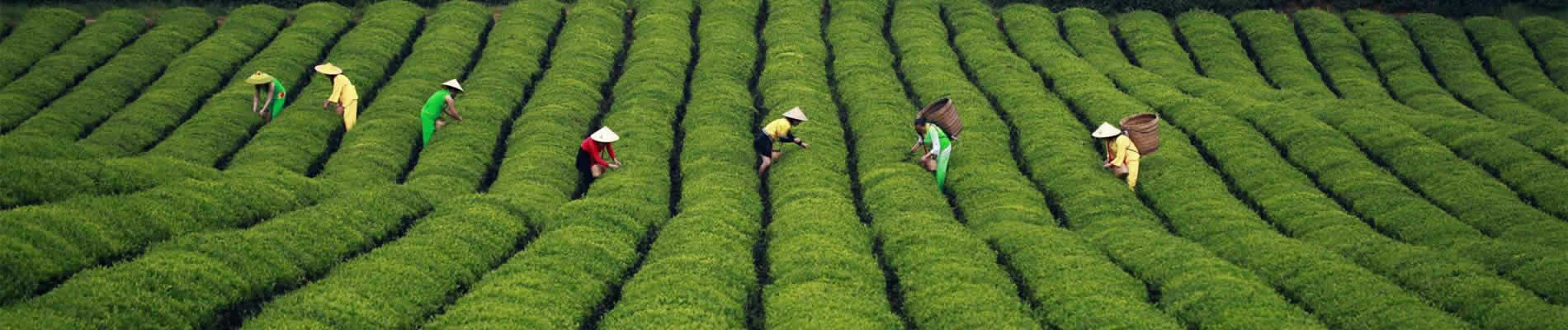
Nestled at the foot of the majestic West Lake, Hangzhou is not only a city of scenic beauty and historical importance but also a hub for tea culture. Among the most famous varieties of Chinese tea, Longjing tea (Dragon Well tea) is regarded as a symbol of Hangzhou’s rich tea heritage. A visit to Hangzhou wouldn’t be complete without a journey through its lush Longjing tea plantations and tranquil tea villages, where you can immerse yourself in centuries of tea traditions. This guide will explore the beauty of Longjing tea, its history, and the immersive experiences that await you in Hangzhou’s tea heartlands.
Longjing tea, often referred to as Dragon Well tea, is one of China’s most famous green teas, celebrated for its delicate flavor and rich aroma. Grown primarily in the hills surrounding Hangzhou, the tea leaves are handpicked from a unique tea variety known for its jade-green color, flat appearance, and refreshing taste. The name Longjing (Dragon Well) is derived from a legend where the tea leaves were said to have been watered by a dragon residing in a well, infusing them with an almost mystical essence.
History & Background
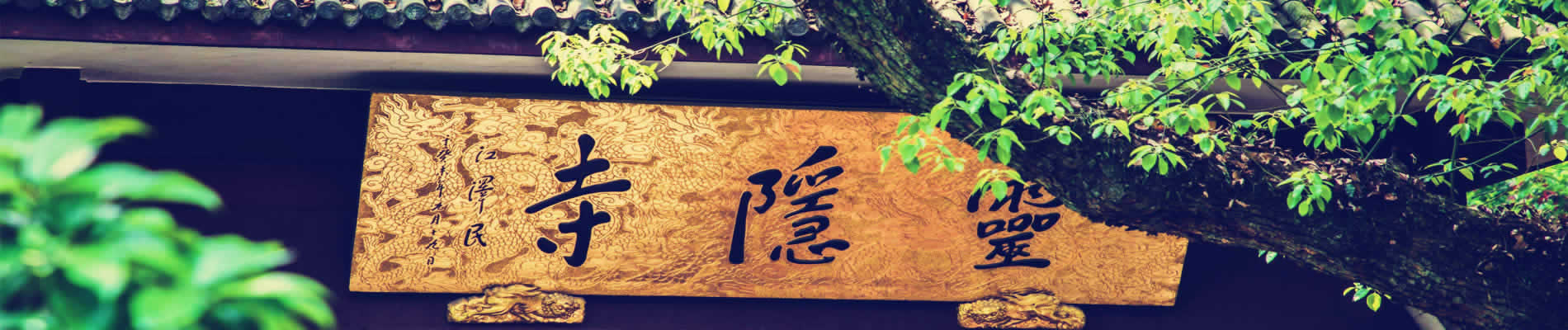
Before the Sui and Tang Dynasties, Hangzhou's tea culture was in its early stages. During the Three Kingdoms and Jin Dynasties, the economy and culture along the banks of the Qiantang River gradually developed. The construction of Lingyin Temple promoted Buddhist and Taoist activities, and the scenic spots around West Lake were gradually opened up. As temples and Taoist shrines were established, tea was planted and spread in the region. After the Sui Dynasty opened the Grand Canal, Hangzhou, due to its geographic convenience for both water and land transport, became a prosperous "rich and famous city" in Southeast China. The prosperity of Hangzhou during the Tang Dynasty began to take shape, and tea cultivation became widespread throughout the area.
During the Northern Song Dynasty, the Longjing tea-growing region had already formed on a preliminary scale. At that time, Xianglin Tea from Xianglin Cave at Tianzhu, Baiyun Tea from Baiyun Peak at Shangtianzhu, and Baoyun Tea from Baoyun Mountain in Gelingshan had already become tribute offerings. During the reign of the Ming Emperor Jiajing, it was recorded that, "Among all the teas in Hangzhou, none can match Longjing, especially the tender buds picked before the rain, which are the most precious."
In the Yuan Dynasty, Longjing tea began to gain a good reputation. The tea lover Yu Ji wrote a famous tea poem called "Visiting Longjing", in which the lines, "Wandering above Longjing, clouds and mist rise like a painting. Brewing the golden buds, I hesitate to swallow the third sip" became widely sung.
During the Qing Dynasty, Emperor Qianlong visited Jiangnan six times and Longjing four times. He wrote six imperial poems about Longjing tea and personally sealed "the eighteen royal tea trees," elevating Longjing tea to the highest status.
After the Republic of China era, Longjing tea gradually became regarded as China’s premier tea.
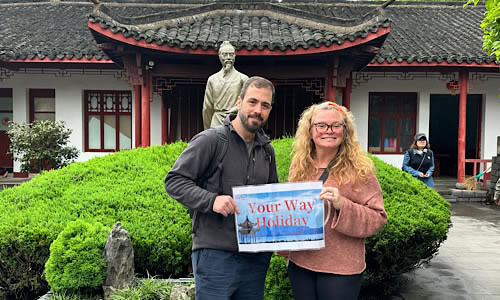 Hangzhou Dragon Well Tea Village & Longjing Tea Plantation Day Tour
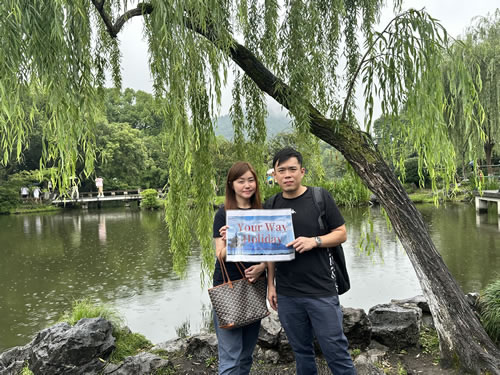 Shanghai to Hangzhou Day Trip: Dragon Well Tea Plantation and Culture Tour
Dragon Well Tea Plantation
Longjing Village is the most real and original place where produces Dragon Well tea in Hangzhou! You can see the real tea field! It was once visited by Queen Elisabeth and Bill Clinton and other famous Prime Minister and governors.
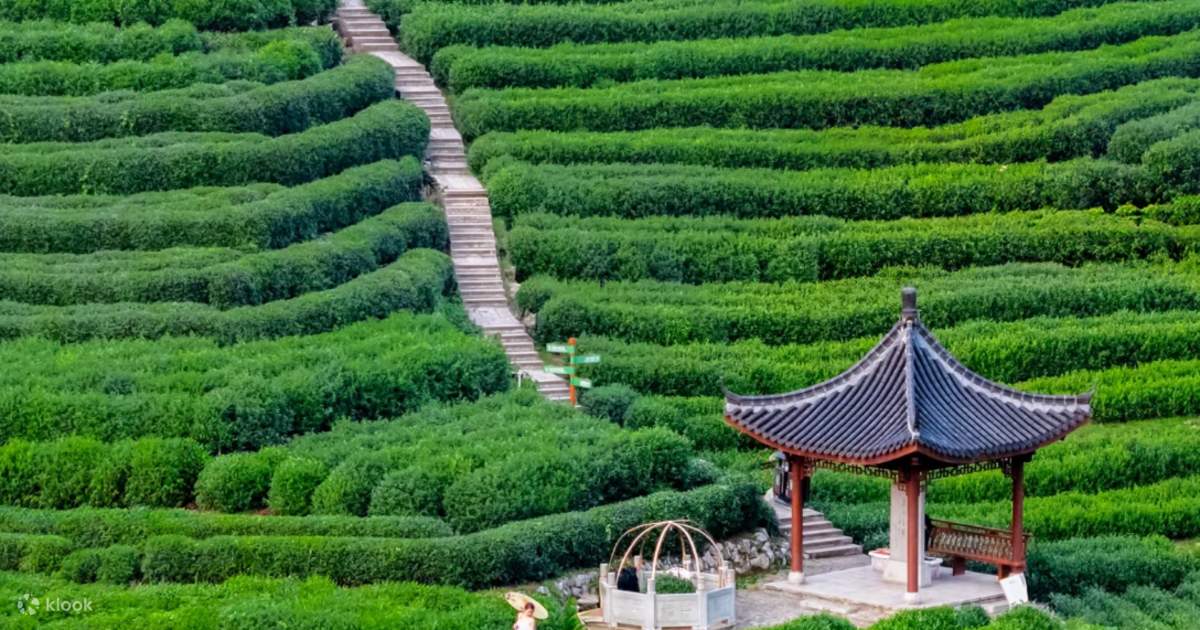
Dragon well tea Village is located southwest of West Lake scenic area, surrounded by mountains, trending from north to south, and the village resident population of about 800 people. It has nearly 800 acres of high mountain tea garden. In the northwest of the village, there are Beigao Peak, Lion Peak, Tianzhu Peak. They become the natural barrier to resist breeze wind. In the south, there is a streamlet called Nanxi. This creek valley is vary wide, and it straight towards Qiantang River. Southeast wind blow into the valley in spring and summer. So ventilation makes the tea grow well and geography conditions provide a unique advantage.
In this area, the tea booth (Chatan) and small tea house (Chaliao) existed longtime ago. During the Song Dynasty, Chasi and Chafang, where tea was sold, were already ubiquitous. The tea shop industry was further developed in the Ming Dynasty. At the same time, the business of selling big bowls of tea began prosperous in Beijing and was included as a formal industry into 360 industries. During the Qing Dynasty, since the Manchu aristocracy often spent their time in tea houses, they become important activity places for people from all walks of life, such as high officials, merchants and underlings, there. To the Chinese people, tea house, similar to the cafes in western countries, are social places where various kinds of social information are gathered and spread and where customers taste tea and talk about birds, news and daily things. In order to attract customers, stages are built in some tea houses to play tom-tom, Storytelling (Pingshu) and Beijing opera, making these tea houses amusement places. The drama Tea House, written by famous Chinese writer Lao She, revealed vividly the unstable society of the last phase of the Qing Dynasty through describing various kinds of people’s words and behaviors in a tea house.
What You Can Do In The Tea Viliage?
Tea Picking Experience
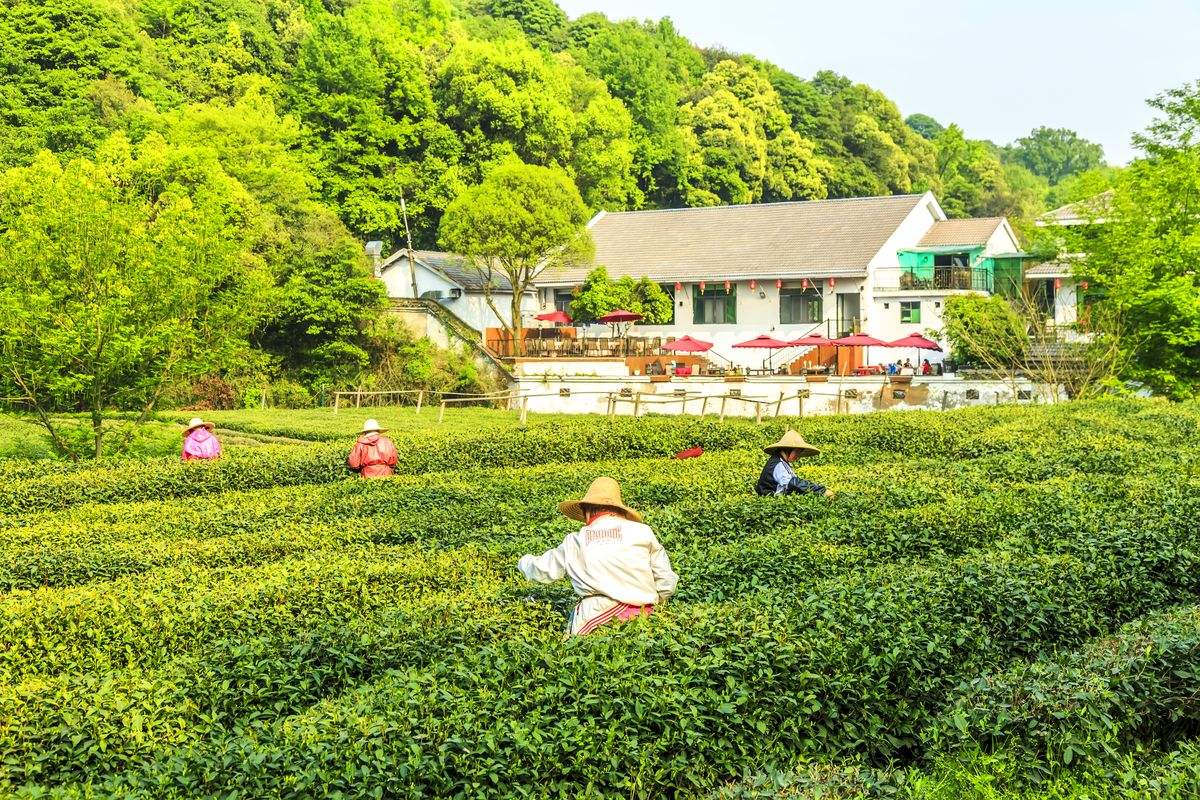
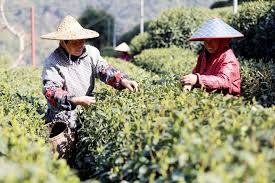
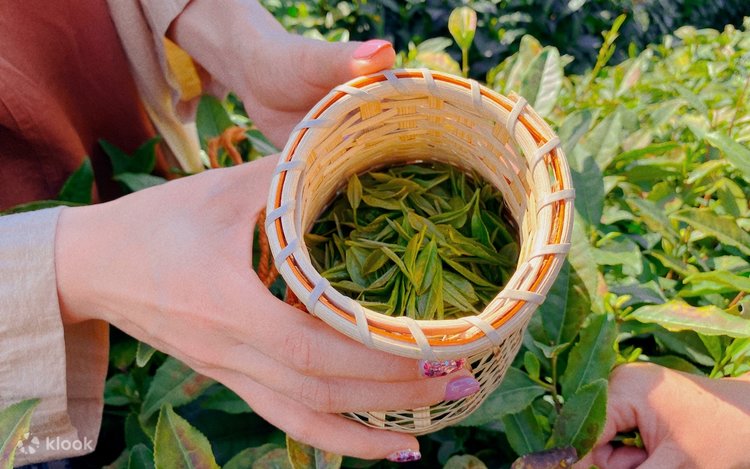
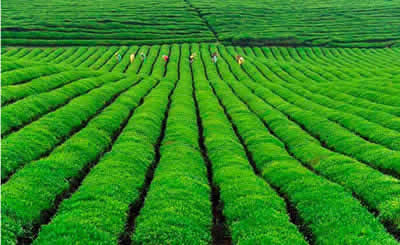
Participate in the traditional tea-picking process, where you can pluck fresh Longjing tea leaves directly from the bushes. Learn from local farmers about the best techniques for picking the perfect leaves, and enjoy the serene surroundings of the lush tea fields.
Tea Tasting and Brewing Sessions
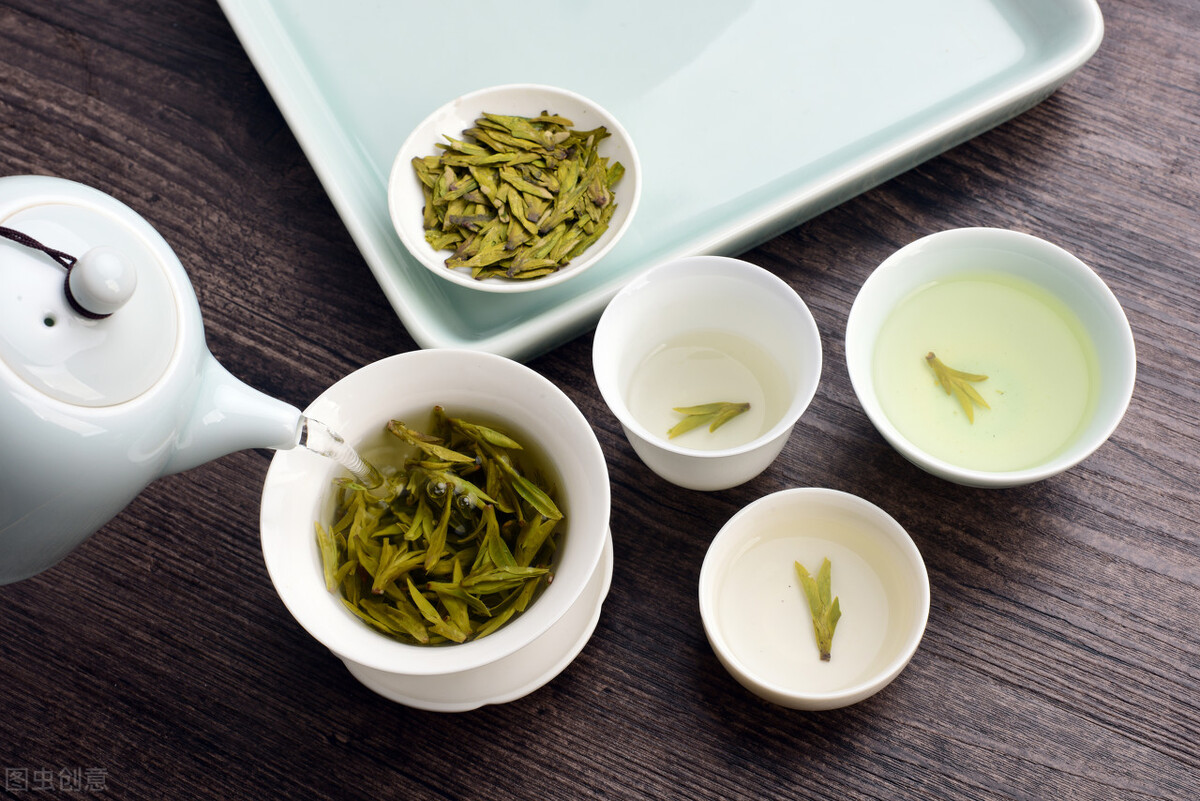
Experience a guided tea tasting session, where you can sample different grades of Longjing tea. Learn the art of brewing tea with the correct temperature and timing to extract the best flavor. It's an immersive way to deepen your appreciation for tea culture.

Traditional Tea Ceremonies
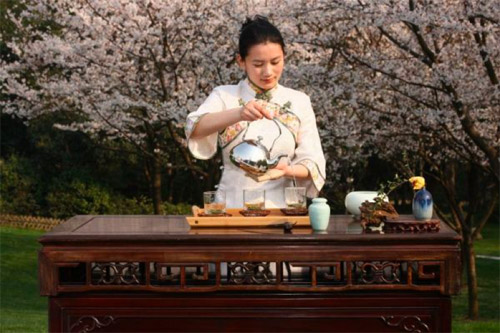
Watch or participate in a traditional Chinese tea ceremony, where every step from the preparation to the pouring of the tea is done with precision. It’s a wonderful opportunity to understand the cultural importance of tea in Chinese society.
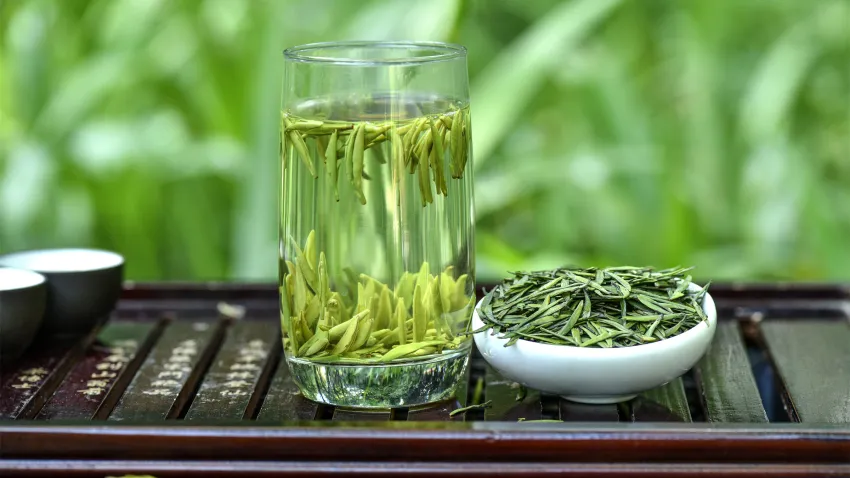
Visit Local Tea Farms and Workshops
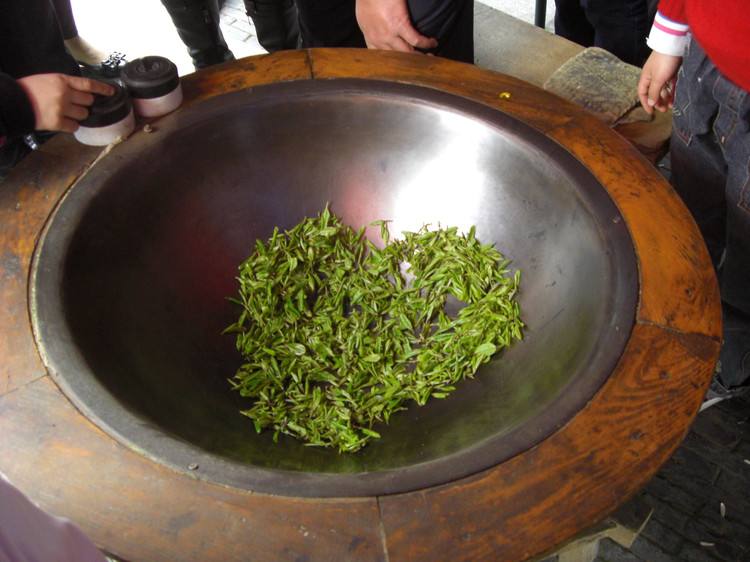
Tour local tea farms and workshops where tea production takes place. See the entire process, from the drying of leaves to the unique roasting techniques used to bring out the signature Longjing flavor. You might even have a chance to participate in the production process.
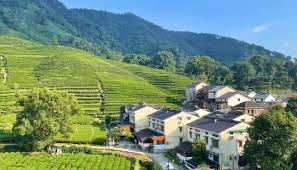
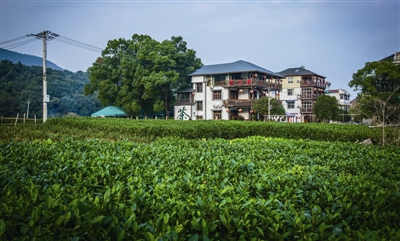
Stroll Through Scenic Tea Plantations
Take a relaxing walk through the beautiful tea plantations, with scenic views of the rolling hills and serene landscapes. This tranquil experience allows you to connect with nature while exploring the area’s tea culture.
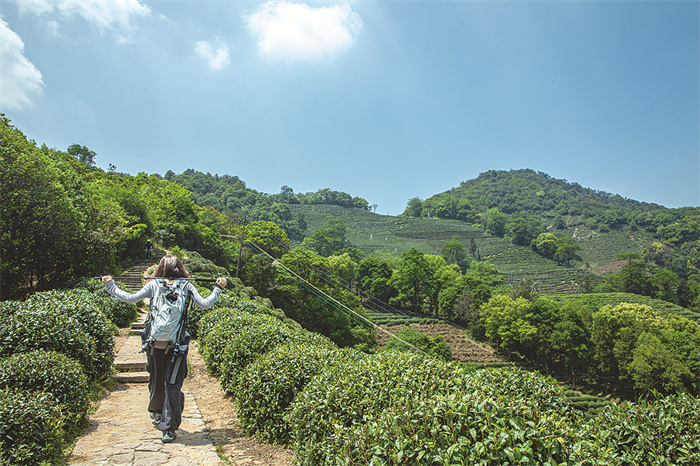
Stir-Frying Tea Experience (Chao Cha)
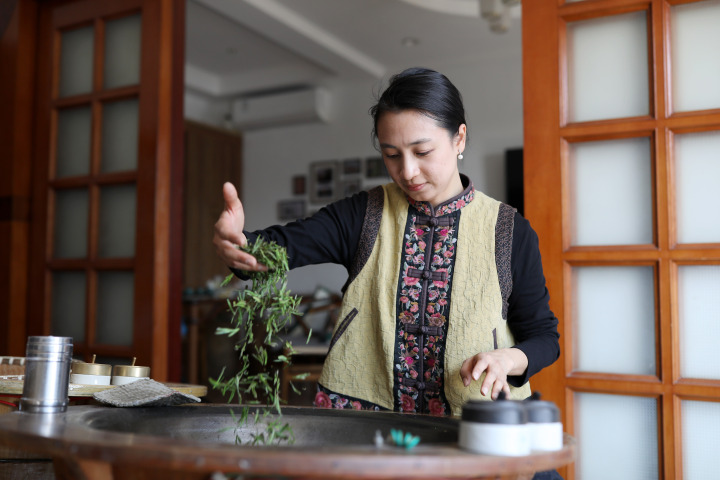
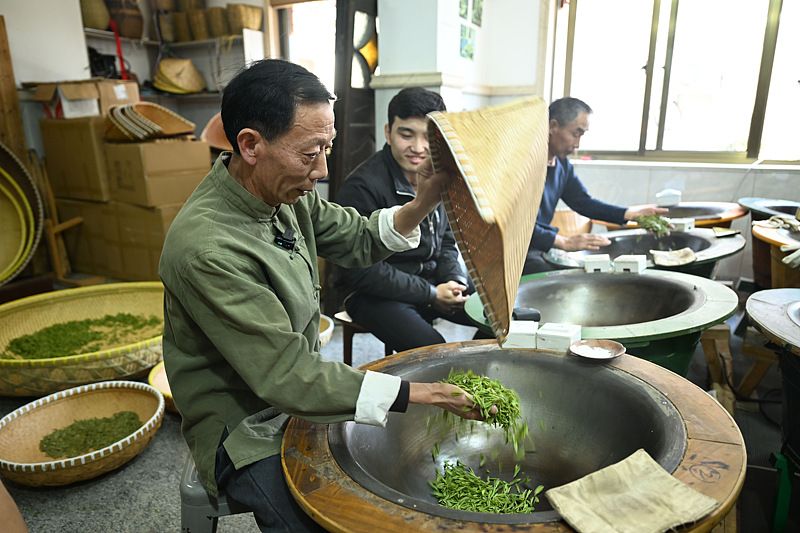
Try your hand at the traditional method of stir-frying Longjing tea leaves, known as "Chao Cha." This hands-on experience will teach you how tea leaves are carefully pan-fried to preserve their flavor and aroma. Under the guidance of experienced tea artisans, you’ll learn the delicate techniques involved in making the perfect batch of tea.
Best Time to Visit Hangzhou's Tea Villages
The best time to visit Hangzhou’s tea villages largely depends on what kind of tea experience you’re looking for. Here’s a breakdown of the optimal times to visit based on the seasons and tea harvest cycles:
Spring (March to May) – Peak Tea Harvest Season
Best for: Tea Picking and Tasting
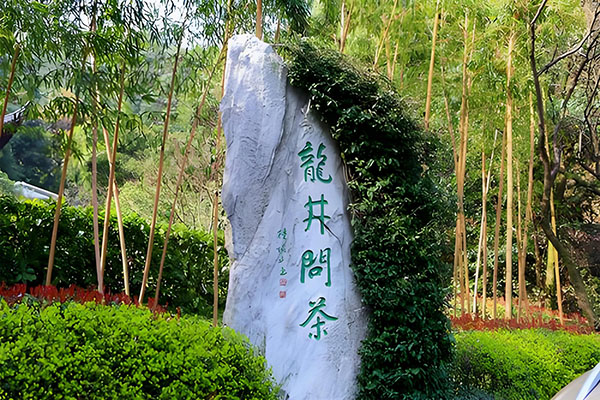
Why visit: Spring is the best time to visit Hangzhou’s tea villages, especially from March to May, when the tea trees are in full bloom and the first flush of leaves are picked. This is when Longjing tea (Dragon Well) is at its finest. Freshly harvested tea leaves, delicate in flavor, are perfect for tasting and brewing. Spring also brings vibrant green landscapes, with tea terraces and rolling hills covered in lush greenery.
Highlights:
Participate in tea-picking activities in villages like Longjing and Meijiawu.
Tea-tasting sessions at local tea houses and tea plantations.
Enjoy the tea festivals and learn about the centuries-old tea culture of Hangzhou.
Special note: “Mingqian” tea, the first-picked tea leaves of the season, are considered the most prized and are harvested before Qingming (around early April). Early spring (pre-Qingming) offers the freshest and most aromatic teas.
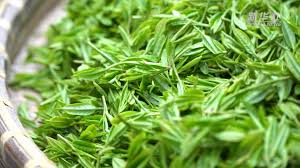
Summer (June to August) – Scenic Beauty and Peaceful Retreats
Best for: Scenic Views and Relaxation
Why visit: While summer isn’t the best time for harvesting tea, it offers beautiful, lush landscapes and is ideal for those who want to enjoy tea-related experiences without the crowds. The weather is warm and perfect for leisurely walks through the tea fields, especially around West Lake and Longjing.
Highlights:
Tea ceremonies and workshops focusing on tea culture.
Quiet strolls through the picturesque tea plantations surrounded by nature.
Enjoy the cool tea houses and experience the traditional Chinese tea culture.
Special note: Summer teas tend to be more mature and bitter, as they are harvested later in the season. They’re usually more affordable compared to spring teas.
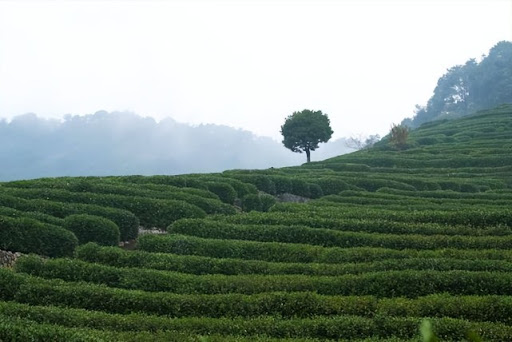
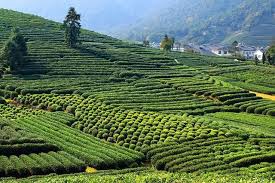
Autumn (September to November) – Great for Scenic Beauty and Less Crowded
Best for: Scenic Views and Photography
Why visit: Autumn is another great time to visit for scenic beauty, with the tea terraces often misted in the morning and the air cooler. While the tea harvest has ended, the weather is still pleasant for outdoor exploration and photography. This is a quieter time compared to spring and summer, making it a peaceful option for those seeking a more relaxed atmosphere.
Highlights:
The fall foliage enhances the scenic beauty of tea plantations.
Fewer tourists, so you can enjoy the serenity of the tea villages.
The harvest is over, so it’s a great time to learn about the post-harvest tea production process.
Special note: Autumn is not peak tea season, but you can still find leftover tea leaves or low-cost teas to purchase for a more affordable tea experience.
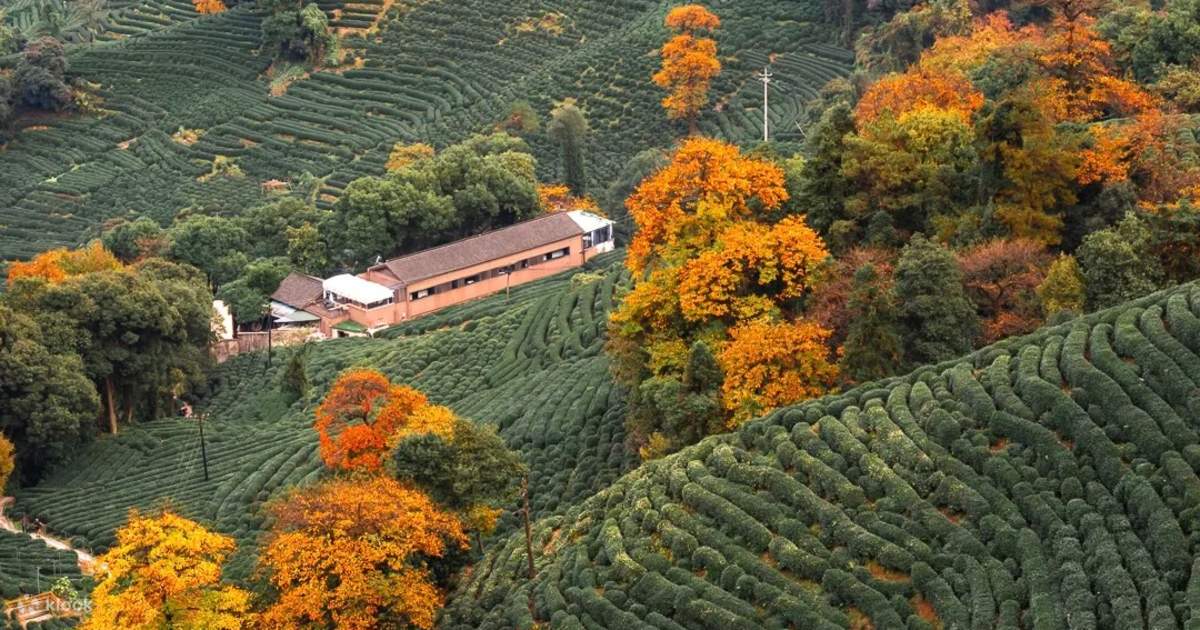
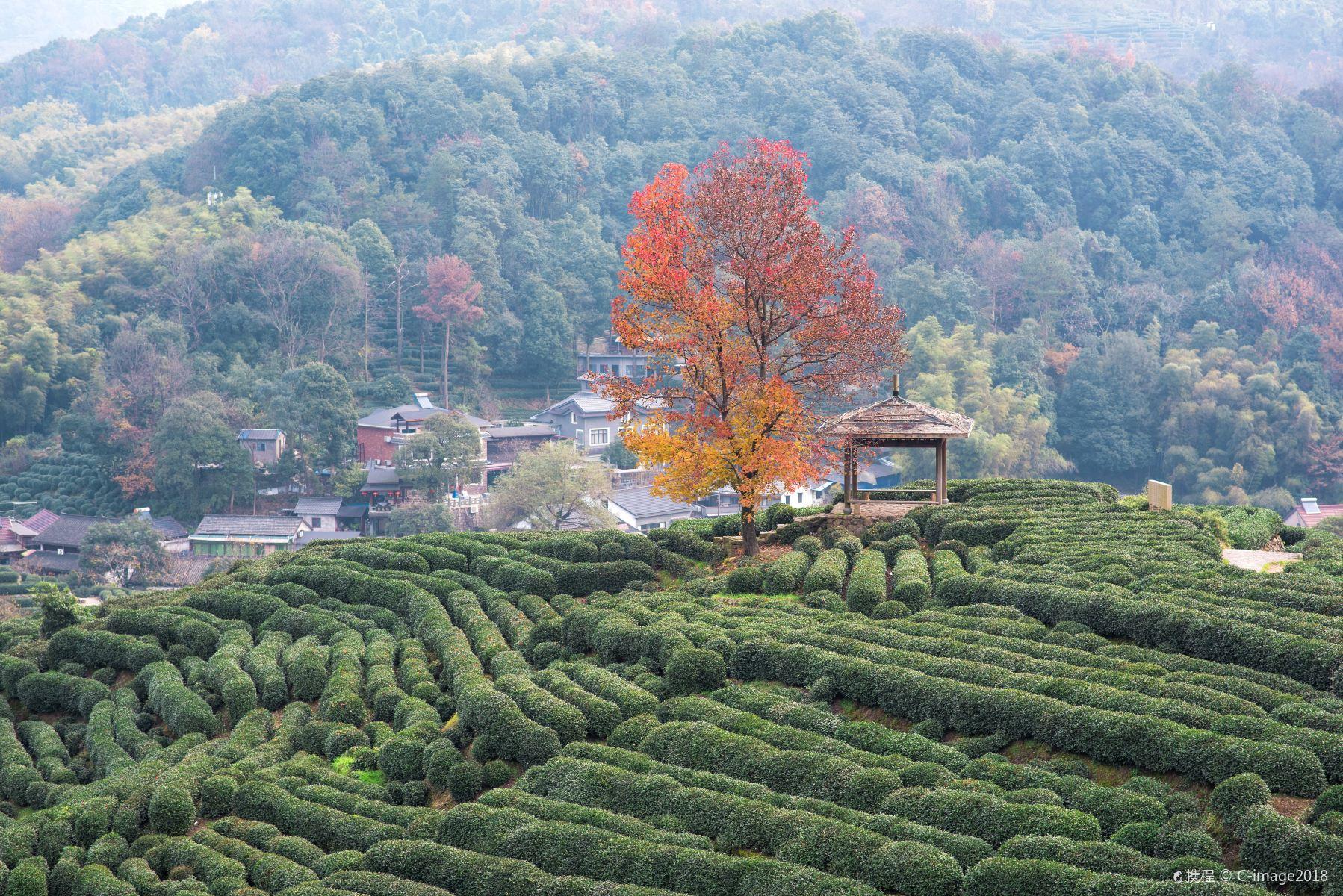
Winter (December to February) – Quiet and Peaceful Escape
Best for: Peaceful Retreats and Tea Culture Learning
Why visit: Winter is the least popular time for tea picking, but it can offer an entirely different experience. The tea villages are peaceful, with fewer tourists and a serene atmosphere. If you're looking to escape the crowds and immerse yourself in tea culture without distractions, winter is ideal for relaxing and learning.
Highlights:
Tea museums and tea workshops focused on the cultural aspects of tea.
A peaceful experience with fewer tourists, allowing you to explore at your own pace.
Beautiful winter landscapes around the tea villages and West Lake.
Special note: While you won’t be able to pick fresh tea, you can experience winter tea-making traditions and learn about how tea is stored and prepared for the next harvest.
What Makes Longjing Tea Unique?
Longjing tea, also known as Dragon Well tea, stands out for its distinctive flavor, hand-picking tradition, and deep cultural significance. Here’s what makes it unique:
Ideal Growing Conditions
Grown in Hangzhou’s fertile hills, Longjing tea thrives in cool, misty climates, creating a fresh, delicate flavor.
Hand-Picking Tradition
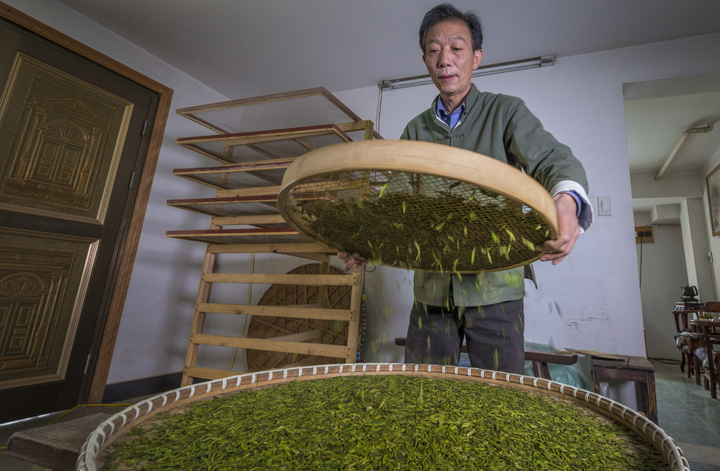
Only the youngest, most tender leaves are picked by hand during early spring, ensuring top-quality tea.
Stir-Frying Process
After picking, the leaves are wok-roasted to stop oxidation, preserving their green taste and bringing out chestnut-like flavors.
Flat, Needle-Like Shape
Longjing’s flat, elongated leaves are unique to this tea, enhancing the brewing experience and flavor release.
Fresh, Fragrant Flavor
Known for its floral aroma and sweet aftertaste, Longjing tea is smooth, refreshing, and well-balanced.
High-Quality Grading
Tea is graded by quality, with the highest grades coming from the first flush of young buds, known for their complex aromas.
Cultural Significance
With over a thousand years of history, Longjing has earned a revered place in Chinese tea culture.
Health Benefits
Packed with antioxidants, Longjing boosts metabolism, aids digestion, and offers calming effects.
Seasonal Harvesting
The best Longjing tea is harvested in early spring, ensuring its freshness and delicate flavor.
Global Recognition
Longjing is regarded as one of China’s finest teas, often gifted to officials and recognized in international tea competitions.
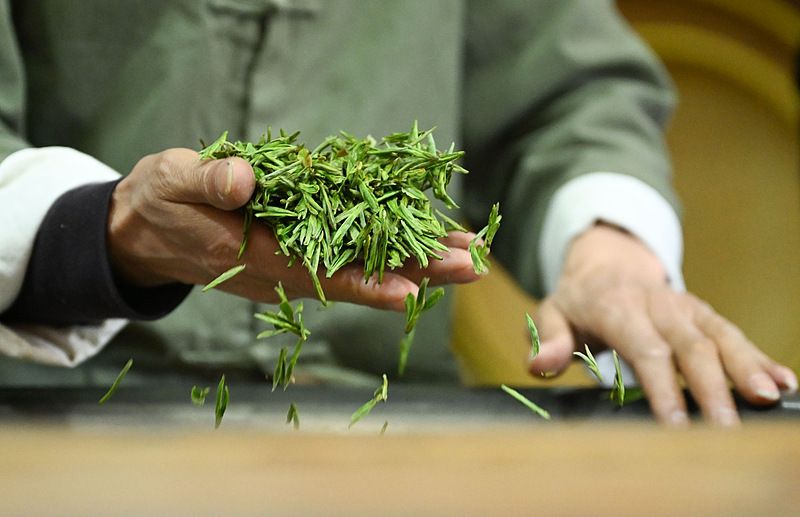
How to Make Longjing Tea?
Brewing Longjing tea properly enhances its delicate flavors and aromatic profile. Follow these steps to make the perfect cup:
Use the Right Water
Water quality is crucial. Use fresh, filtered water or spring water to avoid any off-tastes from tap water.
The ideal temperature for Longjing tea is 80–85°C (175–185°F), just below boiling point. Boiling water can make the tea bitter.
Measure the Tea
Use about 3-5 grams of Longjing tea leaves for a 180 ml (6 oz) cup. Adjust based on personal preference for strength.
Rinse the Leaves (Optional)
Rinse the leaves with a small amount of hot water (about 5-10 seconds) to remove any dust and awaken the tea’s aroma. Discard this water.
Brew the Tea
Pour the hot water over the tea leaves, just enough to cover them. This ensures the leaves open up and release their flavor.
Steep for 1–2 minutes for the first infusion. Don’t steep too long to avoid bitterness.
Pour and Enjoy
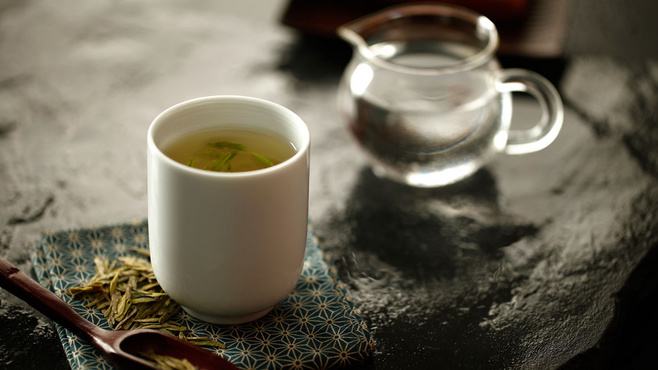
Pour the tea into a glass or ceramic cup, ideally transparent to admire the color of the brew.
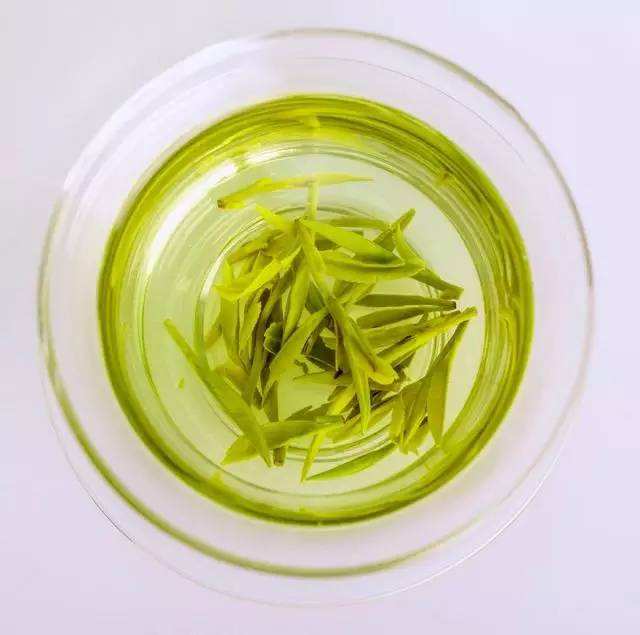
Longjing tea is known for its light green color and floral fragrance.
Rebrew the Leaves
Longjing tea can be brewed multiple times, typically 3-4 times. Each subsequent infusion will bring out different layers of flavor.
Adjust the brewing time slightly for each new steep (add 30 seconds for each infusion).
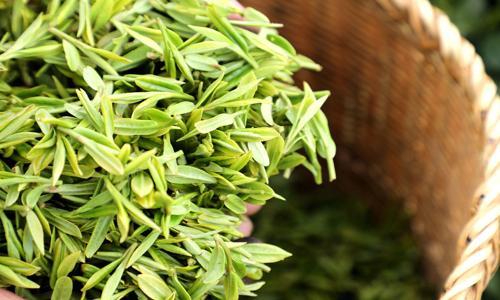
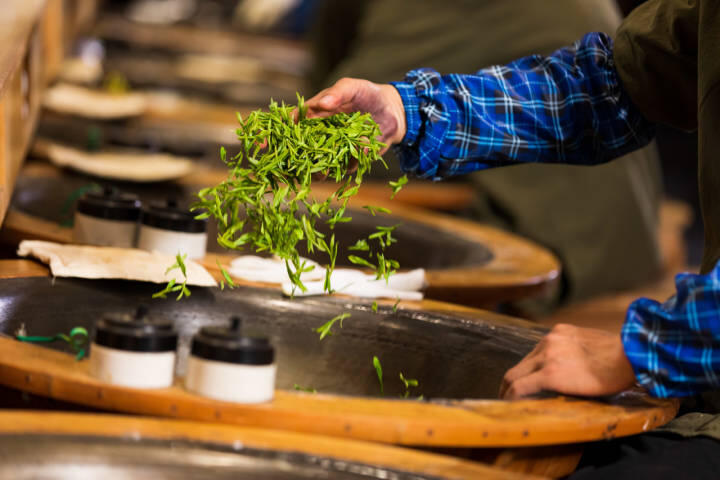
Tips for Perfect Longjing Tea:
Tea-to-water ratio: Keep the ratio of tea leaves to water consistent for balanced flavor.
Water temperature: Avoid water that is too hot, as it can make the tea bitter.
Steeping time: Experiment with steeping times based on your taste preference, but don’t let it brew too long.
Enjoy your Longjing tea with a light, sweet taste and a refreshing finish!
Varieties(Types of Longjing Tea Based on Harvest Time)
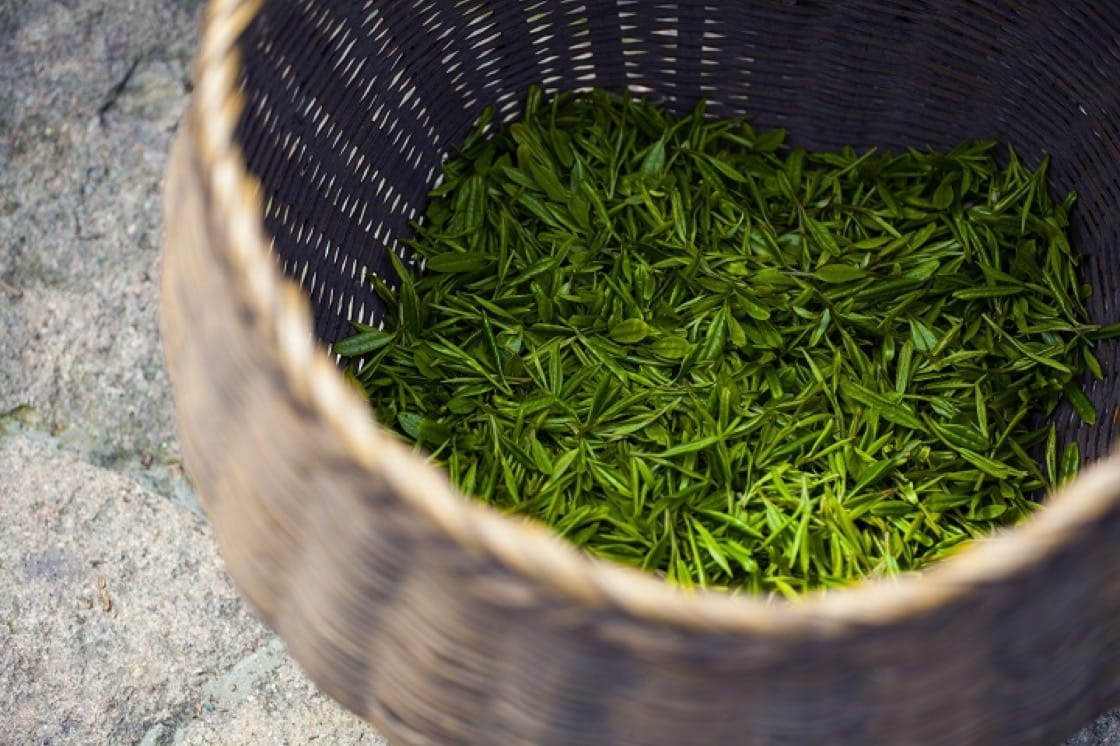
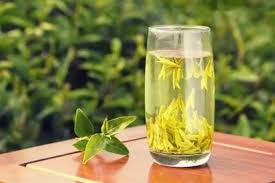
Mingqian Longjing (Pre-Qingming Longjing)
Harvest Time: Before the Qingming Festival (late March to early April)
Characteristics: Mingqian tea is the earliest harvest of the spring, with tender leaves and the highest quality.
Key Features: It has a delicate fragrance, a clear tea liquor, a fresh taste, a strong sweet aftertaste, and a slight chestnut aroma.
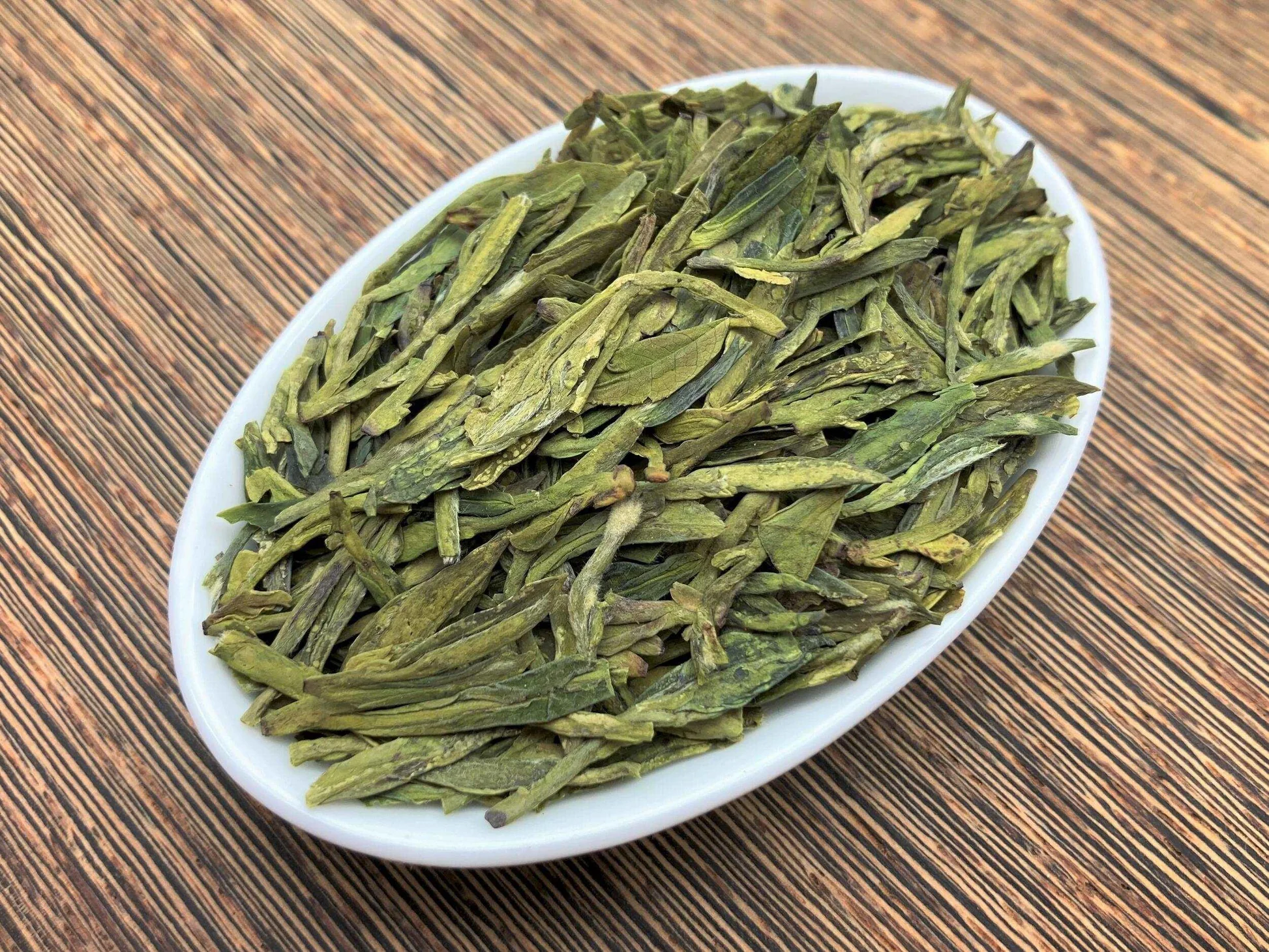
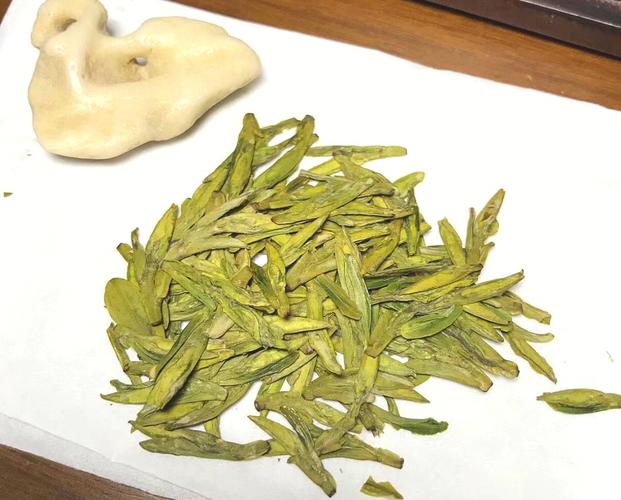
Yuqian Longjing (Post-Qingming Longjing)
Harvest Time: After the Qingming Festival and before the Grain Rain (mid-April)
Characteristics: Yuqian tea is harvested slightly later than Mingqian tea. Although the leaves are not as tender, the quality is still high.
Key Features: It has a fragrant taste, a relatively refreshing flavor, but with a slightly weaker aroma. It’s suitable for general drinking.
Guyu Longjing (Grain Rain Longjing)
Harvest Time: During the Grain Rain period (late April to early May)
Characteristics: Guyu tea is the last harvest of the spring, with more mature leaves, resulting in a stronger flavor and more intense aroma.
Key Features: It has a rich taste, intense aroma, and is more bitter, making it ideal for those who enjoy strong tea flavors.
Xiaji Longjing (Summer Longjing)
Harvest Time: Summer (after May)
Characteristics: Summer-harvested Longjing leaves are more mature, resulting in a stronger taste with a bit of bitterness.
Key Features: It’s best for making strong tea or for blending with other ingredients.
Where you can buy Dragon Well Tea
Meijiawu Village
Located to the west of West Lake, Meijiawu Village is Hangzhou’s quintessential tea destination. Its quaint alleys and hilly landscape make it the ideal location to watch a tea ceremony, learn about different varieties of Chinese tea, and pick up some invigorating Longjing for the road.
Add: Meijiawu Village, Hangzhou
Getting there from downtown Hangzhou:
By bus: from the bus stop on Tiyuchang Lu in front of the post office just east of Wulin Square, take No. 28 bus to Qu Yuan Feng He stop; walk south a few meters to the Yu Quan stop; transfer to No. 27 bus and ride to Longjing Cha Shi stop; walk west to the last fork in road, turn right and go to the end to find the tea garden.
By taxi: fares from downtown should be about RMB 35-45.
Spring and autumn are the most pleasant times to visit.
From Shanghai: catch the high-speed train to Hangzhou from Hongqiao Railway Station, take taxi or B2 bus to Wulin Square, then follow previous directions.
More Information About Meijiawu tea plantation
Location : 13 kilometers (8 miles) west of West Lake, 30 minutes’ drive
Highlights: Pick tea leaves, stir-fry tea, taste tea food, learn about tea culture, witness a Chinese tea ceremony
Best time: March to May
Opening hours: Whole day
Admission Fee: Free
Tour The Dragon Well Tea Plantation with Hangzhou Private Tour
We design private and tailor-made Hangzhou Tours customized to your style of travel at affordable local prices. We will provide a private & spacious car and a local professional tour guide with over 5 years guiding experience only work for you or your group. Transport, ticket, and dining (We find the most authentic dishes popular with locals) all we will arrange for you according your requirements. Please check our most popular Hangzhou Tours including The Dragon Well Tea Plantation as below:
 Hangzhou Half Day Sighiseeing Tour: Westlake,Dragon Well Tea Plantation, Hefang Old Street
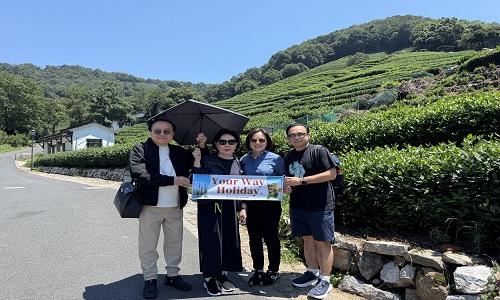
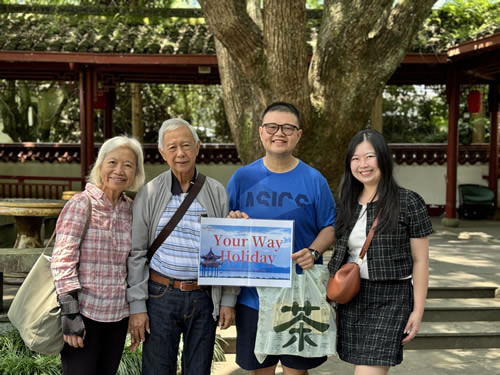 Hangzhou Tea Tour: Private Half Day Cultural Exploration
Are the above sample tour programs not suitable for you? We have more Hangzhou Tours. Our tours can be tailor-made based on your requirements and budget to create unique Hangzhou experiences that allow you to interact with the local people and culture. We are Hangzhou travel experts who know what your guidebook and foreign agencies don't. Our enthusiastic tour expert will promptly reply you in details within 24 hours.
Prev: Six Harmonies Pagoda (Liuhe Pogoda)
Next: Lingyin Temple
Duration:6-8 Hours
Attractions(Cities):West Lake Boat Cruise, Viewing Fish at the Flower Pond, Guo Garden, Meijiawu Tea Plantation, Bamboo-lined Path at Yunqi, Hefang Street
Tour Style:Embark on an enchanting Hangzhou journey with our seasoned expert and a skilled driver. Glide gracefully across West Lake's tranquil waters, escaping crowds for an intimate boat ride. Immerse in Chinese traditions with a mesmerizing tea ceremony at Longjing Green Tea Plantation. Wander the Bamboo-lined path at Yunqi, savoring Hangzhou's serene beauty. Our expert guide shares captivating tales of history, complemented by a skillful driver navigating effortlessly. Indulge in a day of discovery, each corner revealing Hangzhou's captivating allure, leaving you with cherished memories.
Duration:6-8 Hours
Attractions(Cities):West Lake Boat Cruise, Viewing Fish at the Flower Pond, China National Tea Museum, Meijiawu Tea Plantation, Longjing Imperial Tea Garden
Tour Style:Hangzhou, known as the land of fish and rice and the home of tea and silk, offers a unique tea experience. Join your experienced guide on an 8-hour tour dedicated to exploring China’s rich tea culture. Begin at the China National Tea Museum, where you'll delve into the history of tea and view a fascinating collection of artifacts. Then, visit the Meijiawu Tea Plantation, famous for producing Longjing tea. Here, you'll taste the celebrated tea and engage with local tea farmers. The tour also includes a stop at the Longjing Imperial Tea Garden, home to the Eighteen Imperial Tea Bushes, celebrated since the Qing Dynasty. This immersive experience offers a deep appreciation of Chinese tea culture, surrounded by Hangzhou's stunning landscapes. Whether you're a tea enthusiast or simply curious, this tour provides a memorable insight into one of China’s most treasured traditions.
Duration:5 Days, 4 Nights
Attractions(Cities):Hangzhou, Suzhou
Tour Style:Embark on a Suzhou and Hangzhou tour that offers a perfect blend of cultural discovery and scenic beauty. Explore the rich heritage of these two iconic cities, each known for its timeless landscapes, ancient traditions, and tranquil ambiance. From serene boat cruises and tea plantations in Hangzhou to the classical gardens and historic streets of Suzhou, this journey allows you to deeply connect with the heart of China’s culture. Immerse yourself in local customs, enjoy personalized service, and create lasting memories as you experience the best of these enchanting destinations. Whether you're seeking peaceful retreats, cultural exploration, or adventure, this tour offers a truly enriching experience.
Duration:6-8 Hours
Attractions(Cities):West Lake Boat Cruise, Viewing Fish at the Flower Pond, Lingyin Temple, Anmanfayun Village, Meijiawu Tea Plantation, Southern Song Imperial Street
Tour Style:Embark on a hassle-free and time-efficient exploration of Hangzhou with our comprehensive Skip-The-Line full-day tour. Cruise around the UNESCO-listed West Lake on a boat, marvel at the scenic beauty of Fish Viewing at Flower Park, explore the tranquil Zen monastery of Lingyin Temple, indulge in a tea-sipping experience at Meijiawu Tea Village, and wander through the historical Song Dynasty Imperial Street. Our guided tour ensures you skip the queues, allowing you to seamlessly access each scenic spot. Make the most of your time with a well-organized itinerary, ensuring a smooth and enjoyable journey through the captivating sights of Hangzhou.
Duration:10+ Hours
Attractions(Cities):West Lake Boat Cruise, Guo Garden, Meijiawu Tea Plantation, Bamboo-lined Path at Yunqi, Hefang Street, Impression West Lake Show
Tour Style:Discover the renowned Paradise City, Hangzhou, on a fully customized day trip from Shanghai by bullet train. Accompanied by your private guide, stroll through Flower Harbor Park, take a relaxing boat ride on West Lake, and visit the historic Lingyin Temple. Explore the traditional Meijiawu Tea Mountain, wander along the charming Hefang Street, and enjoy the spectacular Impression West Lake show. The tour includes local lunch and dinner, tea tasting at Meijiawu, round-trip bullet train tickets, private guide, and private vehicle service, ensuring a seamless and enriching experience.
Wechat: YourWayHolidayAsia
24 Hours Hotline:
+86 137-3541-1378
Certificate of Excellence
2012~2026

Your Way Holiday
(Your Privacy is Protected)
1 to 1 tailor-made service from our professional travel advisors for the most sophisticated
Constantly excellent reviews for attraction, hotel and service Competitive price
Local experts provide quality tours Best selected knowledgeable local guides Authentic local restaurants
7*24 hours available to create you a worry-free tour. No Hidden Fees and absolutely no pressure to buy. Secured









Copyright © 2017 Hangzhouprivatetour.com All rights reserved.







I need Dragon Well Tea Plantation email or any contact info.
I visited China and this place in Sept 2017 and loved it.
Pl help us out.
Thanks
rana
Replied:24 April 2020
Dear Rana,
There is no email for the Dragon Well Tea Plantation. It's a tea plantation and a tea village.You can show your taxi driver "???“ bring you there. And we provide Hangzhou Tea Tour if you interested. http://www.chinahangzhoutour.com/tours/show/hangzhou_dragonwell_tea_culture_tour_longjingtea2_2.htm
Your Way Holiday - Your trusted partner for private tours in China!
Dragon Well Tea (Longing Tea),the world famous Hangzhou Dragon Well Tea ( Longjing) is produced at this village for over 600 years. Produced mostly by hand and renowned for its high quality, earning its No.1 tea in China. A trip to Hangzhou is not complete without visiting the LongJing Tea Plantation. I will highly recommend Mei Jia Village. It is called Mei Jia as the family surname is Mei. A very beautiful scenic place. Many local traditional tea house worth a visit too.And there are many tea houses provide meals...
We decided to go to Meijiawu Tea Village near Westlake in Hangzhou by ourselves. We took a taxi from our hotel nearby Longxiangqiao subway station to the Dragon well tea village(Meijiawu village) was about 41 yuan. We were lucky that it was a little overcast and cool as I believe it might get really hot in the summer. Meijiawu is a little village situated between beautiful mountains with lots of big old trees and tea plantations planted on terraces up the mountains.
Everywhere there are cement walkways that you can walk on and enjoy the beautiful view and scenery by yourself.The entrance is free. In town there are plenty of tea houses where you can enjoy a cup of the West Lake Dragon Well tea and have some fruit snacks. Prices vary.