24 Hours Hotline: +86 137-3541-1378
Email:info@tripstoshanghai.com
24 Hours Hotline: +86 137-3541-1378
Email:info@tripstoshanghai.com

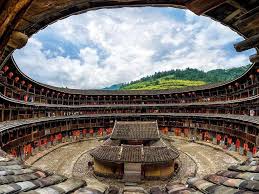
Fujian, located on China's southeastern coast, has a rich history and unique culture shaped by its geographical features and long history of trade and migration. Known for its mountainous terrain and extensive coastline, Fujian developed as a center for maritime trade, with its ports historically connecting China to Southeast Asia and beyond. The province is renowned for its distinct dialects, particularly Min Chinese, and its unique customs, including the famous Fujian tea culture, particularly Oolong tea. Fujian is also home to the traditional architecture of the Hakka people, with their unique round houses (Tulou), and has a deep-rooted influence from both Confucian and Buddhist traditions. Its cultural heritage is reflected in art, architecture, cuisine, and festivals, making it a fascinating place for travelers seeking to experience both history and contemporary Chinese culture.
The main language spoken in Fujian is Min Chinese, a group of Chinese dialects that are quite distinct from Mandarin. Within Fujian, there are several regional variations of Min, including Fuzhou dialect (Eastern Min), Xiamen dialect (Southern Min), and others. While Mandarin is the official language and widely understood, especially in urban areas, Min dialects are still commonly spoken in daily life, particularly in rural regions and among older generations. In cities like Xiamen and Fuzhou, many people are bilingual, speaking both Mandarin and their local Min dialects, but Mandarin remains the primary language for official communication, education, and business.
Fujian Tulou Culture Festival: Celebrating the region’s famous earthen buildings (Tulou), this festival includes folk performances, traditional music, and cultural exhibitions. It’s a great way to experience the local Hakka culture and the architectural marvels that are a UNESCO World Heritage site.
Fuzhou Lantern Festival: Held during the Chinese New Year, this festival features beautiful lantern displays and traditional performances. It is a vibrant celebration of the start of the lunar year, with many cultural events taking place around Fuzhou.
Xiamen International Marathon: A major sporting event, but also a cultural experience, as it takes place amidst the stunning landscapes and historical sites of Xiamen. Participants and spectators can enjoy the city’s beautiful scenery while celebrating athleticism.
Dragon Boat Festival: Like much of China, Fujian celebrates the Dragon Boat Festival with races, traditional music, and food like zongzi (sticky rice dumplings). The festival is especially lively in coastal areas like Xiamen.
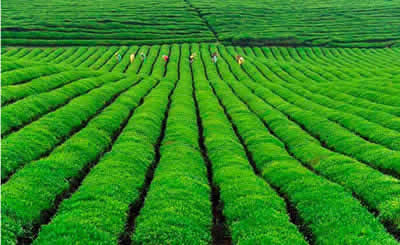
Fujian Tea Culture: Fujian is famous for its tea, especially Oolong tea, and visitors can experience traditional tea ceremonies and tea-picking activities at local tea plantations. In the town of Anxi, the Anxi Tea Culture Festival celebrates the local tea-making traditions.
Chongyang Festival (Double Ninth Festival): This festival, dedicated to the elderly, is celebrated with mountain climbing, flower exhibitions, and traditional performances in various parts of Fujian, especially in the countryside.
 2-Day Xiamen & Tulou Tour: From Island Charm to Hakka Heritage
 Wuyishan Wonders: A Day of Bamboo Rafting, Majestic Peaks, and Timeless Tea Culture
Fujian’s food culture is rich, diverse, and deeply influenced by its geography, history, and coastal location. The cuisine is known for its light, fresh, and umami-rich flavors, with a strong emphasis on the use of fresh seafood, herbs, and a variety of cooking techniques. Here are some unique aspects and local dishes that visitors should try:
Unique Aspects of Fujian's Food Culture:
Light and Savory Flavors: Unlike the spicy flavors of Sichuan or the sweetness of Cantonese cuisine, Fujian cuisine focuses on delicate and savory flavors, often highlighting the natural taste of ingredients. Dishes are usually less oily and more focused on balance and freshness.
Soup and Broth-Based Dishes: Fujian is known for its delicious soups, which are often made from seafood, mushrooms, and various meats. The broth is carefully simmered to extract deep, natural flavors.
Use of Vinegar: Fujian cuisine features a unique, locally-produced vinegar that is used in many dishes to add a tart, aromatic flavor. It’s often used in dipping sauces, soups, and stir-fries.
Seafood: Due to Fujian's long coastline, seafood plays a central role in its food culture. Fresh fish, shellfish, and seaweed are commonly found in many dishes.
Unique Rice and Noodles: Rice and noodles are staples, often prepared in different ways, such as being served in soup or stir-fried with various local ingredients.
Local Dishes to Try in Fujian:
Fujian Buddha Jumps Over the Wall: One of the most famous and luxurious dishes in Fujian cuisine, this rich and aromatic soup includes a variety of expensive ingredients such as sea cucumber, abalone, ginseng, chicken, and a mix of herbs. It’s traditionally served in a clay pot and cooked for hours to create a complex flavor profile.
Fuzhou Fish Balls: A popular snack in Fuzhou, these fish balls are made from fresh fish paste that is seasoned and formed into round balls, then boiled in a flavorful broth. They have a delicate, bouncy texture.
Fujian Fried Rice: This local version of fried rice often includes a variety of ingredients such as shrimp, pork, and vegetables, and it is typically stir-fried with a dash of local vinegar for extra flavor.
Oyster Omelet: Commonly found along the coast, this dish consists of fresh oysters mixed with eggs, starch, and vegetables, then fried into a savory omelet. It’s usually served with a tangy sauce.
Xiamen Peanut Soup: A famous dessert in Xiamen, this sweet soup is made with boiled peanuts, sugar, and sometimes coconut milk. It’s a comforting and uniquely local treat.
Lychee Pork: A dish combining pork with lychee fruit, offering a contrast of savory and sweet flavors. The pork is typically stir-fried with the juicy lychees, creating a unique fusion of tastes.
Shacha Noodles: A Fujian specialty noodle dish, often served with a savory, slightly spicy sauce made from shacha paste (a blend of garlic, shallots, and peanuts), along with vegetables and meats.
Fujian Tea: Fujian is famous for its tea culture, especially Oolong tea varieties like Tie Guan Yin and Da Hong Pao. Visitors can try traditional tea ceremonies and sample a range of teas.
Taro Cake: A popular snack in Fujian, especially in the colder months, made from mashed taro mixed with sugar and other ingredients, then pan-fried into a crisp, golden cake.
Key Ingredients:
Fujian Vinegar: Often used in cooking to add a tangy and aromatic element to dishes.
Dried Seafood: Such as dried shrimp and scallops, which add deep umami flavors to soups and stir-fries.
Rice Wine: A common cooking ingredient in many dishes, providing a subtle depth of flavor.
Fujian is home to several must-see historical landmarks and cultural sites, each offering a unique glimpse into its rich heritage. Fujian Tulou, the ancient earthen buildings of the Hakka people, are a UNESCO World Heritage site and a must-see for their unique architectural style. Mount Wuyi, known for its natural beauty and historical significance in tea culture, is another highlight. Gulangyu Island in Xiamen offers a blend of colonial architecture and cultural heritage, while Fuzhou's Three Lanes and Seven Alleys preserves the ancient urban layout of the city. Kaiyuan Temple in Quanzhou is one of the most important Buddhist temples in the region, and Xiamen's Nanputuo Temple is a serene place for reflection. Additionally, Fujian's ancient villages, like Xianyou Ancient Village and Yongding Tulou, offer insights into traditional rural life and the region's deep cultural roots.
Fujian is suitable for a wide range of tourists, from nature lovers to history enthusiasts. It offers something for everyone, whether you're interested in exploring ancient cultural sites, enjoying scenic landscapes, or experiencing unique local traditions. Outdoor enthusiasts will appreciate the hiking opportunities in Mount Wuyi and the stunning coastal views around Gulangyu Island. History buffs will be drawn to the Fujian Tulou (Hakka earth buildings) and ancient temples like Kaiyuan Temple. Fujian also caters to those fascinated by tea culture, with opportunities to visit tea plantations and learn about the art of tea-making. For travelers seeking a blend of culture, nature, and authentic local experiences, Fujian offers a rich and varied itinerary.
By High-Speed Train:
Duration: Approximately 4 to 5 hours.
Route: You can take a high-speed train from Hangzhou East Railway Station to cities in Fujian like Fuzhou or Xiamen. High-speed trains are comfortable, fast, and a popular choice for domestic travel in China.
Frequency: Trains depart regularly throughout the day, with multiple options available.
Booking: Tickets can be purchased online or at the railway station.
By Air:
Duration: Around 1.5 hours (flight time).
Route: Hangzhou has a major international airport, Hangzhou Xiaoshan International Airport (HGH), offering direct flights to cities in Fujian like Fuzhou (FOC), Xiamen (XMN), or Quanzhou (JJN).
Frequency: Flights are available daily, but it’s best to book in advance, especially during peak travel periods.
Booking: You can book flights through various travel websites or airline apps.
 5-Day Xiamen Local Tour: A Deep Dive into Xiamen's Culture, History, and Scenic Beauty
 Explore Xiamen and Wuyi Mountain: A 5-Day Journey Through Heritage and Nature
The public transportation system in Fujian is generally efficient and accessible, especially in major cities like Xiamen, Fuzhou, and Quanzhou. These cities have modern subway systems, extensive bus networks, and ride-hailing services like Didi that make getting around convenient. While English signage may not always be available outside of major tourist areas, in cities like Xiamen, there is some English on subway maps and at key transit points. Mobile payment apps such as WeChat Pay and Alipay are widely used for both public transport and taxis, which simplifies payments for foreign tourists. Overall, the system is fairly tourist-friendly in urban areas, though a basic understanding of Chinese or a translation app can help with navigating rural areas or less tourist-heavy spots.
Traveling between major cities in Fujian, like Fuzhou and Xiamen, is convenient due to the province’s well-developed transportation network. High-speed trains are the fastest and most popular option, connecting cities like Fuzhou, Xiamen, and Quanzhou with frequent departures and a travel time of around 1.5 to 2.5 hours depending on your route. For more flexibility, buses also operate regularly between cities and tourist attractions, though the journey can take longer. In addition, domestic flights are available between major cities, particularly for longer distances. Once in the city, taxis, public buses, and ride-hailing services like Didi are convenient for getting to local attractions. For those traveling to more remote areas, such as the Fujian Tulou or Mount Wuyi, taking a bus or hiring a private car can be more comfortable.
While there are reliable taxi services available in major cities like Fuzhou and Xiamen, the language barrier can sometimes make it challenging for foreign tourists to communicate with drivers. Taxis are generally safe and metered, but they may not always understand English, especially in more rural areas. For a more convenient and hassle-free experience, using ride-hailing apps like Didi is highly recommended. Didi allows you to enter your destination in Chinese, making it easier to navigate, and payments can be made through mobile apps like WeChat Pay or Alipay. Ride-hailing services are widely available, reliable, and offer a smoother experience for foreign tourists compared to traditional taxis.
 Xiamen Layover Tour: A Guided Day of Exploration and Relaxation
 3-Day Fujian Quanzhou Tour: Uncover Ancient Traditions and Coastal Beauty
The best way to travel between cities in Fujian is by high-speed train, as it is fast, convenient, and comfortable. High-speed trains connect major cities like Fuzhou, Xiamen, and Quanzhou, with travel times typically ranging from 1.5 to 2.5 hours. They are a popular choice for both locals and tourists due to their efficiency and frequency. Flights are an option for longer distances, but they can be more time-consuming due to airport security and travel time to and from airports. Long-distance buses are also available and are a more budget-friendly option, but they tend to take longer and may be less comfortable. Overall, the high-speed train is the most recommended mode of transportation for intercity travel in Fujian.
Yes, foreign travelers in Fujian can use the same transport cards as locals, like the Fujian Tong card, which is available for use on public transport in cities such as Fuzhou and Xiamen. However, as a foreign traveler, it might be easier to rely on mobile payment methods like Alipay and WeChat Pay, which are widely accepted and convenient. You can link these apps to an international credit card or a Chinese bank account for easy payments. Just make sure to set them up before your trip to ensure smooth travel and purchases.
In major cities like Xiamen, Fuzhou, and Quanzhou, you may find some English signage at popular tourist attractions, subway stations, and airports, though it’s not always widespread, especially in rural areas. English-speaking guides are available in more tourist-centric areas, particularly at well-known sites like Gulangyu Island or Mount Wuyi, and many tour companies offer guides who can assist foreign visitors. However, outside of these areas, English proficiency can be limited. To make your experience easier, it's helpful to use a translation app or book a guided tour in advance to ensure smooth communication and enhance your travel experience.
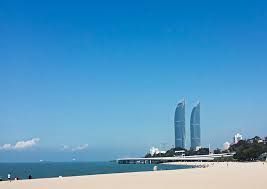
Fujian is known for its stunning natural landscapes, featuring a variety of mountains, lakes, and beaches. Mount Wuyi, a UNESCO World Heritage site, is famous for its dramatic peaks, lush valleys, and scenic tea plantations, making it a top destination for nature lovers and hikers. The Nine-Bend River in Wuyi is another highlight, with its crystal-clear waters meandering through mist-covered mountains. Xiamen’s Gulangyu Island offers peaceful coastal scenery, while Xiapu Beach is renowned for its unique tidal mudflats and vibrant fishing culture. Fujian's coastal areas also feature beautiful beaches like Tonghu Bay and Jinshan Beach, which are perfect for relaxation and seaside activities. Additionally, Fujian's numerous freshwater lakes, including Fuzhou’s West Lake and Taihu Lake, provide serene spots for sightseeing and leisurely walks.
Fujian is home to several ancient towns and cultural streets that are rich in history and offer a glimpse into traditional Chinese life. Three Lanes and Seven Alleys in Fuzhou is a must-visit, with its well-preserved architecture and narrow alleyways that showcase the city’s Ming and Qing dynasty heritage. Quanzhou, an ancient port city, offers cultural sites like Donghu Ancient Street and Zhongshan Road, where visitors can explore traditional markets, temples, and old buildings. Xiamen’s Gulangyu Island is another cultural gem, known for its colonial architecture and historic streets like Shuzhuang Garden and Hujingtou Hill. In addition, the Ancient Hakka villages around Yongding, including the Tulou clusters, are rich in culture and history, offering unique insights into the Hakka people’s architectural and social life. These towns and streets are perfect for those seeking a deep dive into Fujian's history and culture.
Fujian is home to several attractions related to minority ethnic cultures, particularly those of the Hakka and Min people. The Fujian Tulou, large earthen buildings traditionally built by the Hakka people, are a UNESCO World Heritage site and offer insight into the unique architecture and communal living of the Hakka community. The Hakka Culture Museum in Meizhou showcases the traditions, customs, and history of the Hakka people. Additionally, the She ethnic group, another minority group in Fujian, has villages in the Sanming area where visitors can explore their unique customs, festivals, and traditional homes. The Min ethnic culture can be explored in areas like Fuzhou, where you can visit temples and cultural sites that reflect the rich history and customs of the Min people. These attractions provide an opportunity to learn about the diverse ethnic cultures that have shaped Fujian’s heritage.
Gulangyu Island in Xiamen offers a charming blend of natural beauty, historical architecture, and cultural heritage. Visitors can explore the island’s colonial-era buildings, including the Piano Museum, which showcases the island's musical legacy, and the Shuzhuang Garden, a stunning classical garden with panoramic coastal views. The island’s Sunlight Rock offers breathtaking views of Xiamen and the surrounding sea. You can stroll through Gulangyu’s narrow lanes, lined with quaint cafes, boutiques, and traditional Chinese architecture. Other must-see spots include the Gulangyu Organ Museum, dedicated to the island's musical instruments, and the Hulishan Fortress, a historic site featuring ancient military defense structures. With its mix of history, culture, and scenic beauty, Gulangyu is a perfect place to relax and explore.
The Sanfang Qixiang (Three Lanes and Seven Alleys) in Fuzhou is a historic district that preserves the ancient urban layout of the city from the Ming and Qing dynasties. It consists of narrow alleys, traditional courtyard homes, and old streets, offering a glimpse into Fuzhou's cultural and architectural heritage. The area is known for its distinctive architecture, including beautifully carved wooden doors, stone pathways, and traditional buildings that showcase the region's rich history. Visitors can explore historic sites like Wu's Mansion, Xichan Temple, and various cultural shops selling local crafts. The area is also known for its tea houses, local snacks, and vibrant atmosphere. It’s definitely worth visiting for anyone interested in Chinese history, culture, and traditional architecture.
Fujian is home to several UNESCO World Heritage Sites and nature reserves. One of the most notable is the Fujian Tulou, a group of traditional earthen buildings built by the Hakka people, which have been recognized as a UNESCO World Heritage Site for their unique architectural design and cultural significance. Another UNESCO site is Mount Wuyi, known for its stunning landscapes, rich biodiversity, and the historical role it played in tea culture. The mountain area is a popular destination for nature lovers, offering picturesque hiking trails and serene rivers. Additionally, Fujian boasts several nature reserves, such as the Nanping Nature Reserve, home to rare plant species and wildlife, and the Fujian Provincial Nature Reserve, which helps protect the province’s rich ecosystems. These sites offer both cultural insights and natural beauty, making Fujian a great destination for heritage and nature enthusiasts alike.
Fujian cuisine, known for its fresh flavors and emphasis on seafood, offers a variety of local dishes that are a must-try. Buddha Jumps Over the Wall is one of the most famous, a rich soup made with abalone, sea cucumber, and other delicacies. Fujian Red Braised Pork (Hóngshao ròu) is another popular dish, featuring tender pork cooked in a savory-sweet sauce. Fish Ball Soup (Yúwán) and Fujian Fried Rice are also common and beloved local staples. For dessert, try Oyster Omelette or the sweet Lychee Cake.
To experience the best of Fujian's cuisine, you should visit Lao Daoxiang in Fuzhou, known for its traditional Fujian dishes, or Zhangzhou Tianyuan Restaurant in Xiamen for a taste of local seafood. Gulangyu Island in Xiamen has many small eateries offering fresh seafood, while Fuzhou's Sanfang Qixiang (Three Lanes and Seven Alleys) has several renowned restaurants where you can try authentic Fujian flavors in a historic setting.
Fujian is renowned for its rich tea culture, with a history of tea production dating back over a thousand years. The province is famous for its Oolong teas, particularly Tie Guan Yin and Da Hong Pao, which are prized for their floral aromas and complex flavors. White tea, especially Bai Mudan (White Peony), is another signature tea of Fujian, known for its delicate, sweet taste. The region is also home to green teas like Longjing, and black teas such as Lapsang Souchong, which has a distinctive smoky flavor. Tea is deeply embedded in the daily life and cultural practices of Fujian, and visitors can enjoy traditional tea ceremonies and visit tea plantations in places like Wuyi Mountain, where some of the finest teas are grown. Fujian's tea culture emphasizes the art of brewing, and many tea houses offer tourists the chance to taste and learn about these teas in serene, historic settings.
Yes, Fujian offers a variety of dining options that cater to those who prefer non-spicy food. While Fujian cuisine is known for its use of vinegar, soy sauce, and light broths rather than heavy spiciness, you can find plenty of dishes that are mild and flavorful. Fujianese soups like Buddha Jumps Over the Wall are rich and aromatic without being spicy. Steamed fish, braised pork, and stir-fried vegetables are common non-spicy options. White rice and dumplings also feature prominently in the local cuisine. Many restaurants offer a range of dishes, so you can easily request meals without chili or strong spices. Major cities like Xiamen and Fuzhou have a wide variety of restaurants catering to international tastes, ensuring that there are many mild, non-spicy options for visitors.
Fujian is known for its delicious street food, offering a variety of flavors and textures. Xiamen’s Shacha noodles are a must-try, a savory dish made with a special sauce and served with noodles, meat, and vegetables. Oyster omelettes, crispy and filled with fresh oysters, are a popular snack in coastal areas. Fujianese dumplings (often filled with pork, shrimp, or vegetables) and fish ball soup are also commonly found at street stalls. In Fuzhou, you can try the famous Fuzhou fish balls and bingtanghulu (candied fruits on sticks). For dessert, peanut soup and sweet rice balls are local favorites.
The best places to enjoy street food in Fujian are the bustling food markets in Xiamen’s Zhongshan Road Pedestrian Street and Fuzhou’s Wuyi Square. Gulangyu Island in Xiamen also has vibrant food stalls offering fresh seafood and traditional Fujian snacks. Shuanglin Market in Fuzhou and Xiamen's Huandao Road are other excellent spots to sample authentic local street food while immersing yourself in the region's lively food culture.
Yes, Fujian is home to several night markets and local markets where tourists can immerse themselves in the vibrant food culture. In Xiamen, Zhongshan Road Pedestrian Street is a popular night market offering a wide variety of street food, including oyster omelettes, shacha noodles, and fried squid. Gulangyu Island also has lively food stalls where you can enjoy fresh seafood and traditional Fujian snacks. In Fuzhou, Wuyi Square comes alive at night with food vendors serving Fuzhou fish balls, dumplings, and other local delicacies. Xiamen's Huandao Road and Fuzhou’s Shuanglin Market are also excellent places to experience the bustling atmosphere and try a range of local treats. These markets offer a great opportunity to taste authentic Fujian street food while exploring the lively night scenes.
Fujian is known for its rich craft traditions, and there are several unique handicrafts and souvenirs that make great mementos of your visit. Fujian tea is one of the most popular souvenirs, especially Tie Guan Yin and Da Hong Pao, which are highly regarded for their quality and flavor. Jade and wooden carvings, often depicting traditional Chinese motifs, are also widely available, especially in places like Xiamen and Fuzhou. For a more local touch, you can buy Fujian silk, which is often used to make elegant scarves, dresses, and accessories. Fujian's famous porcelain, particularly from Dehua, is another great souvenir, with its delicate craftsmanship and intricate designs. Additionally, handmade bamboo products, like fans, baskets, and small decorative items, are perfect for those looking for traditional yet practical gifts. These unique handicrafts reflect the cultural heritage and artistic skills of the region.
In Xiamen, you can shop for Fujian specialty products at popular spots like Zhongshan Road Pedestrian Street and Gulangyu Island, where you'll find shops selling local tea, porcelain, silk, and traditional handicrafts. Xiamen's Qiánpu Market also offers a great variety of local goods, including snacks and souvenirs. In Fuzhou, head to Wuyi Square or Sanfang Qixiang (Three Lanes and Seven Alleys), where you’ll find stores specializing in Fuzhou’s famous tea, jade carvings, and wooden crafts. Fuzhou's Dongjiekou Shopping Area is another good place for local specialties, including Fujian silk and traditional porcelain. These shopping areas offer a great mix of cultural souvenirs, handicrafts, and local delicacies, perfect for bringing home a piece of Fujian.
In Xiamen, you can find traditional Fujian arts and crafts like lacquerware, ceramics, and tea sets at Gulangyu Island, which is known for its shops offering local crafts, including delicate porcelain and tea sets. Zhongshan Road Pedestrian Street in Xiamen also has several stores selling handcrafted lacquerware and fine ceramics. In Fuzhou, visit Sanfang Qixiang (Three Lanes and Seven Alleys), where you can find shops selling Fujian lacquerware and ceramic items that reflect the region's cultural heritage. Additionally, Fuzhou’s Wuyi Square and Dongjiekou Shopping Area offer a range of traditional items, including beautifully crafted tea sets, perfect for those seeking authentic Fujian souvenirs. These areas are great for finding high-quality, locally made arts and crafts that represent Fujian’s rich artistic traditions.
Yes, shopping in Fujian can be very suitable for budget-conscious tourists, as there are plenty of affordable options. Local markets, such as Zhongshan Road Pedestrian Street in Xiamen and Sanfang Qixiang in Fuzhou, offer a wide range of souvenirs, snacks, and handicrafts at reasonable prices. Street markets and night markets are also great places to find budget-friendly items like traditional tea, small handicrafts, and local snacks. For those looking for even more affordable options, department stores and shopping malls like Xiamen's SM City Mall and Fuzhou’s New World Mall often have sales or offer reasonably priced goods. You can also visit local artisan workshops or tea shops, where you can buy quality products like tea leaves or ceramics at lower prices directly from the makers, cutting out the middleman.
Healthcare services in Fujian are generally good, especially in larger cities like Xiamen and Fuzhou, where there are well-equipped hospitals and medical centers that cater to both locals and international tourists. Major hospitals, such as Xiamen Zhongshan Hospital and Fuzhou General Hospital, offer quality care and have English-speaking staff, making it easier for foreign tourists to receive treatment. In case of minor illnesses or injuries, there are also many pharmacies and clinics that provide over-the-counter medications. For emergency situations, dialing 120 will connect you to an ambulance service. It's a good idea to have travel insurance that covers healthcare, as this will help ensure access to medical care if needed. Additionally, if you’re staying at a hotel, the front desk can often assist with finding nearby medical facilities.
The weather in Fujian is generally mild, with a subtropical climate. Summers (June to August) can be hot and humid, with temperatures ranging from 25°C to 35°C (77°F to 95°F), and occasional rain due to the monsoon season. Winters (December to February) are mild, with temperatures typically ranging from 10°C to 20°C (50°F to 68°F), making it a comfortable time to visit. The best seasons for visiting Fujian are spring (March to May) and autumn (September to November). During these months, the weather is pleasant, with cooler temperatures and lower humidity, perfect for exploring the region's natural attractions and cultural sites. Additionally, spring offers the beauty of blooming flowers, while autumn brings clear skies and crisp air, ideal for outdoor activities.
When traveling in Fujian, it's important to take basic health precautions to ensure a comfortable trip. Sun protection is crucial, especially during the hot and humid summer months, as the sun can be intense. Be sure to wear sunscreen with a high SPF, a wide-brimmed hat, and sunglasses to protect yourself from UV rays. If you're planning to hike or explore outdoor attractions like Mount Wuyi or Gulangyu Island, it's also advisable to wear light, breathable clothing to stay cool. Hydration is key, as the climate can be hot and humid, so always carry a water bottle with you. Additionally, be cautious when trying local street food and stick to bottled water to avoid stomach issues. For those with allergies or respiratory issues, be mindful of the high humidity and potential air pollution in some areas. Lastly, keep any essential medications on hand and consider getting travel insurance that covers health care during your trip.
When visiting Fujian, foreign tourists should be mindful of some local cultural customs and taboos to show respect. Greetings are usually polite and reserved, with a slight nod or handshake being common. When visiting temples or religious sites, such as Nanputuo Temple or Mount Wuyi, dress modestly and avoid loud behavior. It’s customary to remove shoes before entering certain indoor areas, particularly temples and traditional homes. Avoid pointing with your finger or touching people’s heads, as these can be considered disrespectful. When dining, it’s polite to wait for the host to start and to use serving utensils rather than personal chopsticks to share dishes. Lastly, Fujian people value humility and politeness, so being patient, courteous, and respectful of local customs will help create a positive experience.
Fujian offers a range of hotels and guesthouses suitable for foreign tourists, with options in both bustling cities and more scenic areas. In Xiamen, Marco Polo Xiamen and The Westin Xiamen are popular choices, offering luxurious amenities, international-standard service, and convenient locations near major attractions like Gulangyu Island. In Fuzhou, The Westin Fuzhou Min and Sheraton Fuzhou Hotel provide upscale accommodations with excellent facilities and easy access to cultural sites like Sanfang Qixiang. For those seeking a more traditional experience, the Gulangyu Island Guesthouse in Xiamen offers a charming, quieter stay with a local touch. In Wuyi Mountain, consider Wuyi Mountain Resort or Wuyi International Hotel for comfortable stays surrounded by natural beauty. These hotels provide great service, English-speaking staff, and modern amenities, ensuring a comfortable stay for international visitors.
Accommodation costs in Fujian vary depending on the city and the type of lodging. In cities like Xiamen and Fuzhou, mid-range hotels typically range from ¥300 to ¥600 per night, offering comfortable rooms and good service. Luxury hotels can cost ¥800 to ¥1,500 per night, particularly in popular areas like Gulangyu Island in Xiamen or Sanfang Qixiang in Fuzhou. For budget-conscious travelers, guesthouses or hostels in less tourist-heavy areas may cost around ¥150 to ¥300 per night. The best value for money can often be found in areas slightly outside of main tourist zones, such as Zhangzhou or Quanzhou, where prices are generally lower but you still get good quality service. Additionally, booking in advance and traveling during the off-season can help secure better rates and deals.
Yes, it is relatively easy to change travel plans in Fujian, as the province has a well-developed tourism infrastructure. Booking hotels is convenient, with many hotels offering flexible cancellation policies, especially in major cities like Xiamen and Fuzhou. You can modify or cancel reservations through popular booking platforms such as Booking.com, Agoda, or Ctrip. Transportation options are also quite flexible; for example, high-speed trains can be easily booked and rescheduled through official websites or apps, and bus services are frequent and adaptable to changes in plans. Taxis and ride-hailing apps like Didi are available for last-minute changes in local travel, making it easy to navigate the cities. However, during peak tourist seasons or holidays, it's a good idea to confirm and book in advance to avoid last-minute availability issues.
Yes, Fujian offers several family-friendly activities and places to explore. You can visit the stunning Tulou (earthen roundhouses) in the rural areas of Fujian, which are both educational and fun for kids to learn about local culture and architecture. The Wuyi Mountains provide a great nature escape with easy hikes, scenic boat tours, and opportunities to explore caves and waterfalls. In Xiamen, the Gulangyu Island is perfect for families with its pedestrian-only streets, beautiful gardens, and kid-friendly museums like the Piano Museum. There are also many parks and beaches in Fujian, making it a great destination for families seeking a mix of culture, nature, and relaxation.
Yes, Fujian offers a variety of activities and services that are well-suited for elderly tourists. For instance, the peaceful surroundings of Xiamen's Gulangyu Island and the picturesque Wuyi Mountains provide gentle walking paths, scenic boat tours, and historical sites that are easy to access. In Fuzhou, the city's hot springs are a popular choice for relaxation and wellness, with many resorts offering services tailored to seniors. Additionally, many tourist attractions in Fujian have ramps and elevators for easier access, and guides can offer tailored tours with a slower pace to ensure comfort and enjoyment for elderly visitors.
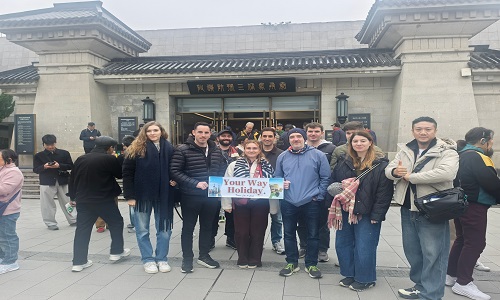
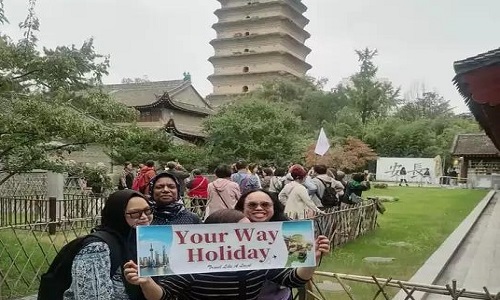
You can arrange for an English-speaking guide in Fujian by booking through services like Your Way Holiday, which offers professional guides who are fluent in English. They can help customize your itinerary, provide insightful explanations of local culture and history, and ensure a smooth, enjoyable experience throughout your trip. You can easily book their services online, and we'll assist with transportation and other logistics to make your visit to Fujian as seamless as possible.
Yes, customized travel services for foreign tourists are available in Fujian through companies like Your Way Holiday. We offer tailored itineraries, private tours, and local expert guides who can speak English, ensuring a personalized and smooth travel experience. Whether you're interested in cultural experiences, scenic spots, or family-friendly activities, Your Way Holiday can help design an itinerary that suits your preferences, and they also handle transportation and accommodation arrangements for added convenience.
Wechat: YourWayHolidayAsia
24 Hours Hotline:
+86 137-3541-1378
* Authentic Experiences: Genuine local experiences that immerse you in the true essence of Hangzhou and beyond.
* Safety First: Highest safety standards with secure activities and reliable transportation.
* Customizable Tours: Flexible itineraries tailored to your interests and needs.
* Local Expertise: In-depth knowledge of Hangzhou and China, offering exclusive insights.
* Professional Guides: Licensed bilingual guides with over 5 years of experience.
* Comfortable Travel: Experienced drivers and well-maintained vehicles for a smooth journey.
* Sustainable Tourism: Commitment to responsible tourism and supporting local communities.
* Customer-Focused: Personalized service and continuous improvement based on your feedback.
* Free Cancellation: Cancel up to 24 hours before travel for flexibility and peace of mind.
* 24/7 Support: Round-the-clock assistance for any questions or help needed.
1 to 1 tailor-made service from our professional travel advisors for the most sophisticated
Constantly excellent reviews for attraction, hotel and service Competitive price
Local experts provide quality tours Best selected knowledgeable local guides Authentic local restaurants
7*24 hours available to create you a worry-free tour. No Hidden Fees and absolutely no pressure to buy. Secured









Copyright © 2017 Hangzhouprivatetour.com All rights reserved.