24 Hours Hotline: +86 137-3541-1378
Email:info@tripstoshanghai.com
24 Hours Hotline: +86 137-3541-1378
Email:info@tripstoshanghai.com

History and Development of Xiamen
The Origins and Early History of Xiamen
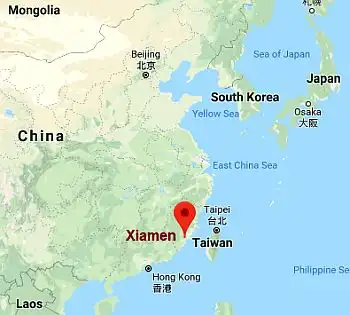
Xiamen, located on the southeastern coast of Fujian Province, has a rich history that dates back to the Qin Dynasty (3rd century BCE). Originally a fishing village, it gradually evolved into a significant port and commercial hub by the Tang and Song Dynasties. Due to its advantageous geographical location and natural harbor, Xiamen became an important trade center in the region. Its strategic position on the coast allowed it to become a key port for maritime trade, establishing early connections with Southeast Asia, the Middle East, and other parts of the world.
Xiamen and the Maritime Silk Road
As an essential port city on the Maritime Silk Road, Xiamen has long been a gateway for cultural and commercial exchange between China and the rest of the world. Since the Tang Dynasty, Xiamen played a pivotal role in the international trade network, especially for the exchange of silk, porcelain, and other goods. The city’s role as a hub for trade with India, Arabia, and Southeast Asia brought not only goods but also cultural influences such as Buddhism and Christianity. Xiamen’s position on the Maritime Silk Road contributed to its cosmopolitan atmosphere and helped establish it as a key bridge for cultural and economic exchanges between East and West.
Xiamen's Industrial Development
Xiamen’s industrial development has undergone significant transformation, from a primarily agricultural economy to a modern, industrialized city. In the 1980s, Xiamen was designated as one of China’s special economic zones, which catalyzed rapid economic growth. Traditional industries like fishing, agriculture, and light manufacturing grew substantially, while high-tech industries, international trade, and tourism also began to thrive. Today, Xiamen is a major economic center in Fujian Province, with strong sectors in electronics, information technology, manufacturing, and logistics. Additionally, its tourism industry has flourished, attracting millions of visitors from around the world. The city's industrial development has not only fueled local economic growth but has also elevated its international profile.
Xiamen's Urban Image and International Positioning
Xiamen has built a reputation as a livable, business-friendly, and tourist-friendly city, thanks to its beautiful natural scenery, rich cultural heritage, and modern infrastructure. It is increasingly seen as a model city for urban planning, combining tradition with modernity. Over the years, Xiamen has worked to position itself as an international metropolis, actively engaging in global economic networks and fostering international cultural and business collaborations. As a key coastal city in China, Xiamen has expanded its role as an important port, a cultural exchange hub, and a top international tourist destination. The city’s ongoing development as a global city has enhanced its visibility and influence on the world stage, particularly in trade, tourism, and cultural exchanges.
Cultural Heritage
Xiamen's traditional architecture and historic districts are an essential part of the city's cultural heritage, showcasing the unique historical and architectural style of the Minnan region. The traditional Minnan residences, particularly the iconic "qilou" (arcade) buildings, are known for their distinctive red brick walls, wide eaves, and intricately carved wooden windows. Historic areas like Zeng Cuo An and Zhongshan Road display the city’s rich historical evolution. However, with the rapid modernization and expansion of the city, traditional buildings have faced the threat of demolition and redevelopment. In recent years, Xiamen has been actively promoting the protection of traditional architecture during urban renovation. Efforts have been made to preserve buildings with historical and cultural significance, restoring and safeguarding ancient structures while blending them with modern design. This approach creates spaces that maintain local characteristics while embracing contemporary urban needs. Furthermore, through policy support and community involvement, Xiamen aims to strike a balance between urban development and cultural heritage protection, ensuring the legacy of these historic districts and traditional buildings is passed down for future generations.
1. Historical Architecture of Gulangyu Island
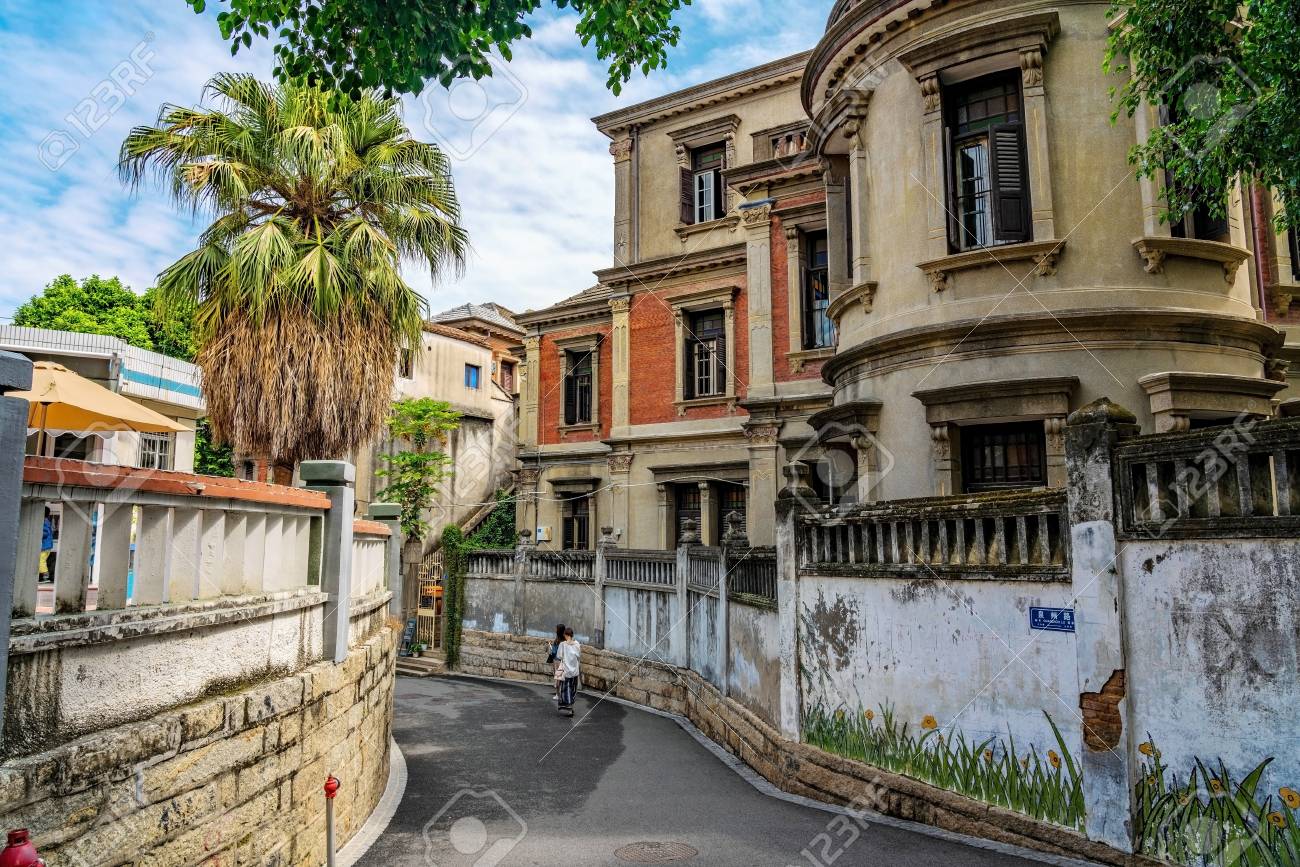
Gulangyu Island, often referred to as the "Piano Island" for its rich musical heritage, is home to a wealth of historical architecture that reflects its unique blend of Chinese and foreign influences. Over the centuries, the island has been a melting pot of different cultures, particularly during the period when it was a foreign concession after the Treaty of Nanjing in 1842. The island's historical buildings include a fascinating array of Western-style villas, churches, consulates, and colonial-era residences, all harmoniously coexisting with traditional Chinese architecture. Notable among these are the grand European-style mansions that were once home to wealthy foreign merchants and diplomats, as well as Chinese-style temples and ancestral halls that reflect the island's deep-rooted local traditions. The architectural diversity on Gulangyu Island speaks volumes about its role as a cultural crossroads, with buildings that feature Gothic, Baroque, and neoclassical styles. Many of these structures, such as the former consulate buildings and churches, have been meticulously preserved, and the island as a whole has been listed as a UNESCO World Heritage Site for its outstanding cultural value. Today, Gulangyu Island’s historical architecture is not only a visual feast for visitors but also serves as a living testament to the island’s rich and eclectic past, offering a glimpse into its unique history of cultural exchange.
2. Minnan Traditional Residences in Xiamen
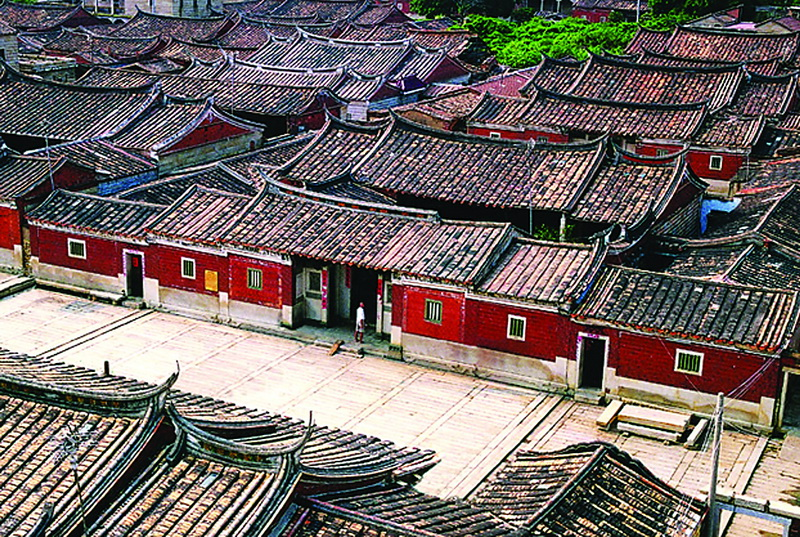
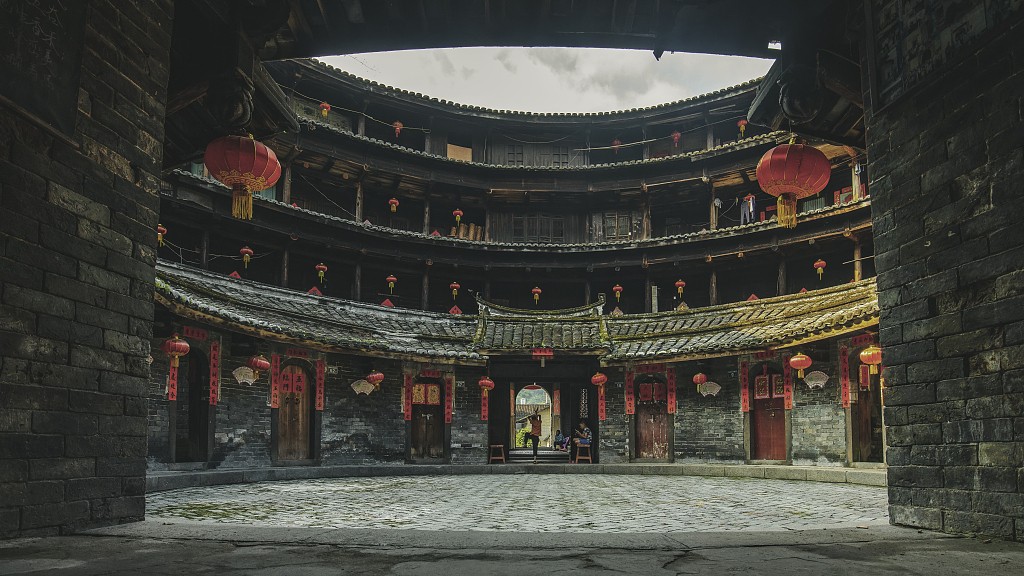
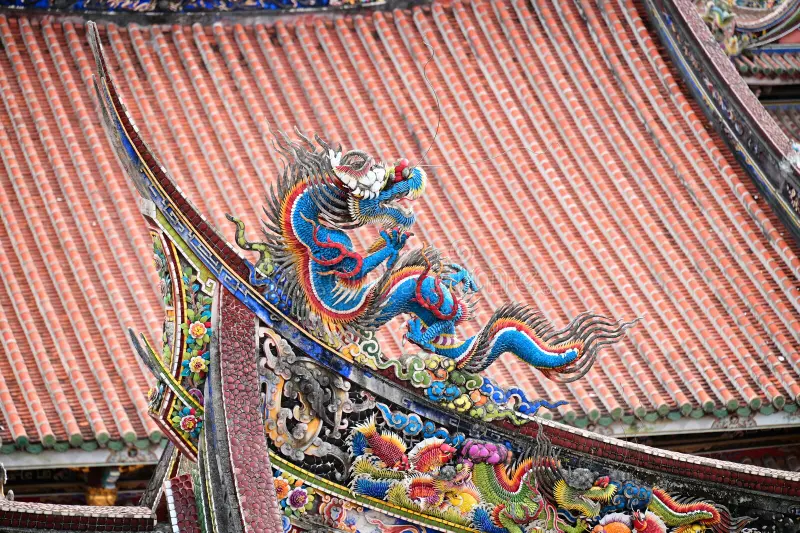
Xiamen’s Minnan traditional residences, known for their distinctive architectural style, are a vital part of the region’s cultural heritage. These houses typically feature a combination of local and imported building techniques, with a focus on functionality and aesthetic appeal. The design of these traditional homes reflects the rich history and values of the Minnan people, emphasizing harmony with nature and the importance of family. The structures often have steep, tiled roofs, with curved eaves that are designed to withstand the region’s humid climate and typhoon-prone weather. The walls are typically made of local stone or red brick, and the interiors are organized around central courtyards, a design that fosters family unity and is deeply rooted in Confucian principles. The houses often feature intricate woodwork, with delicate carvings of auspicious symbols such as dragons, phoenixes, and flowers, which are believed to bring good fortune. The layout of the homes often includes separate spaces for different family members, with specific areas designated for ancestral worship and other ritual practices. This architectural style is seen not only in rural areas but also in urban locations like Xiamen’s historical districts, where these traditional houses stand side by side with modern buildings, showcasing the city's deep cultural roots. As a result, Xiamen’s Minnan traditional residences are not just places of living but also embody the spiritual and cultural values of the local people, making them an integral part of the city's historical and cultural identity.

3. The Historical District and Architectural Features of Zeng Cuo An
Zeng Cuo An, a charming and historically rich neighborhood in Xiamen, is renowned for its distinctive architecture and vibrant street culture. As one of the city’s most iconic historic districts, Zeng Cuo An offers a glimpse into the traditional lifestyle of Xiamen’s residents, blending both the past and present in a unique way. The neighborhood is characterized by its well-preserved Minnan-style houses, which feature classic elements such as red brick walls, tile roofs with wide eaves, and intricate wood carvings. These traditional homes are typically built around narrow alleys and courtyards, creating a cozy, community-centered atmosphere. The architecture of Zeng Cuo An is also influenced by its proximity to the sea, with some houses incorporating maritime elements, such as open verandas and wooden balconies, to capture the breezy coastal charm. Over time, the area has evolved, with many of the traditional homes being renovated and transformed into boutique guesthouses, cafés, art studios, and shops. Despite these modern updates, the district has managed to retain its historical essence, making it a vibrant and photogenic area where old meets new. The narrow winding streets are lined with colorful murals, lanterns, and small shops, creating a lively, artistic vibe. Zeng Cuo An not only stands as a testament to Xiamen’s rich architectural heritage but also serves as a popular destination for both locals and tourists, offering an authentic cultural experience while preserving the city’s traditional charm.

4. Nanputuo Temple and Its Architectural Style
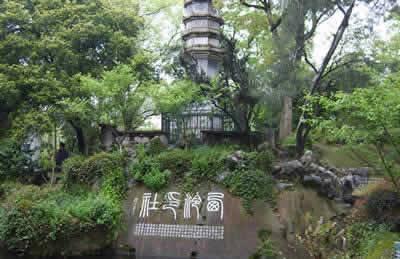
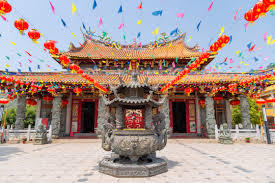
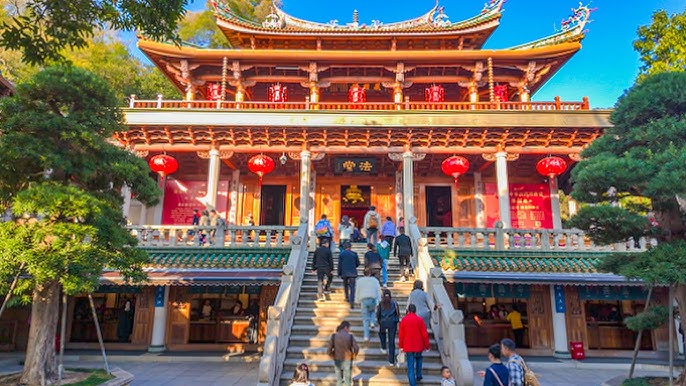
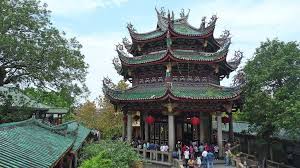
Nanputuo Temple, one of the most famous Buddhist temples in Xiamen, is renowned not only for its spiritual significance but also for its stunning architectural style. Located at the foot of Wulao Mountain, overlooking the South Sea, the temple is a masterpiece of traditional Chinese Buddhist architecture, combining elements of the Tang and Song dynasties with the unique features of the Fujian coastal style. The temple complex is laid out with a series of courtyards, halls, and pavilions, each designed to reflect the harmony between nature and spirituality. The grand main hall, where the statue of the Buddha sits, is surrounded by exquisite wooden carvings, intricate murals, and colorful Buddhist motifs. The structure is supported by massive stone pillars, and the roof, with its sweeping eaves and decorative ridges, is covered in traditional green tiles, giving the temple an imposing yet serene presence. The temple’s design is centered around the concept of "feng shui" (geomancy), ensuring that it aligns harmoniously with the surrounding mountains and sea, enhancing the spiritual atmosphere. Visitors can explore various smaller halls dedicated to different deities, as well as the peaceful gardens and the towering stone pagoda. Nanputuo Temple not only serves as a place of worship for Buddhists but also as a cultural symbol of Xiamen, attracting visitors from all over the world who come to admire both its spiritual aura and architectural beauty.
5. The Old District and Commercial Architecture of Zhongshan Road
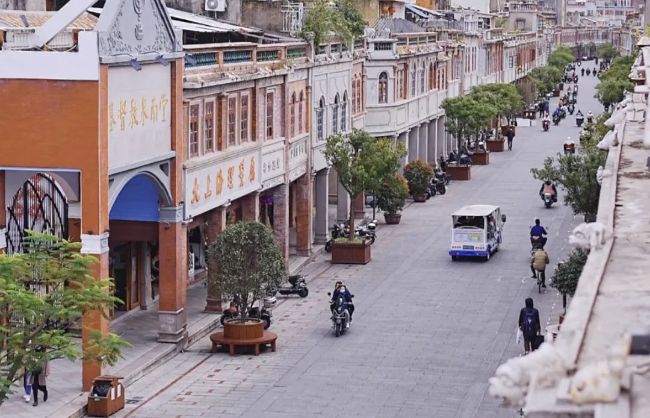
Zhongshan Road, one of the most famous historical streets in Xiamen, is a vibrant showcase of the city’s rich cultural heritage and commercial evolution. As the oldest and most bustling street in Xiamen, Zhongshan Road is lined with a fascinating blend of colonial-era architecture and traditional Chinese elements, making it a prime example of the city's architectural diversity. The street is characterized by its distinctive "qilou" (arcade) buildings, which are a hallmark of the region’s architectural style. These two- or three-story structures feature wide, open arcades on the ground floor, providing shade and shelter from the hot sun, while the upper floors boast elegant facades with intricate carvings and decorative elements. The buildings here display a mixture of Western and Chinese architectural styles, with some European-style balconies, neoclassical columns, and arched windows, all juxtaposed with traditional Chinese wooden window frames and tiled roofs. Zhongshan Road has historically been a commercial hub, and this is still evident today, with its bustling markets, shops, and street vendors selling everything from local snacks to crafts and textiles. The road's blend of old and new has made it a popular destination for both tourists and locals. The atmosphere is lively and vibrant, with a sense of nostalgia lingering in the air as visitors stroll along the street, taking in the historic architecture and the energetic commerce that continues to thrive here. Zhongshan Road, with its unique fusion of architectural styles and its role as a commercial center, remains a symbol of Xiamen’s dynamic history and its ongoing modernization.

6. The Architectural Style and History of Xiamen University
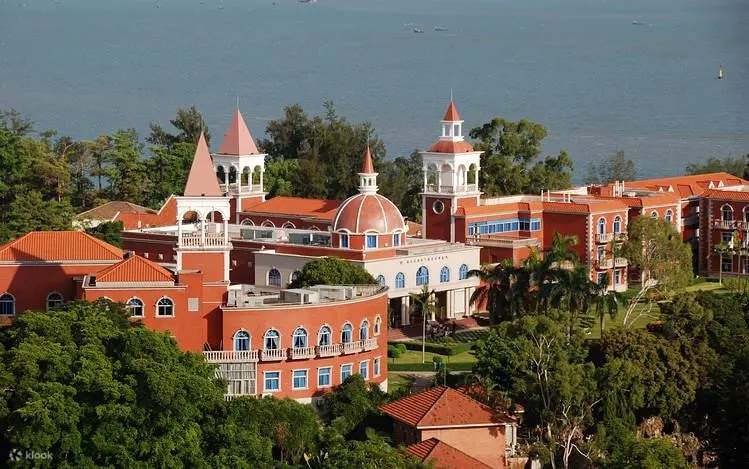
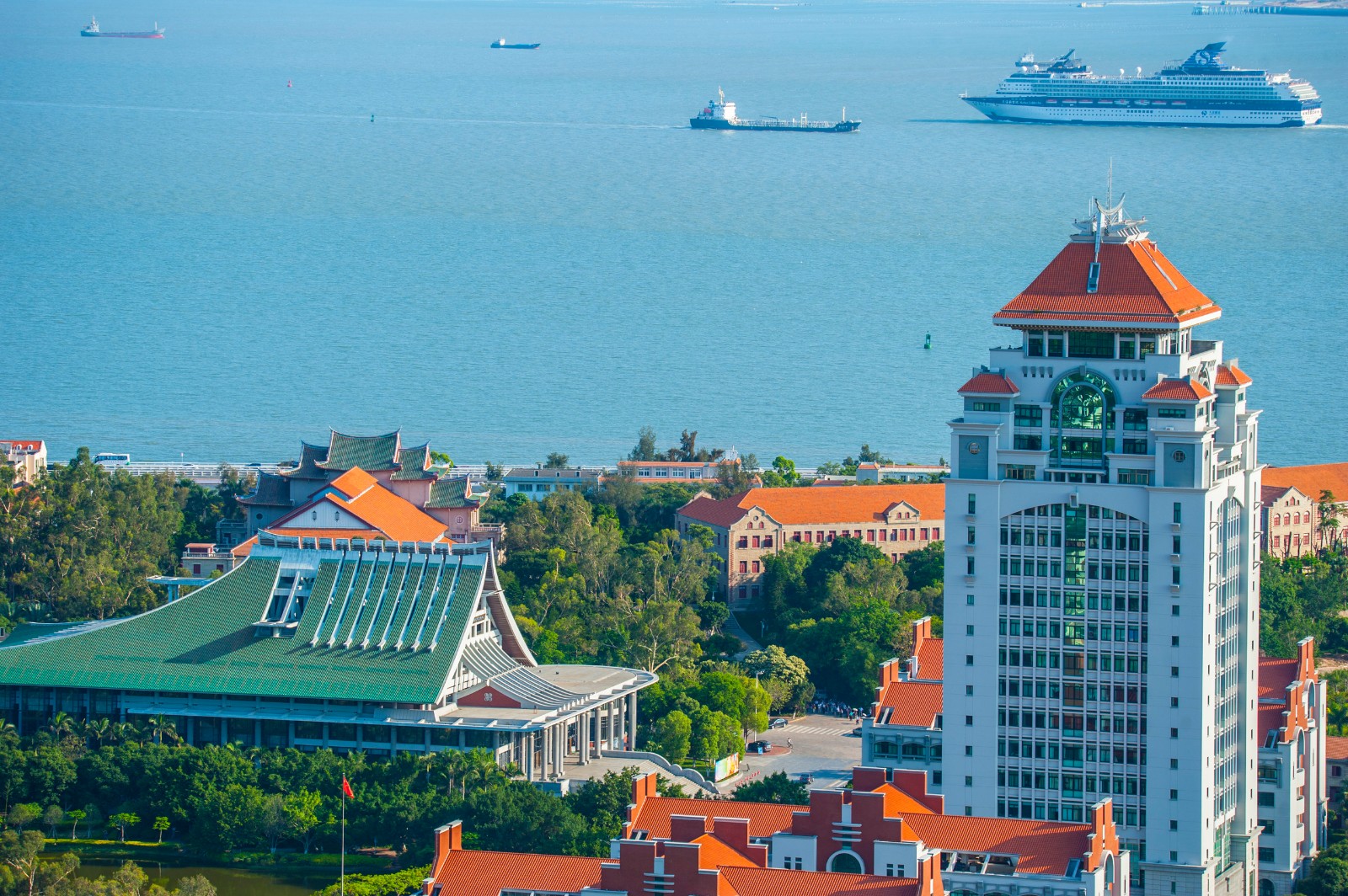
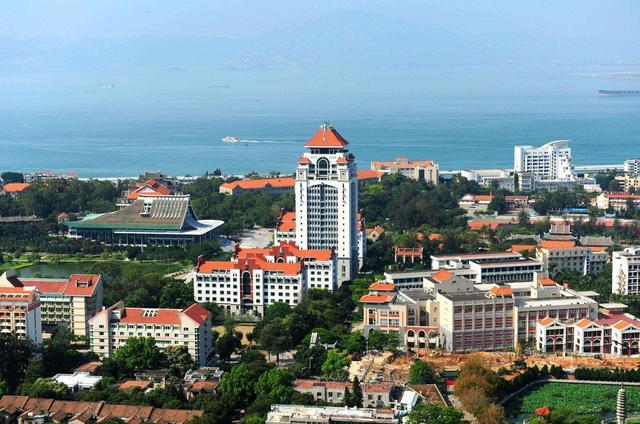
Xiamen University, one of China’s most prestigious and scenic universities, is renowned not only for its academic excellence but also for its distinctive architectural style, which blends traditional Chinese elements with Western influences. Established in 1921 by the prominent philanthropist Tan Kah Kee, the university’s campus is a stunning fusion of classical Chinese architecture and modern design, reflecting the vision of its founder and the cultural exchange between the East and West. The architecture of Xiamen University is characterized by grand, red-tiled roofs, intricate wooden beams, and elegant courtyards, which are reminiscent of traditional Chinese palace and temple architecture. One of the most notable features is the combination of Western-style buildings with Chinese elements, such as the neoclassical architecture seen in the main library and the administrative buildings. The campus is also dotted with beautifully designed pavilions, bridges, and fountains, creating a serene and harmonious atmosphere that blends with the surrounding natural landscape, including the nearby Wulao Mountain and the picturesque Xiamen coastline. The university’s main entrance, with its iconic archway and traditional Chinese gardens, sets the tone for the entire campus, which is often referred to as one of the most beautiful university campuses in the world. Xiamen University’s architectural style reflects the integration of diverse cultural influences and represents the harmonious blend of tradition and modernity, making it a symbol of both educational excellence and cultural heritage in Xiamen.
Minnan Culture
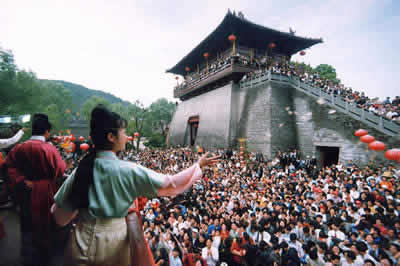
Minnan culture, deeply rooted in the southeastern coastal regions of China, particularly in Fujian Province, is a unique and vibrant cultural heritage that has significantly influenced the traditions, language, and lifestyle of Xiamen and its surrounding areas. This culture is characterized by its rich history, distinctive language, folk art, and customs, shaped by centuries of trade, migration, and cross-cultural exchanges. The Minnan people, who primarily speak the Minnan dialect, a variant of Southern Fujianese, have developed a strong sense of community and family, with Confucian principles deeply embedded in their social structure. The culture is renowned for its emphasis on respect for elders, ancestral worship, and maintaining harmony within the family and community. Minnan cuisine, one of the region's most well-known aspects, features a variety of flavors and ingredients, often highlighting seafood, rice, and local spices, with dishes like "shacha noodles" and "oyster omelets" being iconic to the region. Minnan architecture, with its red brick houses, tiled roofs, and intricate woodwork, further reflects the region's cultural values, blending practicality with beauty. The culture also thrives through its folk arts, such as "Nanyin" (Southern music), which combines traditional Chinese instruments with lyrical, melodic singing, and traditional performances like puppetry and dragon dances. Festivals like the Lantern Festival, the Qingming Festival, and the Mazu Festival (dedicated to the sea goddess Mazu) play a key role in preserving Minnan cultural identity.
Mazu Culture
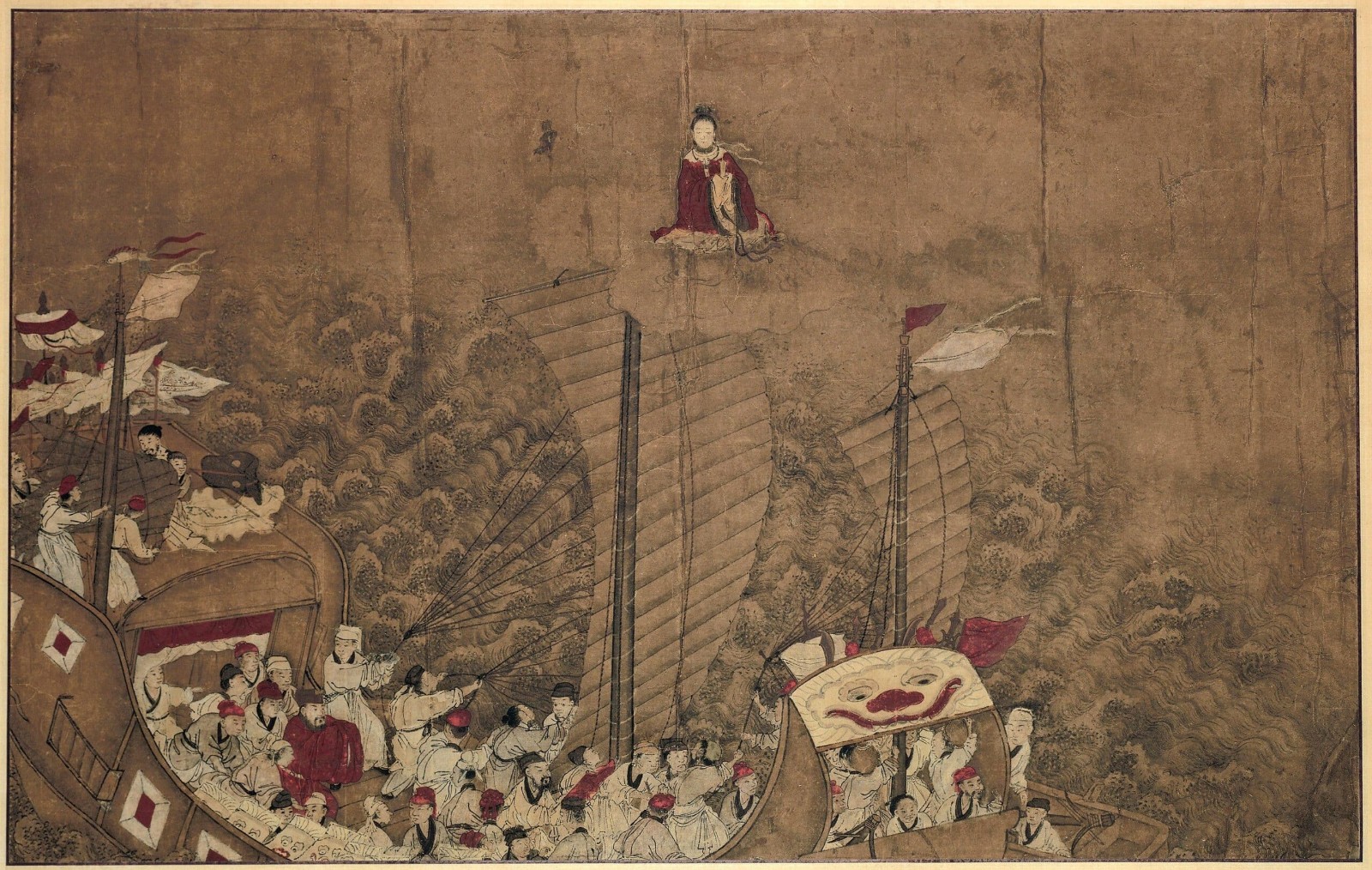
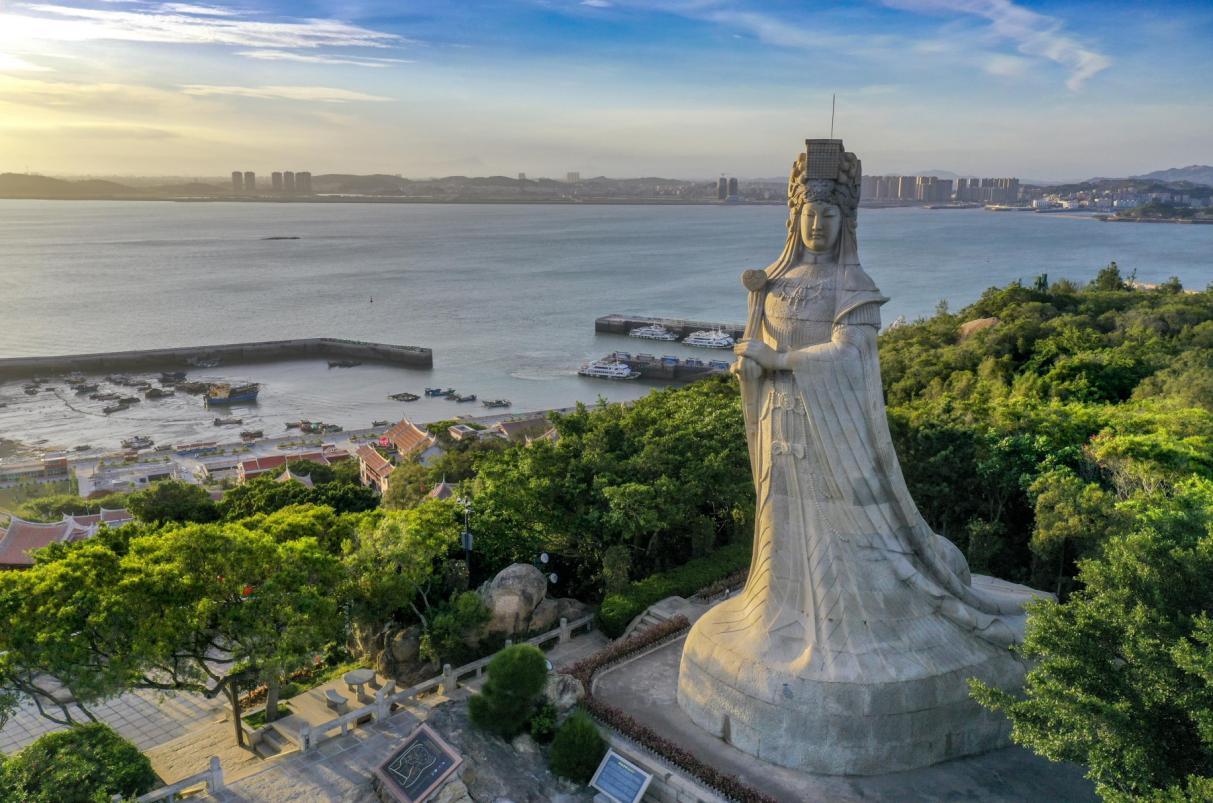
Mazu culture, centered around the worship of Mazu, the sea goddess, is one of the most deeply rooted and widely practiced forms of folk religion in coastal regions of China, particularly in Fujian, Taiwan, and Southeast Asia. Mazu, also known as Ma-tsu, is believed to be a protector of sailors, fishermen, and travelers, providing them with safety and good fortune during their voyages. The origins of Mazu can be traced back to the Song Dynasty, where she was originally a mortal woman named Lin Moniang, who was said to have saved her father and brother from a storm at sea through her spiritual powers. After her death, she was deified and became the goddess of the sea, widely revered by communities living along China's eastern coastline. In Xiamen, the worship of Mazu is particularly significant, with the city being home to several major Mazu temples, including the famous Nanputuo Temple. Mazu culture is expressed not only through religious rituals and prayers but also through festivals, dances, and processions. The Mazu pilgrimage, a key cultural event, involves thousands of devotees traveling to various temples to honor her, often accompanied by elaborate parades, dragon and lion dances, and traditional performances. The culture also reflects a strong sense of community, as people gather to celebrate Mazu’s blessings, which include peace, protection from natural disasters, and prosperity. Mazu’s influence extends beyond religious practices; she is also a symbol of maritime culture, reflecting the deep connection between coastal communities and the sea.
Folk Arts and Crafts of Xiamen
1. Xiamen Nanyin: The Heritage and Development of Traditional Music
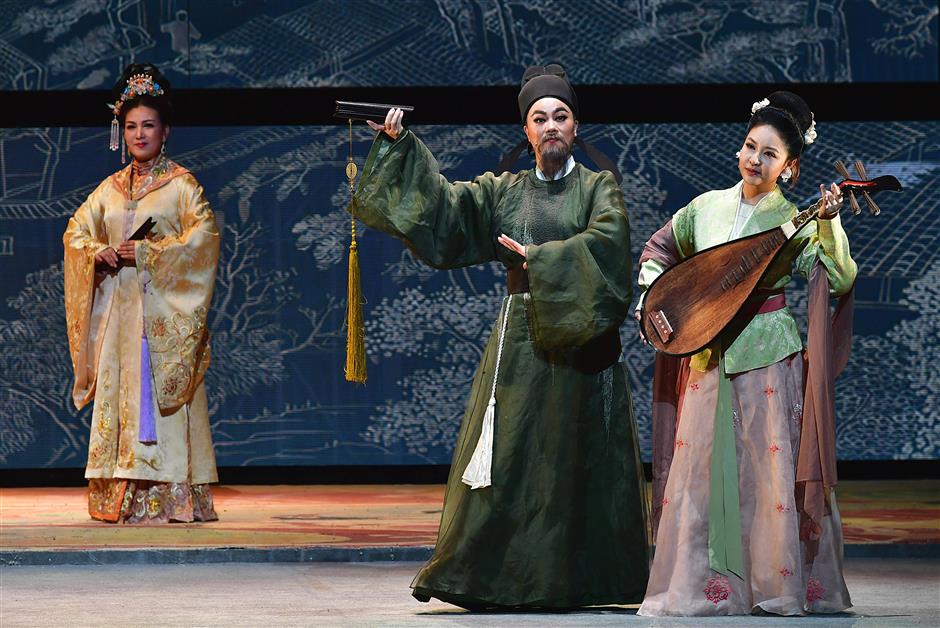
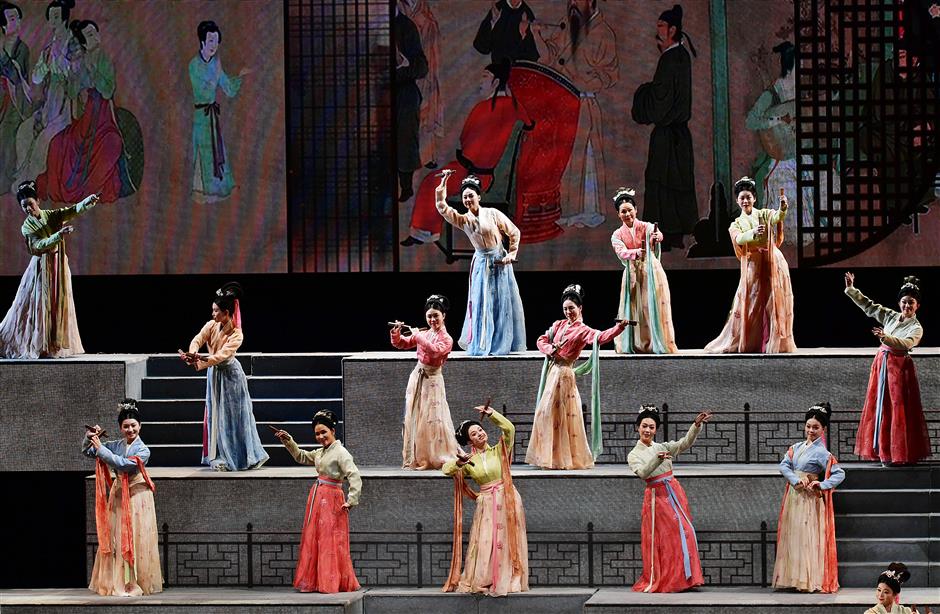
Xiamen Nanyin, often referred to as "Southern Music," is a traditional style of Chinese music that originates from the southern part of Fujian Province, with Xiamen being one of its most important cultural centers. Recognized as a national intangible cultural heritage, Nanyin is one of the oldest forms of Chinese music, with a history that dates back over a thousand years to the Tang Dynasty. Characterized by its graceful and subtle melodies, Nanyin combines soft, lyrical vocals with delicate instrumental accompaniment, creating a serene and evocative atmosphere. The music is typically performed using traditional instruments such as the pipa (a four-stringed lute), erhu (a two-stringed bowed instrument), flute, and percussion instruments like the gong and cymbals. The lyrics of Nanyin songs often reflect themes of love, nature, and historical events, with poetic expressions that are rich in emotional depth and cultural meaning. What sets Nanyin apart from other Chinese musical styles is its distinctive vocal technique, where the singer’s voice is deliberately gentle, employing intricate ornamentations that reflect the nuances of the language and culture of Fujian. Nanyin is not only a musical tradition but also an important part of Xiamen’s local identity, often performed in temples, traditional theaters, and during cultural festivals. The music is deeply intertwined with the daily life of the local people, and it is often used to celebrate festivals, mark significant events, and even during religious ceremonies. As one of the oldest and most unique musical traditions in China, Xiamen Nanyin has played a vital role in preserving the cultural heritage of the region, and efforts are continually being made to pass this art form on to future generations.
2. Xiamen Puppetry: The Unique Charm of Minnan Opera
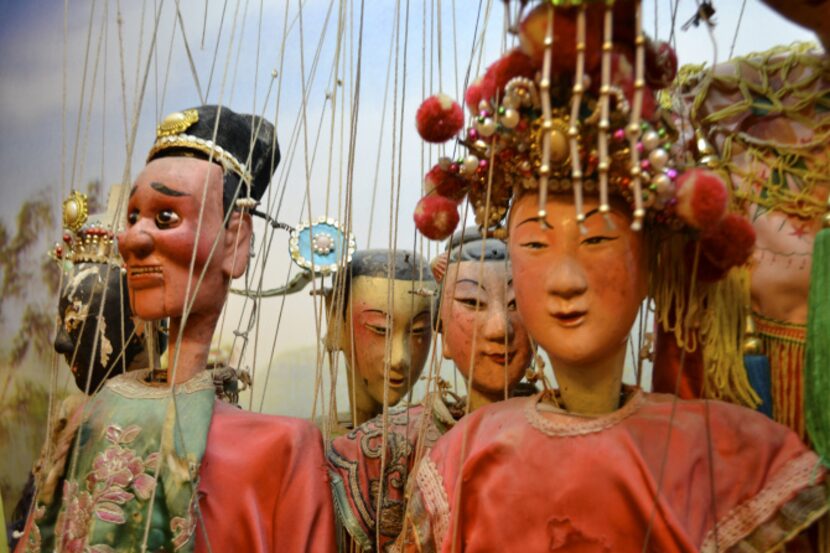
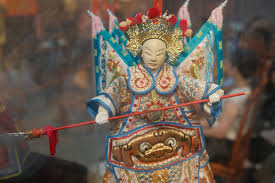
Xiamen Puppet Theater, a distinctive form of traditional Chinese puppetry, has a rich cultural history that dates back centuries and is deeply rooted in the local folk traditions of Fujian Province. Known for its intricate craftsmanship and expressive storytelling, Xiamen puppetry combines elements of music, drama, and visual art to create captivating performances. The puppets themselves are finely crafted, with elaborate costumes and detailed features that reflect the traditional styles of the region. The performances are often based on historical tales, myths, and legends, particularly those from Chinese classical literature, with popular stories such as the “Romance of the Three Kingdoms” and “Journey to the West” frequently adapted for the stage. Xiamen puppet shows typically involve puppeteers manipulating the figures from behind a screen, using subtle movements to bring the characters to life. The puppeteers' skillful control of the strings or rods, along with their ability to convey emotions through the puppet’s movements and expressions, create a mesmerizing effect that captivates audiences of all ages. The accompanying music, often performed live with traditional instruments such as the erhu and gongs, adds to the drama and atmosphere, heightening the emotional impact of the performance. While Xiamen’s puppetry tradition has seen many changes over the years, including modern adaptations for television and film, the traditional form of Xiamen puppetry remains an important cultural heritage, with efforts being made to preserve this ancient art. It is not only a popular form of entertainment for locals but also a cultural symbol that attracts tourists to experience the unique blend of history, artistry, and local flavor that Xiamen’s puppet theater has to offer.
3. Xiamen Paper-Cutting Art: Folk Art and Cultural Expression
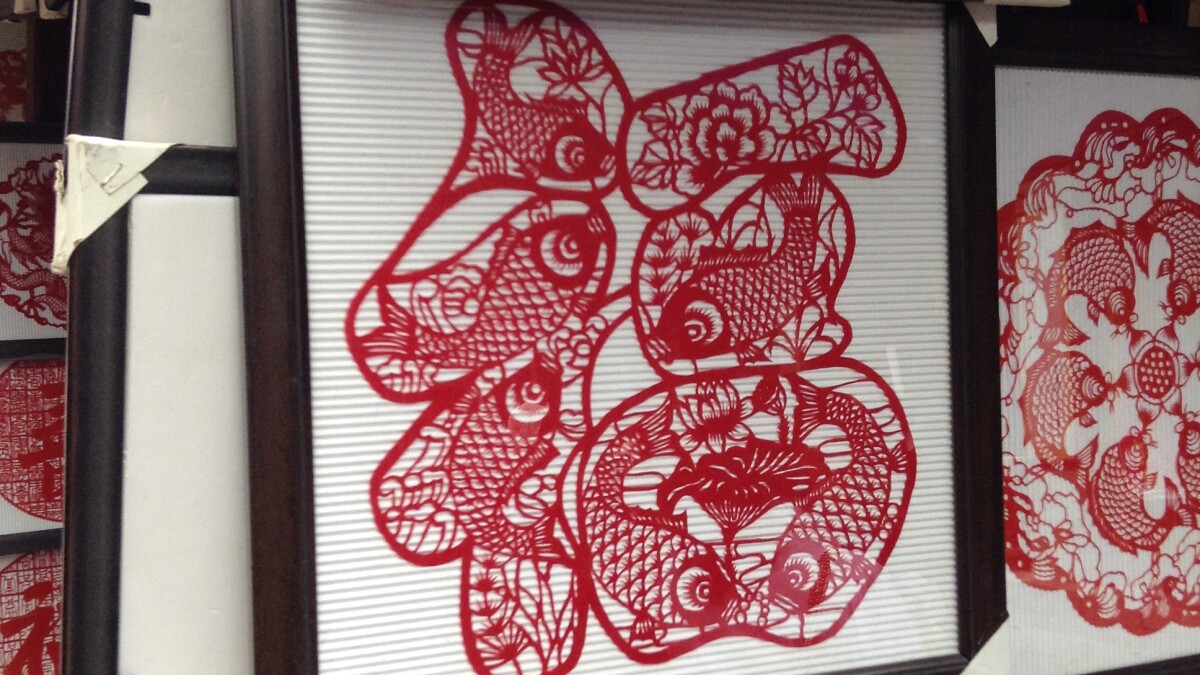
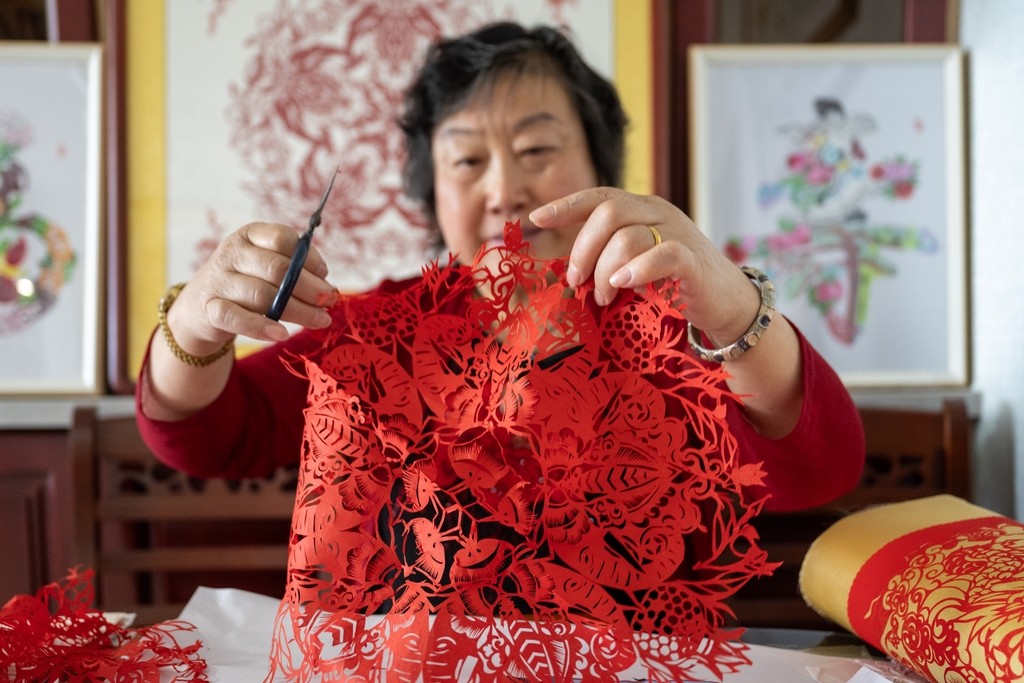
Xiamen paper-cutting, a traditional Chinese folk art, is renowned for its intricate designs and vibrant symbolism, and it holds a special place in the cultural heritage of Xiamen and the wider Fujian Province. This art form, which dates back centuries, involves the delicate process of cutting paper with scissors or knives to create intricate patterns and images, often reflecting aspects of daily life, nature, mythology, and local customs. The designs are typically bold and symmetrical, with common motifs including flowers, birds, animals, and auspicious symbols like the dragon and phoenix. In Xiamen, paper-cutting is often used in decorations for festivals, weddings, and other celebrations, where they are pasted on windows, doors, and lanterns to bring good fortune, ward off evil spirits, and enhance the festive atmosphere. The skillful use of red paper is especially prevalent, as red is considered a lucky color in Chinese culture. Xiamen’s paper-cutting is distinctive for its elegant and lively style, which blends traditional techniques with local elements, giving it a unique regional flavor. In recent years, efforts have been made to preserve and promote this ancient craft through workshops, exhibitions, and cultural exchanges, ensuring that future generations can appreciate the beauty and cultural significance of Xiamen’s paper-cutting art. This vibrant art form not only serves as a symbol of local identity but also continues to inspire artists and artisans both within China and internationally, blending the ancient with the contemporary in stunning ways.
4. Traditional Minnan Pottery
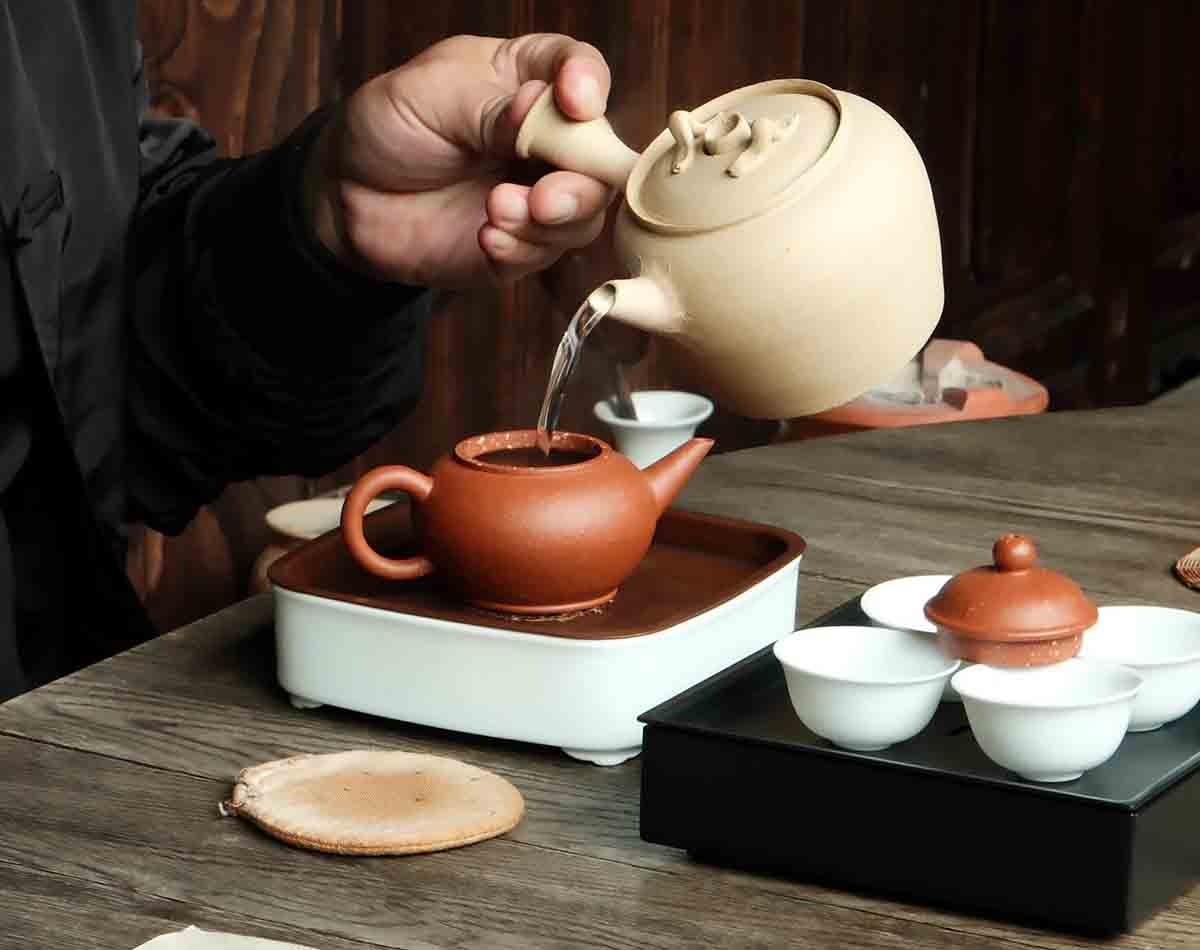
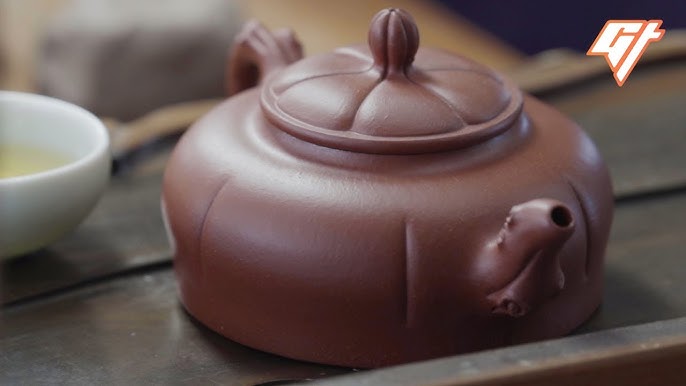
Minnan traditional pottery, with its roots deeply embedded in the cultural and historical landscape of southern Fujian, is a unique and highly regarded craft that reflects the region’s rich heritage and skilled craftsmanship. Dating back over a thousand years, the pottery of Minnan (including Xiamen) is characterized by its delicate yet durable ceramics, which are made using traditional handcrafting techniques passed down through generations. The distinctive style of Minnan pottery often features rich, earthy tones, with intricate designs and patterns that are inspired by nature, folklore, and local customs. The pottery typically includes items such as teapots, bowls, vases, and incense burners, which are widely used in everyday life, as well as decorative pieces meant for religious ceremonies. One of the most famous types of Minnan pottery is the "Luo’s teapot," a uniquely designed teapot that blends functionality with artistry, showcasing the local craftsmanship. The pottery-making process involves a careful and time-consuming method, where clay is shaped by hand or using a wheel, then fired at high temperatures to achieve the desired texture and color. The finished pieces often display detailed carvings and glazed finishes, which make them both practical and beautiful. In addition to its practical use, Minnan pottery is also a reflection of the cultural significance of tea-drinking in the region, as it plays an important role in the local tea culture. As the global appreciation for traditional crafts has grown, Minnan pottery has found new admirers both within China and internationally. Today, the art of Minnan pottery is celebrated through exhibitions, cultural exchanges, and continued practice by local artisans, ensuring that this beautiful and historical art form is preserved and appreciated for generations to come.
5. Xiamen Embroidery and Traditional Brocade
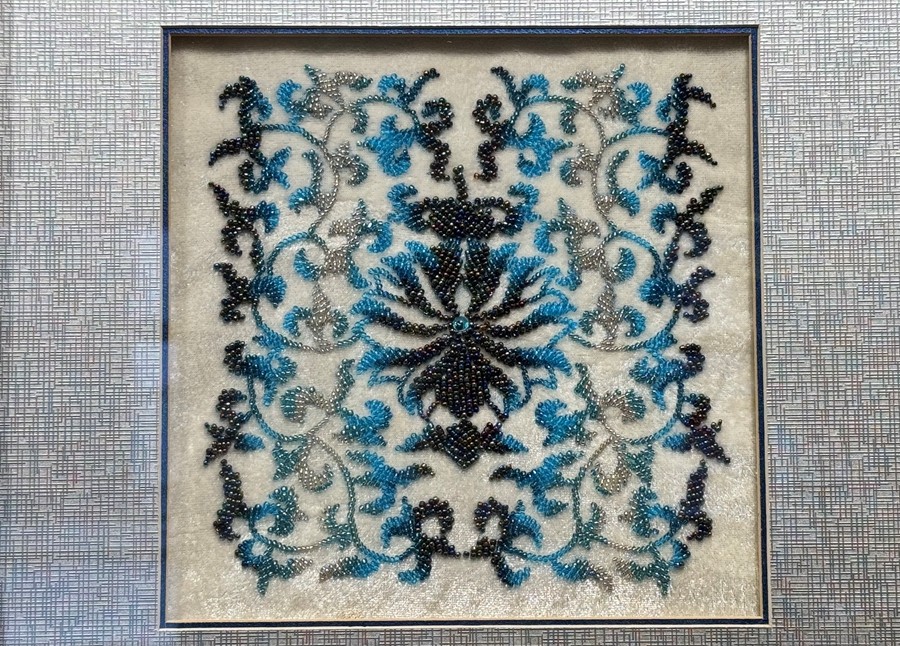
Xiamen embroidery and traditional brocade weaving are important facets of the city's rich textile heritage, reflecting the exquisite craftsmanship and cultural significance of Fujian province. Embroidery in Xiamen, like much of Southern Fujian, is known for its delicate, vibrant designs, often featuring motifs from nature, such as flowers, birds, and mythical creatures, as well as symbols of prosperity and good fortune. The embroidery is typically done using fine silk threads, and the stitches are intricate and precise, with a focus on creating smooth textures and detailed shading. This form of art is not only a decorative craft but also carries deep symbolic meaning, often used to embellish clothing, household items, and ceremonial objects. The tradition of brocade weaving, another prominent craft in Xiamen, has a similarly rich history, with fine silk fabrics woven into intricate patterns that tell stories or represent local customs and beliefs. The traditional brocade patterns of Xiamen feature a distinctive style, combining vibrant colors with complex designs, including floral motifs, geometric shapes, and figures from folklore. These textiles were historically used in the creation of high-end garments, decorative wall hangings, and even as offerings during religious ceremonies. Both Xiamen embroidery and brocade weaving are rooted in ancient techniques, which are still practiced by skilled artisans today. Efforts to preserve and promote these traditional crafts include local workshops, cultural exhibitions, and the creation of contemporary pieces that marry traditional artistry with modern design. As a result, Xiamen's embroidery and brocade weaving continue to thrive as a testament to the city's artistic heritage, maintaining a vital role in both local cultural identity and the global appreciation for Chinese traditional craftsmanship.

6. Traditional Paper Crafting in Xiamen
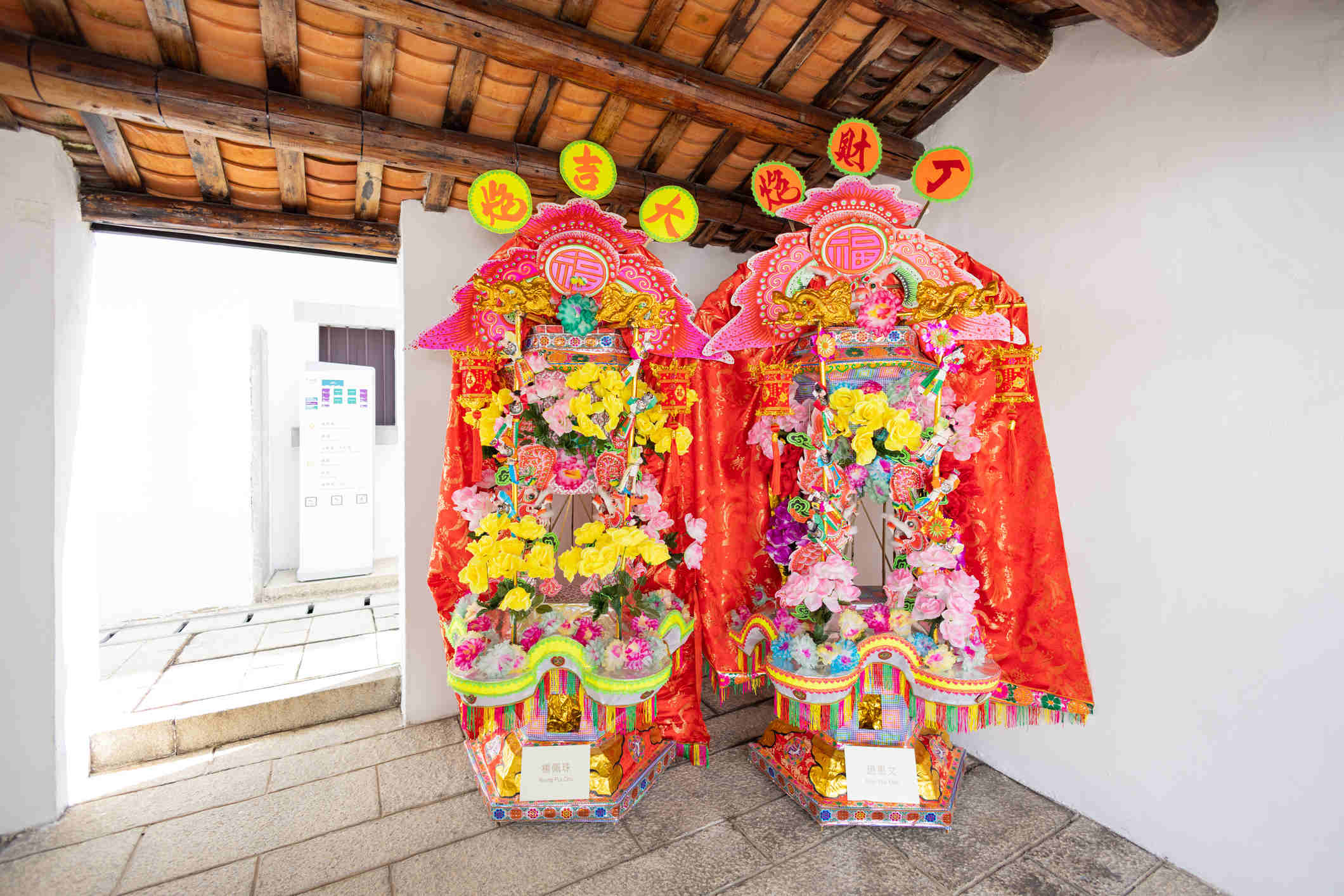
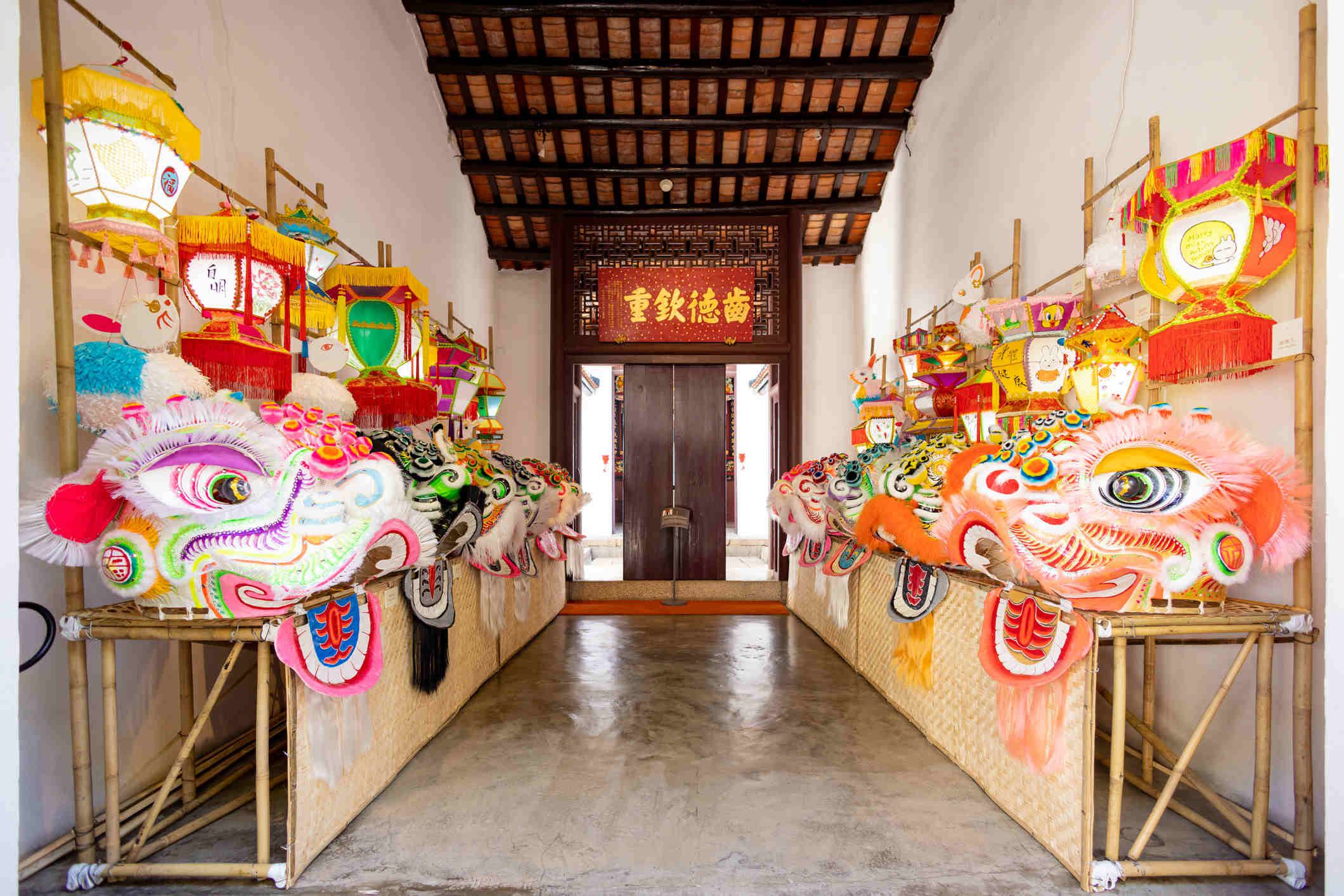
Xiamen’s traditional paper-cutting and paper sculpture craftsmanship, known locally as "paper joss" or "paper offerings," is an integral part of the city's folk art traditions, deeply rooted in both religious and cultural practices. This unique art form involves the creation of intricate paper sculptures, often designed to resemble everyday items, animals, or symbolic objects, which are made using colored paper and meticulously crafted by hand. The paper joss is primarily used in religious ceremonies, particularly in the worship of ancestors or deities, where these paper creations are burned as offerings. The belief behind this practice is that the smoke from the burning paper sculptures will carry the offerings to the spiritual realm, ensuring the well-being and prosperity of the living and the peaceful rest of the deceased. The skill involved in paper joss making requires great precision and patience, as artisans must cut, fold, and shape the paper into complex forms with elaborate details. Common items include miniature houses, cars, clothing, money, and even ceremonial items like lamps and furniture, all designed to mirror the material possessions of the living. The paper joss are often brightly colored, with red being the most common color used, symbolizing luck and good fortune. In addition to its religious significance, this craft also serves as an important cultural expression, preserving traditional techniques passed down through generations. Today, paper joss making continues to be a vibrant aspect of Xiamen’s cultural heritage, often displayed in exhibitions, local festivals, and workshops where both locals and visitors can appreciate this intricate, time-honored craft.
Wechat: YourWayHolidayAsia
24 Hours Hotline:
+86 137-3541-1378
* Authentic Experiences: Genuine local experiences that immerse you in the true essence of Hangzhou and beyond.
* Safety First: Highest safety standards with secure activities and reliable transportation.
* Customizable Tours: Flexible itineraries tailored to your interests and needs.
* Local Expertise: In-depth knowledge of Hangzhou and China, offering exclusive insights.
* Professional Guides: Licensed bilingual guides with over 5 years of experience.
* Comfortable Travel: Experienced drivers and well-maintained vehicles for a smooth journey.
* Sustainable Tourism: Commitment to responsible tourism and supporting local communities.
* Customer-Focused: Personalized service and continuous improvement based on your feedback.
* Free Cancellation: Cancel up to 24 hours before travel for flexibility and peace of mind.
* 24/7 Support: Round-the-clock assistance for any questions or help needed.
1 to 1 tailor-made service from our professional travel advisors for the most sophisticated
Constantly excellent reviews for attraction, hotel and service Competitive price
Local experts provide quality tours Best selected knowledgeable local guides Authentic local restaurants
7*24 hours available to create you a worry-free tour. No Hidden Fees and absolutely no pressure to buy. Secured









Copyright © 2017 Hangzhouprivatetour.com All rights reserved.