24 Hours Hotline: +86 137-3541-1378
Email:info@tripstoshanghai.com
24 Hours Hotline: +86 137-3541-1378
Email:info@tripstoshanghai.com

Tucked away in the southeastern corner of China, Fujian is a province full of breathtaking natural beauty, ancient architecture, and centuries-old traditions. From the iconic Tulou villages to the picturesque coastline, Fujian offers an experience like no other. Ready to explore this hidden gem of China? Let’s dive into the top attractions and insider tips for experiencing Fujian like a local.
Why Visit Fujian?
Fujian is known for its stunning mountain ranges, ancient temples, traditional tea culture, and historical towns. It is the perfect destination for travelers looking to experience a mix of nature, culture, and local traditions.
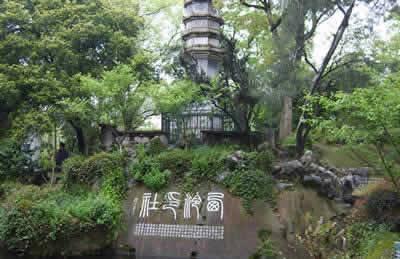
 Explore Gulangyu Island: A Guided Gulangyu Island Tour of Gardens, Temples, and History
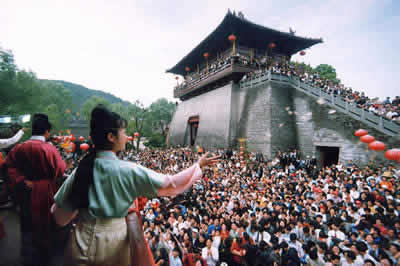
 2-Day Xiamen Tour: Discover Gulangyu Island and Coastal Charms
Top Reasons to Visit:
Rich History: The significance of ancient cities like Fuzhou, and the historic Tulou buildings.
Cultural Heritage: The role of Fujian in Chinese tea culture, the famous Fujian opera, and traditional crafts.
Scenic Beauty: Famous places like Wuyishan and the coastal landscapes.
Off-the-Beaten-Path: Fujian is less touristy compared to other Chinese provinces, offering a more authentic experience.
Local Experience: Travel like a local and how Fujian’s vibe differs from other destinations in China.
Top Cities to visit in Fujian
Xiamen
Why Visit: Known for its coastal charm, vibrant arts scene, and delicious seafood, Xiamen is one of the most popular tourist destinations in Fujian.
Top Attractions:
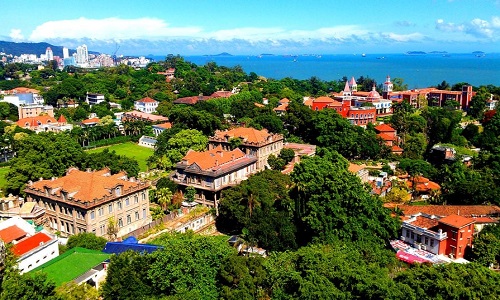
Gulangyu Island: A UNESCO World Heritage site known for its colonial architecture and car-free streets.
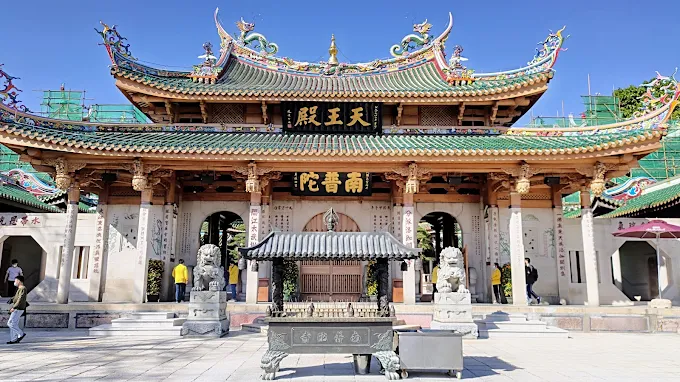
Nanputuo Temple: A beautiful Buddhist temple overlooking the sea.
Zhongshan Road: A lively street filled with shops, restaurants, and street food.
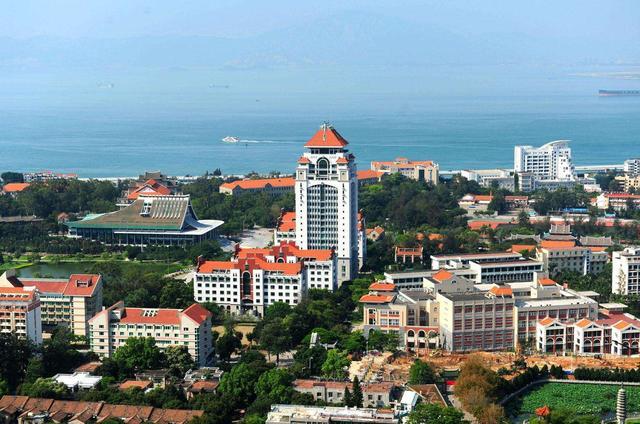
Xiamen University: One of China’s most beautiful university campuses.
Fuzhou
Why Visit: Fuzhou, the capital of Fujian, is rich in history and traditional culture, with ancient temples, gardens, and historical streets.
Top Attractions:
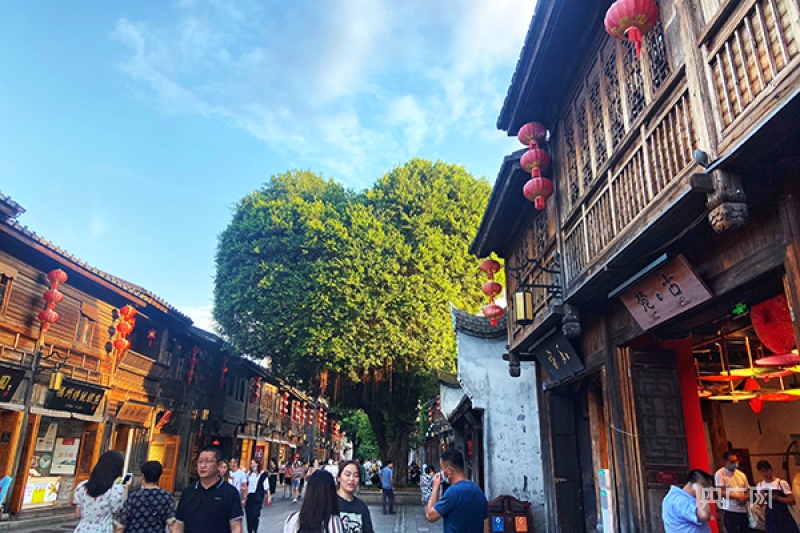
Three Lanes and Seven Alleys: A preserved ancient street area, offering a glimpse of old Fuzhou with historic architecture and local culture.
Wuyi Square: A central area with modern shopping and dining, surrounded by historical landmarks.
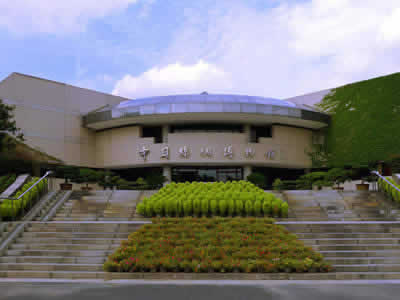
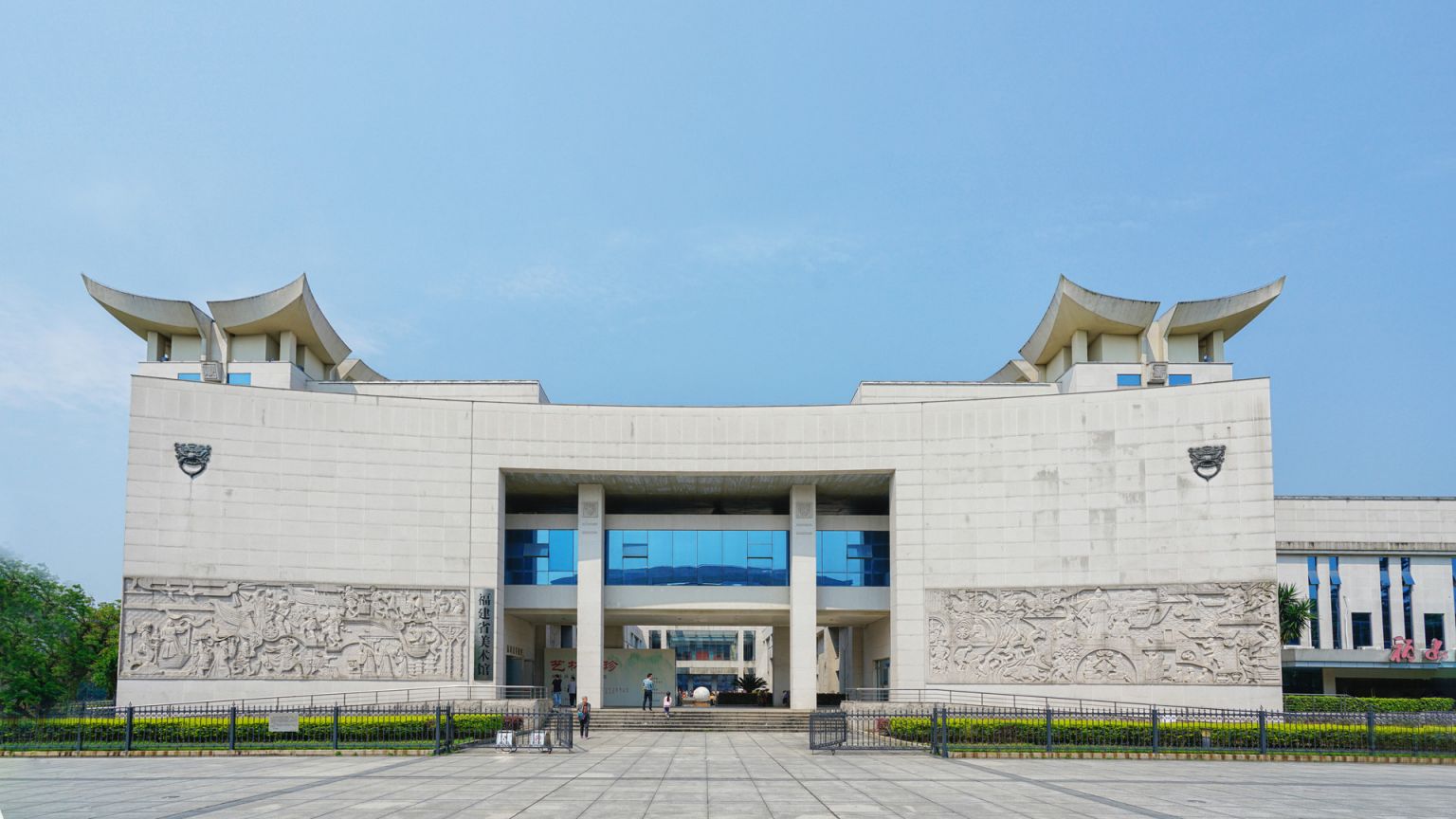
Fujian Museum: A great place to learn about Fujian's history and culture.
Quanzhou
Why Visit: Once a thriving port city during the Tang and Song dynasties, Quanzhou is known for its deep cultural heritage and historic architecture.
Top Attractions:
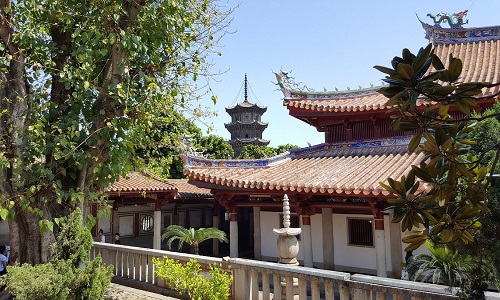
Kaiyuan Temple: One of the oldest and most famous Buddhist temples in Fujian.
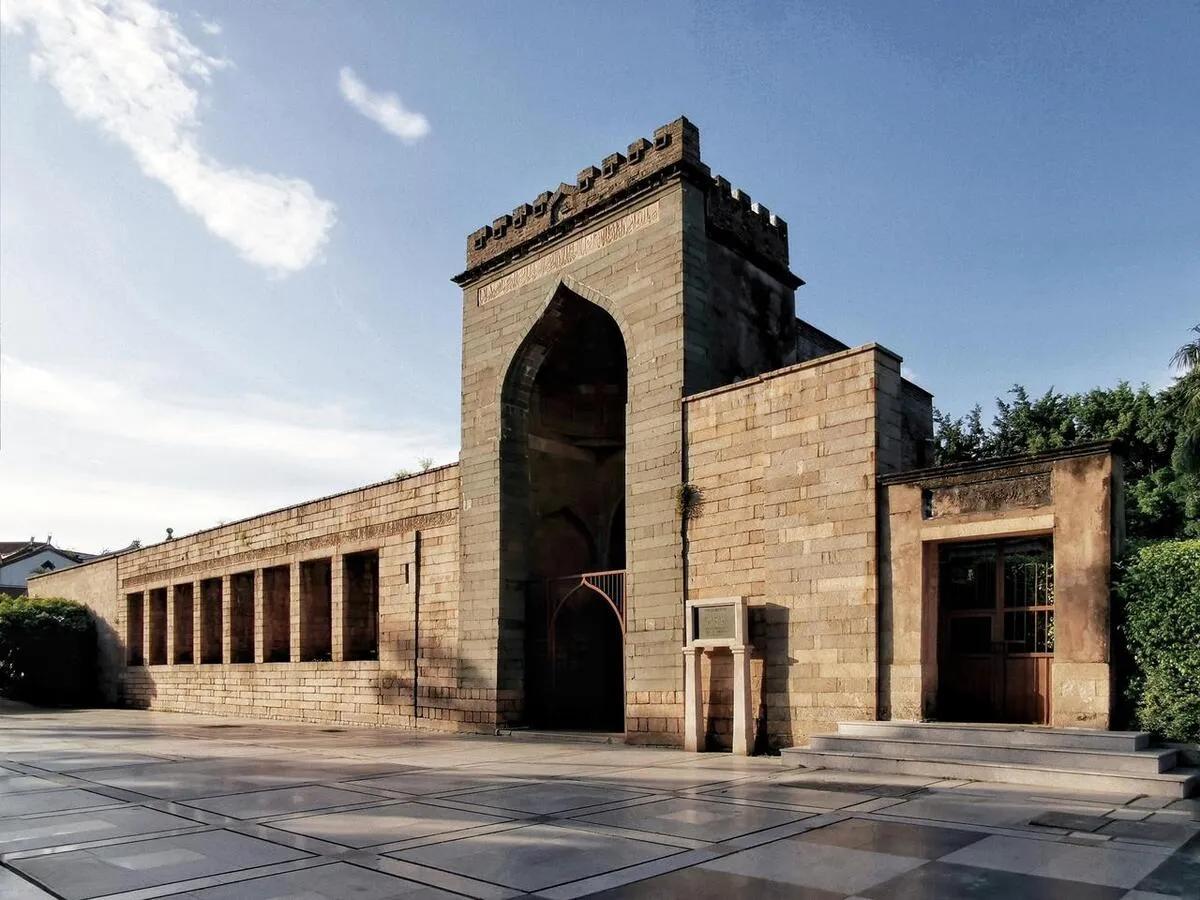
Qingjing Mosque: The oldest mosque in China, symbolizing Quanzhou's rich multicultural past.
Luoyang Bridge: A historically significant stone bridge built during the Song Dynasty.
Wuyishan
Why Visit: Famous for its stunning mountain landscapes, Wuyishan is a UNESCO World Heritage site renowned for its natural beauty and tea culture.
Top Attractions:
Wuyi Mountain National Park: A vast natural area with hiking trails, bamboo rafting, and scenic views.
Nine Bend River (Jiuqu Stream): A picturesque river that you can explore via bamboo raft.
Wuyi Tea Culture: Visit tea plantations and enjoy tasting one of the world's best teas.nce.


Tulou Villages
1. Yongding Tulou
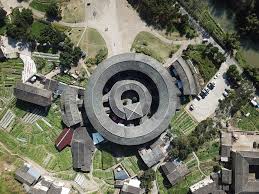
Yongding is the birthplace of the Tulou, located in Longyan City, southern Fujian. It is home to the most famous and iconic Tulou structures, many of which are UNESCO World Heritage Sites.
Famous Tulou:
Nanmén Lou: Known as the "King of Tulou," it is one of the largest and most majestic Tulou buildings.
Zhencheng Lou: One of the most representative Tulou, known for its aesthetic appeal and unique structure.
Chengqi Lou: A typical "four-sided courtyard" style Tulou, renowned for its elegant architectural style.
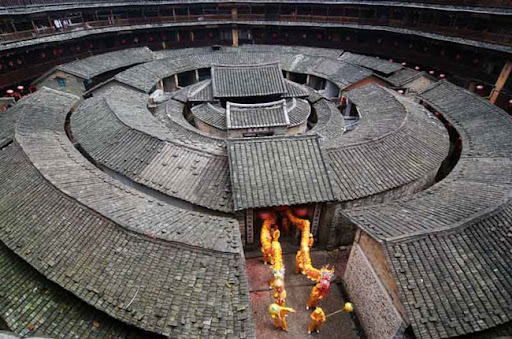
Unique Features: Yongding's Tulou are typically round or square in shape, with thick outer walls that are both sturdy and defensive. The buildings not only serve as residences but also provide protection from external threats.
2. Zhangping Tulou
Zhangping, located in the southeastern part of Fujian, is another area known for its well-preserved Tulou villages. It offers a more serene, authentic experience of rural Hakka culture.
Famous Tulou:
Huaiyuan Lou: A beautifully preserved round Tulou, blending architectural elements from both Fujian and Jiangxi.
Tianluokeng Tulou Cluster: A cluster of Tulou buildings surrounded by scenic landscapes, perfect for photography.
Unique Features: Zhangping's Tulou are less commercialized and offer a more raw, natural experience for those looking to immerse themselves in traditional Hakka life.


3. Changting Tulou
Located in the western part of Fujian, Changting is famous for its historical Tulou villages. Many of these Tulou have remained relatively untouched by modern development.
Famous Tulou:
Yongfeng Lou: One of the most representative Tulou in Changting, known for its striking design and size.
Xinglong Lou: A typical circular Tulou with spacious interiors and an impressive design.
Unique Features: Changting’s Tulou are known for their simplicity and sturdy design, surrounded by beautiful natural landscapes that add to the peaceful atmosphere.
4. Nanjing Tulou
Nanjing County in Fujian is home to one of the most famous Tulou clusters. The Tulou here are renowned for their historical significance and cultural value.
Famous Tulou:
Yun Shui Yao Tulou Group: A scenic group of Tulou surrounded by beautiful rivers and mountains, perfect for sightseeing and photography.
Hegui Lou: A square-shaped Tulou with a unique and elegant design, representing the traditional architectural style.
Unique Features: Nanjing’s Tulou cluster is set in a picturesque landscape, with many Tulou buildings offering an immersive experience in the life of local Hakka families.
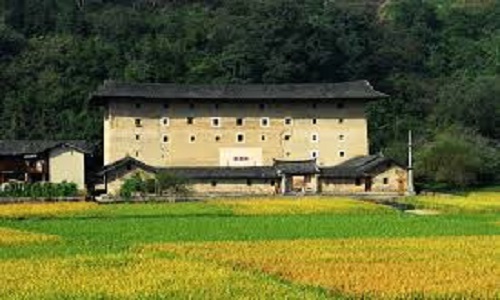
Cultural Significance of the Tulou
Architectural Style: The Tulou buildings are designed to be circular or square, with thick, earthen walls that provide both residential and defensive functions. These structures are typically built to house entire families or communities, often with a central courtyard.
Community Living: The Tulou buildings represent the communal lifestyle of the Hakka people, emphasizing family ties and protection. The design of each Tulou fosters close-knit communities where family members live together under one roof, often with small shops and community spaces included.
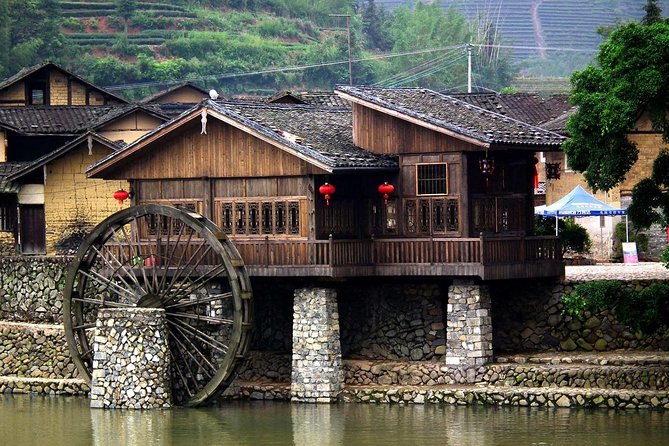
Cultural Traditions: The Tulou villages are not only architectural wonders but also hubs of traditional Hakka culture. The locals preserve ancient customs, such as the famous Hakka tea culture and local festivals, which make these villages an interesting visit for cultural enthusiasts.
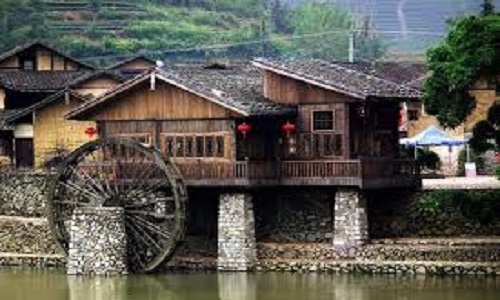 Fujian Tulou Private Tour: Discover the Hidden Hakka Heritage in Timeless Earth Buildings
 3-Day Tulou Wonders: A Comprehensive Tulou Tour from Xiamen with Hakka Heritage
How to Visit the Fujian Tulou Villages
Best Time to Visit: The best seasons to visit the Tulou villages are spring and autumn when the weather is mild and the scenery is at its most beautiful.
Transportation: The Tulou villages are accessible by high-speed train or long-distance buses from cities like Xiamen and Fuzhou. Local buses or taxis are available for traveling between the various Tulou sites.
Accommodation: Many of the Tulou villages offer traditional guesthouses and homestays, allowing visitors to experience local Hakka culture firsthand. Staying in a Tulou is a unique opportunity to sleep in these historic buildings.
Fujian’s Best Local Cuisine
Fujian cuisine, known as Min Cuisine, is one of China’s most distinctive regional cuisines, famous for its fresh ingredients, delicate flavors, and a perfect balance between sweet, sour, salty, and savory. The province's coastal location means an abundance of seafood, while the mountainous terrain provides an ample supply of fresh vegetables and wild ingredients. In this section, we’ll delve into the culinary highlights of Fujian, from local specialties to tea culture and street food.
Fujian Specialties
Fujian Cuisine
Fujian's cuisine is known for its delicate use of flavors, especially the balance between umami and sourness. Here are some must-try dishes:
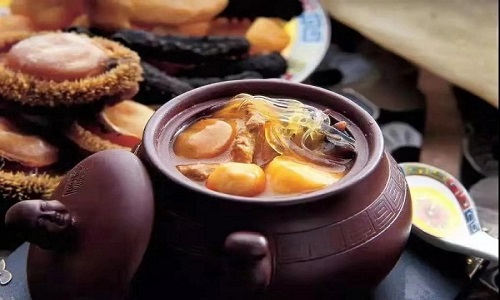
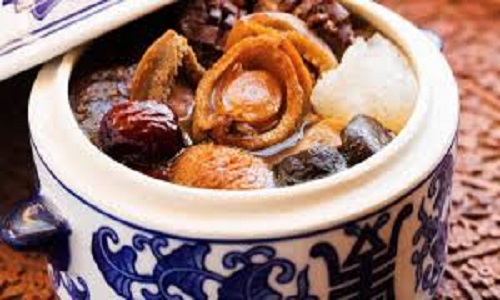
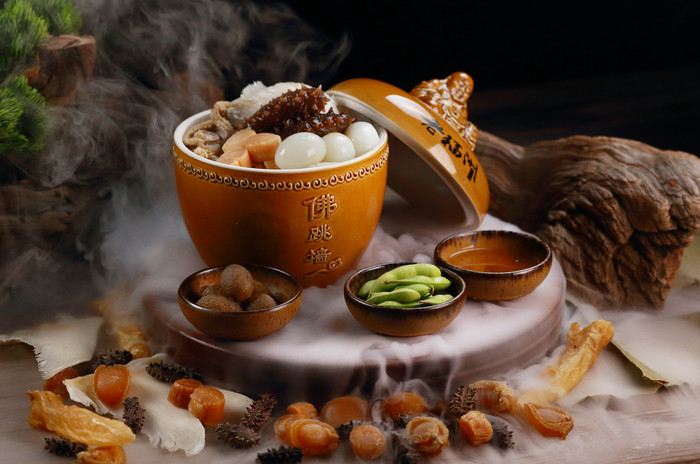
Buddha Jumps Over the Wall: This is a famous Chinese delicacy, originating from Fujian cuisine. It is a rich, nutritious soup made with a variety of premium ingredients such as abalone, sea cucumber, ginseng, scallops, and chicken. The name "Buddha Jumps Over the Wall" comes from the belief that the fragrance of the dish is so tempting that even a Buddhist monk would leap over a wall to try it.
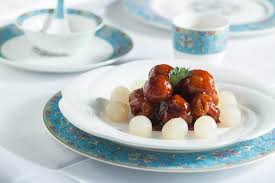
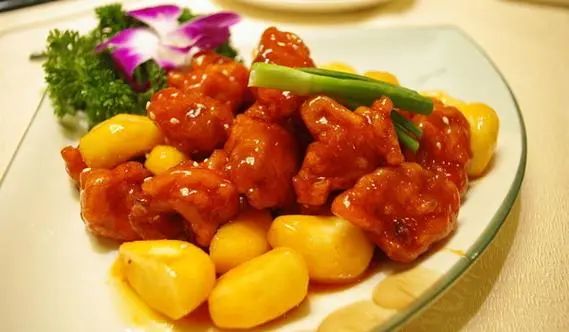
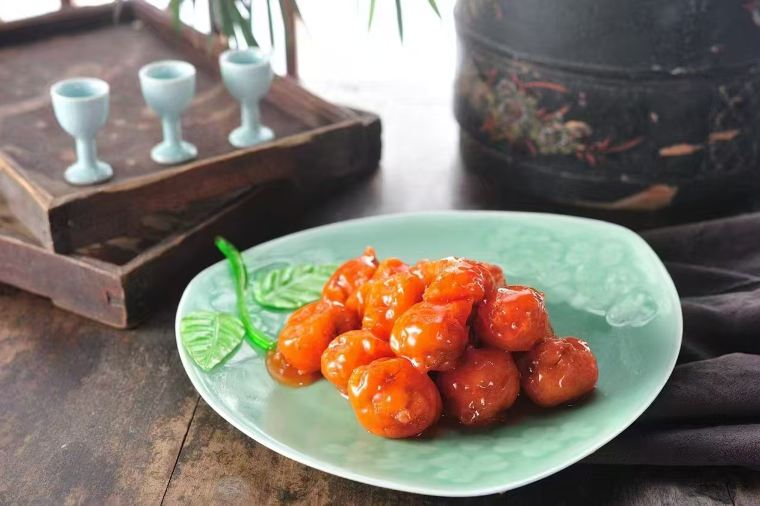
Lychee Pork: Lychee pork is a popular dish in Fujian cuisine, known for its unique combination of sweet and savory flavors. It consists of pork tenderloin stir-fried with lychee fruit, creating a beautiful balance between the rich meat and the fresh, sweet taste of the lychees.
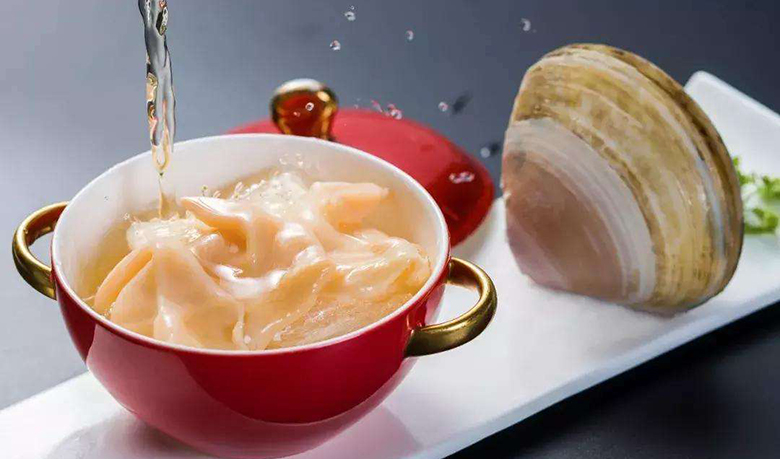
Chicken Soup with Sea Clams: This dish features fresh sea clams cooked in a light, flavorful chicken broth. The sweetness of the sea clams complements the rich, savory chicken soup, making for a perfect comforting dish.
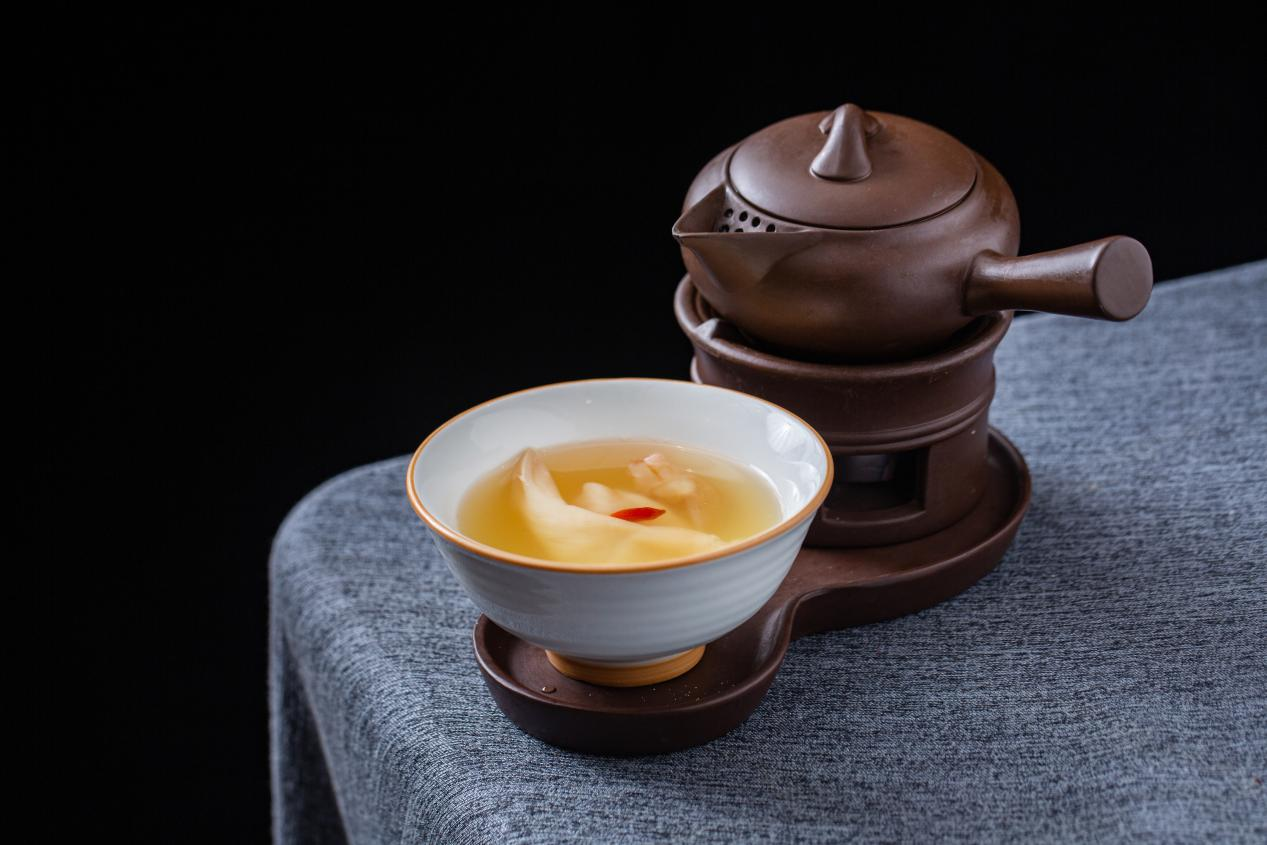
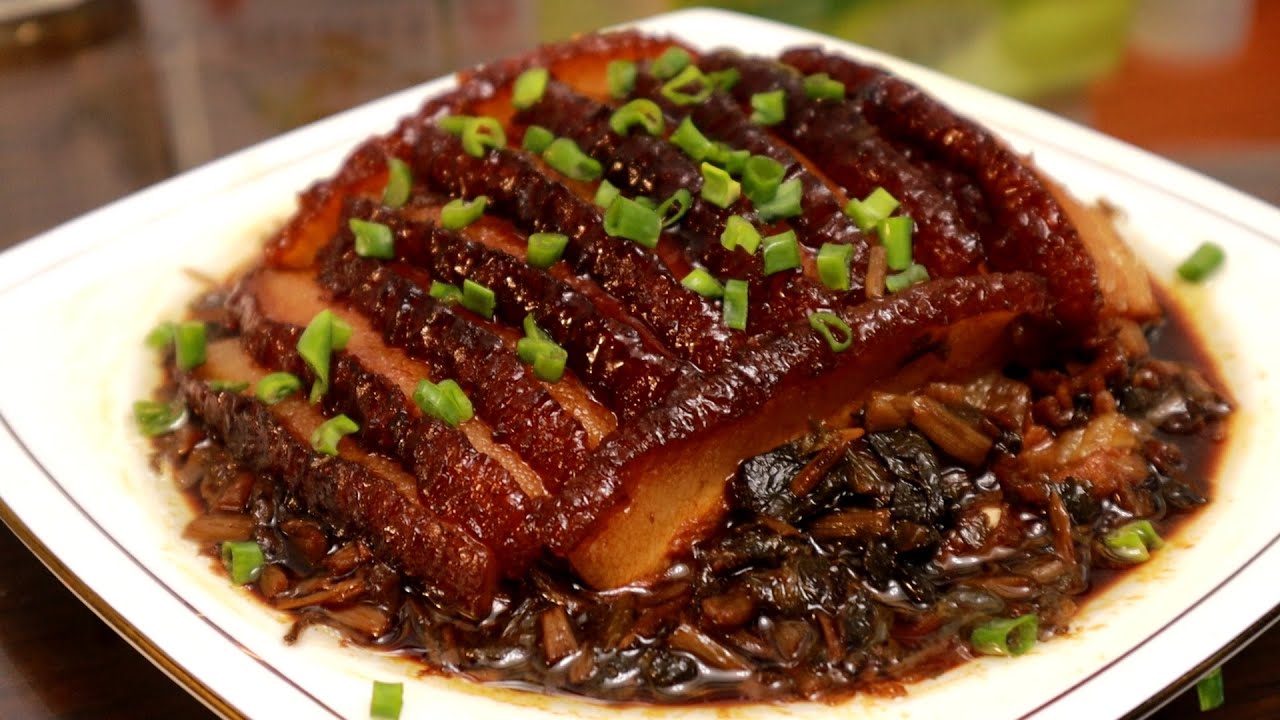
Braised Pork Belly with Preserved Vegetables: This is a traditional Chinese dish made with braised pork belly, which is tender and fatty, paired with preserved mustard greens. The dish is known for its deep, savory flavors as the pork absorbs the essence of the vegetables during slow cooking.
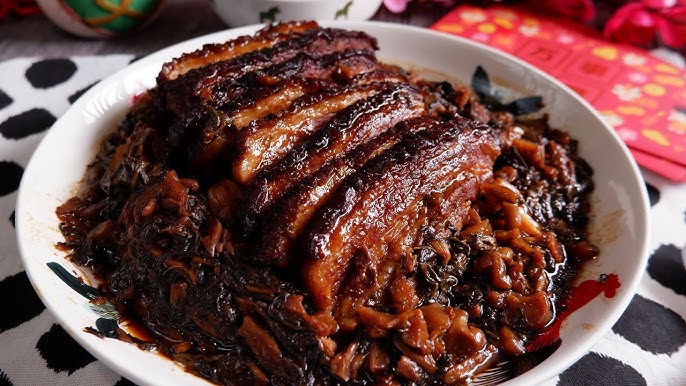
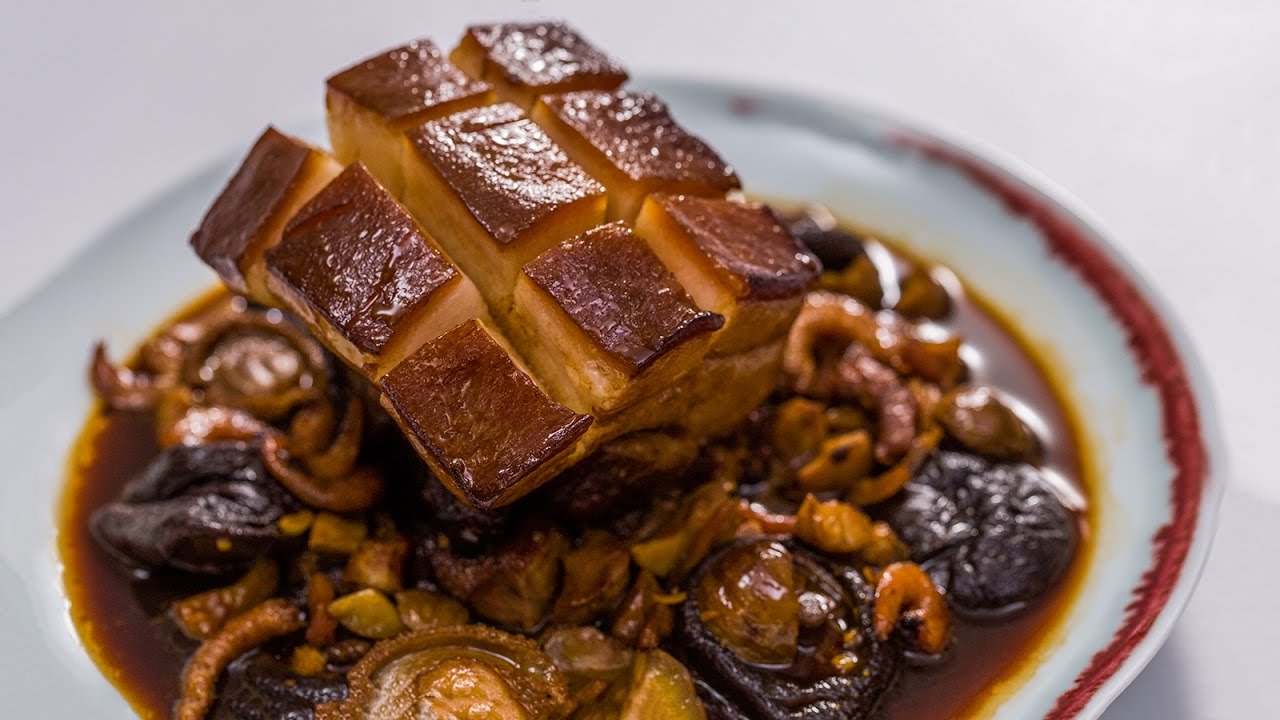
Feng Meat: "Feng Meat" is a traditional dish from Tong’an, Fujian. It consists of a large piece of pork leg mixed with ingredients like dried oysters, mushrooms, lotus seeds, and dried shrimp. Soy sauce is poured over the meat, which is then wrapped in a cloth and steamed until tender. The dish is served with the cloth still covering the meat, hence the name "Feng Meat" (sealed meat).
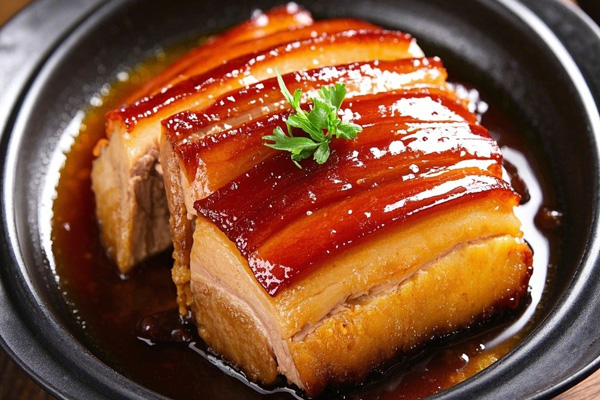
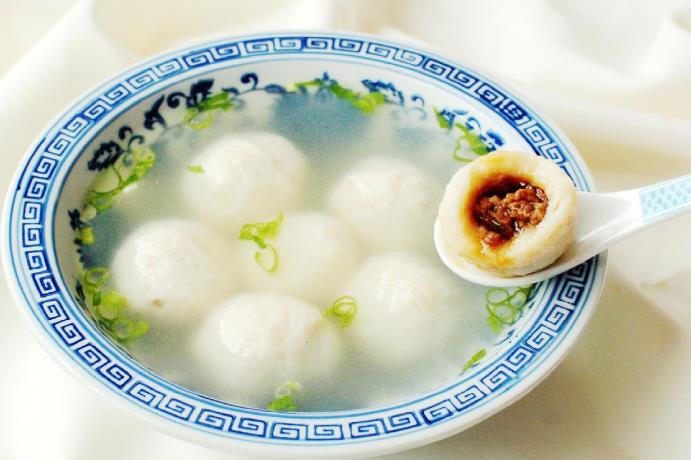
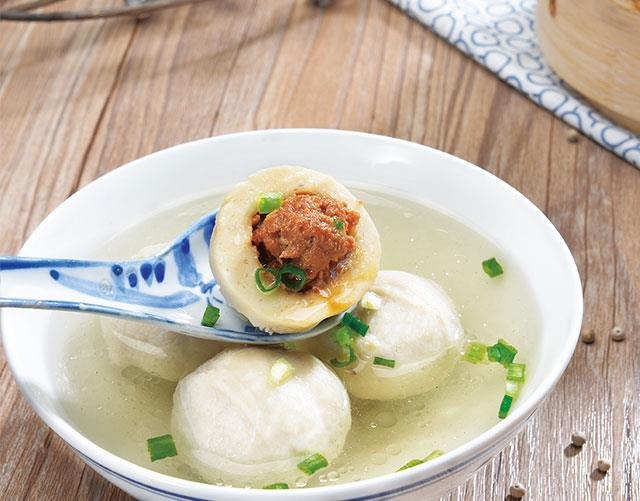
Fujian Fish Balls: Fresh fish (usually sea bream or pomfret) is finely minced to create a smooth fish paste, which is then mixed with starch, seasonings, and eggs. The mixture is formed into round balls. These fish balls are white and smooth, with a chewy, elastic texture. They are typically served in a light broth or clear soup, offering a fresh and delicate flavor. As one of Fujian's signature snacks, they are beloved by locals and visitors alike.
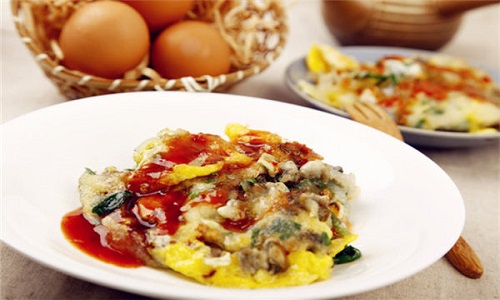
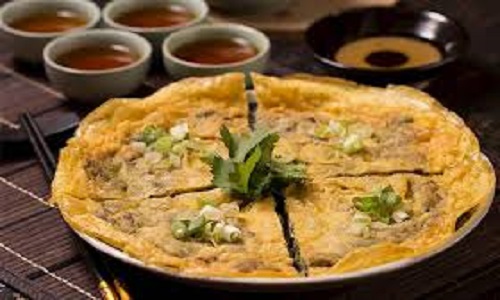
Fujian Oyster Omelette: Fujian oyster omelette is a traditional local snack, especially popular in the Xiamen area. The main ingredient is fresh oysters, which are mixed with eggs, starch, and chopped scallions, then cooked in a hot pan until golden and crispy on the outside, yet tender on the inside. The dish has a rich flavor, combining the sweetness of the oysters with the smoothness of the eggs. Paired with a dipping sauce, it enhances the overall taste. As one of Fujian's signature dishes, the oyster omelette is a favorite among locals and a must-try for visitors.
Seafood
Given its coastal location, Fujian is renowned for its seafood, and Xiamen is the center for fresh, delicious ocean delights.
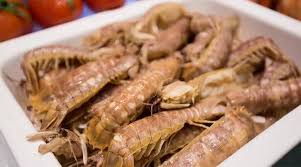
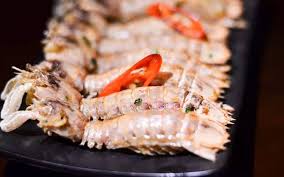
Fujian salt and pepper mantis shrimp: Fujian salt and pepper mantis shrimp is a flavorful seafood dish made with fresh mantis shrimp, seasoned with a special salt and pepper seasoning. The shrimp is deep-fried to a golden crisp, while retaining its tender, juicy meat inside. The salt and pepper seasoning adds a subtle spiciness that enhances the natural sweetness of the shrimp, resulting in a rich, aromatic flavor. This dish is unique in its texture, with a crispy exterior and a tender interior, making it a perfect appetizer or a delicious accompaniment to drinks.
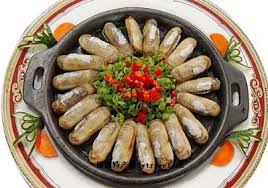
Fujian Iron Plate Clams: Fujian iron plate clams is a distinctive seafood dish, made with fresh clams as the main ingredient, and seasoned with garlic, chili, soy sauce, and other spices. The clams are cooked on a sizzling hot iron plate, which locks in their tender texture while absorbing the aromatic seasonings. The result is a fragrant, juicy bite with a rich, savory flavor. The sizzling iron plate enhances the dish’s taste, filling the air with irresistible aromas. This dish is beloved in the coastal regions of Fujian, combining the natural sweetness of clams with a hint of garlic and spice.
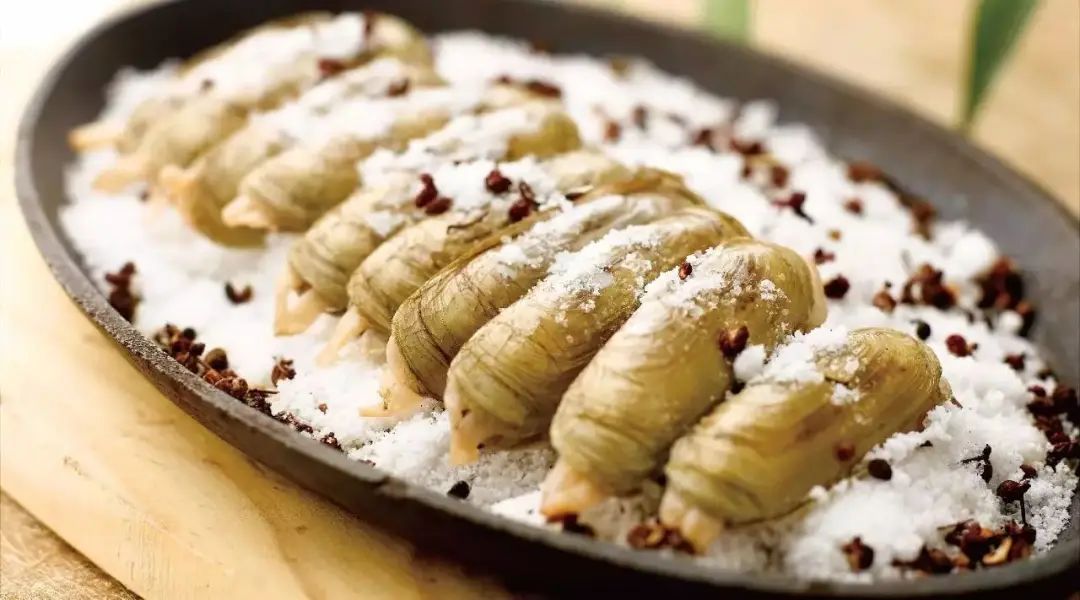
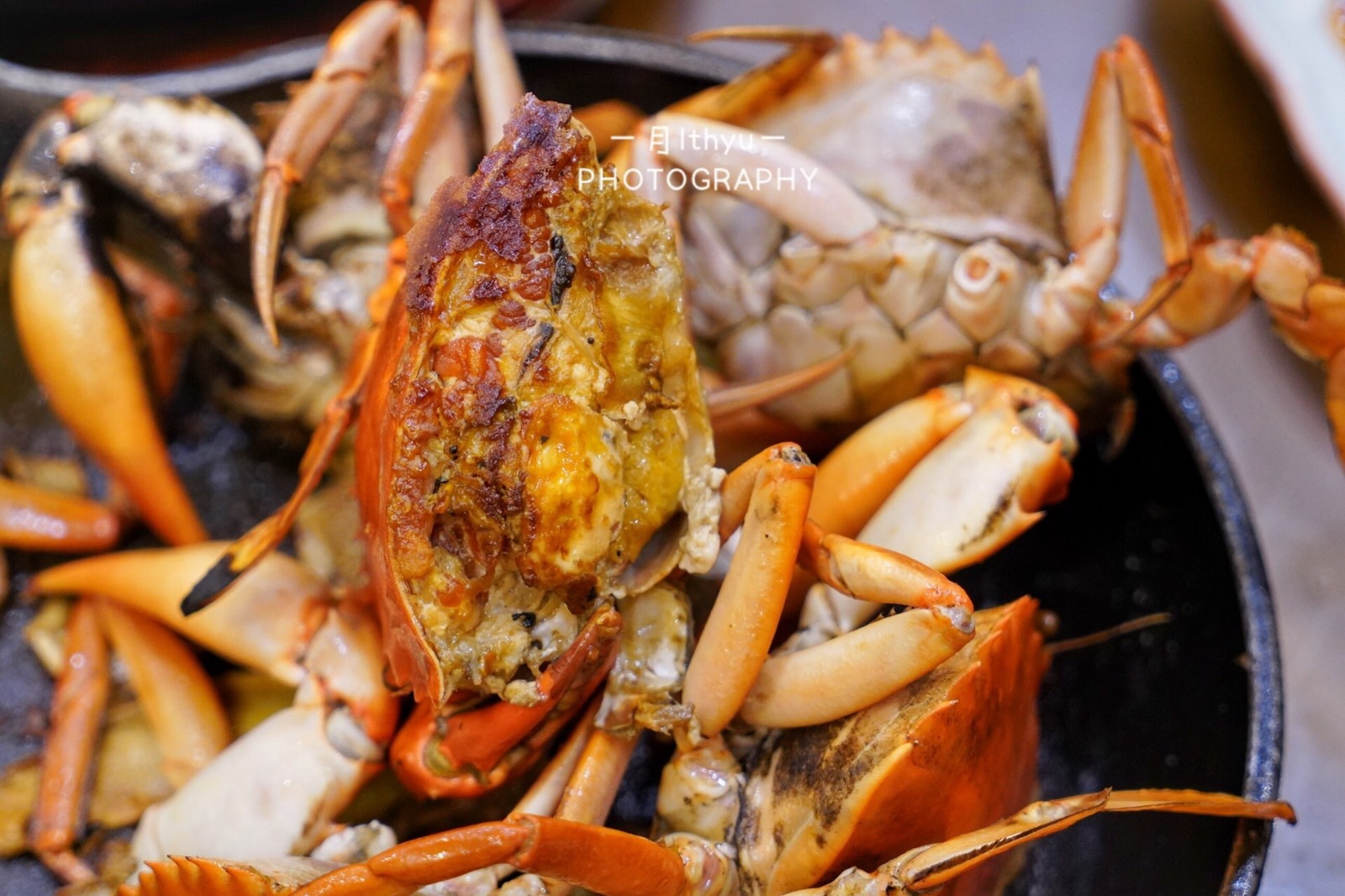
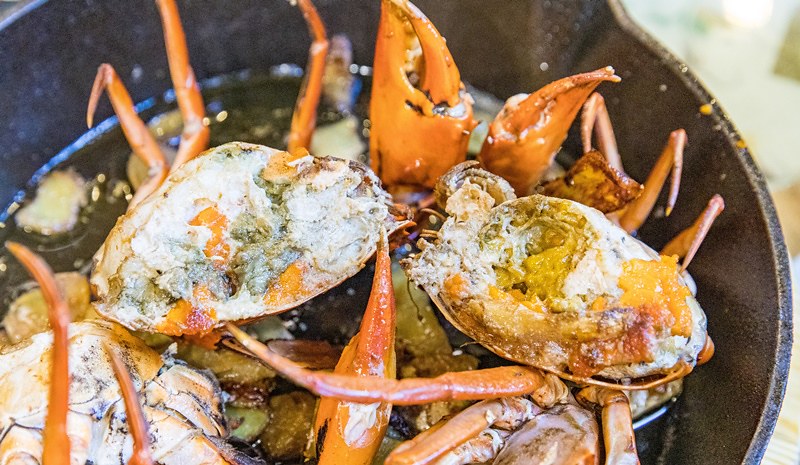
Xiamen Fried Crab: Xiamen fried crab is a flavorful and aromatic seafood dish, made with fresh crabs that are seasoned and fried to perfection. The crabs are mixed with spices like ginger, garlic, and scallions, then pan-fried until the shell turns golden and crispy, while the meat inside remains tender and juicy. This dish captures the natural sweetness of the crab, complemented by a crispy exterior and a rich, layered flavor. It’s a popular snack or appetizer in Xiamen, often enjoyed with a glass of sake or beer.
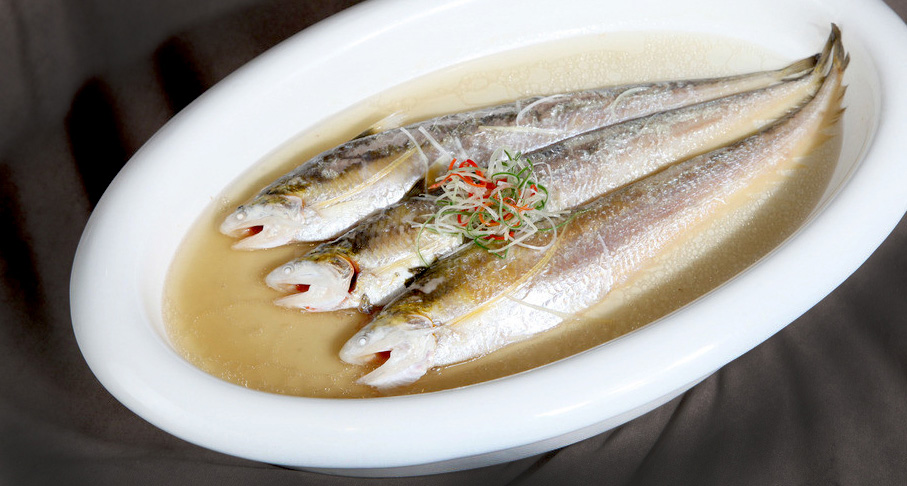
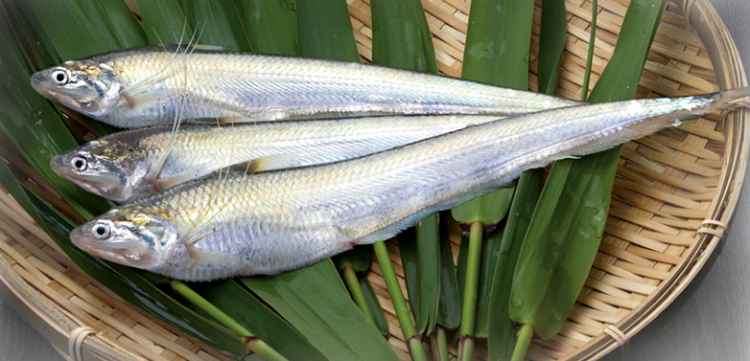
Fujian Steamed White Knife Fish: Fujian steamed white knife fish is a traditional coastal seafood dish that highlights freshness and simplicity. Made with fresh white knife fish, it is gently steamed to preserve the fish’s natural sweetness and tender texture. Only light seasonings such as ginger and scallions are used, allowing the delicate flavor of the fish to stand out. The result is a clean, mild, and naturally savory dish that reflects the Fujian culinary philosophy of emphasizing freshness with minimal seasoning.
Cuisine Restaurants
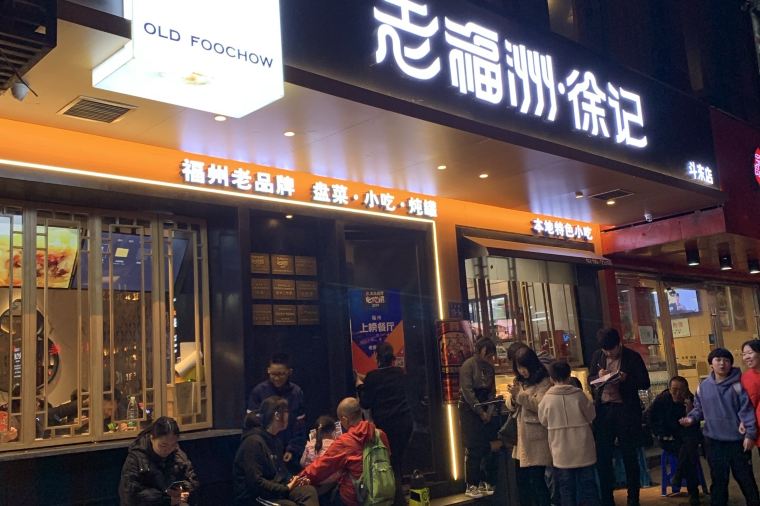
Lao Fuzhou (Dou Dong Branch)
Address: No. 55, Bayi 7th Middle Road, Hongtengge 10-1 (diagonally opposite Juchun Garden Fuzhou Grand Hotel)
Business Hours: Monday to Sunday, 10:30 AM - 09:30 PM
Contact Number: +86 18150810858
Recommended Dishes: Buddha Jumping Over the Wall, Scallion Oil Sea Chrysanthemum (Squid Head), Traditional Potside Dishes, Lychee Pork, Drunken Ribs, Pan-Fried Liver, Water Chestnut Cake, Taro Puree, Oyster Pancake
Average Cost per Person: ¥93
Description:
Lao Fuzhou Xu Ji Restaurant specializes in Fuzhou cuisine, known for using red yeast as a key ingredient in its dishes. The flavors are fresh and tender, with a focus on soups and light dishes. Their Buddha Jumping Over the Wall is authentic and has distinct layers of flavor, while the Lychee Pork is sweet and sour, and the Taro Puree is smooth and delicate. The South Pan-Fried Liver is exceptionally tender. The restaurant is quite popular, so be prepared for a wait during peak hours.
Wenru No. 9 · Min Cuisine Restaurant (Sanfang Qixiang Branch)
Address: No. 56, Wenru Fang, Tonghu Road (Inside Sanfang Qixiang)
Business Hours: Monday to Sunday, 11:00 AM - 01:30 PM, 05:00 PM - 08:30 PM
Contact Number: +86 59188567888
Recommended Dishes: Buddha Jumping Over the Wall, Delicate Fragrant Snail Meat, Lychee Pork, Crab Stir-Fried with Ginkgo
Average Cost per Person: ¥491
Description:
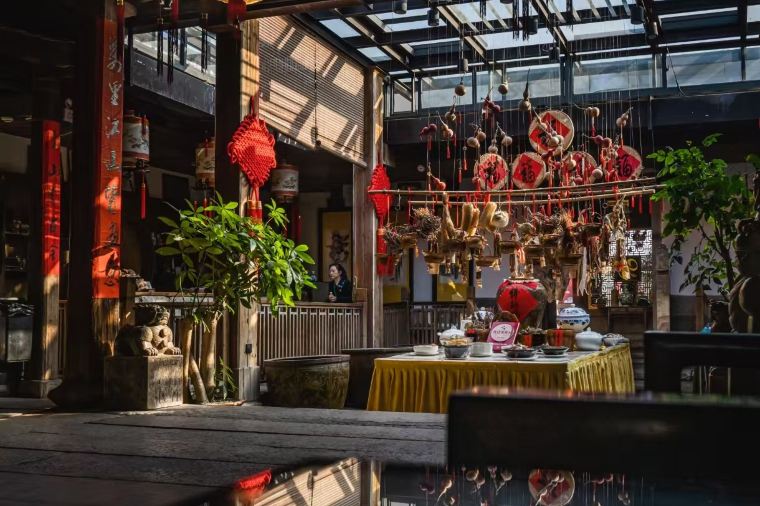
The restaurant is located in Wenru Fang, one of China’s top ten historical and cultural streets. Over the years, it has focused on serving authentic Min (Fujian) cuisine and promoting Min culinary culture. The restaurant is made up of five traditional Ming Dynasty buildings, and the decor exudes an ancient, nostalgic charm.
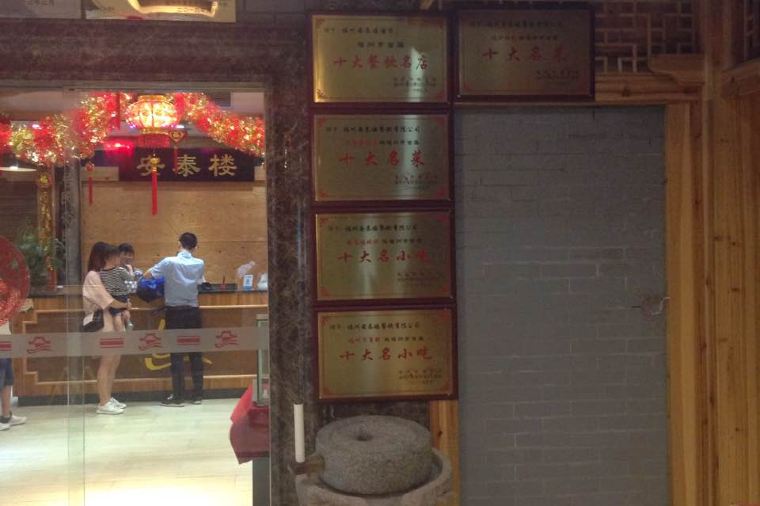
Antai Lou (Sanfang Qixiang Min Cuisine Landmark Store)
Address: No. 1, Jibi Lane
Business Hours: Monday to Sunday, 08:00 AM - 02:00 PM, 04:30 PM - 09:00 PM
Contact Number: +86 59187531717
Recommended Dishes: Drunken Ribs, Oyster Omelette, Fuzhou Flat Meat Dumplings, Traditional Taro Puree, Lychee Pork Meat Dumplings, Red Bean Cake, Fresh Water Chestnut Cake, Handmade Fish Balls
Average Cost per Person: ¥89
Description:
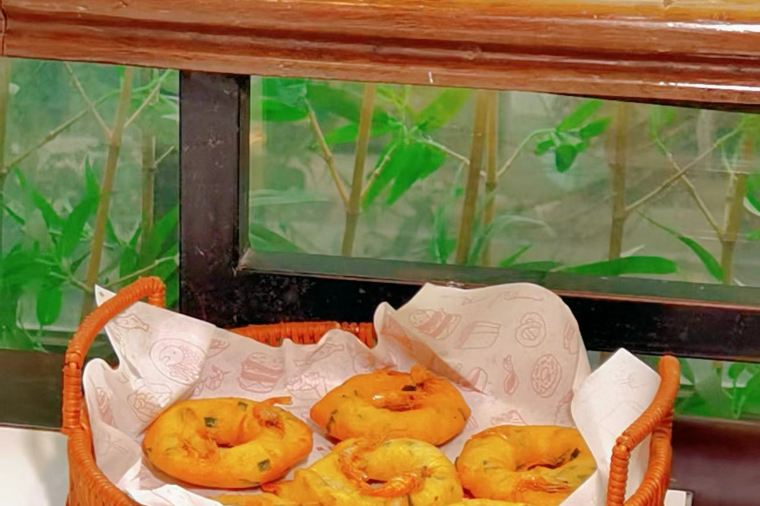
A hub for Fuzhou snacks, this three-story restaurant is famous for its "Eight Famous Dishes," which include: Potside, Meat Dumplings, Fish Balls, Oyster Pancakes, Savory Pancakes, Rice Cakes, Taro Puree, and Meatballs. The red bean cake is also highly recommended. The peanut soup is incredibly smooth and delicious, while the fresh potside has a rich, flavorful broth. The oyster pancake is generously packed with oysters, and the red bean cake is crystal-clear and delicious. Additionally, the local dishes are all well-executed.
Shangri-La Hotel Fuzhou · Jiangnan Zao · Rongfu
Address: 2nd Floor, Fuzhou Shangri-La Hotel, No. 9, Xinquan South Road, Fuzhou
Business Hours: Monday to Sunday, 11:30 AM - 02:00 PM, 05:30 PM - 09:00 PM
Contact Number: +86 13774570334
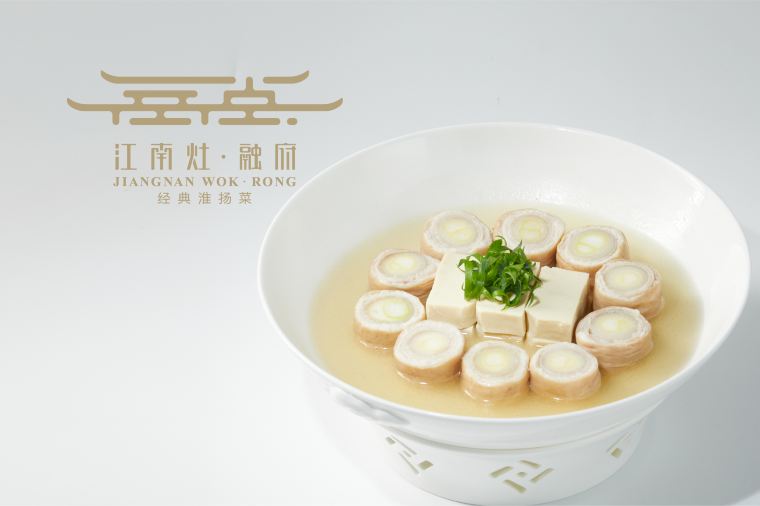
Recommended Dishes: Huaiyang-style Dry Tofu with Osmanthus, Hand-Peeled River Shrimp Stir-fried with Olive Kernels, Soft Huaiyang-style Dumplings, Suzhou Squirrel Fish, Rongfu Crispy Veal, Stewed Yellow Fish with Lion's Head Meatballs, Huaiyang Xiaolongbao, Zhenjiang Marinated Pork, Huaiyang Three-Duck Dish, Snow Velvet Tofu Stewed with Pigeon Eggs
Average Cost per Person: ¥491
Description:
A must-try in Fuzhou, the Michelin-starred Jiangnan Zao Rongfu (2024 Michelin One Star) is located in the Shangri-La Hotel Fuzhou. The restaurant is guided by renowned chef Hou Xinqing, the Executive Chef of Shangri-La Group's regional Chinese cuisine, and the award-winning chef of Jiangnan Zao. The restaurant skillfully combines classic Huaiyang cuisine with the garden-style private dining experience unique to Fuzhou, offering an exceptional culinary journey that feels like an "exploration of a garden feast with heartfelt enjoyment." The design is based on the "garden, culture, and feast" concept from the Qing Dynasty poet Liu Fenghao's "Ge Garden Record," integrating the garden-style private setting, maritime Silk Road elements, and sentiments of overseas Chinese returnees.

Street Food
Fujian’s street food culture is vibrant and offers a variety of flavors, from savory bites to sweet treats. Walking around the bustling streets of cities like Xiamen and Fuzhou, you’ll encounter local food stalls and markets selling some of the province’s most iconic street foods.
Xiamen Peanuts Soup: This sweet soup is a must-try dessert in Xiamen, made from simmered peanuts in a creamy, sugary broth. It’s served hot or cold and is often enjoyed as a refreshing treat on a warm day.


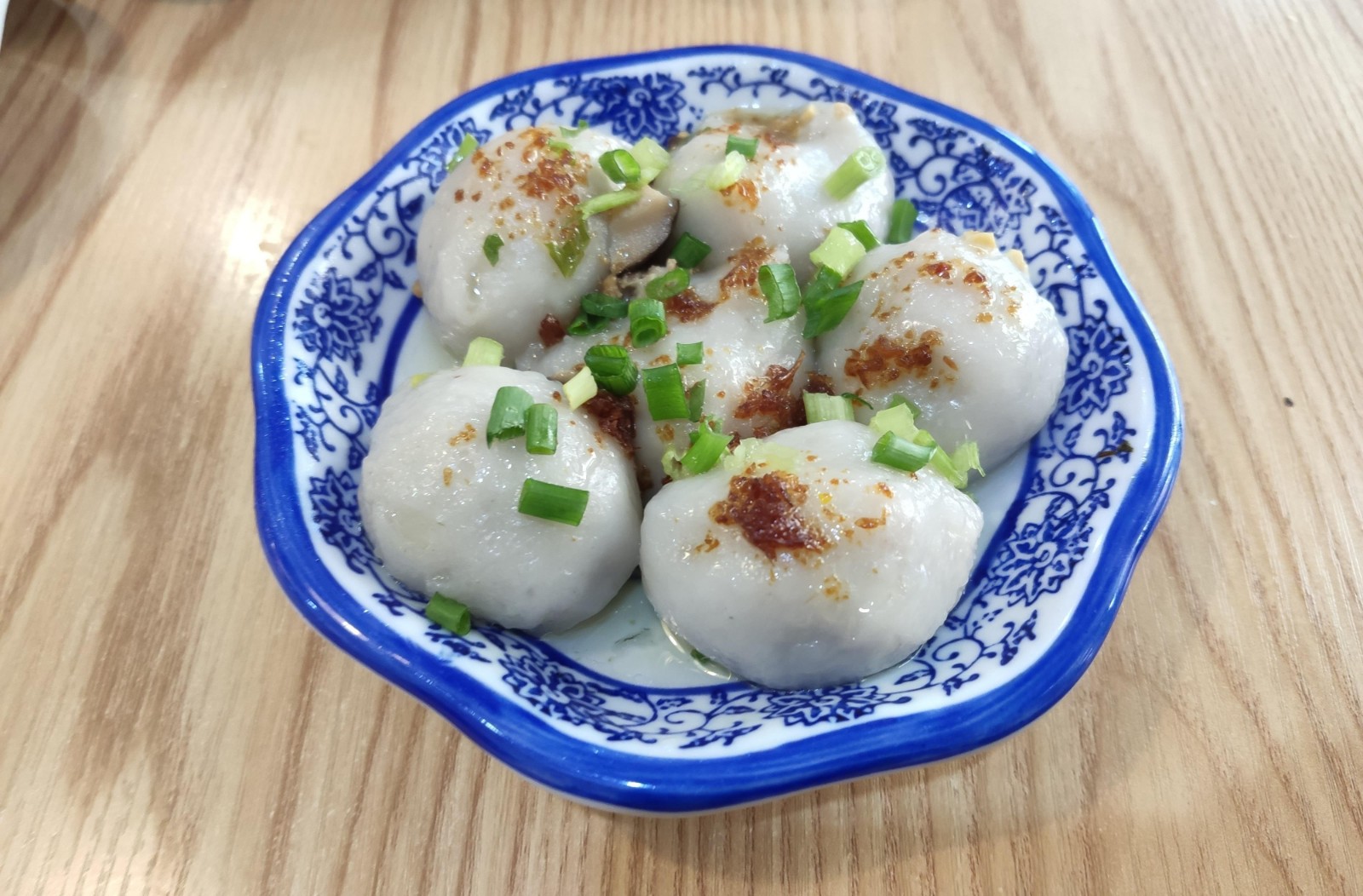
Fujian Taro Bun: Fujian taro bun is a traditional snack made primarily with taro. The taro is steamed and mashed, then mixed with glutinous rice flour to form a soft, dough-like exterior. The filling is usually sweet, often made with red bean paste or sugar, offering a delightful soft and sweet texture. The taro bun is golden and aromatic when steamed, with the unique fragrance of taro filling the air. Its exterior is smooth and sticky, while the filling is sweet without being overwhelming, creating a delicate taste that lingers.
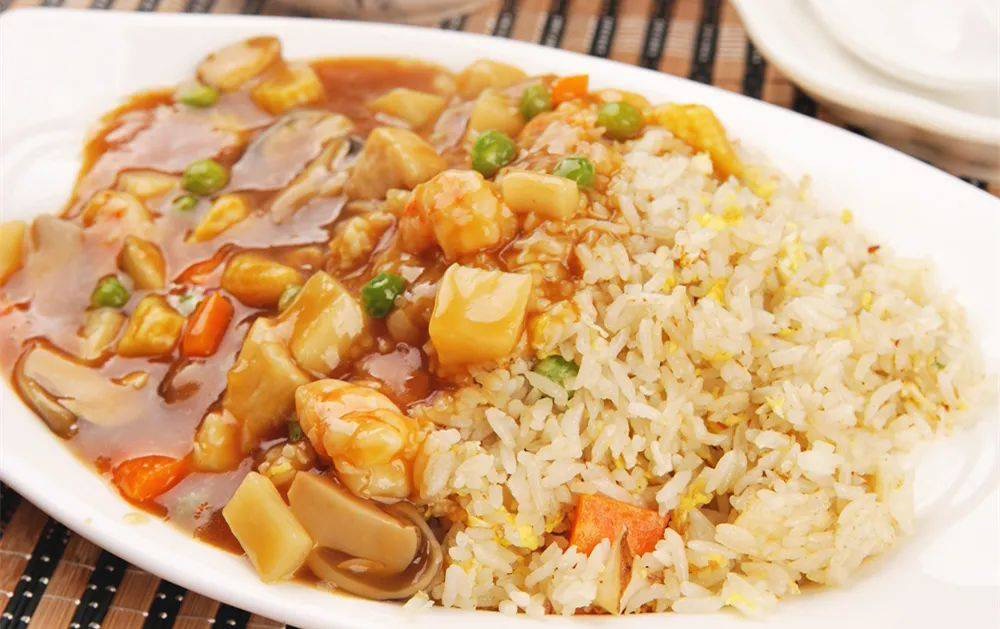
Chao Fan: Fujian Fried Rice (Chao Fan) is made with seafood, meat, and vegetables, stir-fried with a dash of soy sauce and other seasonings. It’s often topped with an egg and served as a hearty snack or meal.
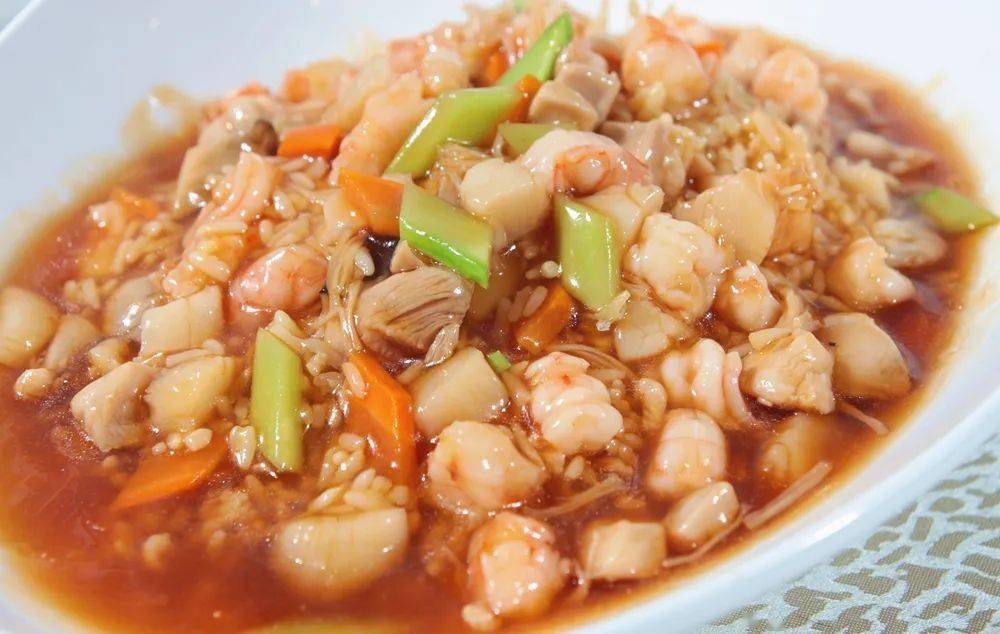
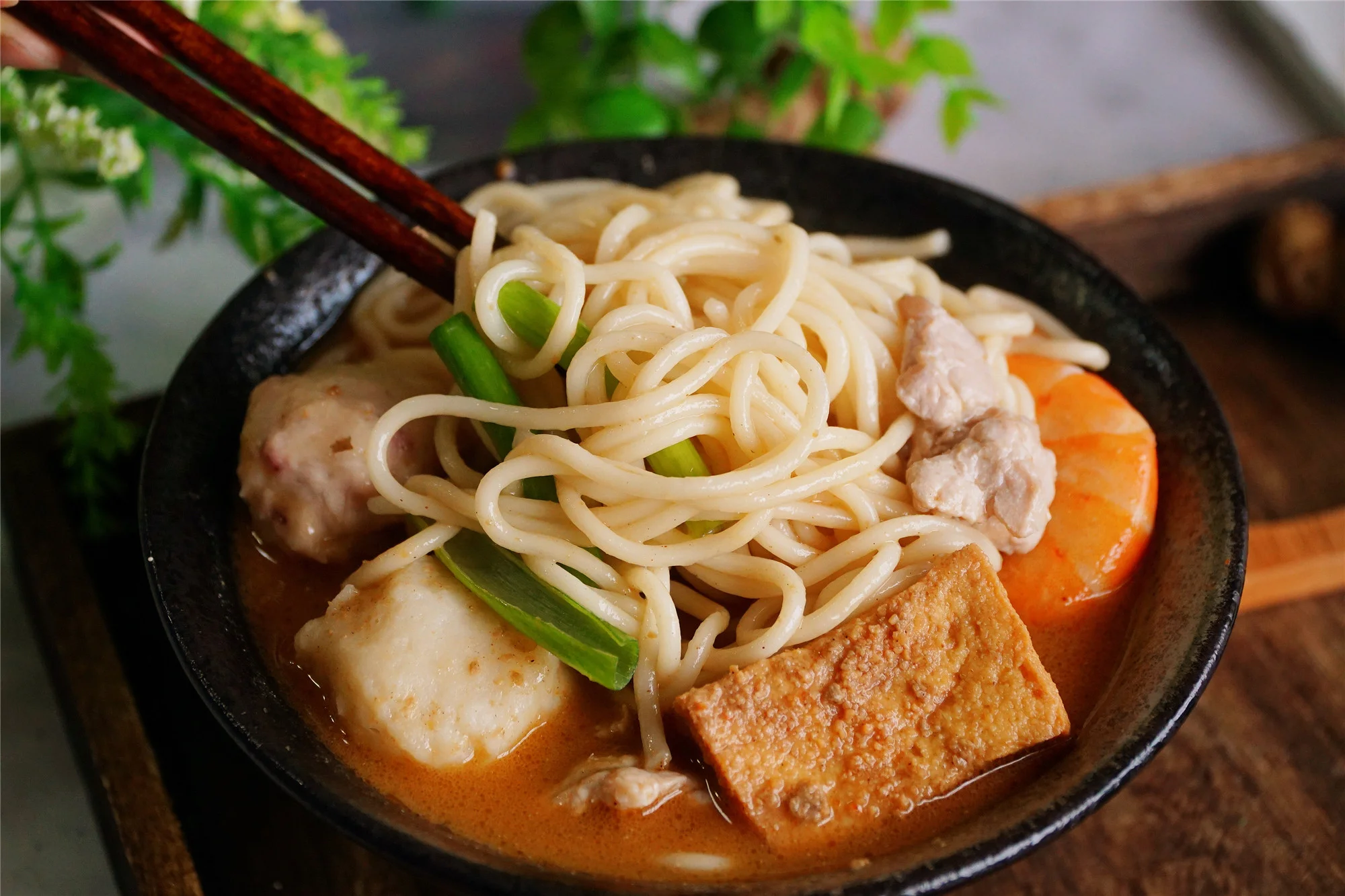
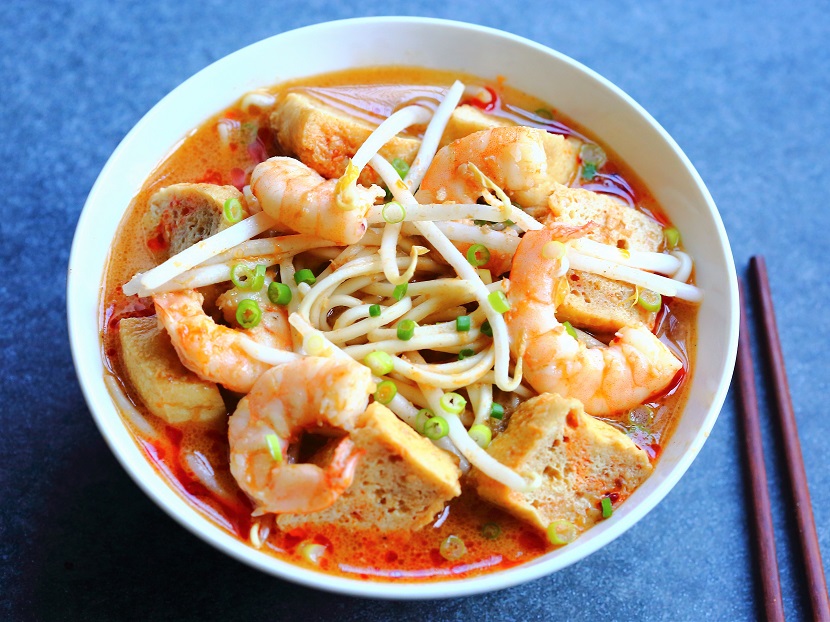
Sha Cha Mian: This is a noodle dish served with a rich peanut-based sauce that comes with seafood, vegetables, and meat. It’s a comforting dish that is especially popular in coastal cities like Xiamen.
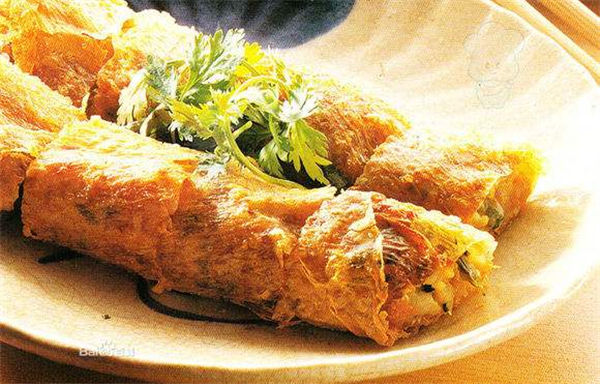
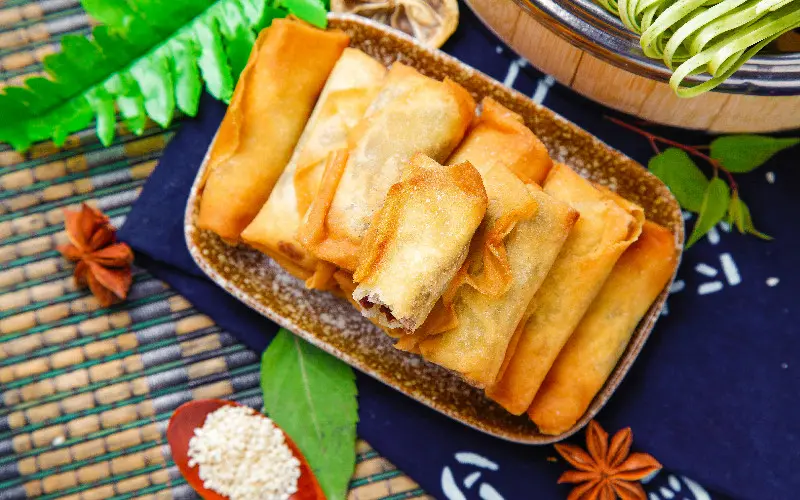
Spring Rolls: A popular snack found in many Fujian cities, spring rolls are filled with a variety of fillings, from vegetables to pork or shrimp. They are often deep-fried until crispy and served with a sweet dipping sauce.
Local Markets & Stalls
Gulangyu Island in Xiamen is home to bustling local markets selling a wide variety of fresh street food. Similarly, Fuzhou’s Nanjing Road offers street food stalls where you can sample everything from fried squid to minced meat buns.
Practical Travel Tips
Fujian, with its rich cultural heritage, stunning landscapes, and bustling cities, offers an exciting travel experience. To make your trip smoother and more enjoyable, here are some practical travel tips to help you navigate the province efficiently and ensure you get the most out of your visit.
Street Food Restaurants
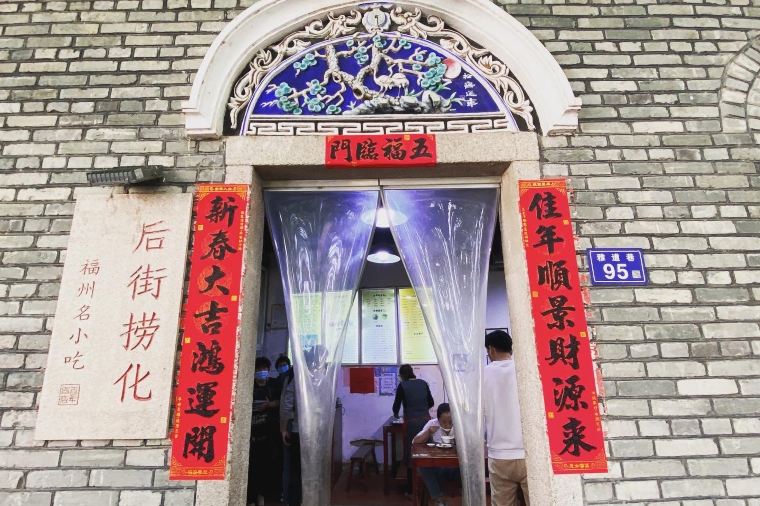
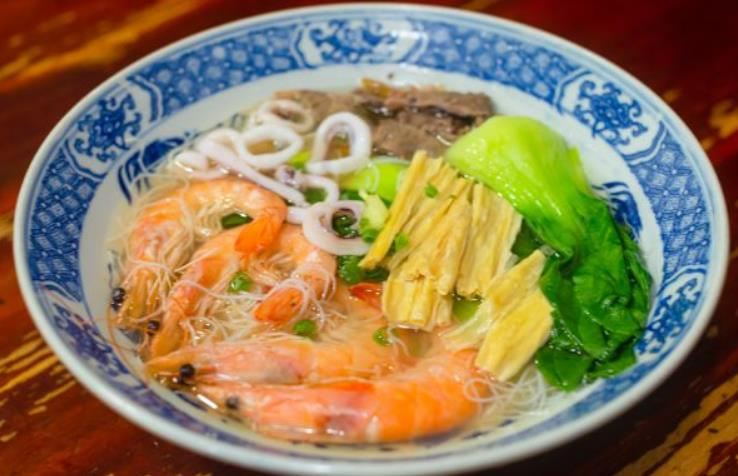
Houjie Lao Hua (Yadao Lane Store)
Address: No. 95, Yadao Lane
Business Hours: Monday to Sunday, 07:00 AM - 01:00 AM
Contact Number: +86 18650393539
Recommended Dishes: Lao Fen (noodles), Luohan Meat, Squid, Clams, Fried Dough Sticks, Oysters, Rice Noodles, Cockles, Marrow Bone Salad, Chili Oil, Beef, Pig Liver, Braised Small Intestine, Braised Large Intestine, Tossed Vegetables, Tofu, Vermicelli, Tossed Noodles
Average Cost per Person: ¥40
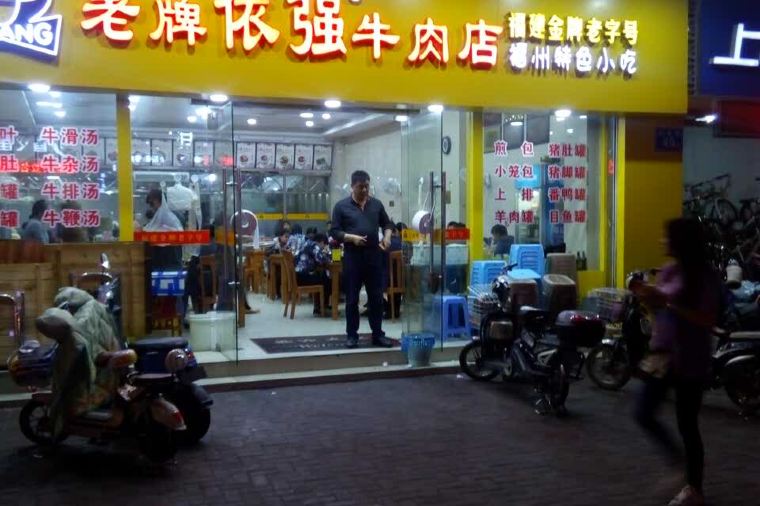
Lao Pai Yi Qiang Beef Restaurant (Dadao Main Branch)
Address: No. 51, Dadao Road, Guangda Building, 1st Floor (Near Century Lianhua)
Business Hours: Monday to Sunday, 07:00 AM - 03:00 AM
Contact Number: +86 59183205646
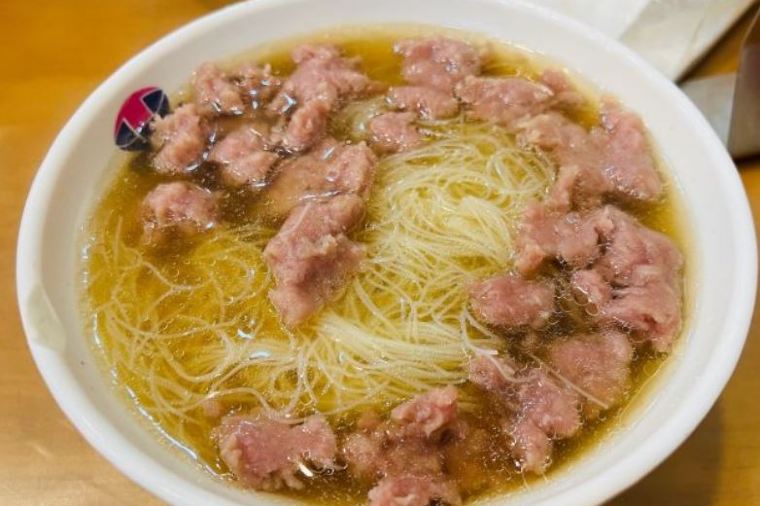
Recommended Dishes: Beef Slivers, Tossed Vermicelli, Xiaolongbao (Soup Dumplings), Pan-fried Buns, Tossed Noodles, Steak, Tofu Skin, Beef Offal Soup, Lao Hua (noodles), Beef Tripe Lao Hua, Beef Waist Noodles, Beef, Beef Tendons, Tossed Tofu Skin, Beef Offal, Tossed Beef, Tossed Beef Tendons, Vermicelli
Average Cost per Person: ¥34
Description: Fuzhou's most authentic restaurant with over 50 years of history, extremely popular, and mostly frequented by locals. It's a must-visit when you're in Fuzhou.
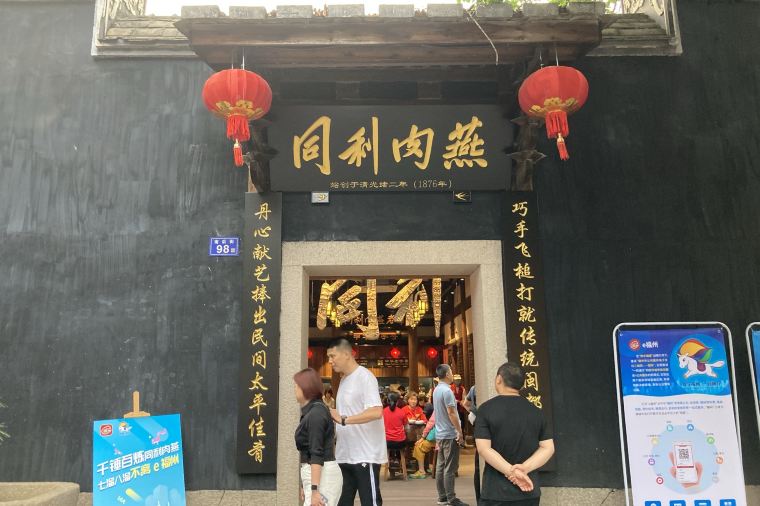
Tongli Meat Dumpling Old Shop (Sanfang Qixiang Branch)
Address: No. 98, Block B, South Back Street, Sanfang Qixiang Cultural Area
Business Hours: Monday to Sunday, 07:30 AM - 10:00 PM
Contact Number: +86 17758930358
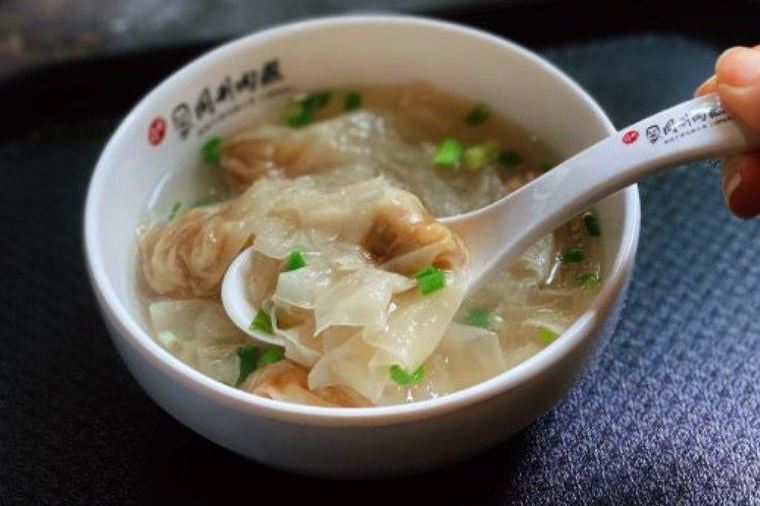
Recommended Dish: Meat Dumpling
Average Cost per Person:¥24
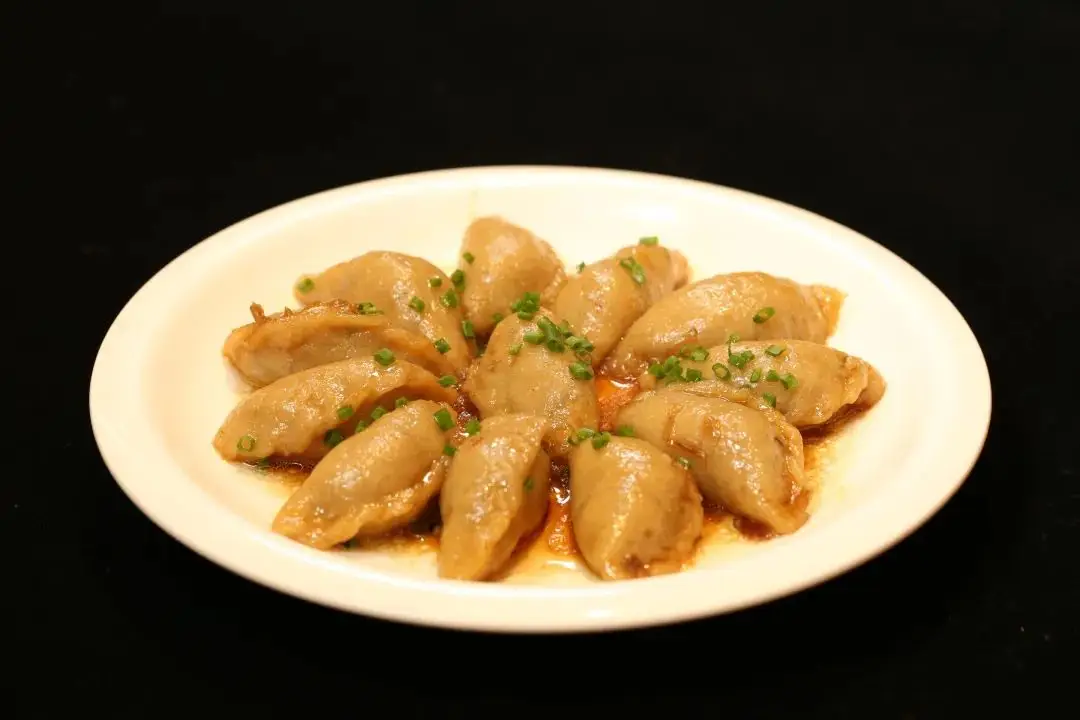
Note: Tongli Meat Dumpling is a famous Fuzhou dish, also known as "Meat Dumpling". Founded in 1876 during the Qing Dynasty, it has been passed down through five generations. The shop on South Back Street is the original location, and the Meat Dumpling is made from finely minced pork with a wrapping made from sweet potato flour. The restaurant is adorned with antique-style decorations, old photographs, and videos introducing the restaurant’s history.
Tea Culture
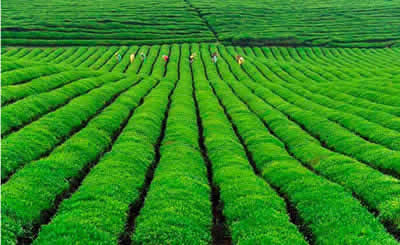
Fujian is a famous producer of tea, especially Oolong teas, and the province’s tea culture has a history of over a thousand years. The rich mountains and valleys provide the perfect environment for growing high-quality tea leaves, making Fujian a must-visit destination for tea lovers.
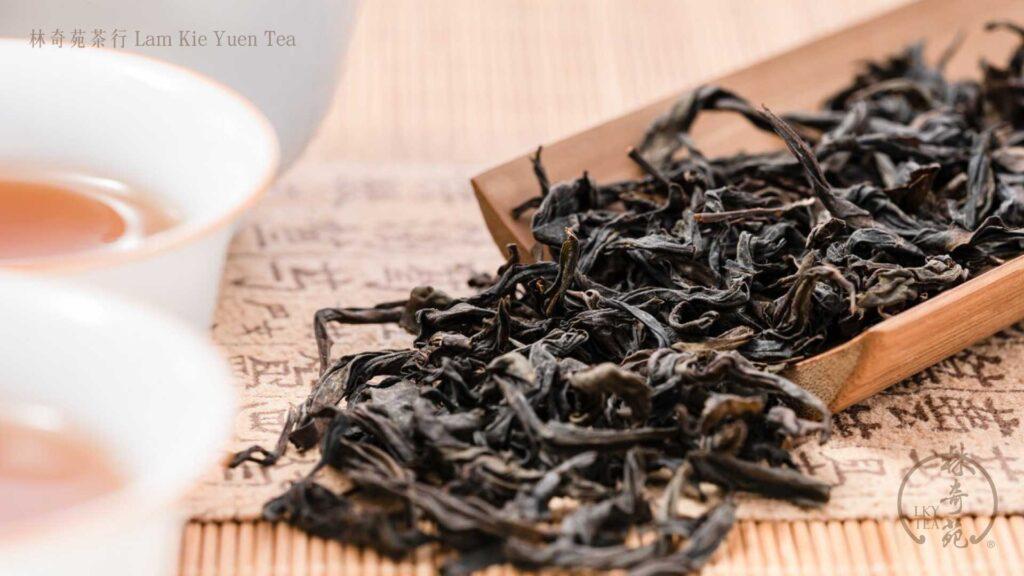
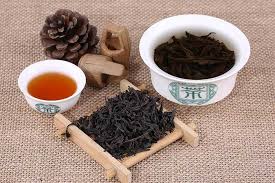
Wuyi Tea: Wuyi Rock Tea, particularly Da Hong Pao, is the most famous tea from Wuyishan in Fujian. This variety of Oolong tea is known for its fragrant aroma, full-bodied flavor, and slightly smoky aftertaste. The tea grows in the steep hillsides of Wuyishan and is one of China’s top teas.
How to Appreciate Wuyi Tea Like a Local:
When visiting Wuyishan, you can experience traditional tea ceremonies, where the tea is brewed using small clay teapots. This method emphasizes the complex flavors and aroma of the tea. Locals recommend drinking Wuyi tea slowly, savoring the aroma, and appreciating the aftertaste.
Tea Houses
Yijian Lake City Tea House
Address: Block E, Jin'an Lake Park, Long'an Road
Opening Hours: 09:00 - 22:00
Contact: 13489037748
Price: ¥24.0
Chunlun Tea House (Sanfang Qixiang Branch)
Address: Shop 137, South Back Street
Opening Hours: 09:00 - 22:00
Contact: 17720733881
Price: ¥34.0
Xiaoxuan Lu
Address: First Floor, East Wing, Zhongshan Memorial Hall, Zhongshan Road
Contact: (0591) 83632031
Price: ¥67.0
Gui Zhi Li 8 · Sheep Space · Bamboo Tea House
Address: No. 8, Gui Zhi Li
Opening Hours: 09:30 - 22:30
Contact: 13615030608, 17850814356
Price: ¥45.0
Language and Communication
Mandarin is the official language spoken across Fujian, but there are also several local dialects, such as Min Nan and Hakka. While many locals understand Mandarin, they may not be fluent in it, especially in rural areas.
Tip: If you don’t speak Mandarin, it’s helpful to carry a translation app like Google Translate or Pleco to bridge the language barrier. WeChat Translate is also useful for real-time translations when chatting with locals.
Common Phrases
Hello: (Ni hao)
Thank you: (Xièxiè)
How much is this?: (Zhège duoshao qián?)
Where is... ?: (…zài nali?)
Currency and Payments
Currency: The currency in Fujian (and throughout China) is the Chinese Yuan (CNY), also referred to as Renminbi (RMB).
Cash vs. Digital Payment: China has moved almost entirely toward digital payments, with WeChat Pay and Alipay being the dominant methods for transactions. You can easily link these apps to your credit cards or bank accounts.
Tip: While cash is still accepted in some smaller shops, you’ll find that WeChat Pay or Alipay are far more convenient in most places, especially in cities like Xiamen and Fuzhou. It's a good idea to download one of these apps and set them up before arriving.
ATMs: There are ATMs available in most cities, but foreign bank cards might have limited access at certain machines. It’s recommended to carry cash for emergencies, but make sure to use local banks for withdrawing cash to avoid high fees.
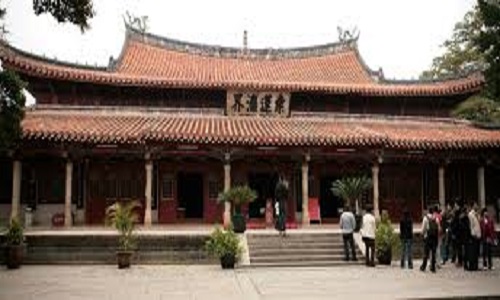 Quanzhou Cultural Heritage Day Tour: Discover Temples, Faith, and Living Traditions
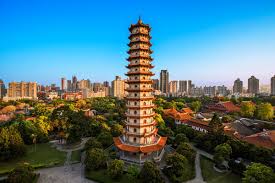 A Journey Through Time in Fuzhou Discover Ancient Alleys and Riverside Charm
Public Transport: Buses, Trains, and Taxis
Buses
Long-Distance Buses: Fujian has an extensive long-distance bus network connecting cities like Xiamen, Fuzhou, Quanzhou, Wuyishan, and other destinations within the province.
Ticketing: Tickets can be purchased at the bus stations or through online platforms like Ctrip or 12306.
Comfort: Buses are generally comfortable, with air-conditioning, and they are an affordable option for traveling between cities.
Trains
High-Speed Rail: China’s high-speed rail network is one of the best ways to travel long distances quickly and comfortably. You can easily travel from Xiamen to Fuzhou or Wuyishan by high-speed trains.
Train Stations: Major stations like Xiamen North Station, Fuzhou Railway Station, and Wuyishan Railway Station are well-connected to the cities and offer high-speed services.
Booking: Tickets can be booked online or directly at the station. 12306 is the official Chinese railway booking platform.
Taxis
Availability: Taxis are widely available in cities like Xiamen, Fuzhou, and Quanzhou. They are a great option for short trips or if you're traveling with luggage.
Taxi Fare: Taxis in Fujian are reasonably priced. Make sure the meter is running when you get in, or confirm the fare before starting the trip.
Taxi Apps: For ease, you can use local apps like Didi (Chinese Uber) to book taxis directly from your phone.
Local Transport Tips: Didi, Bicycle Rentals, and Boats
Didi (Chinese Uber)
Convenience: Didi is the Chinese version of Uber and is an extremely convenient and widely-used app for booking taxis or private cars in cities like Xiamen, Fuzhou, and Quanzhou.
App Availability: The Didi app is available in English and allows you to select from different ride options, including Didi Express (standard taxi), Didi Premier (higher-end service), and Didi Share (carpooling). It’s an excellent way to get around comfortably without the language barrier.
Payment: Payment is made via the app, either by credit card, Alipay or WeChat Pay (a popular mobile payment method in China).
Bicycle Rentals
Eco-Friendly: Many cities, especially Xiamen, have bike-sharing programs, making it easy to explore the city at your own pace while reducing your carbon footprint.
Mobike and Ofo are two popular bike-sharing services in China. To use these bikes, you simply need to download the app, register, and unlock a bike using a QR code.
Xiamen Biking: The bike ride along the Xiamen coastline is particularly famous. You can enjoy the scenic views, pass through historical landmarks, and explore the Gulangyu Island area on two wheels.
Boats and Ferrys in Coastal Areas
Xiamen & Gulangyu Island: As a coastal city, Xiamen offers many boat tours, including those to Gulangyu Island. Ferries are the primary means of reaching the island, and they operate frequently throughout the day.
Boat Tickets: Tickets for ferries to Gulangyu can be purchased at the ferry terminals or through the ferry company's website.
Other Coastal Areas: In other parts of Fujian, such as Quanzhou and Putian, boats can be used to explore local fishing villages, visit Mazu Temple, or simply enjoy coastal sightseeing.
Renting a Car
Self-Drive Options: For those who prefer more flexibility and privacy, renting a car in Fujian is an option. Major car rental companies like Avis, Hertz, and Europcar operate in major cities such as Fuzhou and Xiamen.
Driving in Fujian: Driving in Fujian can be relatively easy, especially in cities like Xiamen. However, rural areas and mountain roads may require some experience.
Road Conditions: Highways are generally well-maintained, but you may encounter some winding, narrow roads in more remote areas like Wuyishan or the Tulou villages.
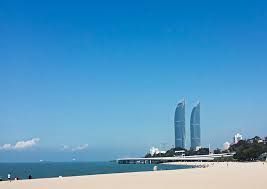 Xiamen Layover Tour: A Guided Day of Exploration and Relaxation
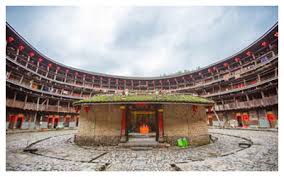 Explore Fujian Tulou on a Xiamen Day Tour: Tianluokeng, Yuchanglou & Taxia Village Experience
Exploring Rural and Scenic Areas
Wuyishan
Public Buses and Shuttle Services: If you’re visiting Wuyishan, there are shuttle buses available from the main train station or nearby hotels to the scenic areas. Some national parks in Wuyishan also offer private tours and vehicles to help visitors explore the mountain trails and river cruises.
Tulou Villages
Local Transport: In the Tulou villages (especially in Yongding and Nanjing), local minibuses or taxi services are typically used to travel between different Tulou complexes. The best way to see the villages is by joining a guided tour with transportation included, as this helps you reach the more remote Tulou locations. Alternatively, you can choose YourWayHoliday, who offers customized tours with expert guides and private transportation to ensure a smooth and enriching experience while visiting the Tulou villages.
For more detailed information, please check the link below:
https://www.chinahangzhoutour.com/hangzhou/xiamen-transpotation.htm
Tips for Getting Around Fujian
Language Barrier: While English is not widely spoken, having a translation app on your phone can be incredibly helpful, especially when using public transport or ordering taxis.
Navigation Apps: Apps like Baidu Maps or Gaode Maps (Amap) are commonly used in China for navigation. They provide real-time traffic updates, public transport routes, and walking directions in both Chinese and English.
Payment Methods: In most cities, WeChat Pay and Alipay are the preferred payment methods for transportation, so it’s a good idea to have these apps set up on your phone for convenience.
Weather and Clothing
Best Time to Visit: The most favorable time to visit Fujian is during the spring (March to May) and autumn (September to November) months when the weather is mild and comfortable. Summers (June to August) can be hot and humid, with occasional rainfall, while winters (December to February) are cool and relatively dry.
Clothing Tips:
In spring and autumn, pack light layers and a jacket for cooler evenings.
In summer, bring comfortable clothes, sunscreen, and a hat to protect yourself from the sun, especially when visiting outdoor attractions like Wuyishan or coastal areas like Xiamen.
In winter, though temperatures are generally mild, it’s still a good idea to pack warm clothing if you’re traveling to higher elevations like Wuyishan.
Health and Safety
Health Precautions:
Water: It’s advisable to drink bottled water while traveling in Fujian, as tap water may not always be safe to drink.
Mosquito Protection: If you’re heading to rural areas or places like Wuyishan, be sure to bring mosquito repellent, especially during the summer months when mosquitoes are more active.
First-Aid Kit: It's always good to have a basic first-aid kit on hand for minor injuries or health issues.
Emergency Numbers:
Police: 110
Ambulance: 120
Fire: 119
Safety Tips: Fujian is generally a safe place to travel, but like in any destination, keep an eye on your belongings and avoid less crowded areas late at night. Be cautious in crowded tourist areas, especially in places like Xiamen’s Zhongshan Road or Fuzhou’s Three Lanes and Seven Alleys.
Local Etiquette and Customs
Respect for Tradition: Fujian is home to many traditional practices, especially in rural areas. When visiting temples or local villages, dress modestly and respect local customs. Be mindful of public behavior, and avoid loud conversations or disruptive actions in sacred places.
Tipping: Tipping is not common in China, and most service providers will not expect tips. However, it is appreciated in more tourist-centric areas, especially in high-end hotels or restaurants.
Gifts and Souvenirs: When visiting locals in rural areas or homes, it's polite to bring a small gift as a gesture of appreciation. Popular souvenirs include tea from Wuyishan, handicrafts from Xiamen, or local snacks from Fuzhou.
 3-Day Cultural Delights & Scenic Wonders: Xiamen and Fujian Tulou Tour
 5-Day Xiamen Local Tour: A Deep Dive into Xiamen's Culture, History, and Scenic Beauty
Staying Connected
SIM Cards and Wi-Fi: You can easily buy a local SIM card upon arrival at the airport or in major cities like Xiamen or Fuzhou. Popular providers like China Mobile and China Unicom offer reasonable data plans for tourists.
Many cafes, hotels, and restaurants also offer free Wi-Fi, but it’s best to have mobile data as a backup.
VPN: If you need to access websites that are blocked in China (such as Google or Facebook), it’s a good idea to set up a VPN before your arrival, as China has strict internet regulations.
Shopping Tips
Shopping Districts: Cities like Xiamen and Fuzhou have large shopping districts where you can find local goods, handicrafts, and souvenirs. Xiamen’s Zhongshan Road and Fuzhou’s East Street are great spots for shopping.
Bargaining: Bargaining is common in markets and smaller shops, especially for items like handicrafts and clothing. It’s generally acceptable to haggle over prices, but be polite and respectful.
Exportable Souvenirs: Don’t miss out on Wuyi tea from Wuyishan, peanut soup and Xiamen snacks, and traditional Chinese porcelain or silk products.
Festivals and Events
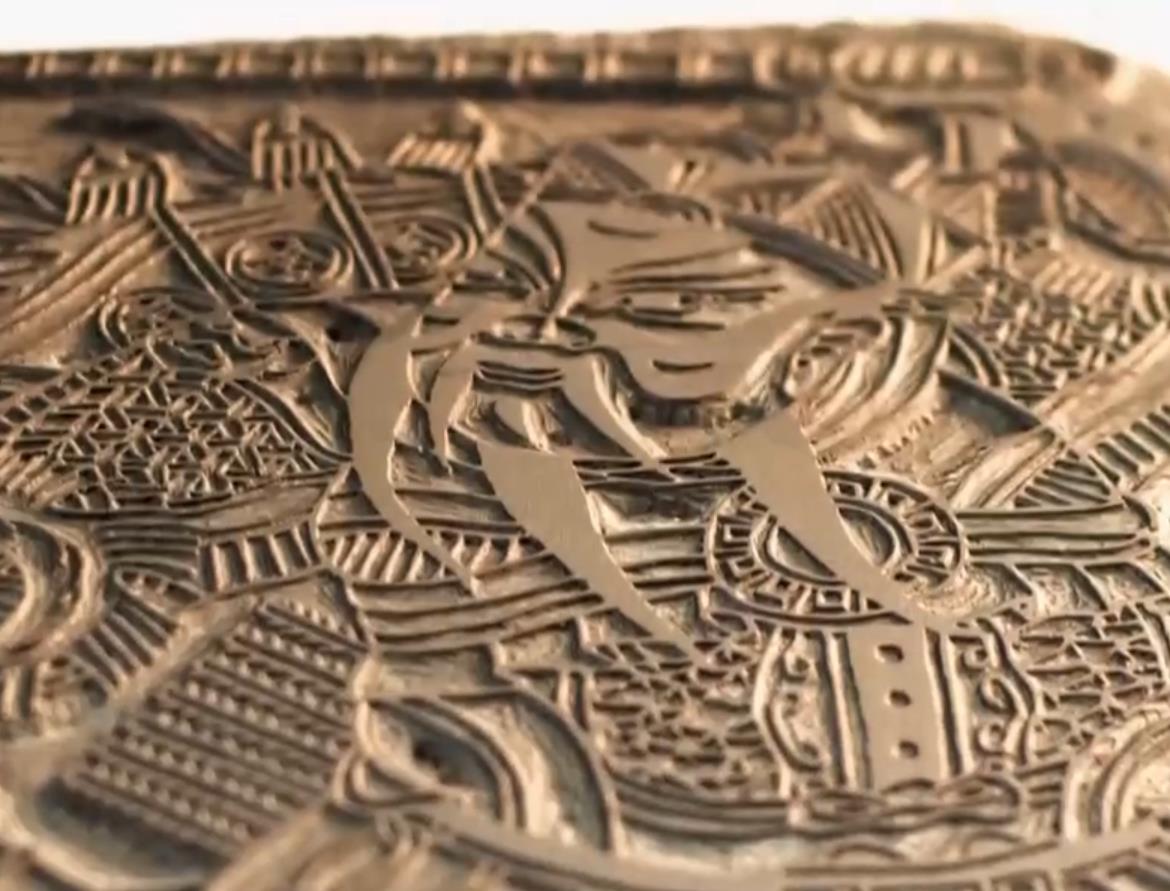
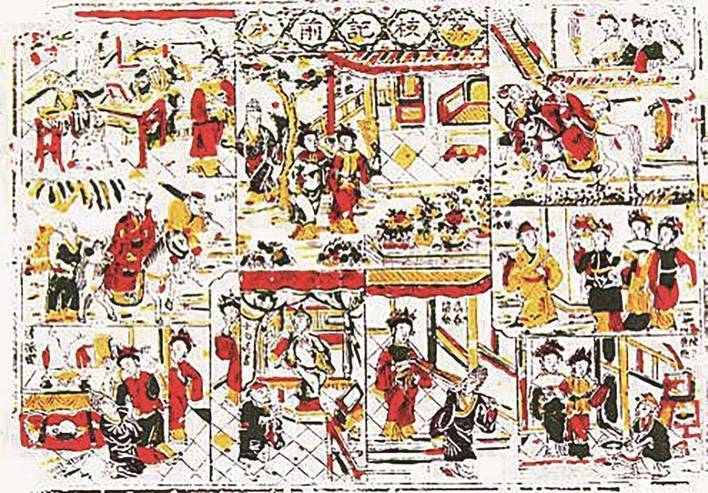
Zhangzhou Woodblock New Year Prints
Zhangzhou Woodblock New Year Prints are a traditional form of Chinese folk art that has been passed down through generations in Zhangzhou, Fujian Province. Known for their vibrant colors and intricate designs, these prints are typically used to decorate homes during the Chinese New Year, symbolizing good luck, prosperity, and happiness. The woodblock prints often feature auspicious themes such as dragons, phoenixes, flowers, and animals, all designed to bring positive energy and ward off evil spirits. The craftsmanship involves carving intricate patterns into wooden blocks, which are then inked and pressed onto paper or fabric, creating beautiful, bold images. Zhangzhou Woodblock New Year Prints are not only a representation of local culture but also an essential part of Chinese New Year traditions, showcasing the artistic richness and cultural significance of the region.
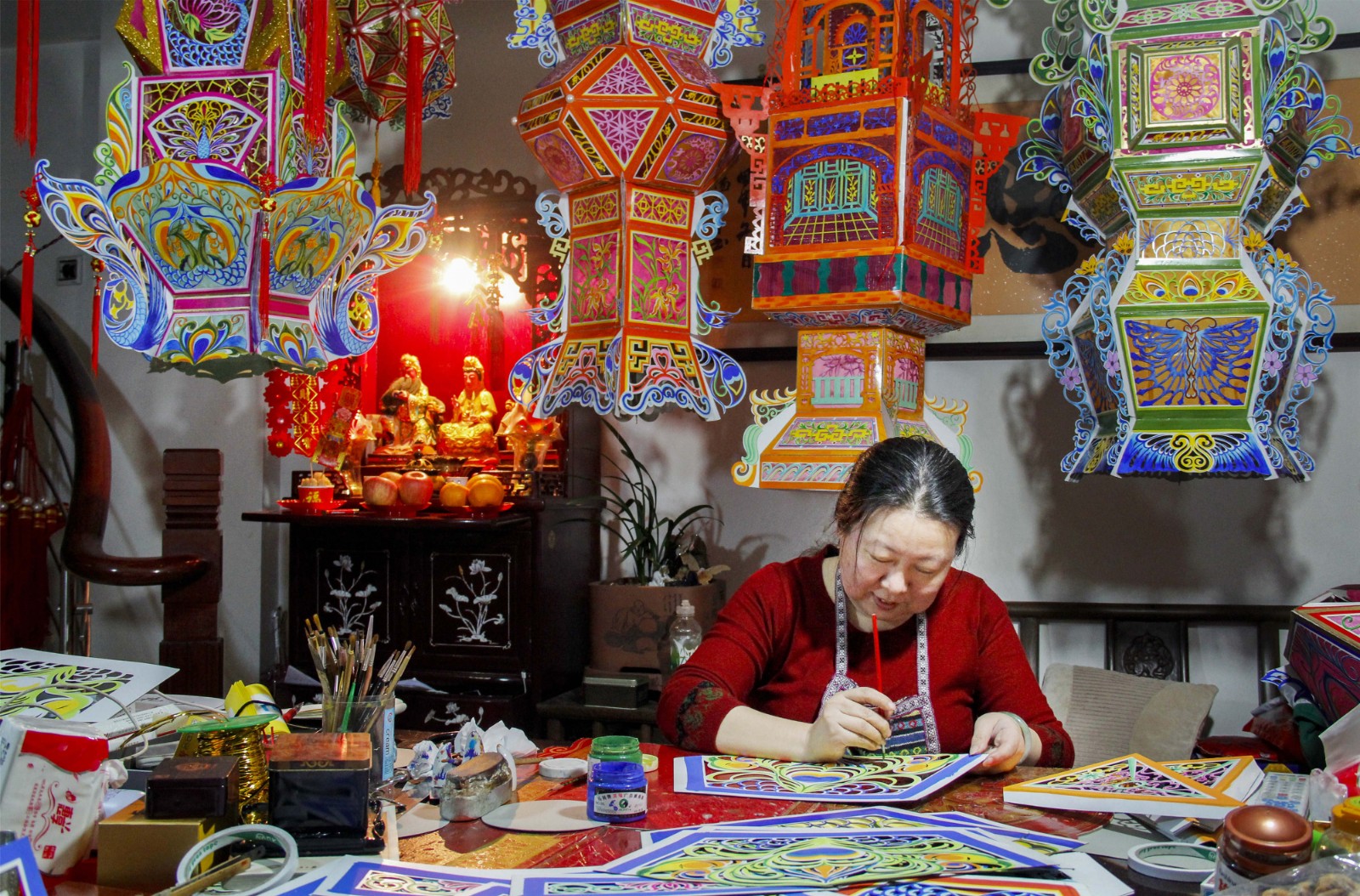
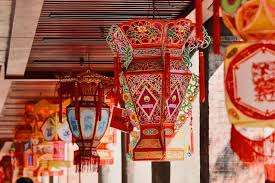
Lantern Craft (Quanzhou Flower Lanterns)
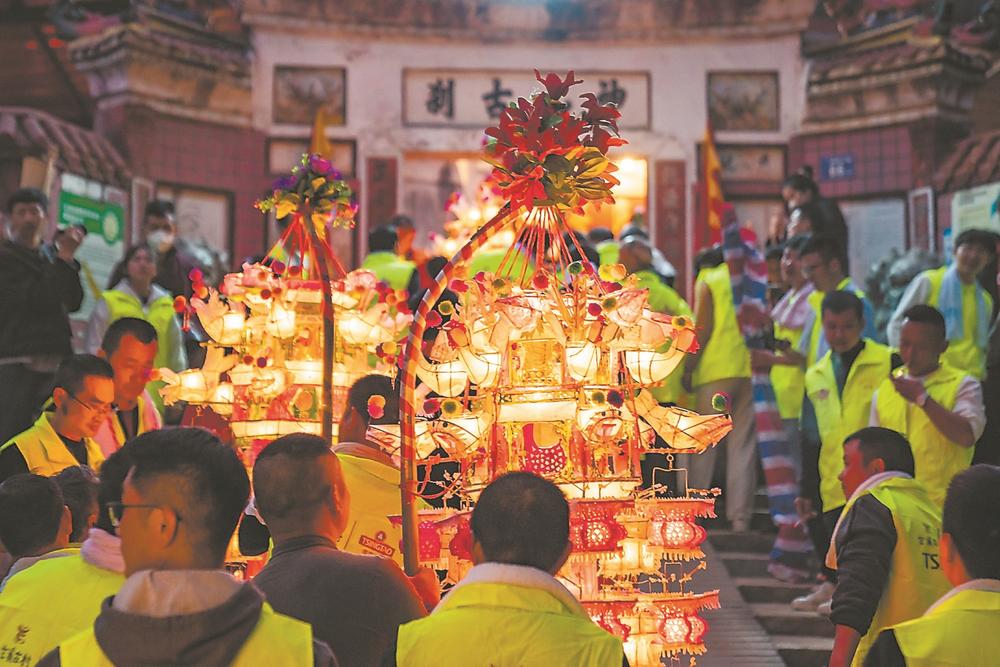
Quanzhou Lanterns, or Quanzhou Huadeng, are a traditional form of lantern art originating from Quanzhou, Fujian Province. Known for their vibrant colors, intricate designs, and delicate craftsmanship, these lanterns are an integral part of local festivals, especially during the Chinese New Year and Lantern Festival. The lanterns are typically made from bamboo frames, decorated with silk or paper, and often feature auspicious motifs such as animals, flowers, and scenes from Chinese mythology. The process of creating these lanterns requires skillful handcrafting, and each lantern is carefully designed to create a stunning visual effect when illuminated. Quanzhou Lanterns are not just decorative items but also carry cultural significance, symbolizing wishes for prosperity, good fortune, and happiness. Their graceful and colorful appearance has made them a beloved art form in the region, and they are widely admired during local celebrations and festivals.
Lantern Festival (Mawei–Matsu Lantern Festival Customs)
The Baba Lanterns from Yingdu, Nan'an, are a unique and culturally significant part of China’s intangible cultural heritage. These lanterns are traditionally crafted for the Lantern Festival, which marks the end of Chinese New Year celebrations. Baba refers to the hand-made lanterns that are typically shaped like the baba or small cake, a traditional snack in the region. What sets Yingdu’s Baba Lanterns apart is their distinct use of bright colors, intricate designs, and symbolic elements that reflect the local culture and beliefs. The lanterns are often adorned with patterns representing prosperity, peace, and happiness. During the Lantern Festival, the lanterns are paraded through the streets, creating a vibrant and festive atmosphere, accompanied by music and traditional performances. The Baba Lanterns are a testament to the craftsmanship of the local people and their dedication to preserving this traditional art form for future generations.

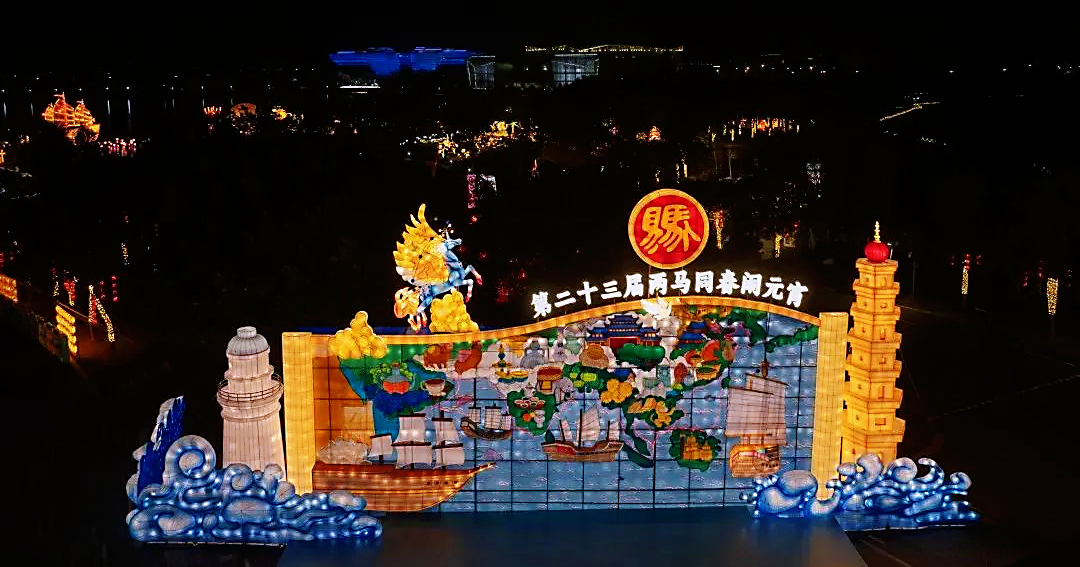
Lantern Festival Fair (Nan’an Yingdu “Baba Lantern” Tradition)
The Lantern Festival Fair in Nan'an, specifically the Baba Lantern tradition from Yingdu, is a captivating celebration that showcases one of China's most unique and vibrant cultural practices. Held during the Lantern Festival, which marks the culmination of the Chinese New Year, this event is famous for its intricate and colorful Baba Lanterns. These lanterns, named after a local traditional snack called baba, are handcrafted and intricately designed, symbolizing prosperity, peace, and happiness. The festival features a lively procession where these lanterns light up the night, creating a mesmerizing display of color and light. Accompanied by music, folk performances, and traditional dances, the Baba Lantern tradition not only celebrates the rich cultural heritage of Nan'an but also highlights the craftsmanship and artistic ingenuity of the local community. It’s a spectacular event that captures the essence of Chinese culture, blending festivity with deep-rooted customs.
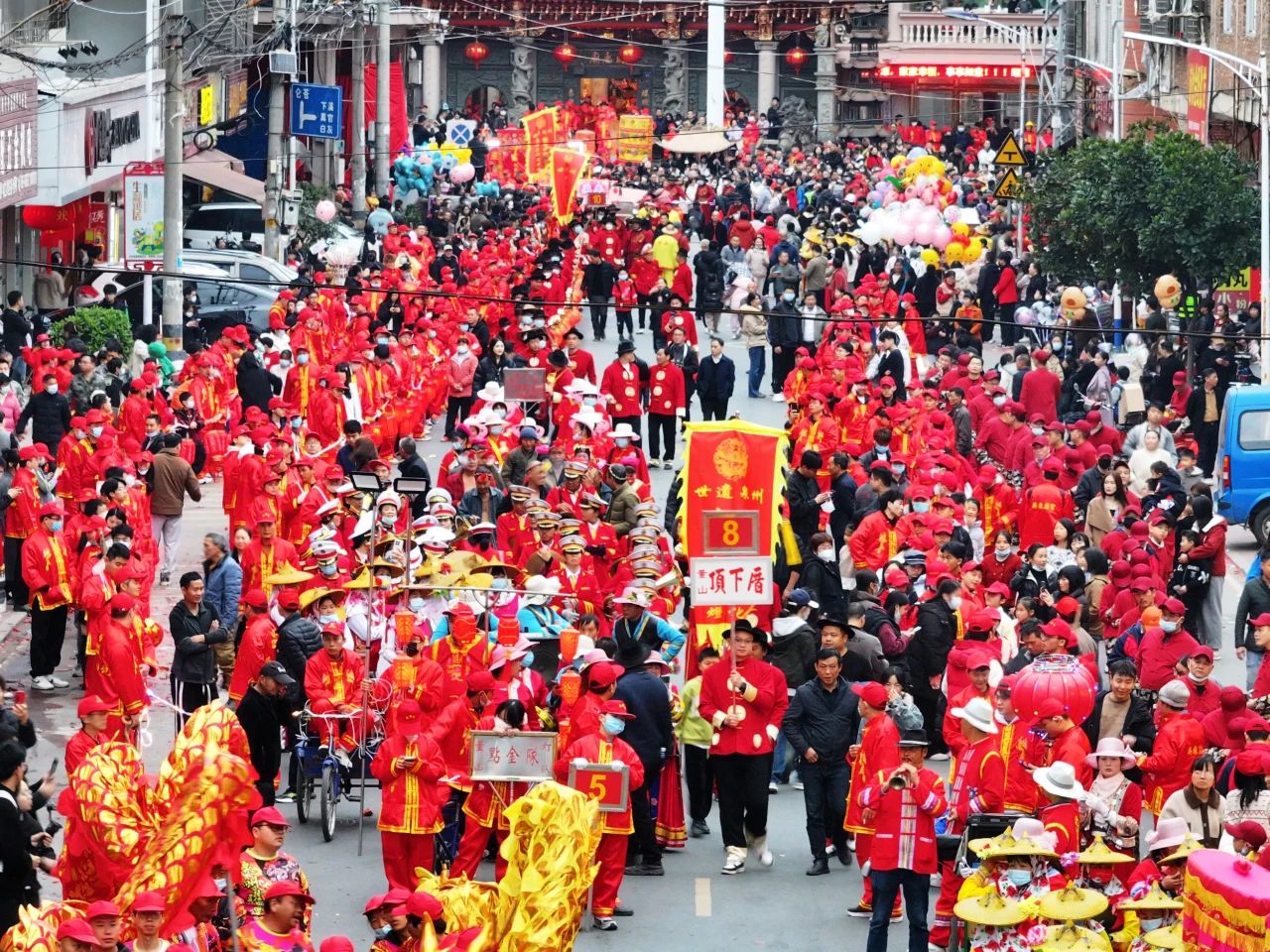
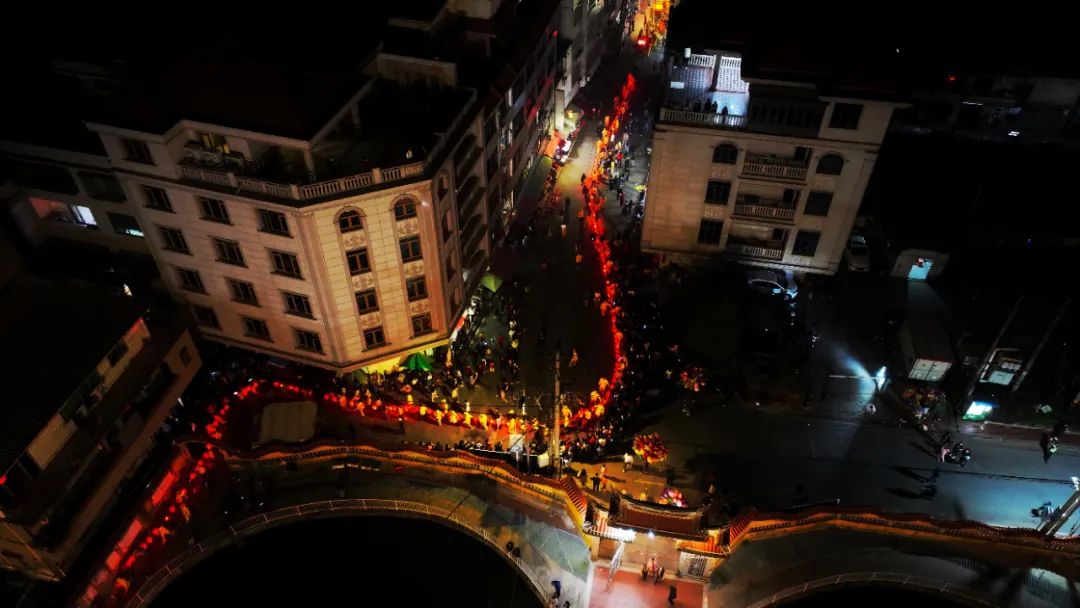
Lantern Festival (Quanzhou “Making a Bustle at Lantern Festival” Custom)
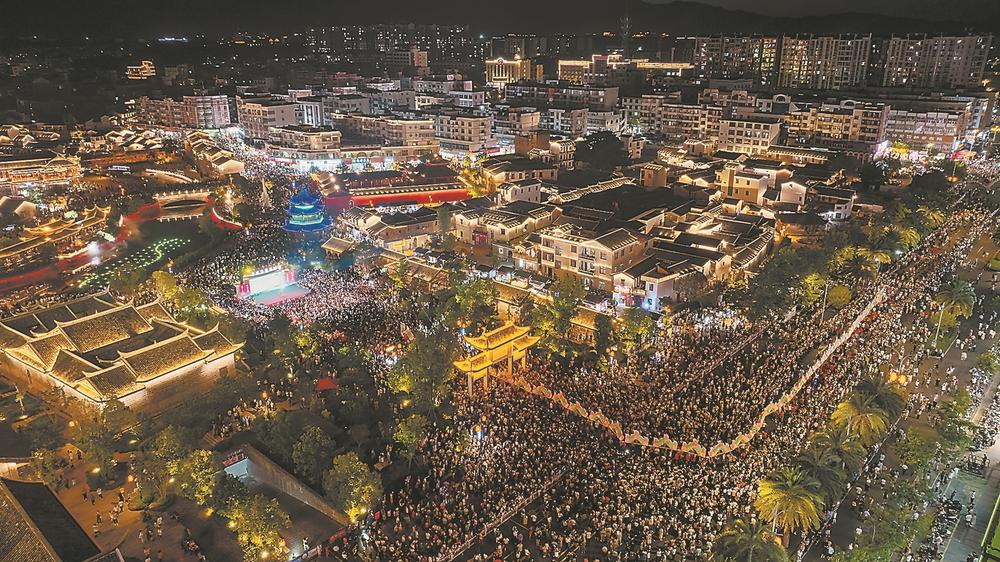
The Lantern Festival in Quanzhou, known for the custom of "Making a Bustle at Lantern Festival," is a lively and colorful celebration that takes place on the 15th day of the Chinese New Year. This tradition is renowned for its vibrant atmosphere and a wide array of lantern displays. People take to the streets in a festive mood, lighting up lanterns in all shapes and sizes, and participating in a variety of traditional activities such as lantern riddles, folk performances, and dragon dances. The custom of “Making a Bustle” refers to the excitement and energy that fills the city as locals and visitors alike gather to enjoy the beautiful and intricate lanterns, symbolizing good luck and prosperity for the coming year. This festival not only highlights the artistic craftsmanship of Quanzhou’s lantern-makers but also celebrates the rich cultural heritage of the region, offering a wonderful glimpse into the local traditions and customs during this special time of year.
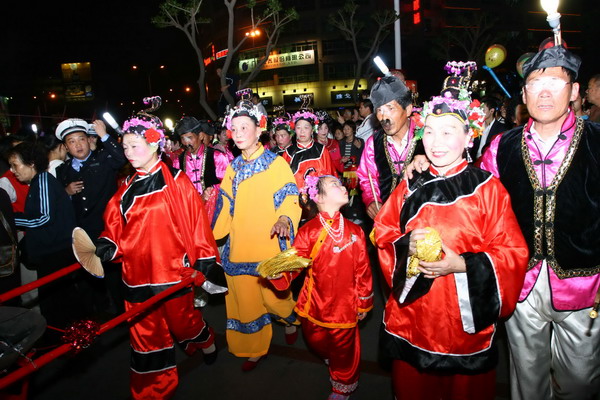
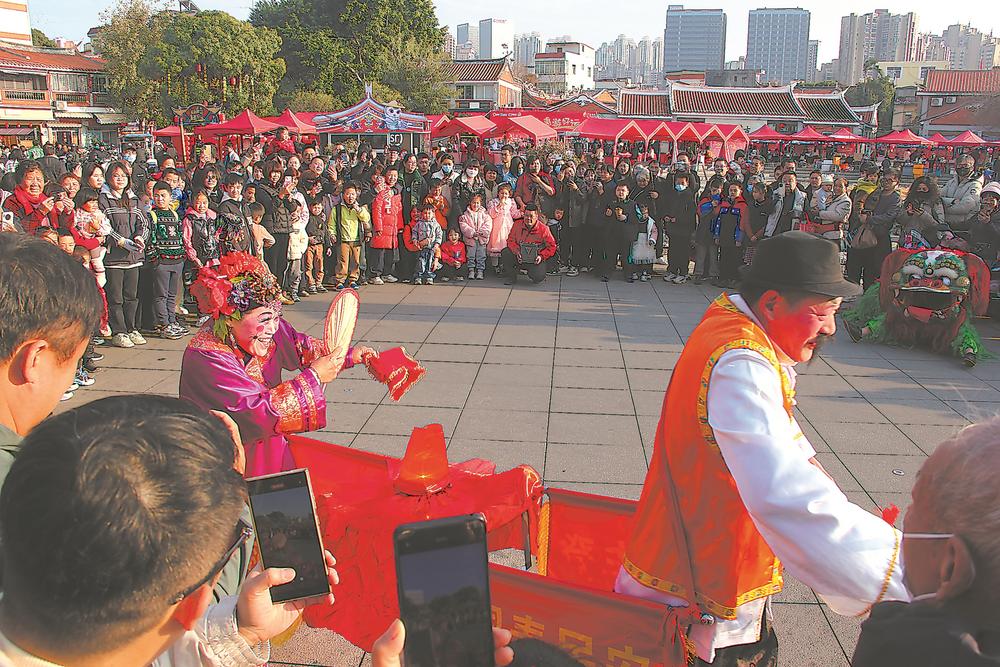
Lantern Festival (Fujian–Taiwan Dongshi Lantern Tradition)
The Lantern Festival, celebrated in the Fujian-Taiwan Dongshi region, is a unique and vibrant tradition observed on the 15th day of the Chinese New Year. This custom, deeply rooted in both Fujian and Taiwanese cultures, features magnificent lantern displays that light up the night sky, with intricate designs often representing local folklore, animals, and deities. The Dongshi Lantern Festival is particularly famous for its “lantern procession,” where people carry beautifully crafted lanterns through the streets in a colorful parade. Traditionally, these lanterns are handmade, showcasing exquisite craftsmanship and creativity. In addition to the lantern displays, the festival includes lively cultural activities such as traditional music, dancing, dragon and lion dances, and folk performances. The Dongshi Lantern Festival not only symbolizes the end of the Lunar New Year celebrations but also signifies hope, prosperity, and the arrival of a new season. It’s a joyful occasion that brings the community together, celebrating the region's cultural heritage while sharing wishes for good luck and happiness.
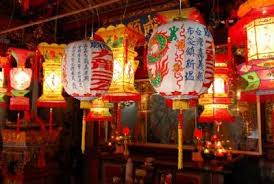
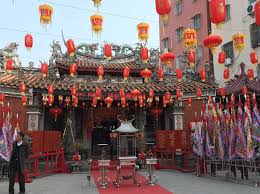
Dragon Dance (Datian Ban Deng Dragon Dance)
The Dragon Dance (Datian Ban Deng Dragon Dance) is a traditional and vibrant performance from the Datian region of Fujian, celebrated during festive occasions like the Lantern Festival and Chinese New Year. This dance features a long, colorful dragon that is expertly manipulated by a team of performers, who make the dragon “dance” in fluid and rhythmic motions. The dragon is made of bamboo, cloth, and other materials, with its length and the skill of the performers contributing to its grand appearance. The "Ban Deng" style of dragon dance is distinctive in its intricate movements, which include quick turns, leaps, and synchronized sways, symbolizing the dragon’s power and grace. The dance is often accompanied by the sounds of drums, gongs, and cymbals, adding to the excitement and energy of the performance. The dragon itself is a symbol of strength, good luck, and prosperity in Chinese culture, and the Datian Ban Deng Dragon Dance is believed to bring blessings and ward off evil spirits. This spectacular display of skill and tradition remains a highlight of local celebrations, uniting communities in the spirit of joy and festivity.
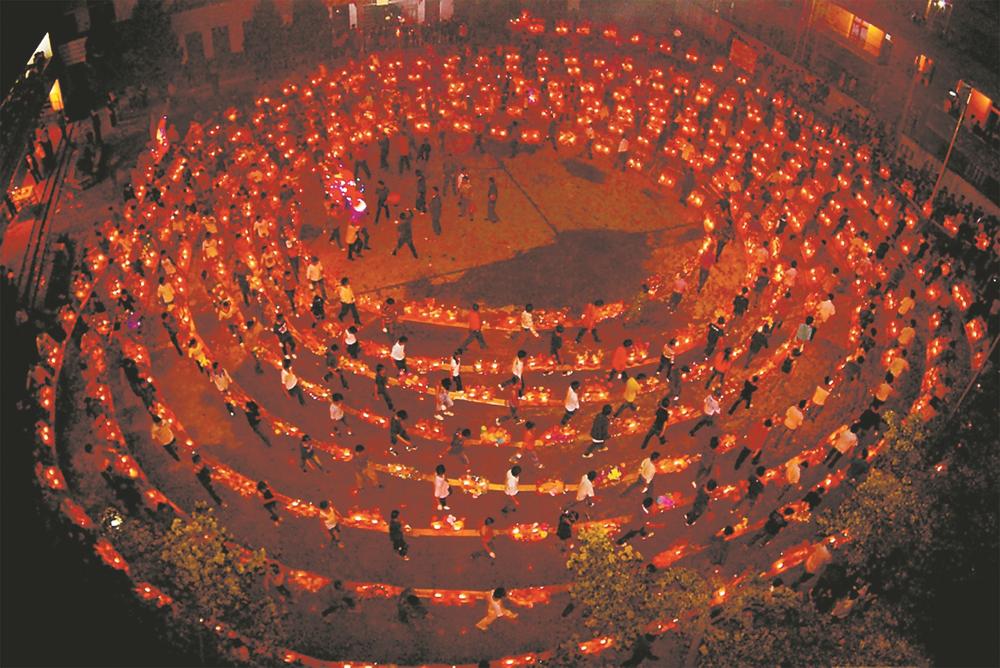
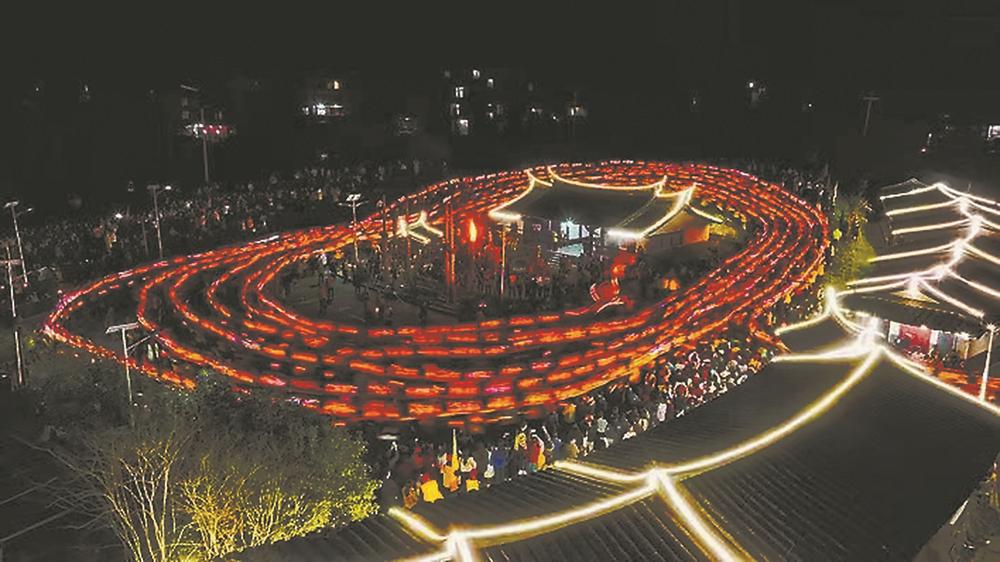
Lantern Festival (Fengting Lantern Parade Tradition)
The Lantern Festival (Fengting Lantern Parade Tradition) is a unique and vibrant celebration held in Fengting, a town in Fujian Province, China, during the Lantern Festival, which marks the fifteenth day of the Chinese New Year. This tradition is known for its spectacular lantern displays and lively parades. The main feature of the festival is the "lantern parade," where locals carry intricately designed lanterns through the streets, lighting up the night with colorful, festive lights. These lanterns, often shaped like animals, flowers, or traditional symbols, are carefully crafted by artisans and represent good luck and prosperity. During the parade, people also perform folk dances, sing traditional songs, and enjoy street performances. The atmosphere is filled with joy and excitement as the community comes together to celebrate the end of the Chinese New Year festivities. The Fengting Lantern Parade tradition not only showcases the region’s rich cultural heritage but also symbolizes the collective hope for a bright and prosperous year ahead.
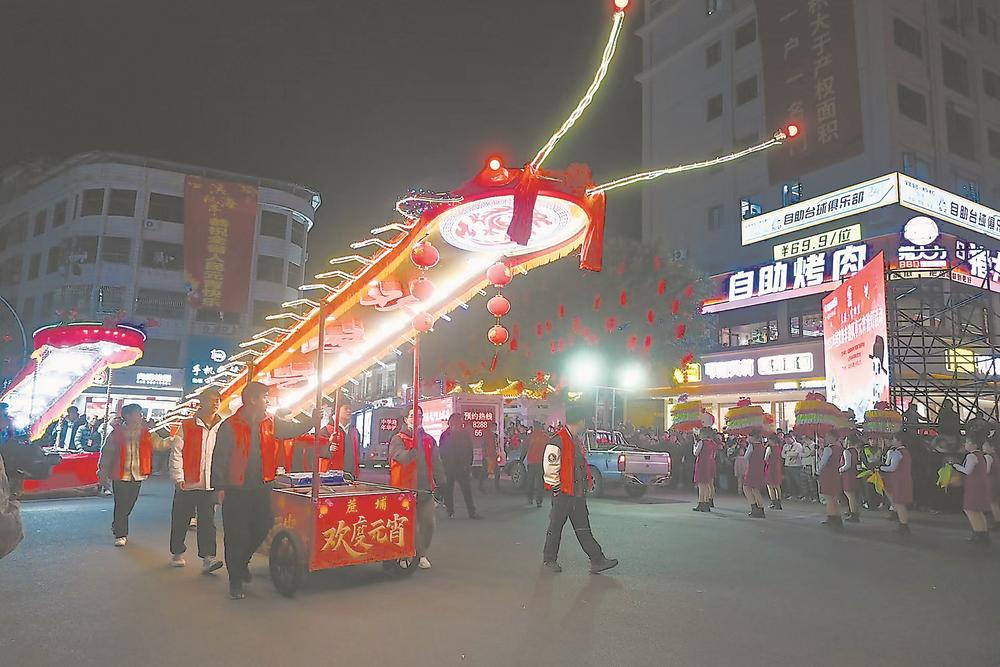

Lantern Festival (Western Fujian Hakka Lantern Festival Celebrations)
The Lantern Festival (Fujian Hakka Lantern Festival Celebration) is a vibrant and deeply rooted tradition celebrated by the Hakka people in the western region of Fujian Province, China. This festival, marking the fifteenth day of the Chinese New Year, is filled with unique customs that reflect the Hakka culture. One of the most distinctive features is the "lighting of lanterns," where families and communities display beautifully crafted lanterns of various shapes and sizes, symbolizing hope, prosperity, and good fortune for the upcoming year. In addition to lantern displays, traditional activities such as lion dances, dragon dances, and local folk performances are held, creating a lively and festive atmosphere. Special foods like sweet rice dumplings (tangyuan) are also enjoyed, representing unity and family togetherness. The Fujian Hakka Lantern Festival not only celebrates the end of the Chinese New Year but also showcases the region's rich cultural heritage, with a focus on community bonding and the preservation of traditional practices.
Prev: Gulangyu Island Xiamen: A Complete Travel Guide to China’s Most Romantic Car-Free Island
Next: Xiamen China Travel Guide: Everything You Need to Know Before visiting Xiamen
Wechat: YourWayHolidayAsia
24 Hours Hotline:
+86 137-3541-1378
* Authentic Experiences: Genuine local experiences that immerse you in the true essence of Hangzhou and beyond.
* Safety First: Highest safety standards with secure activities and reliable transportation.
* Customizable Tours: Flexible itineraries tailored to your interests and needs.
* Local Expertise: In-depth knowledge of Hangzhou and China, offering exclusive insights.
* Professional Guides: Licensed bilingual guides with over 5 years of experience.
* Comfortable Travel: Experienced drivers and well-maintained vehicles for a smooth journey.
* Sustainable Tourism: Commitment to responsible tourism and supporting local communities.
* Customer-Focused: Personalized service and continuous improvement based on your feedback.
* Free Cancellation: Cancel up to 24 hours before travel for flexibility and peace of mind.
* 24/7 Support: Round-the-clock assistance for any questions or help needed.
1 to 1 tailor-made service from our professional travel advisors for the most sophisticated
Constantly excellent reviews for attraction, hotel and service Competitive price
Local experts provide quality tours Best selected knowledgeable local guides Authentic local restaurants
7*24 hours available to create you a worry-free tour. No Hidden Fees and absolutely no pressure to buy. Secured









Copyright © 2017 Hangzhouprivatetour.com All rights reserved.