24 Hours Hotline: +86 137-3541-1378
Email:info@tripstoshanghai.com
24 Hours Hotline: +86 137-3541-1378
Email:info@tripstoshanghai.com

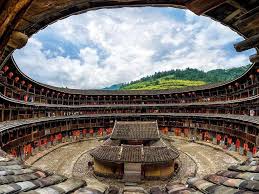
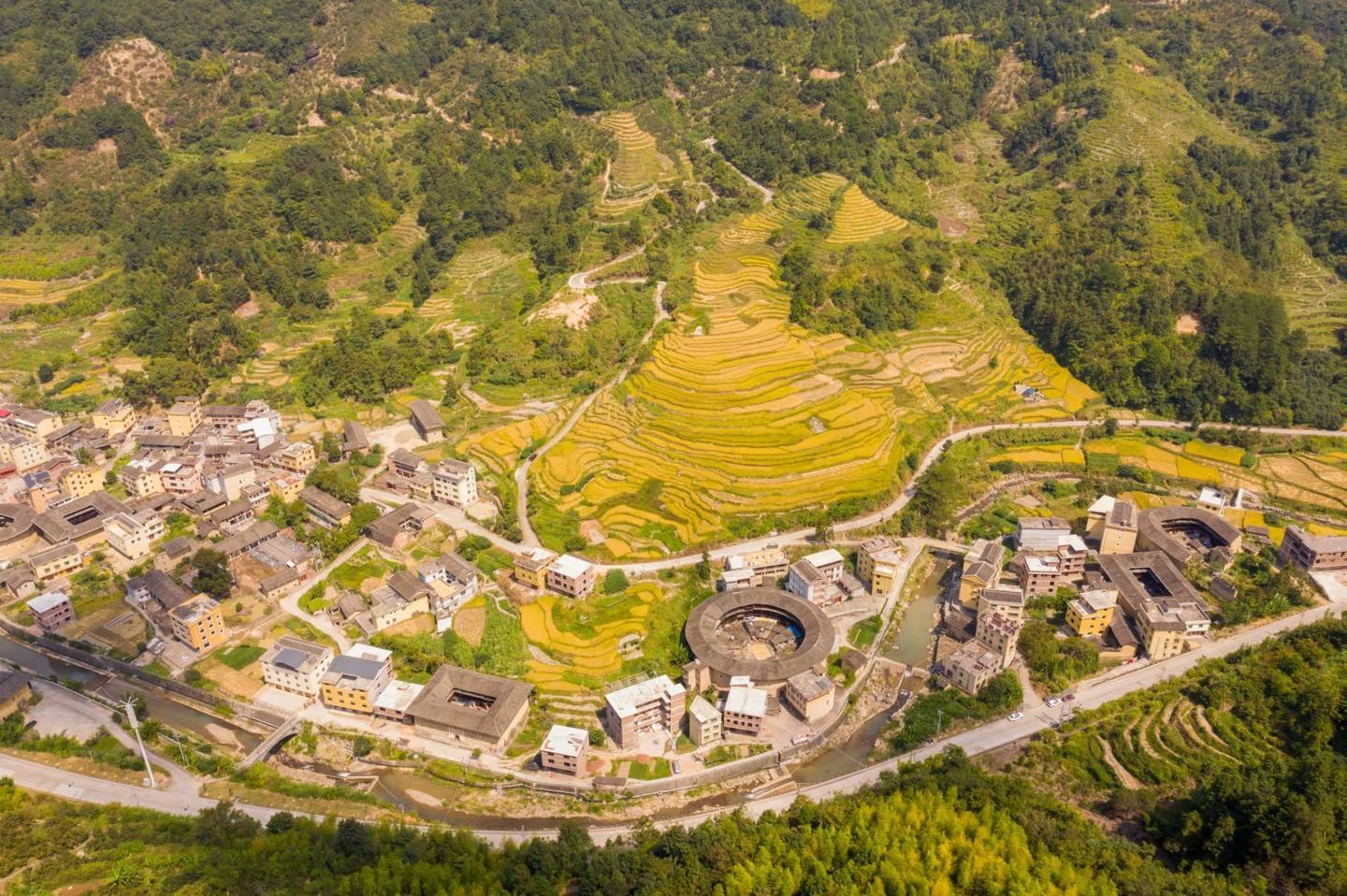
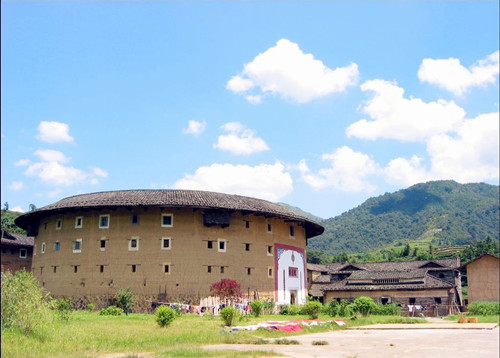
Fujian Tulou is a unique and fascinating type of traditional rural dwelling found in the Fujian province of China, particularly in the southern areas like Yongding, Nanjing. It has a history dating back over 600 years, with some buildings still inhabited today. Visiting Fujian Tulou offers a fascinating glimpse into the past, showcasing how these ancient structures have withstood the test of time while preserving the traditional way of life of the Hakka people.
Planning a visit to the Tulou villages? Check out our Detailed Travel Guide for more information on introduction to the Tulou (address, opening hours, ticket prices, etc.), transportation, highlights, recommended itineraries, dining, accommodation, and tips. Don’t miss out on exploring one of China’s most unique cultural treasures!
 2-Day Xiamen & Tulou Tour: From Island Charm to Hakka Heritage
 Fujian Tulou Private Tour: Discover the Hidden Hakka Heritage in Timeless Earth Buildings
Building Techniques
The construction techniques of the Tulou are recognized as a national intangible cultural heritage. According to Xu Songsheng, the inheritor of the Hakka Tulou construction skills, the best soil for building the Tulou is the layer of mud beneath the field's humus, with a moisture content of about 18%. The entire wall construction is the most challenging aspect of the process, requiring the walls to be "slightly slanted" and left to dry before being made perpendicular to the ground. Water-proofing is also critical in the later stages of construction.
Materials
The Tulou are built using locally sourced materials, primarily red soil (earth) mixed with materials like pine wood slats, pebbles, lime, fine sand, bamboo strips, glutinous rice paste, brown sugar, and egg whites. The roof is covered with fire-baked tiles. Therefore, constructing a large Tulou requires wealthy families to gather resources and efforts from several generations.
Layout
The first floor serves as the kitchen.
The second floor is used for storing grains and farm tools.
The third floor is the living area or bedrooms.
The first and second floors do not have windows facing outward, while the upper floors are equipped with windows.
Some Tulou also have watchtowers built at higher elevations for better visibility and defense.
 3-Day Tulou Wonders: A Comprehensive Tulou Tour from Xiamen with Hakka Heritage
 Explore Fujian's Tulou Clusters: A UNESCO Heritage Day Tour
Why Visit Fujian Tulou?
Architectural Marvel: The Tulou are an extraordinary feat of engineering. These circular and square structures were designed to withstand natural disasters such as earthquakes and fires. Their massive walls, made of rammed earth, are not only strong but also serve as a natural climate regulator, keeping the interiors cool in summer and warm in winter. Visiting these structures offers a chance to explore an architectural style unlike any other in the world.
Rich Cultural Heritage: Fujian Tulou are home to the Hakka people, a unique ethnic group with a rich cultural history. The Tulou are a living testament to the Hakka way of life, where multiple generations of families lived together in communal spaces for protection and social cohesion. The lifestyle, traditions, and festivals still practiced by locals offer visitors a glimpse into a world that has remained largely unchanged for centuries.
Scenic Beauty: The Tulou are often located in stunning landscapes, surrounded by lush mountains, terraced fields, and tranquil rivers. These picturesque settings make the Tulou not just an architectural wonder but also a great place for photography, hiking, and immersing yourself in nature. The combination of man-made and natural beauty is a significant draw for travelers seeking both history and scenic landscapes.
Cultural Experience: When you visit a Tulou, you're not just seeing a building—you're stepping into the heart of local life. Visitors can interact with Hakka families, try traditional foods, and learn about age-old practices like weaving and farming. The hospitality of the locals makes the experience even more memorable.
UNESCO World Heritage Site: Fujian Tulou have been recognized by UNESCO as a World Heritage Site for their historical and cultural significance. This recognition is a testament to their unique role in human history, and visiting these sites allows travelers to be part of something truly special.
 3-Day Xiamen & Fujian Tulou Tour: A Journey Through Culture, History, and Architecture
 3-Day Cultural Delights & Scenic Wonders: Xiamen and Fujian Tulou Tour
Top Tulou Villages Near Xiamen to Visit
Fujian Tulou is primarily concentrated in the areas of Yongding, Nanjing, Pinghe, Zhaoan, and Hua'an, with the Tulou in Yongding and Nanjing being the most well-preserved and largest in scale.
Nanjing Tulou: Yun Shui Yao, Tian Luo Keng Tulou Cluster (Four Dishes and One Soup), Ta Xia Village, Yu Chang Lou (East Leaning West Leaning Tulou), He Keng Tulou Cluster.
Yongding Tulou: Gao Bei Tulou Cluster, Hong Keng Tulou Cluster, Chu Xi Tulou Cluster, Zhong Chuan Ancient Village, Tulou Gou, etc.
Currently, the four most developed sites are:
Yongding Gao Bei Tulou Cluster
Yongding Hong Keng Hakka Tulou Folk Village
Nanjing Yun Shui Yao
Nanjing Tian Luo Keng Tulou Cluster.
These Tulou are all relatively close to each other.
I. Nanjing Tulou
Standard ticket: CNY 90 (combo ticket)
Tips: A combo ticket applies to three attractions: Yunshuiyao Ancient Town, Huaiyuan Lou, and Hegui Lou.
Opening Hours: Open all day
Yunshuiyao
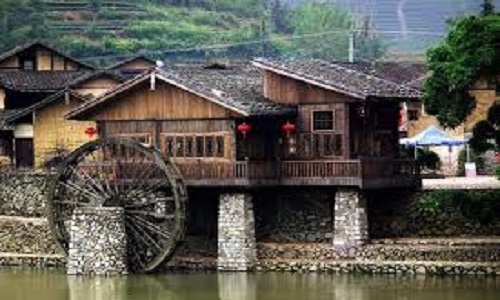
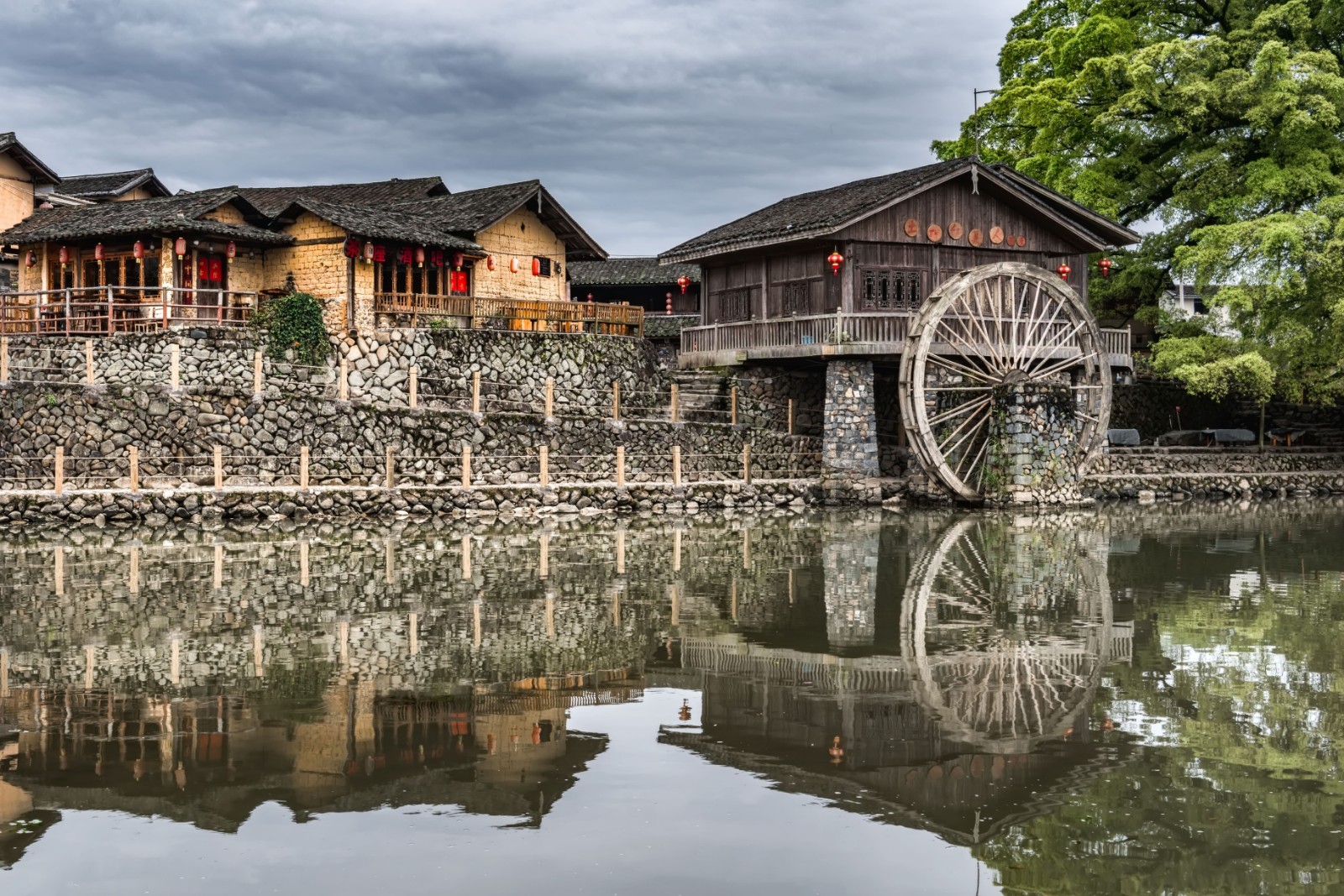
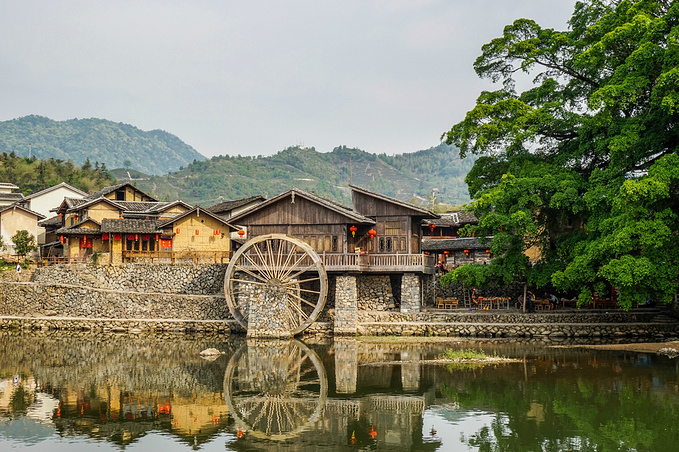
Yunshuiyao, originally named Changjiao Village, is a historic village known for its long ancient paths, centuries-old banyan trees, remarkable Tulou, and clear streams. In late 2005, the film Yunshuiyao, adapted from Searching, was shot here, bringing the village widespread fame and leading to its current name. The waterwheel built as a movie prop is still well preserved and has become a local landmark.
Along the stream stand more than a dozen ancient banyan trees, while the old street beside the stone path features rows of two-story brick-and-wood houses dating back hundreds of years, with many shops still retaining wooden plank walls. Scattered across the fields and along the stream are numerous Tulou, forming the village’s most striking scenery.
Highlights: Hegui Lou, Huaiyuan Lou, ancient paths
1. Hegui Lou
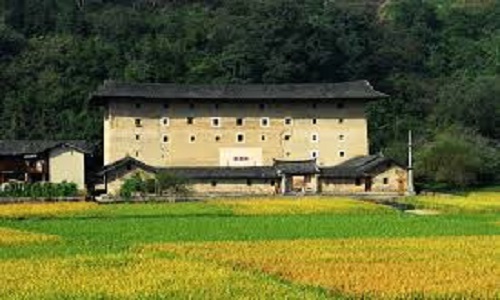
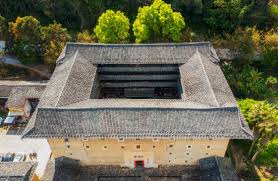
Hegui Lou is famous for its “four wonders”: it is the tallest square Tulou, built on marshland, features the unique Yin and Yang Wells, and has an extraordinary structure. Standing 21.5 meters high, it is the tallest known Tulou in Fujian and is often called the “Noah’s Ark among ancient buildings.” As a rare square Tulou built on wetlands, its foundation was reinforced with hundreds of pine logs. Even today, stomping in the courtyard can cause slight vibrations. It also inspired the design of Qiu’s home in the animated film Big Fish & Begonia.
Yin and Yang Wells: Despite being only 8 meters apart, the Yin Well is murky year-round, while the Yang Well remains crystal clear and serves as the residents’ drinking water source.
2. Huaiyuan Lou
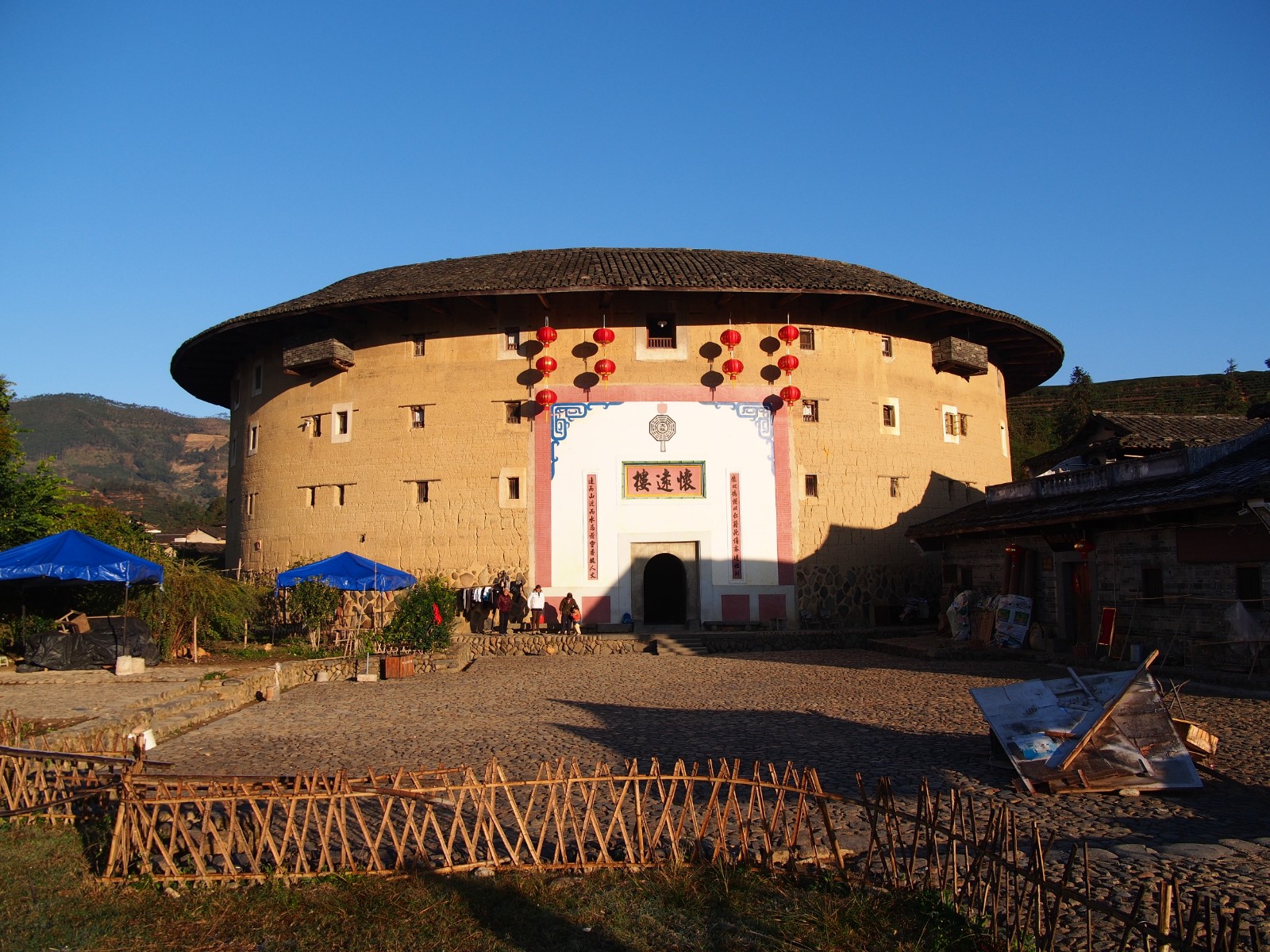
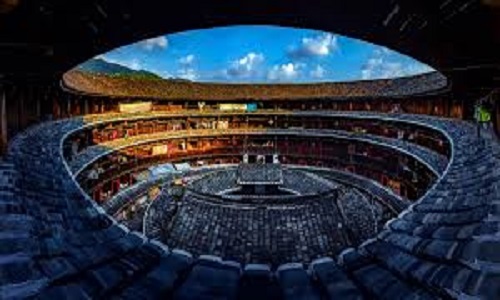
A double-ring circular Tulou renowned for its exquisite craftsmanship and excellent preservation.
The Yunshuiyao Ancient Path connects Huaiyuan Lou and Hegui Lou, passing iconic sights such as the famous banyan tree and waterwheel often seen in films.
Experiences
A Tulou Museum within the scenic area offers hands-on experiences like rammed-earth construction and puppet shows. Admission is CNY 20.
Transportation
Take a train to Nanjing Railway Station, then board a tourist shuttle outside the station (one departure per hour, CNY 25 per person, about 1.5 hours). Alternatively, transfer at Nanjing Bus Station to a Tulou shuttle (CNY 20 per person) or hire a shared car (about CNY 40 per person).
From Xiamen Hubin South Long-Distance Bus Station, take the 8:00 bus to Yunshuiyao. Fare is CNY 55, with a travel time of about 3.5 hours.
Tianluokeng Tulou Cluster
Standard ticket: CNY 100 (includes Tianluokeng Tulou Cluster, Taxia Village, and Yuchang Lou; this is a combo ticket, individual tickets for each site are not available).
Opening Hours: 07:00 - 19:00
1. Tianluokeng
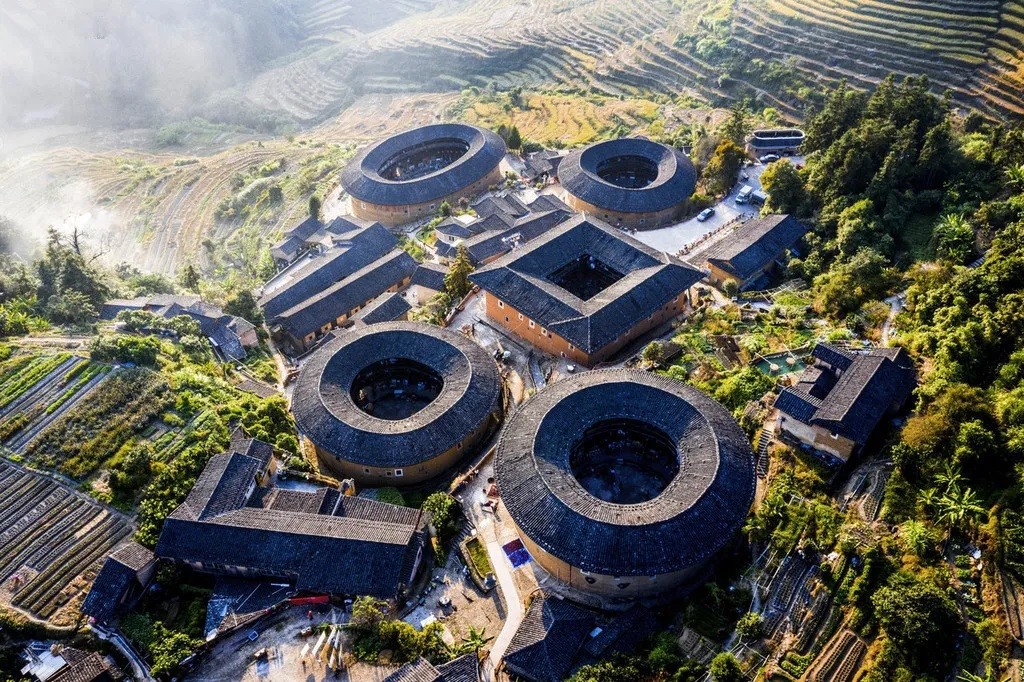
The Tianluokeng Tulou Cluster is built on the mountainside with vast, panoramic views. The layout is somewhat similar to the mountain city of Chongqing, with numerous small pathways weaving through the complex. The cluster consists of four circular buildings surrounding a square one, which is humorously referred to as "Four Dishes and One Soup." A renowned Chinese architect once wrote a poem describing it as: “From above, it resembles a flower in bloom; from the side, it resembles the Potala Palace.”
There are many ways to explore Tianluokeng – from the high vantage point, you can look down upon the entire cluster; from the ground level, you can view it from various angles, and each perspective offers a unique charm. The area is not overly commercialized, and the original inhabitants still reside in the Tulou, giving it an authentic feel.
The viewing platform offers a full view of the "Four Dishes and One Soup" layout.
Transportation
Take a train to Nanjing Railway Station, then board a tourist bus outside the station (one departure per hour, CNY 20 per person, travel time: 1.5 hours). Alternatively, take a shuttle bus from Nanjing Bus Station dedicated to Tulou routes (CNY 20 per person), or hire a car (around CNY 40 per person).
From Xiamen Hubin South Long-Distance Bus Station, take the 8:30 am bus to Tianluokeng. The fare is CNY 55, and the travel time is approximately 3.5 hours.
2. Taxia Village
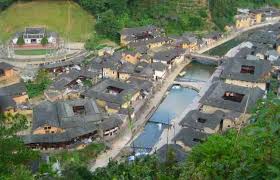
Taxia Village is a well-known hometown of overseas Chinese in Zhangzhou and one of the first 15 officially recognized Chinese Scenic Villages. Often called the “Zhouzhuang of Southern Fujian,” the village features 47 Tulou of various shapes and styles built along both sides of a stream, backed by mountains and presenting a grand, majestic view. The Tulou here are renowned for their distinctive designs and diverse architectural styles, earning the village the reputation of a “picturesque mountain Tulou settlement.”
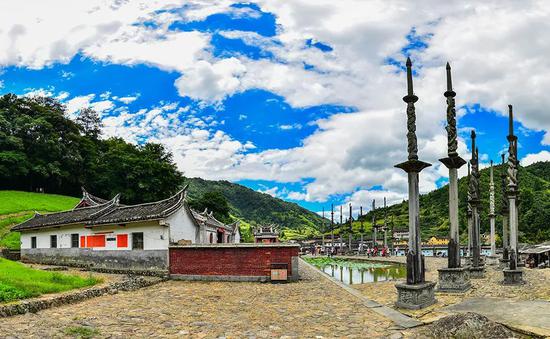
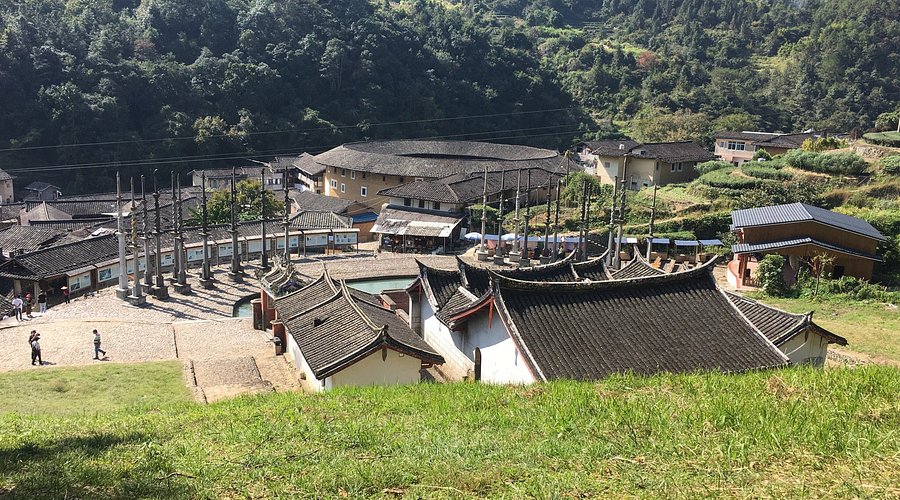
The most iconic landmark in Taxia Village is the Zhang Clan Ancestral Hall, Deyuan Hall. With a history of over 400 years, this exquisitely designed ancestral hall stands beside a pond lined with 23 carved stone dragon flagpoles. This is the largest and best-preserved group of stone dragon flagpoles in China, serving as an important historical testament to the Hakka people’s emphasis on education, moral values, and traditional culture in southwestern Fujian.
Things to Do
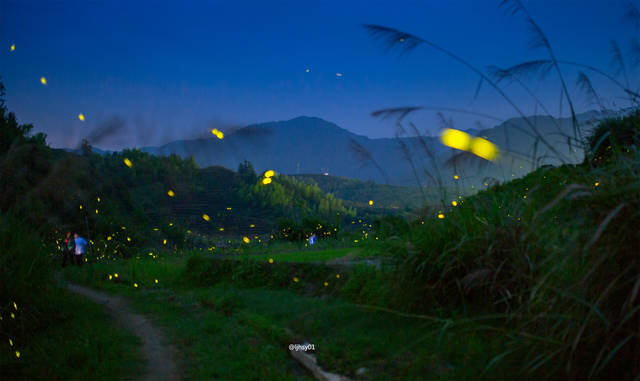
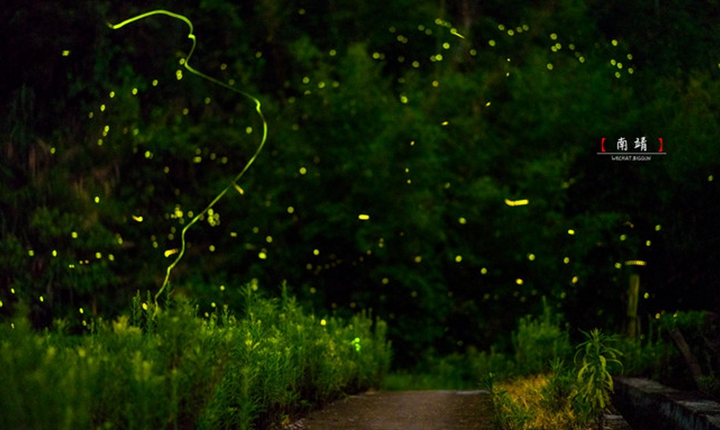
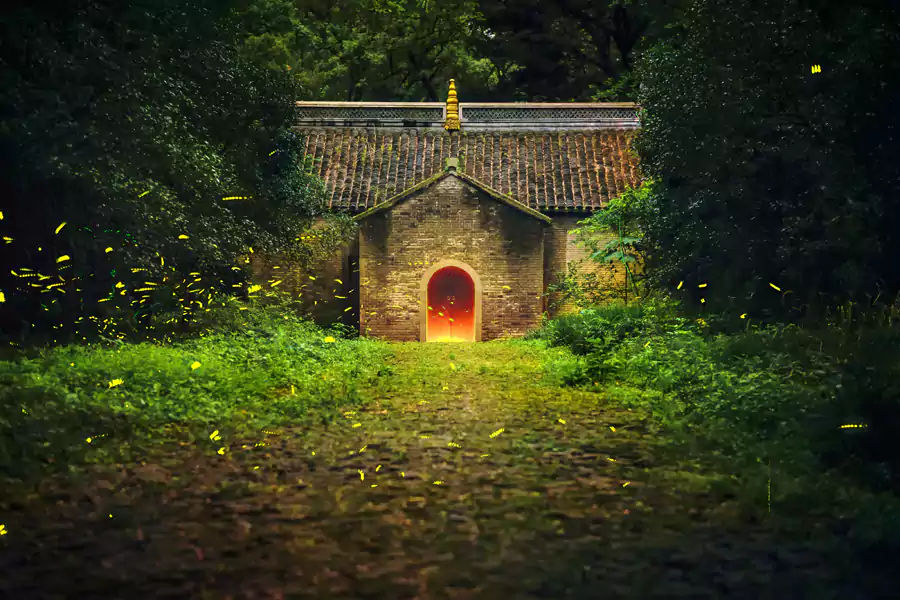
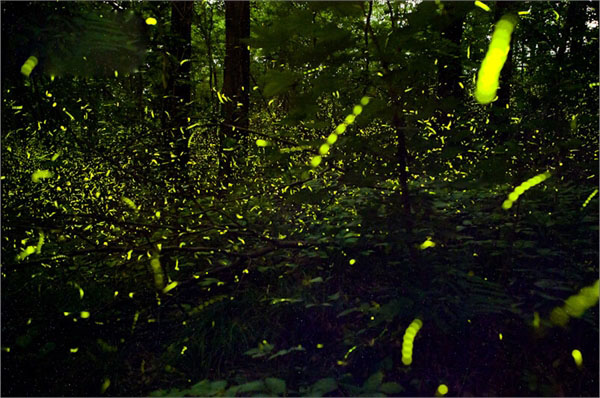
The village is divided by a small stream. Take a leisurely walk along the water to experience the slow-paced rural lifestyle, or visit the ancestral hall to trace the village’s rich history. In summer, you can also head to the nearby Firefly Dream Valley to enjoy a magical firefly-viewing experience.
Firefly Viewing Route
Drive to Taxia Village and park at the Taxia Village Dam Parking Lot. From there, walk about 600 meters to Firefly Dream Valley.
Opening Period: June 1 to August 31
Viewing Hours: 19:00–22:00
Tips
1. Fireflies are fewer on rainy days or around the full moon (around the 15th day of the lunar month), so it is best to avoid these times.
2. Firefly Dream Valley is a natural, undeveloped area with snakes and mosquitoes. Visitors must wear rain boots, which can be rented on-site. Entry will be denied without proper footwear. Long sleeves and pants are recommended to prevent mosquito bites.
3. Apply mosquito repellent before entering the viewing area. Spraying repellent inside the firefly zone may interfere with fireflies’ mating and reproduction.
4. Fireflies are completely wild and natural, so their numbers are unpredictable, and sightings cannot be guaranteed.
5. Nanjing Tulou Firefly Dream Valley Scenic Area Hotline: 400-888-5111
3. Yuchang Tulou (the “Leaning Tulou”)
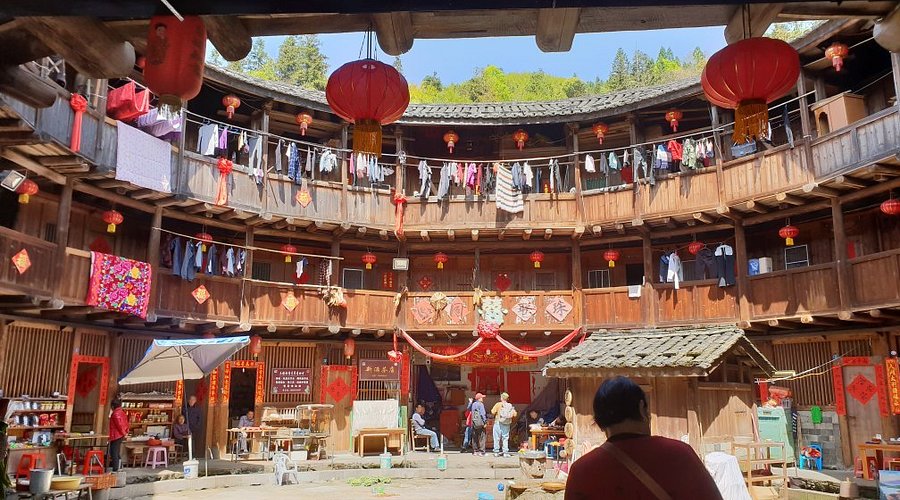
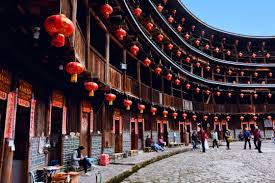
If the Leaning Tower of Pisa amazes you, the dramatically tilted Yuchang Tulou will surely impress you as well. From the outside, Yuchang Tulou looks much like other large Tulou, with nothing particularly unusual at first glance. However, once you step inside, you will notice something extraordinary: the wooden pillars are visibly leaning—those on the third floor tilt to the right, while those on the fourth floor tilt to the left. It can be startling at first, but there is no need to worry. Despite its seemingly precarious structure, Yuchang Tulou has stood firmly for over 600 years.
These centuries-old leaning pillars not only create a striking visual effect but also bear witness to Yuchang Tulou’s remarkable architectural ingenuity. As the oldest existing Tulou in Nanjing County, it is both a historical treasure and an engineering marvel.
Getting There
Yuchang Tulou can be reached by the shuttle bus within the Tianluokeng Scenic Area.
Hekeng Tulou Cluster
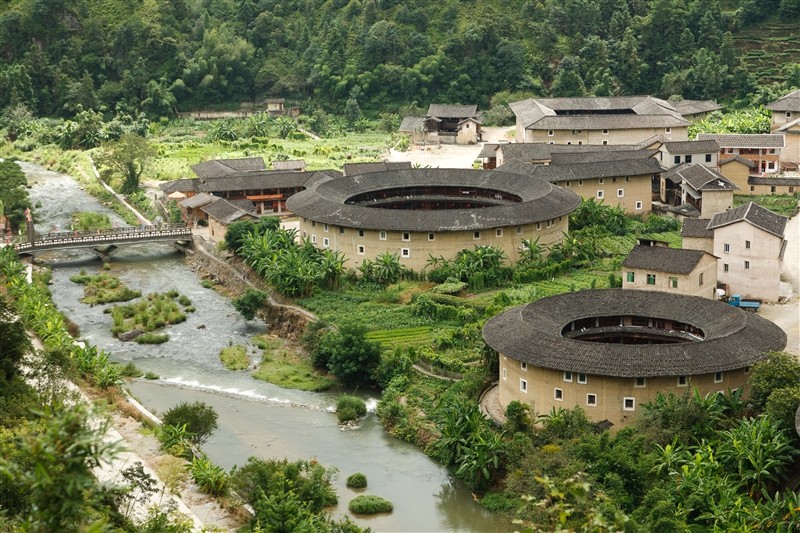
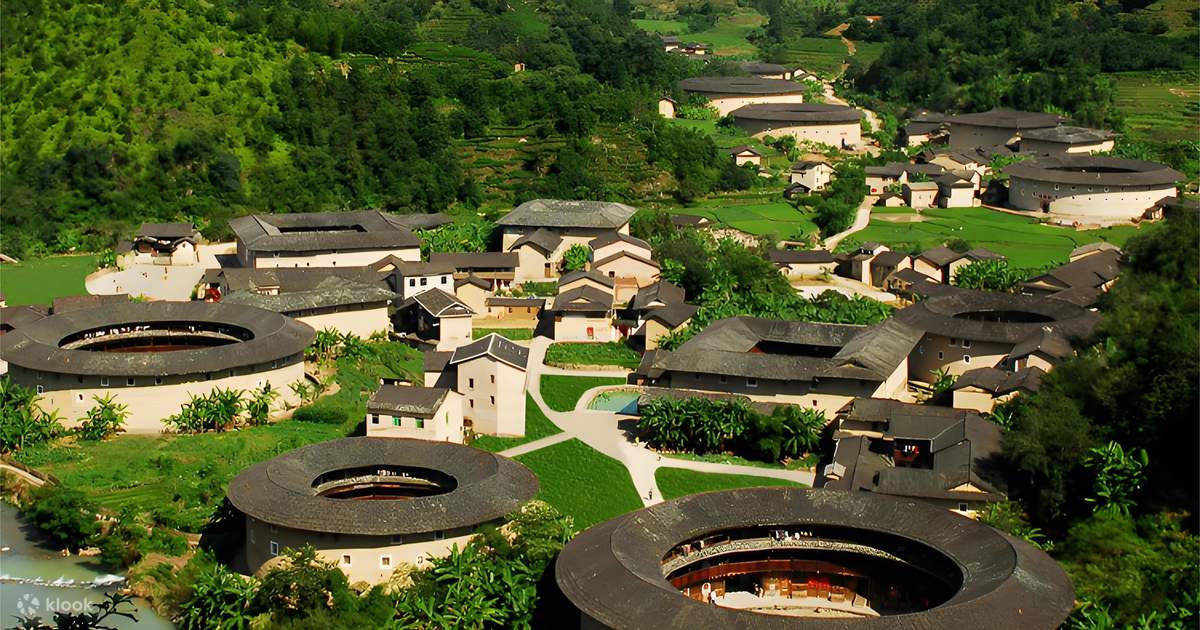
The Hekeng Tulou Cluster is located at the foot of Lion Mountain and consists of 15 Tulou of different shapes and layouts. The Lion Mountain viewpoint across the village is the best place to enjoy a panoramic view of the entire cluster. From here, you can easily spot the famous “Big Dipper” layout hidden among the buildings, as well as the two streams that meet at the base of the mountain on the left, forming the auspicious “Ding-shaped” water pattern that defines Hekeng Village’s traditional feng shui.
Admission: RMB 398
Opening Hours: 6:00–20:00
What to See & Do
Compared with other Nanjing Tulou sites, the Hekeng Tulou Cluster is less crowded and more peaceful, making it ideal for travelers seeking a quieter experience. The Tulou here are closely spaced, with rice fields and narrow paths winding between them, offering a vivid glimpse into everyday Tulou life. The cluster includes six square Tulou such as Chaosui Lou and Shengqing Lou, six round Tulou including Chungui Lou and Dongsheng Lou, and the unique pentagon-shaped Nanxun Lou. When viewed from above, their arrangement resembles the Big Dipper constellation.
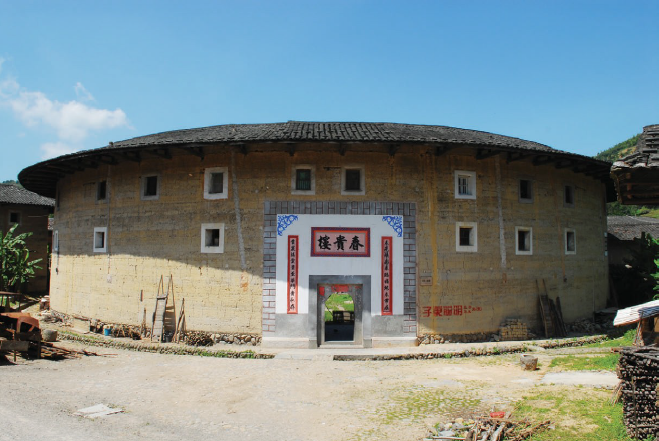
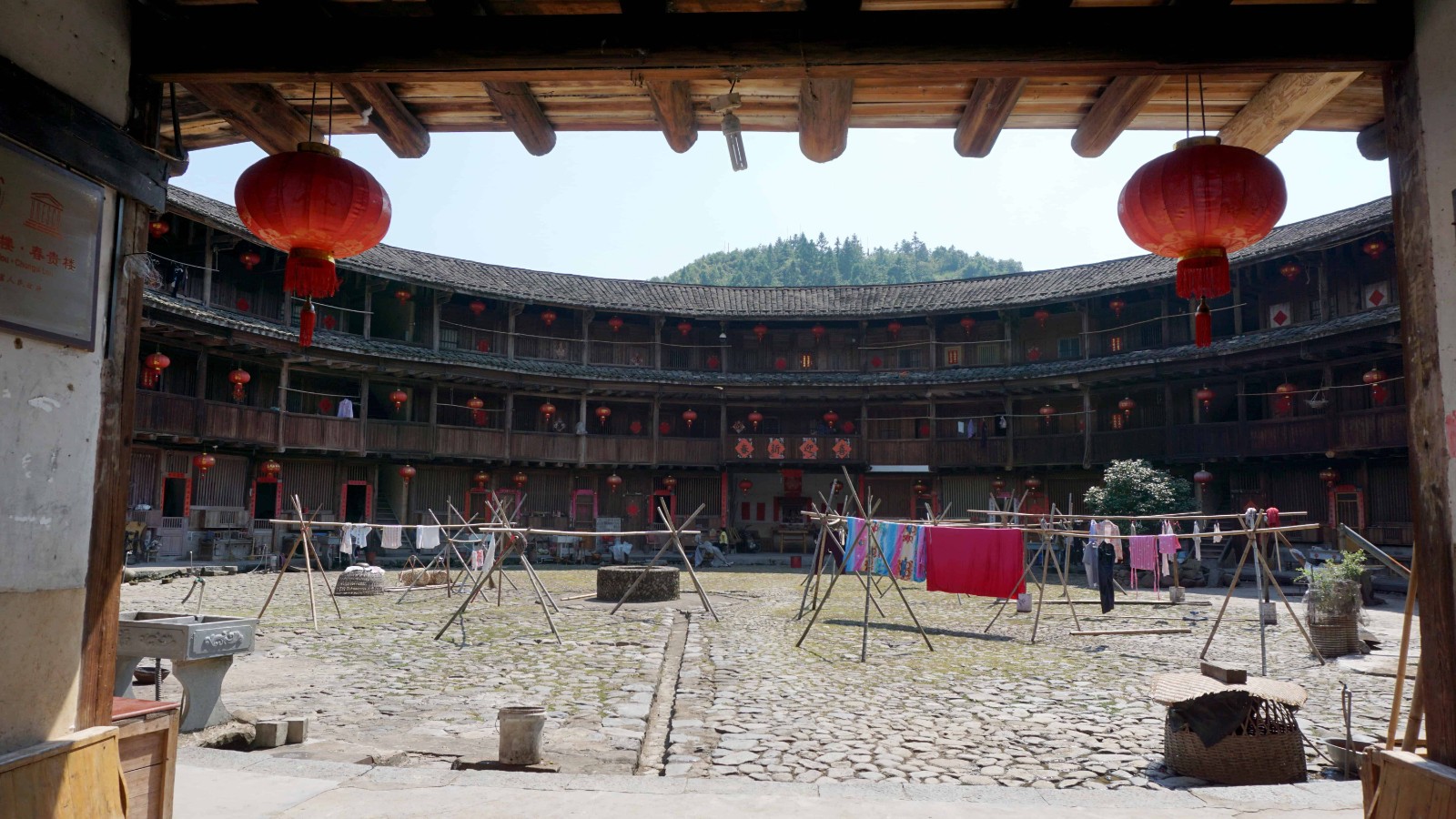
1. Chungui Lou
a three-story round Tulou, stands at the entrance of the cluster. Nearby, Shiqiao Village is an untouched, traditional Hakka settlement that preserves an authentic rural lifestyle. It is home to a Guinness record–holding “Tulou King” and a towering giant toon tree. If you want to slow down and experience local life, spending half a day exploring this area is highly recommended.
Getting There
Take a train to Nanjing Railway Station, then transfer to the tourist shuttle bus outside the station. Buses run about once an hour, cost RMB 20 per person, and take approximately 1.5 hours.
Alternatively, travel to Nanjing Bus Station and take a dedicated Tulou bus (RMB 20), or hire a private car for around RMB 40 per person.
II. Yongding Tulou
Gaobei Tulou Cluster
1. Chengqi Lou
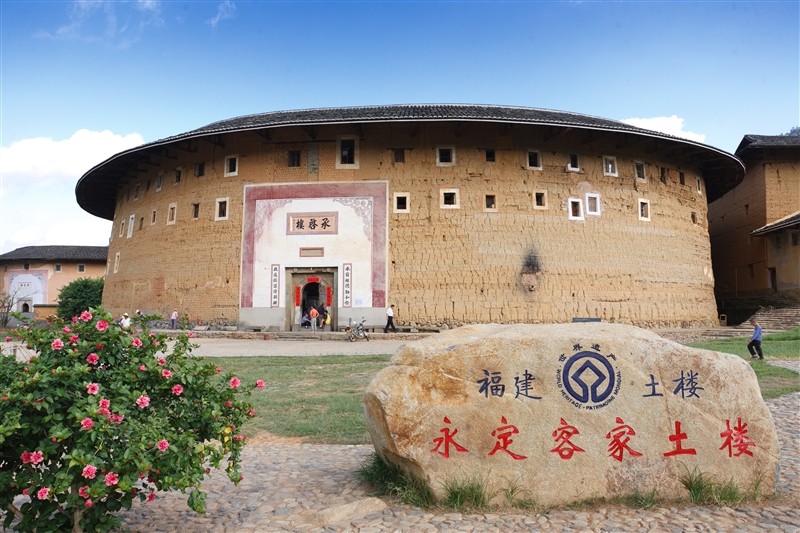
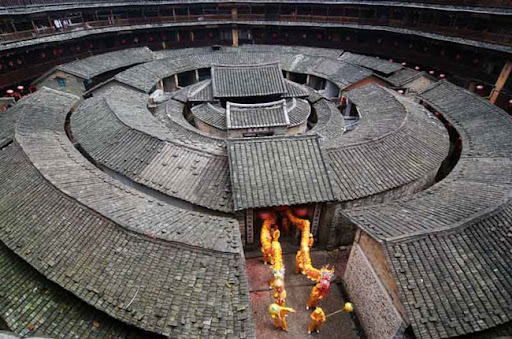
The Gaobei Tulou Cluster is home to many well-preserved Tulou, one after another. Among them, Chengqi Lou, known as the "King of Fujian Tulou," stands out as the largest and most grandiose. It is the largest Tulou in Fujian and has the most concentric circles. The building retains its original four-ring style and has remained intact for centuries. It is still inhabited by locals.
Wuyun Lou, a square-shaped Tulou, is the oldest of the group. It was built long ago and is the earliest example of Tulou construction in Fujian. Shize Lou was built due to overcrowding in Chengqi Lou, and it also has a square layout. Together with Chengqi Lou, they form a beautiful architectural harmony, with one square and one round, perfectly aligned along a line.
Transportation: Take the bus from Yongding to Gaotou.
Admission: RMB 50 per person
Opening Hours: 8:00–19:00
Hongkeng Tulou Folk Culture Village
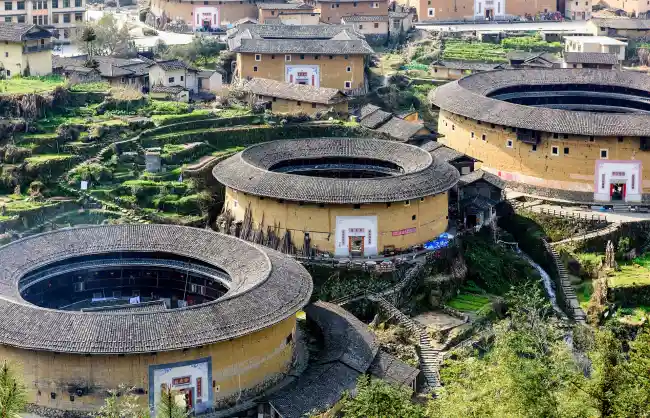
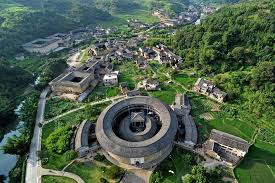
Hongkeng Tulou Cluster is located in Hongkeng Village, Hukeng Town, Yongding County. Formed from the late Song Dynasty to modern times, it is home to more than 100 Hakka Tulou of over 30 different types, including round Tulou, square Tulou, palace-style Tulou, Five-Phoenix Tulou, and mansion-style Tulou, making it the most diverse Tulou cluster in terms of architectural styles and forms. If Yongding is regarded as an open-air museum of Chinese Tulou dwellings without walls, then Hongkeng Tulou Folk Culture Village is a condensed museum showcasing the essence of Yongding Hakka Tulou.
This once-ordinary rural village has gained worldwide recognition for preserving more than 30 Hakka Tulou of varying sizes and shapes. Highlights include the magnificent Zhencheng Lou, known as the “Prince of Tulou,” the smallest round Tulou Risheng Lou, the Potala Palace–style Kuiju Lou, the mansion-style Fuyu Lou, and Jingyang Lou, which features the thickest earthen walls.
Transportation: Tickets to Hukeng Tulou Folk Culture Village are available at Yongding Bus Station.
Admission: RMB 90
Opening Hours: 7:00–19:00
Chuxi Tulou Cluster
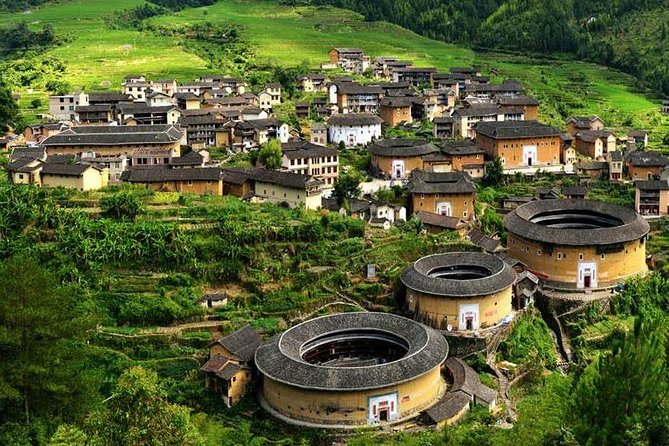
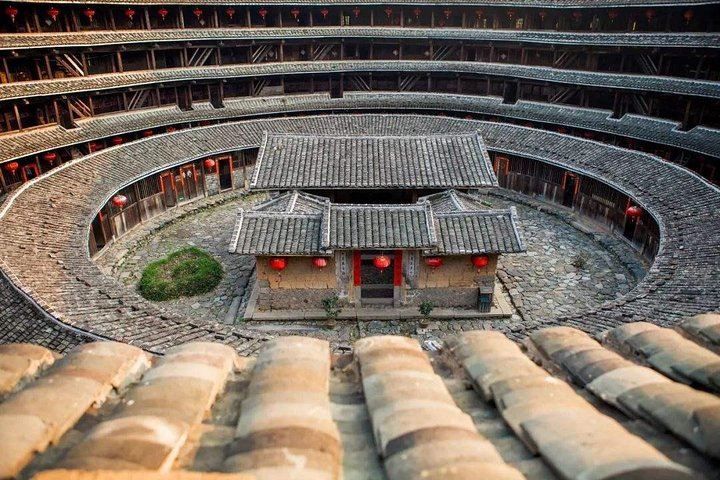
The Chuxi Tulou Cluster is located in Chuxi Village, Xiayang Town, Yongding County. It consists of five round Tulou and dozens of square Tulou, set against mountains and streams in a well-balanced and picturesque layout with high aesthetic and artistic value. Among them, Jiqing Lou was built in the 17th year of the Yongle reign of the Ming Dynasty (1419) and has a history of more than 580 years, making it one of the oldest circular Hakka Tulou still in existence. With relatively few visitors, Chuxi retains a more authentic and tranquil atmosphere. It is an ideal place for travelers who wish to experience the natural scenery of western Fujian and the traditional Tulou lifestyle.
Transportation: Hire a local car at Xiayang Town Bus Station, approximately RMB 80
Admission: RMB 70 per person
Opening Hours: 8:00–17:30
Zhongchuan Ancient Village
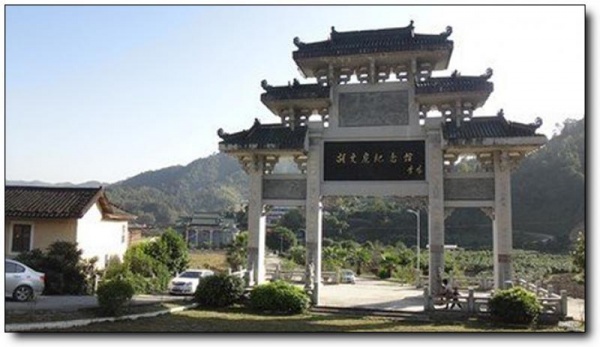
Zhongchuan Ancient Village is located in Zhongchuan Village, Xiayang Town, Yongding County. The village has a population of fewer than 3,000 residents, yet more than 20,000 overseas Chinese originate from here, earning it the reputation of a “village of scholars and warriors.” Remarkable cultural achievements have emerged from this small village, such as “five imperial scholars from one family,” “three generations producing four high-ranking officials,” and “father-and-son scholars.” In modern times, it has produced many notable figures, including tin magnate Hu Zichun, patriotic overseas Chinese leader Hu Wenhu, Republican-era political advisor Hu Zhaoxiang, artist Hu Yichuan, diplomat Hu Chengfang, and global newspaper tycoon Hu Xian. Historians refer to this phenomenon as the extraordinary “Zhongchuan Cultural Phenomenon.”
Highlights: Key attractions include the Zhongchuan Cultural Exhibition Hall, the Tangzi Pavilion Scenic Area, and the Tiger and Leopard Pagoda.
Transportation: Take a bus from Yongding to Xiayang Town, then get off at Xiayang; fare is RMB 10 per person
Admission: RMB 30
Opening Hours: 8:00–17:30
Tulou Valley (Nanxi Tulou Valley)
Nanxi Tulou Valley features a long and narrow landscape, with rolling mountains rising on both sides. Five Tulou villages and more than one hundred Tulou of various shapes stretch for over 10 kilometers. Scattered among terraced fields, mountain valleys, and winding streams, these Tulou vary in size, height, and layout, forming a spectacular scene often described as a “ten-mile-long Tulou valley.” From a distance, the entire area resembles a mighty dragon winding through the mountains, creating a truly magnificent and unique cultural landscape.
Highlights
One of the must-see sights is Zhenfu Lou, known as the “Tulou Princess.” It earns this title for its perfect harmony between natural scenery and local culture, offering graceful yet grand views. In summer, visitors can also enjoy river rafting in Tulou Valley, experiencing a rare and refreshing adventure surrounded by historic Tulou.
Transportation
From the Hongkeng Tulou Cluster, you can take a covered motorbike taxi to reach Tulou Valley for around RMB 20.
Admission
Nanxi Tulou Cluster ticket: RMB 50 per person, including Zhenfu Lou, Yanxiang Lou, and Huanji Lou.
Opening Hours:9:00–17:00
How to Get from Xiamen to Tulou
By Car
Yunshuiyao Tulou Cluster (150 km)
Drive: ~2.5–3 hours
Taxi/Charter: ~CNY 450–500
Tianluokeng Tulou Cluster (155 km)
Drive: ~3 hours
Taxi/Charter: ~CNY 470–520
Hekeng Tulou Cluster (155 km)
Drive: ~3 hours
Taxi/Charter: ~CNY 470–520
Gaobei Tulou Cluster (160 km)
Drive: ~3 hours
Taxi/Charter: ~CNY 480–530
Hongkeng Tulou Cluster (165 km)
Drive: ~3–3.5 hours
Taxi/Charter: ~CNY 500–550
Chuxi Tulou Cluster (200 km)
Drive: ~4 hours
Taxi/Charter: ~CNY 600–650
Tip: Taxi/charter prices are approximate and may vary depending on vehicle type, time, and driver.
By High-Speed Train/Train from Xiamen
Xiamen Railway Station
Address: Intersection of Xiamen Avenue and Hudong Road
Main Services: Departure and arrival services for the Fuzhou-Xiamen high-speed trains and regular passenger trains.
1. Xiamen - Nanjing Tulou (High-Speed Train)
Duration: 30 minutes - 1 hour
Timetable: 7:06 AM - 8:09 PM
Price:
Business Class: CNY 100
First Class: CNY 50
Second Class/No Seat: CNY 30
2. Xiamen - Yongding Tulou (Train)
Duration: 3.5 hours
Timetable: Daily, Train K230, 17:26 PM - 21:02 PM
Price:
Soft Sleeper: CNY 118.5
Hard Sleeper: CNY 78.5
Hard Seat/No Seat: CNY 32.5
Xiamen North Station
Address: Located in Jimei Houxi, outside the island, next to Xiamen University of Technology.
Main Services: High-speed trains from various locations to Xiamen.
1. Xiamen North - Nanjing Tulou (High-Speed Train)
Duration: 30 minutes - 50 minutes
Timetable: 12:42 AM - 20:09 PM
Price:
Business Class: CNY 93.5
First Class: CNY 51
Second Class/No Seat: CNY 31.5
2. Xiamen North - Yongding Tulou (Train)
Duration: 3.5 hours
Timetable: Daily, Train K230, 17:06 PM - 21:02 PM
Price:
Soft Sleeper: CNY 118.5
Hard Sleeper: CNY 78.5
Hard Seat/No Seat: CNY 32.5
Official Train Ticket Booking Website: http://www.12306.cn
Afterward, you can take a taxi from the train station to the various Tulou clusters.
Guided Tours
If you're looking to make the most of your visit to the Tulou areas, a guided tour can offer numerous benefits, from convenience to deeper insights into the history and culture of the area.
Benefits of Taking a Guided Tour
1. Expert Knowledge: Professional guides provide detailed explanations of the unique history, architecture, and cultural significance of the Tulou, helping you better understand their purpose and design.
2. Convenience: Tours include transportation, often eliminating the stress of navigating public transport or arranging a car rental.
3. Time-Saving:Guided tours are typically well-organized, ensuring you can visit the key Tulou sites in a single day without wasting time figuring out logistics.
4. Cultural Immersion: Guides often introduce you to local customs, traditions, and even hidden gems around the Tulou areas that you might miss on your own.
Itinerary Options
Option 1: Nanjing Tulou Highlights Day Tour ("Panoramic + Poetic" Combination)
Route:
Morning arrival - Tianluokeng Viewing Platform (overlooking the "Four Dishes and One Soup" panoramic view) - Yuchang Lou (the "Leaning East-West Tower") - Taxia Village (small bridges, flowing water, lunch) - Afternoon visit to Yun Shui Yao Ancient Town (Hegui Lou, Huaiyuan Lou, ancient banyan tree and waterwheel) - Return in the evening.
Transport Key: This route covers three separate scenic areas, so hiring a private car is the most efficient way to complete it.
Option 2: Yongding Tulou Classic Day Tour ("Kingdoms + Folklore" Combination)
Route:
Morning arrival - Gaobei Tulou Cluster (Chengqi Lou, Shize Lou, Wuyun Lou) - Afternoon visit to Hongkeng Tulou Folk Culture Village (Zhencheng Lou, Kuiju Lou, Rushing Lou, watch folk performances) - Return in the evening.
Transport Key: The two scenic areas are not far apart, but there are a few kilometers between them. A private car or self-drive is ideal for the best experience.
Option 3: Tulou Deep Cultural Two-Day Tour (Recommended)
Day 1: Arrive in Nanjing, visit the Tianluokeng line (Tianluokeng + Yuchang Lou + Taxia Village), overnight stay at Taxia Village or Yun Shui Yao.
Day 2: Morning visit to Yun Shui Yao line, then drive to Yongding in the afternoon to visit Gaobei Tulou Cluster or Chuxi Tulou Cluster (more authentic), return in the evening.
Transport Key: This is a cross-county tour, and hiring a private car is the most practical and comfortable way to complete the journey.
 Explore Fujian Tulou on a Xiamen Day Tour: Tianluokeng, Yuchanglou & Taxia Village Experience
 5-Day Explore Gulangyu Island and Hakka Traditions: Xiamen Heritage Tour
What to Expect During Your Visit
Making Hakka Rice Cake:
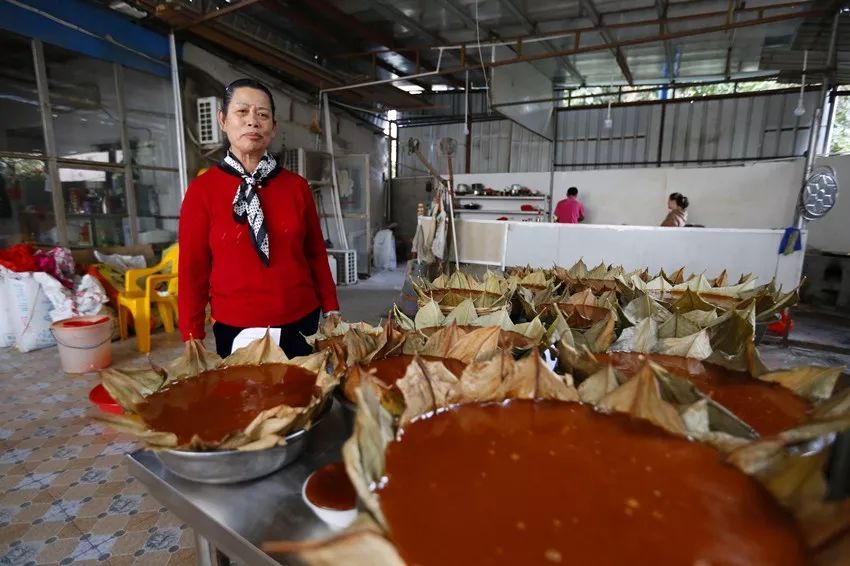
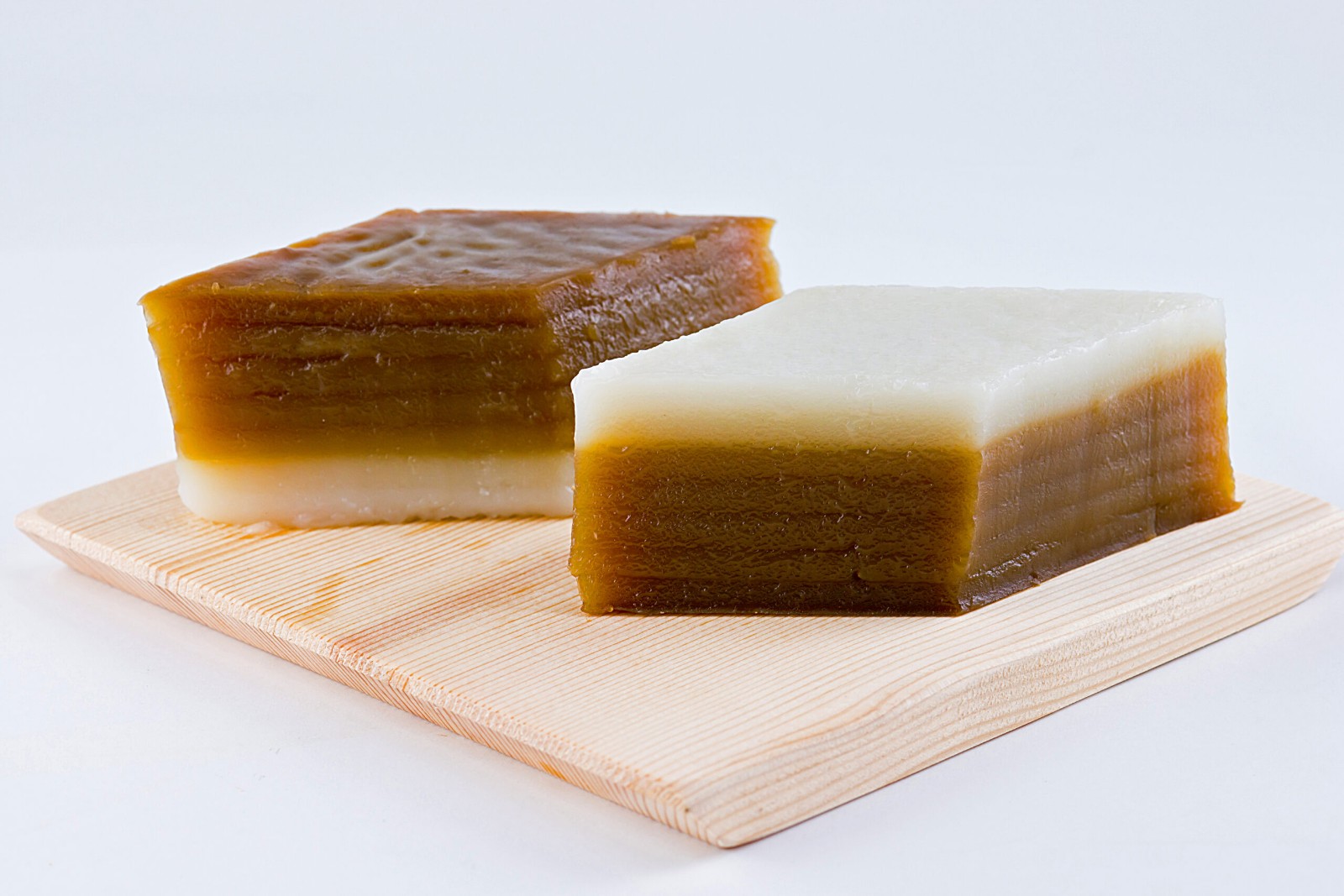
Making Hakka rice cake is a traditional hands-on activity using glutinous rice and brown sugar. You can steam the rice, pound it with a wooden mallet into a sticky dough, mix in sugar, and shape it into small pieces. The process lets you feel the rhythm of rural craftsmanship while tasting a freshly made local dessert. It’s a simple but memorable way to connect with Hakka food culture.
Learning Rammed Earth Craft:
Rammed earth building is the core technique behind Tulou architecture and is still practiced in its traditional form. You place damp earth into wooden frames and compact it rhythmically with wooden tools, layer by layer. Through this experience, you gain insight into how the Hakka people used natural materials to construct massive, durable homes. The craft reflects both engineering wisdom and cultural heritage passed down for centuries.


Drinking Hakka Lei Cha:
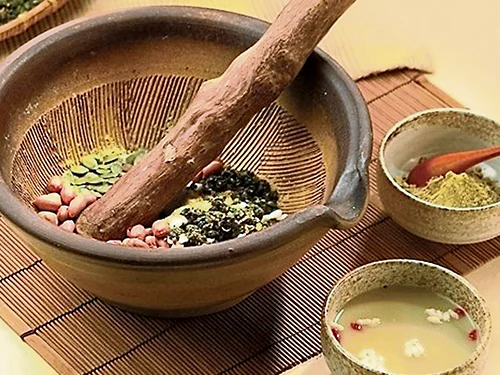
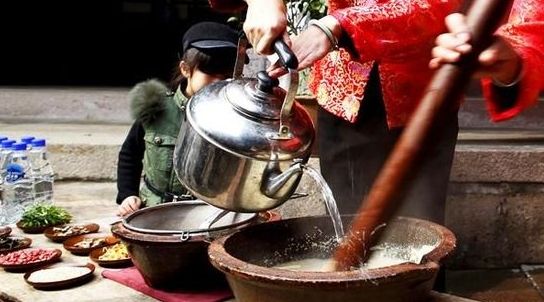
In a Tulou village, you can experience authentic Hakka lei cha, a drink with hundreds of years of history. Tea leaves, peanuts, sesame, herbs, and grains are ground slowly in a clay bowl, then mixed with hot water into a rich, fragrant paste-like tea. You can join the grinding process and enjoy the earthy aroma as it develops. Lei cha is more than a drink — it represents hospitality, sharing, and community in Hakka life.
Watching Fireflies in Taxia Village (Summer):
On summer nights in Taxia Village, watching fireflies becomes a quiet, dreamlike nature experience. Walking along the stream into the dark countryside, you’ll see glowing fireflies drifting like floating stars. With almost no city lights, only insects, water sounds, and flickering light remain. It’s perfect for slowing down, photography, and appreciating the pure natural beauty of Tulou village life.
Cultural Performances:
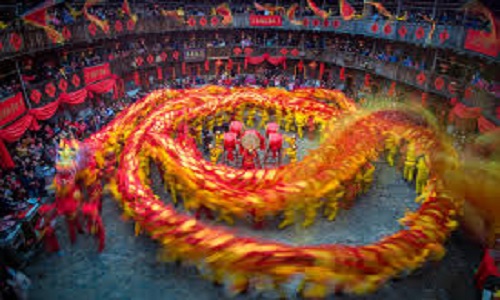
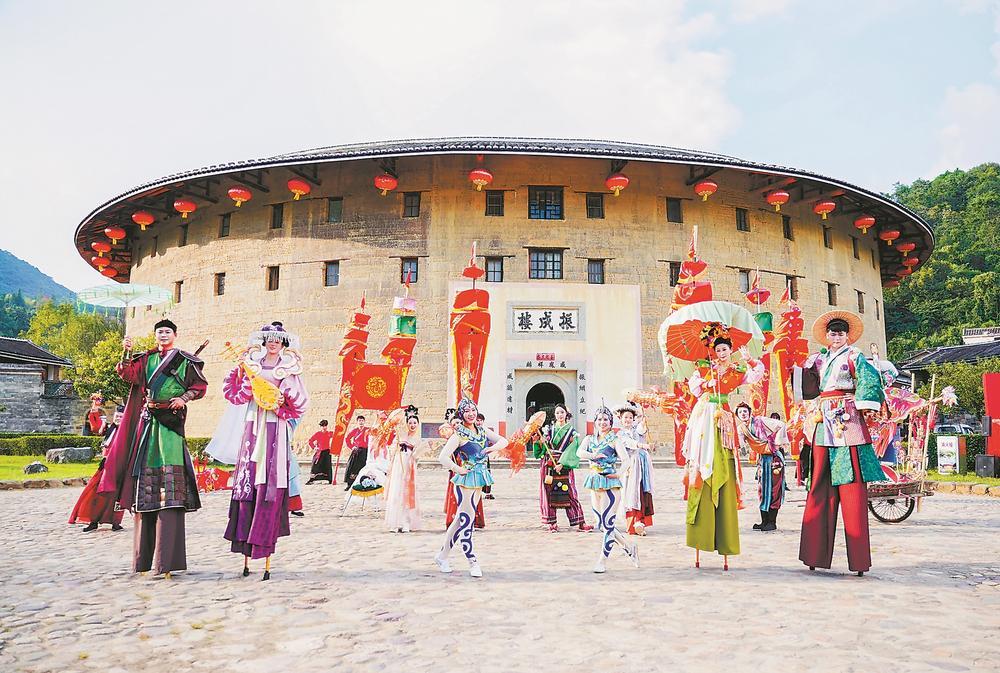
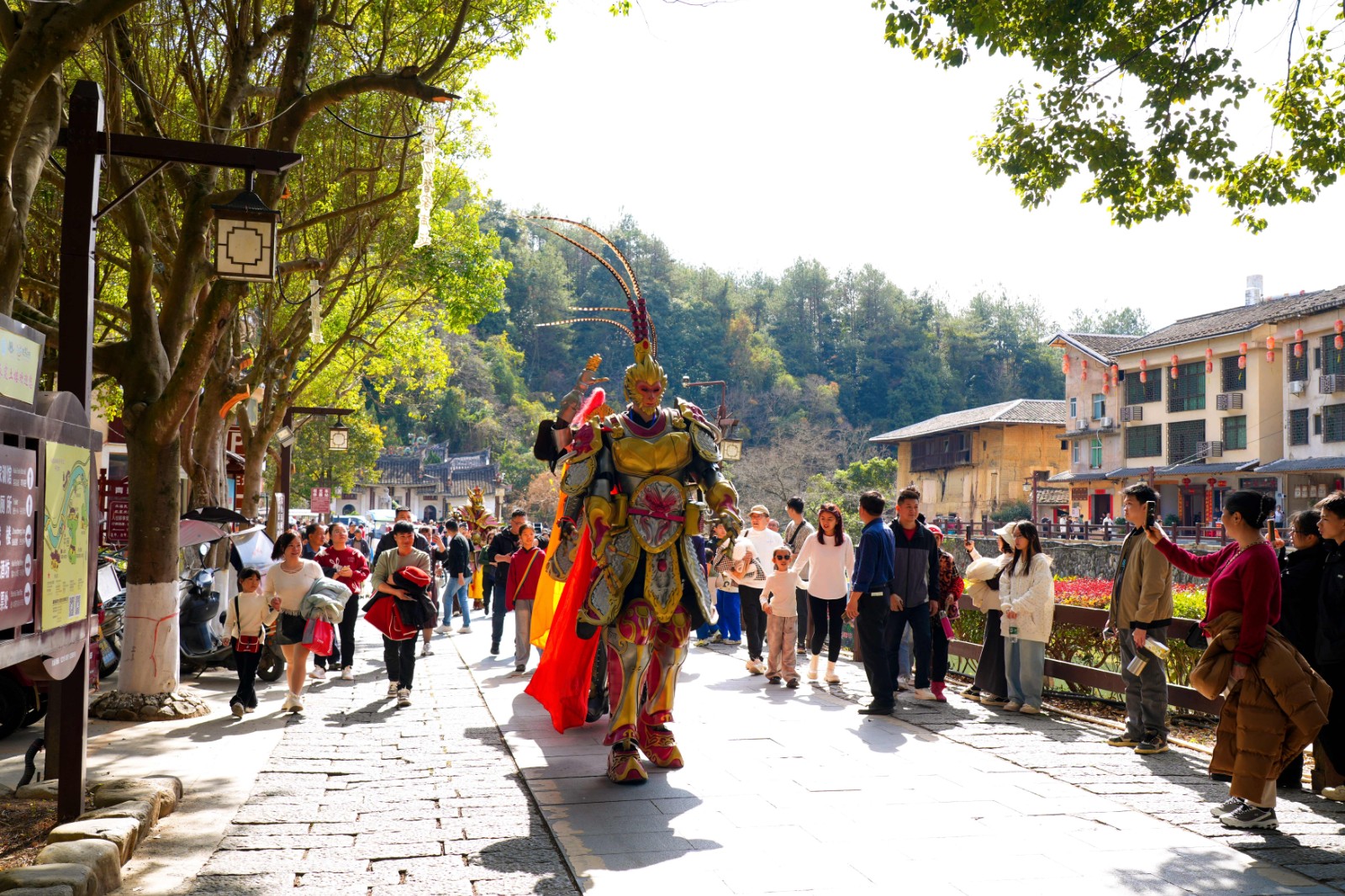
In the Fujian Tulou villages, you can enjoy traditional folk performances such as stilt walking, acrobatics, stilt drama, and puppet shows, immersing yourself in the rich cultural atmosphere. Puppet shows, in particular, are a unique traditional art of Fujian, where skillful puppetry and delicate techniques bring ancient stories to life. These performances offer a deeper understanding of Hakka life and culture, as if you were traveling back in time to an ancient era.
Hiking & Photography:Many clusters are surrounded by rice terraces, rivers, and hills, making it perfect for hiking and panoramic photography.
Village Life: Interact with villagers to see how families live in these massive communal homes, learn about Hakka customs, and understand the social and cultural importance of the Tulou.
Local Cuisine
Visiting the Tulou region is not just about architecture, it’s a feast for the senses! Expect to taste authentic Hakka cuisine, which is hearty, flavorful, and rooted in local traditions:
Yongding Tulou Cuisine
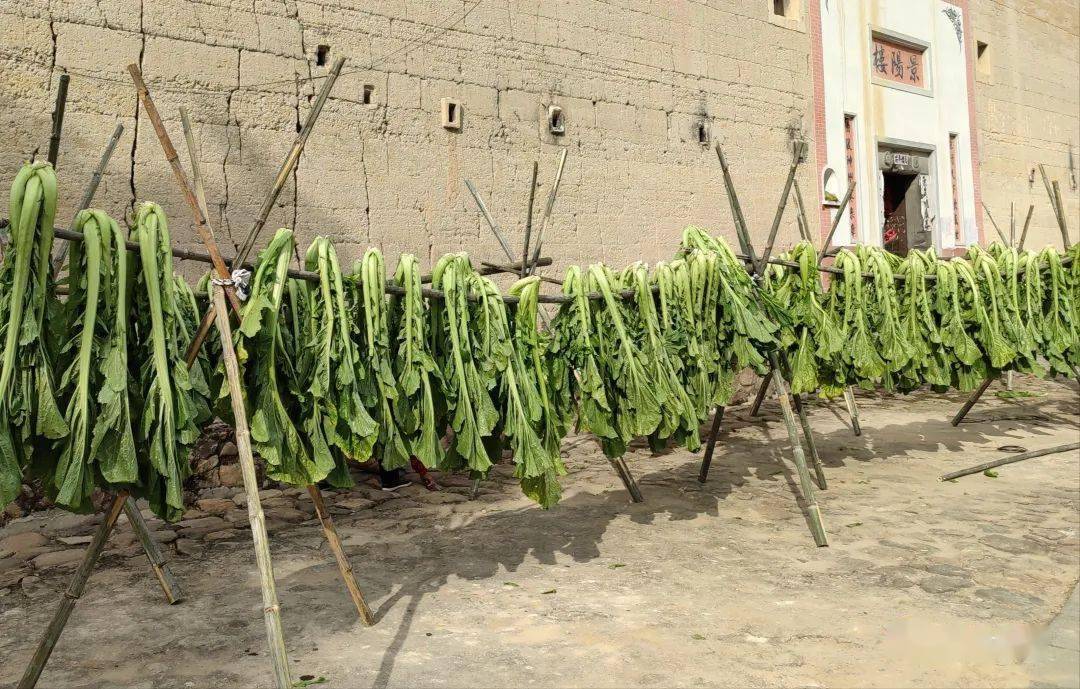
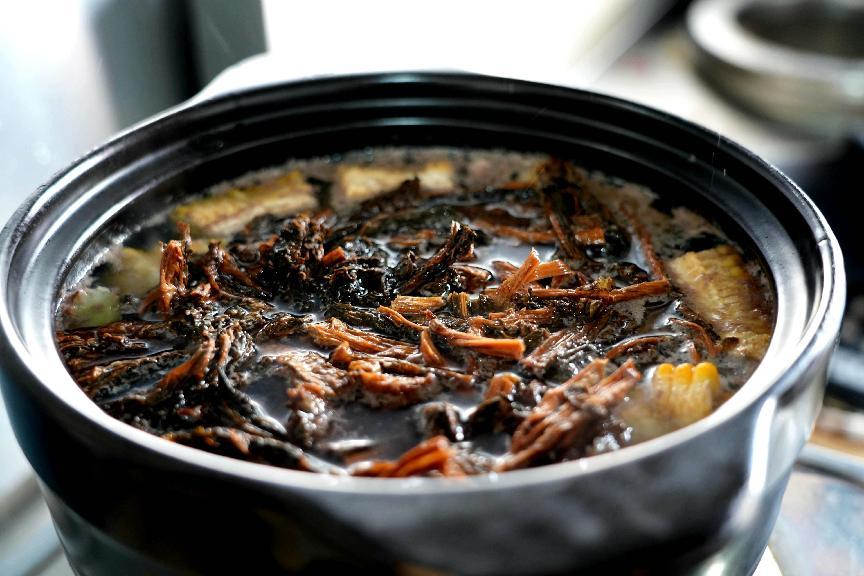
1. Yongding Dried Vegetables: Made from mustard greens, the leaves are dried for 1-2 days until soft, then steamed and dried repeatedly (three times or more). The dried vegetables are then cooked with meat to add fragrance and reduce greasiness, leaving a lasting aftertaste.
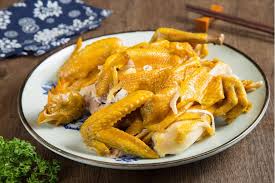
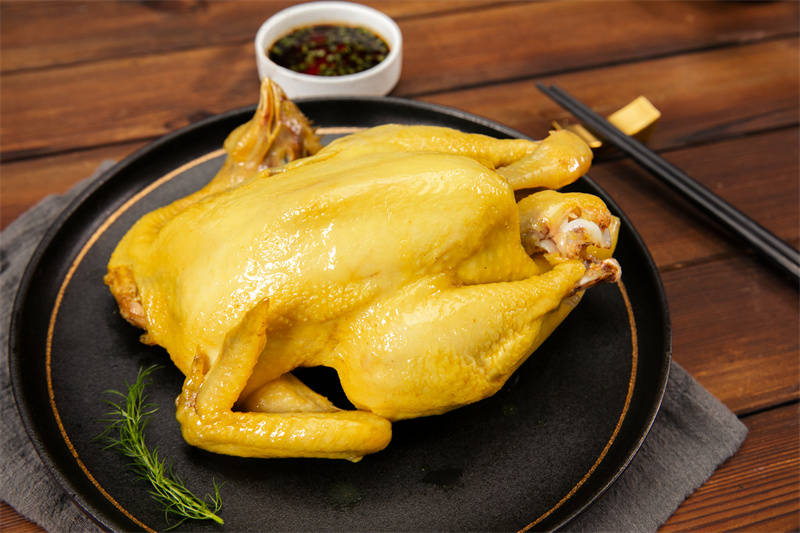
2. Salt-Baked Chicken: Salt is a key feature of Hakka cuisine. In the mountains, a strong taste and salt-based cooking methods evolved. The chicken is stuffed with ginger and scallions, wrapped in gauze, and covered with coarse salt. The heat from the salt makes the chicken skin golden and the meat tender, with salt bringing out the chicken's sweetness.
3. Beef Meatballs: In the mountainous region of western Fujian, Hakka people raise yellow cattle and water buffalo, making beef a staple. Hakka beef meatballs are smaller, firmer, and chewier than those from Chaozhou, with a distinctive texture.


4. Taro Dumplings: Taro is made into a semi-transparent skin mixed with cassava starch, filled with diced bamboo shoots and minced meat. Eating taro dumplings on New Year’s Eve is a cherished tradition in Yongding, a nod to Central Plains culinary customs.
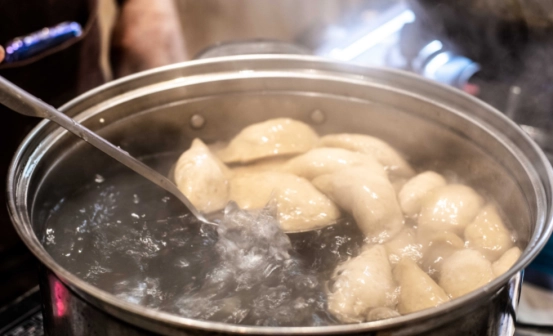
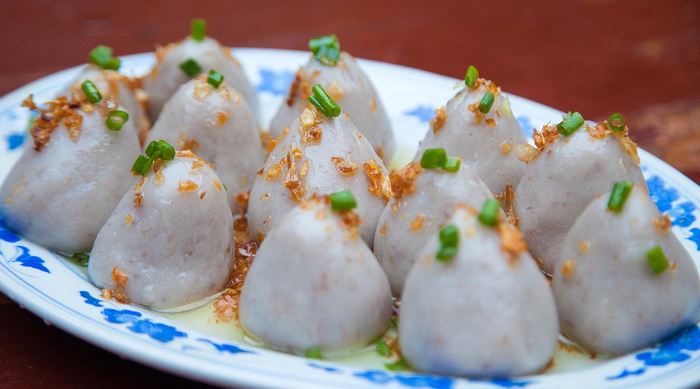
5. Stuffed Vegetables: "Stuffed vegetables" is a Hakka cooking technique. Due to the difficulty of farming grains in the mountains, the Hakka people invented stuffing, using fillings like minced meat and creative "skins" such as eggplant, tofu, bitter melon, and even pomelo rind.

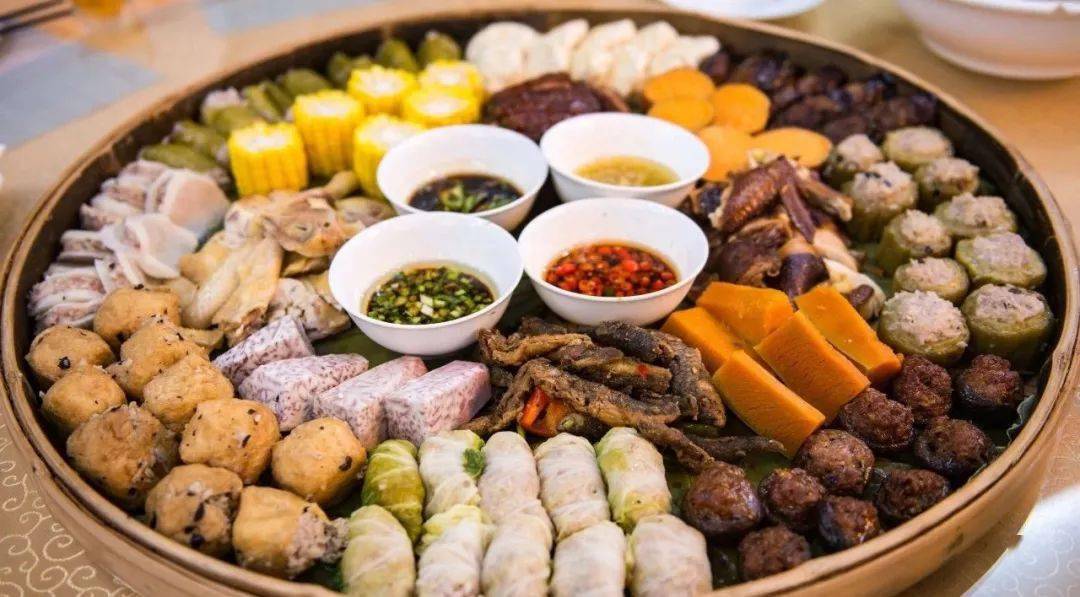
6. Lampstand Cake: With a history dating back to the Yuan and Ming dynasties, this snack is made from rice and soybeans, mixed with flour, filled with shredded radish, and deep-fried. It's a popular fried treat in western Fujian.


Nanjing Tulou Cuisine
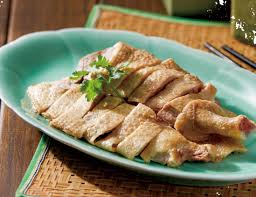
1. Jianmei Duck (Saltwater Duck): Raised in rocky mountain streams, these ducks eat wild grass and creek creatures, resulting in lean, tender meat with thin skin. The Hakka's marinating techniques make this dish a Hakka favorite.
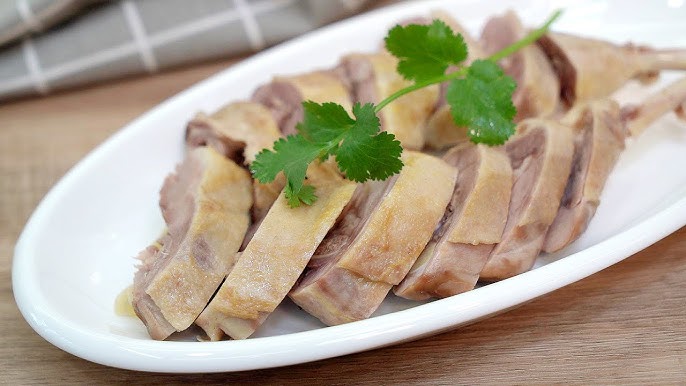
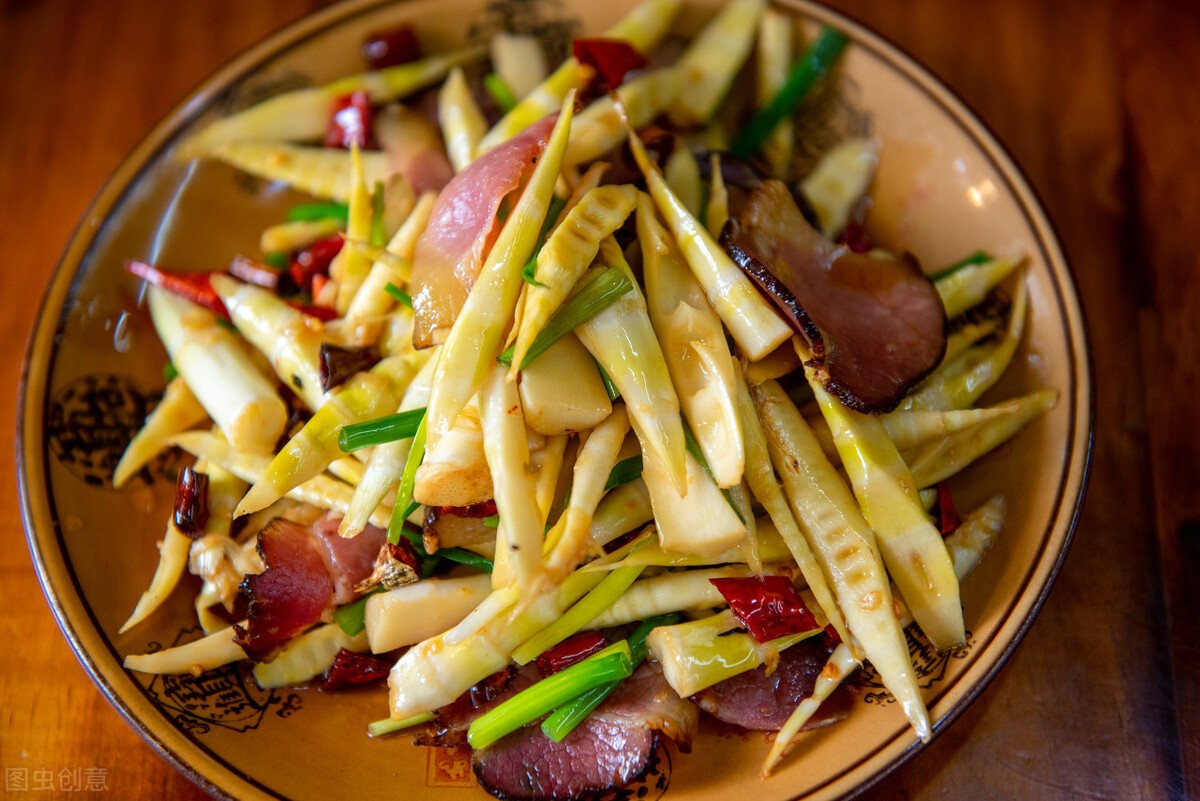
2. Winter Bamboo Shoots: A winter gift from the mountains, bamboo shoots are fresh and crispy. They’re often stir-fried, braised, steamed, or chilled for a simple, refreshing taste.

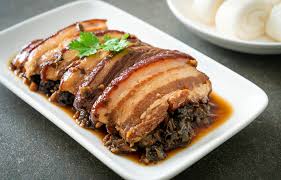
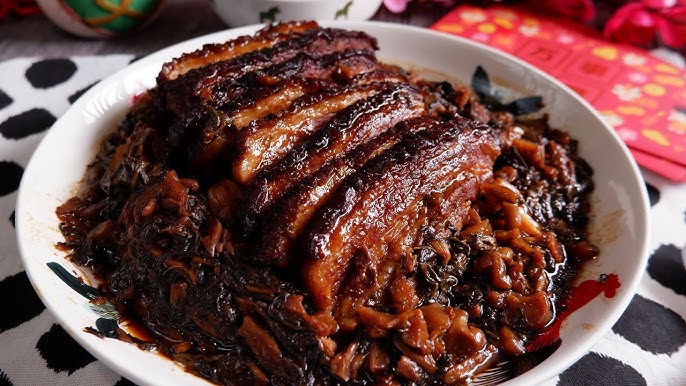
3. Meicai Kou Rou (Braised Pork with Pickled Mustard Greens): Made with local pickled mustard greens and wild pork, this dish blends tender pork with fragrant mustard greens for a savory, slightly sweet flavor.
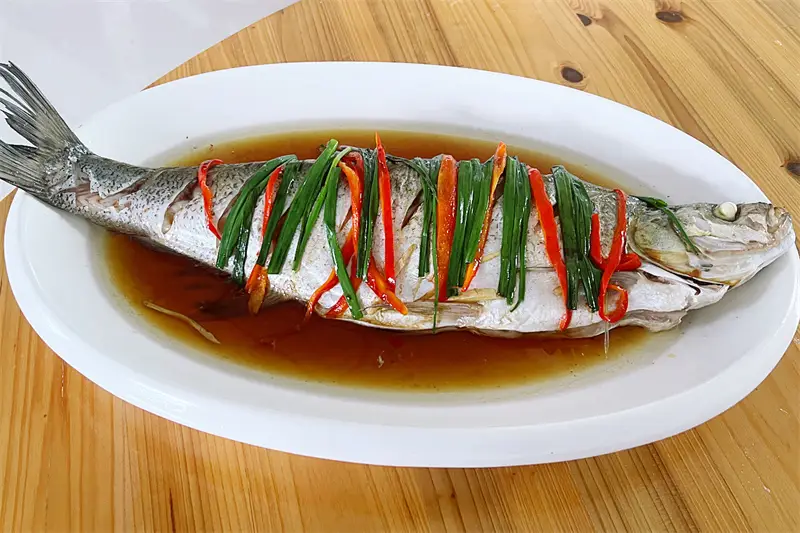
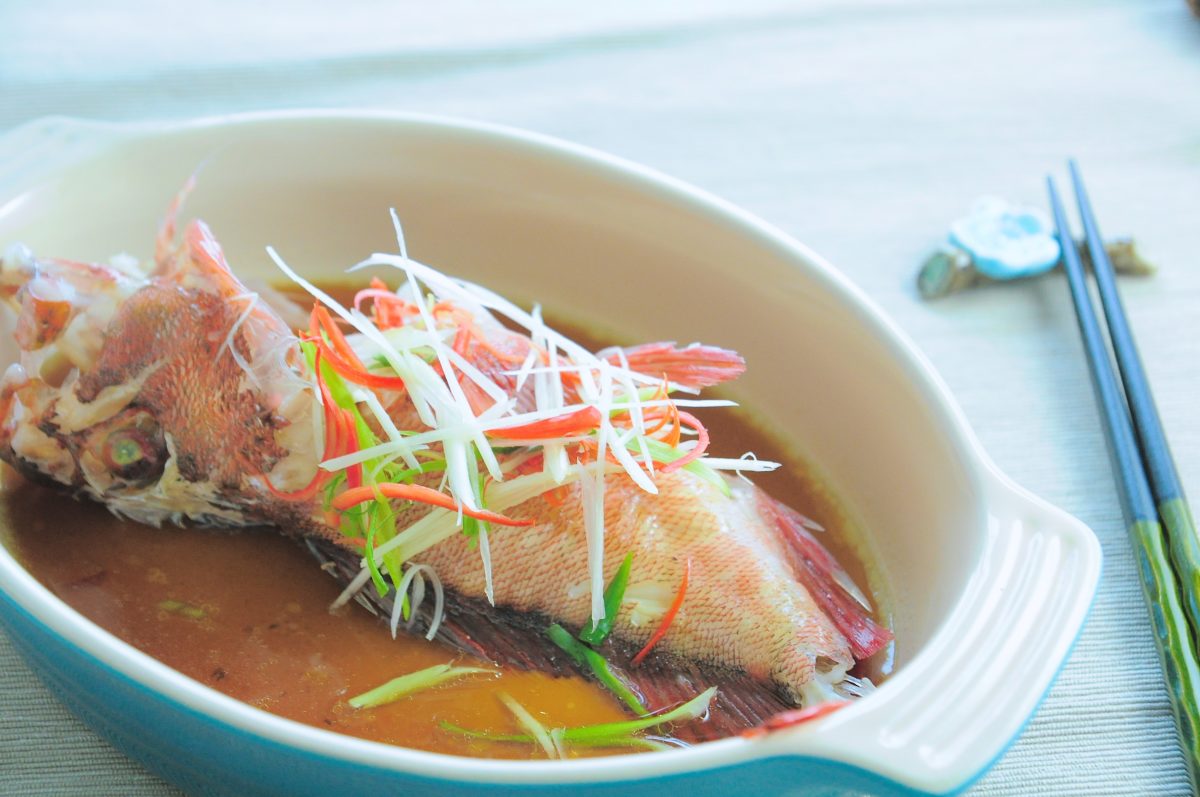
4. Steamed First Love (Steamed Silver Fish): Fresh silver fish is steamed to release its natural flavor. The fish scales, rich in collagen, enhance the tender, delicate fish meat.
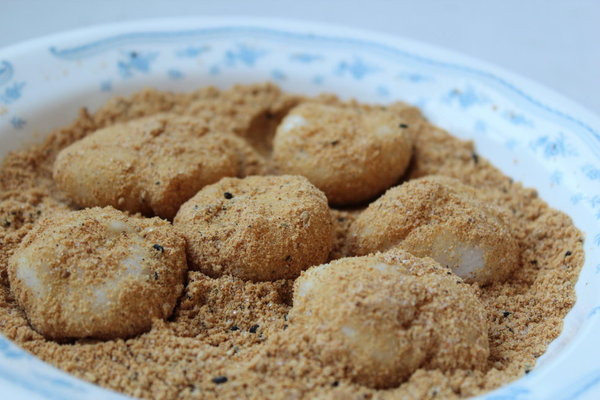
5. Handmade Rice Cake (Ciba): Soft and chewy, these rice cakes are made by pounding glutinous rice with a wooden mallet. Dipped in sugar and crushed peanuts, they’re irresistible.

6. Glutinous Rice Wine: Made from glutinous rice, this rice wine is smooth and refreshing, with no headaches, offering health benefits when consumed regularly.


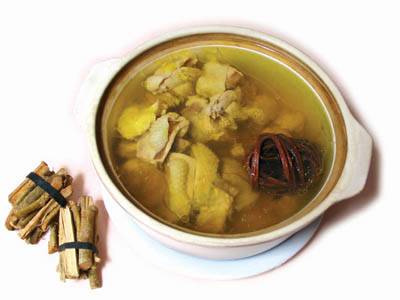
7. Milk Root (Tree Sweet Potato Root): A nutritious ingredient often stewed with free-range chicken, enhancing flavor and nutrition. It’s known for improving blood circulation and lowering cholesterol.

Accommodation Options
The most popular area:
Taxia Village: The most popular place to stay, offering a serene environment, with fireflies visible in the summer evenings.
Yun Shui Yao Ancient Town: Stay amidst the scenery, where the ancient town is especially peaceful in the early morning and evening.
Yongding Tulou Scenic Area
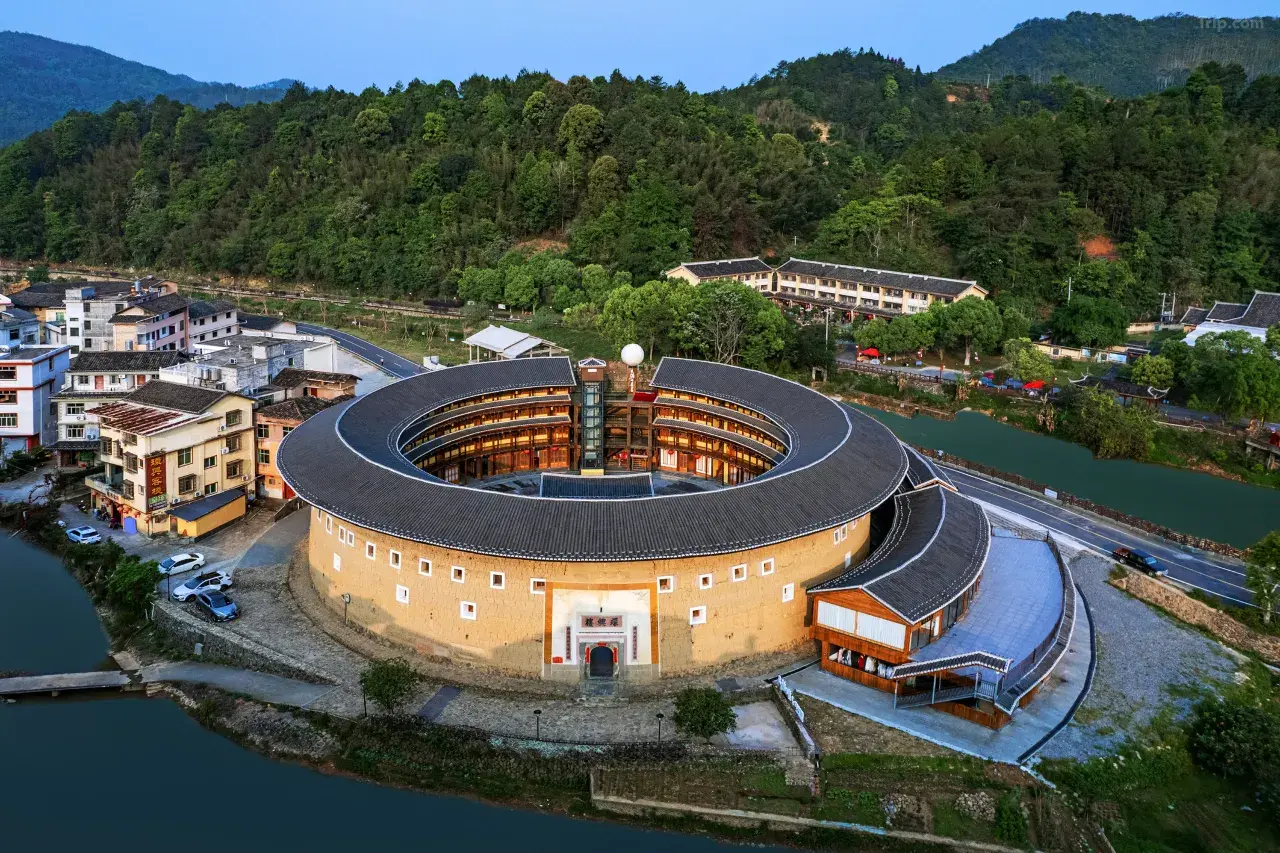
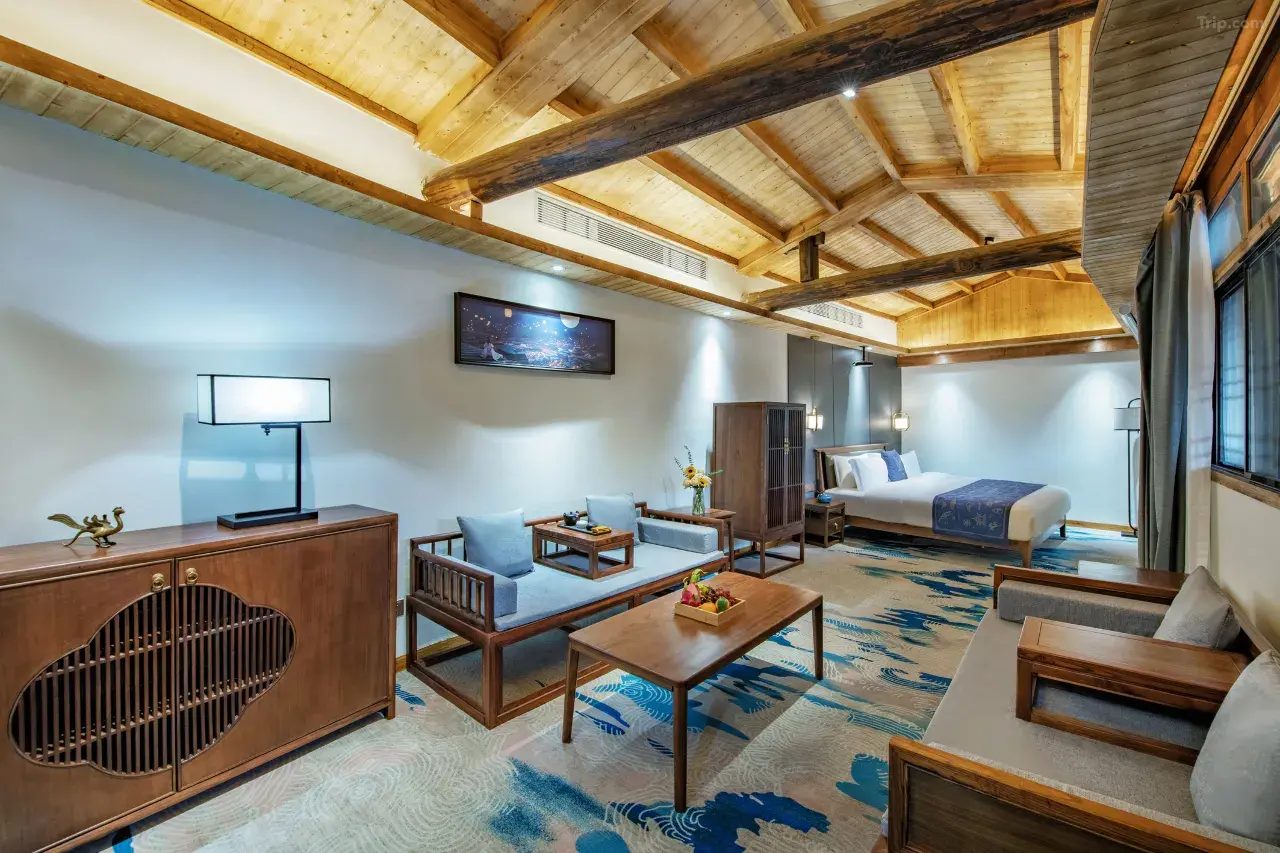
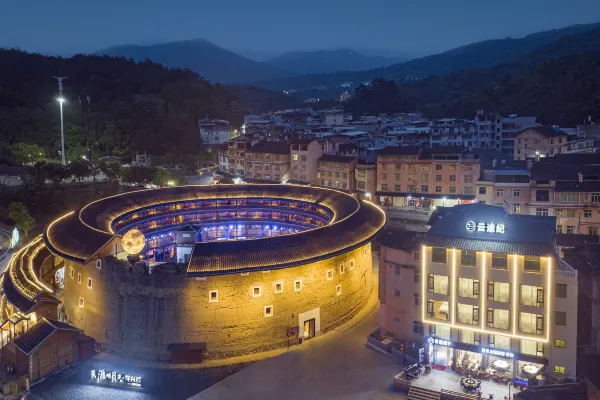
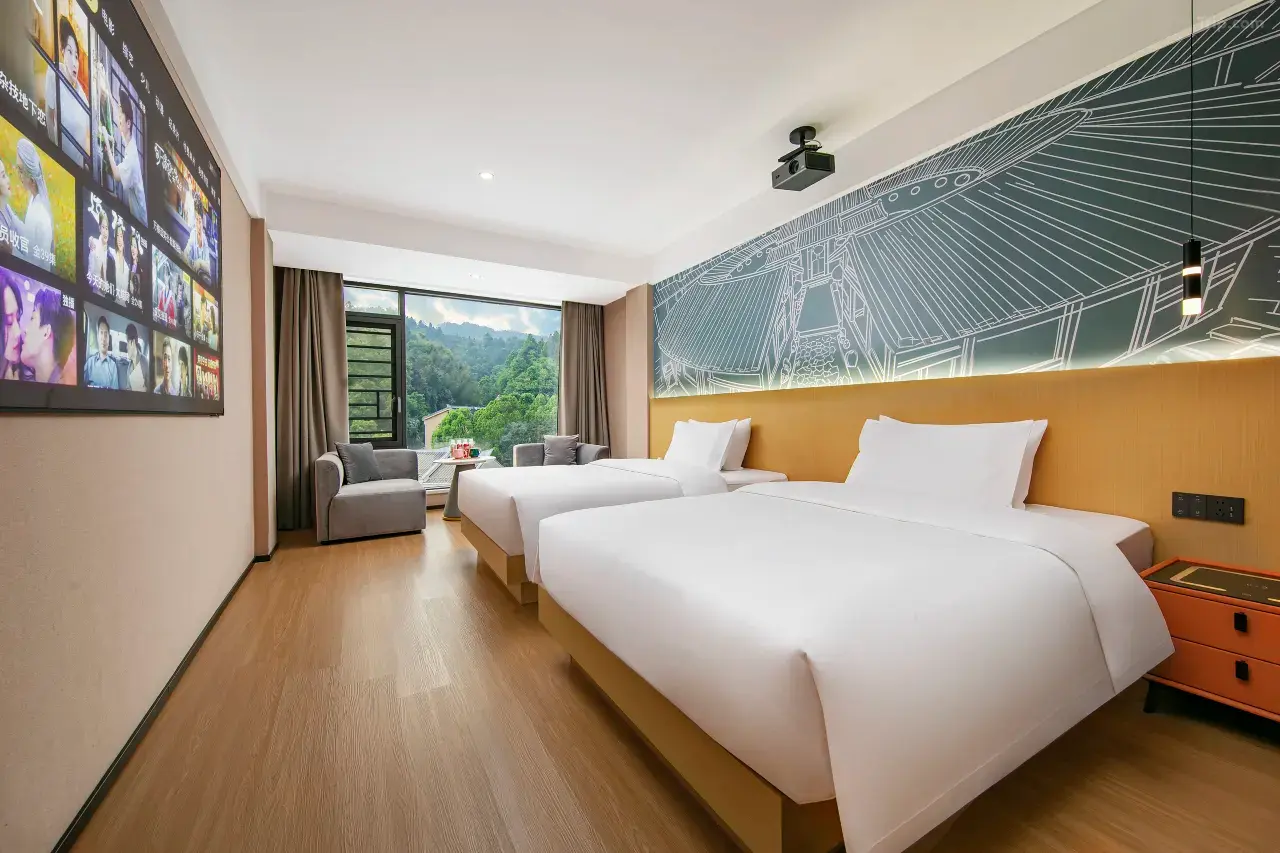
Yongding Tulou Xiangxu·Tencent Tianya Mingyue Knife Immersive Theater Homestay
This homestay is located in a carefully designed, ancient-style, circular tulou with a diameter of 80 meters, covering an area of 3,800 square meters. It features an immersive theater, a handicraft experience hall, a Chinese-style travel photography studio, murder mystery games, ancient-style rooms, family rooms, and e-sports rooms. The homestay offers packages combining rooms, meals, and immersive theater experiences, or rooms, meals, and Chinese-style travel photography.
Address: Huanxing Lou, Liulian Village, Hukeng Town, Yongding District, Longyan
Price: From ¥520
Facilities: Hiking, public parking, flexible airport shuttle service (chargeable), luggage storage, bar, tea room, restaurant, car-hailing service, car rental, bicycle rental (chargeable), station pickup service (chargeable), business services, wake-up service, public area Wi-Fi, laundry room, etc.
Phone: +86-18850860770
Dulv Yongding Tulou·Shengheng Lou World Heritage Homestay
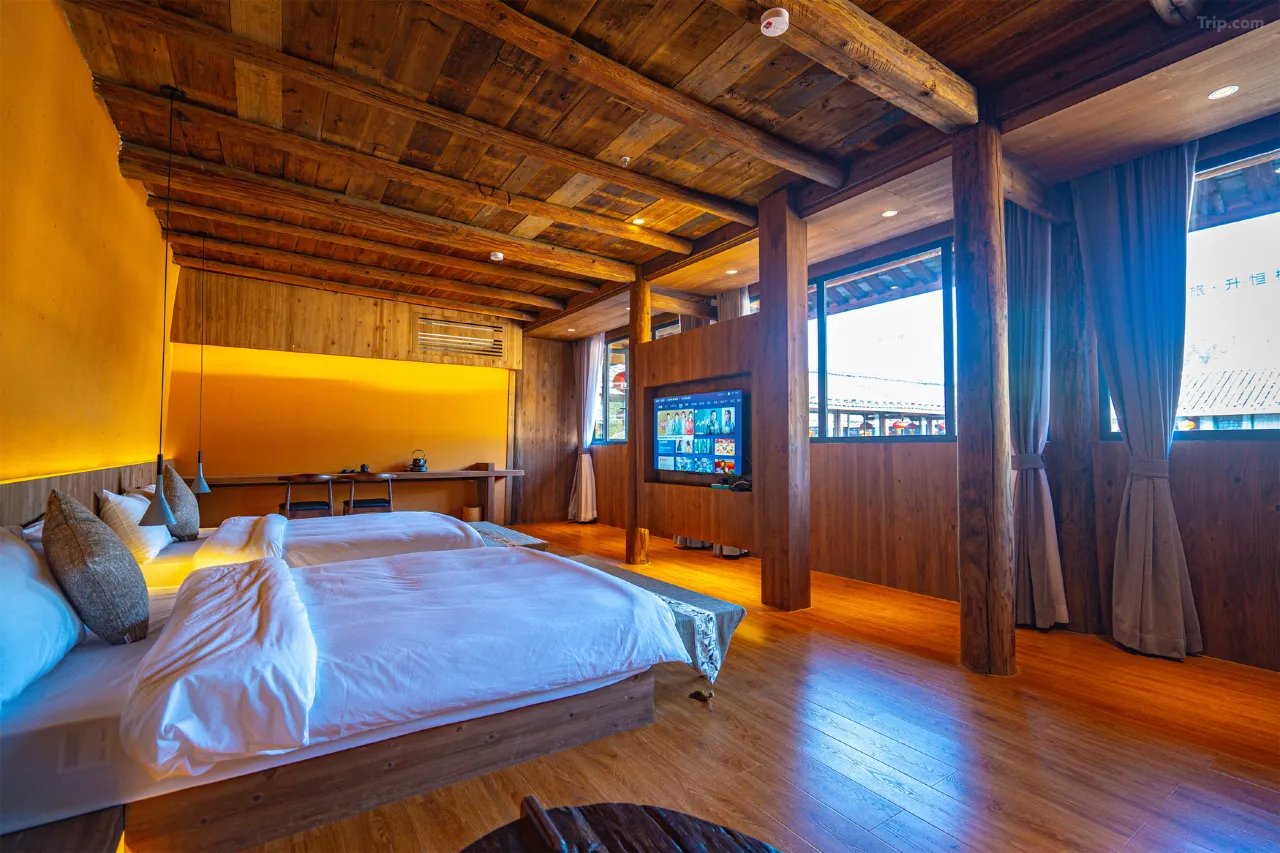
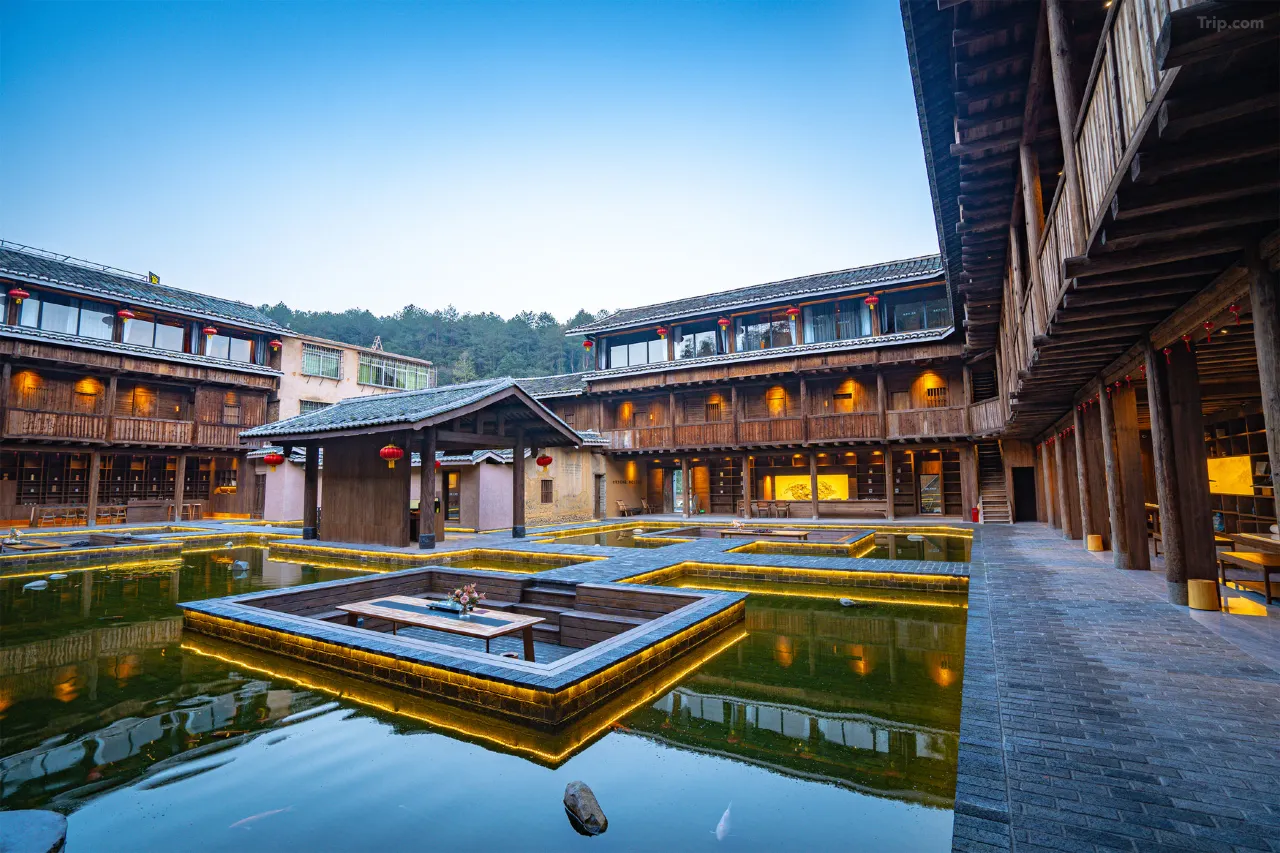
This high-end, trendy homestay is located within the World Heritage-listed, 5A-rated tourist attraction Fujian Tulou Hakka Folk Culture Village. The tulou here is renowned for its exquisite structure, variety of forms, and rich cultural significance, making it a distinguished example of Fujian Tulou architecture. Shengheng Lou covers an area of 5.2 acres and combines Hakka agricultural and scholarly culture with modern art, offering a perfect blend of ancient charm and contemporary style. The arrangement of traditional farming tools allows guests to experience the deep rural culture.
Address: Shengheng Lou, Fujian Tulou Hakka Folk Culture Village, Yongding District, Longyan
Price: From ¥390
Facilities: Hiking, executive lounge, public parking, flexible airport pickup service (chargeable), luggage storage, bar, nightclub, library, tea room, chess room, restaurant, café, flexible airport drop-off service (chargeable), car-hailing service, car rental, station pickup service (chargeable), robot service, meeting room, business center, business services, multifunctional room, wake-up service, public area Wi-Fi, laundry room, etc.
Phone: +86-18859095699
Hua Zhu Banlan Hotel (Tulou Prince Scenic Area Branch)
Address: 8-11 Hous, Tulou Style Street, Hukeng Town, Yongding District, Longyan
Price: From ¥225
Facilities: Hiking, gym, private parking, luggage storage, tea room, restaurant, car-hailing service, station pickup service (chargeable), meeting room, business center, business services, multifunctional room, wake-up service, public area Wi-Fi, laundry room, etc.
Phone: +86-13959697528
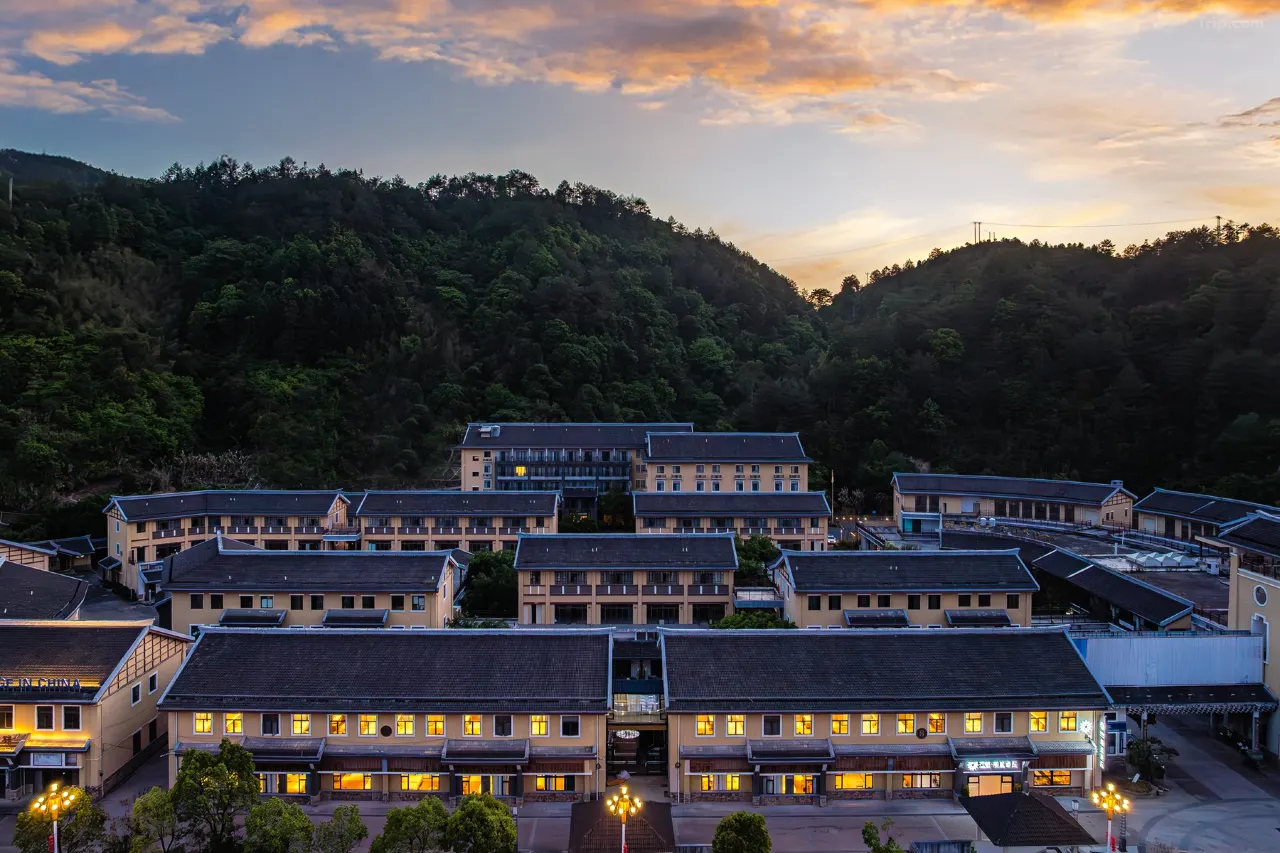
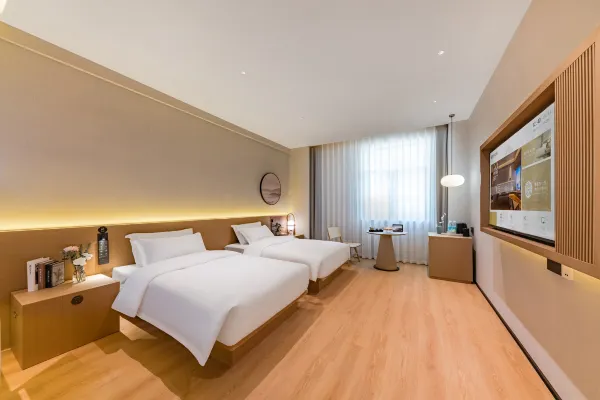
Dulv Yongding Tulou·Shuyuan Cultural Resort Homestay
Located just a few steps away from the Tulou Prince—Zhencheng Lou, this homestay is conveniently situated. The design principle of the homestay is "repairing the old as old, and building the new as old," preserving the original structure of the tulou while using wood and earth as the primary materials for renovation.
Address: No. 22, Group 63, Hongkeng Village, Hukeng Town, Yongding District, Longyan
Price: From ¥210
Facilities: Hiking, executive lounge, luggage storage, nightclub, library, tea room, chess room (chargeable), restaurant, café, meeting room, business center, business services, multifunctional room, wake-up service, public area Wi-Fi, laundry room, etc.
Phone: +86-18959015509
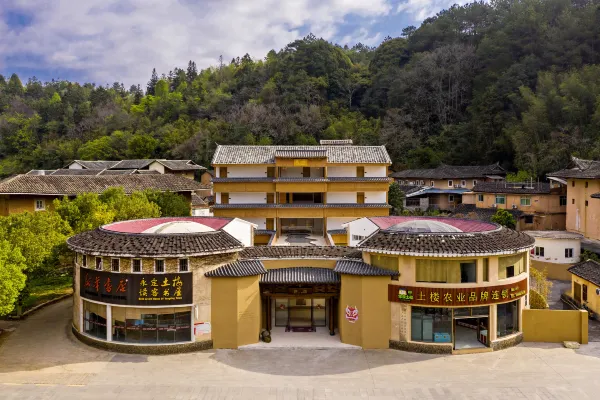
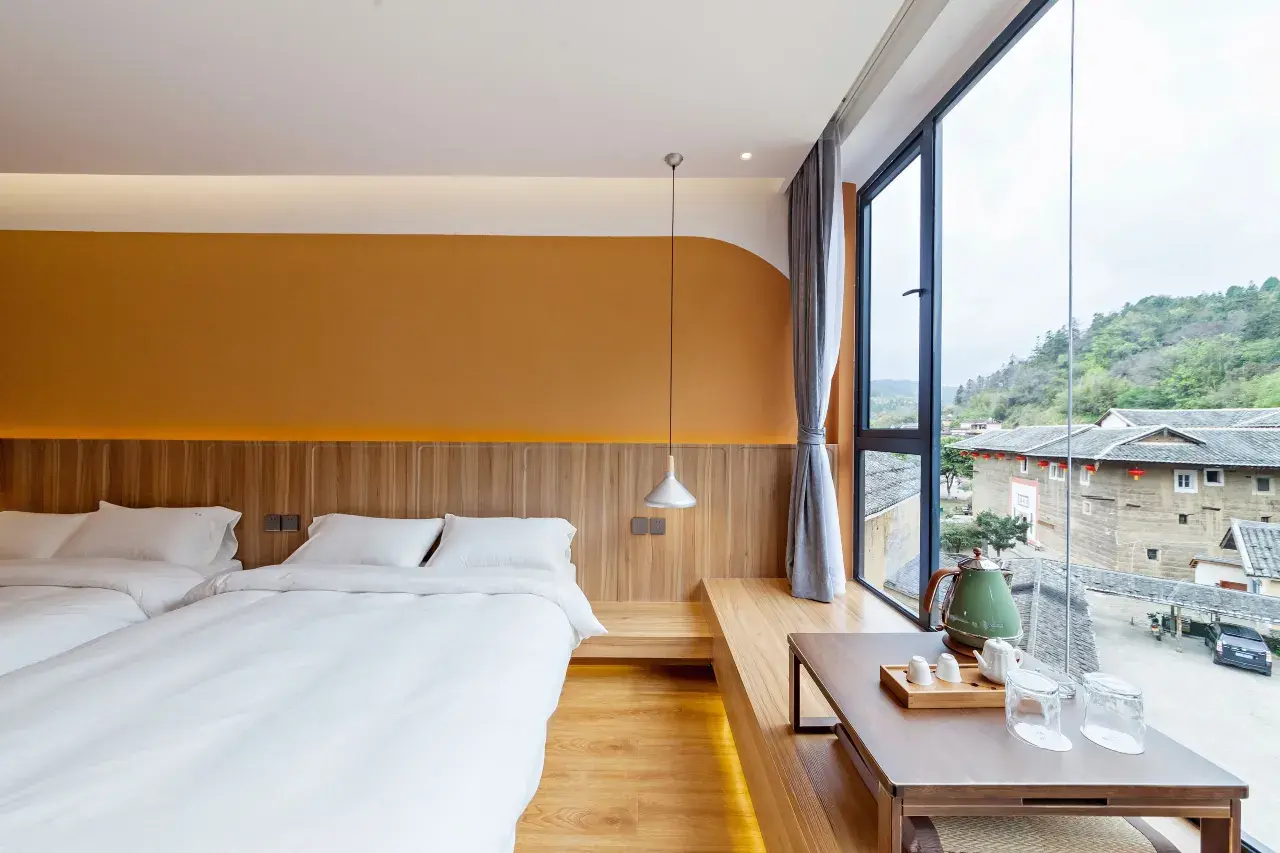
Yuntu Ji (Yongding Tulou Branch)
Address: No. 13, Group 1, Liulian Village, Hukeng Town, Yongding District, Longyan
Price: From ¥215
Facilities: Hiking, executive lounge, gym, public parking, electric car charging stations, flexible airport pickup service (chargeable), luggage storage, bar, restaurant, café, KTV, flexible airport drop-off service (chargeable), car-hailing service, car rental, station pickup service (chargeable), meeting room (chargeable), business center, business services, multifunctional room, childcare service, wake-up service, public area Wi-Fi, laundry room, etc.
Phone: +86-13959003131
Nanjing Tulou Scenic Area
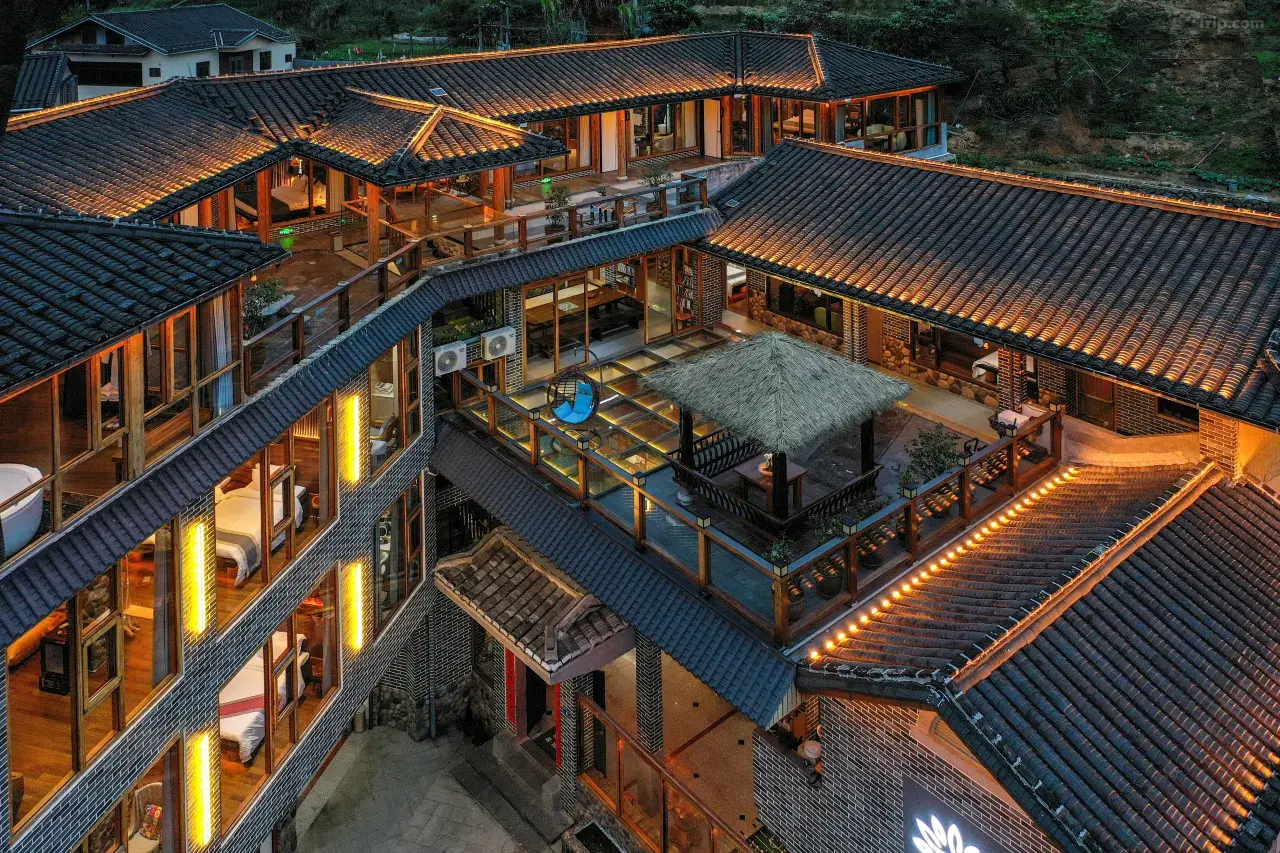
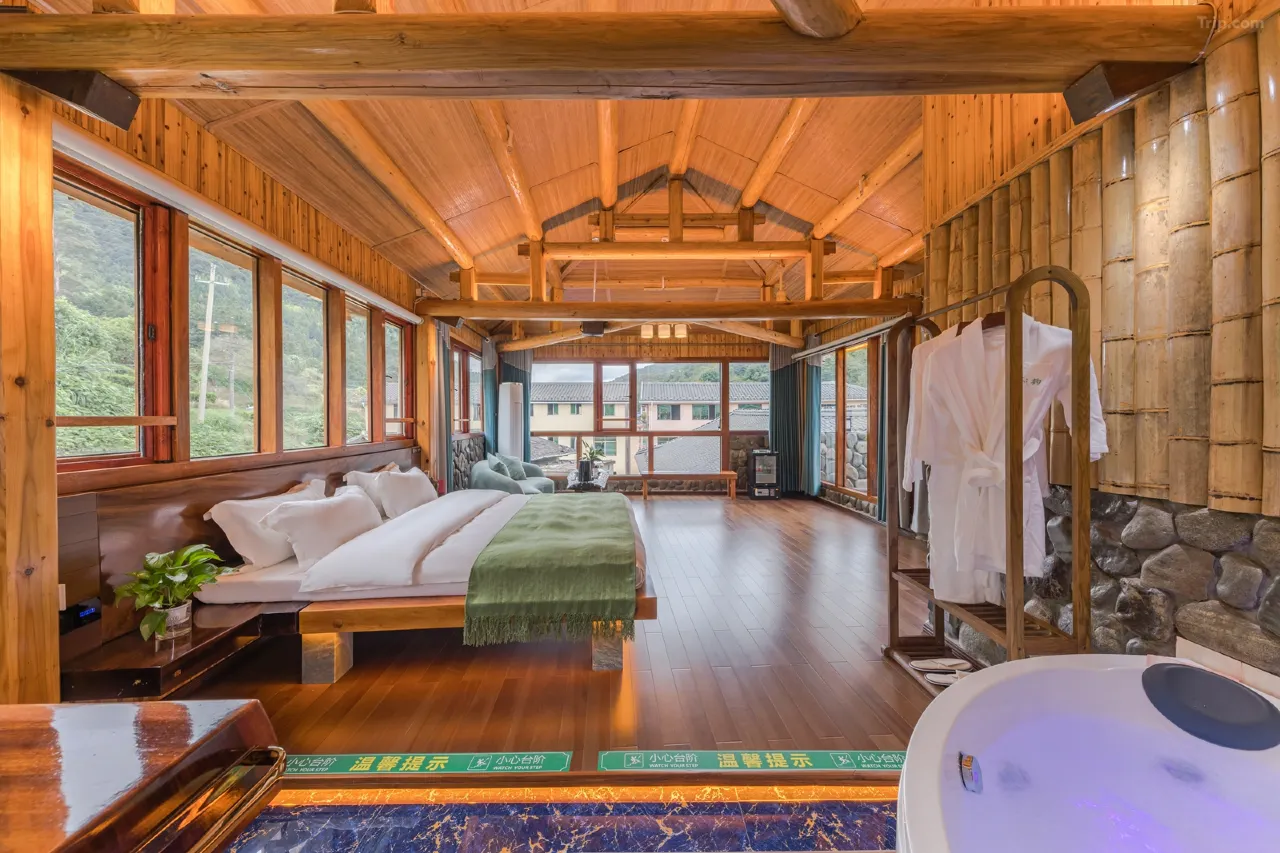
Tea Charm Tea Culture Theme Homestay (Nanjing Tulou Branch)
Address: No. 6, Taxia Village, Shuyang Town, Nanjing
Price: From ¥280
Facilities: Hiking, executive lounge, gym, private parking, electric car charging stations, flexible airport pickup service (chargeable), luggage storage, library, tea room, chess room, restaurant, café, flexible airport drop-off service (chargeable), car-hailing service, station pickup service (chargeable), meeting room, business center, business services, multifunctional room, children's playground, children's club, public area Wi-Fi, laundry room, etc.
Phone: +86-13959697528
Yun Shui Yao Jin Xiu Yun Xi Homestay
Address: No. 7, Xizikou, Guanyang Village, Meilin Town, Nanjing
Price: From ¥300
Facilities: Parking lot, flexible airport pickup service (chargeable), luggage storage, tea room, restaurant, café, flexible airport drop-off service (chargeable), car-hailing service, bicycle rental, station pickup service, meeting room, multifunctional room, wake-up service, public area Wi-Fi, laundry room, etc.
Phone: +86-18050738519
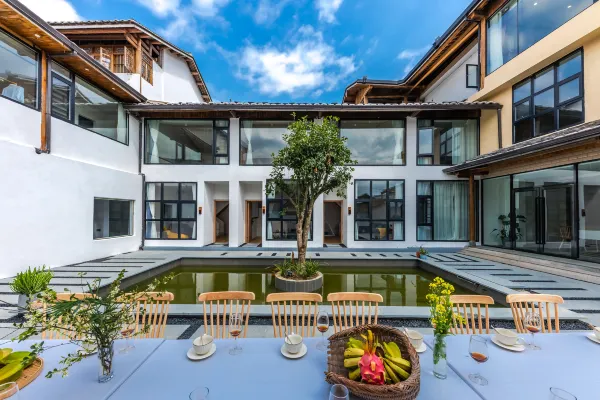
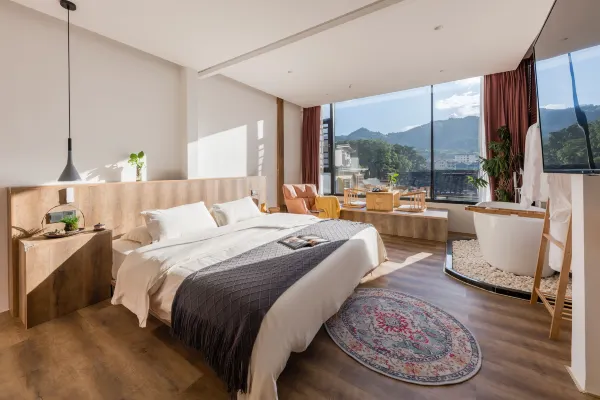
Dulv Yun Shui Yao·He De Lou Tulou Cultural Homestay
Address: No. 74, Shangzhai, Pushan Village, Meilin Town, Nanjing
Price: From ¥690
Facilities: Executive lounge, private parking, luggage storage, bar, nightclub, library, tea room, chess room, restaurant, café, car-hailing service, car rental, bicycle rental, meeting room, business center, business services, multifunctional room, wake-up service, public area Wi-Fi, laundry room, etc.
Phone: +86-18050650006
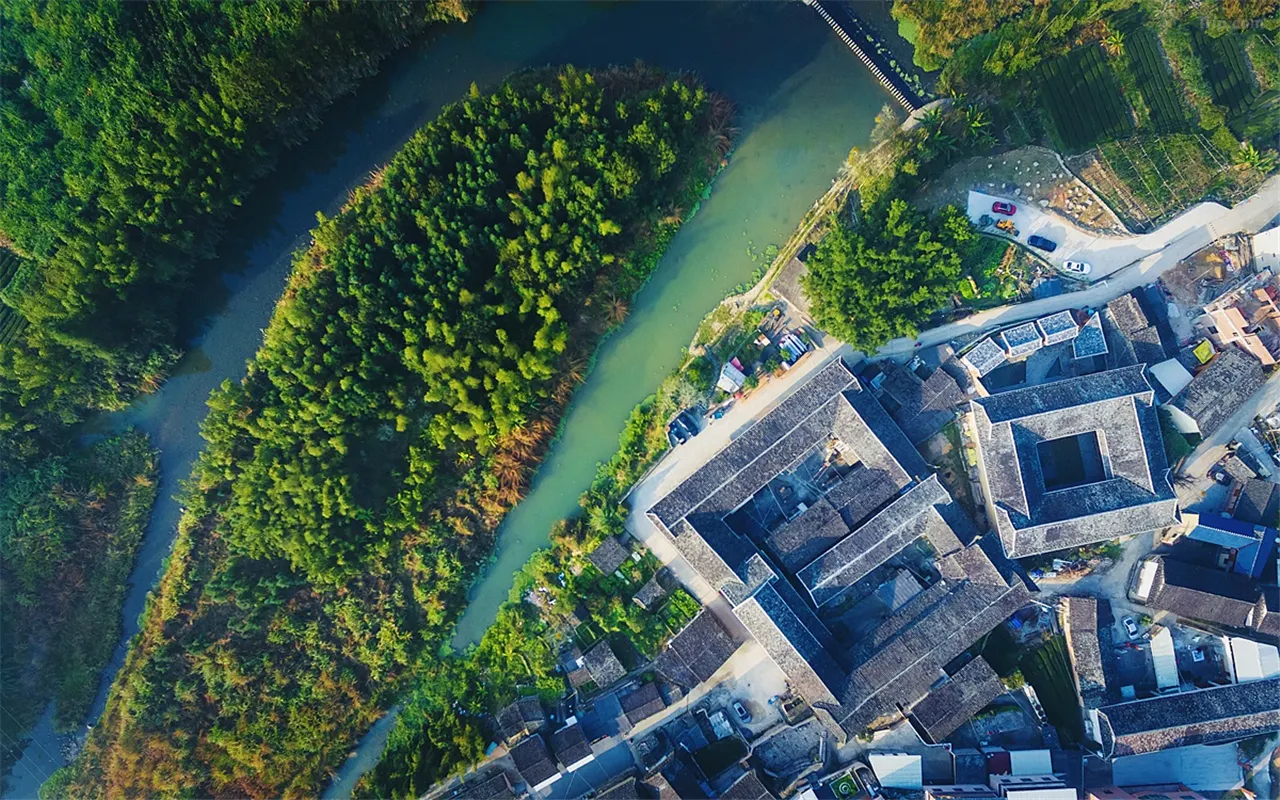
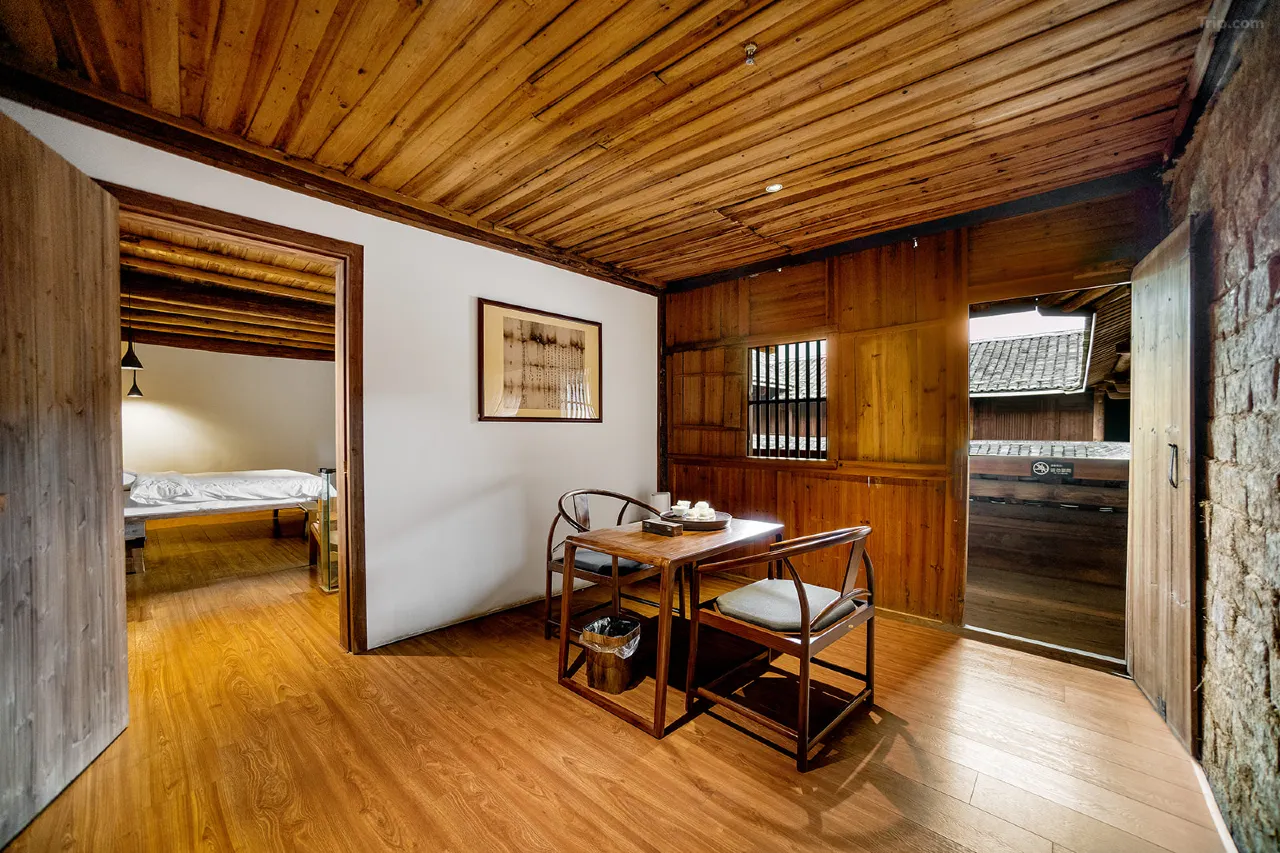
Lingbo Grand Yun Tian International Hotel (Zhangzhou Nanjing Yun Shui Yao Branch)
Address: No. 48, Tianbei Lou, Guanyang Village, Meilin Town, Nanjing
Price: From ¥480
Facilities: Gym, parking lot, electric car charging stations, chess room, restaurant, café, meeting room, children's playground, luggage storage, public area Wi-Fi, laundry room, etc.
Phone: +86-596-7511888
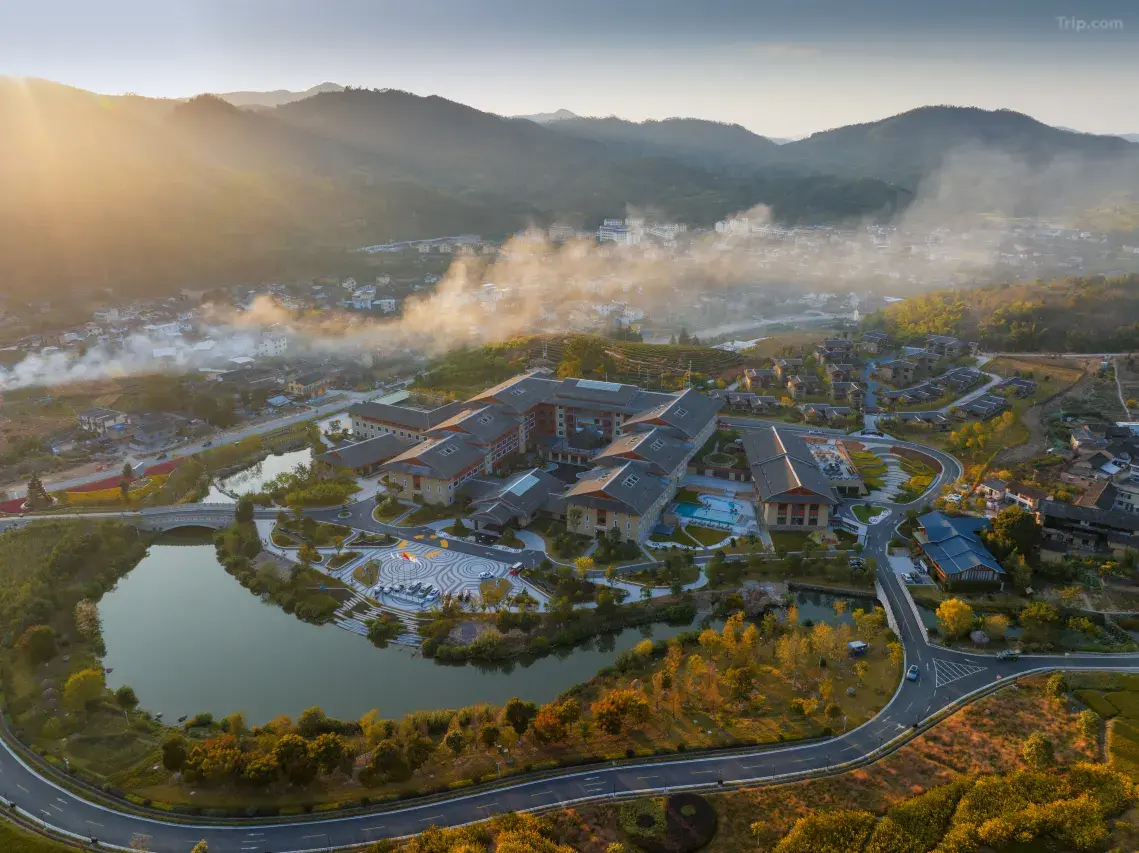
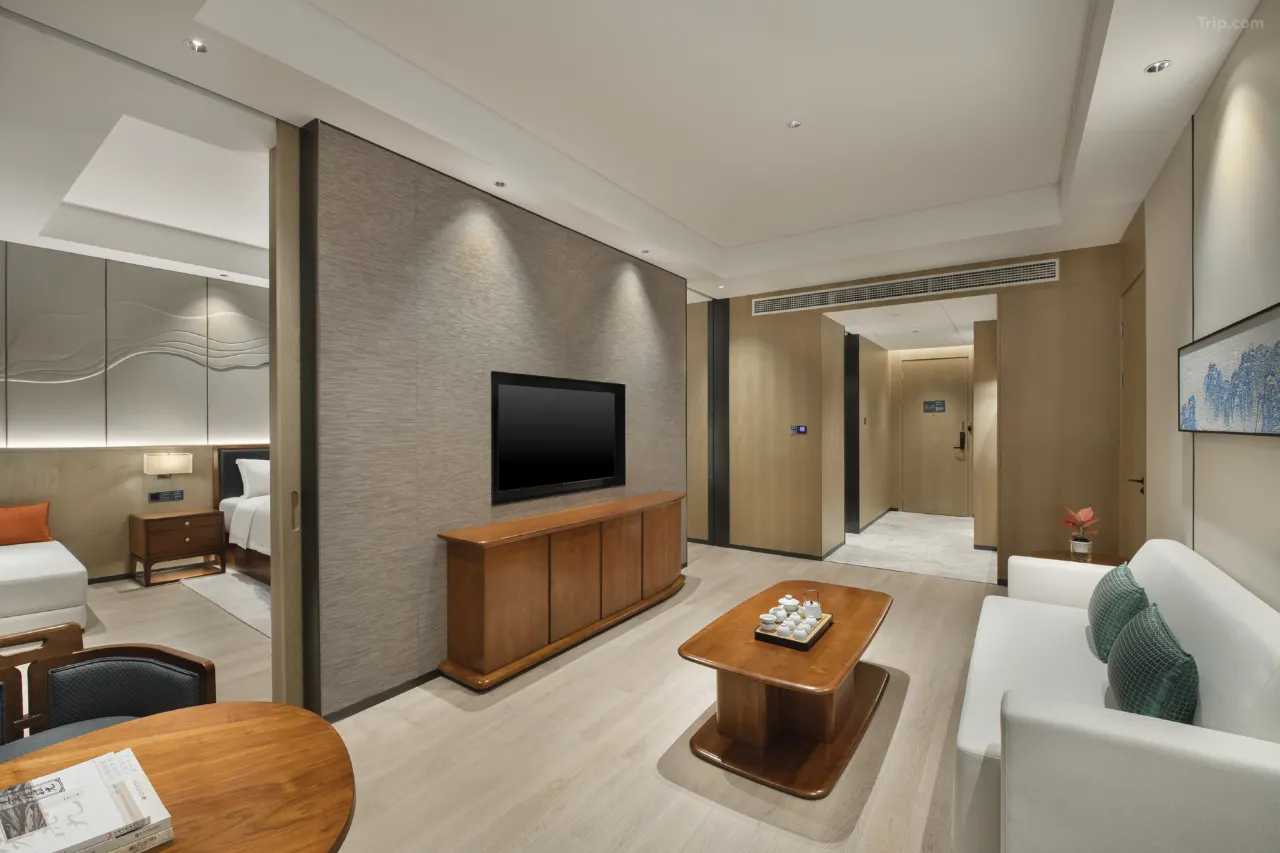
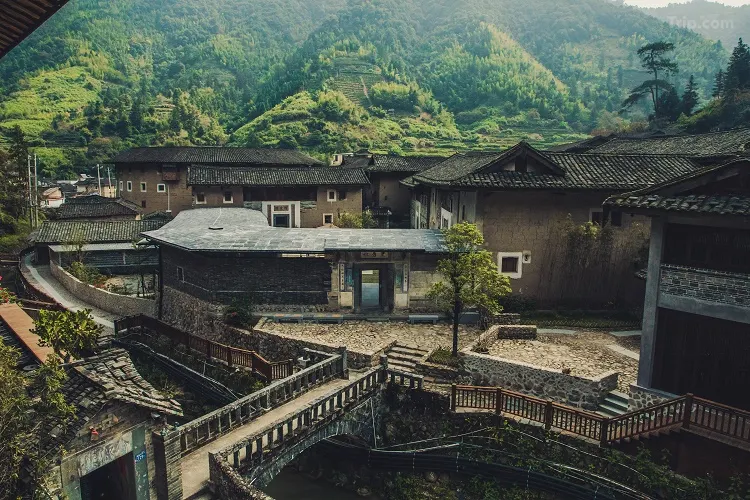
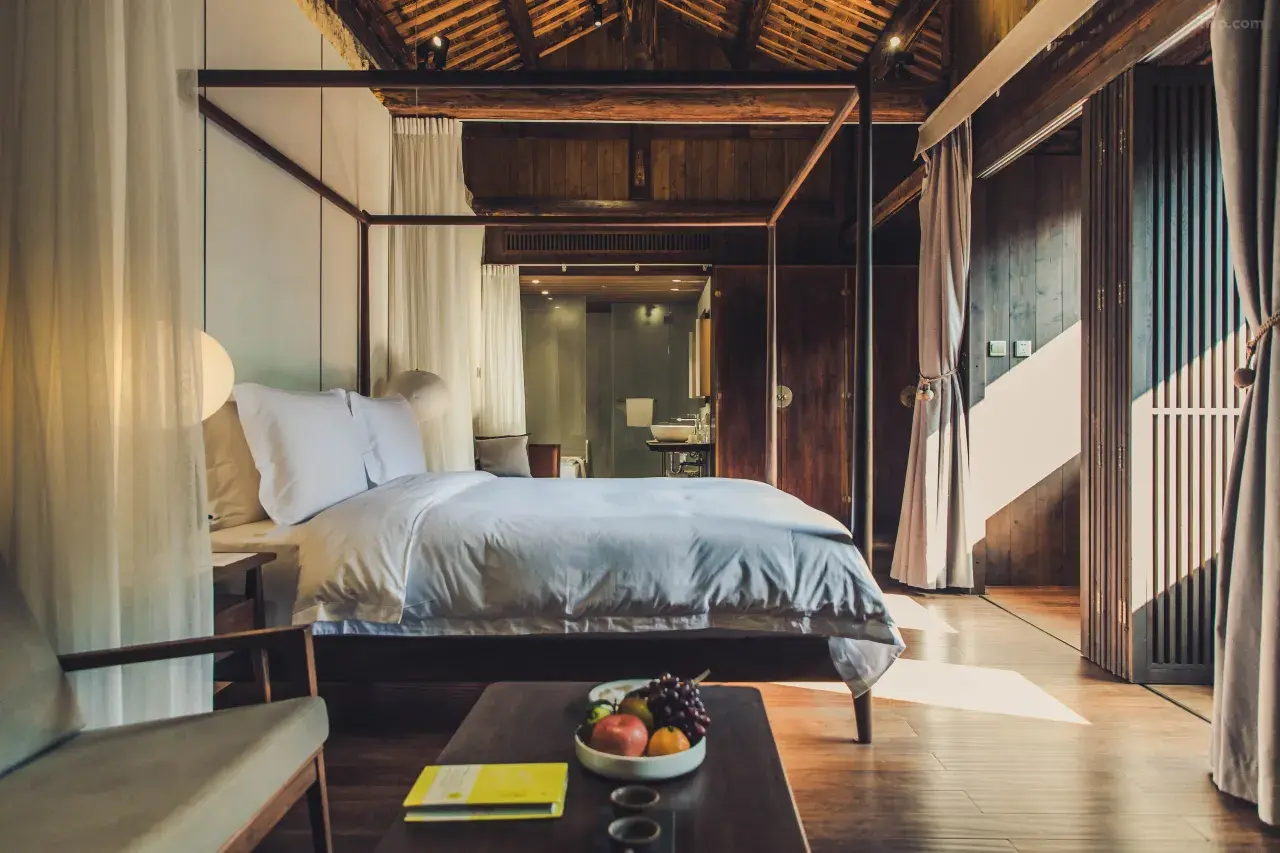
Qingpu Cultural Hotel (Nanjing Tulou)
Address: Yao Dong Lou, Daba, Taxia Village, Shuyang Town, Nanjing
Price: From ¥1100
Facilities: Public parking, flexible airport pickup service (chargeable), tea room, flexible airport drop-off service (chargeable), station pickup service (chargeable), meeting room (chargeable), multifunctional room, business services, children's playground, children's club, tour ticket service, luggage storage, public area Wi-Fi, laundry room, etc.
Phone:+86-17365138189
Things to Know Before You Go
Best Time to Visit Fujian Tulou
Spring (March to May)
Ideal time for pleasant weather and blooming flowers
Local festivals and cultural events
Summer (June to August)
High tourist season; warmer temperatures for outdoor activities
Festival celebrations and local markets
Autumn (September to November)
Best season for photography with beautiful landscapes
Clear skies and mild temperatures
Winter (December to February)
Off-season, fewer tourists, more peaceful atmosphere
Great for avoiding crowds and enjoying a quieter experience
Fujian Tulou Trip Preparation & Packing Checklist
1. Documents: Passport is required for international travelers. Mainland Chinese visitors do not need additional permits.
2. Key Bookings:
Accommodation: If you plan to stay overnight in a Tulou village, book in advance. Popular options include guesthouses in Taxia Village, Yunshuiyao, or Hongkeng Tulou Folk Culture Village.
Tickets: Each Tulou cluster operates as an independent scenic area with separate combined entry tickets. Tickets can be purchased on site; advance reservation is generally not required.
3. Clothing & Gear:
Non slip walking shoes: Essential. Many Tulou floors are cobblestone or stone slabs, and mountain paths can be slippery.
Light backpack: Useful for carrying water and a camera while keeping your hands free.
Warm or sun protective clothing: Mountain weather changes quickly, with large day and night temperature differences. Sun protection is important in summer; warm layers are necessary in winter.
Camera with a wide angle lens: Ideal for capturing Tulou interiors and large exterior scenes.
4. Mindset: Tulou buildings are living communities, not empty museums. Respect residents’ privacy and always ask politely before taking photos.
5. Upstairs Visiting Fee: Residents may invite visitors upstairs to view their homes, usually for a small fee of 5 to 10 RMB. This is an important source of income and entirely voluntary. You may decline politely if not interested.
6. Best Photography Time: Early morning and late afternoon offer the best light and fewer crowds. Harsh midday sunlight is less suitable for architectural photography.
7. Respect Local Customs: Many Tulou contain ancestral halls and ritual spaces. Keep quiet and avoid touching sacred objects.
FAQs
Q1: Can I visit the Tulou from Xiamen in one day? What is the most convenient way to get there?
A1: Yes, but the time is tight, and you'll only be able to visit one of the key areas in Yongding or Nanjing. The most convenient option is to hire a private car for a round trip from Xiamen or join a custom small group tour with transportation from Xiamen. This saves you the time spent on transfers between Xiamen, the high-speed train station, and local transport, ensuring you have ample time to explore.
Q2: Which is better for visiting Tulou: self-driving or hiring a car?
A2: Self-driving: Suitable for travelers familiar with mountain roads, who prefer full control over their itinerary and don't mind planning the route.
Hiring a car: Ideal for those who don’t want to worry about the route, prefer having a local driver-guide, and want to maximize sightseeing efficiency. For first-time visitors, family trips, or group tours, hiring a car is generally a better experience.
Q3: If I have to choose between Yongding and Nanjing Tulou, which one should I pick?
A3: It depends on your preference. If you want to take the most iconic panoramic photos and enjoy rural scenery, choose Nanjing (Tianluokeng + Yunshuiyao). If you want to dive deeper into the essence of Tulou architecture and Hakka culture, choose Yongding (Gaobei + Hongkeng). If time permits, it's highly recommended to visit both for a different experience.
Q4: What is it like to stay in a Tulou? Is it worth it?
A4: It's a unique experience, especially to experience the Tulou’s atmosphere in the morning and at night. However, you need to accept basic conditions: poor soundproofing, shared bathrooms, and simple facilities. It’s worth trying for travelers looking for novelty, but those seeking higher accommodation standards might prefer staying in modern guesthouses.
Prev: Quanzhou Travel Guide: Silk Road History, Attractions, Culture & Travel Tips
Next: Gulangyu Island Xiamen: A Complete Travel Guide to China’s Most Romantic Car-Free Island
Wechat: YourWayHolidayAsia
24 Hours Hotline:
+86 137-3541-1378
* Authentic Experiences: Genuine local experiences that immerse you in the true essence of Hangzhou and beyond.
* Safety First: Highest safety standards with secure activities and reliable transportation.
* Customizable Tours: Flexible itineraries tailored to your interests and needs.
* Local Expertise: In-depth knowledge of Hangzhou and China, offering exclusive insights.
* Professional Guides: Licensed bilingual guides with over 5 years of experience.
* Comfortable Travel: Experienced drivers and well-maintained vehicles for a smooth journey.
* Sustainable Tourism: Commitment to responsible tourism and supporting local communities.
* Customer-Focused: Personalized service and continuous improvement based on your feedback.
* Free Cancellation: Cancel up to 24 hours before travel for flexibility and peace of mind.
* 24/7 Support: Round-the-clock assistance for any questions or help needed.
1 to 1 tailor-made service from our professional travel advisors for the most sophisticated
Constantly excellent reviews for attraction, hotel and service Competitive price
Local experts provide quality tours Best selected knowledgeable local guides Authentic local restaurants
7*24 hours available to create you a worry-free tour. No Hidden Fees and absolutely no pressure to buy. Secured









Copyright © 2017 Hangzhouprivatetour.com All rights reserved.