24 Hours Hotline: +86 137-3541-1378
Email:info@tripstoshanghai.com
24 Hours Hotline: +86 137-3541-1378
Email:info@tripstoshanghai.com

Why Visit Quanzhou?
Quanzhou, located in Fujian Province on the southeastern coast of China, is a city rich in history, culture, and unique heritage. Often referred to as the "Museum of the World," Quanzhou was once a thriving port during the Tang and Song Dynasties, playing a key role in the Maritime Silk Road. In 2021, UNESCO recognized Quanzhou as the starting point of this historic trade route, further cementing its status as a city of global significance.
This guide is for history lovers, culture seekers, and food travelers who wish to immerse themselves in Quanzhou’s fascinating past, explore its well-preserved ancient sites, and savor its renowned culinary delights. Whether you're drawn to ancient temples, traditional architecture, or regional dishes, Quanzhou offers an authentic experience of Chinese heritage with a rich blend of cultural influences.
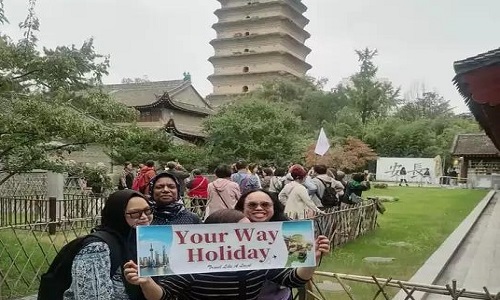 3-Day Fujian Quanzhou Tour: Uncover Ancient Traditions and Coastal Beauty
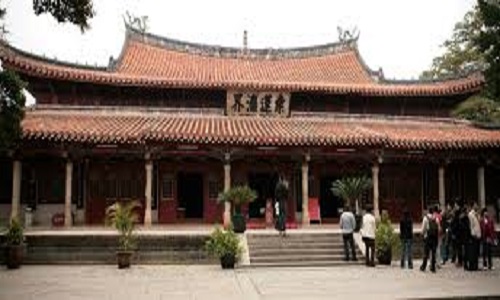 Quanzhou Cultural Heritage Day Tour: Discover Temples, Faith, and Living Traditions
The Port That Connected the World
During the Song and Yuan Dynasties (960–1368), Quanzhou emerged as one of the most important ports in China and a central hub on the Maritime Silk Road. As a thriving trade gateway, the port facilitated the exchange of goods, culture, and ideas between China and regions as far-reaching as Southeast Asia, the Middle East, and even East Africa. Quanzhou’s strategic coastal location made it the ideal center for international maritime trade, where merchants from across the globe, including Arabs, Persians, and Indians, docked to trade silk, porcelain, spices, and precious metals.
Its bustling markets and diverse population reflected this cultural melting pot, and its ports saw the arrival of both goods and people, fostering rich cultural exchanges. The city also housed the famous Zhenguo Temple, the oldest surviving mosque in China, a testament to the lasting impact of trade on Quanzhou’s society.
Today, the legacy of Quanzhou’s maritime heritage lives on, with its historic sites and well-preserved architecture still telling the story of a city that once connected the East and the West, shaping global trade and cultural relations.
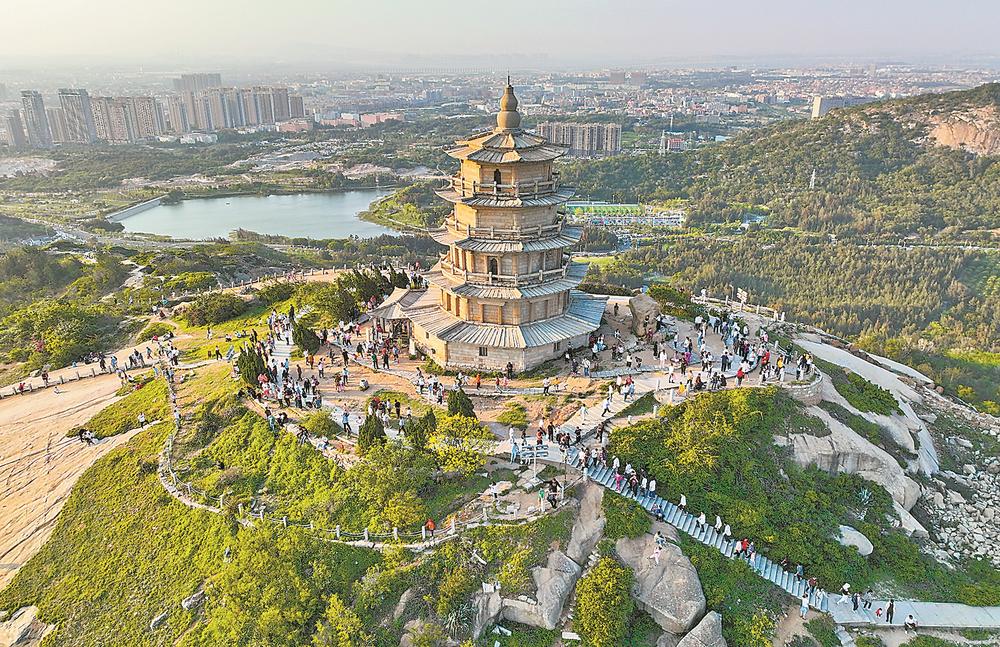
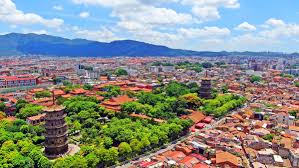
UNESCO World Heritage Status
In 2021, Quanzhou was awarded UNESCO World Heritage status under the title "Emporium of the World in Song-Yuan China," recognizing its pivotal role in global trade and cultural exchange during the Song and Yuan Dynasties. As a UNESCO-listed site, Quanzhou stands as a living testament to China’s rich maritime history and its integral position in connecting the East and the West.
The city’s World Heritage recognition highlights its remarkable cultural diversity and the religious coexistence that flourished here. Quanzhou was home to a wide variety of faiths, with Buddhist, Taoist, Christian, Muslim, and Hindu communities coexisting harmoniously. The city boasts several iconic landmarks that embody this religious diversity, such as the Qingjing Mosque (China’s oldest mosque), the Kaiyuan Temple, and the Fujian Tulou (ancient Hakka dwellings), reflecting a unique blend of architectural styles and religious practices.
This diversity not only influenced Quanzhou's art, architecture, and cultural traditions but also laid the groundwork for a spirit of open-mindedness and global connectivity that continues to resonate in the city today.
Top Attractions in Quanzhou
Old City Area
Kaiyuan Temple
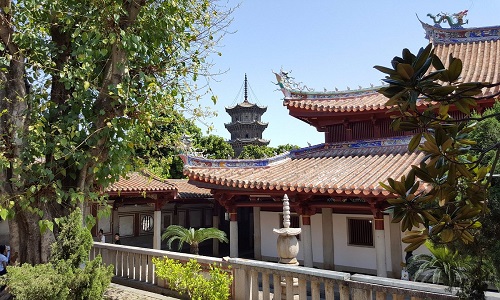
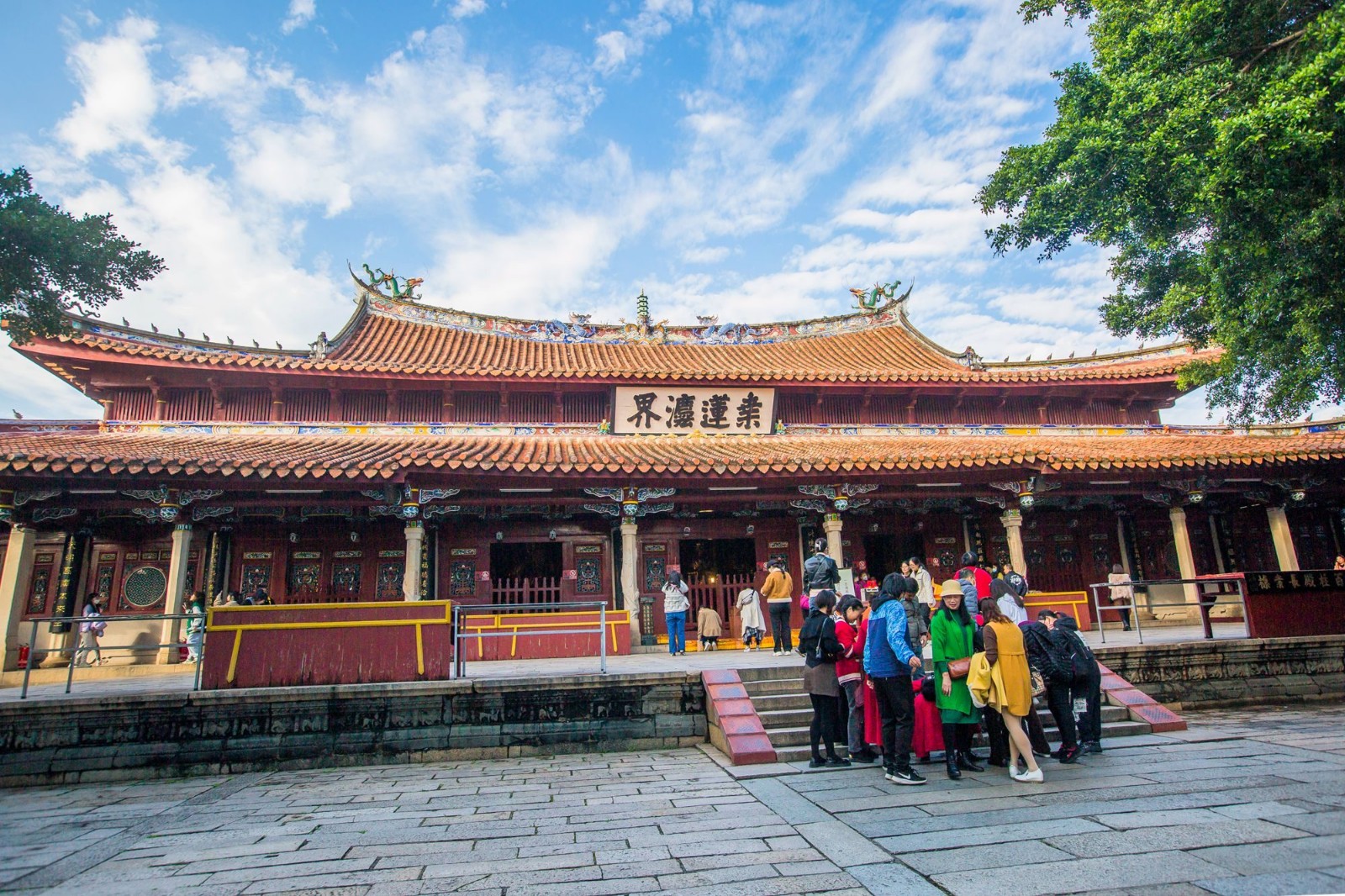
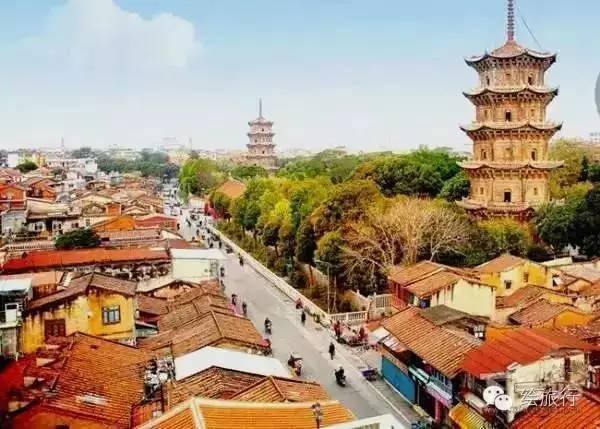
Kaiyuan Temple, built in the Tang Dynasty, has stood for over a thousand years in Quanzhou. It's home to many precious Buddhist artifacts and architectural wonders, including the Mahavira Hall and the East and West Towers. As a key cultural symbol of Quanzhou, it's often called the "First Temple of Fujian." Its architecture blends influences from the Han, Tang, and Southern and Northern Dynasties, attracting visitors and scholars alike.
Address: 176 West Street, Licheng District, Quanzhou
Hours: 06:30–18:00
Admission: Free
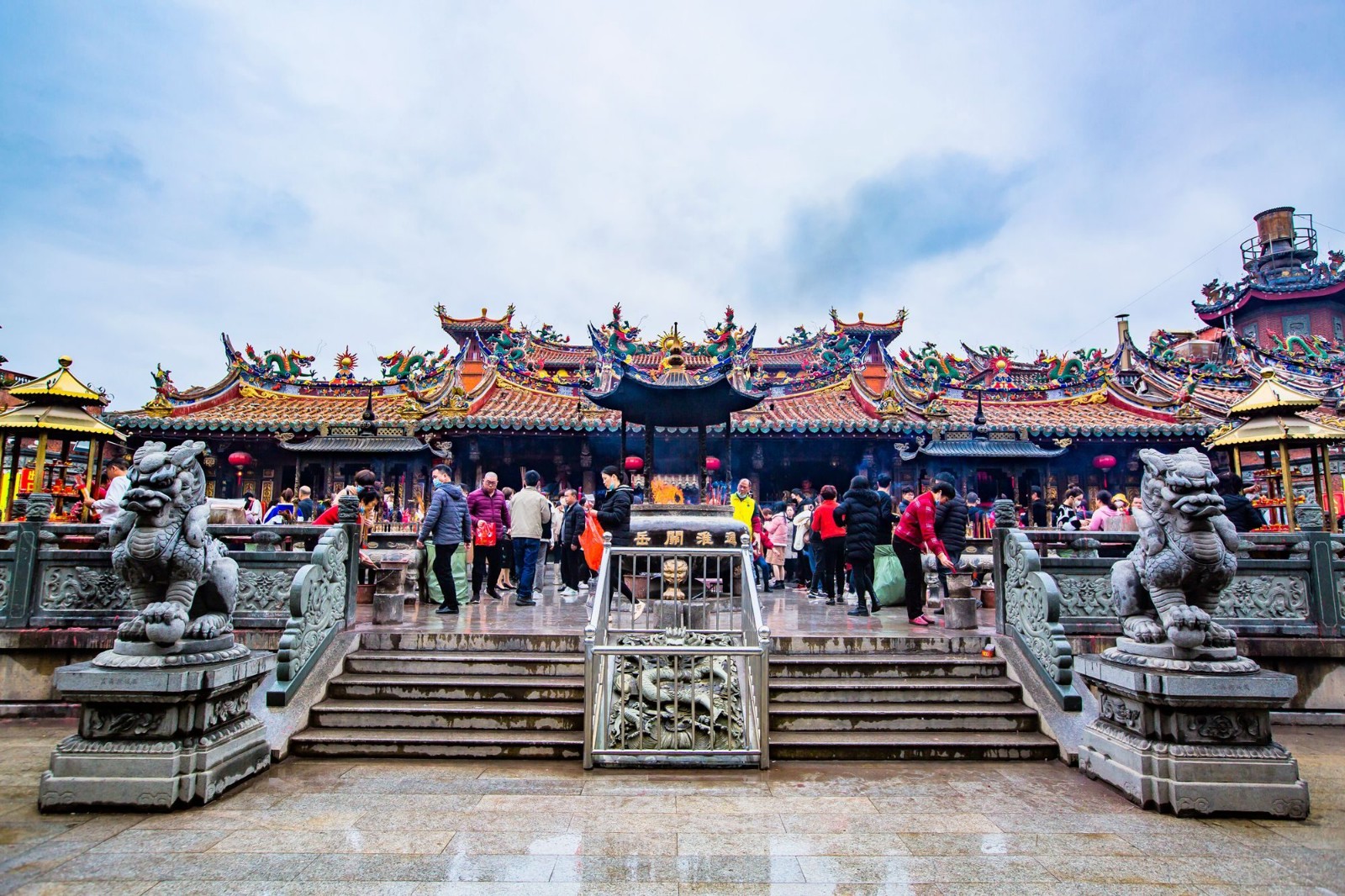
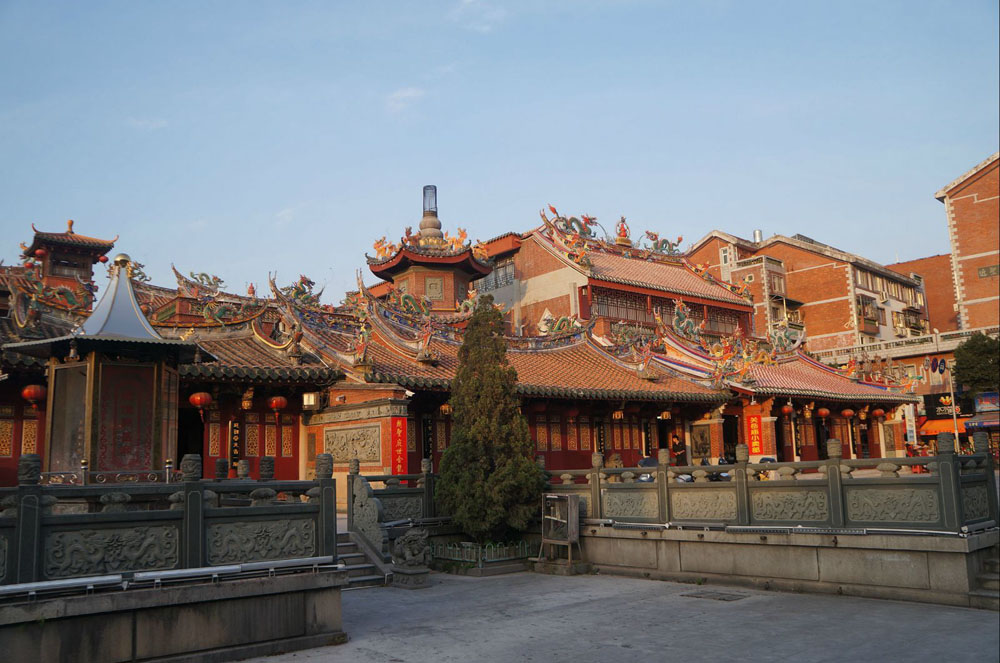
Guanyue Temple
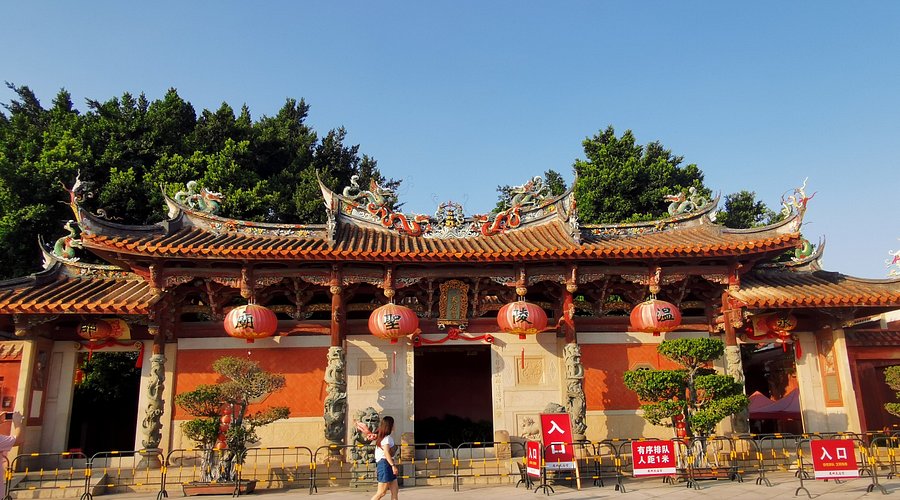
This temple honors the heroes Guan Yu and Yue Fei, representing loyalty and courage. Built in the Song Dynasty, it blends traditional Minnan architecture with religious symbolism. The temple features intricate carvings and murals depicting local legends and historical tales. It's a key cultural site, especially during the temple fairs held in the sixth and twelfth lunar months.
Address: 188 Tumens Street, Licheng District, Quanzhou (near Qingjing Mosque)
Hours: 08:00–17:30
Admission: Free
Mazu Temple (Tianhou Palace)
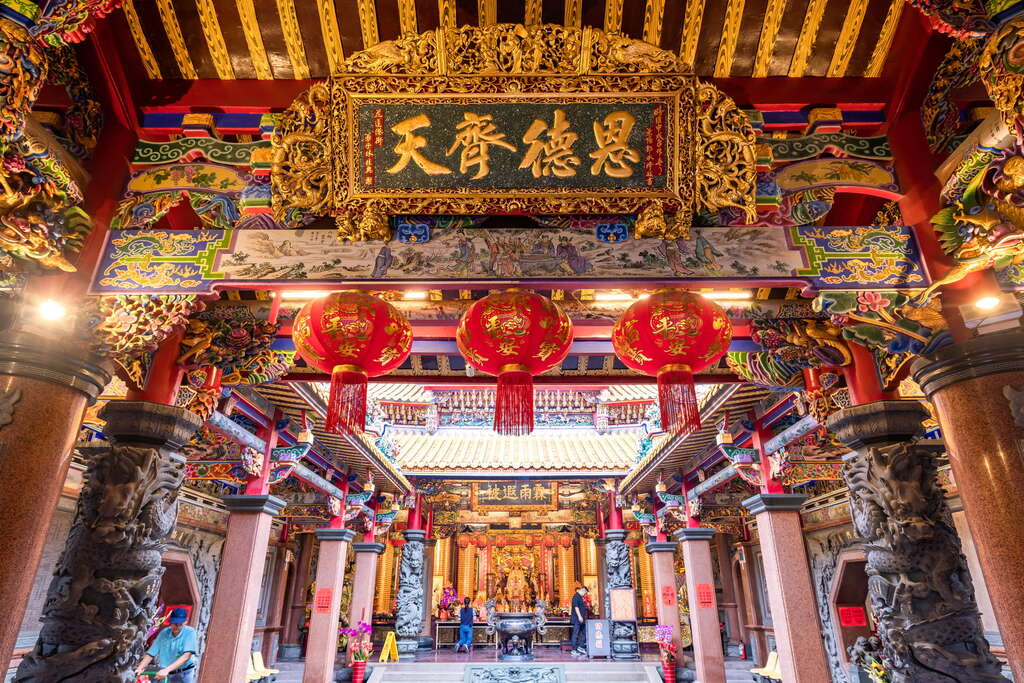
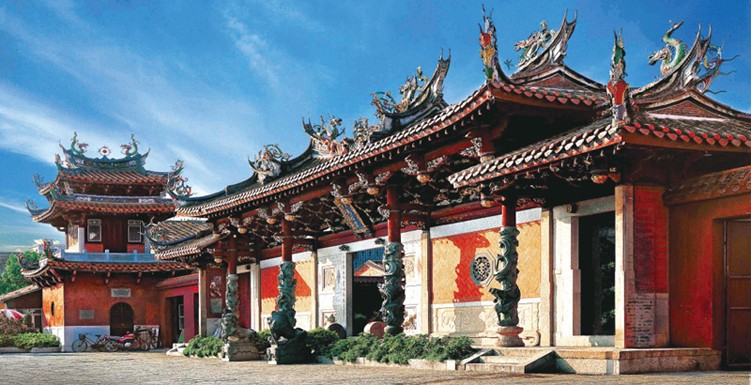
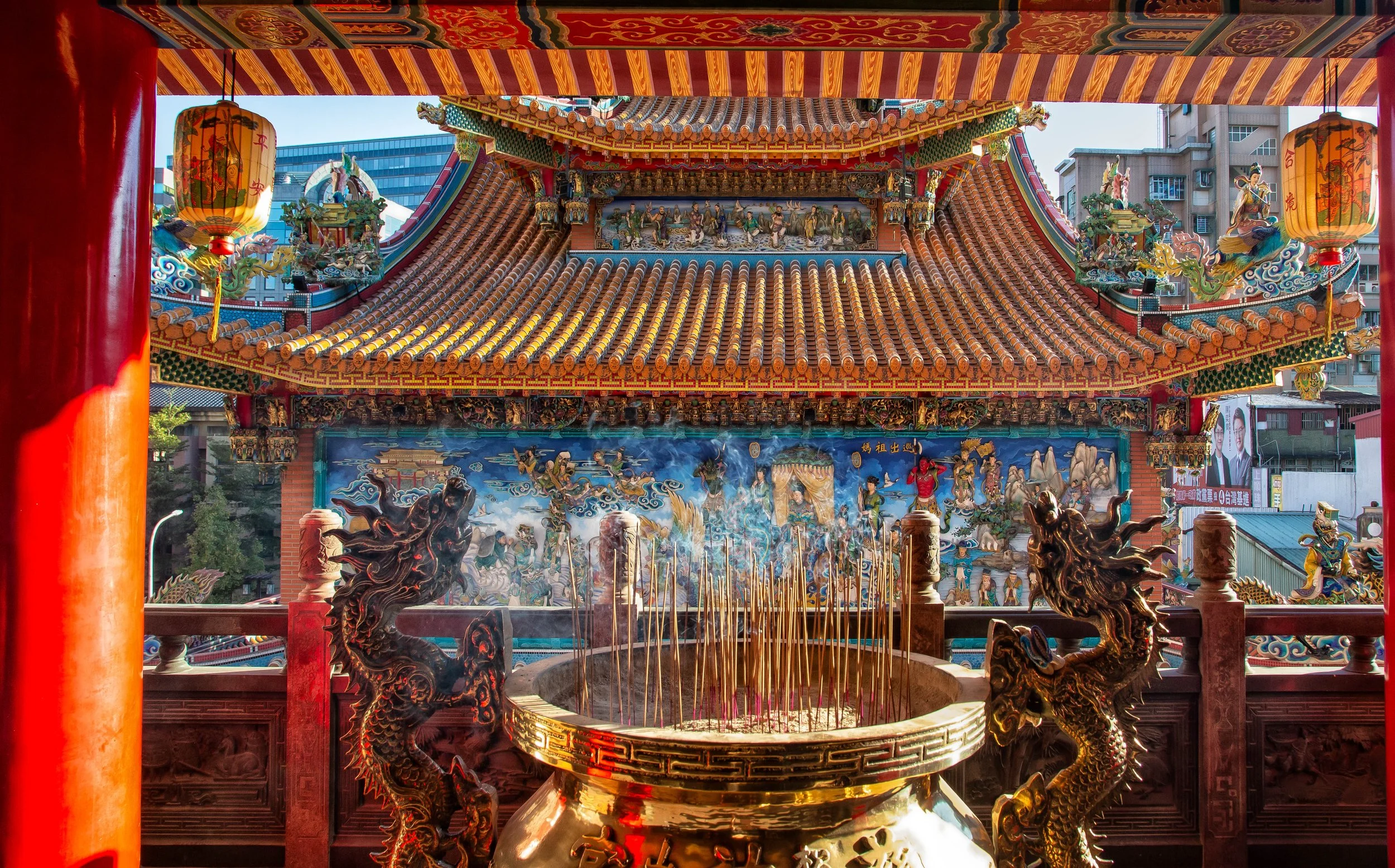
Dedicated to Mazu, the Goddess of the Sea, this temple is one of the oldest and most significant Mazu shrines in China. Built during the Song Dynasty, it's a center for those seeking protection during sea voyages. The temple's architecture is a beautiful mix of Minnan wood carvings, stonework, and colorful murals, reflecting the deep connection between Quanzhou’s culture and maritime history.
Address: Tianhou Road, Quanzhou
Hours: 07:00–18:00
Admission: Free
Qingjing Mosque
One of China’s oldest mosques, Qingjing Mosque was built in the Song Dynasty and showcases a unique fusion of Islamic and Chinese architectural styles. Its design, with detailed stone carvings and brickwork, highlights Quanzhou’s role as a multicultural port. The mosque is an important place for Muslim worship and an insightful stop for those interested in Quanzhou’s history and Islamic culture.
Address: Intersection of Tumens Street and Baiyuan Road, Licheng District, Quanzhou
Hours:
11/1–4/30: 09:00–17:15
5/1–10/31: 09:00–17:45
Admission: Free
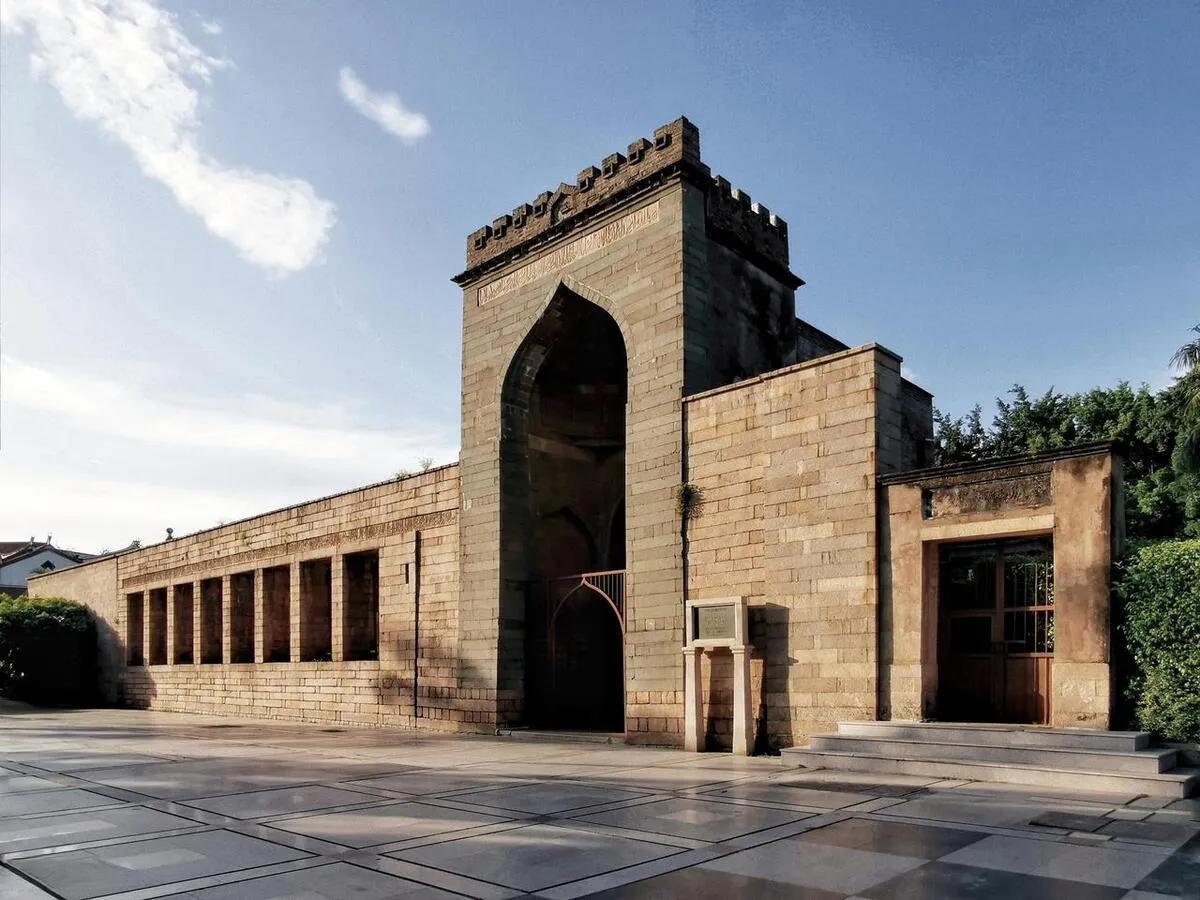
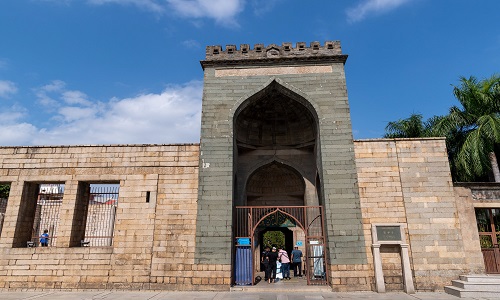
Cheng Tian Zen Temple
Founded in the Tang Dynasty, Cheng Tian Zen Temple is an important Buddhist site in Quanzhou, dedicated to Sakyamuni Buddha. Its majestic architecture reflects Minnan Buddhist styles, and it houses key cultural relics, such as the "Cheng Tian Temple Stele." The temple attracts many visitors, offering a glimpse into Quanzhou's Buddhist heritage.
Address: 36 Nanjun Road, Licheng District, Quanzhou
Hours: 08:00–17:30
Admission: Free
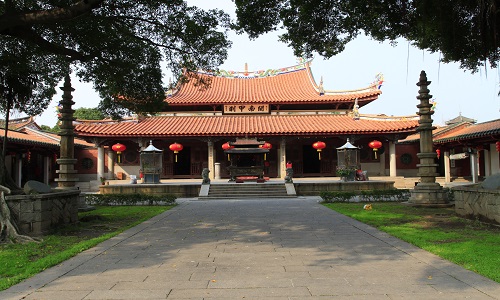
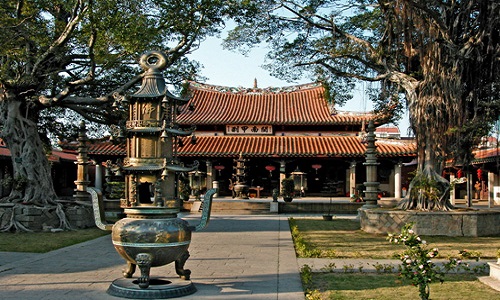
Xihu Park (West Lake Park)
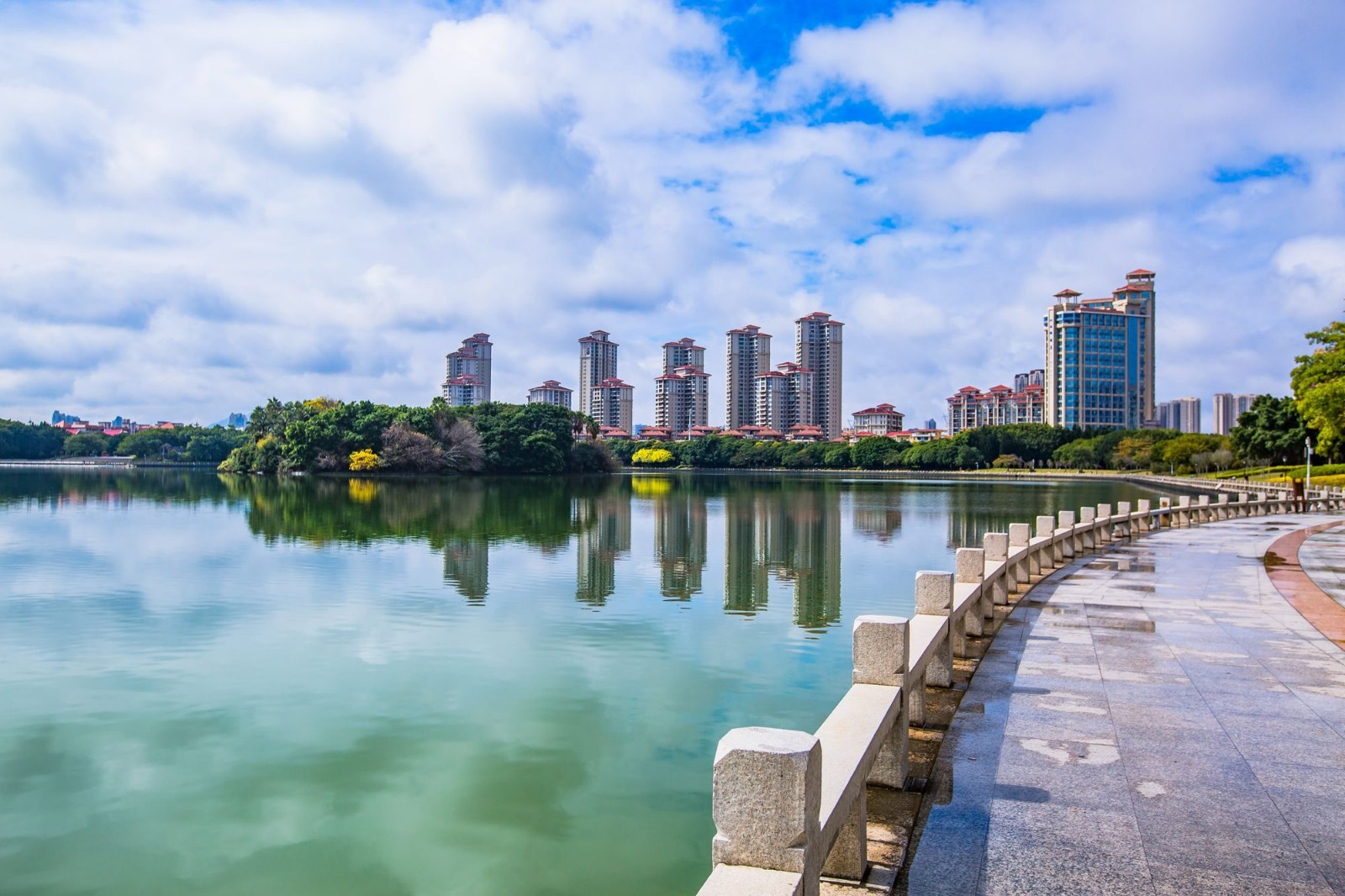
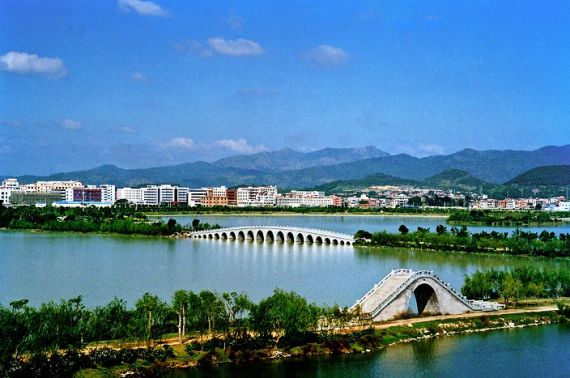
Located in the city center, Xihu Park offers a peaceful escape with its clear waters, lush greenery, and serene environment. Visitors can stroll along beautiful pathways and enjoy the historical landmarks within, including old pavilions, towers, and stone bridges. It’s a great spot to relax and soak in the history of Quanzhou.
Address: Xinhuabei Road, Fengze District, Quanzhou
Hours: 06:00–21:00
Admission: Free
Xijie (West Street)
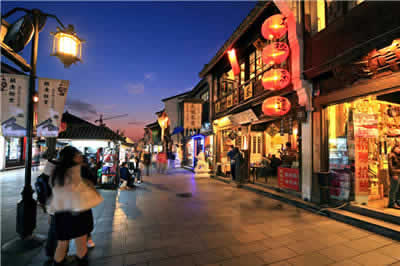
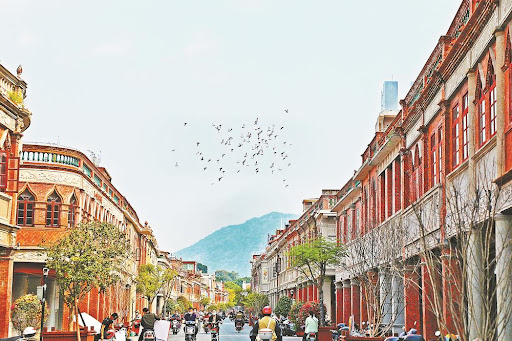
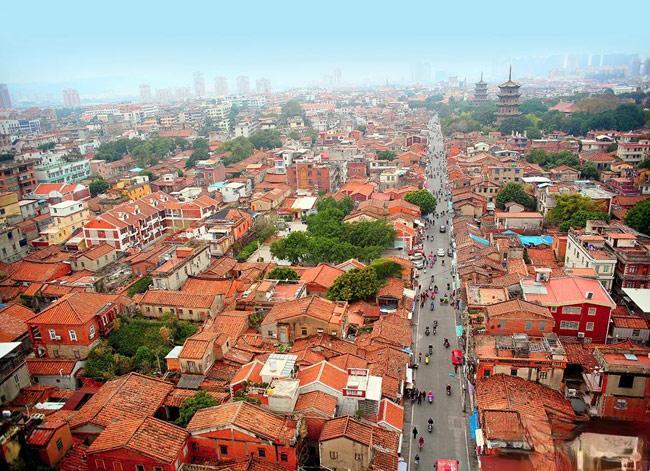
Xijie, or West Street, is a historical street in central Quanzhou, lined with traditional Minnan architecture, old shops, temples, and cultural sites. It’s a vibrant mix of history and modern life, where visitors can explore local culture, shop for traditional goods, and try Quanzhou's famous food. Xijie gives a feel for the city’s ancient past while being a lively part of today’s Quanzhou.
Address: Licheng District, Quanzhou
Hours: 24 hours
Admission: Free
Shishi District
Luojia Temple
Luojia Temple, built during the Tang Dynasty, has stood for over a thousand years. Located at the foot of the scenic Luoyang Mountain, the temple offers a peaceful environment perfect for both spiritual reflection and enjoying nature. Known for its impressive architecture and cultural significance, Luojia Temple features beautiful Buddhist statues, carvings, and murals. It's a key site for both pilgrims and visitors interested in learning about Quanzhou’s history and culture.
Address: Yongning Town, Shishi City, Quanzhou
Hours: 24 hours
Admission: Free
Hongta Bay
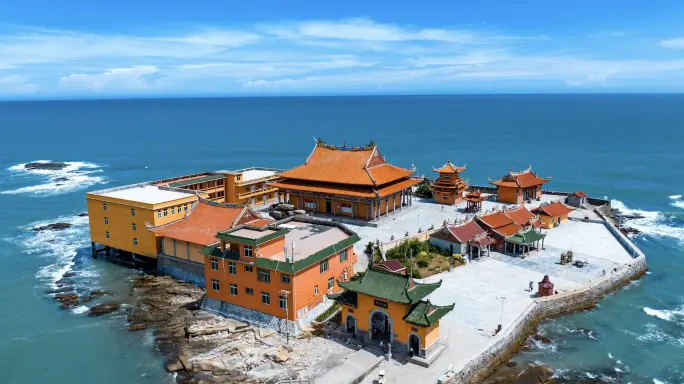
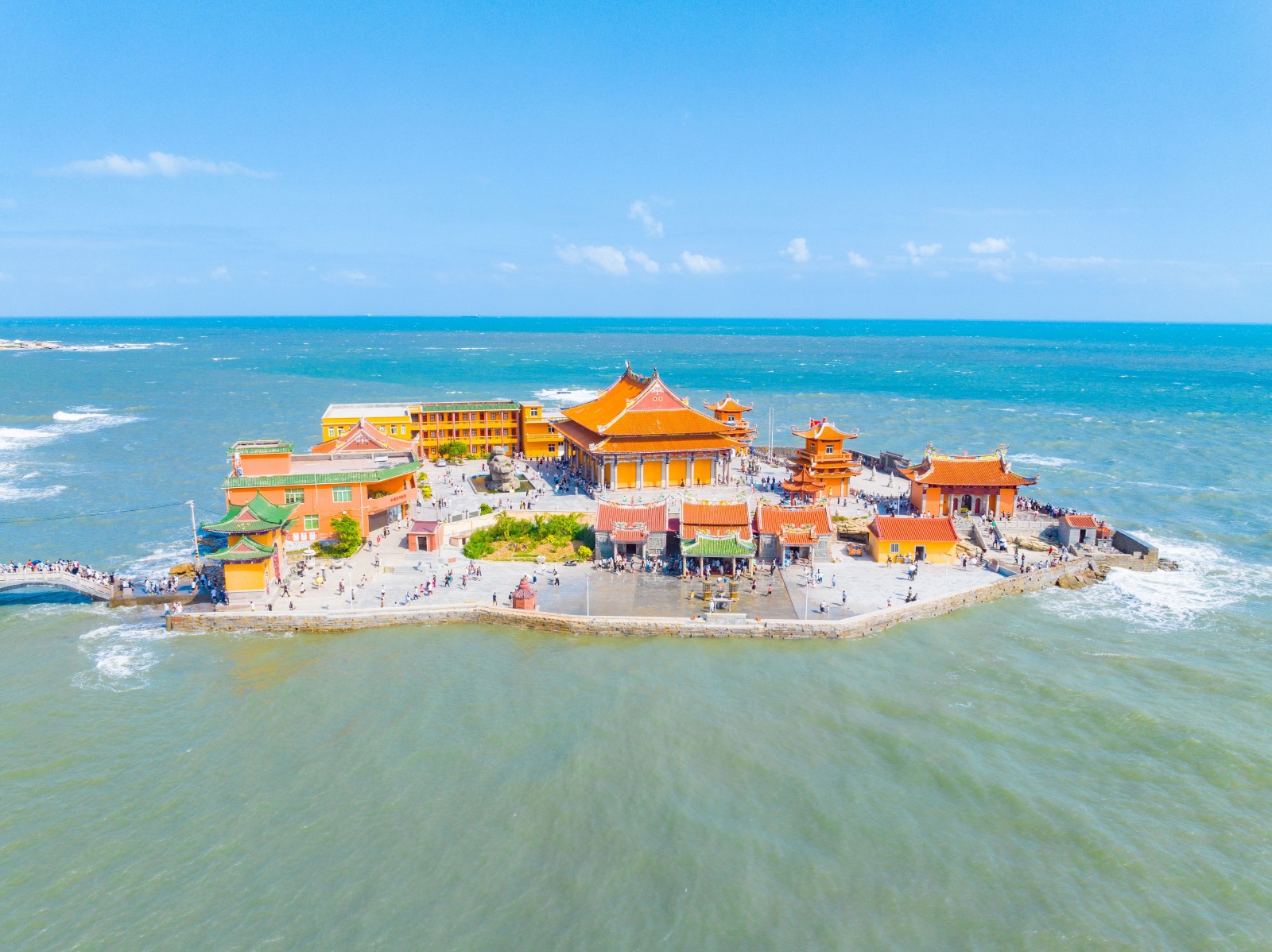
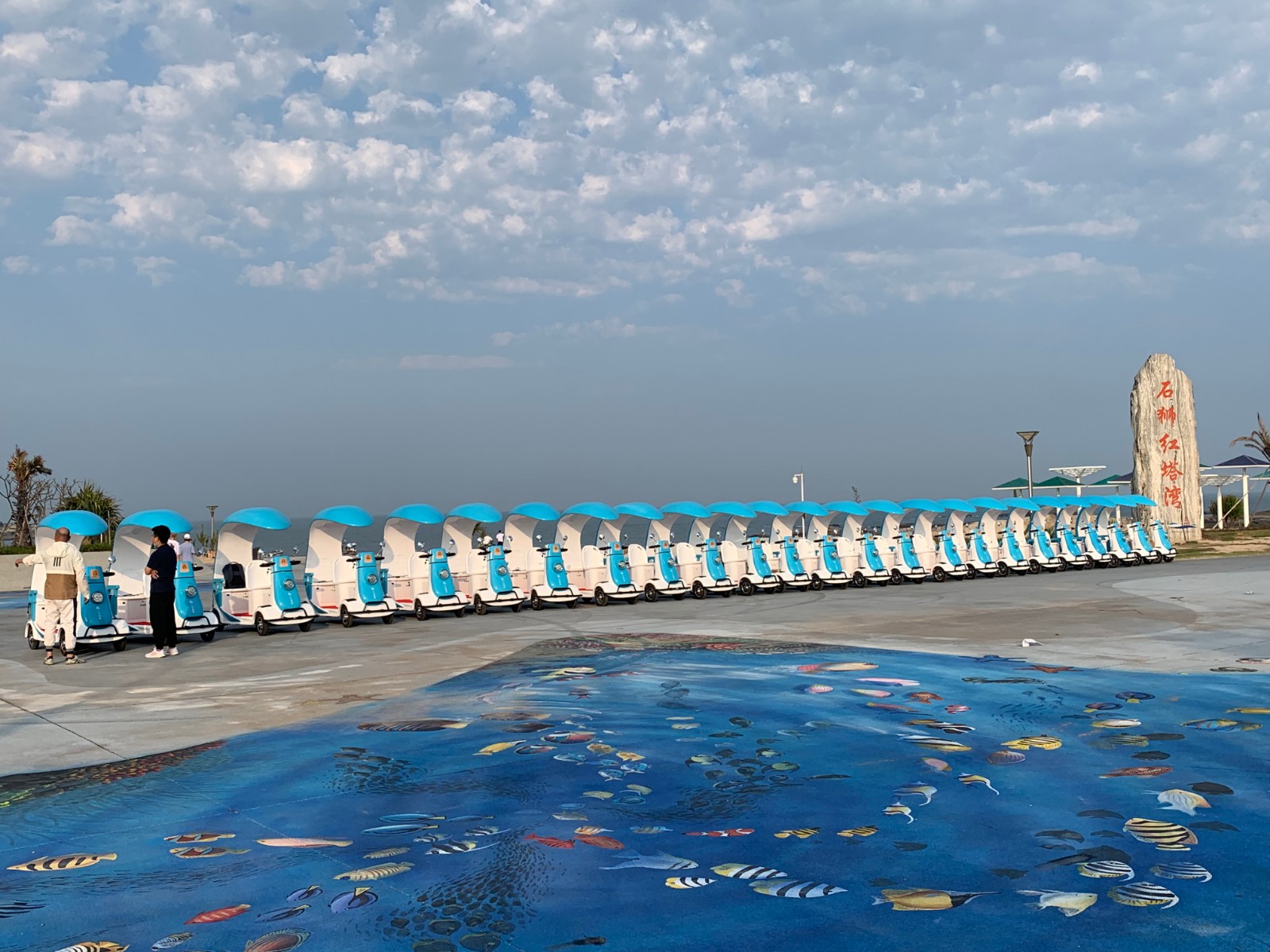
Hongta Bay, located in the southeastern part of Quanzhou, is known for its stunning coastline and quiet atmosphere. The bay gets its name from the red tower, Hongta, which stands as a local landmark. With clear waters, sandy beaches, and lush greenery, it’s an ideal spot to relax and enjoy nature. Nearby fishing villages add to the area’s charm, allowing visitors to experience local maritime culture. Whether walking, taking photos, or enjoying fresh seafood, Hongta Bay is a hidden gem.
Address: 180 meters southeast of the intersection of Hongta Bay Tourist Road and Lianhai Road, Shishi City, Quanzhou
Hours: 24 hours
Admission: Free

Guanyin Mountain
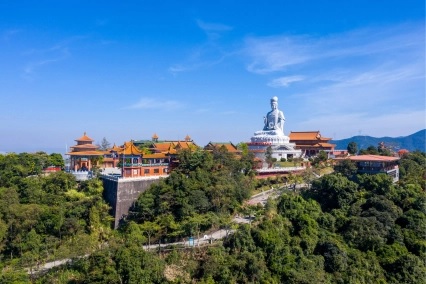
Guanyin Mountain, located in southern Quanzhou, is a popular spot for those interested in Buddhist culture. The mountain is home to ancient temples and a large statue of Guanyin, drawing many for both worship and sightseeing. The area is known for its beautiful natural scenery, with towering peaks, shaded forests, and misty clouds. Guanyin Mountain offers a peaceful setting for hiking and meditation, making it a perfect blend of culture and nature.
Address: Guanyin Mountain, Anxi County, Quanzhou
Hours: 24 hours
Admission: Free

Hui'an District
Chongwu Ancient Town
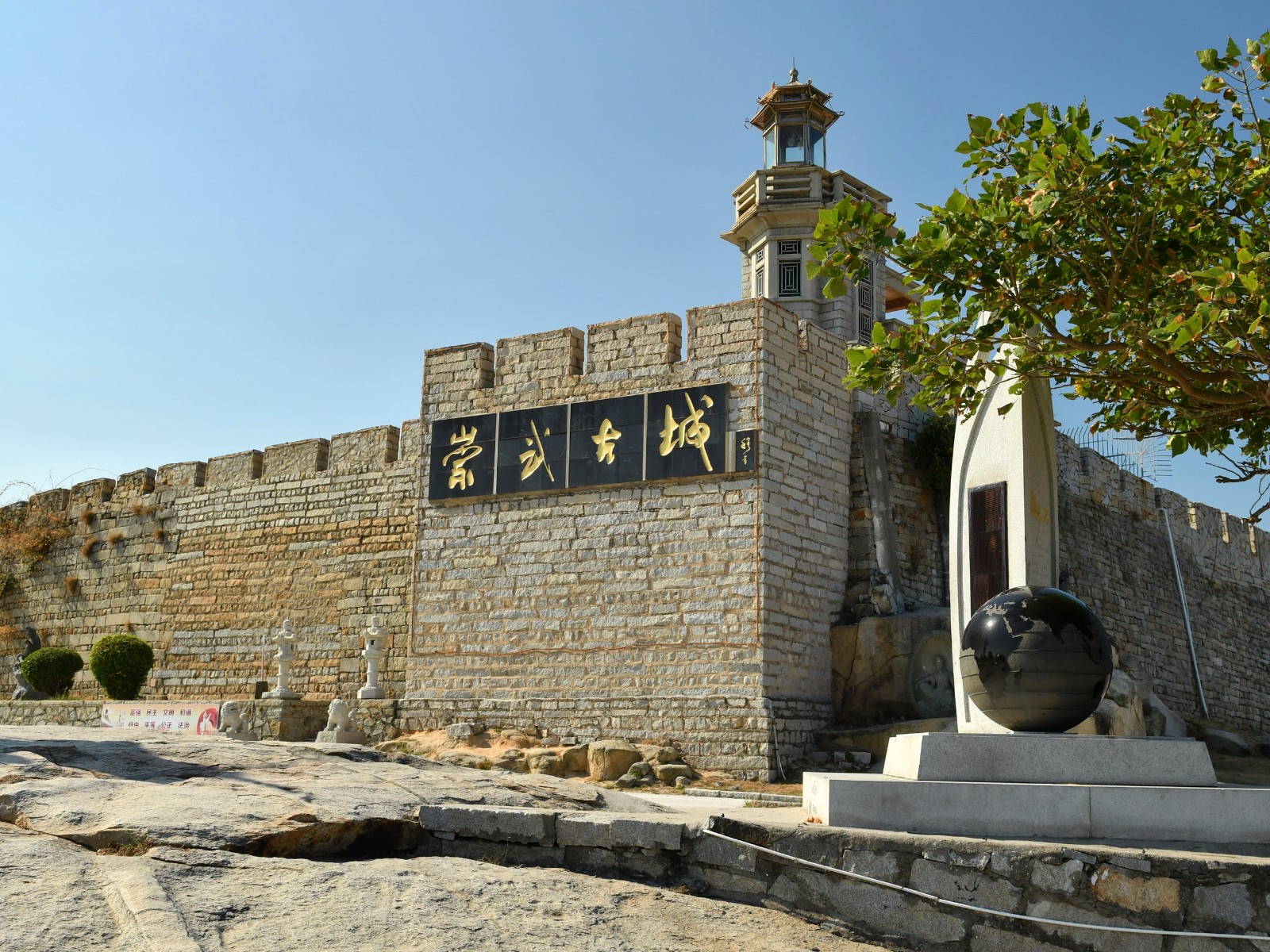
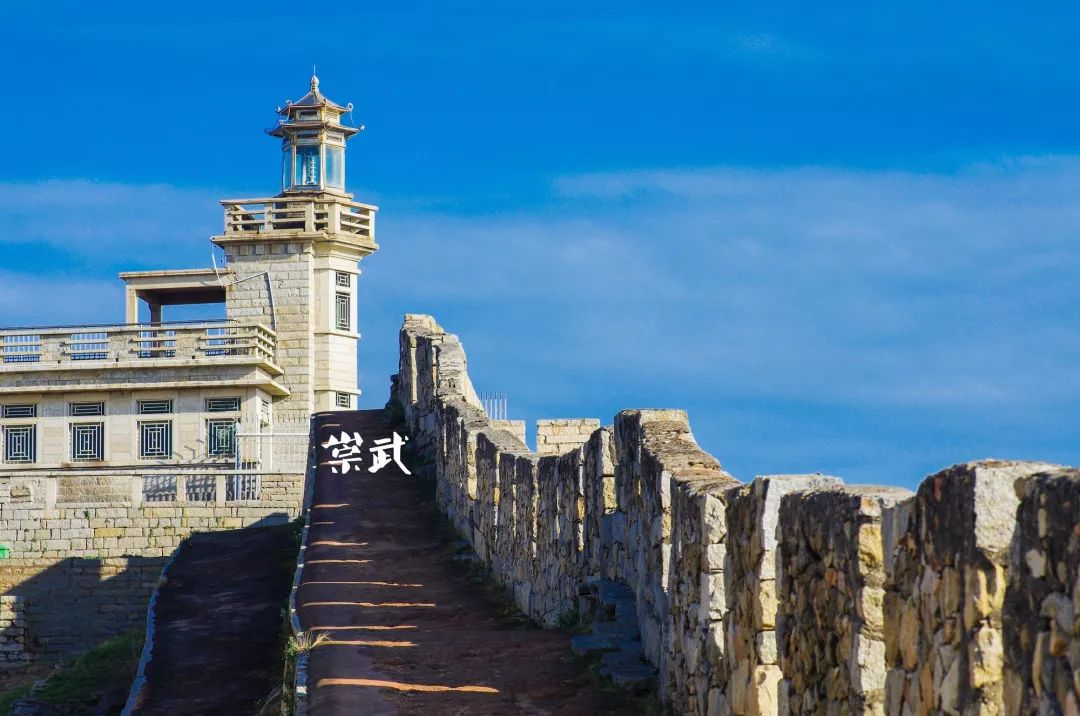
Chongwu Ancient Town, located in the southern part of Quanzhou, is over 600 years old. The town retains many ancient buildings and traditional streets, reflecting the classic Minnan architectural style. Its city walls, gates, temples, and old houses offer a glimpse into the area's rich history. Once an important port along the coast, Chongwu was also part of the ancient Maritime Silk Road. In addition to its historical sites, the coastal views make it a popular destination for those looking to experience both the past and the peaceful natural surroundings.
Address: County Road 308, Chongwu Town, Hui'an County, Quanzhou
Hours: 12/16–05/31, 07:30–18:00
Admission: 40 RMB
Windmill Island
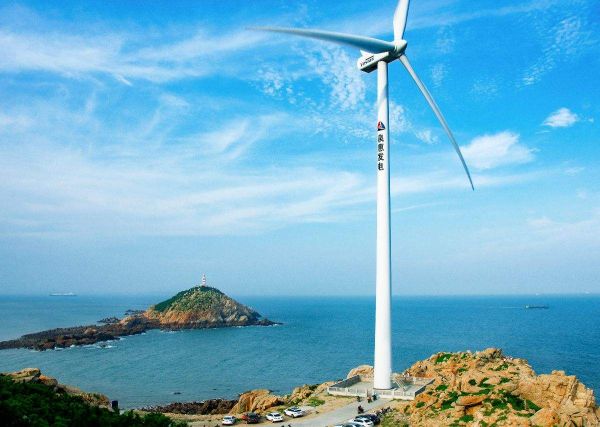
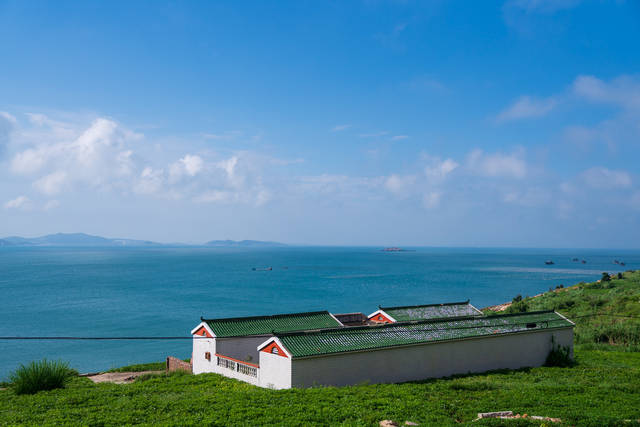
Located southeast of Quanzhou, Windmill Island is known for its striking windmills. The island features beautiful blue waters, soft sandy beaches, and towering windmills that are a symbol of the area. The windmills, which are part of the island’s eco-friendly energy initiatives, have also become a favorite spot for visitors to take photos. The surrounding waters and rich marine life make it a great place for relaxation, photography, and hiking.
Address: Windmill Island Tourist Area, Hui'an County, Quanzhou
Hours: 24 hours
Admission: Free
Luoyang Bridge
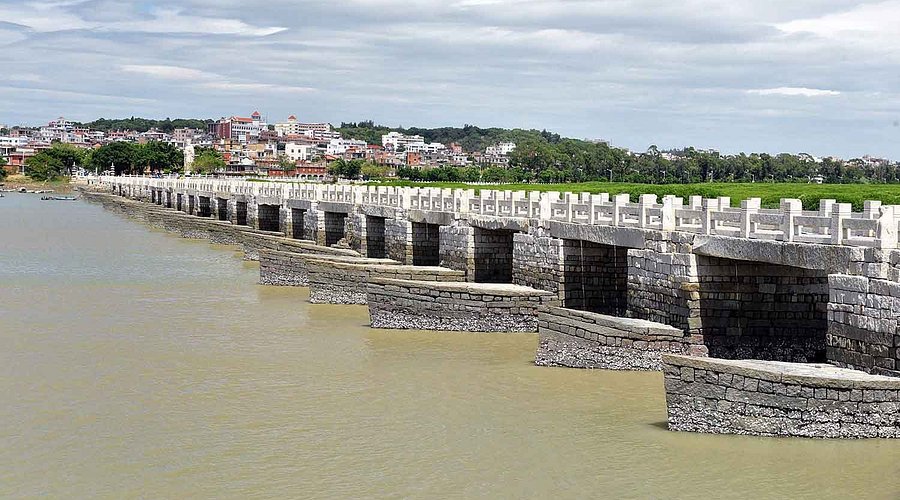
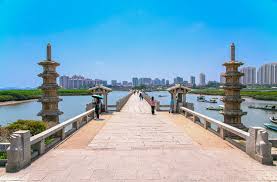
Built during the Song Dynasty, Luoyang Bridge is one of China’s oldest stone bridges over the sea. Spanning about 900 meters across Quanzhou Bay, it connects the city to Luoyang Island. The bridge is not only an important transport route from ancient times but also a fine example of bridge-building techniques, combining traditional Chinese craftsmanship with Western influences. As a key landmark in Quanzhou, Luoyang Bridge stands as a reminder of the city’s role in the Maritime Silk Road.
Address: Near Gan Yu, Xichuan, Wan'an Street, Luojiang District, Quanzhou
Hours: 24 hours
Admission: Free
Fengze District
Xunpu Village
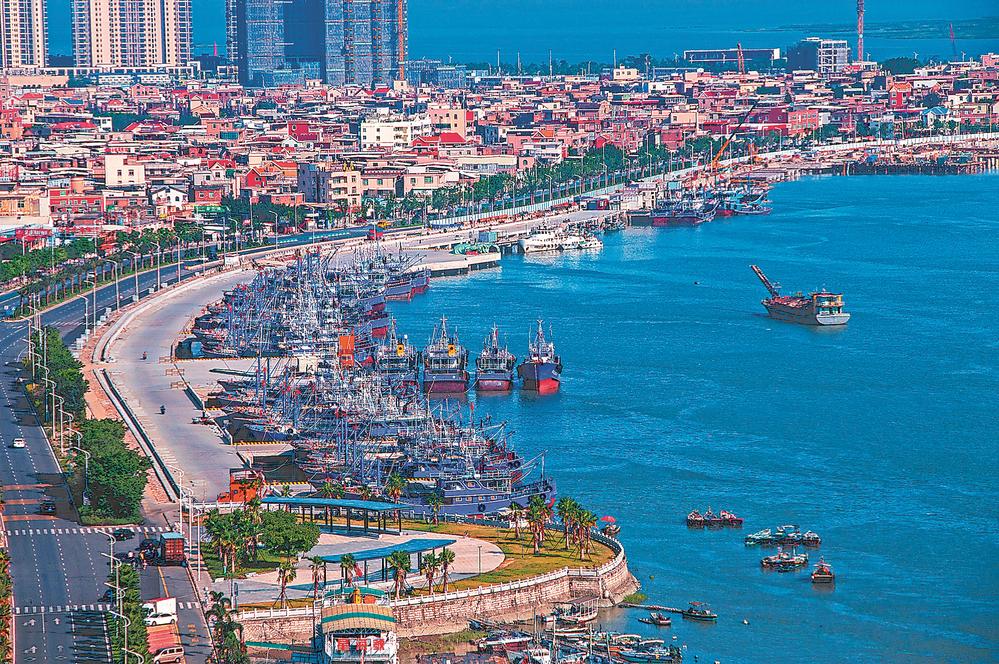
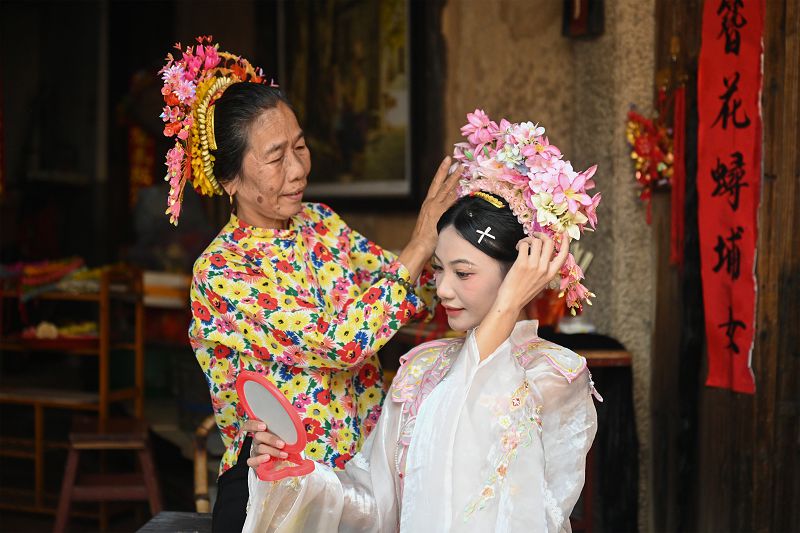
Xunpu Village, located in Shishi City, Quanzhou, is a traditional fishing village with a rich history. Known for its unique culture and charm, the village’s residents primarily rely on fishing and sea life. Xunpu Village has preserved many traditional customs and architectural styles, offering a glimpse into the past. One of the most distinctive attractions is the “Xunpu Flower Street,” where the old houses and local folk performances create an atmosphere that feels like stepping back in time. The village, with its rich maritime culture, traditional crafts, and coastal way of life, attracts many visitors who wish to experience the simple and natural beauty of a fishing village.
Address: Xunpu Village, Fengze District, Quanzhou
Hours: 24 hours
Admission: Free
Qingyuan Mountain
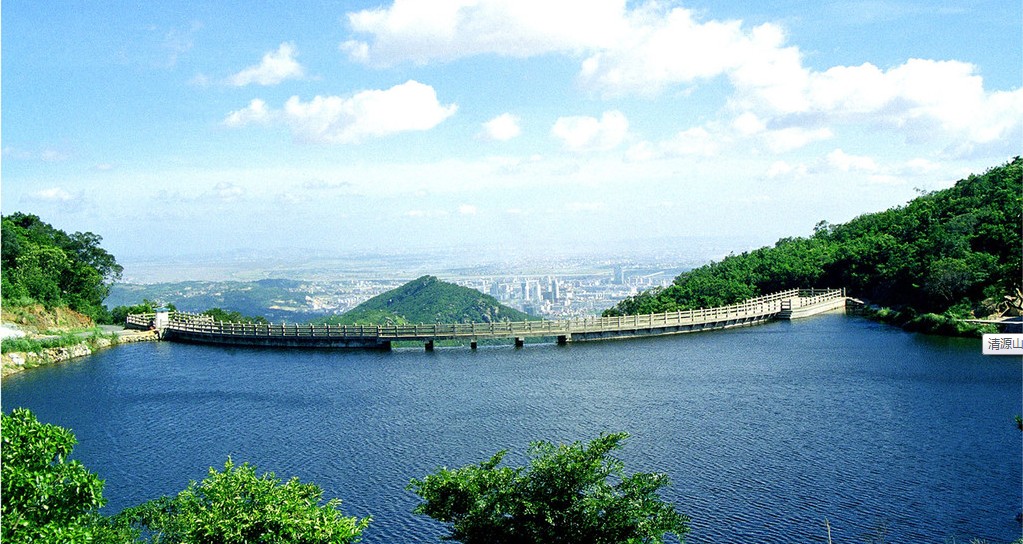
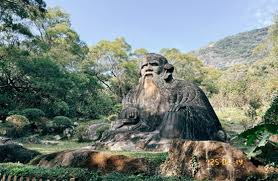
Qingyuan Mountain, located in the northern part of Quanzhou, is a well-known mountain combining natural beauty with historical and cultural significance. Often called the "Green Lung of Quanzhou," the mountain is lush with trees, streams, and fresh air, making it a perfect place for hiking, relaxation, and fitness. The mountain has a deep cultural history, with several ancient temples, stone carvings, and ruins, including the famous "Qingyuan Temple" and "Kaiyuan Temple." At the summit, visitors can see the impressive "Qingyuan Giant Buddha," one of the key landmarks of Quanzhou. Qingyuan Mountain is not only a Buddhist sacred site but also an ideal destination for tourists and hiking enthusiasts, offering a chance to connect with nature.
Address: Quanshan Road, Qingyuan Street, Fengze District, Quanzhou
Hours: 07:00–17:30
Admission: Free
Jinjiang District
Wulin Traditional Village
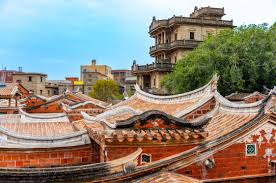
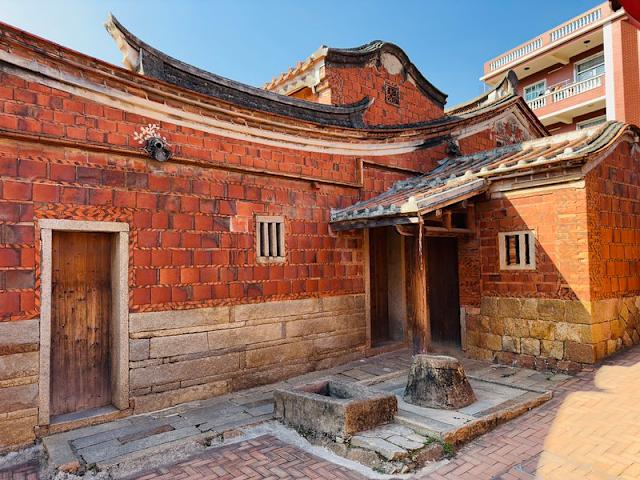
Wulin Village, located in Jinjiang, Quanzhou, is a well-preserved Minnan village with over a thousand years of history. The village is home to traditional houses, ancestral halls, and temples, all reflecting the local architectural style, with beautiful wood and stone carvings. The winding streets, ancient trees, and greenery add to its rural charm. Wulin offers a unique glimpse into the customs, crafts, and lifestyle of the area, making it a popular spot for those wanting to experience the authentic Minnan countryside.
Address: Wulin Village, Jinjiang, Quanzhou
Hours: 24 hours
Admission: Free
Caoyan Temple
Located in southern Quanzhou, Caoyan Temple is a historic Buddhist site, founded in the Tang Dynasty, with over a thousand years of history. Known for its simple yet serene architecture, the temple is dedicated to Sakyamuni Buddha. Its unique design blends Tang and Song Dynasty Buddhist art, with detailed carvings of Buddhist stories throughout the temple. The peaceful atmosphere makes it a favorite spot for both worshippers and visitors seeking to explore Quanzhou’s Buddhist culture.
Address: 100 meters north of Huabiao Mountain Road, Luoshan Street, Jinjiang
Hours: Year-round, 09:00–13:30, 14:30–17:00
Admission: Free
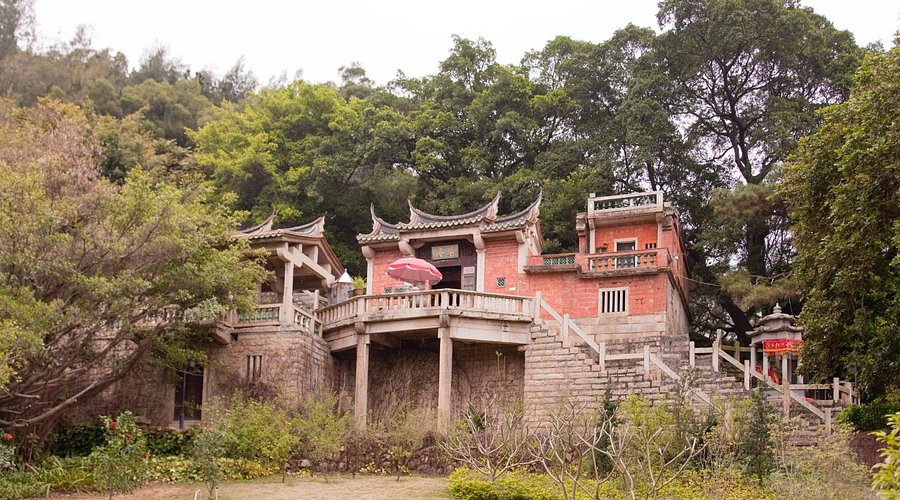
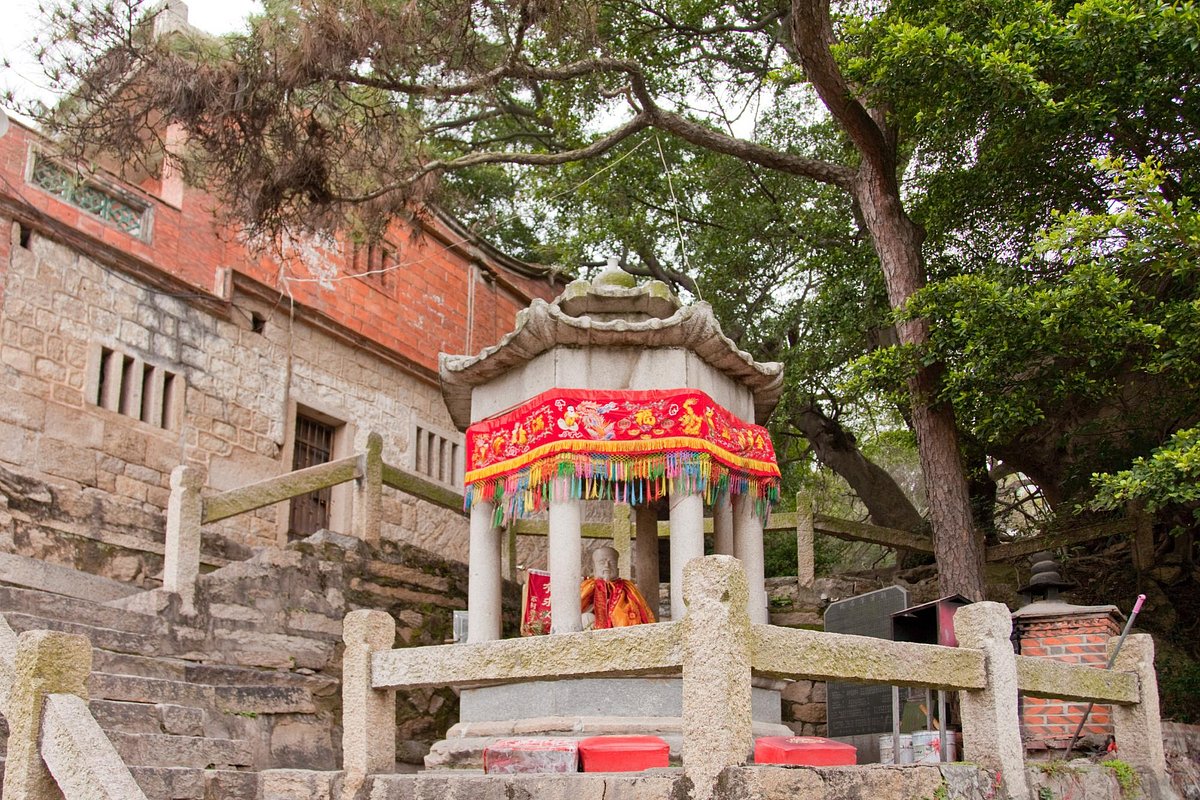
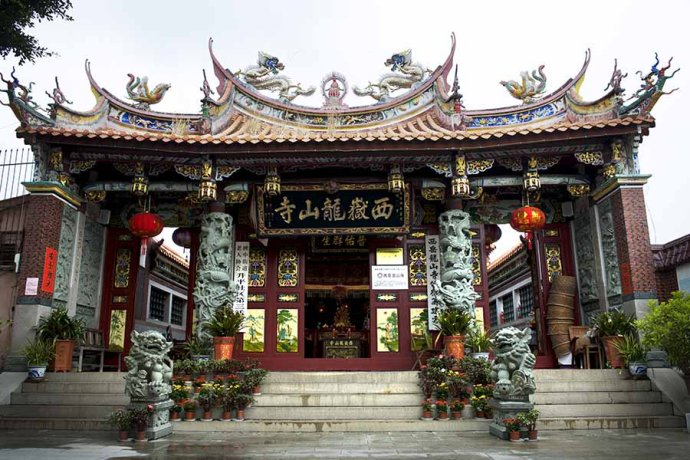
Longshan Temple
Longshan Temple, located in northern Quanzhou, is a historic Buddhist site built during the Tang Dynasty. It is dedicated to Guanyin, the Goddess of Mercy, and is one of Quanzhou’s most important temples. The temple’s architecture reflects styles from the Tang and Song Dynasties, and its stunning carvings and murals showcase the richness of Buddhist art. Surrounded by peaceful nature, it is a popular spot for worshippers and visitors alike to connect with both the history and spirituality of the region.
Address: Kenghuang Village, Jingfeng Town, Hui'an
Hours: 24 hours
Admission: Free
Culture Experiences
Nanyin Music
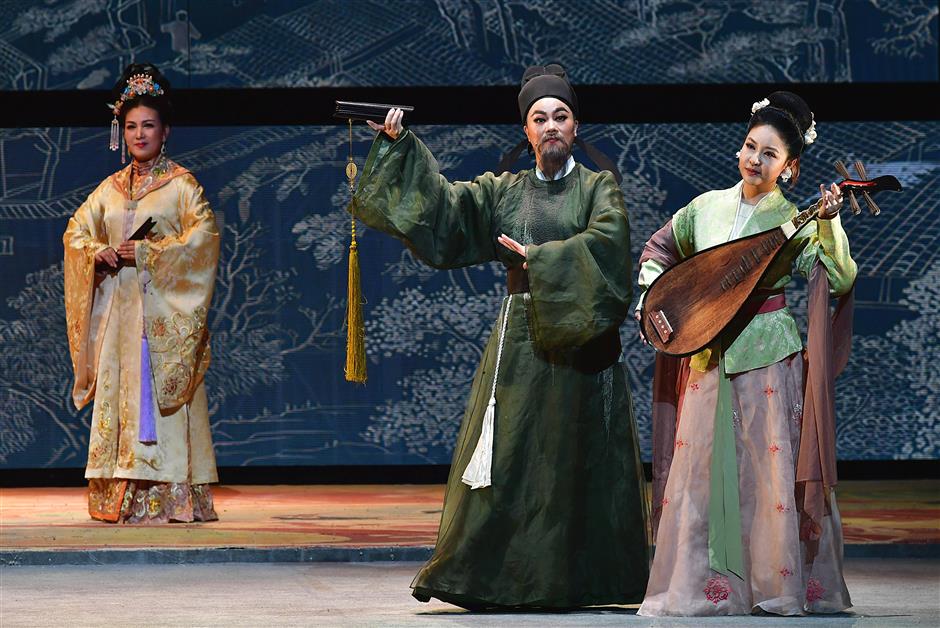
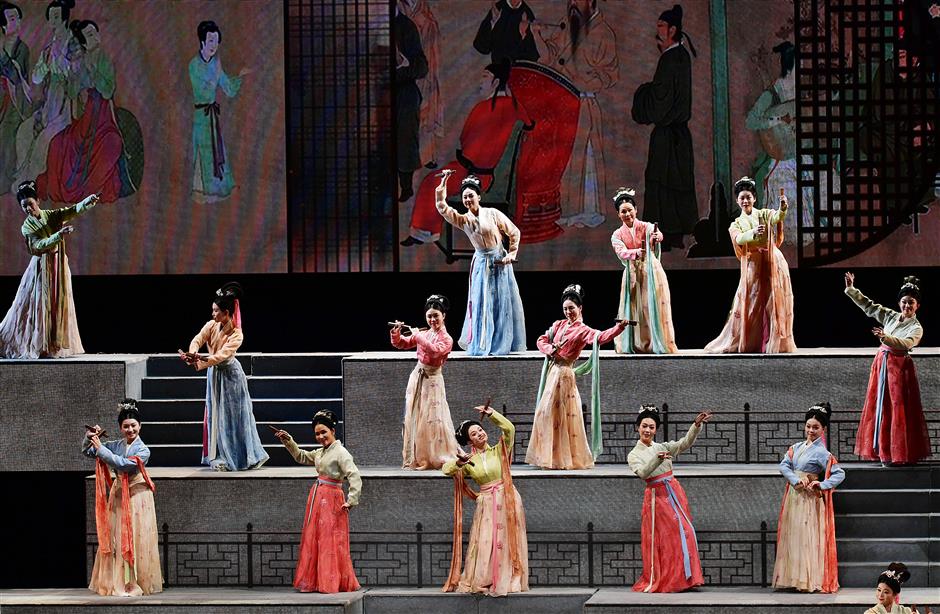
Nanyin, a cultural treasure of Quanzhou, is regarded as "one of the oldest vocal arts in China" with a history spanning over a thousand years. Originating during the Tang and Song dynasties, it continues to be passed down in Quanzhou and the Minnan region, incorporating distinctive local characteristics. The melody of Nanyin is gentle and melodious, with a fresh and elegant singing style, delicate and captivating tones, evoking a warm and peaceful feeling. Singers express ancient poetry and stories through their voices, while traditional instruments like the guqin, flute, and pipa add a unique charm. The lyrics of Nanyin often depict love, history, and nature, painting a vivid picture that immerses listeners in distant emotions and tales. Today, Nanyin is not only a cultural symbol of Quanzhou but also recognized by UNESCO as an intangible cultural heritage, serving as the best "gateway to understanding Minnan culture" through its sound.
Recommendations
Quanzhou Nanyin Art Garden
Address: 483 Xinmen Street, Licheng District, Quanzhou
Hours: 10:00 AM - 10:00 PM
Quanzhou Cultural Palace Nanyin Society
Address: 8-12 Jiuyi Street, 2nd Floor, South Side, Workers' Cultural Palace, Quanzhou
Hours: 10:00 AM - 10:00 PM
Puppet Theater
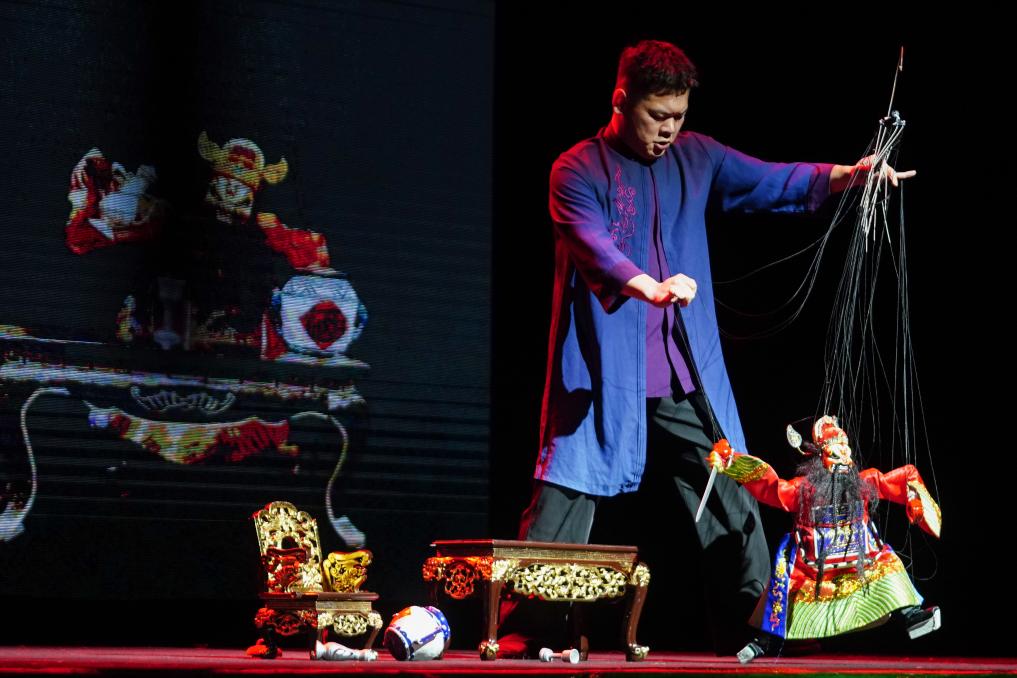
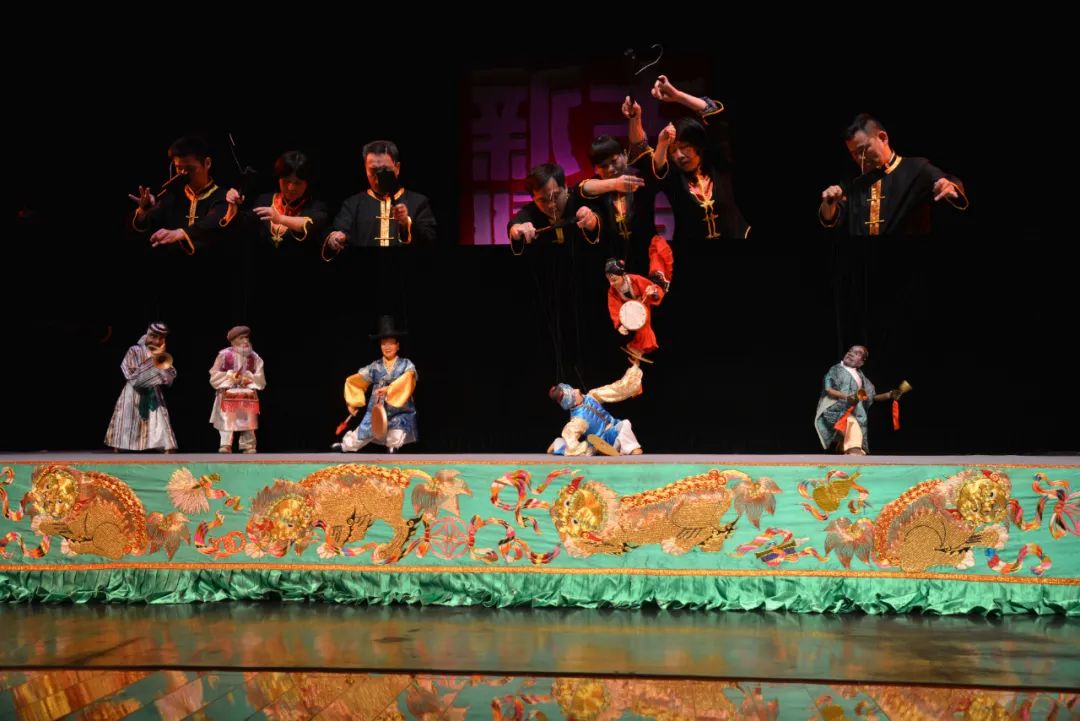
Quanzhou Puppet Theater is a cultural treasure of this ancient city, with a history of over a thousand years. It is not only a visual feast but also an artistic journey that carries history and legends. The exquisite puppets, skillfully manipulated by performers, bring traditional stories and folk tales to life, with every movement filled with dramatic tension. Whether it's the delicate expressions or the flexible gestures, the puppeteers’ extraordinary skills are fully displayed.
The puppets of Quanzhou Puppet Theater have unique designs, with luxurious costumes, and accompanied by moving music and rhythmic performances, transporting the audience into a magical world. It blends traditional singing, dancing, and martial arts elements, showcasing Quanzhou’s deep cultural heritage and creative spirit. As one of Quanzhou’s cultural highlights, puppet theater still plays an important role in the daily lives of local people, attracting many visitors to explore this art form, rich with traditional charm and Minnan storytelling and emotions.
Recommendations
Quanzhou Puppet Theater
Address: 355 Quanshan Road, Fengze District, Quanzhou
Ticket Prices: First-Class Seat: 80 RMB, Second-Class Seat: 50 RMB, Third-Class Seat: 30 RMB
Ticket Purchase: Quanzhou Puppet Troupe WeChat Mini Program
Ticket Release: Show schedules are usually released on Wednesdays, with tickets available for sale at 10:00 AM on Thursdays. High demand may result in additional performances. Tickets for a week’s worth of shows, such as from July 21 to July 27, are released in one batch, generally 10 days in advance.
Imprint Minnan Intangible Heritage Experience Center (Su Tingyu’s Former Residence)
Address: 4 Tongzheng Lane, Licheng District, Quanzhou (Su Tingyu’s Former Residence, Imprint Minnan Talent House)
This venue features a combination performance of Nanyin and Puppet Theater, located in the heart of the ancient city of Quanzhou. Ticket prices here are slightly higher than at the Puppet Theater.
Performance Time: Starting August 1, every evening at 19:30
Ticket Price: 108 RMB
Ticket Purchase: Quanzhou Imprint Minnan WeChat Mini Program
Culture Religion: A Living Museum of Beliefs
Quanzhou, a key port along the ancient Maritime Silk Road, has long been a melting pot of different cultures and religions. Buddhism, Taoism, Islam, and Christianity have coexisted here for centuries, reflecting the city’s openness and inclusivity. With a rich history, Quanzhou became a center for Buddhist culture during the Tang and Song dynasties, seen in landmarks like Kaiyuan Temple and Cheng Tian Zen Temple. Taoism also flourished, with many ancient Taoist temples still standing. The city’s role as a birthplace of Islam in China is marked by the Qingjing Mosque, where Islamic architecture blends with traditional Chinese elements. Christianity was introduced through the Silk Road during the Tang and Song dynasties, with historic sites like St. Mary’s Church highlighting its influence. Quanzhou’s religious diversity not only symbolizes the cultural fusion of East and West but also defines the city’s unique identity as a crossroads of global faiths. Today, the city continues to embrace its rich history, welcoming visitors and believers from all over the world to experience its blend of spirituality and cultural heritage.
Minnan Architecture
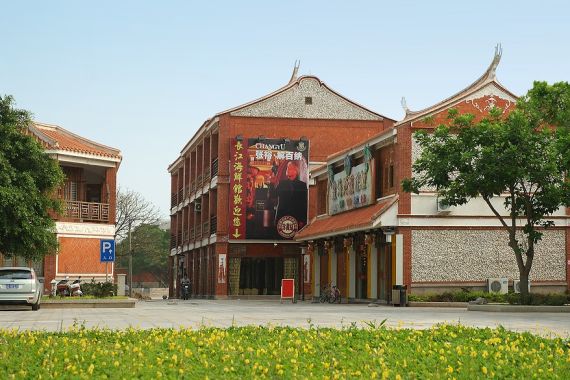
Minnan architecture, a distinctive feature of southern Fujian, reflects the region's rich cultural history and unique environment. One of its most recognizable elements is the red brick houses, which are widely seen in Quanzhou and surrounding areas. These buildings are characterized by their sturdy construction, often featuring intricate carvings that showcase local craftsmanship and traditional Chinese design.
The swallowtail roofs are another defining feature of Minnan architecture. This elegant roof style, with its upturned eaves at the corners, is not just visually striking but also practical, helping to protect homes from the region’s tropical climate and heavy rain. The roofs are often adorned with decorative tiles, adding to their aesthetic appeal.
Minnan architecture is also deeply tied to local temple festivals, which are a major part of the cultural and spiritual life in the region. These festivals, celebrating local deities and traditions, are marked by grand temple processions, vibrant performances, and colorful decorations. The temples themselves, often built with intricate carvings and sculptures, stand as symbols of the area’s deep-rooted beliefs and rich artistic heritage.

What to Eat in Quanzhou
Must-Try Local Foods
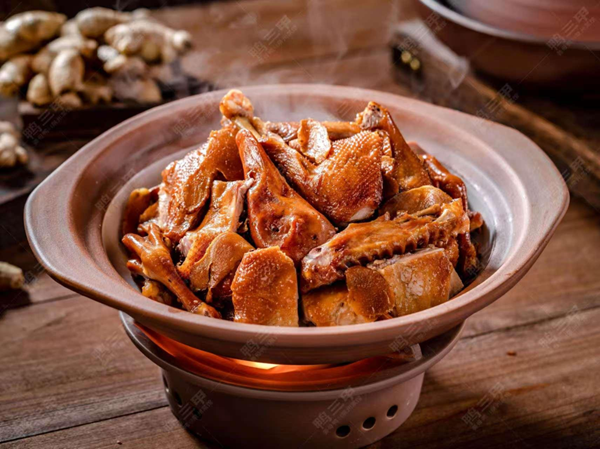
Quanzhou Ginger Duck
Quanzhou Ginger Duck is a traditional dish made with tender duck cooked with ginger, spices, and herbs. The ginger used, known as "old ginger," is believed to help warm the body and boost strength, making this dish especially popular in winter. The duck absorbs the fragrant, spicy flavors of ginger, resulting in a rich broth and tender meat. This hearty dish is a local favorite for its warming and nourishing qualities.

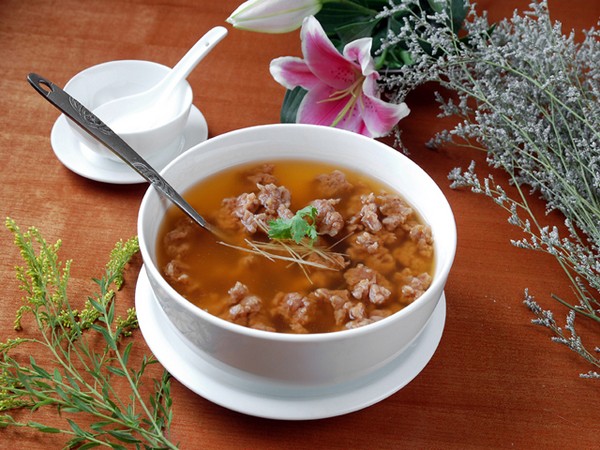
Beef Soup
Quanzhou Beef Soup is a classic dish with tender beef, mushrooms, lily buds, and other ingredients. The clear broth is full of flavor, and the beef is simmered until it’s soft and juicy. A bit of soy sauce and Sichuan peppercorns add depth and a mild spice to the soup. This comforting dish is enjoyed for its rich taste and nourishing qualities, making it a favorite among locals and visitors alike.
Quanzhou Vermicelli Soup
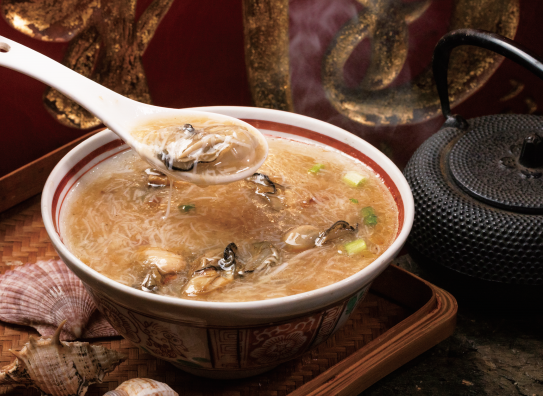
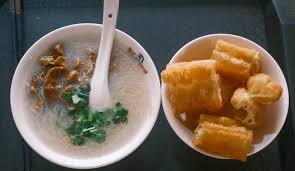
A popular snack, Quanzhou Vermicelli Soup features soft noodles in a rich, flavorful broth made from pork bones, shrimp, peanuts, and other ingredients. The broth is slow-cooked to extract all the flavors, and the noodles soak it all up, creating a deliciously satisfying dish. It’s commonly eaten for breakfast or as a snack, offering both warmth and nourishment.
Tangerine Red Cake
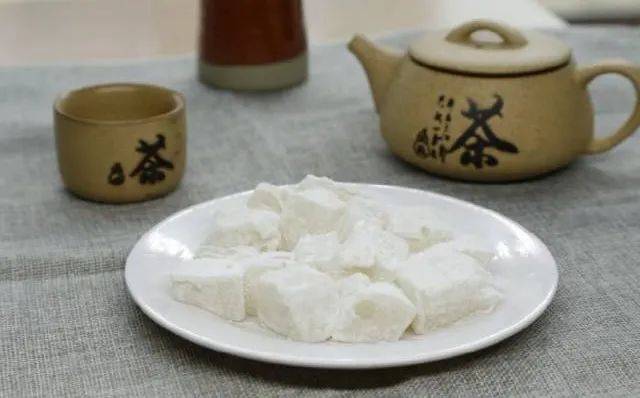
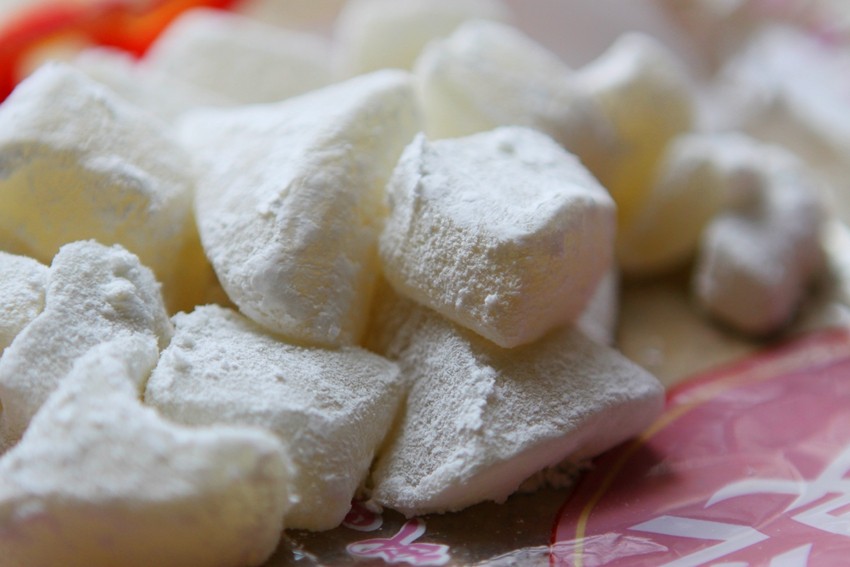
Made with glutinous rice and tangerine peel, Quanzhou Tangerine Red Cake has a soft, chewy texture and a fragrant, citrusy aroma. It’s typically steamed and often served with syrup or coconut milk for added flavor. This traditional treat is a favorite during festivals and special occasions in Quanzhou.
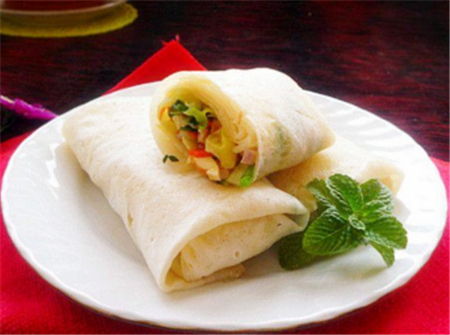
Spring Roll
Quanzhou Spring Rolls are made with a soft rice flour wrapper and filled with ingredients like stir-fried vegetables, braised meat, and bean sprouts. The wrapper is steamed to keep it flexible, and the filling can be customized based on personal preferences. It’s often eaten with sauces to enhance the flavor.

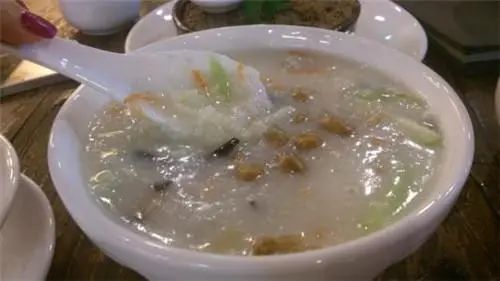
Quanzhou Salted Rice
Made by steaming glutinous rice with salted vegetables, pork, and mushrooms, Quanzhou Salted Rice has a fragrant, savory flavor. The rice is tender and slightly chewy, with the salted vegetables and meat adding a rich depth of taste. It’s a comforting dish often served at home or during celebrations.


Fish Soup
Quanzhou Fish Soup is a light, nourishing dish made with fresh small fish, rice, and a clear broth. The rice absorbs the delicate flavor of the fish, creating a soothing and tasty soup. This dish is often eaten for breakfast or as a light meal, appreciated for its fresh taste and gentle flavor.

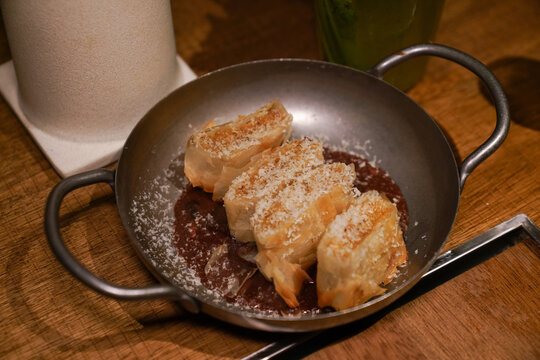
Quanzhou Fried Vegetable Cake
Fried Vegetable Cake is a crispy snack made from glutinous rice flour, filled with stir-fried vegetables, mushrooms, and minced meat. The cakes are deep-fried until golden, offering a perfect mix of crunch and tenderness. They’re popular as a breakfast or street food snack, with a savory filling that’s beloved by locals.
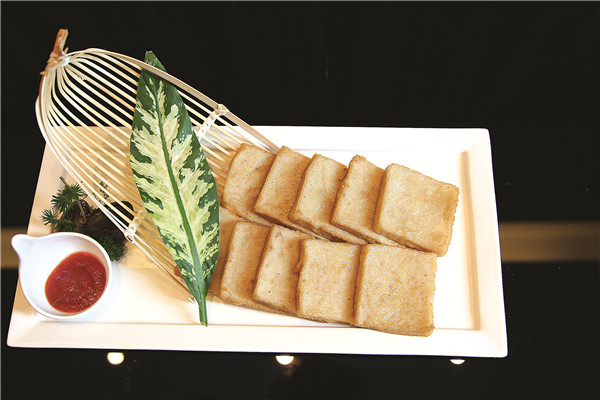
Chongwu Fish Roll
Chongwu Fish Roll is made with fresh fish, wrapped with vegetables and spices, then steamed or fried. The fish is tender and flavorful, and the seasoning enhances the taste. This dish is a local delicacy that reflects the region’s seafood heritage.


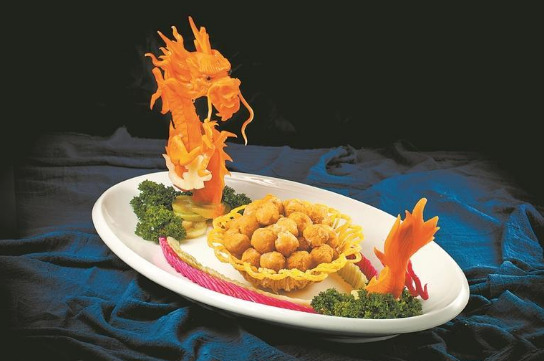
Dongbi Dragon Pearl
Dongbi Dragon Pearl is a traditional Quanzhou dish made from glutinous rice, pork, shrimp, and spices, shaped into small round pearls. After steaming, the outer layer is soft and chewy, with a flavorful filling inside. This dish offers a delightful combination of textures and is a favorite for its rich, comforting taste.

Best Food Streets & Markets
Seafood Street: Located along Fenghai Road in Fengze District, this area is the birthplace of the Maritime Silk Road and a major route leading to the administrative center of Quanzhou. At night, as you walk along the coastal path, the salty sea breeze mixed with the scent of fish greets you. Numerous seafood restaurants, especially the Xunpu Seafood Fish Restaurants, are brightly lit and prepare for the busiest time of the day, making it a true seafood food street.
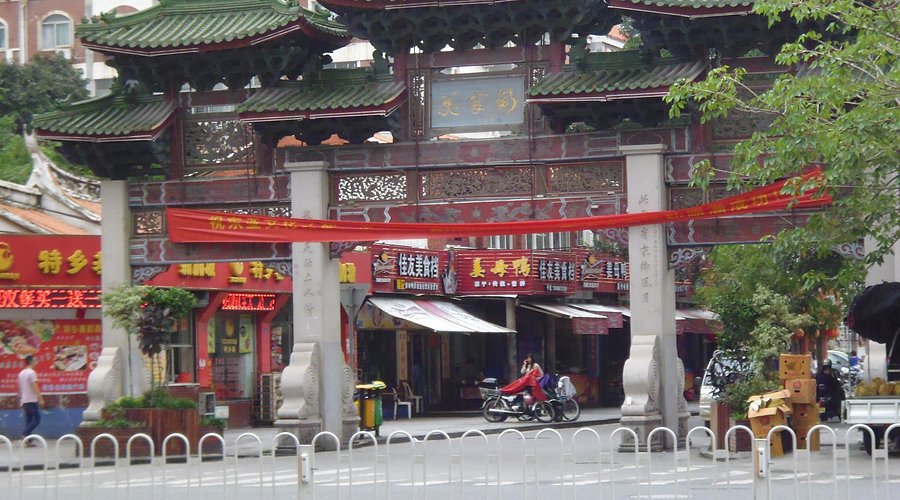

Zhenwu Temple Food Plaza: Located on Shitou Street in downtown Quanzhou, the Zhenwu Temple Food Plaza is centered around the Zhenwu Temple. It features rows of traditional Minnan-style pavilions, with red bricks, tiled roofs, and towering banyan trees, giving it an ancient charm. This area is home to numerous Minnan cuisine restaurants, seafood eateries, and specialty snack stalls, offering over 300 varieties of fresh seafood and local delicacies, reflecting the unique flavors and styles of Quanzhou. It’s a great spot for tourists looking to enjoy local cuisine and relax.
Local Specialties
Dehua Porcelain
Dehua porcelain from Quanzhou, Fujian, is a traditional handicraft known for its exquisite craftsmanship and delicate texture. With a history of over a thousand years, Dehua porcelain is primarily made of white porcelain, which is jade-like in its pure white glaze, smooth surface, and unique, artistic shapes. The production process is meticulous, using high-quality clay, followed by detailed carving, glazing, and firing, resulting in pieces that are both practical and decorative. Dehua porcelain is not only popular in China but also exported overseas, making it one of the key representatives of Chinese porcelain culture.
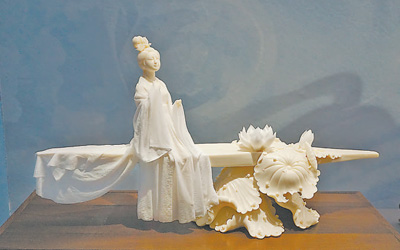

Anxi Tea
Anxi tea, from Quanzhou, Fujian, has a long history, with Anxi Tieguanyin being the most famous variety. The unique climate and soil conditions in Anxi contribute to the distinct fragrance of its tea. Anxi Tieguanyin has a rich green color, a smooth and full-bodied flavor, and a strong, pleasant aroma. The tea is meticulously hand-picked and processed using traditional techniques, which enhances its depth and complexity. In addition to Tieguanyin, other tea varieties from Anxi, such as Baihao Oolong and Qingxiang Oolong, are also highly popular.
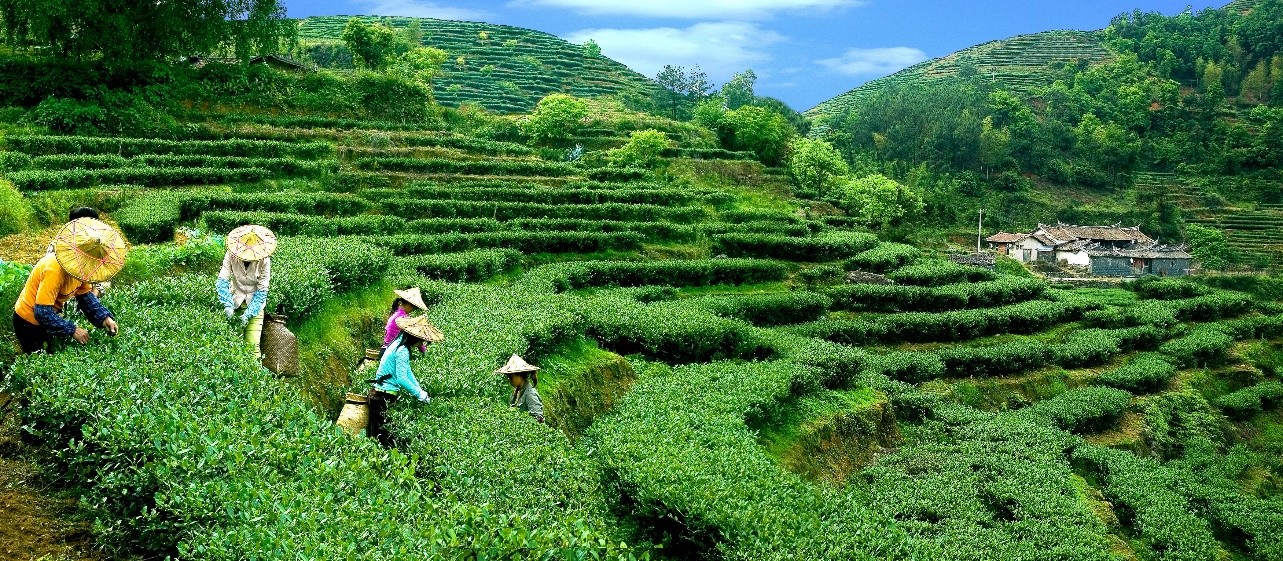
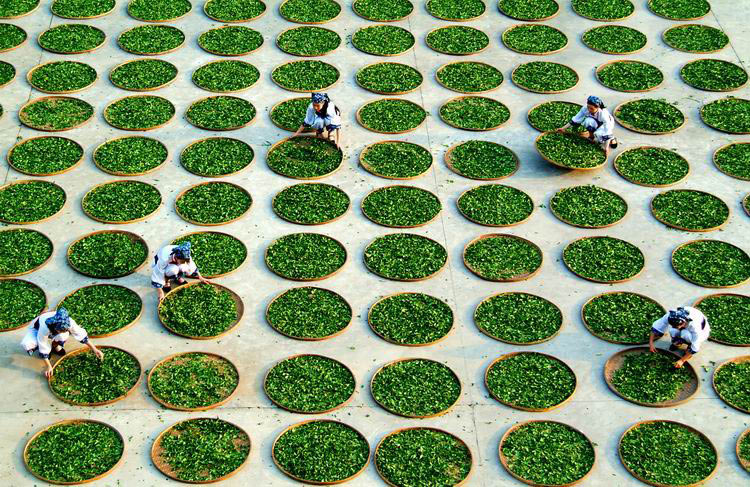
Quanzhou Longan
Quanzhou longan is loved for its sweet taste and rich nutritional value. Also known as "dragon eye," the fruit is round, with translucent, tender flesh that is sweet with a hint of fragrance. Longans from Quanzhou are known for their thick, juicy flesh and sweet flavor, rich in vitamins, minerals, and various health-benefiting components. They are often used to make desserts, sweet soups, or as medicinal ingredients. The harvest season for longans is in summer and autumn.
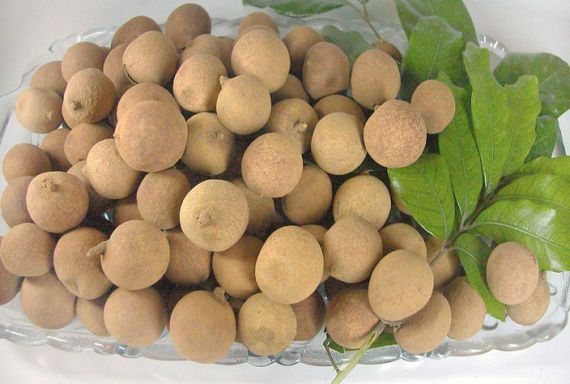

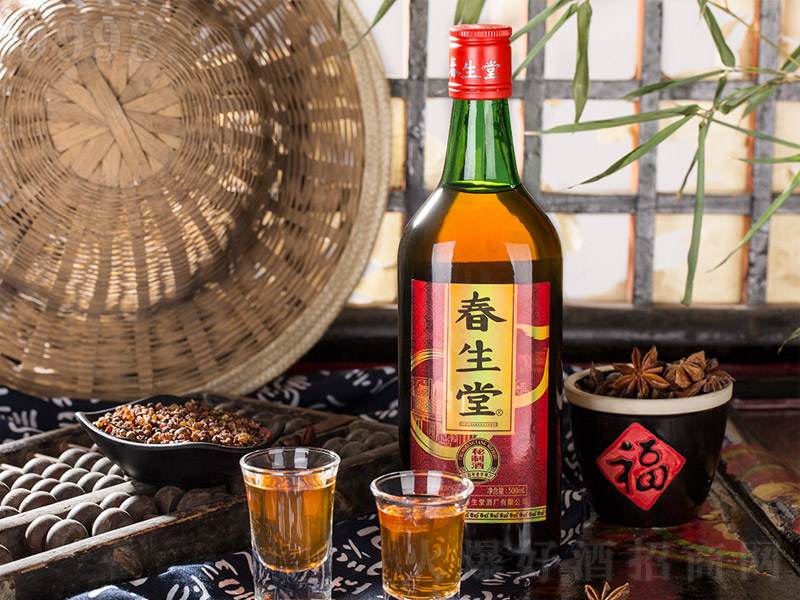
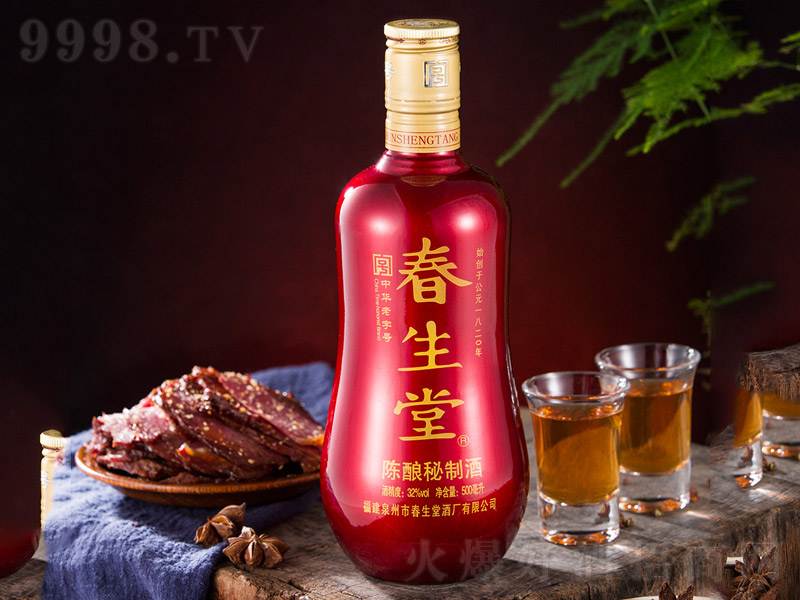
Chunsheng Tang Wind Injury Tonic Wine
Chunsheng Tang Wind Injury Tonic Wine is a traditional herbal wine from Quanzhou, used to alleviate discomfort caused by wind-cold conditions such as colds and rheumatism. The wine contains a blend of herbs, including ginger, goji berries, and Angelica, and is brewed through a special process. The wine has a warm taste with a slightly spicy flavor and is known for its ability to soothe muscles, promote circulation, and dispel cold and wind. This tonic wine is commonly consumed in cold weather or when feeling physically weak, helping to restore energy and health.
Best Time to Visit Quanzhou
| Month | Average Temperature | Weather | Best Time to Visit |
|---|---|---|---|
| March–May | 15°C–25°C (59°F–77°F) | Mild and comfortable | Ideal for sightseeing and outdoor activities |
| June–August | 25°C–30°C (77°F–86°F) | Hot and humid | Great for those who enjoy summer, but expect crowds |
| September | 22°C–30°C (72°F–86°F) | Humid and rainy | Keep an umbrella handy, fewer tourists |
| October–November | 20°C–28°C (68°F–82°F) | Cool and dry | Best photography season, clear skies |
| December–February | 10°C–20°C (50°F–68°F) | Cool and quiet | Perfect for those who prefer to avoid crowds |
Spring (March–May): Mild and Comfortable Weather
Spring in Quanzhou offers pleasant weather, making it a great time for sightseeing and outdoor activities. With temperatures ranging between 15°C and 25°C (59°F to 77°F), the weather is mild, and the city is lush and green. This season is ideal for walking around the city's temples, ancient streets, and parks. The mild climate also ensures that crowds are manageable, so you can explore without the usual rush of summer tourists.
Autumn (October–November): Best Photography Season
Autumn is arguably the most beautiful time to visit Quanzhou, with clear skies, cool temperatures, and an abundance of natural beauty. The temperatures typically range from 20°C to 28°C (68°F to 82°F), and the weather is perfect for outdoor exploration. This is also the best season for photography, as the golden hues of fall enhance the already picturesque scenery. Whether you're capturing the ancient architecture, scenic parks, or coastal views, the autumn light adds a magical touch to your photos.
Summer (June–August): Hot and Humid
While summer in Quanzhou can be hot and humid, with temperatures reaching 30°C (86°F) or higher, it’s still a great time to explore if you can handle the heat. The city sees more tourists during this time, especially during school holidays, and some places might be crowded. Be prepared for the weather with light clothing, sunscreen, and plenty of water.
Winter (December–February): Cool and Quiet
Winter is the off-peak season in Quanzhou, with cooler temperatures ranging from 10°C to 20°C (50°F to 68°F). While it’s not extremely cold, it’s not the best season for outdoor activities, especially if you’re not used to cooler weather. However, winter offers a quieter experience, perfect for those who want to avoid the crowds and explore the city at their own pace.
How to Get to Quanzhou
By Air
Quanzhou Jinjiang International Airport
Address: 118 Heping Zhong Road, Jinjiang City, Quanzhou, Fujian Province, China

Convenience Facilities:
Check-in: Domestic Terminal, 1st Floor, near Gate 1; International Terminal, 1st Floor, near the escalator
Baggage Wrapping: Domestic Terminal, 1st Floor, near Gate 2
Comprehensive Service Desk: Domestic Terminal, 1st Floor, near Gate 2
Temporary Document Services: Domestic Terminal, 1st Floor, South Side
Information Desk: Domestic Terminal, 2nd Floor, between Gates 5/6
Transfer Area: International Terminal, 2nd Floor, near Gate 16
Baggage Trolleys: Outside Gate 2 of the Terminal
Domestic First-Class Lounge: Domestic Departure, 2nd Floor, opposite Gate 5
International First-Class Lounge: International Departure, 2nd Floor, right after security check
Special Services:
Self-service Immigration: Passengers can use the self-service channels at designated immigration points. After scanning their card or other travel documents, they complete the process by matching fingerprints and facial recognition.
Mobile Check-in: Passengers can check in via the airline's mobile app, receiving a scannable QR code, and proceed to the dedicated mobile QR code security checkpoint with their boarding pass and valid ID.
Free Wi-Fi: Quanzhou Jinjiang International Airport offers free wireless internet for passengers to use while waiting. Simply enter your phone number and the verification code sent to your phone to access the internet.
Airport Contact Numbers:
Quanzhou Jinjiang International Airport: 0595-85628988
Quanzhou Jinjiang International Airport Logistics: 0595-85628263
Quanzhou Jinjiang International Airport Passenger Complaints: 0595-85628811
Domestic Baggage Inquiry: 0595-85628270
Lost and Found: 0595-85628988
VIP Service: 0595-85628268
International Baggage Inquiry: 0595-85628271
Airport Transportation:
Taxis: Taxis can be taken from the taxi stand at the front square. Domestic arrivals can take the escalator from the Domestic Arrival Level (Floor -1) to the taxi area. International arrivals should walk through Gate 3 to reach the taxi stand. Please note, road tolls and bridge fees are the passenger’s responsibility.
By High-Speed Train
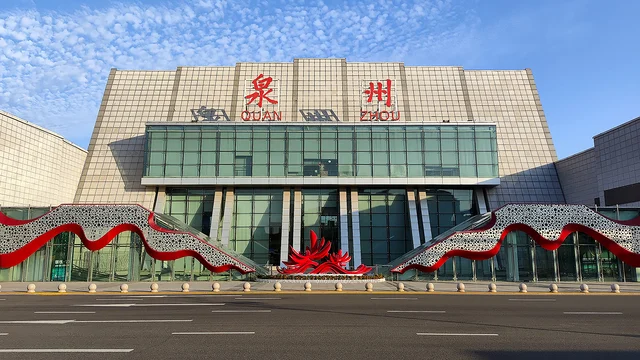
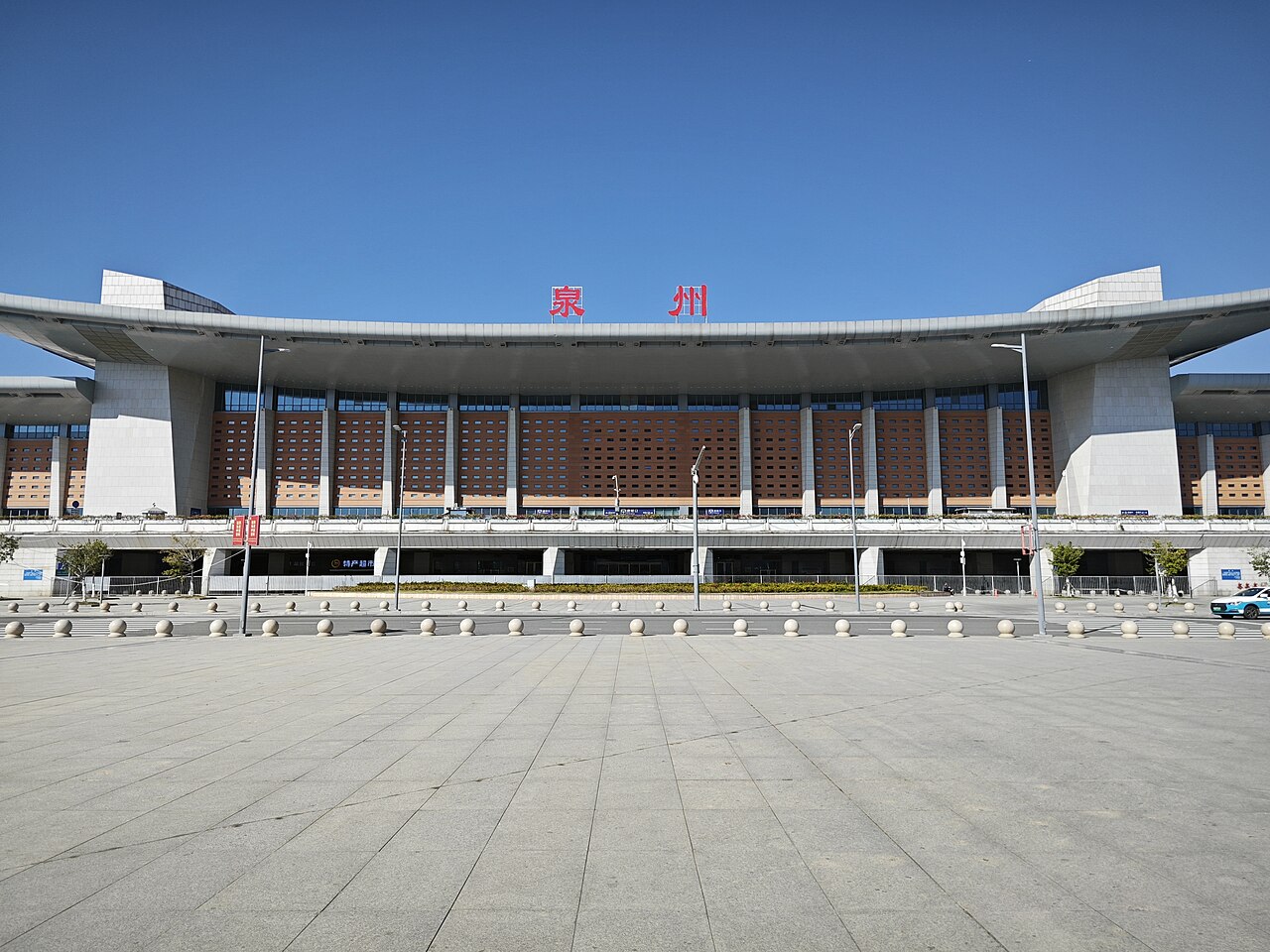
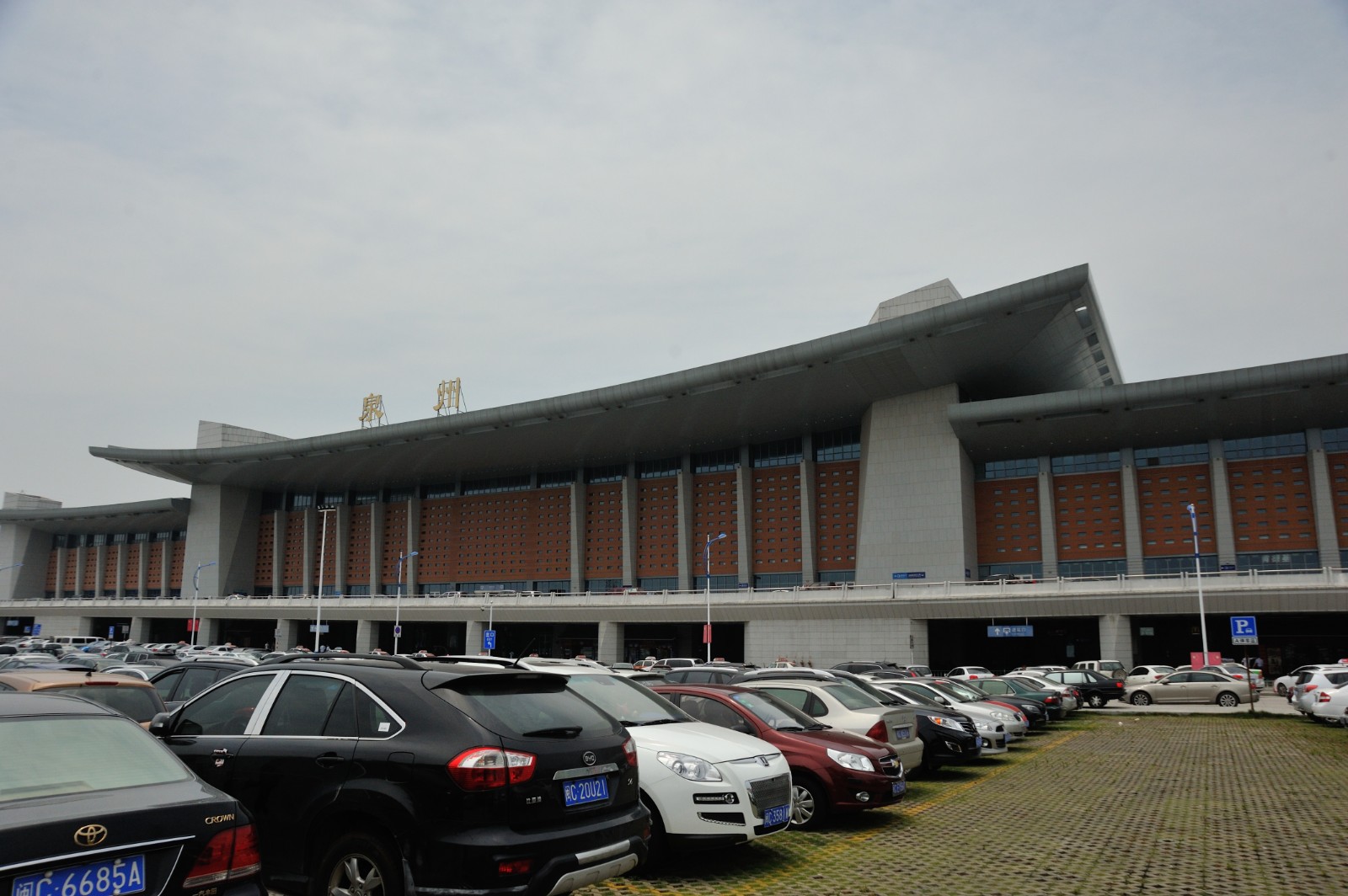
Quanzhou Railway Station
Address: North side of the intersection of Puxian Road and East-West Avenue, Fengze District, Quanzhou.
Layout: Quanzhou Station is a side-platform station with a three-level structure: a plaza level, an elevated level, and a platform level. It has a total of 33 ticketing windows located on the first and second floors. The second and third floors serve as the waiting halls for passengers.
Convenient Facilities
Facial Recognition Entry: The second-floor departure area of Quanzhou Station has four self-service quick verification channels for facial recognition. These gates integrate four functions: ticket verification, identity validation, human verification, and ticket inspection. Passengers holding a valid second-generation resident ID card can easily pass through the gate via facial recognition for self-check-in.
Self-service Ticketing: The ticket hall of Quanzhou Station is equipped with self-service ticket machines, where passengers can purchase or pick up tickets.
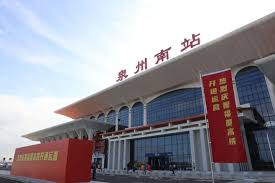
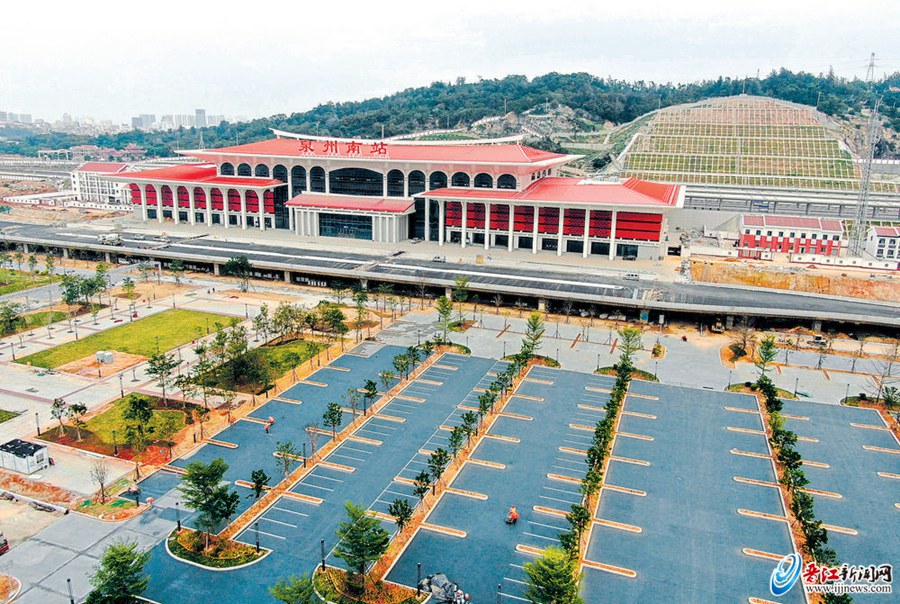
Quanzhou South Railway Station
Address: Located in the southern part of Quanzhou, near the intersection of Fengxiang Road and the G15 Expressway.
Layout: Quanzhou South Station is a modern high-speed rail hub, designed with efficiency and convenience in mind. The station consists of a large multi-story terminal building, with separate areas for ticketing, waiting, and departures. It is equipped with a spacious waiting hall and various amenities for travelers.
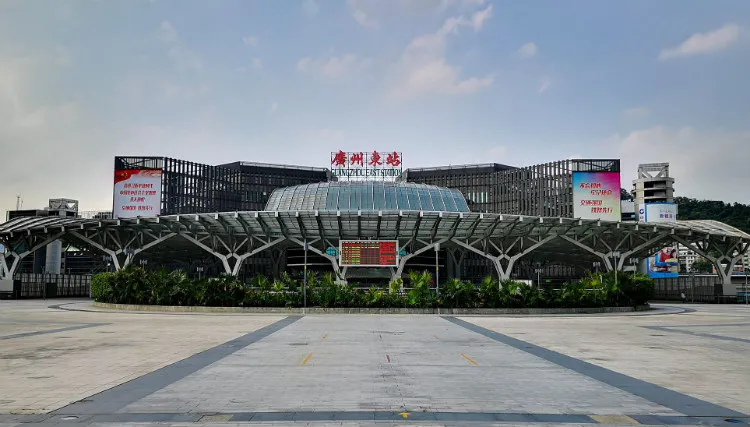
Quanzhou East Railway Station
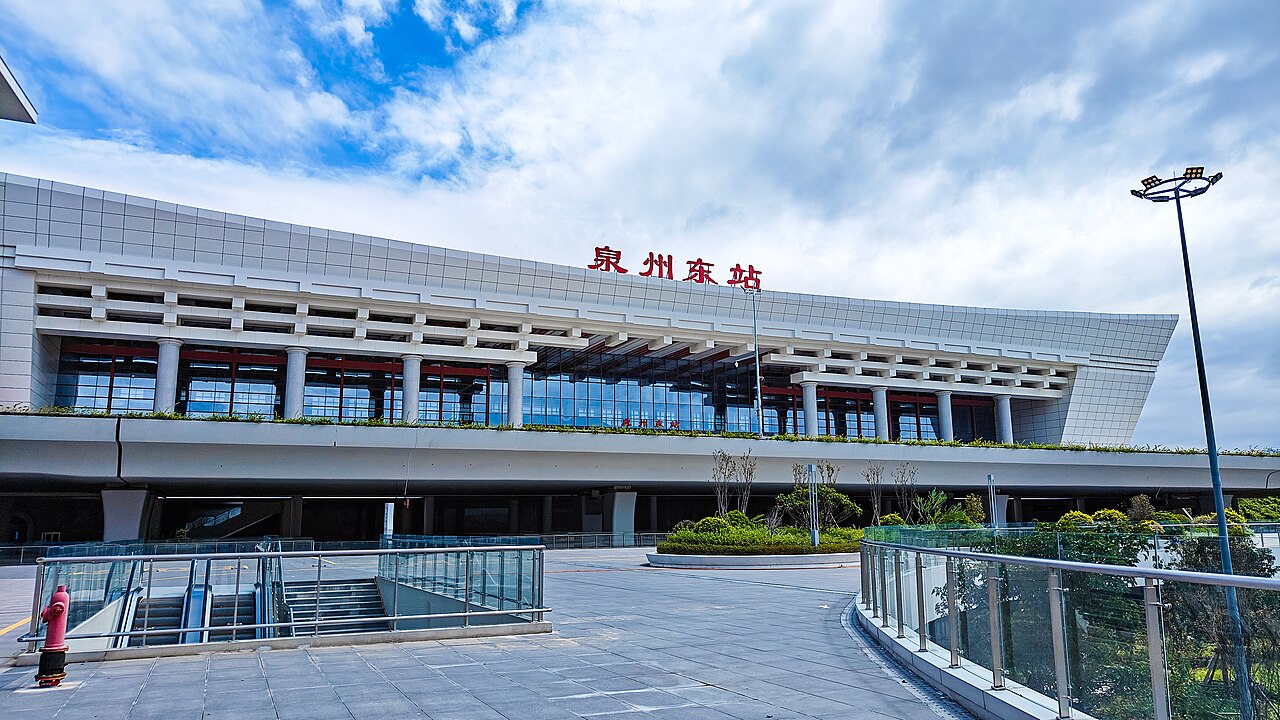
Address: Located in the eastern part of Quanzhou, near the intersection of East Road and Xiyuan Road.
Layout: Quanzhou East Station is designed to accommodate both high-speed and conventional trains, with multiple platforms and ticketing areas. The station features a clean, modern design with a focus on passenger convenience.
From Xiamen (1 hour) to Quanzhou
Xiamen Station to Quanzhou Station (21 trains)
Price:
First class seat: ¥65
Second class seat/Standing: ¥41
First and last train: 06:44 - 20:05
Duration: 43 - 57 minutes
Xiamen North Station to Quanzhou Station (88 trains)
Price:
First class seat: ¥50
Second class seat/Standing: ¥32
First and last train: 07:08 - 21:35
Duration: 26 - 42 minutes
Xiamen Station to Quanzhou South Station (11 trains)
Price:
Business seat: ¥130
First class seat: ¥61
Second class seat/Standing: ¥38
First and last train: 06:55 - 19:09
Duration: 45 minutes
Xiamen Station to Quanzhou East Station (1 train)
Price:
Business seat: ¥196
First class seat: ¥91
Second class seat/Standing: ¥57
Train schedule: 09:51 - 10:47
Duration: 56 minutes
Xiamen North Station to Quanzhou South Station (68 trains)
Price:
Business seat: ¥101
First class seat: ¥46
Second class seat/Standing: ¥29
First and last train: 07:21 - 22:18
Duration: 20 minutes
Xiamen North Station to Quanzhou East Station (17 trains)
Price:
Business seat: ¥167
First class seat: ¥76
Second class seat/Standing: ¥48
First and last train: 07:11 - 22:11
Duration: 23 - 30 minutes
From Fuzhou (1.5 hours) to Quanzhou
Fuzhou South Station to Quanzhou Station (54 trains)
Price:
First class seat: ¥99
Second class seat/Standing: ¥62
First and last train: 06:43 - 21:22
Duration: 57 - 77 minutes
Fuzhou South Station to Quanzhou East Station (14 trains)
Price:
Business seat: ¥243
First class seat: ¥112
Second class seat/Standing: ¥70
First and last train: 07:54 - 22:00
Duration: 37 - 51 minutes
Fuzhou South Station to Quanzhou South Station (29 trains)
Price:
Business seat: ¥187
First class seat: ¥166
Second class seat/Standing: ¥104
First and last train: 07:30 - 20:32
Duration: 50 - 67 minutes
Fuzhou Station to Quanzhou Station (27 trains)
Price:
First class seat: ¥120
Second class seat/Standing: ¥75
First and last train: 07:07 - 22:02
Duration: 79 - 96 minutes
Fuzhou Station to Quanzhou East (16 trains)
Price:
Special class seat: ¥245
First class seat: ¥111
Second class seat/Standing: ¥70
First and last train: 06:53 - 21:43
Duration: 48 - 73 minutes
Fuzhou Station to Quanzhou South Station (39 trains)
Price:
Special class seat: ¥359
First class seat: ¥164
Second class seat/Standing: ¥103
First and last train: 08:16 - 20:53
Duration: 59 - 82 minutes
Wechat: YourWayHolidayAsia
24 Hours Hotline:
+86 137-3541-1378
* Authentic Experiences: Genuine local experiences that immerse you in the true essence of Hangzhou and beyond.
* Safety First: Highest safety standards with secure activities and reliable transportation.
* Customizable Tours: Flexible itineraries tailored to your interests and needs.
* Local Expertise: In-depth knowledge of Hangzhou and China, offering exclusive insights.
* Professional Guides: Licensed bilingual guides with over 5 years of experience.
* Comfortable Travel: Experienced drivers and well-maintained vehicles for a smooth journey.
* Sustainable Tourism: Commitment to responsible tourism and supporting local communities.
* Customer-Focused: Personalized service and continuous improvement based on your feedback.
* Free Cancellation: Cancel up to 24 hours before travel for flexibility and peace of mind.
* 24/7 Support: Round-the-clock assistance for any questions or help needed.
1 to 1 tailor-made service from our professional travel advisors for the most sophisticated
Constantly excellent reviews for attraction, hotel and service Competitive price
Local experts provide quality tours Best selected knowledgeable local guides Authentic local restaurants
7*24 hours available to create you a worry-free tour. No Hidden Fees and absolutely no pressure to buy. Secured









Copyright © 2017 Hangzhouprivatetour.com All rights reserved.