The Ultimate Guide to Hangzhou Layover: What to Do During Your Transit
Discover the best things to do during a Hangzhou airport layover. From a quick transit tour to local attractions near the airport, find all the details you need to make the most of your time in Hangzhou. Explore layover activities and tips!
 Step into Rich History West Lake, Lingyin Temple, and Dragon Well Tea in a Half-Day Tour – Morning or Afternoon Departure
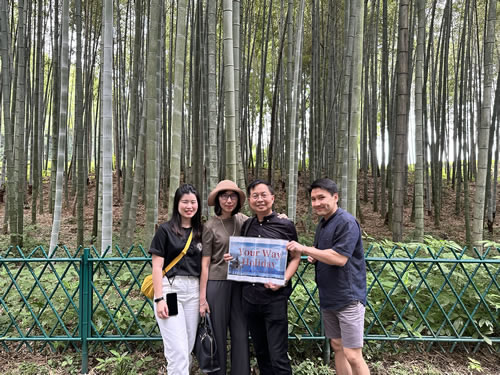 Hangzhou Layover Experience: Explore Culture and Scenery on a Day Tour from the Airport
Comprehensive Visa Policy Guide
A. 24-Hour Visa-Free Transit Policy
The 24-hour visa-free transit policy at Hangzhou Xiaoshan International Airport encompasses two core convenience measures for international transit passengers, designed to streamline procedures and enhance transfer efficiency: the Basic 24-Hour Visa-Free Transit Policy (applicable to all open ports nationwide) and the Enhanced 24-Hour Direct Transit Policy Exempting Border Inspection Formalities (launched in January 2024, one of the first 9 pilot airports in China and the only one in Zhejiang Province). Below is a complete policy explanation and practical guide.
a. Core Definition and Scope of Application
1. Basic 24-Hour Visa-Free Transit Policy
* Official Definition: Foreign travelers holding valid international travel documents and confirmed connecting flight tickets with fixed seats within 24 hours, transiting through Chinese ports to a third country/region, may transit without a visa for a stay of no more than 24 hours without leaving the restricted area of the port.
* Eligibility: Citizens of all countries worldwide (no nationality restrictions).
* Applicable Ports: All open ports in China, including Hangzhou Xiaoshan International Airport.
* Stay Restriction: Confined to the international transfer area of the airport; no exit from the airport premises is permitted.
2. Enhanced 24-Hour Direct Transit Policy Exempting Border Inspection Formalities
* Policy Positioning: Implemented on January 11, 2024, HGH is among the first 9 pilot airports in China (including Beijing Capital/Daxing, Shanghai Pudong, Xiamen Gaoqi, etc.) and the sole pilot in Zhejiang Province.
* Core Advantage: Eligible passengers are completely exempt from border inspection formalities, allowing them to complete check-in for connecting flights directly in the international transfer area without queuing for customs clearance, significantly reducing transfer time.
* Eligibility Criteria: Consistent with the basic policy (valid documents + connecting flight ticket within 24 hours + no exit from the port), applicable only to international-to-international direct transfer passengers.
b. Essential Application Requirements
| Category of Requirements | Requirements |
| Travel Documents | Valid personal international travel documents (passport with more than 6 months validity) |
| Connecting Flight Ticket | Confirmed international connecting flight ticket with fixed date and seat within 24 hours |
| Itinerary Requirements | Transit to a third country/region (round-trip to the same country, e.g., A — Hangzhou — A, is invalid) |
| Stay Restriction | No exit from the airport international transfer area; total stay = 24 hours (from arrival to departure) |
| Baggage Regulations | Checked baggage must be through-checked to the final destination (collection is not allowed) |
c. Airport Practical Procedures (Step-by-Step)
1. Arrival Process (International-to-International Direct Transfer)
* Flight Arrival: After landing, follow the signs marked "International Transfer" and proceed directly to the international transfer area (no need to enter the border inspection hall).
* Exemption from Border Inspection: Passengers eligible for the enhanced policy are not required to complete border inspection entry procedures and can directly access the transfer check-in area.
* Connecting Flight Check-in: Complete check-in formalities for the subsequent flight at the transfer counter and obtain a boarding pass.
* Transfer Security Check: Go through the dedicated transfer security checkpoint (faster than regular security channels).
* Waiting and Boarding: Proceed to the designated boarding gate and wait for the connecting international flight.
2. Key Tips
* Counter Location: Dedicated transfer counters are available on the international departure floor of T3, supporting cross-airline transfers (e.g., Emirates — Hangzhou — Cathay Pacific).
* Time Suggestion: The recommended minimum transfer time is more than 60 minutes (the official minimum guaranteed transfer time by the airport).
* Document Preparation: Keep your valid passport and connecting flight itinerary (electronic or paper version) with you at all times.
3. Common Misconceptions and Precautions
* Ineligible Scenarios
· Same Destination: For example, Tokyo — Hangzhou — Tokyo (does not meet the "third country" requirement).
· Stay Exceeding 24 Hours: Or planning to leave the airport for downtown Hangzhou (the 240-hour visa-free transit policy or a pre-applied visa is required).
· No Confirmed Connecting Ticket: Separately purchased independent tickets (even with an interval of less than 24 hours) may not be recognized.
· Baggage Collection Required: If baggage is not through-checked, passengers must complete entry border inspection and cannot enjoy the visa-free policy.
* Policy Upgrade Comparison (Since January 2024)
| Policy Type | Border Inspection Formalities
| Scope of Application | Efficiency Improvement |
| Traditional 24-Hour Visa-Free Transit | Border inspection transit procedures required | All open ports | Basic convenience |
| Enhanced Policy Exempting Border Inspection | Complete exemption from border inspection; direct transfer | 9 hub airports (including HGH)
| Saves 30+ minutes of queuing time |
4. Alternative Options (If Leaving the Airport Is Necessary)
If you plan to stay in Hangzhou and visit downtown areas (e.g., West Lake, Hefang Street), you can choose the following options:
* 240-Hour Visa-Free Transit Policy (Recommended):
· Eligibility: Citizens of 55 countries (including the United States, EU member states, Japan, South Korea, etc.).
· Stay Privilege: Permitted to stay in Zhejiang, Jiangsu, and Shanghai for up to 10 days with free entry and exit from the airport.
· Preparation: Valid passport, connecting flight ticket within 240 hours, and hotel reservation confirmation.
* Pre-Applied Visa:
· Passengers not eligible for visa-free policies must apply for a Type G (transit) or Type L (tourism) visa at Chinese embassies or consulates abroad.
· Hangzhou Xiaoshan International Airport does not offer on-arrival visa services for ordinary tourists.
B. 240-Hour Visa-Free Transit Policy
As the most convenient transit policy for foreign travelers visiting Hangzhou, the 240-hour visa-free transit policy allows eligible visitors to explore Zhejiang Province in depth without applying for a visa in advance. Below is a detailed, expanded explanation of its eligibility, requirements, application procedures, and restrictions.
a. Eligibility Scope
This policy is applicable to citizens of 55 countries (covering Europe, Americas, Oceania, and Asia) are eligible. Key included countries are the US, Canada, UK, Germany, France, Japan, South Korea, Australia, New Zealand, Brazil, and the UAE.
It is important to distinguish this policy from the bilateral visa-free agreements between China and other countries: citizens of visa-exempt countries (e.g., Singapore) can enjoy a 30-day visa-free stay in China directly without applying for transit visa exemption. For these travelers, the 30-day visa-free period is longer than the 10-day limit of the 240-hour transit policy, and their travel scope is not restricted to Zhejiang Province—they can travel freely within the Chinese mainland during the valid period, as long as they abide by relevant regulations.
b. Core Requirements
To apply for the 240-hour visa-free transit, travelers must meet all of the following conditions without exception:
1. Passport Validity Requirement
The passport must be valid for at least 3 months from the date of entry into China. This is a mandatory threshold set to ensure that the traveler’s travel document remains valid throughout the transit stay and for the subsequent departure to a third country/region.
2. Confirmed Connecting Ticket Requirement
Travelers must hold a confirmed connecting ticket (including air tickets, cruise tickets, etc.) with a fixed date and seat, and the total transit time in China must not exceed 240 hours. A key prerequisite is that the departure country/region and the destination country/region must be different—transit trips that are "round-trip" between the same country/region (e.g., the US — China — the US) do not qualify for this policy.
3. No Adverse Record Requirement
Travelers must have no record of visa refusal by Chinese authorities, and no record of illegal entry, illegal residence, or illegal employment in China within the past 5 years. These adverse records will directly lead to the rejection of the 240-hour visa-free transit application.
c. Application Process
The application process for the 240-hour visa-free transit is simple and does not require advance submission of materials; it is completed entirely upon entry at the port of inspection:
1. Document Submission
When passing through border control at Hangzhou Xiaoshan International Airport (or other eligible ports in Zhejiang Province), travelers need to present two core documents: a valid passport that meets the validity requirement, and a confirmed connecting ticket within 240 hours.
2. Form Filling
Fill in the Temporary Entry Form for Foreigners truthfully under the guidance of border control staff. The form requires basic personal information (name, passport number, nationality, etc.), entry and exit port information, connecting ticket details, and temporary accommodation address in Zhejiang Province.
3. Review and Approval
Border control staff will verify the authenticity and compliance of the submitted documents and the filled form. After passing the review, travelers will be issued a 10-day temporary entry permit on the spot. The 240-hour (10-day) stay period is calculated from 00:00 on the day after entry.
d. Forbidden Scenarios
The application for 240-hour visa-free transit will be rejected in the following situations:
· The remaining validity of the passport is less than 3 months upon entry.
· The traveler has a record of visa refusal by Chinese authorities.
· The traveler has records of illegal entry, illegal residence, or illegal employment in China within the past 5 years.
· The connecting ticket does not meet the requirement (e.g., the departure and destination countries/regions are the same, or the transit time exceeds 240 hours).
· The traveler fails to truthfully fill in the Temporary Entry Form for Foreigners or provides false documents.
e. Comparison with Other Visa-Free Policies (Quick Reference)
| Policy Type | Maximum Stay Duration | Scope of Application | Eligibility for Leaving the Port | Application Difficulty |
| 24-Hour Visa-Free Transit | No more than 24 hours | Citizens of all countries | Confined to the airport only | None (automatically applicable) |
| 240-Hour Visa-Free Transit | No more than 10 days | Citizens of 55 countries | Entire regions of Zhejiang, Jiangsu, and Shanghai | Simple (only itinerary required) |
| Unilateral Visa Exemption | No more than 30 days | Citizens of specific countries (e.g., Malaysia) | Whole territory of China | None (direct entry permitted) |
C. 72/144-hour Visa-free Transit Policies
These policies remain in effect as alternatives, though the 240-hour policy is more widely applicable for Hangzhou layovers.
1. Policy Scope
Hangzhou is among 20 cities implementing the 144-hour visa-free transit policy. The 72-hour policy applies to specific cities like Changsha and Guilin but not Hangzhou itself.
2. Eligibility
Citizens of 55 countries (consistent with the 240-hour policy’s core country list) qualify. The same transit requirement (third-country destination) and confirmed onward ticket rule apply.
3. Stay Limits
144-hour (6-day) stay for Hangzhou, calculated from 00:00 the day after entry. The activity range is restricted to the administrative area of Hangzhou.
4. Application Process
Similar to the 240-hour policy—submit documents at Hangzhou Xiaoshan International Airport’s border inspection. No advance application is required.
D. Visa Application for Non-Visa-free Travelers
Travelers from non-eligible countries or those with special travel needs must apply for a transit visa (G-type) or appropriate visa in advance.
1. Visa Type
Apply for a G-type visa specifically for transit through China.
2. Application Process
* Online Application: Complete the visa application form and upload materials via the official website (https://bio.visaforchina.cn). Check email or application status for review updates.
* Document Submission: After online approval, submit required materials to the Chinese Visa Application Service Center, including passport (valid for over 6 months), application confirmation, signed application form, and confirmed onward tickets.
* Fingerprint Collection: Applicants for multiple-entry visas valid for 6 months or more must provide fingerprints in person. Others may authorize agents to submit applications.
E. Supplementary Visa Information
Visa compliance is a critical prerequisite for a trouble-free Hangzhou layover. Beyond the visa-free transit policies outlined earlier, the following supplementary details clarify requirements for non-eligible travelers and procedures for extending stays.
For tourists not eligible for visa-free transit: Travelers from countries not included in the 240/144-hour visa-free list, or those who fail to meet the transit criteria (e.g., same departure and destination countries, no confirmed onward ticket), must apply for a corresponding visa in advance at Chinese embassies or consulates abroad. It is important to note that Hangzhou Xiaoshan International Airport (HGH) does not offer on-arrival visa services for ordinary tourists. Common visa types for layover travelers include the G-type transit visa (for short-term transit) and the L-type tourist visa (for those planning to explore the city beyond transit purposes). The application process typically requires submitting a valid passport, travel itinerary, accommodation booking confirmation, and other supporting documents, with processing times varying by embassy—plan at least 1–2 weeks in advance to avoid delays.
Visa extension: Travelers who hold a valid visa and need to extend their stay in China due to unforeseen circumstances (e.g., flight cancellation, sudden illness) must submit an extension application to the local entry-exit management department 30 days before their current visa expires. The required application materials include: a valid passport (with at least 6 months of remaining validity), a completed Visa Extension Application Form, a letter explaining the reason for the extension (e.g., flight delay confirmation from the airline, medical certificate from a hospital), and proof of accommodation during the extended stay. The approval result is usually issued within 7 working days, and the extended stay duration is determined based on the applicant’s specific situation. Failure to apply for an extension before the visa expires will result in an illegal stay record, which may affect future travel to China.
Basic Transit Information
A. Overview of Hangzhou Xiaoshan International Airport
As the primary air gateway to Hangzhou, the capital city of Zhejiang Province and a world-famous tourist destination, Hangzhou Xiaoshan International Airport (HGH) stands as a modern 4F-class hub airport, serving as a vital connection point linking East China to major domestic and international cities. Boasting advanced infrastructure, seamless transfer services, and traveler-friendly amenities, it provides a solid foundation for a smooth and hassle-free layover experience.
1. Infrastructure & Terminal Layout
HGH operates with two main passenger terminals—Terminal 3 (T3) and Terminal 4 (T4)—each designed to cater to different flight types while ensuring efficient passenger flow. As a 4F-class airport, it is capable of accommodating large wide-body aircraft such as the Airbus A380 and Boeing 747, supporting the operation of long-haul international routes.
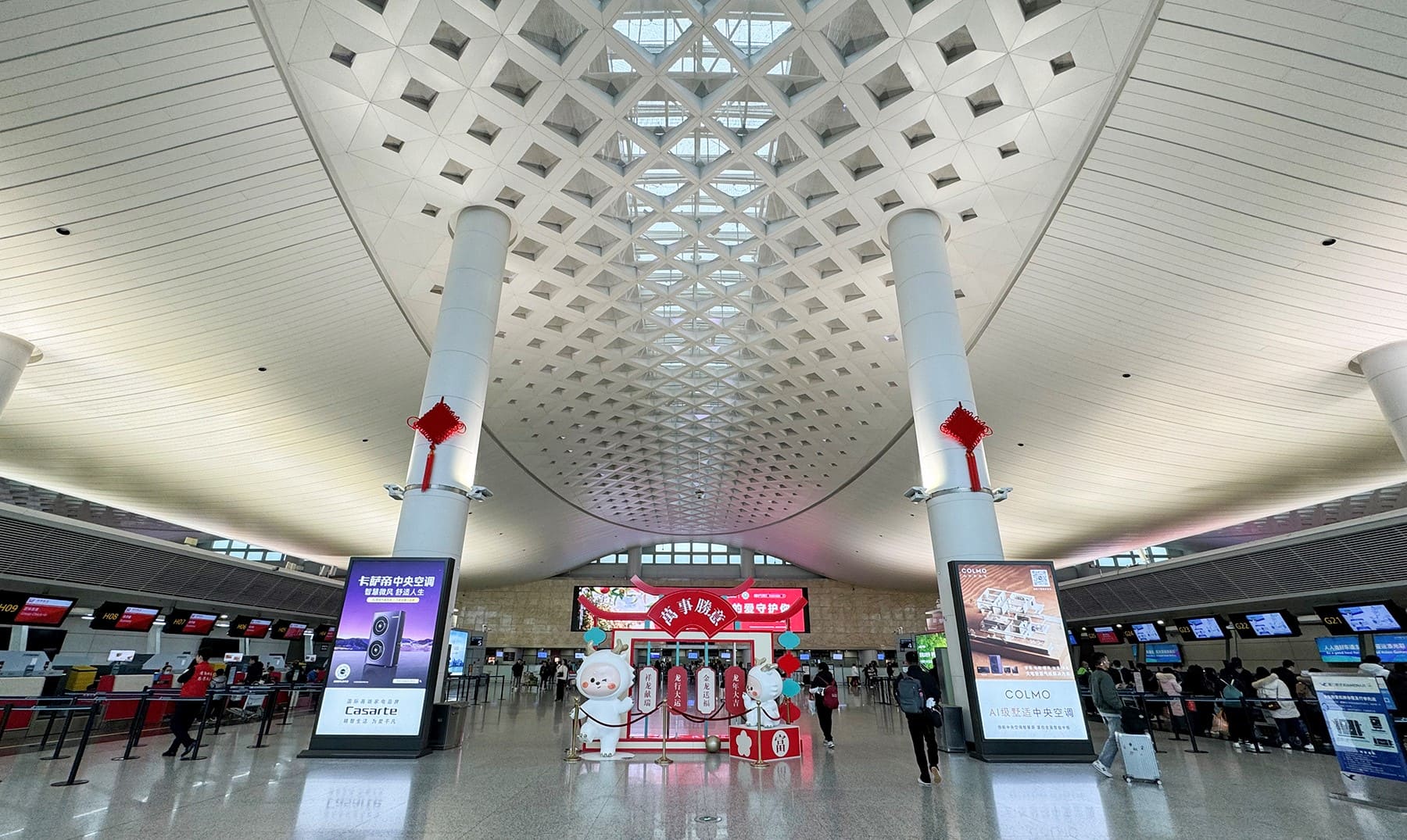
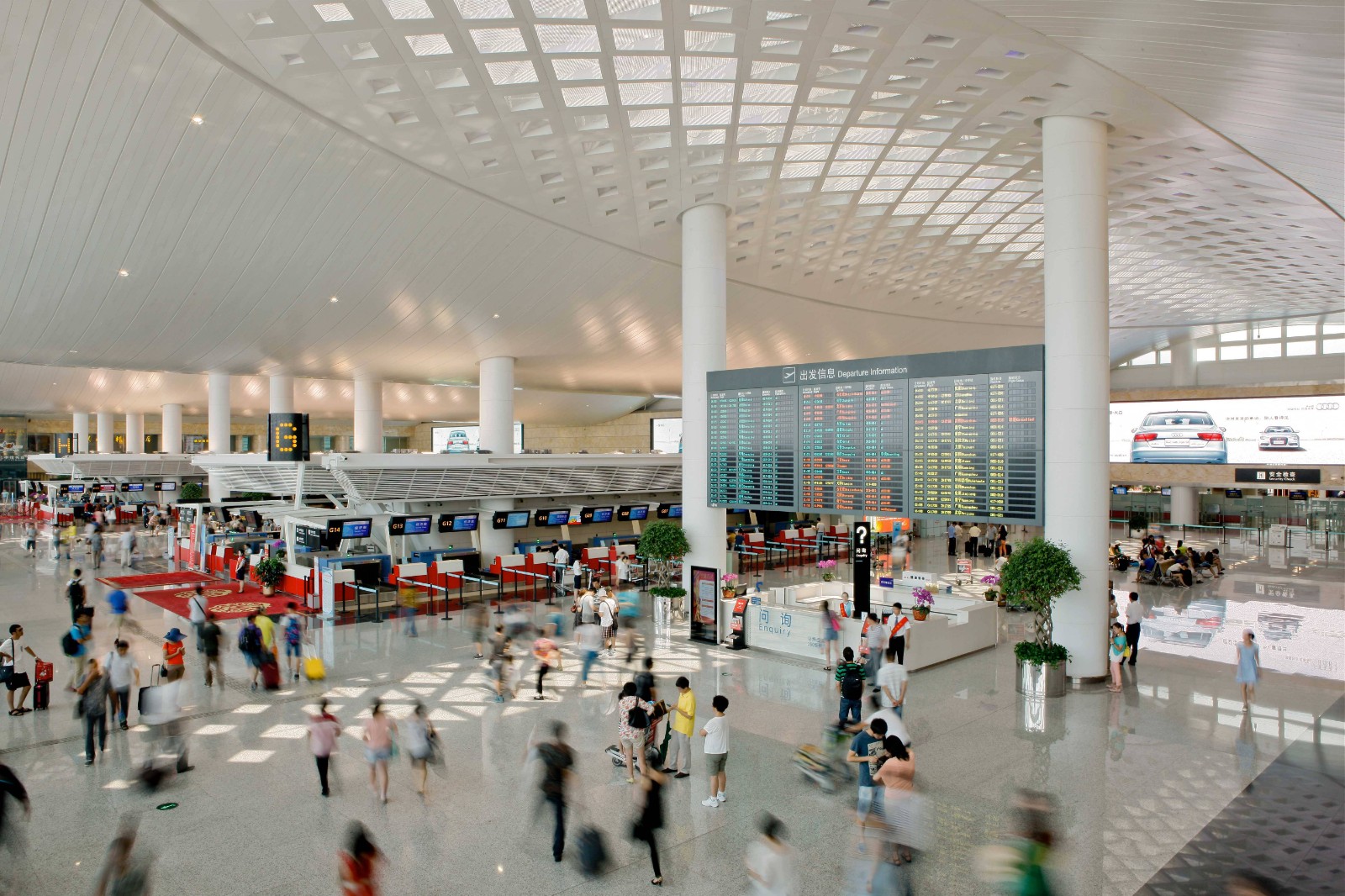
The airport has achieved full coverage of transfer types, including same-terminal, cross-terminal, and cross-airline transfers, eliminating the hassle of complicated transit procedures for layover travelers. Whether you are transferring within the same terminal for a connecting flight of the same airline, or switching between terminals for a cross-airline journey, the airport’s well-designed layout and transfer system ensure a streamlined process.
2. International Flight Focus & Efficient Cross-Terminal Transfer
International and regional flights are mainly concentrated in Terminal 3 (T3), making it the core hub for foreign travelers arriving in Hangzhou. For passengers who need to transfer between T3 and T4 (where most domestic flights operate), the airport has built dedicated, enclosed fast corridors that cut down transit time significantly—cross-terminal transfer takes only 15 minutes. This short transfer window is a game-changer for layover travelers with limited time, allowing them to save precious minutes that can be allocated to exploring the city or resting comfortably.
To further facilitate transit procedures, HGH has set up 3 dedicated transfer counters strategically located across key areas:
* T3 Arrivals Hall: Ideal for international passengers who have just landed and need to transfer to domestic or connecting international flights.
* T3 Departures Hall: Convenient for travelers who need to complete transfer formalities before boarding their onward flight from T3.
* T4 Domestic Mixing Layer: Designed for passengers transferring from T4 domestic flights to international routes in T3, or vice versa.
These counters are staffed with professional personnel who can assist with ticket verification, luggage transfer confirmation, and boarding pass issuance, ensuring that even cross-airline transfer passengers do not encounter unnecessary delays.
B. Detailed Transit Procedures
A smooth transit experience hinges on following clear, standardized procedures. Hangzhou Xiaoshan International Airport (HGH) has optimized its transit processes for three core scenarios—International to International, International to Domestic, and Domestic to International—tailored to different travel needs with streamlined steps and traveler-friendly services.
a. International to International (No Entry Required)
This procedure applies to passengers transferring between two international/regional flights without entering China’s mainland, ideal for those on short layovers who do not plan to leave the airport.
1. Post-Arrival Guidance
Upon landing, follow the prominent “Transfer” signs located throughout the international arrival hall (primarily in T3, where most international flights operate). These signs will direct you directly to the dedicated transfer corridors, bypassing the border control and customs areas entirely.
2. Transfer Check-in Formalities
Proceed to the nearest transfer counter—HGH has three strategically placed counters at T3 Arrivals, T3 Departures, and T4 Domestic Mixing Layer. Present your valid passport and confirmed onward international ticket to the staff. A key benefit here is the interline baggage through service: your checked luggage will be automatically transferred to the connecting flight by the airport and airline ground staff, so you do not need to collect it at the baggage claim area. This service covers most major airlines, including Star Alliance, SkyTeam, and Oneworld members, as well as many regional carriers.
3. Transfer Security & Boarding Gate Access
After completing the check-in formalities, pass through the dedicated transfer security checkpoint. The security rules align with international standards—liquids over 100ml, sharp objects, and large electronic devices must be properly packed or declared if necessary. If your connecting flight departs from a different terminal (e.g., from T3 to T4), take the enclosed dedicated cross-terminal corridor, which takes only 15 minutes to traverse. Once you reach the departure terminal, refer to the airport’s flight information display system (FIDS) to confirm your boarding gate number and boarding time. The entire process is designed for seamless connection, with staff on hand to assist if you encounter any confusion.
b. International to Domestic (Entry Required)
Passengers transferring from an international flight to a domestic flight must complete entry procedures, as this involves entering China’s mainland territory. The process is straightforward, with an optional streamlined service for eligible routes.
1. Border Control & Customs Clearance
After landing, follow signs for “Border Control” and proceed to the immigration checkpoint. Present your valid passport, temporary entry permit (if applicable under the 240/144-hour visa-free transit policy), and confirmed domestic onward ticket. After passing border control, move to the baggage claim area to collect your checked luggage—unlike international-to-international transfers, luggage cannot be directly transferred to domestic flights for most routes. Next, go through the customs inspection: declare any items that exceed the duty-free limit (e.g., high-value electronics, large quantities of cosmetics) at the red channel; if you have nothing to declare, use the green channel for a faster pass.
2. Domestic Transfer Check-in
Once you clear customs, follow the “Domestic Transfer” signs to the dedicated domestic transfer counter. Submit your passport, domestic flight ticket information, and luggage to complete the check-in and re-check procedures for your domestic flight. The staff will issue a domestic boarding pass and confirm your luggage’s destination.
3. Streamlined “One-time Check-in and Baggage Through” Service
For passengers traveling on interline routes operated by partner airlines (e.g., Air China, China Eastern Airlines, China Southern Airlines, and their domestic affiliates), the airport offers a convenient one-stop service. If you complete the check-in and baggage through procedures at your departure airport, you can skip the steps of collecting luggage and re-checking it at HGH. Simply pass through border control and customs, then proceed directly to the domestic departure security checkpoint with your pre-issued domestic boarding pass. This service significantly cuts down transfer time, making it ideal for travelers with tight layover schedules.
4. Post-Transfer Reminder
For passengers eligible for visa-free transit, remember to complete accommodation registration within 24 hours of entry (the hotel will handle this automatically for hotel stays; for non-hotel accommodation, register at the local police station).
c. Domestic to International (Exit Required)
This procedure is for passengers transferring from a domestic flight to an international/regional flight, which requires completing exit procedures to leave China’s mainland. HGH has optimized this process with paperless services to enhance efficiency.
1. Domestic Arrival & Transfer Guidance
After landing on your domestic flight, follow the “International Transfer” signs (clearly marked in both Chinese and English) in the domestic arrival hall. For flights arriving at T4, the signs will lead you to the dedicated transfer corridor that connects to T3 (the main international terminal); the cross-terminal journey takes only 15 minutes via the fast corridor.
2. Dedicated Exit Check-in & Security Screening
Proceed to the international transfer dedicated counter (located at T3 Departures or T4 Domestic Mixing Layer). Here, you can complete exit check-in formalities, including verifying your international flight ticket information and confirming your passport validity. For most major airlines, e-boarding passes are fully accepted—you do not need to print a physical boarding pass. After check-in, go through the dedicated international transfer security checkpoint, where staff will inspect your carry-on luggage in accordance with international security standards.
3. Paperless Exit Clearance
Once you pass security, head to the exit border control checkpoint. Present your valid passport, e-boarding pass, and any required visa documents (or visa-free transit approval). The border control staff will scan your e-boarding pass to complete the exit verification process, enabling a 100% paperless exit experience. After clearing border control, you can browse the duty-free shops in the international departure hall before boarding your flight. Note that duty-free purchases are subject to the destination country’s import regulations, so check the limits in advance to avoid any issues.
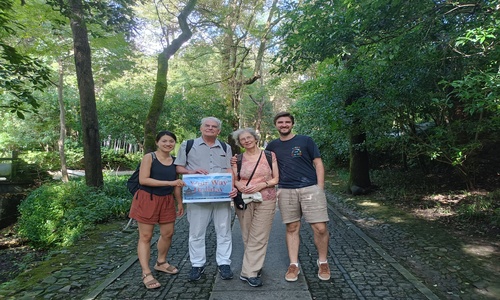 Once in a Lifetime Hangzhou Culture Experience Day Trip
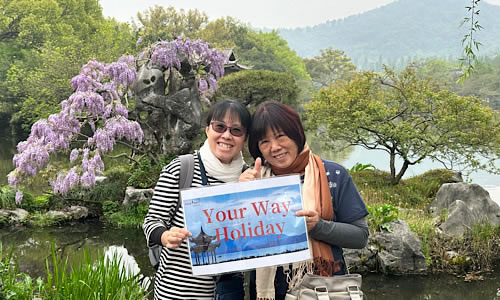 Nature-Focused Half-Day Hangzhou Tour: Tea and Gardens – Morning or Afternoon Departure
Essential Preparations Before Layover
A. Layover Duration Evaluation & Itinerary Matching
The ideal Hangzhou layover itinerary depends entirely on your transit time. HGH’s convenient transportation links to the city center (just 20–30 minutes by metro or airport express) make it easy to balance airport convenience and urban exploration. Below is a tailored guide for different layover durations:
1. Short layover (1–3 hours)
Stay at the airport, relax in lounges, shop at duty-free, or try local dishes like Dragon Well shrimp noodles. Avoid leaving due to time constraints.
2. Medium layover (3–6 hours)
Visit West Lake or Xianghu Lake, both accessible within an hour. Enjoy scenic spots like Broken Bridge or Three Pools Mirroring the Moon. Return on time and avoid traffic.
3. Long layover (6–12 hours)
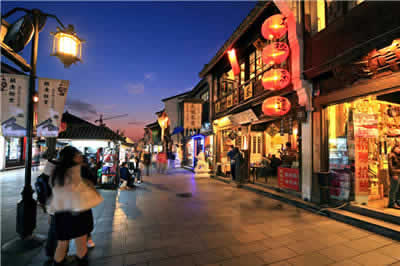
Explore West Lake and Hefang Street. Enjoy a boat ride, shop for local snacks, or visit Qinghefang Ancient Street. Take Metro Line 1 for easy access.
4. Overnight layover (over 12 hours)
Stay near West Lake, enjoy the West Lake Music Fountain, and explore Hubin Pedestrian Street. Visit Lingyin Temple or Feilai Peak the next morning. Allow time to return to the airport.
B. Practical Tools & Information Preparation
1. Translation & Language Tools
Recommended apps: Google Translate and Baidu Translate are two essential apps for international travelers. Google Translate’s offline function allows you to download the Chinese language pack in advance, so you can translate text, voice, and even images (e.g., menu items, street signs) without an internet connection. Baidu Translate stands out for its rich travel phrase library, which includes pre-set sentences for common scenarios like asking for directions, ordering food, and inquiring about transportation—many phrases come with pinyin pronunciation guides to help you communicate with local people.
2. Currency & Payment Preparation
* Currency exchange: Currency exchange counters are conveniently located in T3 Arrivals Hall and T4 Departures Hall of HGH. The counters offer competitive exchange rates for major currencies (USD, EUR, GBP, JPY, etc.) and are open from 7:00 AM to 10:00 PM daily. Additionally, ATMs throughout the airport support Visa, Mastercard, and UnionPay cards, allowing you to withdraw Chinese yuan (CNY) directly. Note that some banks may charge international withdrawal fees, so check with your bank before traveling.
* Payment tools: Alipay and WeChat Pay are the most widely used mobile payment methods in Hangzhou—accepted in hotels, restaurants, shops, and even public transportation. Foreign travelers can register accounts using their foreign phone numbers (receive verification codes via SMS) and bind international credit cards (Visa, Mastercard, JCB). The registration process is simple and can be completed within minutes at the airport or on the go.
* Alternative payment: While mobile payment is dominant, major hotels, high-end restaurants, and shopping malls also accept international credit cards. However, small vendors, street food stalls, and local markets may only support mobile payment or cash. It is recommended to carry a small amount of CNY (¥200–¥500) for these situations to avoid inconvenience.
3. Booking & Weather Preparation
* Booking platforms
For transportation and accommodation, use these user-friendly apps:
· Hangzhou Public Transport APP: This official app allows you to purchase metro and bus tickets, check real-time transit schedules, and plan routes. It supports English and can be linked to Alipay or WeChat Pay for payment.
· Trip.com: The English version of this popular travel platform offers seamless booking for Hangzhou’s scenic spot tickets (e.g., West Lake boat rides, Lingyin Temple tickets), hotels, and airport transfers. It also provides detailed travel guides and customer service in English.
· “Hangxing Wuyou” Mini Program: This official airport service mini-program integrates over 60 functions including flight information, transportation booking, and delay arrangements, with a senior-friendly interface for elderly travelers.
* Weather and dressing
Hangzhou has a subtropical monsoon climate with distinct seasons, so check the weather forecast 1–2 days before your layover to pack appropriate clothing:
· Spring (March–May): Mild temperatures but frequent rain—bring a lightweight raincoat or umbrella and comfortable walking shoes.

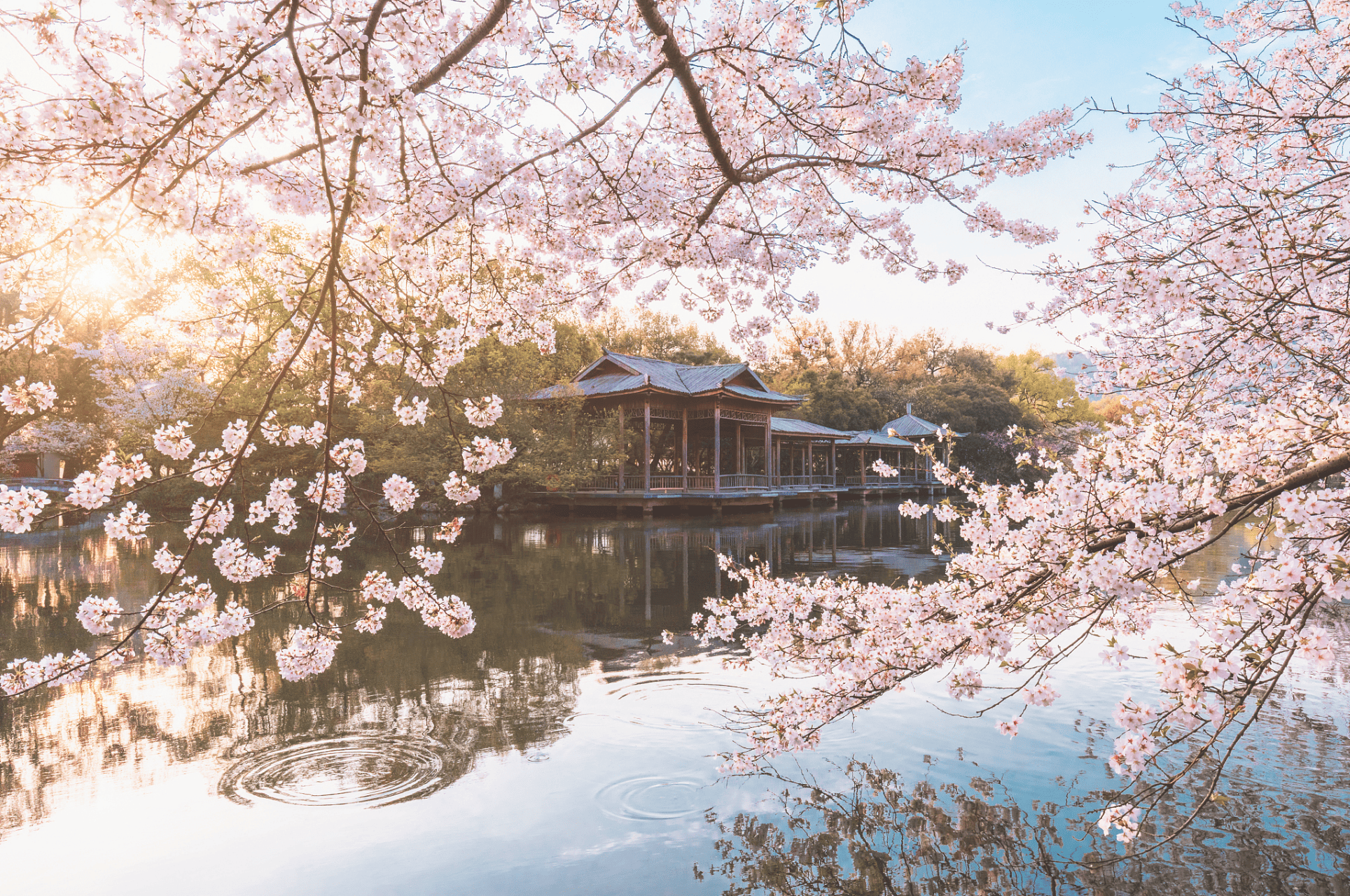
· Summer (June–August): Hot and humid—wear breathable, lightweight clothing and carry sunscreen, a hat, and water.


· Autumn (September–November): Cool and dry—ideal for outdoor exploration; a light jacket or sweater is recommended for evenings.

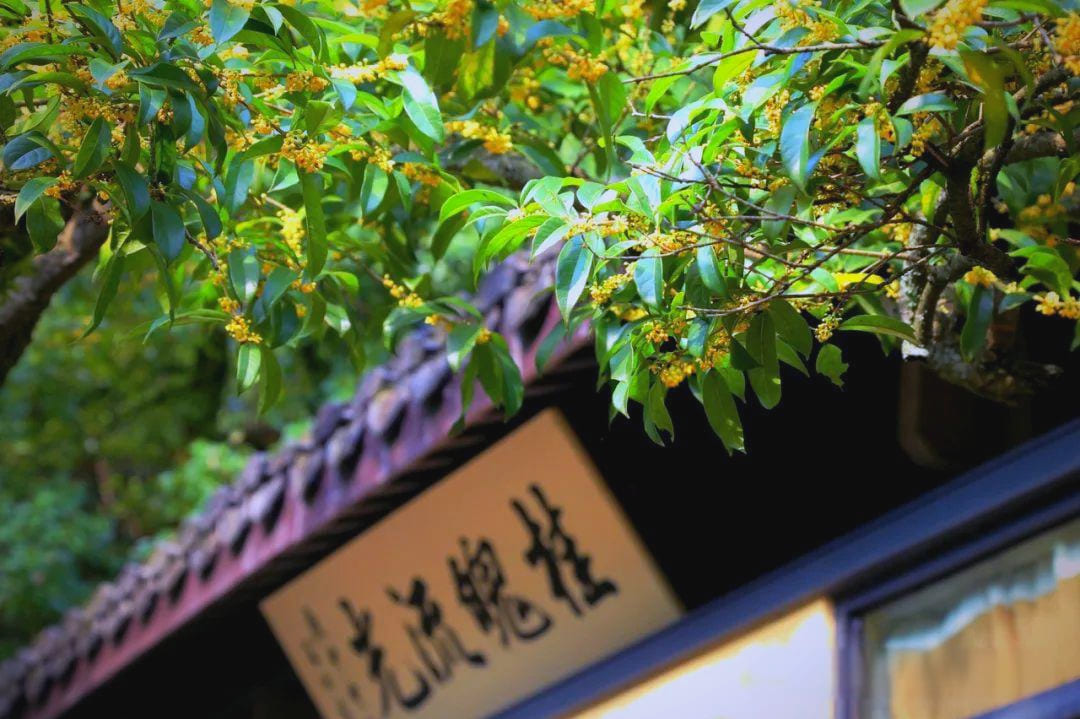
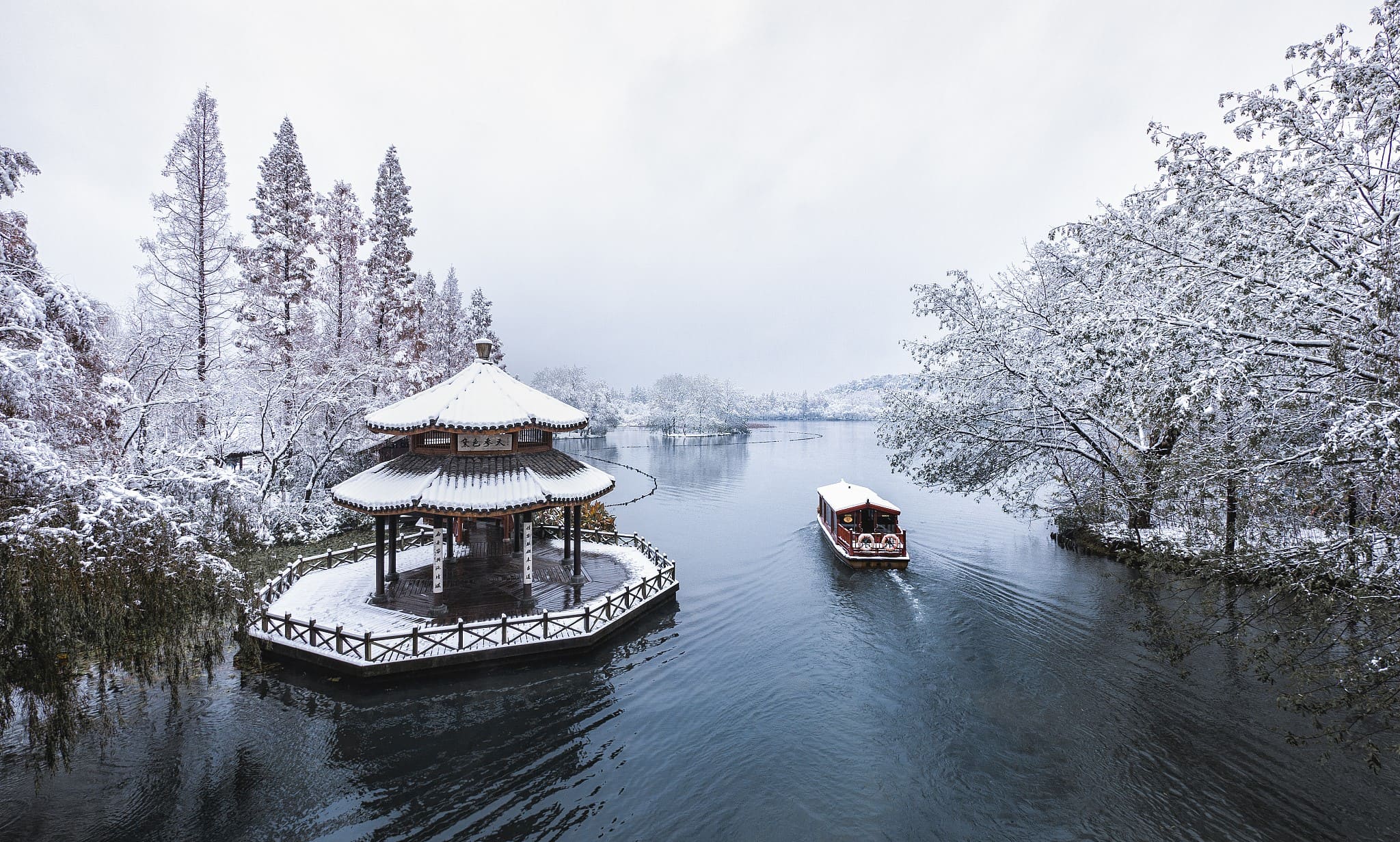
· Winter (December–February): Cold and occasionally rainy—pack a warm coat, scarf, and gloves.
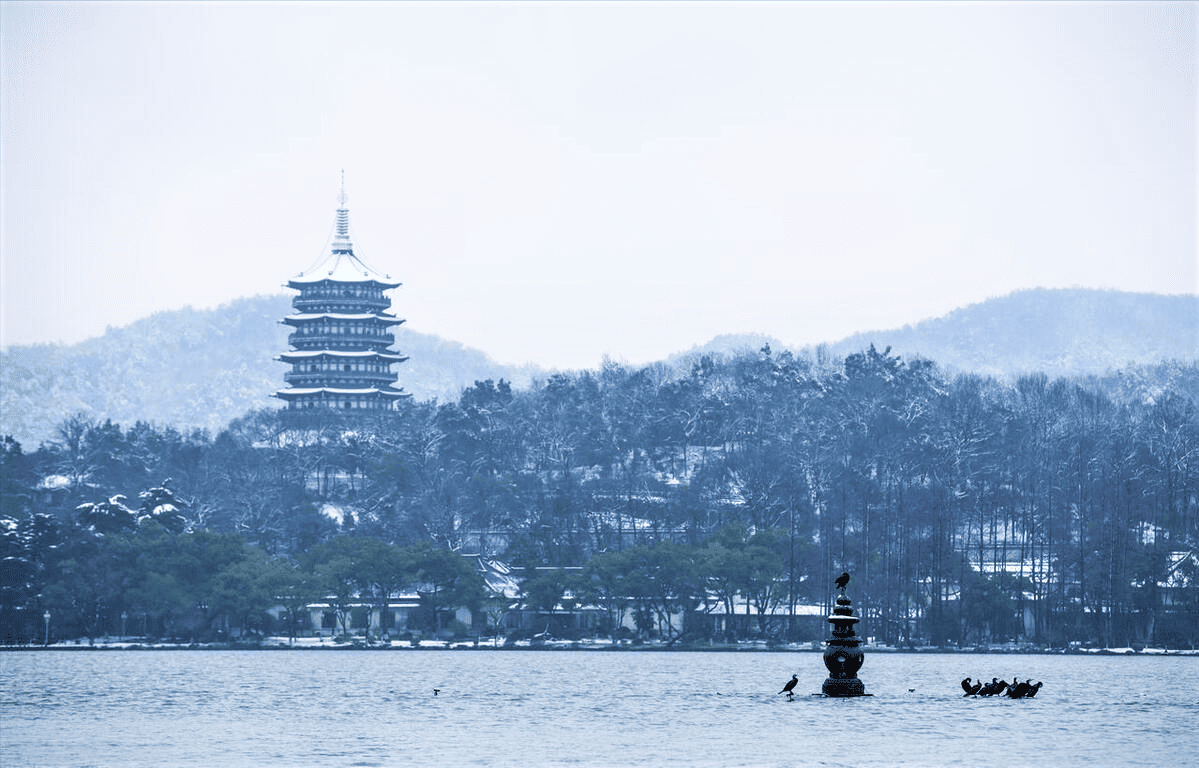
Core Information Around the Airport
A. Internal Service Guide of HGH
a. Luggage Storage
For layover travelers who plan to leave the airport and explore Hangzhou, luggage storage is a convenient and essential service, designed to free you from the burden of carrying bags during your trip. HGH also offers a “Luggage Delivery Service” that allows luggage to be sent directly to hotels, scenic spots, or high-speed rail stations, with delivery as fast as 1 hour.
1. Locations
The traditional storage counters are strategically positioned for easy access:
* T3 Departure Hall: Situated behind F Check-in Island (corrected from “east of F Check-in Island”)
* T4 Departure Hall: Located east of Q Check-in Island, adjacent to the domestic departure waiting area, suitable for domestic transit travelers.
2. Hours & Fees
The service operates daily from 6:30 to 23:00, covering the vast majority of flight departure and arrival times. The pricing is affordable and transparent:
* 8 hours or less: ¥10 per item.
* 8–16 hours (inclusive): ¥15 per item.
* 16–24 hours (inclusive): ¥20 per item.
* Over 24 hours: Charges cycle and accumulate according to the above standards. It is recommended to retrieve your luggage before 22:30 to avoid missing the closing time.
3. Prohibited Items
To ensure safety and compliance with regulations, the following items are strictly not allowed for storage:
* Overweight luggage: Any item exceeding 50kg is prohibited, as it may pose handling risks.
* Valuables: Cash, banknotes, traveler’s checks, jewelry, and important documents (such as passports and visas) are not accepted—keep these items with you at all times.
* Dangerous goods: Power banks, lithium batteries, flammable liquids, sharp objects, and other items that violate airport security regulations are forbidden.
* Perishables: Fresh food, fruits, pastries, and other items that are prone to spoilage are not eligible for storage, to prevent odor or contamination.
4. Collection Rules
When storing luggage, you will receive a storage receipt—keep it safe, as it is required for collection. If you need to authorize someone else to collect your luggage on your behalf, you must complete a signed authorization form at the time of storage, providing the authorized person’s full name, contact information, and a copy of their valid ID. The authorized person must present the storage receipt and their ID to retrieve the luggage.
b. Dining & Shopping
HGH offers a diverse range of dining and shopping options to cater to the tastes and needs of international and domestic travelers, combining global chains, local specialties, and innovative smart services.
1. Dining Options
Both T3 and T4 terminals feature a rich selection of eateries, spread across departure halls, arrival halls, and transfer corridors, ensuring you can grab a bite no matter where you are in the airport.
* International Fast Food
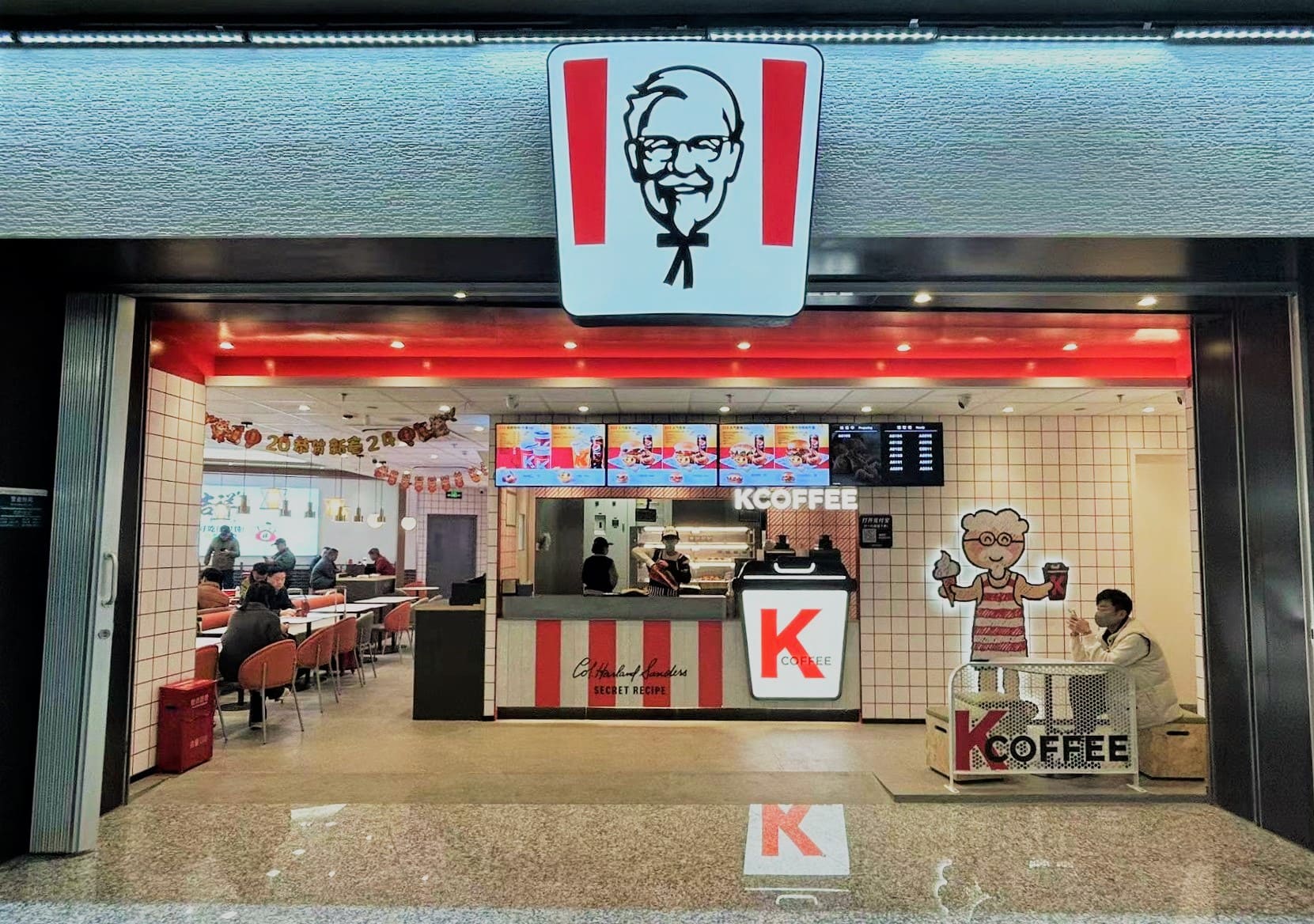
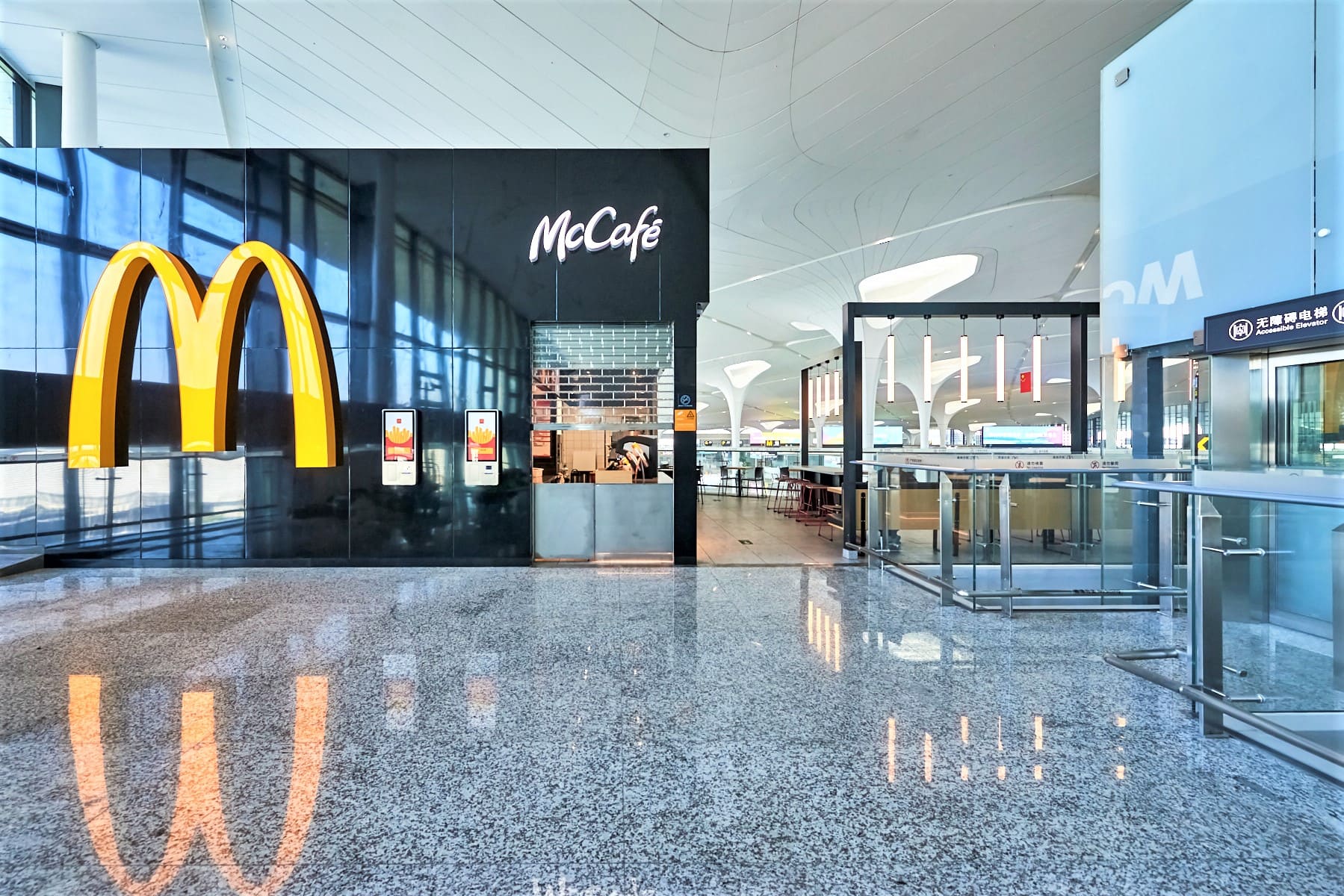
Well-known chains such as KFC and McDonald’s are available, offering quick meals like burgers, fries, and fried chicken, with menus adjusted to suit local preferences (e.g., rice bowls and congee). These restaurants are usually open 24 hours, perfect for travelers on late-night or early-morning flights.
* Local Snacks
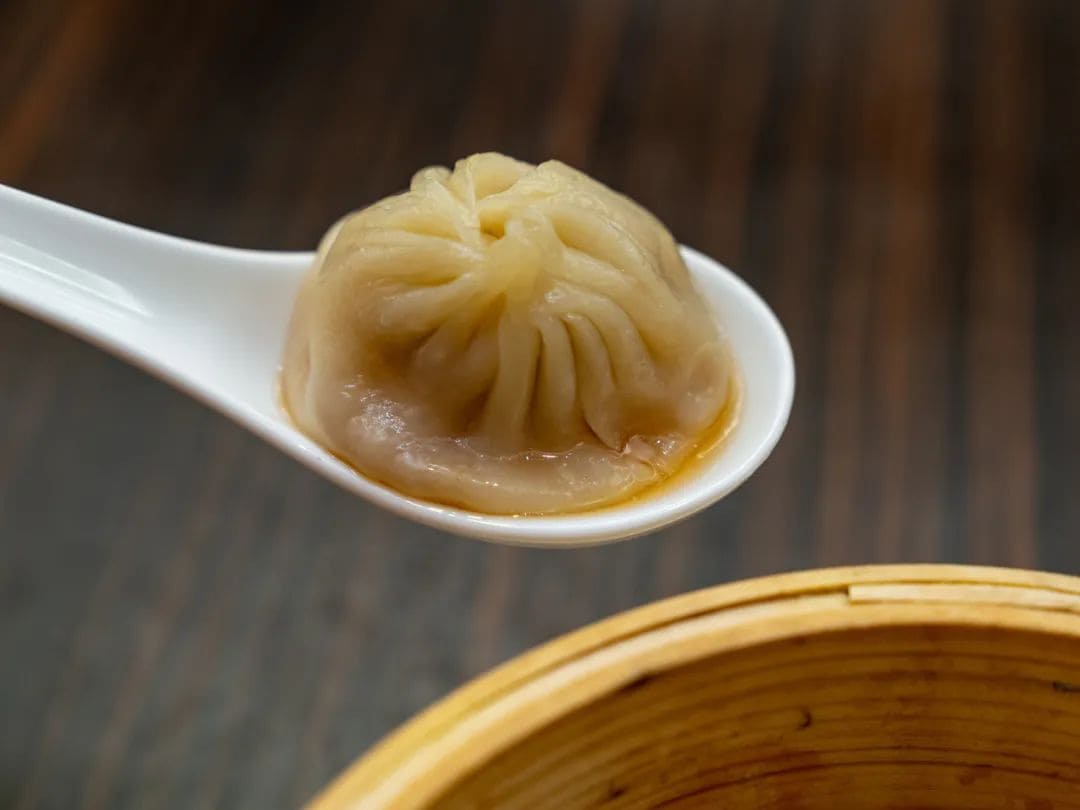
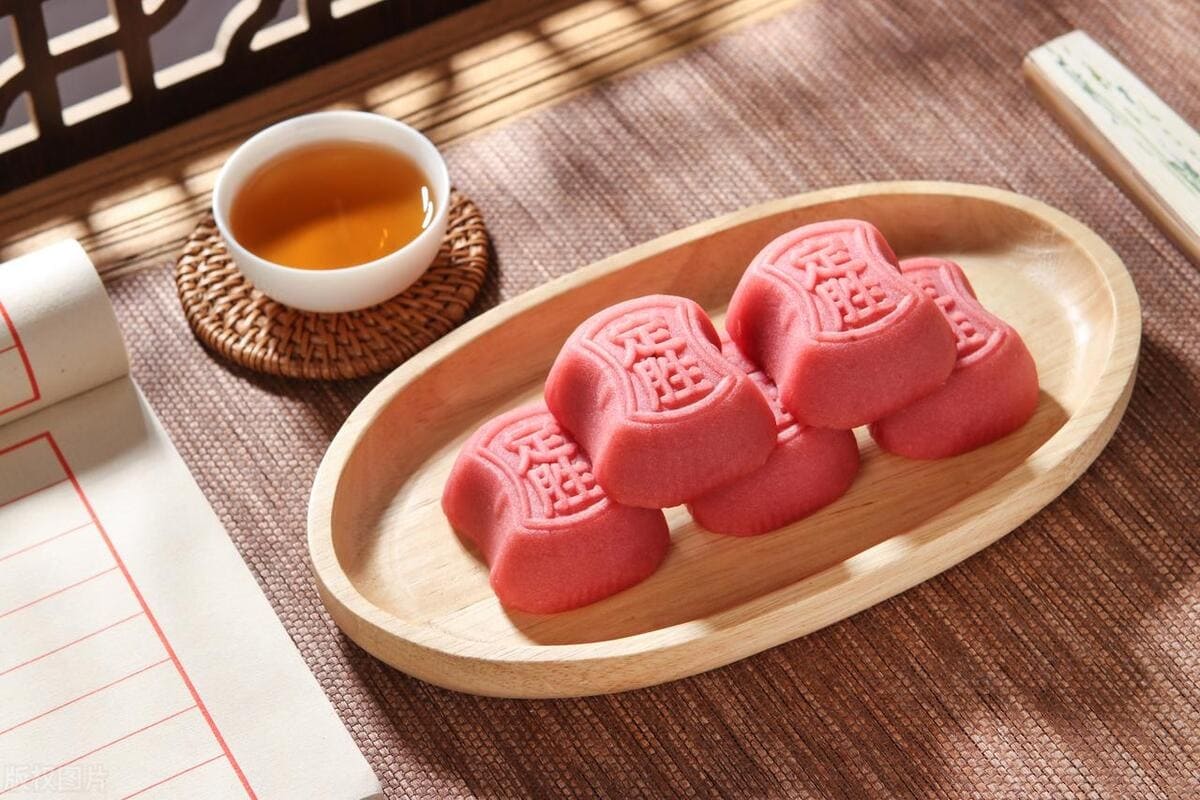
For a taste of Hangzhou’s culinary culture, don’t miss the specialty stalls serving Xiaolongbao (Steamed Soup Dumplings), DingSheng cake, and Pian'erchuan (Noodles with Shredded Pork, Bamboo Shoots & Potherb Mustard). These stalls are mainly located in the public areas of T3 and T4, with reasonable prices ranging from ¥20-¥50 per dish.
* Coffee Shops
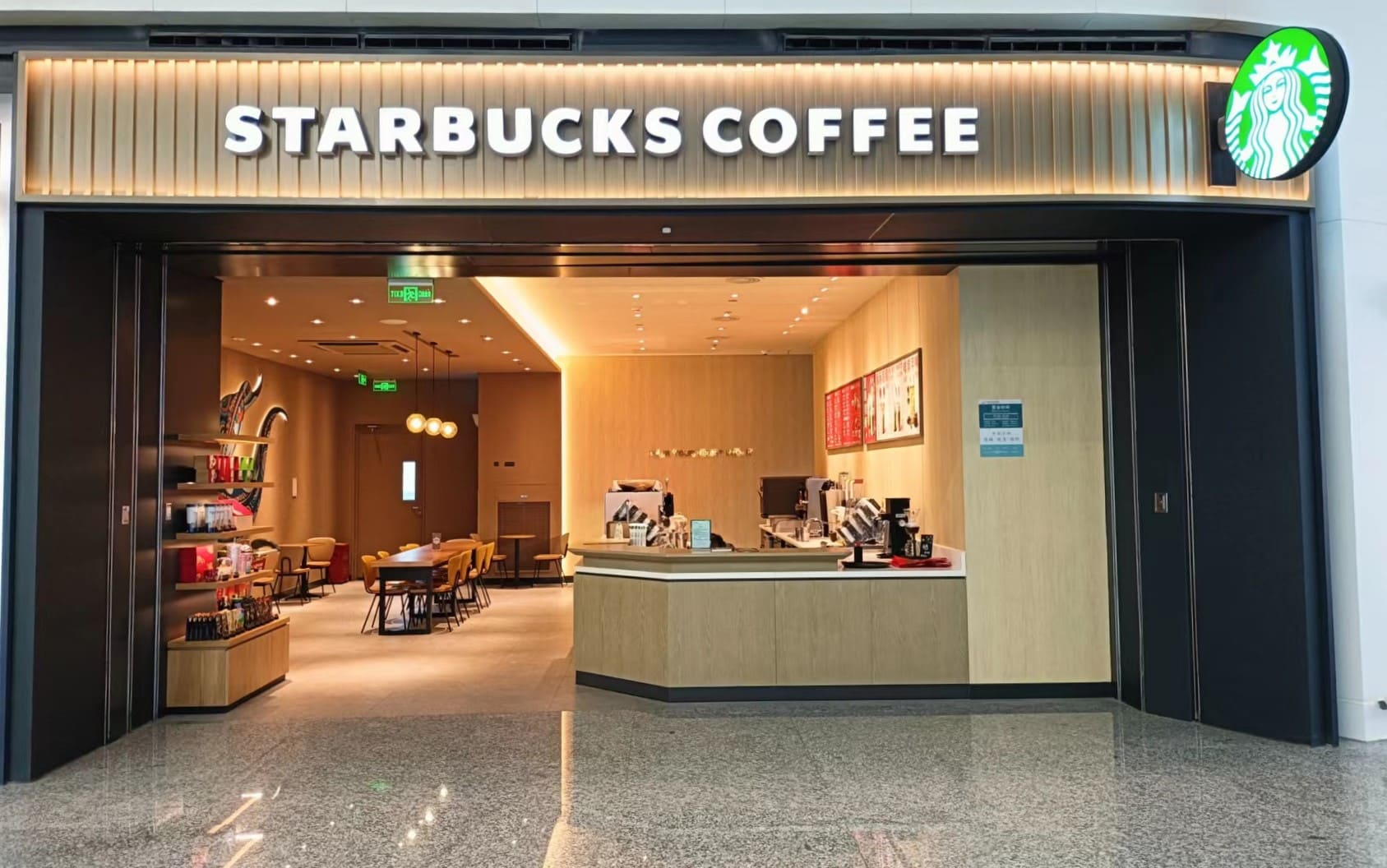
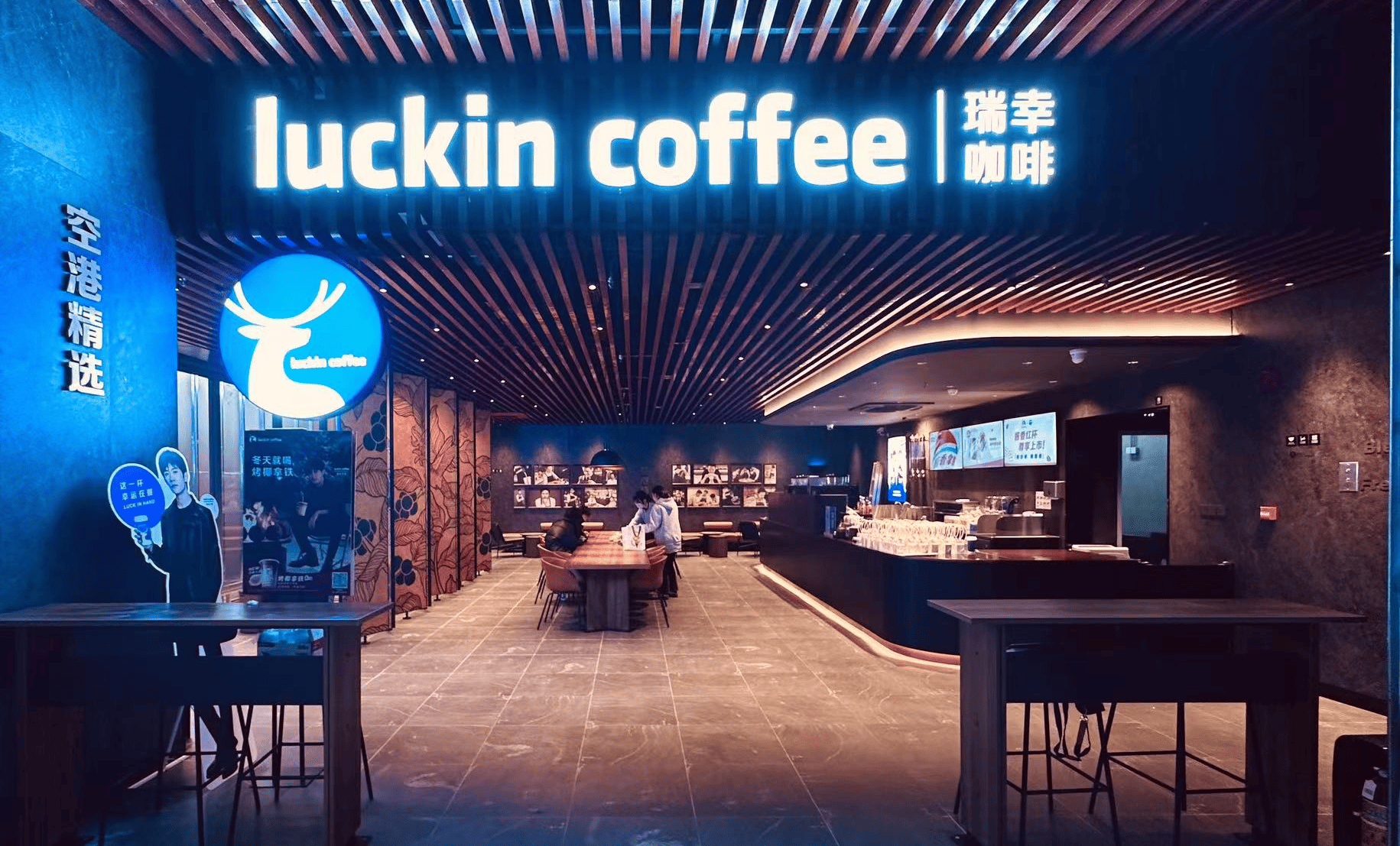
In addition to Starbucks and Luckin Coffee, HGH introduced the 6th-generation COFE+ robot café in November 2025. This 24-hour smart café offers over 65 drink options and 350+ flavor customizations, with a cup of coffee ready in just 50 seconds. It features 3D latte art printing (printing photos or patterns on milk foam) and precise temperature control technology, ensuring consistent quality. The café is located in high-traffic areas of the terminals, providing a unique tech-driven experience for travelers.
* Shopping Areas
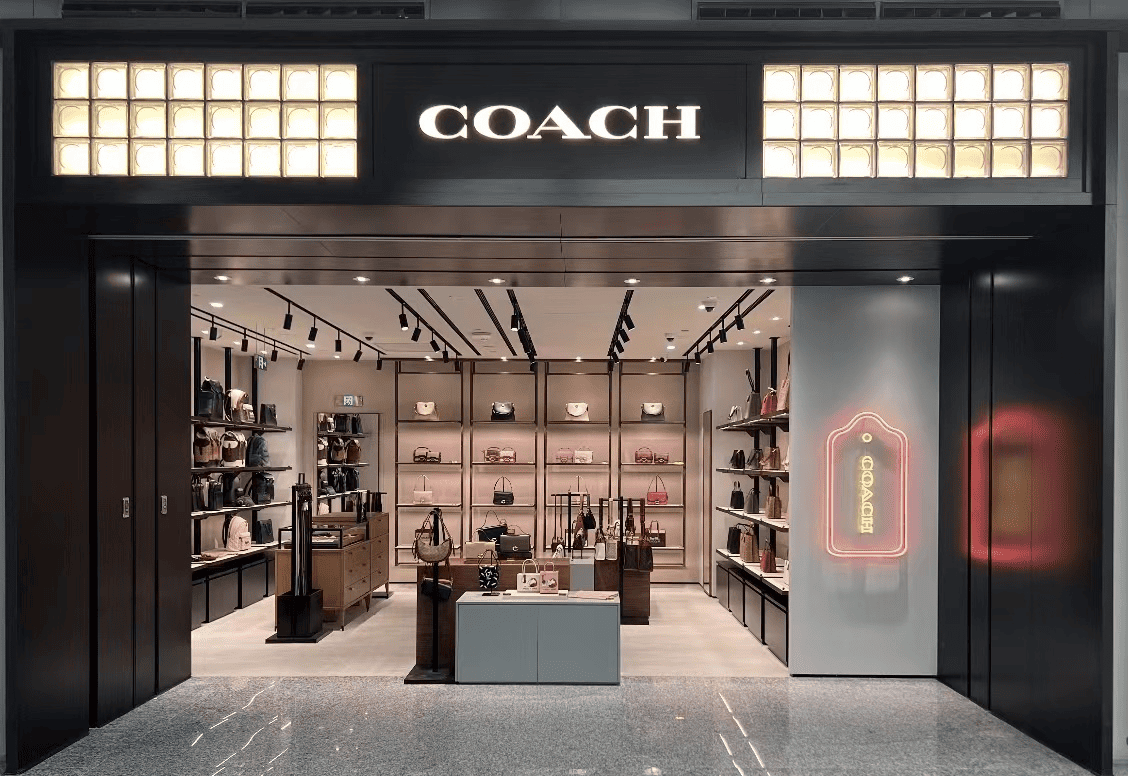
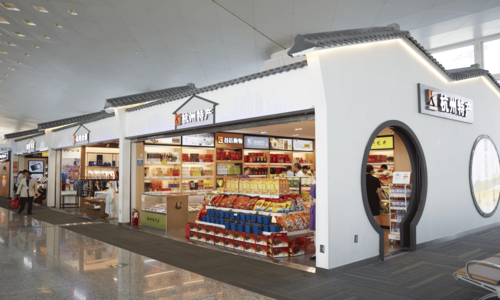
HGH’s shopping zones blend duty-free luxury and local cultural products, allowing you to pick up souvenirs or daily necessities without leaving the airport. The airport also has 24-hour self-service tax refund terminals for foreign travelers, covering over 760 partner stores across Zhejiang Province.
* Duty-Free Shops
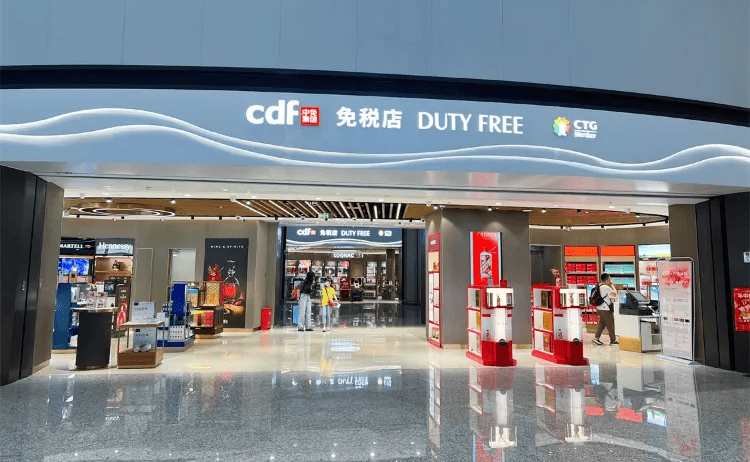
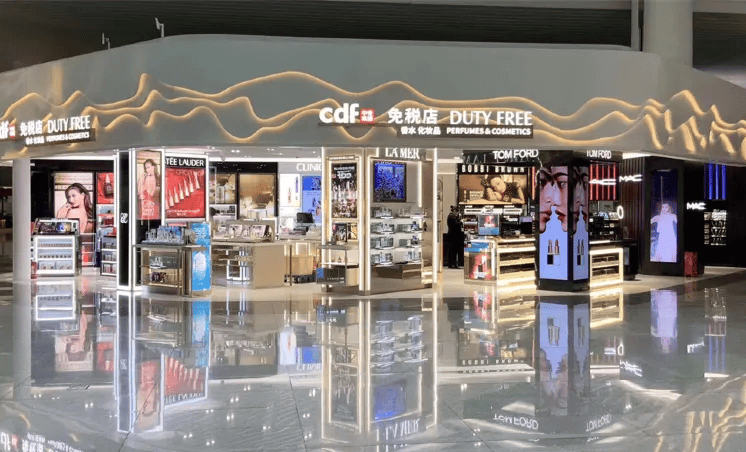
Located exclusively in the international departure area of T3, these shops offer a wide range of products, including international brand cosmetics, perfumes, alcohol, and tobacco, at prices lower than those in downtown retail stores. Eligible travelers can make purchases by presenting their valid passport and international boarding pass. Popular brands include Dior, Chanel, Estée Lauder, and local Chinese liquor brands like Moutai.
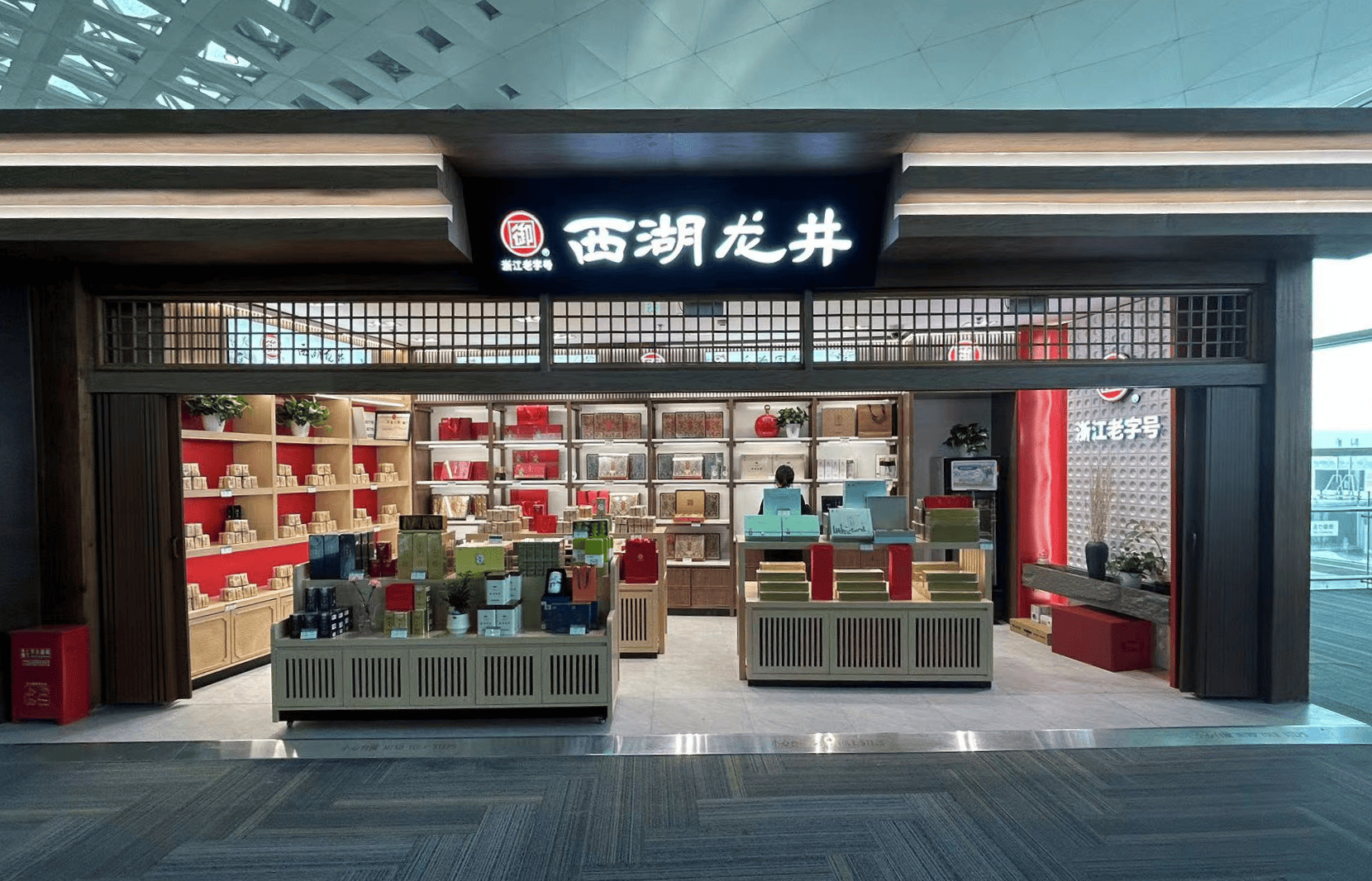
* Local Specialty Stores
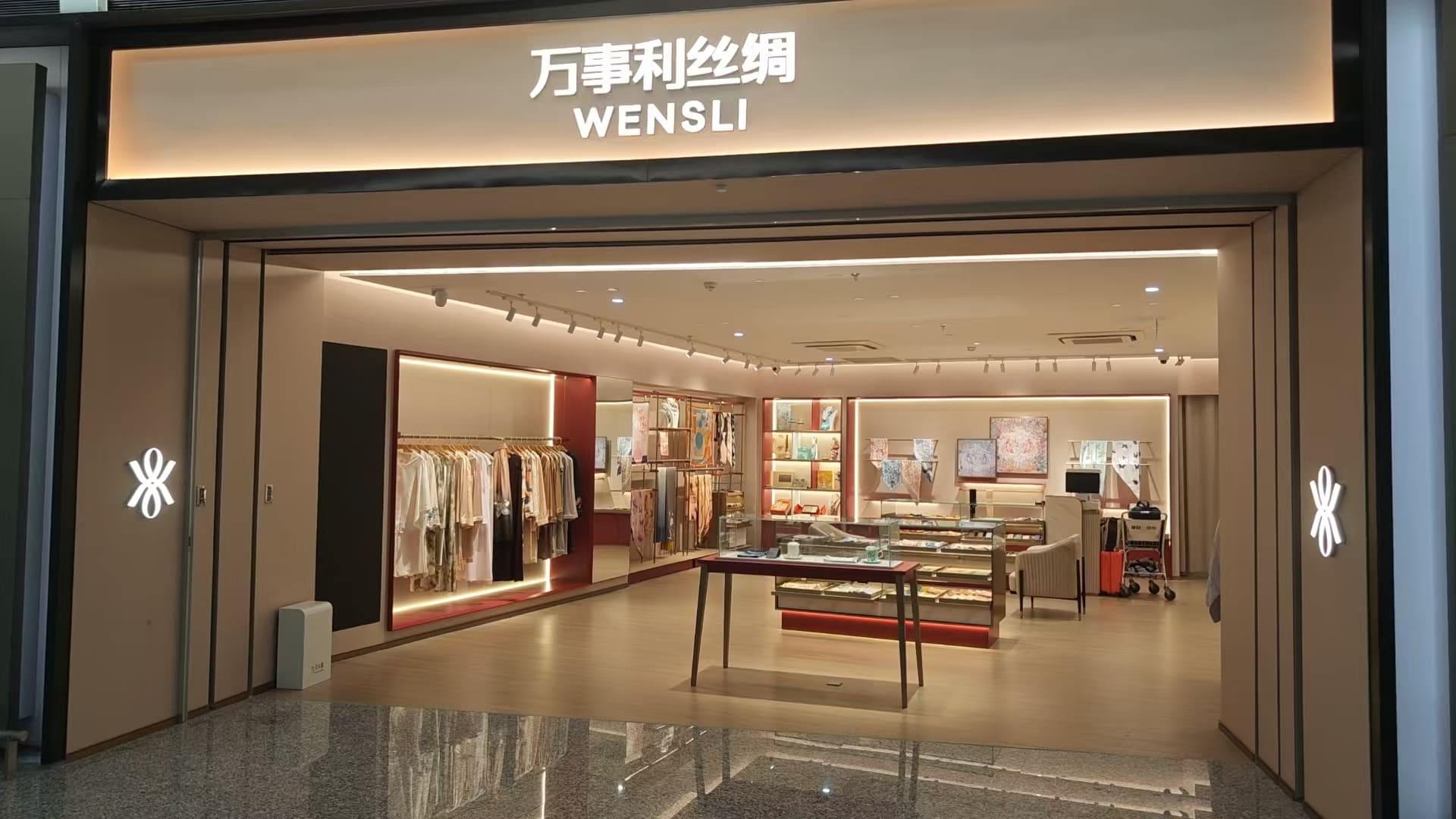
Found in the public areas of both T3 and T4, these stores sell Hangzhou’s iconic products, such as Longjing tea (one of China’s top ten famous teas), high-quality silk scarves and clothing, and traditional Chinese medicine health products (e.g., ginseng and wolfberry). The staff can provide basic English introductions to the products, and gift-wrapping services are available for souvenirs.
c. Other Services
To ensure a comfortable and hassle-free stay, HGH provides a range of practical auxiliary services covering medical care, internet access, and device charging, with innovative upgrades for convenience.
* Medical Services
Fully equipped medical centers are available in both T3 and T4 terminals, staffed by professional doctors and nurses who can provide basic medical treatment for minor ailments and injuries, such as colds, headaches, cuts, and sprains. Most importantly, the medical staff have basic English communication skills, allowing them to understand the needs of international travelers. The centers also stock common over-the-counter medications and first-aid supplies. In case of a medical emergency, the staff can coordinate with local hospitals for further treatment.
· Location of Medical First Aid Points
T1 First Aid Room: Opposite Boarding Gate B12, Domestic Terminal
T2 First Aid Room: Room 3080, Restricted Area, International Terminal
T3 First Aid Room: Opposite Boarding Gate B23, Domestic Terminal
T4 Terminal Medical First Aid Stations:
· Room C2019, Medical First Aid Station, 2nd Floor, International DeparturesPhone: 0571-83837793
· Room C4593, Medical First Aid Station, 4th Floor, Outside the Departure Restricted AreaPhone: 0571-83837790
· Room C2223, Medical First Aid Station, 3rd Floor, Inside the Domestic Restricted AreaPhone: 0571-83837791
* Wi-Fi Connection
Free high-speed Wi-Fi is available throughout the airport, with no time limit for use. To connect, search for the network “HIA Free WiFi” (corrected from “HGH-Free-WiFi”) on your device. You will need to enter a valid phone number (foreign numbers are accepted) to receive a verification code via SMS, which is required for login. For longer stays, consider purchasing a Chinese data e-SIM through platforms like Airalo.com instead of a physical SIM card. The Wi-Fi signal is stable in all areas, including waiting halls, transfer corridors, and even restrooms.
* Charging Stations
Charging stations are strategically placed in waiting areas, transfer halls, and VIP lounges, ensuring you can recharge your electronic devices whenever needed. These stations support multiple plug types, including Type A (common in North America), Type C (global standard), and Type I (used in Australia and New Zealand), making them compatible with most international and domestic devices. Some stations also offer wireless charging pads for compatible smartphones, providing a cable-free charging experience.
* Innovative Services
T4 terminal offers “face-scan boarding” for domestic flights, reducing boarding queue time by an average of 6 minutes . International travelers on 6 foreign airlines (including Emirates and Cathay Pacific) can use e-boarding passes for the entire boarding process, saving an average of 30 minutes of queuing time . The airport also has East China’s first “pet waiting lounge” and upgraded “pets in cabin” services covering over 100 routes.
B. Transportation Guide Between Airport and Urban Area/Scenic Spots
1. Airport Bus
Airport buses are a cost-effective and convenient choice for travelers, with routes covering key tourist and transportation hubs.
* Routes & Key Stops
· Line 1 (Airport — Hangzhou Railway Station): This route connects the airport to Hangzhou Railway Station, a major transportation hub with high-speed train services to cities like Shanghai, Nanjing, and Ningbo. The bus stops at the airport’s T3 and T4 arrival halls, and the journey takes approximately 30 minutes (depending on traffic).
· Line 2 (Airport — West Lake Area): The most popular route for tourists, terminating at the Wulinmen Station, which is within walking distance of the northern shore of West Lake, as well as attractions like the Zhejiang Museum. The trip takes around 45–60 minutes, making it ideal for travelers with a medium or long layover.
· Frequency, Fare & Hours: Buses run every 15–30 minutes, with the first bus departing at 6:00 and the last at 22:00. Fares range from ¥20-¥30 per person, depending on the route. Tickets can be purchased at the airport bus ticket counters in the arrival halls or via mobile payment apps (Alipay/WeChat Pay) by scanning the QR code at the bus stop.
2. Metro
The metro is the fastest and most affordable way to travel between the airport and downtown Hangzhou, with no traffic delays.
· Line 1: The dedicated airport metro line has a station located in the T3/T4 Interchange Hall, allowing for seamless transfers between terminals. The metro operates daily from 6:00 to 23:00, with trains running every 10–15 minutes during peak hours (7:00–9:00, 17:00–19:00) and every 20 minutes during off-peak hours. It connects to Xiaoshan International Airport and offers transfers to the city, including stops at Qianjiang New City, West Lake Cultural Square, and Wulin Square. It is a classic choice for traveling between the airport and the city.
· Line 7: The airport is a key station on Line 7, which runs across the city, connecting Qianjiang Century City, Olympic Sports Center, and Wushan Square, making it convenient to travel along both sides of the Qiantang River.
· Line 19 (Airport Express): Specifically designed for airport service, it provides a direct route to Hangzhou East Railway Station (high-speed rail hub) and the city’s sub-center. With its fast speed, it is perfect for passengers transferring to high-speed trains.
· Fare & Travel Time: The fare ranges from ¥5-¥15, depending on the destination. The journey from the airport to the West Lake Station takes approximately 40 minutes, making it a great option for travelers looking to explore the lake.
· Ticket Purchase: Metro tickets can be bought from self-service ticket machines located at the station entrance, which support payment via Alipay and WeChat Pay. International travelers can also use their foreign-issued credit cards (Visa/Mastercard) to purchase tickets, or use the Hangzhou Public Transport APP to generate a QR code for boarding.
3. Taxi/Ride-Hailing
For travelers who prioritize comfort and convenience, taxis and ride-hailing services offer door-to-door transportation.
* Pick-up Points
Dedicated taxi and ride-hailing pick-up areas are clearly marked:
· T3 Arrivals Exit 3: For international passengers and those arriving at T3.
· T4 Arrivals Exit 5: For domestic passengers arriving at T4.The pick-up areas are sheltered, so you don’t have to worry about rain or sun while waiting. Avoid unlicensed vehicles to protect your legal rights.
* Fare Standard
· Starting fare: ¥13 (includes the first 3 kilometers).
· Mileage charge:
· 3-10 kilometers: ¥2.5 per kilometer.
· Over 10 kilometers (empty return fee): ¥2.5 per kilometer + 50% (i.e., ¥3.75 per kilometer).
· Low-speed waiting fee (speed under 12 km/h):
· Non-peak hours (outside 7:00-9:00): An additional 1 kilometer fare (¥2.5) for every 4 minutes.
· Peak hours (7:00-9:00): An additional 1.5 kilometers fare (¥3.75) for every 4 minutes.
· Special compensation fee (nighttime): From 23:00 to 05:00, the mileage fee is increased by 30% (approximately an additional ¥0.75 per kilometer).
· Holiday surcharge: During the Chinese New Year (from the 30th of the lunar year to the 6th of the lunar year), an additional ¥10 will be charged per ride.
* Estimated Costs
The fare from the airport to West Lake ranges from ¥80-¥150, and to Hefang Street ranges from ¥80-¥120—prices may vary slightly depending on traffic conditions and time of day (e.g., higher fares during peak hours).
4. Car Rental with Driver
For travelers who want to customize their layover itinerary (e.g., visiting multiple attractions in one day), renting a car with a driver is an excellent choice.
* Price Range
The cost is transparent and all-inclusive: ¥300–¥600 for a half-day rental (4 hours), and ¥500–¥1000 for a full-day rental (8 hours). The price includes fuel costs, toll fees, and the driver’s service fee—no hidden charges.
* Service Highlights
The drivers are familiar with Hangzhou’s scenic spots and traffic conditions, and most have basic English communication skills, allowing them to introduce attractions and answer your questions. You can customize your itinerary freely, such as visiting West Lake, Lingyin Temple, and Hefang Street in one day, and the driver will adjust the route according to your preferences and time constraints.
5. For Specific References
* West Lake (Xi Hu)
| Transportation | Route Details | Time | Distance | Cost |
| Metro | Line 1: Airport—Longxiangqiao Station—5-minute walk to Lakeside | ~50 min | ~30 km | ¥6-8 ($0.85-1.14) |
| Airport Bus | Wulinmen Line: Airport—Pinghai Road—5-minute walk to West Lake | ~40 min | ~33 km | ¥20 ($2.85) |
| Taxi | Direct to West Lake Scenic Area | ~42-55 min | ~33 km | ¥100-130 ($14.22-18.48) |
* Lingyin Temple (Lingyin Si)
| Transportation | Route Details | Time | Distance | Cost |
Metro + Bus
| Line 19: Airport—Wulian Station—Exit C—Bus 319M—Lingyin Road Terminal | ~1 hr | ~35 km | ¥6-8 ($0.85-1.14) |
| Airport Bus + Bus | Airport Bus—City Station—Subway Line 1—Longxiangqiao—Bus 7—Lingyin Temple | ~1.5 hr | ~37 km | ¥25-30 ($3.55-4.27) |
| Taxi | Direct to Lingyin Temple | ~40-60 min | ~35 km | ¥150-200 ($21.33-28.44) |
| Scenic Shuttle | Airport—Leifeng Pagoda—Lingyin Temple (Departs: 9:20, 12:30, 14:20, 18:00) | ~50 min | ~38 km | ¥70 ($9.95)
|
* Song Dynasty Town (Songcheng)
| Transportation | Route Details | Time | Distance | Cost |
| Metro + Bus | Line 7: Airport—Olympic Sports Center—Transfer to Line 6—Zhijiang Cultural Center—10-minute walk | ~1 hr 50 min | ~40 km | ¥8 ($1.14) |
| Airport Bus + Bus | Airport Bus—Wulinmen—Walk to Wulinmen Station—Bus 318—Songcheng | ~1.5 hr | ~30 km | ¥25-30 ($3.55-4.27) |
| Taxi | Direct to Songcheng | ~50 min | ~30 km | ¥100-120 ($14.22-17.00) |
* Xixi National Wetland Park (Xixi Shidi)
| Transportation | Route Details | Time | Distance | Cost |
| Metro | Line 19: Airport—Xixi Wetland North Station (Direct) | ~50 min | ~35 km | ¥6-8 ($0.85-1.14) |
Airport Bus
| Airport—Wanghu Hotel—Transfer to Bus—Xixi Wetland (Departs: 10:10, 12:30, 14:50, 18:20)
| ~2 hr | ~38 km | ¥20 ($2.84) |
| Taxi | Direct to Xixi Wetland | ~40-50 min | ~35 km | ¥80-100 ($11.33-14.22) |
* Qinghefang Street (Hefang Street/Southern Song Imperial Street)
| Transportation | Route Details | Time | Distance | Cost |
| Metro | Line 7: Airport—Wushan Square—Exit C—500m walk | ~45 min | ~32 km | ¥6-8 ($0.85-1.14) |
| Taxi | Direct to Qinghefang Street | ~45 min | ~32 km | ¥100 (14.22) |
* Leifeng Pagoda (Leifeng Ta)
| Transportation | Route Details | Time | Distance | Cost |
| Metro + Bus | Line 7: Airport—Wushan Square—Walk to West Lake—Bus 4—Leifeng Pagoda | ~1.5 hr | ~33 km | ¥8-10 ($1.14-1.42) |
| Scenic Shuttle | Airport—Leifeng Pagoda (Departs: 9:20, 12:30, 14:20, 18:00) | ~40 min | ~35 km | ¥60 ($8.53) |
| Taxi | Direct to Leifeng Pagoda | ~45 min
| ~35 km | ¥120 ($17.00) |
* Tips:
· Most Convenient: Use the scenic area shuttle for West Lake, Lingyin Temple and Leifeng Pagoda, with direct service and no transfers
· Most Economical: Subway+Bus combination covers all attractions with costs under ¥10
· Most Flexible: Taxis are ideal for groups or heavy luggage, costing about ¥100-200
· Practical Notes:
· Check the latest schedules for subway lines 19, 1 and 7 before departure
· There's a shuttle between Lingyin Temple and Leifeng Pagoda for convenient one-day tours
· Around West Lake, take the lake-circling electric cart (¥70/person) to visit main attractions
Note: All information is based on current public transportation data and may vary slightly due to traffic conditions, seasonal schedule changes, or special events.
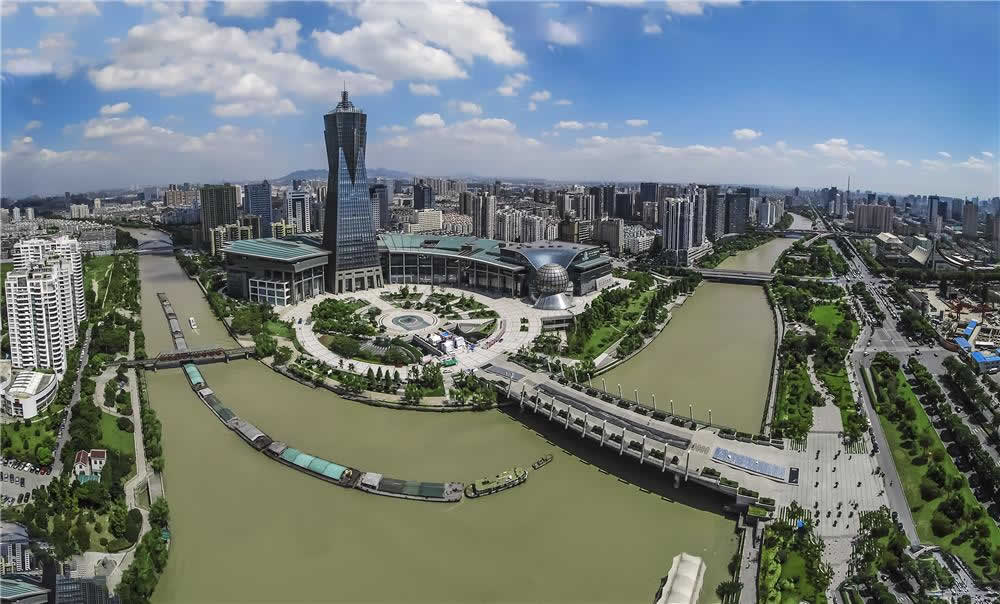 Hangzhou Half Day Private Tour To Enjoy the Charming view of Grand Canal
 Private Hangzhou Day Tour: Remarkable Journey of Serenity and Beauty of Nature
Core Activity Recommendations by Layover Duration
A. Short Layover (1-3 hours): Light Experience at Airport & Surroundings
1. Airport Experience
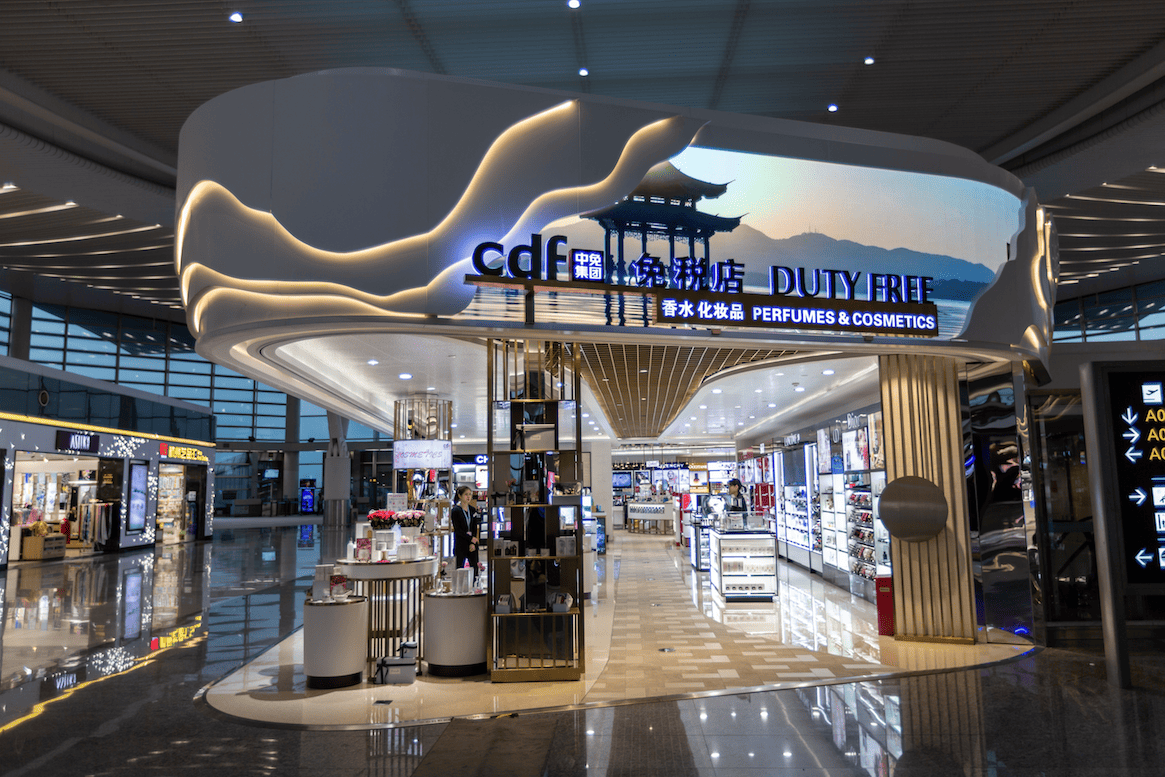
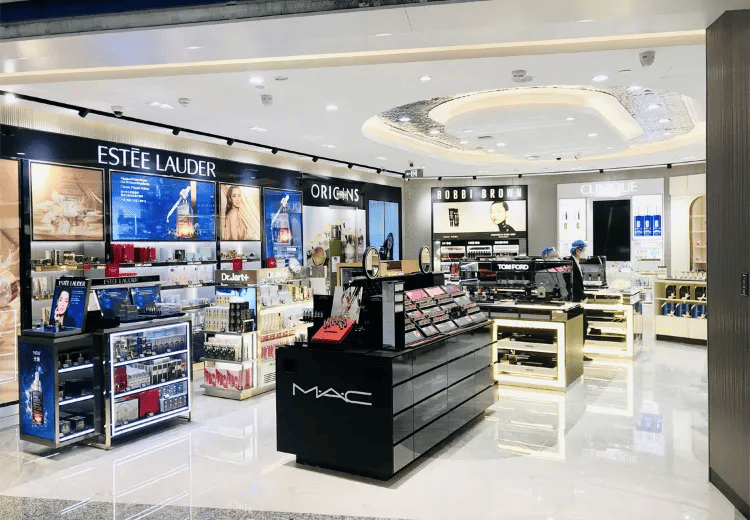
· Duty-free shopping: Available in the international departure/arrival area of T3/T4 terminals, with brands like Estée Lauder, LVMH, and local specialty counters (Longjing tea, silk scarves). Staff provide bilingual services (Chinese/English), and tax refunds are supported for international passengers.
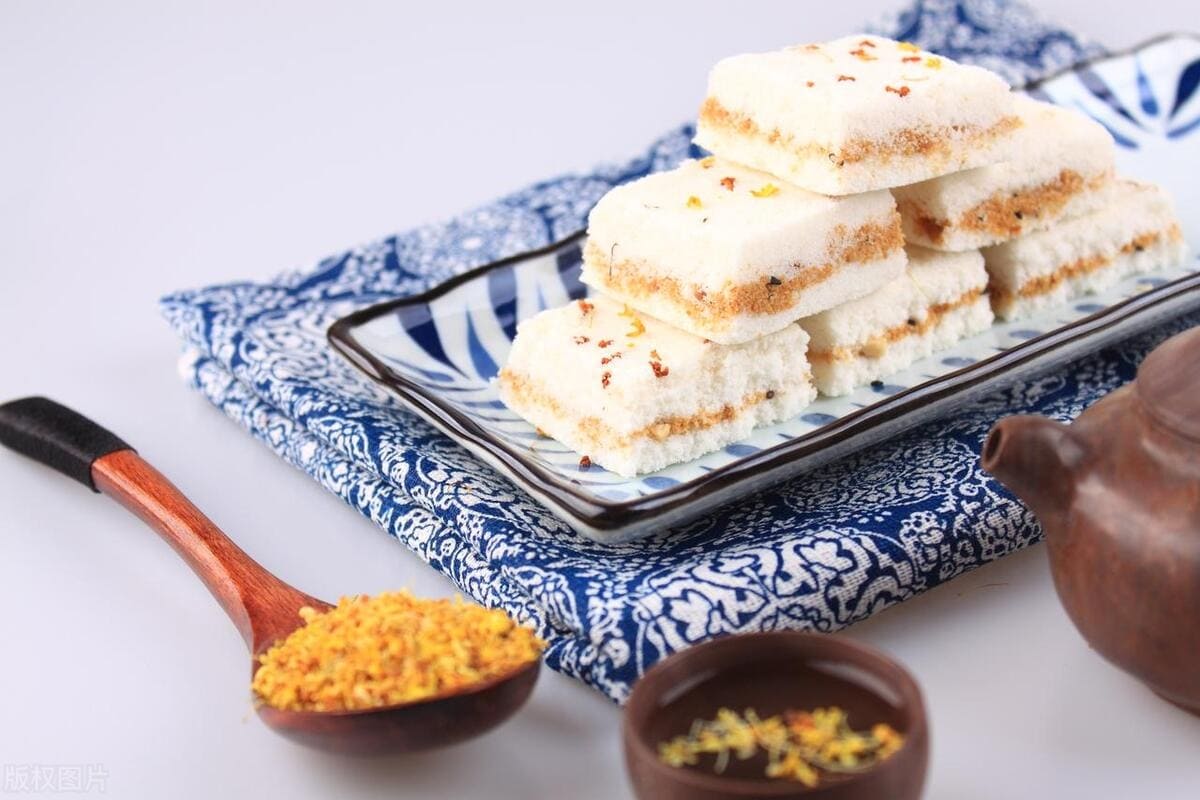
· Local snacks: Food courts are located on the 3rd floor of T3 Departure Hall and B1 floor of T4 Arrival Hall, offering osmanthus cake, Longjing tea tasting, and stinky tofu with clear English menus.

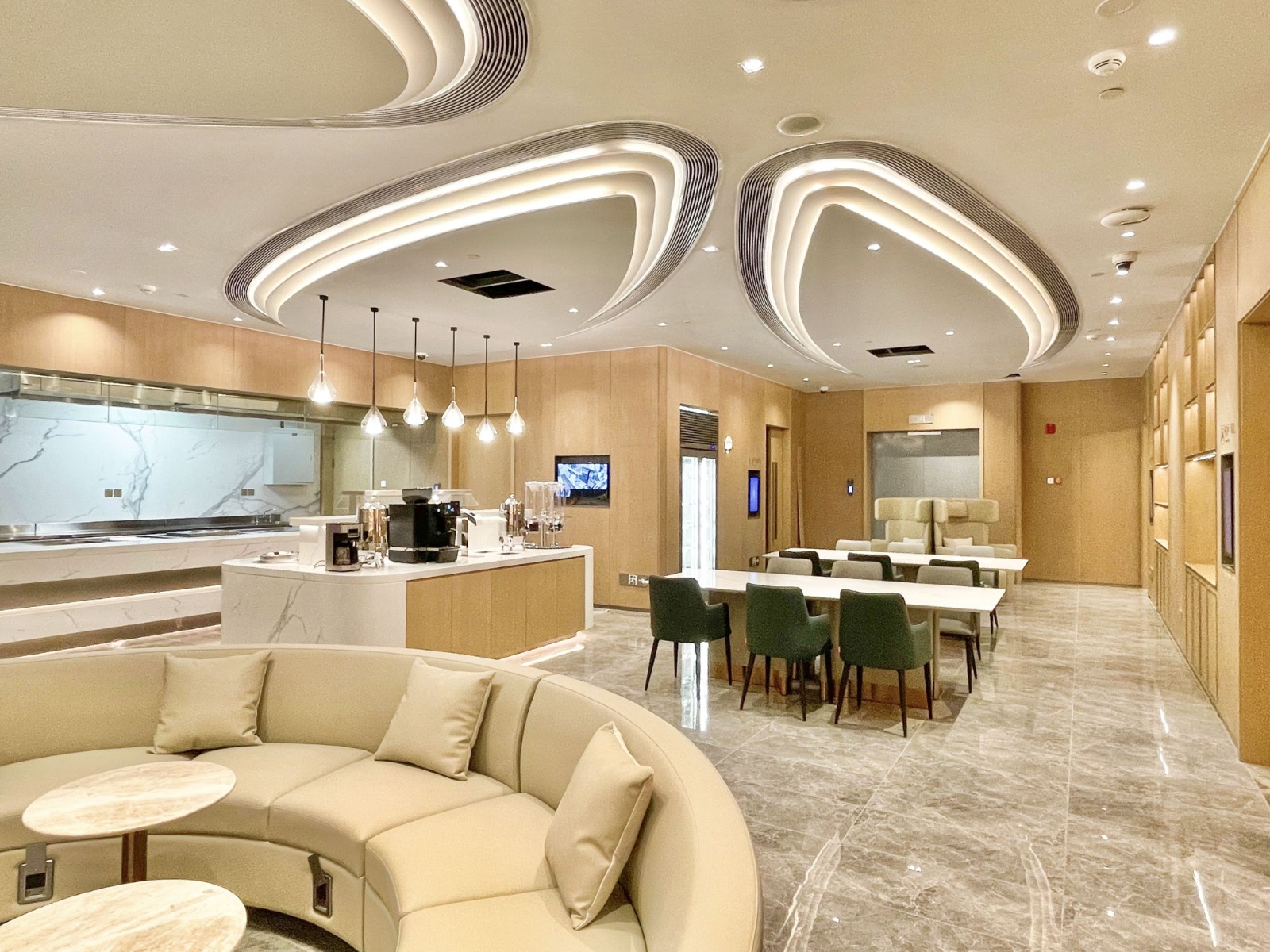
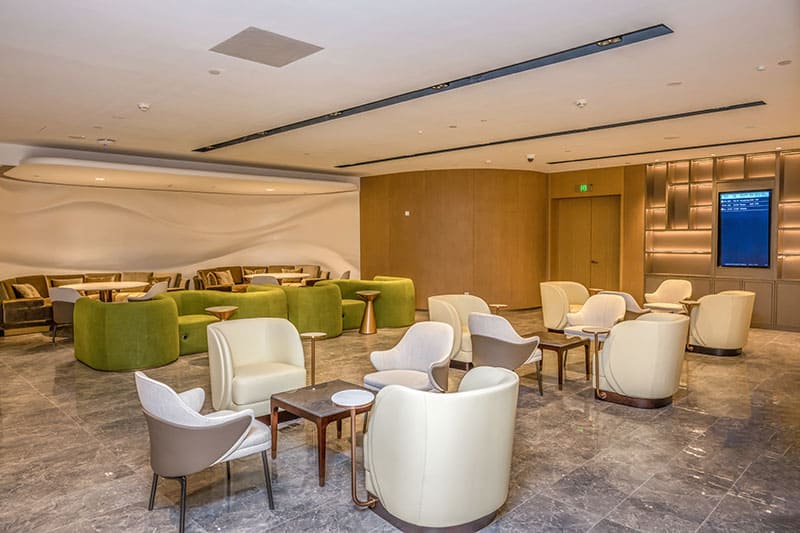
· Paid lounges: Options include China Eastern Airlines Lounge (T3) and Priority Pass partner lounges (T4), priced at ¥160-300/person for 2 hours. Facilities include high-speed WiFi, charging stations, and complimentary drinks/snacks.
2. Nearby Visit
* Airport Eco Park: A 5-minute walk from T4 Exit 5, featuring a 1km circular trail surrounded by lakes and greenery. It’s quiet and less crowded, ideal for a 20-30 minute walk to stretch legs.
* Practical tips: Wear comfortable shoes as the trail has slight slopes; carry a water bottle (water fountains are available in the park); return to the airport 1 hour before boarding to avoid missing the flight.
B. Medium Layover (3-6 hours): Essential Suburban Scenic Spot Tour
1. West Lake Core Highlights


* Route & Transportation
· Route: Broken Bridge — Bai Causeway — Solitary Hill (2-3 hours of sightseeing).
· Transportation: Take Metro Line 1 directly from Xiaoshan International Airport Station to Longxiangqiao Station (40 minutes, ¥8/person). Metro operates from 6:00 to 23:00, with trains every 3-5 minutes. Tickets can be purchased via Alipay/WeChat (English interface available) or ticket machines.
· Scenic transportation: Battery cars are available at Longxiangqiao Station Exit D (¥10/single trip, ¥30/hour short-term rental) or walk (10 minutes from the station to Broken Bridge).
* Highlights & Tips
· Broken Bridge: The iconic landmark of West Lake, perfect for photos—sunrise or sunset light enhances the scenic beauty. No ticket required.
· Bai Causeway: Lined with willow trees and peach blossoms (blooming in March-April), the 1km causeway is flat and suitable for leisurely walks, with benches every 200 meters.
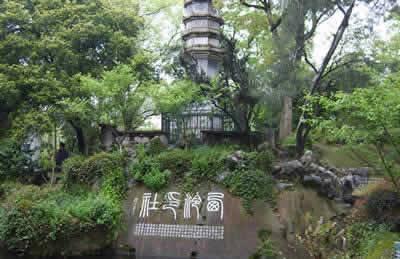
· Solitary Hill: Home to Xiling Seal Engravers’ Society and Zhejiang Museum (free admission, requires advance reservation via official WeChat account, English audio guides available).
· Time management: Allocate 40 minutes for one-way transportation, 2-3 hours for sightseeing, and 40 minutes for return transportation—total 3.5-4.5 hours, leaving sufficient buffer for boarding.
2. Xianghu Lake Quiet Tour


* Route & Transportation
· Route: Xianghu Cross-Lake Bridge Ruins Museum — Xianghu Wetland Park (2 hours of sightseeing).
· Transportation: Take Metro Line 1 (towards Xianghu) from Xiaoshan International Airport Station and ride directly to Xianghu Station (33 stops, 51.6 km total). Exit via Exit C of Xianghu Station, then transfer to Bus 775 (bound for Oriental Cultural Park) and alight at Kuahuqiao Ruins Museum Station.
· Scenic transportation: Bicycles are available for rent at the wetland park entrance (¥20/hour, electric bicycles ¥30/hour), with a 3km circular trail suitable for riding.
* Highlights & Tips
· Xianghu Cross-Lake Bridge Ruins Museum: A national first-class museum with free admission, open Tuesday-Sunday 9:00-16:00 (closed on Mondays) . Highlights include the 8,000-year-old canoe (the "Earliest Boat in China") and archaeological exhibits with English descriptions.
· Xianghu Wetland Park: Less crowded than West Lake, featuring reed marshes and lake views. Bird watching is popular in autumn and winter (October-March).
· Practical tips: Confirm the museum’s opening hours in advance (avoid Mondays); rent a bicycle for more efficient sightseeing; carry sunscreen and mosquito repellent in summer.
C. Long Layover (6-12 hours): Classic In-depth Urban Tour
1. West Lake Core Loop Tour


* Route & Transportation
· Route: Broken Bridge — Bai Causeway — Solitary Hill — Su Causeway — Leifeng Pagoda (5-6 hours of sightseeing).
· Scenic transportation: West Lake circular battery car (¥50/person, unlimited rides within 24 hours) , stopping at all key attractions. Operating hours: 8:30-17:00 (extended to 21:00 in summer).
· Boat tour options:
· Regular cruise (¥70/person, includes Three Pools Mirroring the Moon ticket, 7:30-17:00);
· Night cruise (¥90/person, 17:00-22:00, includes a souvenir);
· Rowboat (¥150/hour/boat, max 6 people). English audio guides are available via QR code scanning.
* Ticket & Highlights
· Leifeng Pagoda: Ticket ¥40/person, open 8:00-20:00. The top floor offers a panoramic view of West Lake; VIP access (¥80/person) skips queues to reach the top directly.
· Solitary Hill: Free admission, featuring cultural sites like Zhejiang Museum and Xiling Seal Engravers’ Society.
· Three Pools Mirroring the Moon: Included in the cruise ticket, accessible only by boat—iconic for appearing on RMB 1 notes.
· Dining suggestion: Have lunch at Lakeside restaurants (e.g., Grandma’s Home) with affordable prices and basic English menus, allocating 1 hour for meals.
2. Hangzhou Cultural Experience Tour
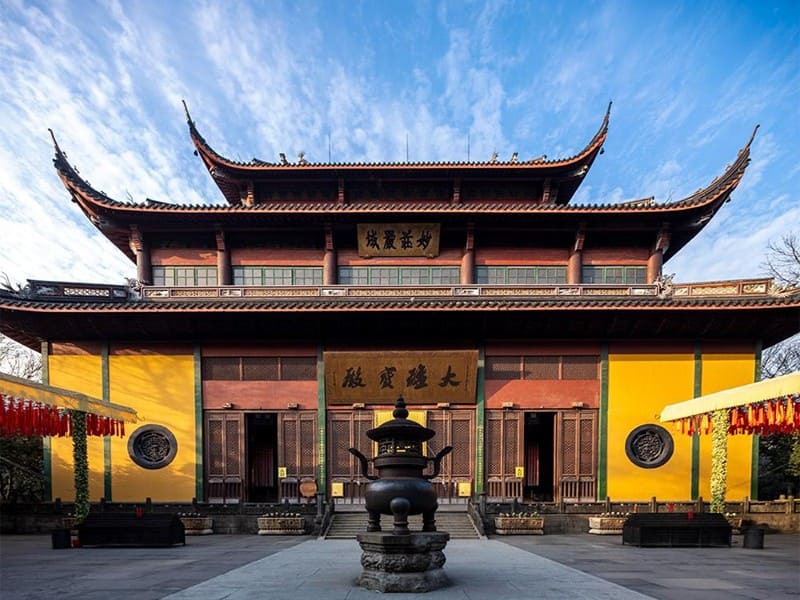
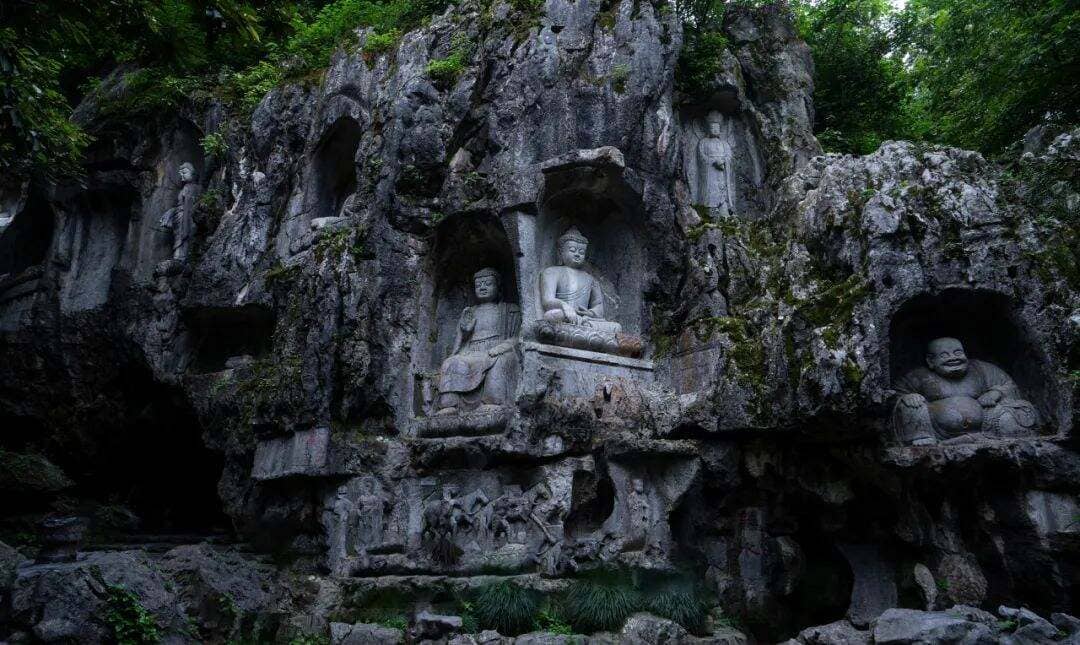
* Lingyin Temple & Feilai Peak (5-8 hours of sightseeing)
· Admission: Free since December 1, 2025 (previously ¥75), requiring real-name reservation 1 day in advance via Alipay/WeChat mini-program "Hangzhou Lingyin Feilai Peak". Daily quota: 35,000 on weekdays, 50,000 on weekends.
· Transportation: Take Metro Line 3 to Dongyue Station, transfer to West Lake Shuttle Bus Line 3 to Lingyin East Station (total 1 hour from airport). Buses 103, 1314 also reach the scenic area.
· Highlights: Feilai Peak’s grotto carvings (dating back to the Tang and Song dynasties), Lingyin Temple’s Buddhist culture (3 free incense sticks per person, no outside incense allowed). Opening hours: 7:30-17:30 (last entry at 17:00).
3. Characteristic Dining Experience
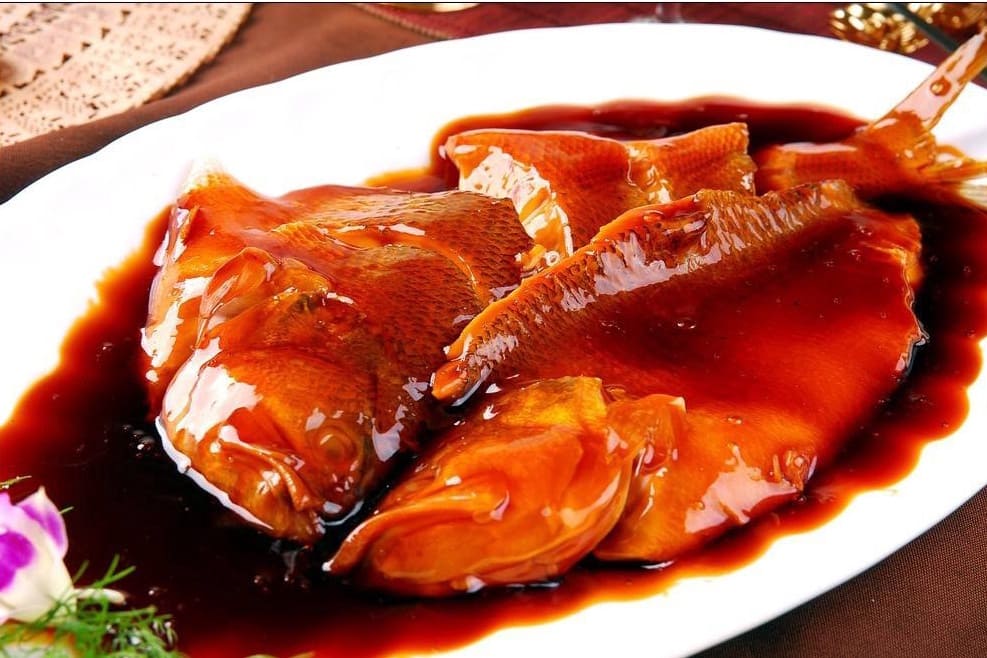
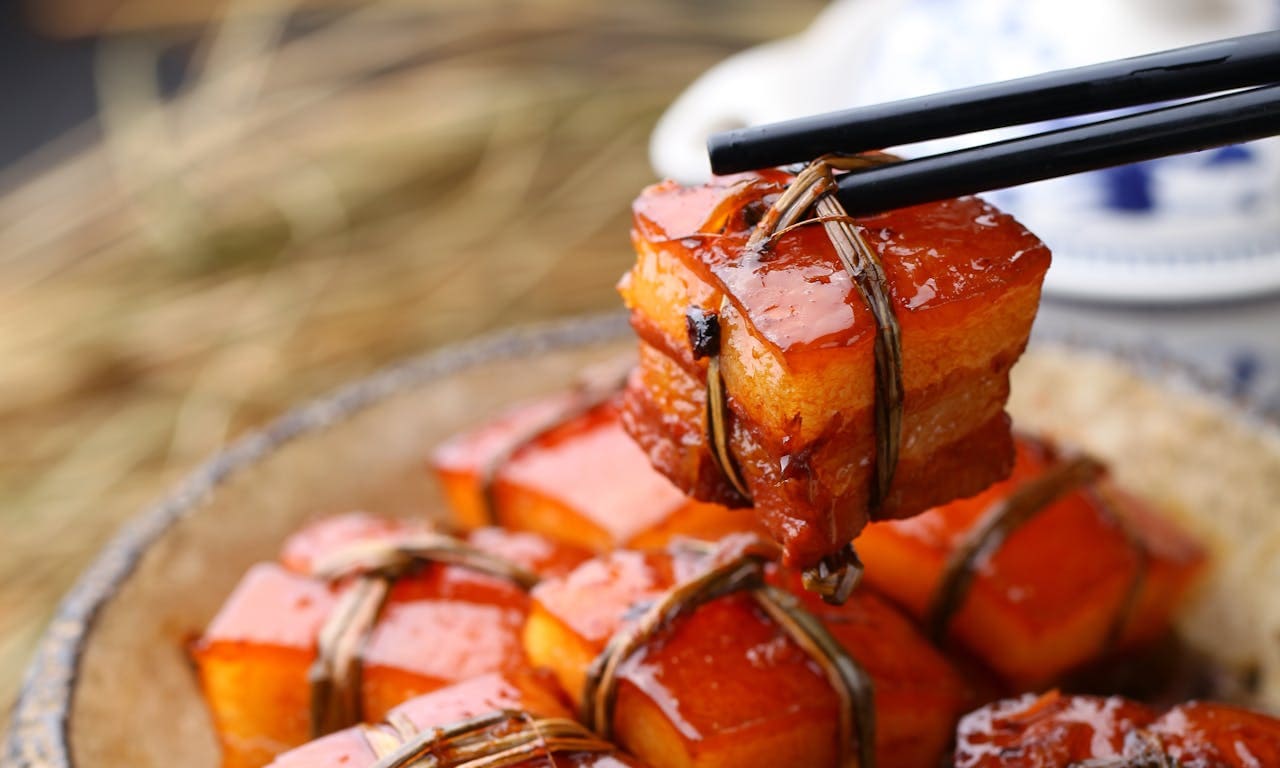
* Recommended Dishes
· West Lake Vinegar Fish: Sweet and sour flavor, made with grass carp, a signature Hangzhou dish.
· Dongpo Pork: Braised pork belly with soy sauce and sugar, tender and not greasy.
· Beggar’s Chicken: Chicken wrapped in lotus leaves and clay, with aromatic and juicy meat.
* Recommended Restaurants
· Louwailou (Gushan Road 30): Located by West Lake, offering mid-to-high-end Hangzhou cuisine with English menus. Signature dishes: West Lake Vinegar Fish (¥88), Dongpo Pork (¥48/piece). Reserve a window seat in advance for lake views.
· Grandma’s Home (Longxiangqiao Branch): Affordable chain restaurant with basic English menus. Average consumption ¥60-80/person, recommended for Beggar’s Chicken (¥58) and Braised Bamboo Shoots (¥22). Conveniently located near Longxiangqiao Metro Station.
D. Overnight Layover (12+ hours): In-depth Culture & Leisure
1. Evening Activities

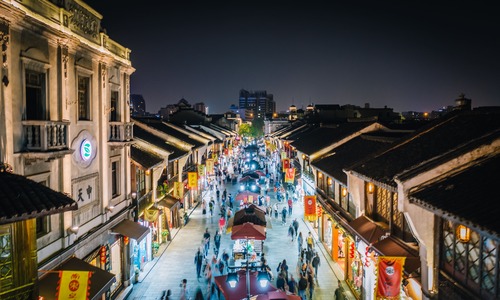
* West Lake Night View
· Leifeng Pagoda Night Scene: Lit up 19:00-21:00, the pagoda glows golden against the dark lake. The top floor offers a panoramic night view of West Lake—worth the visit.
· Night Cruise: Operates until 21:00 every night from Sunday to Thursday; extended to 21:30 on Fridays and Saturdays, with two options: ¥90/person for around the lake cruise (includes souvenir) and ¥188/person for island-hopping cruise to Three Pools Mirroring the Moon . The lake breeze is cool in summer; bring a light jacket.
* Qinghefang Street Night Market
· Hours: Open until 23:00, with more lively atmosphere at night. Snack stalls offer stinky tofu, sugar painting, and osmanthus wine.
· Traditional Performances: Shadow play and Yue opera shows are held 19:00-21:00 at the street center, free to watch. Handicraft shops sell jade carvings and paper cuttings—ideal for souvenir shopping.
2. Next-Day Morning Itinerary
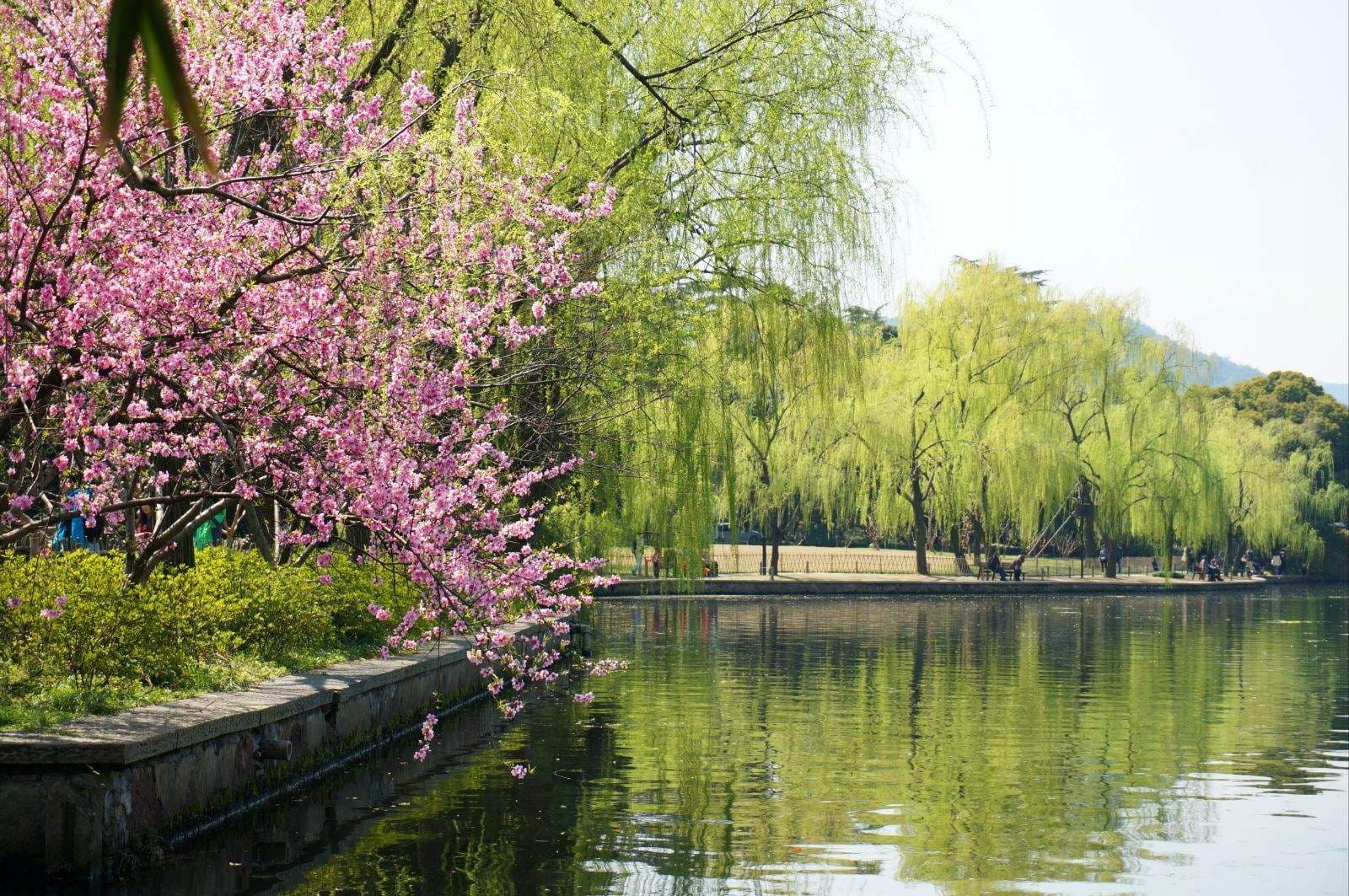

* West Lake Morning Scenery
· Best Viewing Time: 6:30-8:00. Spring features misty rain over the lake, while autumn offers beautiful sunrises at Solitary Hill.
· Recommended Spots: Sudi Chunxiao (Su Causeway in spring, with peach blossoms and willows) and Huxin Pavilion (quiet and peaceful in the morning, perfect for photos without crowds).
* Longjing Village Tea Experience
· Season: March-May (tea picking season). Book via Trip.com 3 days in advance to avoid crowds .
· Experience: ¥100-200/person, including tea picking guidance by local farmers, tea roasting demonstration, and Longjing tea tasting.
· Transportation: 30-minute taxi ride from downtown West Lake (¥80-100), or Bus 27 to Longjing Village Station (1 hour, ¥2).
Special Theme Tours for Hangzhou Layover
A. Natural Ecology Theme
1. Xianghu Lake Wetland Park
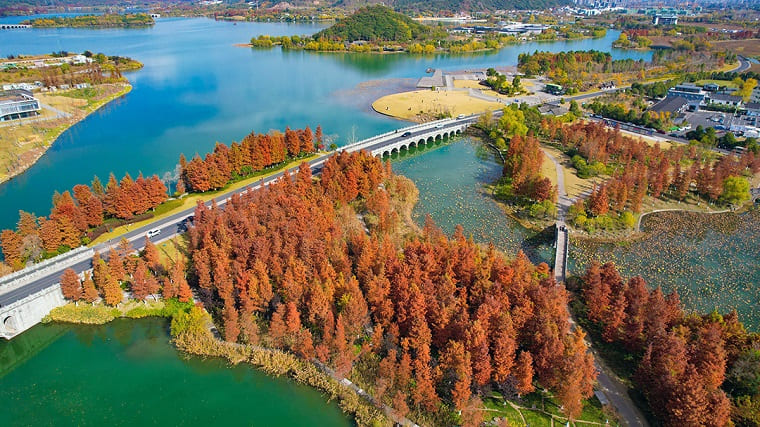
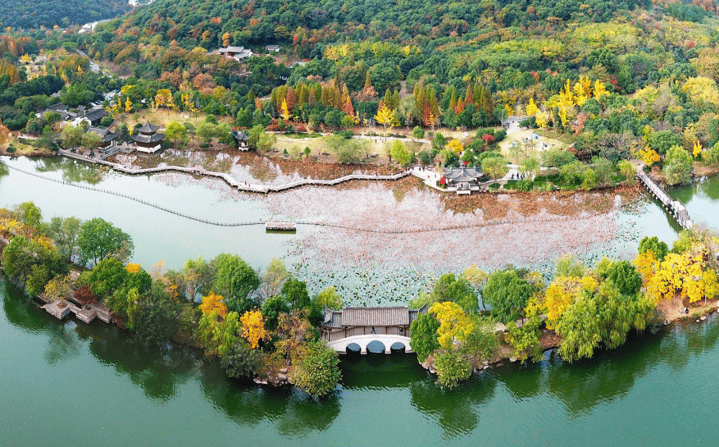
* Core Experiences
· Bird watching: Best from December to March (winter-spring), key spots include Sanjiangkou and Muxin Island where egrets, wild ducks and other waterfowl gather. Binoculars are recommended as viewing platforms are equipped with telescopes for public use.
· Cycling routes: 15km loop around the lake with dedicated bike lanes, passing by Cross-Lake Bridge Ruins Museum and Chenggshan Square. Bike rental is available at Leyou Cycling Station near Laohudong Archway, with options of single bikes (¥20/hour), electric bikes (¥30/hour) and tandem bikes (¥40/hour).
· Wetland boardwalks: The 2km plank road at Muxin Island winds through reed marshes, offering close-up views of aquatic plants and bird habitats. It’s open 8:00-18:00, with sunset views (16:30-17:30 in winter) being a highlight.
* Transportation & Layover Adaptation
· From airport: Take Metro Line 1 to Xianghu Station, transfer to Bus 775/706 to Xiangpu Guanyu Station (total 1 hour, ¥10/person).
· Suitable for medium layover (3-6 hours): Allocate 2-3 hours for activities, leaving 1 hour for round-trip transportation and airport buffer.
* Tips
· Wear non-slip shoes as boardwalks may be wet in morning or after rain.
· Bring sunscreen and mosquito repellent in summer; a light down jacket is needed for winter bird watching.
· Muxin Island camping requires advance reservation via Trip.com, not recommended for short layovers.
2. Jiuxi Eighteen Streams

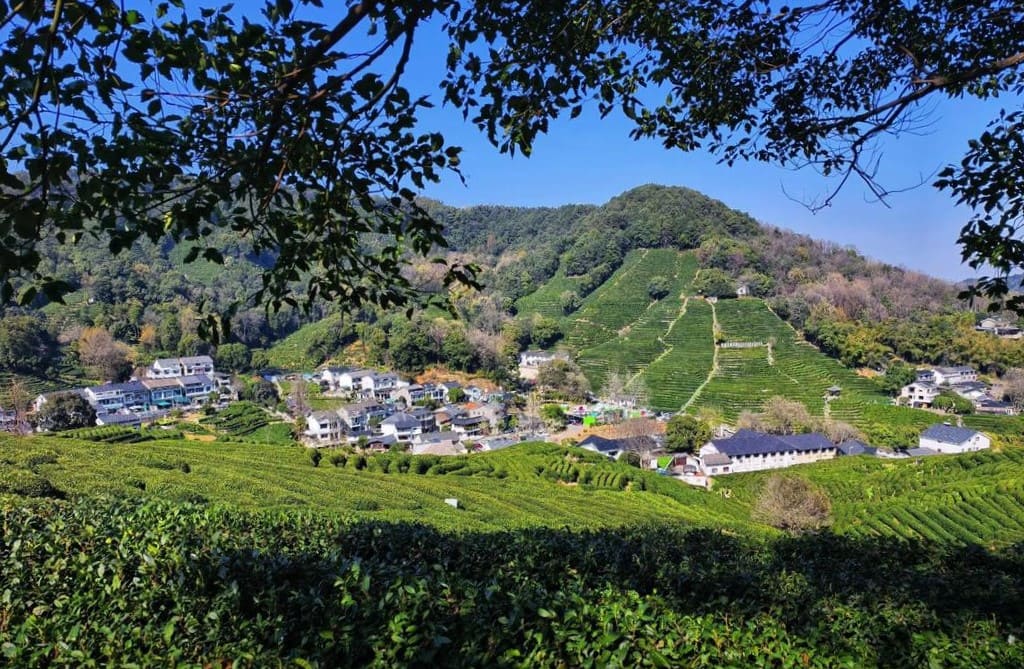
* Core Experiences
· Light hiking: 3-4km route from Jiuxi Bus Station to Longjing Village, passing by Jiuxi Smoke Tree (iconic photo spot), Xizhongxi and Yangmeiling. The trail is flat with gentle slopes, surrounded by mountain streams, ancient ginkgoes and terraced tea gardens.
· Seasonal highlights: Spring (March-April) features peach blossoms and clear streams; autumn (October-November) offers red maple leaves reflecting in water. Summer is a natural cooler with average temperature 5°C lower than downtown.
· Wildlife encounters: Small crabs and fireflies (summer) can be spotted along streams; listen for woodpeckers and warblers in the forest.
* Transportation & Layover Adaptation
· From airport: Take Metro Line 4 to Shuicheng Bridge Station (B exit), transfer to Jiuxi Scenic Area Shuttle Bus (15 minutes, ¥2/person). Alternatively, take Bus 4/39/190 directly to Jiuxi Bus Station (1.5 hours, ¥5/person).
· Suitable for long layover (6-12 hours): Hiking takes 3-4 hours, plus 3 hours for round-trip transportation and simple lunch at farm restaurants.
* Tips
· Wear non-slip sports shoes as stone paths are slippery when mossy.
· Bring a water bottle (spring water is available at intervals) and small snacks; waterproof bag for electronics near streams.
· Parent-child friendly: Prepare water guns or small fishing nets for kids; spare clothes for water play.
B. Historical Culture Theme
1. Southern Song Dynasty Imperial Street
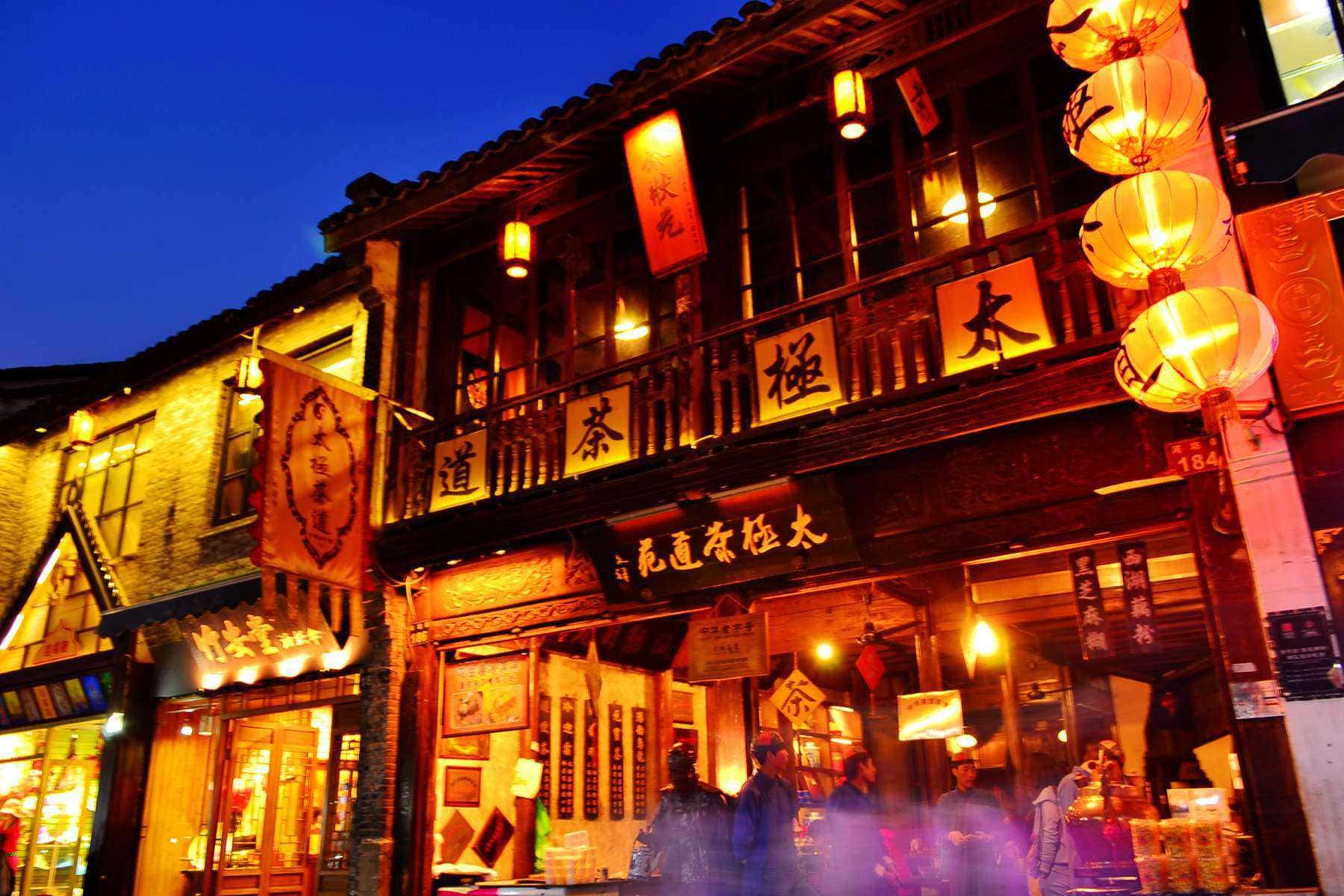
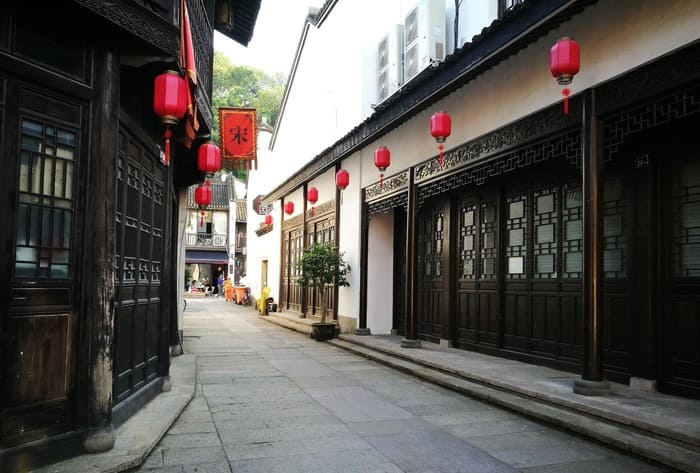
* Core Experiences
· Historical exploration: 4185-meter-long street with preserved Song Dynasty bluestone pavement, passing Drum Tower (ancient city gate) and Yanguan Lane Ruins (archaeological site with exposed stone slabs) . The street is divided into three sections: southern (Southern Song culture), middle (art district) and northern (intangible cultural heritage).
· Traditional crafts: Shops offer Wangxingji fans, Zhang Xiaoquan scissors, silk scarves and calligraphy works . Zhu Bingren Copper Sculpture Museum (Jiangnan Copper House) showcases exquisite copper art with free admission.
· Architectural charm: Qing Dynasty and Republic of China-style buildings with white walls and black tiles, some housing tea houses and cultural and creative stores.
* Transportation & Layover Adaptation
· From airport: Take Metro Line 1 to Ding'an Road Station (D exit), 5-minute walk to the north end of the street (25 minutes, ¥8/person) . Airport Bus Line 1 to Wulin Square, then taxi (10 minutes, ¥15).
· Suitable for medium layover (3-6 hours): 2-3 hours for sightseeing, ideal for combining with nearby Hefang Street.
* Tips
· Free guided tours (Chinese/English) at 10:00 and 14:00 daily, meeting at Drum Tower Square.
· Visit in morning (9:00-11:00) to avoid crowds; night view (19:00-21:00) with lit ancient buildings is spectacular.
· Archaeological display windows along the street show unearthed relics like drainage systems from Southern Song Dynasty .
2. Zhejiang Provincial Museum (Gushan Branch)
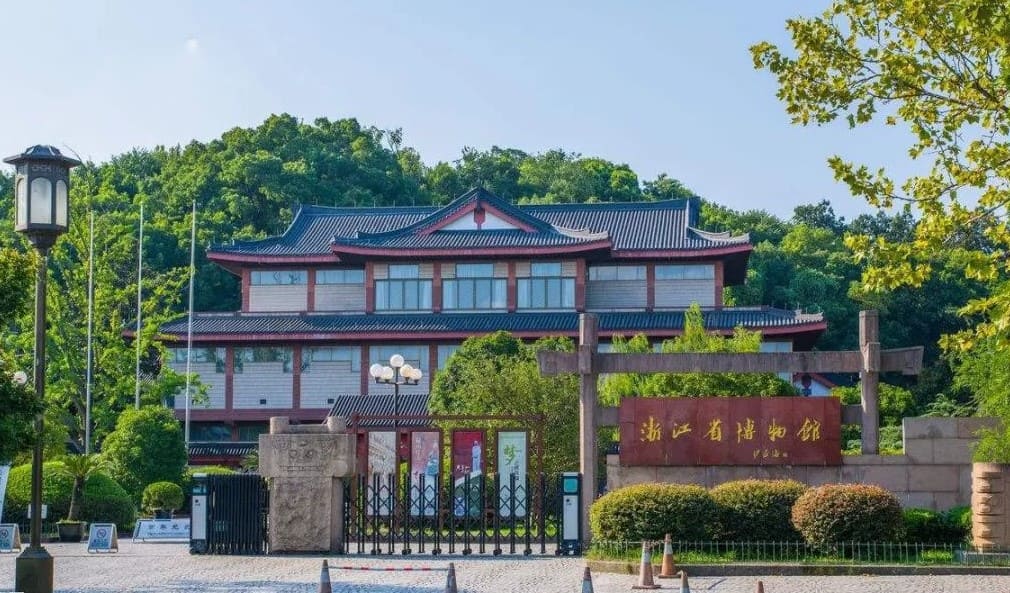
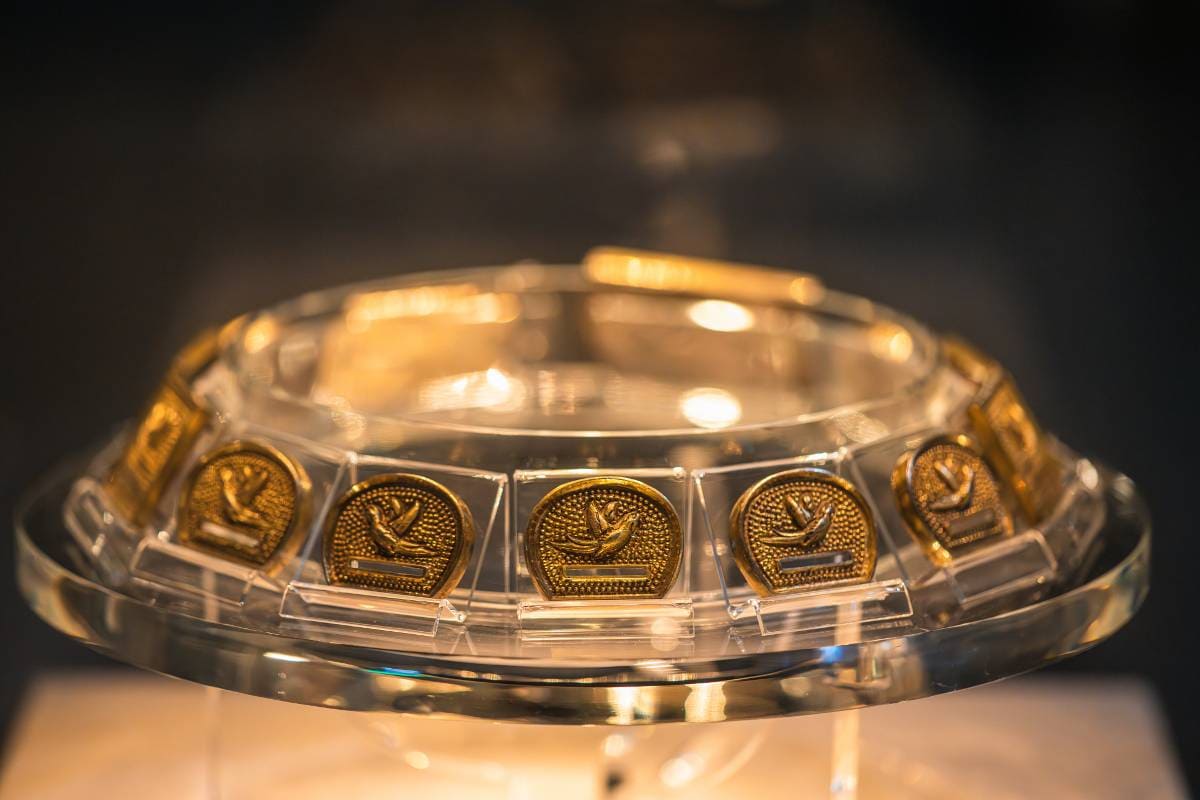
* Core Experiences
· Key exhibitions: Liangzhu jade artifacts (5000-year-old), Yue Kiln celadon, and Song Dynasty calligraphy paintings . The "Ancient Chinese Ceramics" and "Liangzhu Civilization" halls are must-sees with detailed English descriptions.
· Cultural experiences: Free guided tours (10:00/14:00 daily) and occasional Guqin live performances (every Tuesday 10:00) featuring thousand-year-old Tang Dynasty guqin.
· English services: QR code-scan audio guides (free, ¥100 deposit refundable) cover 120 key relics . Staff at information desk speak basic English.
* Transportation & Layover Adaptation
· From airport: Take Metro Line 1 to Longxiangqiao Station, transfer to Bus Y10 to Zhejiang Museum Station (1 hour, ¥10/person) . Taxi directly from airport takes 40 minutes (¥80-100).
· Suitable for medium layover (3-6 hours): 1.5-2 hours for museum visit, combined with nearby Solitary Hill or Gushan Road walk.
* Tips
· Opening hours: 9:00-17:00 (last entry 16:30), closed Mondays (except public holidays). No reservation needed for individual visitors; show ID card/passport.
· Photography is allowed without flash; tripods are prohibited in exhibition halls.
· Adjacent to Gushan Road, walk 10 minutes to enjoy West Lake views after visiting.
C. Food Exploration Theme
1. Dama Lane & Shiwu Kui Lane Food Tour
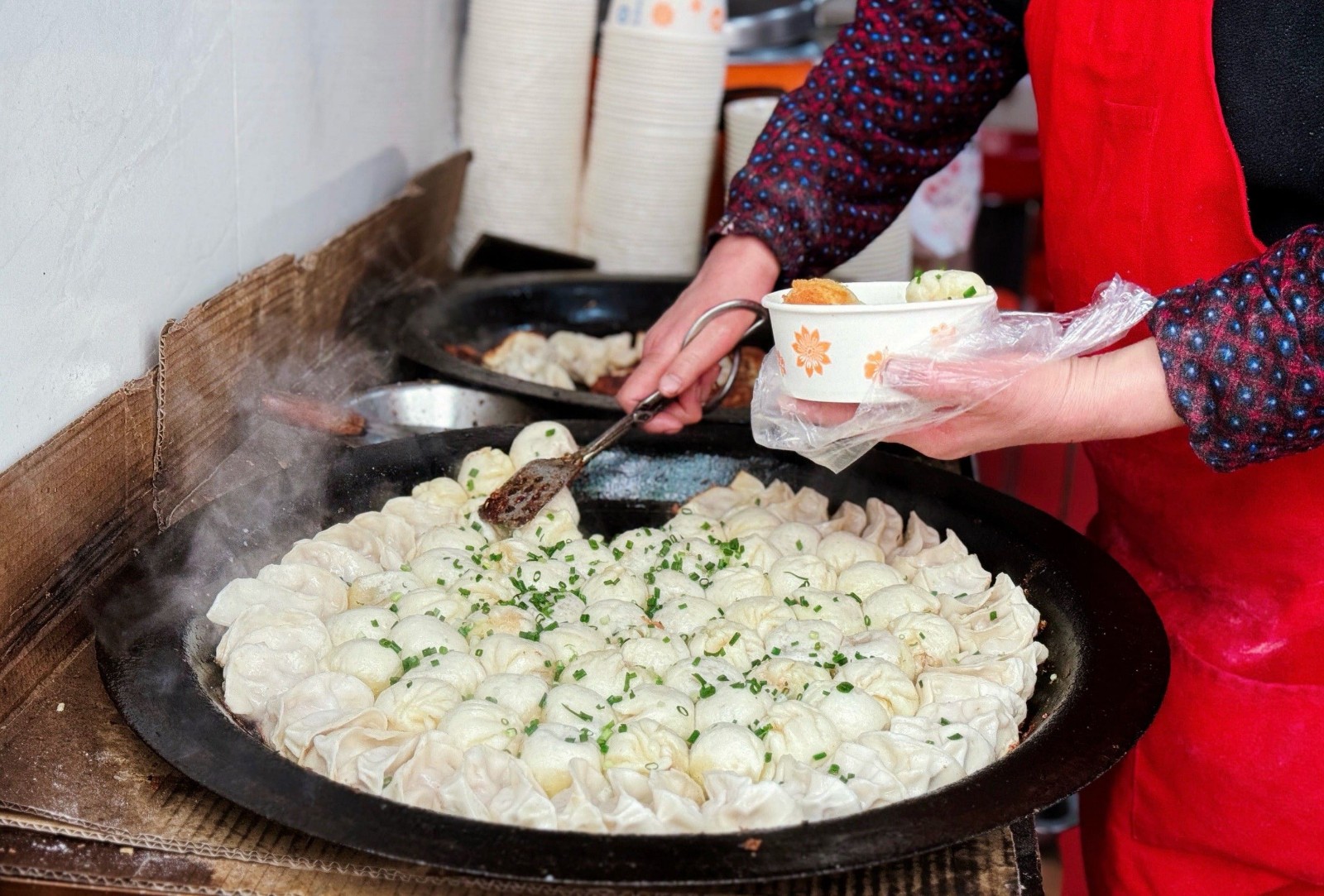
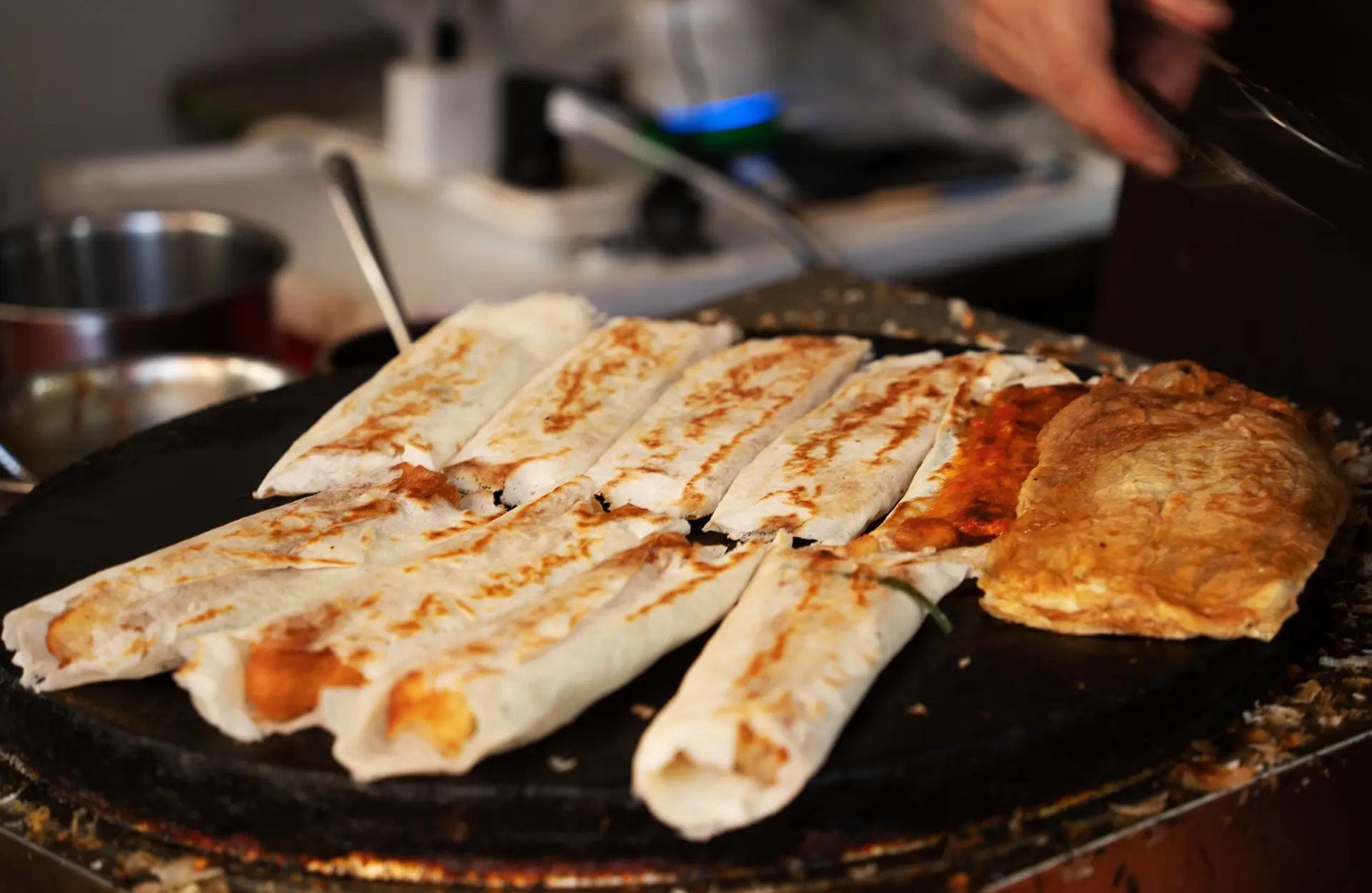
* Core Experiences
· Must-try snacks: Hou Dajie’s Cong Bao Hui (crispy scallion pancake with vegetarian goose, ¥6/serving), Jiang Shifu’s Crispy Fish (sweet and sour sauce, ¥20/serving for mixed fish), Zhou Ping’s Zongzi (salted egg yolk pork rice dumpling, ¥8/piece) . Other specialties include Youdun’er (radish shreds pastry, ¥3/piece), Youbu Soy Milk (salty/sweet options) and Panfangchun Fried Dumplings (juicy meat filling).
· Time-honored shops: Youbu Soy Milk (century-old breakfast spot), Niuxiaolong Beef Noodle House (17-year-old hot pot with beef offal, ¥78/pot) and traditional pastry stores offering sweet osmanthus cake.
· Morning market vibes: Most stalls open 5:00-14:00, with the liveliest atmosphere from 8:00-10:00 when fresh ingredients and hot snacks are available.
* Transportation & Layover Adaptation
· From airport: Take Metro Line 1 to Ding'an Road Station (D exit), 15-minute walk (35 minutes, ¥8/person) . Bus 31/514 to Wushan Square Station, then 10-minute walk (1.5 hours, ¥5/person).
· Suitable for medium layover (3-6 hours): 2-3 hours for food tasting, perfect for experiencing local daily life and old-town charm.
* Tips
· Visit in the morning to enjoy fresh snacks and avoid crowds; the market quiets down after noon.
· Bring a small cloth bag for takeaway snacks like crispy fish and rice dumplings.
· Wear comfortable flat shoes as the bluestone paths are uneven.
2. Manjuelong Village Farm Food


* Core Experiences
· Signature dishes: Osmanthus Chestnut Soup (crystal lotus root starch with fresh chestnuts, sweet and glutinous, ¥28/serving), Braised Local Chicken in Clay Pot (free-range chicken simmered with codonopsis and cordyceps flowers, tender and juicy, ¥198/pot), Sweet Osmanthus Glutinous Rice Cake (fragrant with osmanthus, chewy, ¥15/serving). Seasonal specialties include Sweet Osmanthus Lotus Root in autumn (September-November) and Fresh Bamboo Shoot Soup in spring (March-May).
· Recommended restaurants: Yixiao Tea House (average ¥90/person, with 30-year-old osmanthus trees in the yard, offering osmanthus Longjing tea pairing) and Manjue Renjia Cactus Farm Restaurant (average ¥81/person, famous for Tomato Fish and Farm Braised Tofu). Both provide basic English menus with picture guides for easy ordering.
· Food & leisure integration: Most farmhouses are nestled among osmanthus forests. Diners can enjoy meals under the osmanthus trees with golden petals falling into the dishes. After dining, take a leisurely walk along the osmanthus-lined paths. During the Osmanthus Festival (October-November), the whole village is filled with osmanthus fragrance, and there are intangible cultural heritage markets selling homemade osmanthus wine and osmanthus cakes.
* Transportation & Layover Adaptation
· From airport: Take Metro Line 6 to Zhakou Station (Exit A), transfer to Bus 318/121 to Manjuelong Station (total 1 hour 10 minutes, ¥12/person). For time-sensitive travelers, take a taxi directly from the airport (50 minutes, ¥100-130), which is suitable for long layovers.
· Suitable for long layover (6-12 hours): 3-4 hours for dining + mountain walk. It can be combined with nearby Lingyin Temple or Jiuxi Eighteen Streams to form a "nature + food" integrated itinerary, with a relaxed rhythm.
* Tips
· Peak season (September-November, Osmanthus Festival) requires restaurant reservations 1-2 days in advance via Meituan or Trip.com to avoid long waits.
· Try the "Osmanthus Set Meal" (¥128/person) at most farmhouses, which includes 3 signature osmanthus dishes and a cup of osmanthus Longjing tea, cost-effective for tasting multiple flavors.
· Wear comfortable walking shoes. The path from the village entrance to the farmhouses has a slight slope, and the osmanthus forest trail is suitable for a 30-minute stroll to digest food.
Key Transit Rules
A. Luggage Rules
1. Through baggage
* Through baggage check-in is available for:
· Connecting flights operated by the same airline or airline alliance;
· Codeshare flights with a single booking reference number. It applies to international-international, international-domestic, and domestic-international transfers.
* Exceptions:
Low-cost carriers (e.g., Spring Airlines, Lucky Air) generally do not offer through baggage service, even for connecting flights. Additional notes:
· Confirm with the airline 48 hours in advance (via hotline or official app) to avoid policy changes;
· If the transfer time is less than 90 minutes, airlines may refuse through baggage to prevent missed connections;
· Baggage allowances follow the rules of the operating airline for the longest segment.
2. Special luggage
Strollers and wheelchairs can be checked through for connecting flights, but they cannot be retrieved during transfers. For strollers: Most airlines allow parents to push strollers to the aircraft door (gate check-in), where staff will label and check them—strollers are returned at the arrival gate of the final destination.
* For wheelchairs:
· Manual wheelchairs can be checked at the counter or gate;
· Electric wheelchairs require advance notification to the airline (48 hours minimum) due to battery restrictions (lithium-ion batteries must meet UN38.3 standards).
If a wheelchair is needed during transfer, contact the airport service desk (via intercom or staff) upon arrival—complimentary temporary wheelchairs are available at most airports (valid with passport registration).
3. Customs declaration
* Declare the following items in advance:
· Cash exceeding ¥20,000 or equivalent to USD 5,000;
· High-value items (jewelry, professional cameras, laptops worth over ¥10,000);
· Prescription medications (especially controlled substances like ephedrine-containing drugs);
· Animal/plant products (e.g., fresh fruits, dried seafood, wooden crafts);
· Restricted items (e-cigarettes, vaping devices).
* Declaration process:
Fill out a "Customs Declaration Form" (available at airport counters or via QR code) and present it with the items and passport during customs inspection. Declared items must be carried in hand luggage—checked luggage is not allowed. Failure to declare may result in confiscation, fines (¥500-50,000), or even entry bans for serious violations.
B. Accommodation Registration Rules
1. Hotel check-in
Foreign visitors must present a valid passport (valid for at least 6 months from the check-in date) or other international travel documents (e.g., residence permit) for hotel check-in. Hotels are legally required to complete "Temporary Accommodation Registration" within 24 hours of check-in (electronically submitted to local public security departments).
* Important notes:
· Confirm that the hotel is "foreigner-friendly" when booking (small local hotels or guesthouses may not be authorized to accommodate foreigners);
· Keep the printed or electronic "Temporary Accommodation Registration Form"—it may be checked during departure or when visiting sensitive areas;
· Check-in time is usually after 14:00 and check-out before 12:00—early check-in or late check-out is subject to availability and may incur additional fees.
2. Private accommodation
Private accommodation includes apartments, homestays, and stays with friends/relatives. According to Chinese regulations, foreign visitors must register with the local police station within 24 hours of check-in (extensions are not allowed).
* Registration requirements:
· Passport and valid visa/visa-free certificate;
· Proof of accommodation (rental contract, host’s ID card copy, or invitation letter from friends/relatives);
· Completed "Temporary Accommodation Registration Form" (available at police stations).
Convenient options: Some homestay platforms (e.g., Airbnb) offer online registration services—hosts can assist with submitting information to the police. Failure to register may result in fines for both the visitor (¥200-500) and the host (¥500-2,000), and may affect future visa applications.
 Hangzhou Dragon Well Tea Village & Longjing Tea Plantation Day Tour
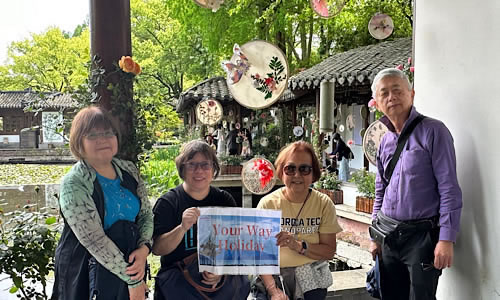 Ultimate Hangzhou Private Day Tour for Essence Highlights
Accommodation Options During Layover
1. On-Airport Accommodation
* Hotels in the Terminal Building
Hyatt Regency Hangzhou International Airport: Located in T4 Terminal, 5-minute walk to gates, 24-hour check-in/out, international credit card accepted.
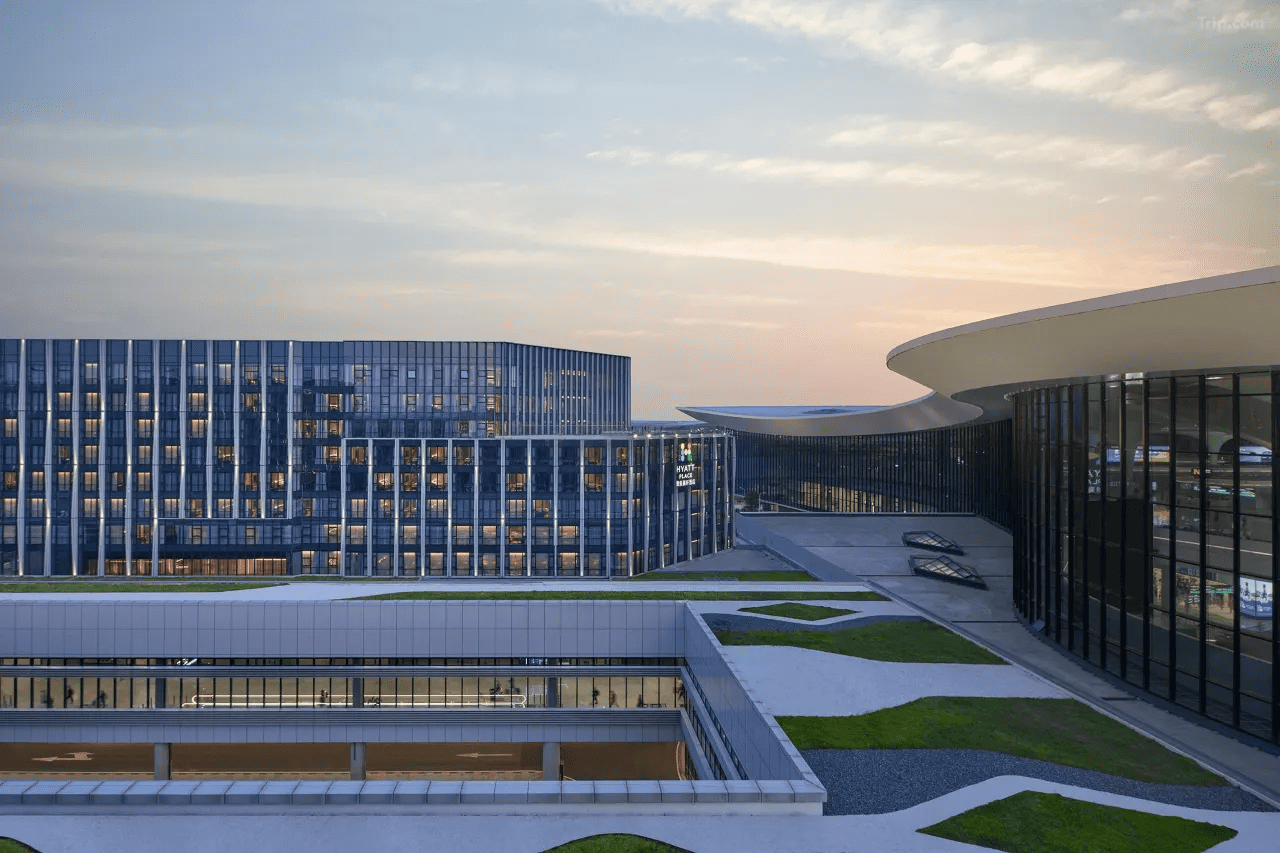
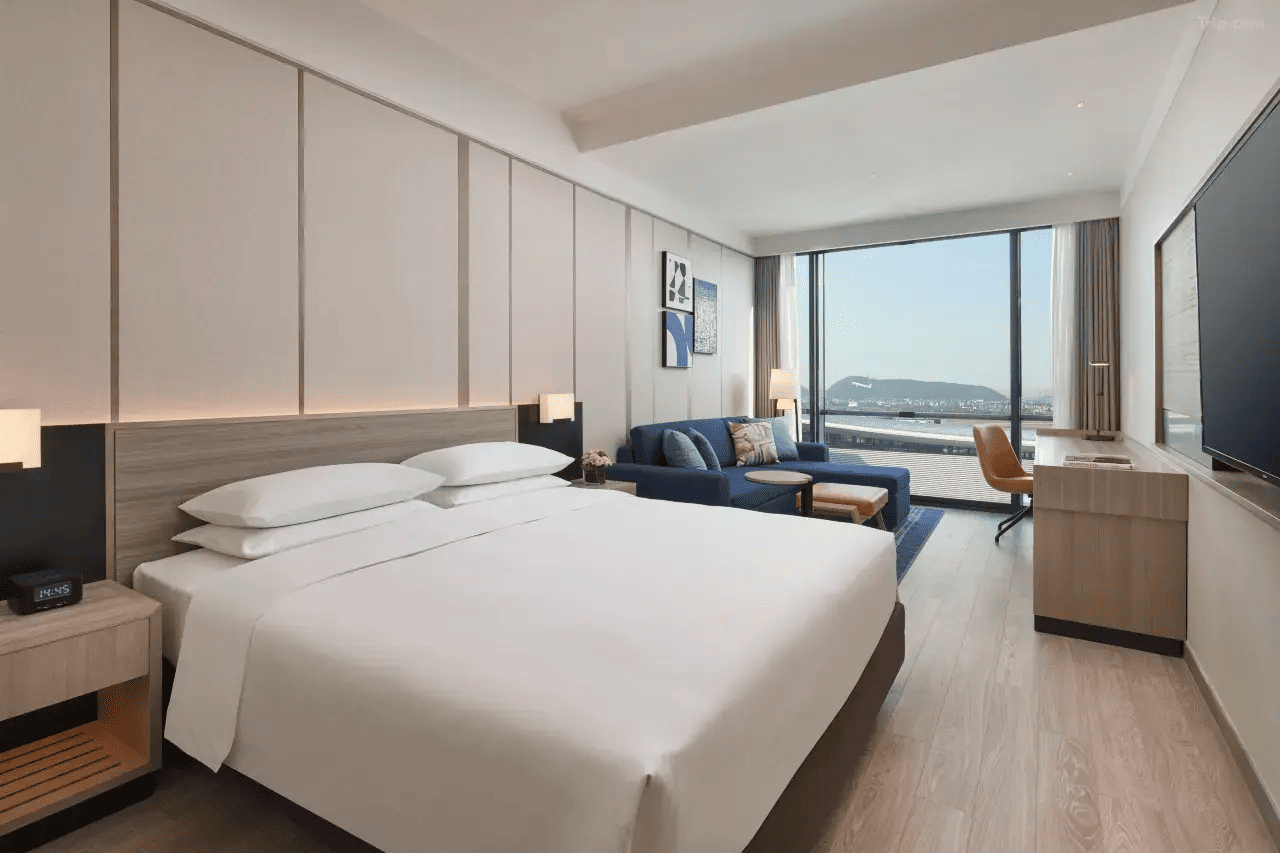
· Services: Free airport shuttle (if needed), Chinese/Western breakfast, meeting rooms, and fitness center.
* Hourly Lounge
"Miyihui" Lounge: Located in T3 Transfer Hall and T4 Domestic Mixing Layer, 38 beds (10 pods + 28 business class seats).
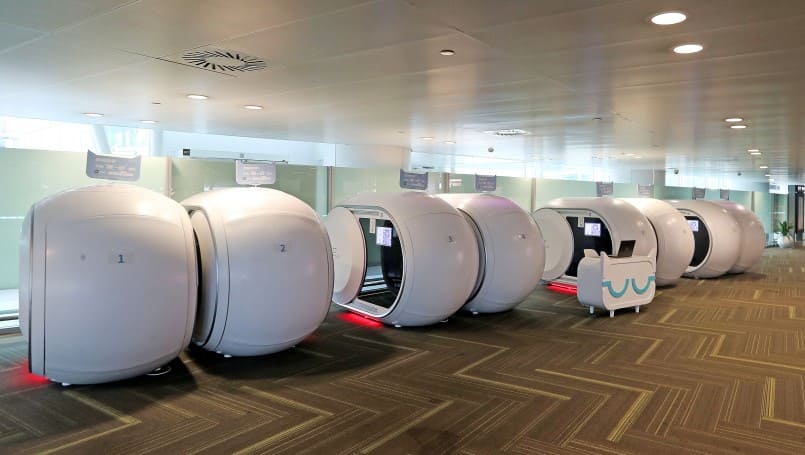
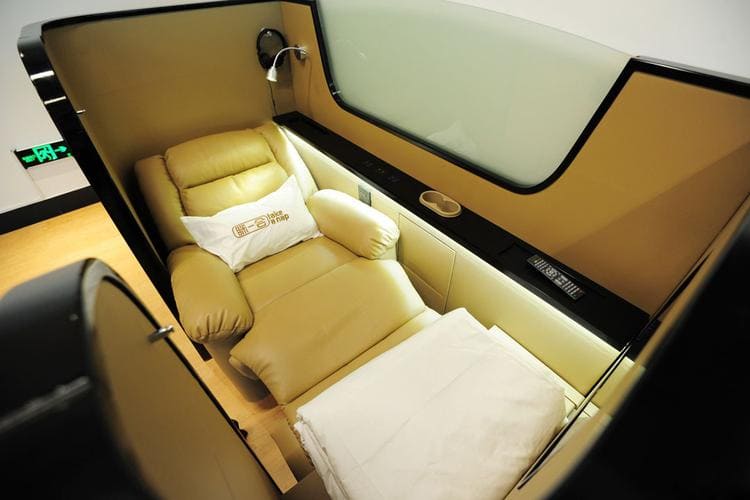
· Pricing: 60 yuan for 4 hours, 10 yuan per additional hour, 120 yuan for overnight (22:00-08:00).
· Services: Shower rooms, free drinks, simple meals, wake-up service, and charging facilities.
2. Airport-Area Hotels
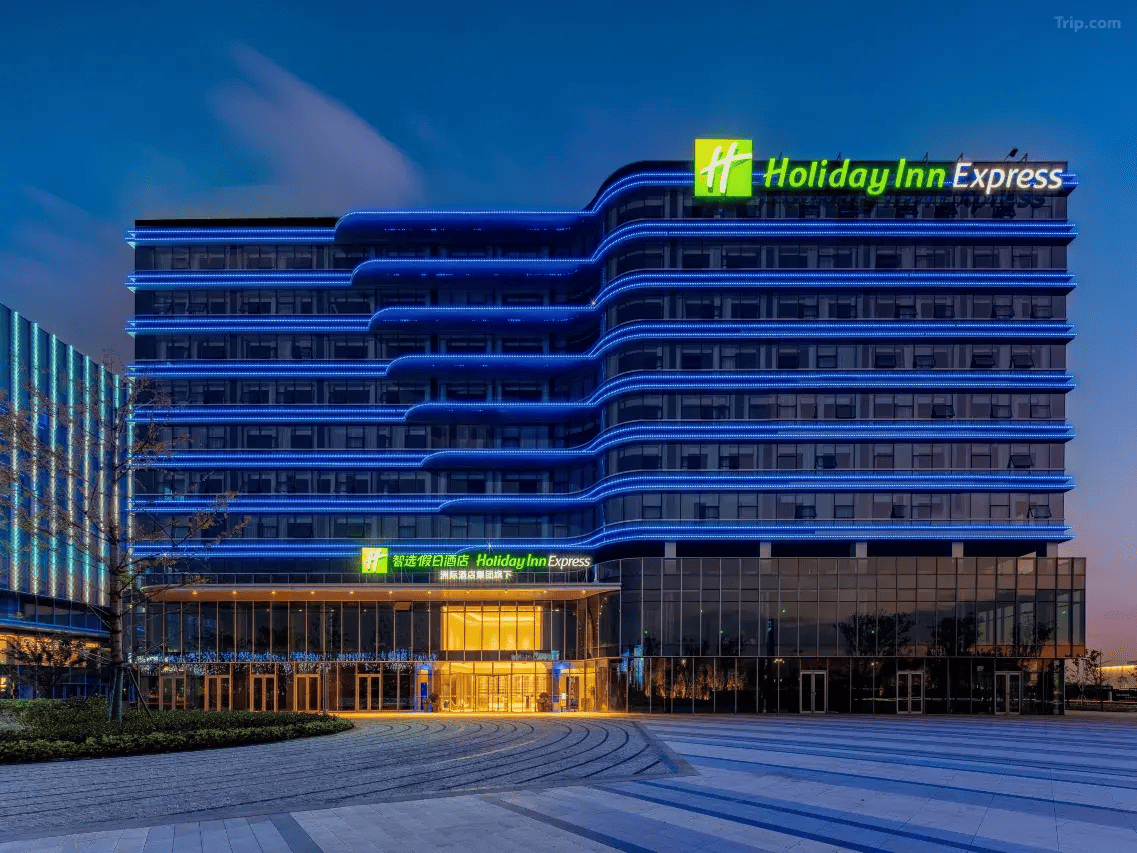
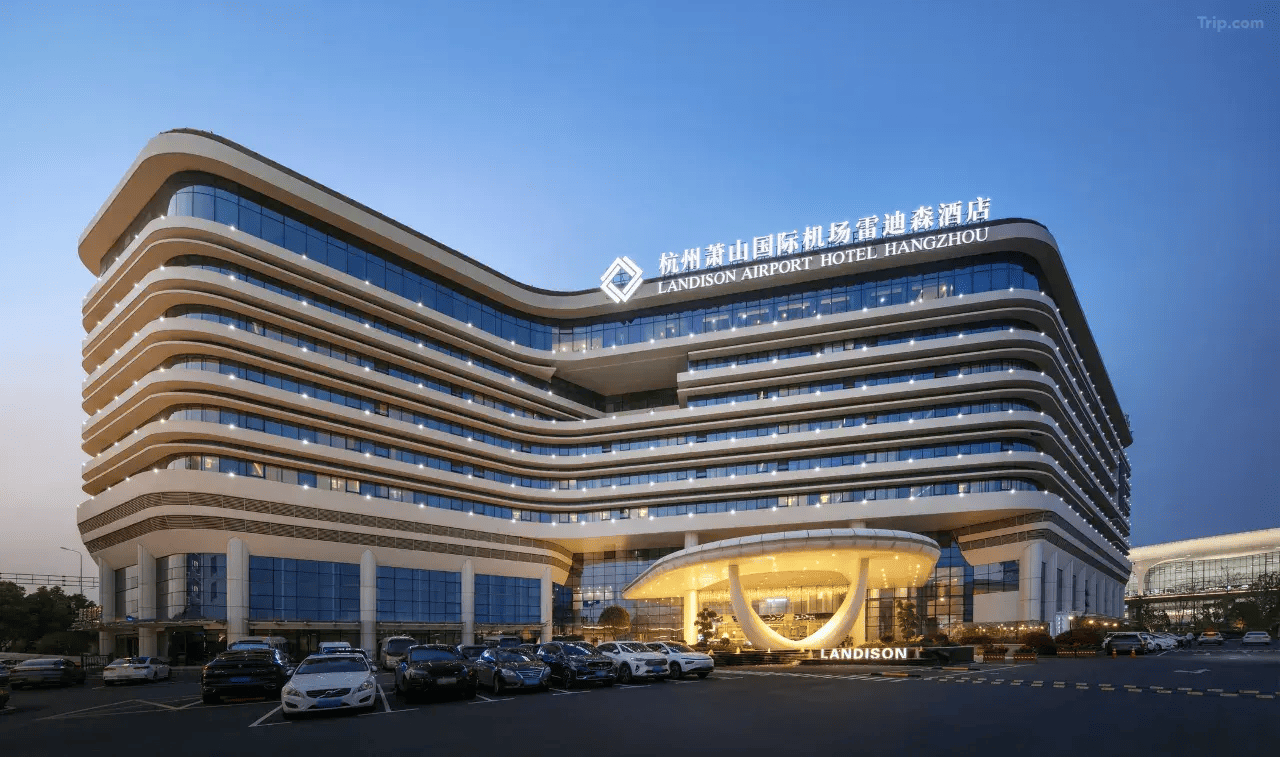
* Mid-range hotels: Holiday Inn Express HANGZHOU AIRPORT by IHG, Landison Airport Hotel HangZhou—10-20 minutes by shuttle, price 500-800 yuan/night, English service available.
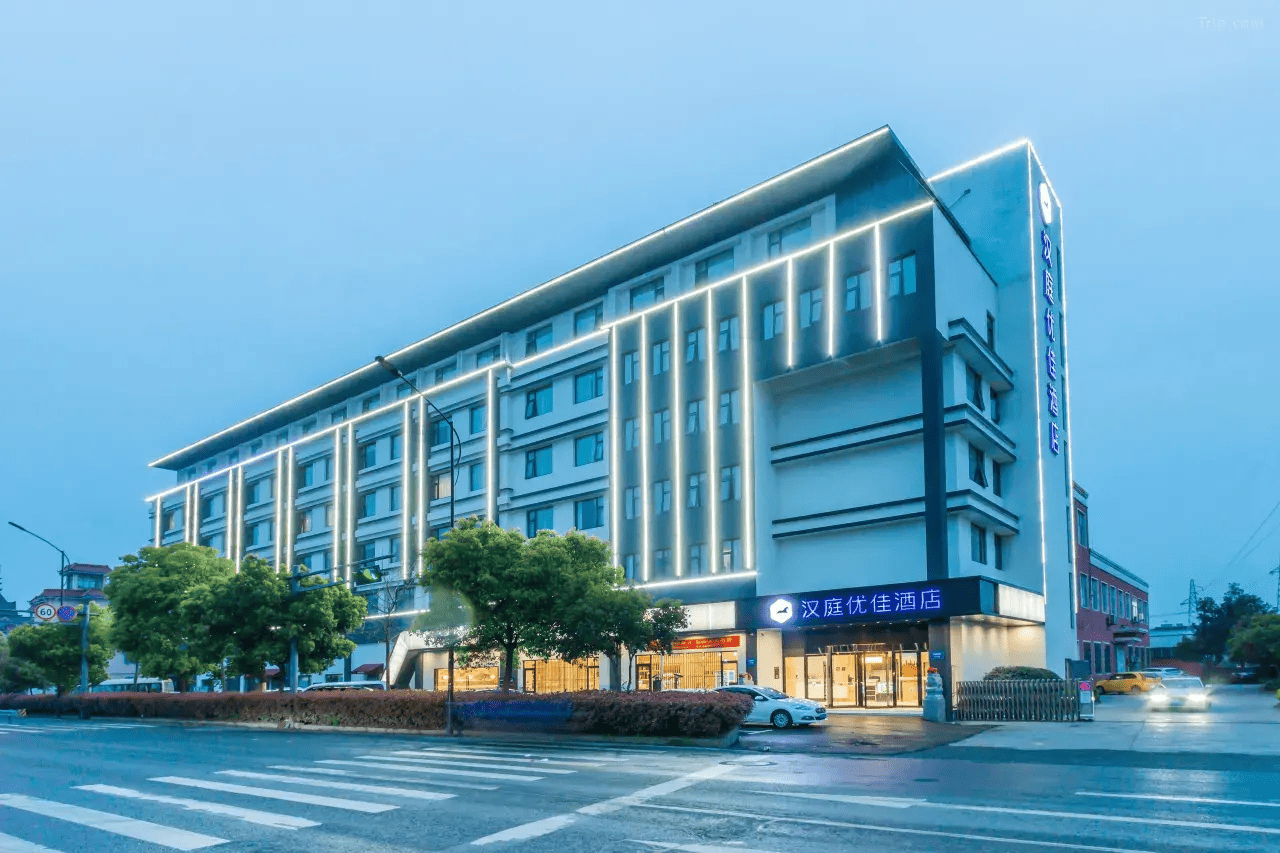
* Budget hotels: Hanting Hotel—10-15 minutes by shuttle, price 300-500 yuan/night, basic English support and international power sockets.
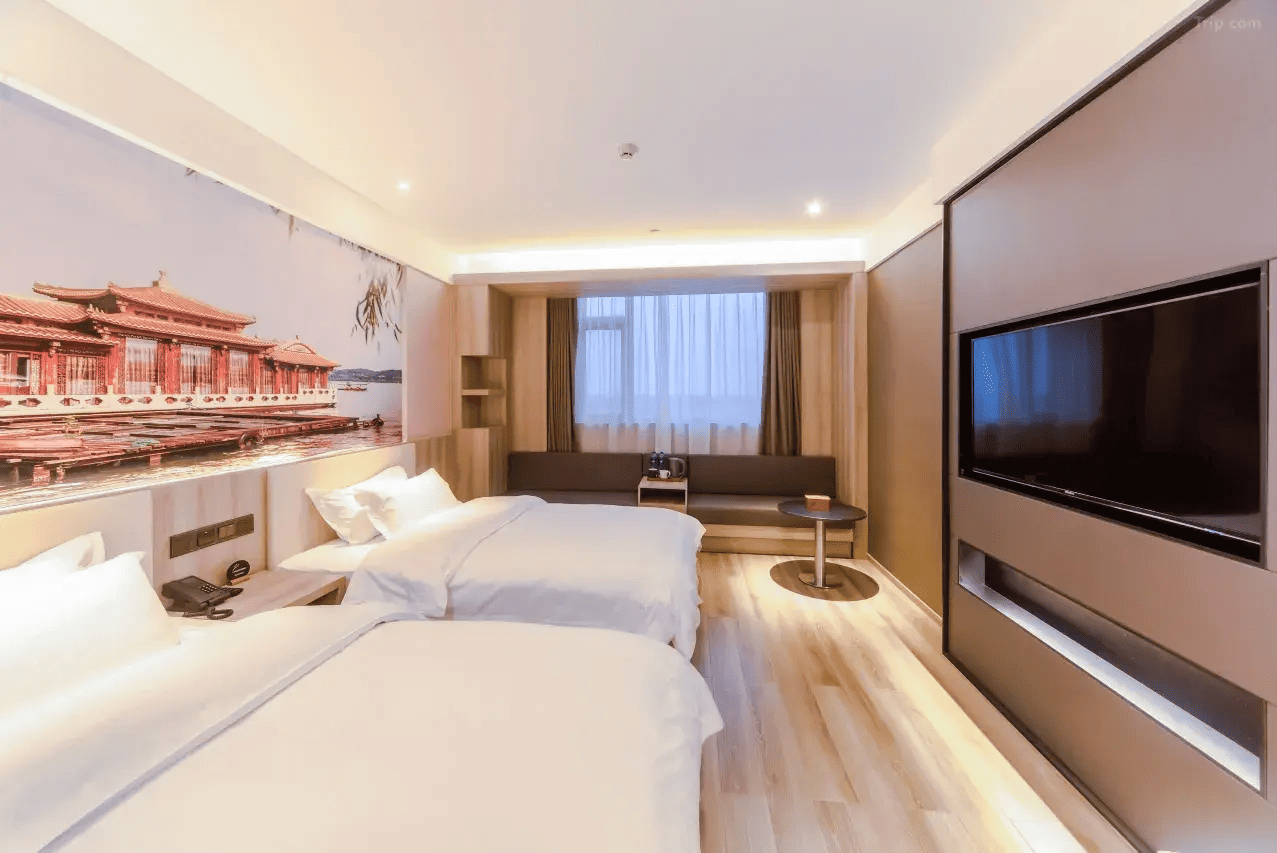
3. Urban Accommodation
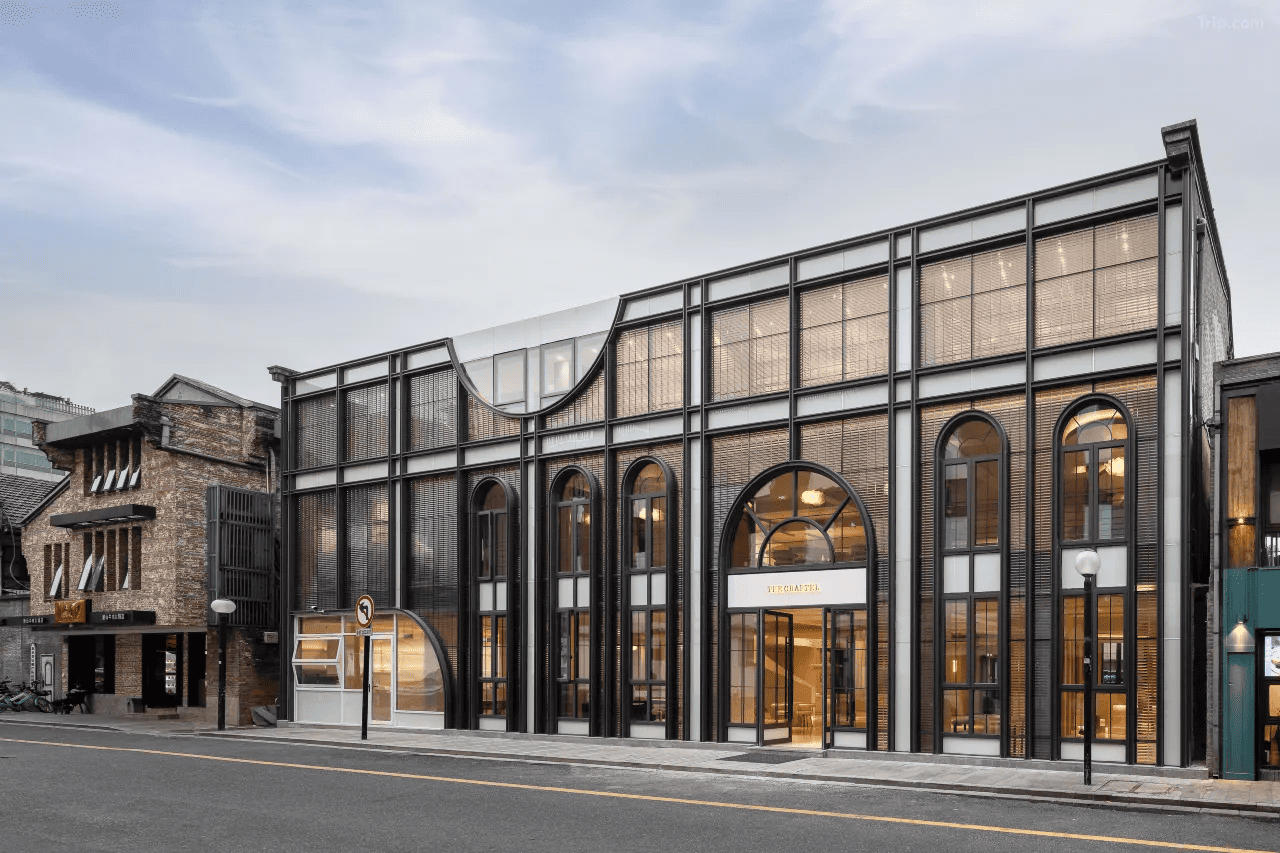
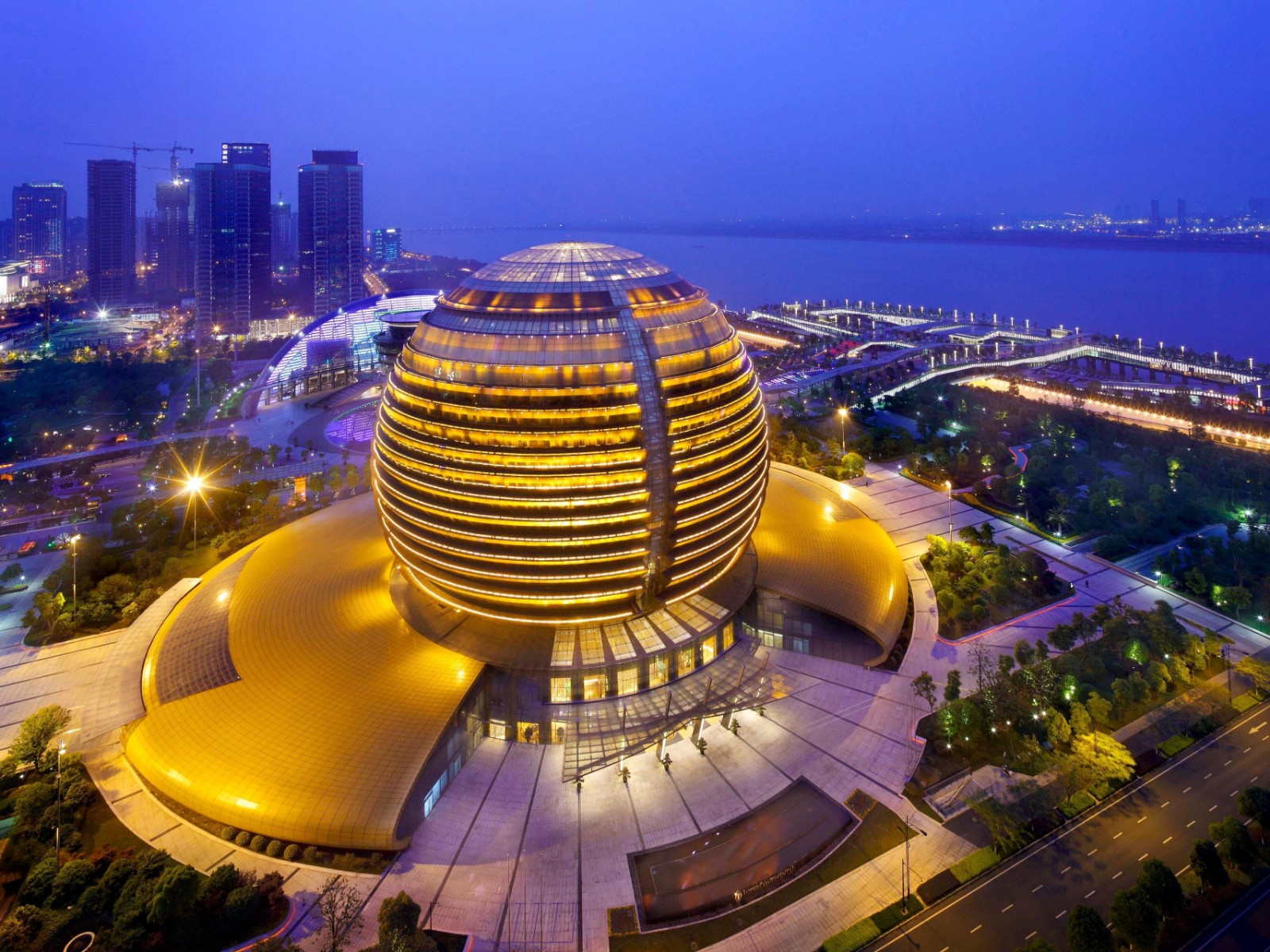
* West Lake Area: 1930’s Chaptel, InterContinental Hangzhou—convenient for morning tours, price 800-1500 yuan/night, with lake views.
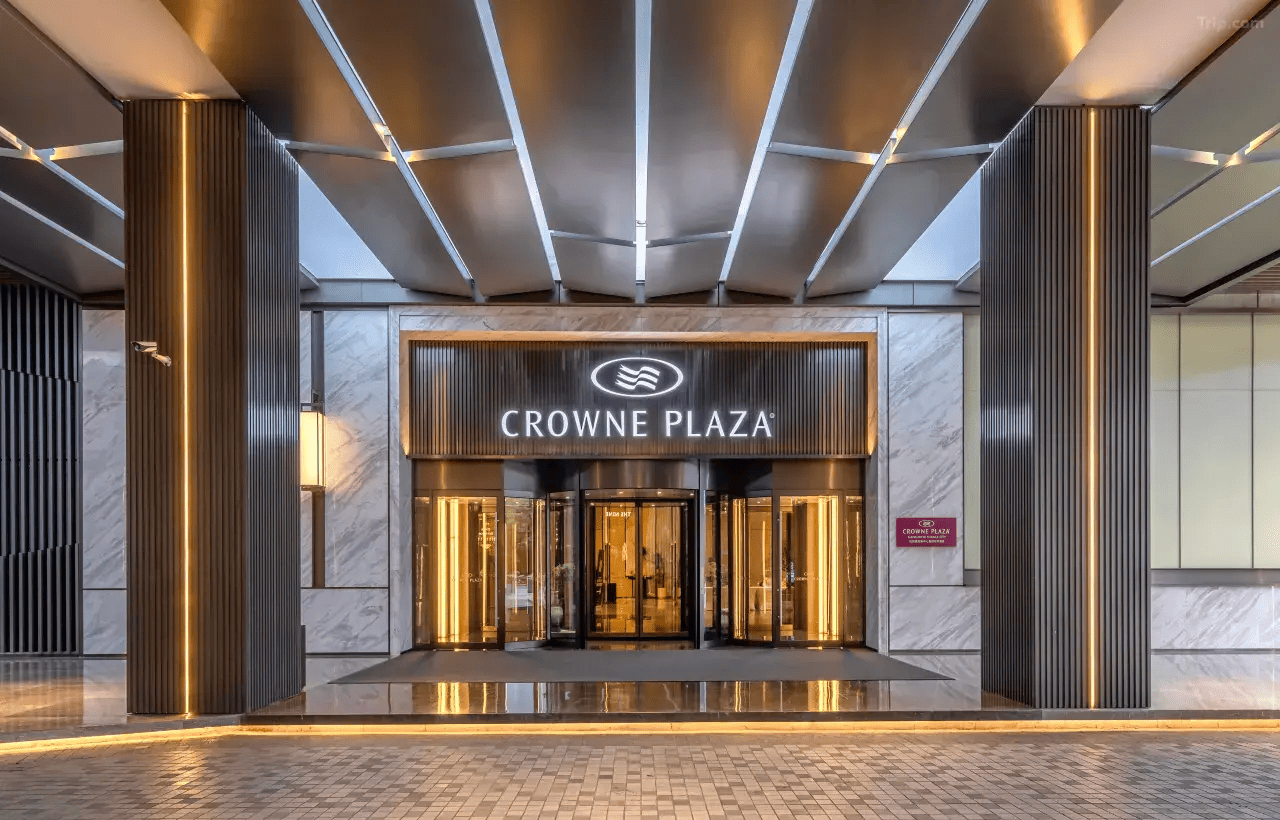
* Downtown Area: Crowne Plaza Hangzhou City Center—close to shopping districts and public transport, easy access to scenic spots.
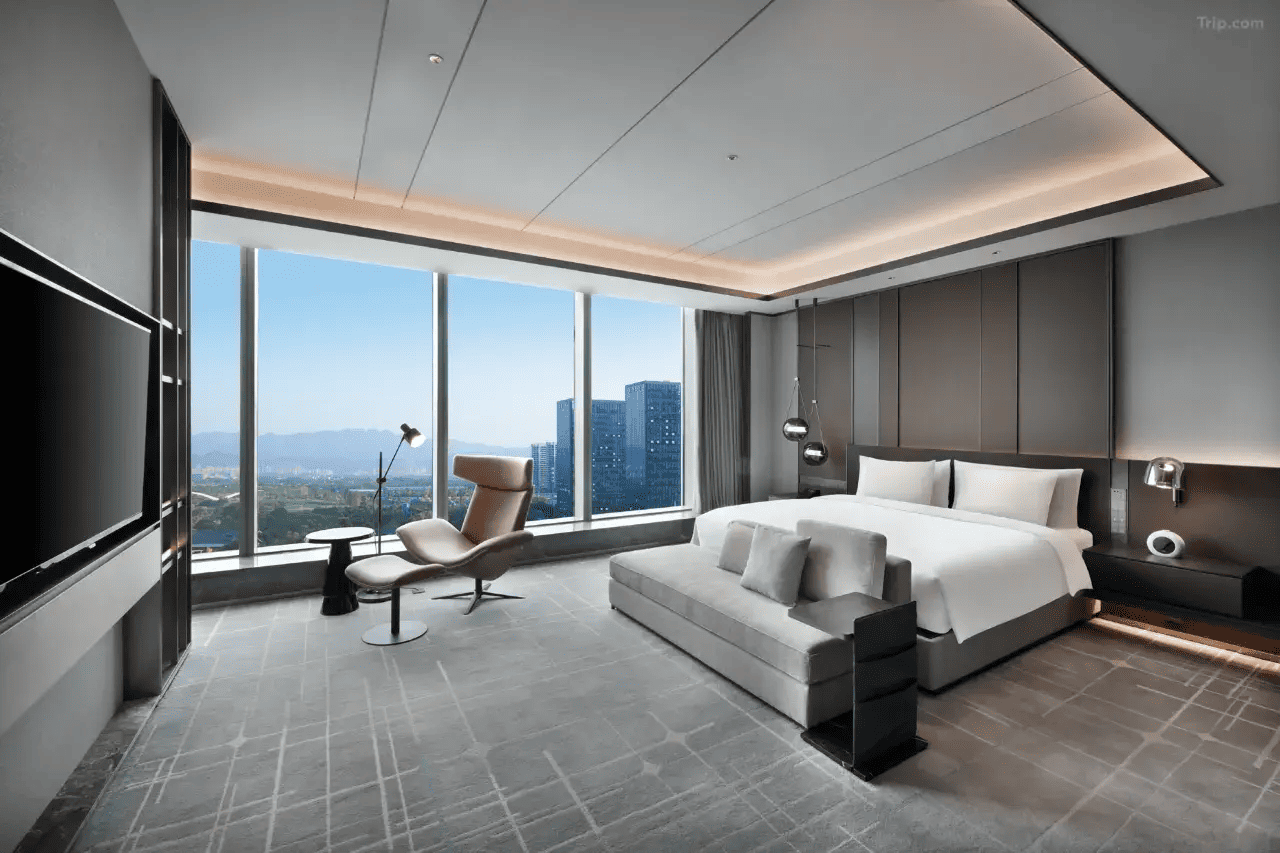
Common Misconceptions
Misconception 1: 240-hour Visa-free Period Counts from Arrival Time
* Fact & Details:
The 240-hour (10-day) visa-free period is calculated from 00:00 of the day after entry, not the exact arrival time. For example:
· If you enter Hangzhou Xiaoshan International Airport at 16:00 on November 1, the 240-hour period starts at 00:00 on November 2 and ends at 24:00 on November 11 (10 full days).
· This calculation rule is uniformly implemented nationwide for the 240-hour visa-free transit policy (officially confirmed in the National Immigration Administration’s 2024-2025 announcements). Overstaying even by 1 hour will be regarded as a violation of entry-exit regulations, which may affect future visa applications to China.
Misconception 2: All airlines support through baggage check-in
* Fact & Details:
Through baggage check-in is not universal—low-cost carriers (LCCs) and some regional airlines often do not provide this service.
· Typical airlines without through baggage support: Spring Airlines (9C), Juneyao Airlines (HO), Lucky Air (8L), etc. If you take a connecting flight operated by these airlines, you must claim your luggage at the transfer airport (e.g., Hangzhou Xiaoshan Airport) and recheck it for the next flight.
· Key reminder: Confirm the baggage policy with the airline in advance (via official website, hotline, or ticket booking platform). For connecting flights involving LCCs, allocate an extra 40-60 minutes for luggage claim and recheck-in to avoid missing the next flight.
Misconception 3: Visa-free transit only allows activities within Zhejiang Province
* Fact & Details:
The 240-hour visa-free transit policy permits cross-province travel within 24 designated provinces (autonomous regions/municipalities), not just Zhejiang.
· Scope of applicable regions: Beijing, Tianjin, Hebei, Liaoning, Shanghai, Jiangsu, Zhejiang, Fujian, Shandong, Henan, Hubei, Hunan, Guangdong, Guangxi, Chongqing, Sichuan, Yunnan, Shaanxi, Shanxi, Anhui, Jiangxi, Hainan, Guizhou, and Heilongjiang.
· Example itinerary: After entering via Hangzhou Xiaoshan Airport, you can travel from Zhejiang to Shanghai (West Lake — The Bund) or Jiangsu (Suzhou Gardens) within the 240-hour period, as long as you depart from any of the 65 designated ports (updated in November 2025) before the deadline.
· Note: Individual provinces have specific activity scopes (e.g., in Shanxi, only Taiyuan and Datong are allowed), so check the National Immigration Administration’s official website for details before planning.
Misconception 4: No documents are needed except a passport for visa-free transit
* Fact & Details:
A valid passport and a confirmed connecting ticket are mandatory; missing either will result in entry refusal.
· Document requirements:
· Passport: Valid for at least 3 months from the date of entry (some ports may require 6 months, so confirm in advance).
· Connecting ticket: Must be a round-trip or one-way ticket with a confirmed date and seat, showing travel from a third country/region — China — another third country/region (e.g., Tokyo — Hangzhou — Singapore; "third country/region" excludes mainland China, Hong Kong, Macau, and Taiwan).
· Common mistake: Using a one-way ticket (e.g., London — Hangzhou without a subsequent ticket to a third country) or an unconfirmed "reservation" (not a formal ticket) will not meet the policy requirements.
Misconception 5: Visa-free transit allows work or study activities
* Fact & Details:
The 240-hour visa-free transit only permits non-work/non-study activities such as tourism, business visits, and family visits. Any activity requiring prior approval (e.g., work, academic research, news interviews, paid performances) is strictly prohibited.
· Consequences of violation: If found working (e.g., part-time jobs, online freelance work) or studying during the visa-free period, you may face penalties such as fines, deportation, or being banned from entering China for a certain period.
· Reminder: For work or study purposes, apply for the corresponding visa (e.g., Z visa for work, X visa for study) at a Chinese embassy/consulate abroad before coming to China.
Practical Layover Tips
1. Time Management & Itinerary Planning Tips
* Airport Buffer Time
Arrive at the airport 1.5-2 hours before departure for international flights, 1 hour for domestic flights. For connecting flights, allow 2-3 hours for domestic-to-domestic transfers, 3-4 hours for domestic-to-international transfers, and 4-5 hours for international-to-domestic transfers (accounting for luggage claim, recheck-in, and security checks).
* Traffic Calculation
Add 30 minutes buffer during peak hours (7:30-9:00, 17:30-19:00) when traveling between the airport and urban attractions. Use real-time traffic apps (e.g., Amap, Baidu Maps) to avoid congested routes (e.g., Airport Expressway, West Lake Avenue). For late-night/early-morning trips, confirm taxi availability in advance or book ride-hailing services.
* Luggage & Connection Reminders
Check if luggage is directly transferred for connecting flights (confirm with the airline). If recheck-in is required, allocate extra 40-60 minutes. For short layovers (less than 4 hours), avoid visiting distant attractions (e.g., Jiuxi Stream, Longjing Village) and prioritize nearby spots (e.g., Qinghefang Street, Wushan Square) if time permits.
* Attraction Opening Hours
Lingyin Temple opens 7:30-18:00 (winter closes at 17:30); Song Dynasty Town operates 10:00-21:00 (night shows start at 19:00); Xixi Wetland closes at 17:30 (no entry after 16:30). Plan itineraries based on opening hours to avoid wasted trips.
2. Safety & Emergency Tips
* Emergency Numbers
110 (police), 120 (medical), 119 (fire), HGH Service Hotline (+86-0571-96299). For medical emergencies at the airport, go to the medical service center near Gate 8 of T3 Arrival Hall; most scenic areas have first-aid stations (e.g., West Lake Lakeside, Lingyin Temple Entrance).
* Property Safety
Keep passports, visas, and valuables (e.g., mobile phones, cameras) in a crossbody bag or carry-on luggage. Avoid displaying expensive items in crowded areas (e.g., Qinghefang Street, West Lake Cruise Terminals). Make digital backups of passports (take photos or store in cloud drives) to facilitate replacement if lost.
* Lost Item Handling
If items are lost at the airport, call 0571-96299 ext. 5 or visit the Lost and Found Office (between Gates 10-12 of T3 Arrival Hall). For lost items at scenic spots, contact the on-site service center or tourist police immediately.
* Weather Response
Hangzhou has frequent light rain year-round—carry a foldable umbrella or waterproof jacket. Slate roads at West Lake and Lingyin Temple are slippery when wet; wear non-slip shoes. In summer (June-August), temperatures can reach 35-38°C: bring sunscreen (SPF50+), hats, and water bottles to prevent heatstroke. In winter (December-February), keep warm with thin down jackets as the weather is humid and cold.
3. Tips for Mobile Data in China
* Purchase Before Arrival (Most Convenient)
· Buy Cross-Border eSIM Packages from Chinese Operators
China Mobile, China Unicom, and China Telecom all offer eSIM data packages for overseas tourists. No physical SIM card is needed, and it supports most mainstream smartphones (iPhone 11 or newer, some Android models). Book via operator official websites, apps, or international travel platforms, then activate with one click upon arrival in China.Advantage: Plan ahead, get connected immediately after landing, no need to find offline stores.
· Buy Physical Tourist SIM Cards Online
Search for “China Tourist SIM Card” on e-commerce platforms like Taobao or JD.com. Choose packages that support overseas delivery or airport pick-up. There are various options, including 3–30 day unlimited data plans, and some include a small number of call minutes.Note: Leave a note with your travel dates when placing the order. The seller will set the activation time, so you can just insert the card and use it upon arrival.
* Purchase Locally After Arrival (Best for Emergencies)
· Operator Counters at Airports/High-Speed Rail Stations
Major international airports (Beijing Capital/Daxing, Shanghai Pudong/Hongqiao, Guangzhou Baiyun, etc.) and key high-speed rail stations have tourist-exclusive service counters for China Mobile, China Unicom, and China Telecom.Bring your passport to apply. Staff can provide English service and recommend suitable short-term packages (e.g., 10GB high-speed data for 7 days). Get the card and start using it right away.
· Buy at Convenience Stores
Cash registers at chain convenience stores like 7-Eleven, FamilyMart, and Lawson sell tourist SIM cards at transparent prices. Each package comes with detailed English activation instructions. Scan the QR code to activate after purchase and get connected within 5 minutes.
* Useful Tips for Free WiFi
· Free WiFi at Public Places
Almost all hotels, restaurants, shopping malls, and cafes offer free WiFi. WiFi is also available at visitor centers in some scenic spots—just ask the staff for the password.
· Government Public WiFi
In some cities, parks, libraries, and bus stops have public WiFi such as “iChinaWiFi”. After connecting, you need to verify with a mobile phone number (you can use the number of your purchased SIM card).
* Important Warnings
· Turn Off International Roaming
Before departure, turn off the international roaming function of your home operator in your phone settings to avoid high roaming charges.
· Check Data Throttling Rules
Most short-term packages include “high-speed data + unlimited data at reduced speed”. After using up the high-speed data, the network speed will drop to around 128kbps. You can contact the operator to add a high-speed data package.
· eSIM Compatibility Check
Confirm that your phone supports eSIM (some older models or contract phones do not). Check the compatibility list for your phone model before purchasing.
4. Other Practical Tips
* Power Adapter
China uses 220V AC voltage with Type A (two flat pins), Type C (two round pins), and Type I (three flat pins) sockets. Most hotels and airport lounges provide universal sockets, but it’s recommended to carry a universal adapter for convenience (especially for devices with Type B/D/G plugs).
* Tax Refund Policy
Foreign tourists can claim tax refunds if they spend over 500 yuan (single receipt) at designated tax-refund stores (look for the "Tax Refund" logo) and depart China within 90 days.
Steps:
· Ask for a "Tax Refund Form" and get it stamped by the store;
· Present the form, passport, original receipts, and purchased items at the HGH Tax Refund Counter (near Gate 2 of T3 Departure Hall) before departure;
· Choose refund via cash (USD/RMB) or credit card. Allow 15-20 minutes for the process.
* Photography Etiquette
Ask for permission before taking photos of local residents (especially elders and children) to show respect. Photography is prohibited in some temple halls (e.g., main halls of Lingyin Temple, Leifeng Pagoda) and cultural relic exhibition areas—follow on-site signs. Drone flying is not allowed over West Lake and scenic spots without official approval.
* Dietary Tips
Hangzhou cuisine is light and fresh (less spicy). Most restaurants near scenic spots provide English menus. If you have food allergies (e.g., peanuts, seafood), inform the waiter in advance or use translation cards. Popular local snacks (e.g., Souteed Shrimp Mear with Longjing Tea, Beggar’s Chicken) are available at restaurants like Lou Wai Lou and Gao Yin Si. Drink bottled water or boiled water—tap water is not suitable for direct drinking.
FAQs
Q1: Can I leave the airport during layover without a visa?
A1: Yes, if you are a citizen of the 54 eligible countries and hold connecting tickets within 240 hours—enjoy 10-day visa-free stay in Zhejiang Province.
Q2: How to store luggage during layover?
A2: Use airport luggage storage (T3 F Check-in Island, T4 Q Check-in Island) or hotel luggage service—avoid storing valuables or dangerous goods .
Q3: Are there English-speaking guides at scenic spots?
A3: West Lake provides English audio guides (scan QR code); Zhejiang Provincial Museum offers English explanation services—paid guides available for booking at scenic spot entrances.
Q4: What if my flight is delayed or canceled?
A4: Contact your airline’s airport counter for rebooking or refund; most hotels offer free cancellation for flight disruptions (confirm in advance).
Q5: Can foreigners use bike-sharing services?
A5: Most require Chinese phone number registration—unavailable for tourists without local contacts. Recommend taxis or metro instead.
Q6: Do Didi Chuxing accept international credit cards?
A6: Yes, the Didi app supports Visa/Mastercard binding—set up payment methods in advance for convenient use.
Appendix
1. Hangzhou Xiaoshan International Airport
* Official Website
· Main Version: https://www.hzairport.com
· English Version: https://www.hzairport.com/en/ride/index.html
* Official Website Key Functions
· Real-time transportation information: Query details of airport shuttles, taxis, subways, and customized passenger routes; check taxi license plate information for ride safety.
· On-terminal services: Browse catering (e.g., Starbucks, KFC, Hangzhou snacks) and retail stores (e.g., EMPORIO ARMANI, convenience stores); view VIP service packages (Xiyue Airport VIP Service) and luggage storage information.
· Lost and found: Check the location of the lost and found office (between Gates 10-12 of T3 Arrival Hall) and service guidelines; access real-time updates on lost items.
· Cultural and commercial updates: Get notifications of terminal events, store promotion information, and investment opportunities for on-site shops.
* Service Hotline: +86-0571-96299
· Service Scope: Airport transportation consultation (shuttle schedules, subway connections), lost and found inquiries (press 5 for dedicated lost and found service), VIP service reservations, complaint handling, and flight-related assistance.
· Service Hours: 24/7 for general inquiries; lost and found dedicated line: 08:15-22:00 (consistent with on-site lost and found service hours).
2. Hangzhou Municipal Bureau of Culture, Radio, Television and Tourism
* Official Website: https://wgly.hangzhou.gov.cn/en/wh/hag/c/index.html (English Version Available)
* Official Website Key Functions
· Release the latest news on Hangzhou's cultural and tourism sector, covering various industry and tourism-related information such as digital cultural tourism, festival activities, and updates on benchmark enterprises;
· Provide comprehensive travel guides, including practical content such as must-visit scenic spots, historical and cultural interpretations, accommodation options (star-rated hotels and characteristic homestays), food recommendations, folk festivals, rural tourism, museum visits, and shopping guides;
· Showcase characteristic tourism projects, such as traditional Chinese medicine health preservation, leisure sports, art and fashion, and colorful night tours;
· Present introductions to tourism resources and regional characteristics of various districts and counties in Hangzhou (e.g., Shangcheng District, Chun'an County, Tonglu County, etc.);
· Offer travel tips to facilitate tourists' smooth trips;
· Promote Hangzhou's core cultural and tourism brands, including world heritage sites, Song Dynasty-style culture, Asian Games-related cultural and tourism resources, and digital cultural tourism application scenarios;
· Provide visual content such as travel promotional videos, comprehensively demonstrating Hangzhou's 5,000-year historical culture and tourism charm.
3. National Immigration Administration
* Official Website: https://www.nia.gov.cn
* Official Website Key Functions
· Visa policy inquiries: Check visa-free policies (e.g., unilateral visa exemption, transit visa exemption), talent visa guidelines for Hong Kong/Macau (implemented in the Yangtze River Delta), and cross-strait family visit visa procedures ("national universal application" for Taiwan visit visas).
· Exit-entry document services: Download application forms (e.g., foreigner visa/residence permit forms, Taiwan compatriot entry-exit forms), query fee standards (e.g., 120 RMB for ordinary passports, 60 RMB for Mainland Travel Permit for Taiwan Residents), and view document sample images (e.g., electronic passport, residence permit).
· Border inspection information: Access real-time entry-exit statistics (e.g., 178 million person-times in Q3 2025), holiday travel reminders (e.g., National Day/Mid-Autumn Festival entry-exit tips), and border inspection service guidelines.
· Policy interpretations: Read official explanations of immigration policies (e.g., "10 Innovative Measures to Support Opening-Up") and warnings about fake visa scams.
* Service Hotlines
· National Unified Hotline: 12367 (24/7, handles exit-entry consultations, complaints, and suggestions; provincial dedicated lines available, e.g., Zhejiang: +86-0571-12367).
· Official Website Inquiries: +86-010-66265110 (for questions about the website’s operation and government information disclosure; working hours: 9:00-17:00 on workdays).
Hangzhou is not only a city full of beautiful landscapes and rich cultural history but also an ideal destination for a short stopover. From West Lake to Lingyin Temple, and from traditional snacks to authentic tea culture, Hangzhou offers unforgettable experiences. Whether you have a brief layover or a few hours of free time, you'll find activities that suit you in this vibrant city. We hope this guide helps you plan a fulfilling Hangzhou layover, making the most of every moment and continuing your journey with wonderful memories!
Your Way Holiday’s Complete Guide to Hangzhou Layovers: Top Things to Do During Your Airport Stopover
We design private and tailor-made Hangzhou tours customized to your travel style at affordable local prices. You’ll enjoy the comfort of a private, spacious car and the company of a professional local guide with over 5 years of experience, dedicated exclusively to you or your group. From transportation and tickets to authentic dining experiences (we always recommend the dishes most loved by locals), everything will be arranged according to your preferences. Please take a look at some of our most popular Hangzhou tours below:
 Shanghai to Hangzhou Day Trip by High-Speed Train: Dragon Well Tea Plantation and Cultural Tour
 Hangzhou Day Trip from Shanghai: High-Speed Train, West Lake Tea Path, and Beautiful Hiking Trails
Not exactly what you’re looking for? Don’t worry — all of our Hangzhou tours can be fully customized based on your interests, schedule, and budget. We specialize in creating unique Xi’an experiences that go beyond the guidebook, giving you the chance to truly connect with the local culture and people. Our enthusiastic tour experts are always ready to provide detailed suggestions and will respond to your inquiry within 24 hours. Ready to explore Hangzhou your way? Contact us today and let us design a Hangzhou travel experience that fits your style. Your Way Holiday looks forward to your message! We're ready to design an unforgettable Hangzhou trip for you anytime.