24 Hours Hotline: +86 137-3541-1378
Email:info@tripstoshanghai.com
24 Hours Hotline: +86 137-3541-1378
Email:info@tripstoshanghai.com
Stretching over 1,700 kilometers, the Grand Canal of China is the longest and oldest man-made waterway in the world, and the Hangzhou section is one of its most enchanting stretches. Recognized as a UNESCO World Heritage Site, this historic canal has been the lifeblood of trade, culture, and transportation for centuries. In Hangzhou, the canal winds gracefully through both bustling urban districts and tranquil old neighborhoods, offering travelers a unique glimpse into the city’s rich history and vibrant modern life. Whether you’re strolling along its scenic banks, cruising in a traditional boat, or exploring the charming waterside streets, the Hangzhou Grand Canal promises an unforgettable journey that connects the past and present in the heart of this picturesque city.


A Journey Through History
The oldest parts of the canal date back to the 5th century BC, although the various sections were finally combined during the Sui Dynasty (581–618 CE).The Grand Canal contributed greatly to ensure that the Chinese primary economy thrived in past dynasties. Now more than 2000 years old, some parts of the canal are still in use, mainly functioning as a water-diversion conduit. The total length of the Grand Canal is 1,776 km (1,103 miles). Its greatest height is reached in the mountains of Shandong, at a summit of 42 m (138 ft). Ships in Chinese canals did not have trouble reaching higher elevations after the pound lock was invented in the 10th century, during the Song Dynasty (960–1279), by the government official and engineer Qiao Weiyo. The canal's size and grandeur won the admiration of many throughout history, including the Japanese monk Ennin (794–864), the Persian historian Rashid al-Din (1247–1318), the Korean official Choe Bu (1454–1504) and the Italian missionary Matteo Ricci (1552–1610).
 Hangzhou Day Trip: Hangzhou Grand Canal Culture and History
 Hangzhou 1 Day Tour: Hangzhou Grand Canal Culture and History
Historically, periodic flooding of the adjacent Yellow River threatened the safety and functioning of the canal. During wartime the high dikes of the Yellow River were sometimes deliberately broken in order to flood advancing enemy troops. This caused disaster and prolonged economic hardships. Despite temporary periods of desolation and disuse, the Grand Canal furthered an indigenous and growing economic market in China's urban centers through all the ages since the Sui period.
The canal we see today was built section by section in different areas and dynasties before it was linked together by the Sui Dynasty (581-618). In 604 AD, Emperor Yangdi of the Sui Dynasty toured Luoyang (now the city in Henan Province). The following year, he moved the capital to Luoyang and ordered a large-scale expansion of the Grand Canal. The primitive building techniques stretched the project over six years. Approximately half the peasant builders (about 3,000,000) died of hard labor and hunger before it was finished. This project was thought to have been wasteful of manpower and money, which resulted in the downfall of the Sui Dynasty.


Function
As a major transportation hinge in past dynasties, the Grand Canal interconnected the Yangtze, Yellow, Huaihe, Haihe, and Qiantang Rivers and flowed through Beijing, Tianjin, Hebei, Shandong, Jiangsu and Zhejiang with Hangzhou at its southernmost end. The Grand Canal, which joined the river systems from different directions, offered much facility to transport foods and goods from south to north in past times. Just as importantly, it greatly improved the administration and defense of China as a whole and strengthened economic and cultural intercourse between north and south.


The utilities of the Hangzhou Grand Canal :
The Grand Canal runs from Hangzhou through the Zhejiang Province and finally ends in the northern part of china. In its way it connects to various streams and rivers. This interconnection of the canal with the many rivers and their tributaries resulted in its being a major source of transportation in the past. The grand canal is supposedly connects the rivers like Yangtze, Yellow, Huaihe, Haihe, and Qiantang Rivers and flowed through Beijing, Tianjin, Hebei, Shandong, Jiangsu and Zhejiang with Hangzhou at its southernmost end. The canal was utilized for transportation of goods and also food items from north to south in the ancient times.
Connecting the various provinces of China, the Grand Canal facilitated the economical and cultural intercourse between them. Also, it improved the general administration and defense system of China.
Today, the Grand Canal is also used for boating and this has become one of the favorite tourist activities as it offers a spectacular view of the surrounding landscape. You can explore the river towns of Southern china and get a glimpse of the ancient dwellings, historical relics and the pristine stone bridges. Boating on the Grand Canal is really the best and easiest way to explore China’s past. Getting acquainted with the food, the local people and their age-old customs would really be a fascinating experience for all!
Scenic Spots Along the Canal
The Hangzhou Grand Canal is a captivating blend of history, culture, and urban vibrancy. One of the highlights is the Wulin Square area, where the canal threads through the city center, offering picturesque views of both traditional architecture and contemporary buildings. Strolling along the banks, visitors will encounter ancient stone bridges, centuries-old warehouses, and elegant waterside residences that reflect Hangzhou’s rich heritage.
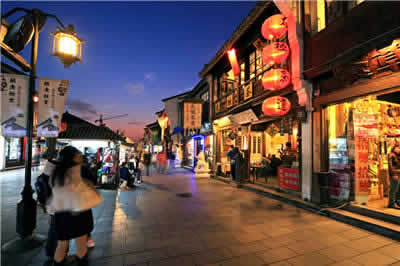
For a deeper dive into local history, the Xiaohe Historic Cultural District is a must-visit. This charming area preserves the traditional canal-side streets, complete with old houses, boutique shops, and quaint cafés. Walking through the narrow lanes, you can feel the rhythm of Hangzhou’s past and catch glimpses of daily life along the waterway, just as residents have for centuries.


Another significant cultural site is Xiangji Temple, a Buddhist temple nestled near the canal. With its serene courtyards, intricate carvings, and peaceful atmosphere, the temple offers a quiet retreat and a chance to explore Hangzhou’s spiritual heritage.


For those who enjoy modern contrast, Qianjiang New Town showcases a sleek skyline alongside the tranquil canal waters. Seasonal highlights add extra charm: spring brings cherry blossoms lining the banks, while autumn paints the scene with golden reflections, perfect for photography or a scenic boat ride.


Activities for Visitors
The Hangzhou Grand Canal offers a variety of experiences that let travelers engage with both its history and local culture. One of the most popular ways to explore is by canal boat tour. Whether you choose a daytime cruise to admire the historic architecture or an evening ride to see the canal beautifully illuminated, gliding along the water provides a unique perspective of the city and its waterways. Many tours also include commentary on the canal’s history, bridges, and cultural landmarks, making the experience both scenic and educational.
For those who prefer to explore on land, walking or cycling along the canal banks is highly recommended. Paths are well-maintained and lined with trees, offering a pleasant route past historic districts like Xiaohe Historic Cultural Street, where visitors can stop at traditional shops, local markets, and boutique cafés. Cycling enthusiasts can enjoy longer stretches of the canal, experiencing both the tranquil older areas and the modern urban sections.
Cultural experiences abound along the canal. Near Xiangji Temple, travelers can witness Buddhist rituals or simply enjoy the temple’s serene atmosphere. In the Xiaohe district, artisans and local vendors often showcase traditional crafts, providing opportunities to learn about Hangzhou’s heritage hands-on.
For photography enthusiasts, the canal offers endless picturesque spots. Early morning or late afternoon light enhances the reflections on the water, while the charming bridges, temple roofs, and historic streets create perfect frames for capturing the city’s unique blend of past and present.
Local Cuisine Along the Canal
No visit to the Hangzhou Grand Canal is complete without sampling the city’s renowned cuisine. The canal-side areas are dotted with restaurants, tea houses, and street food stalls, offering a delightful mix of traditional flavors and modern dining experiences.
One must-try dish is Dongpo Pork, a Hangzhou classic featuring tender, braised pork belly with a rich, savory-sweet glaze. Another local specialty is West Lake Fish in Vinegar Sauce, a delicate freshwater fish cooked to perfection and served with a slightly tangy sauce that perfectly complements the meat. For a lighter option, try Beggar’s Chicken, a whole chicken slow-cooked in clay for a tender, aromatic taste.
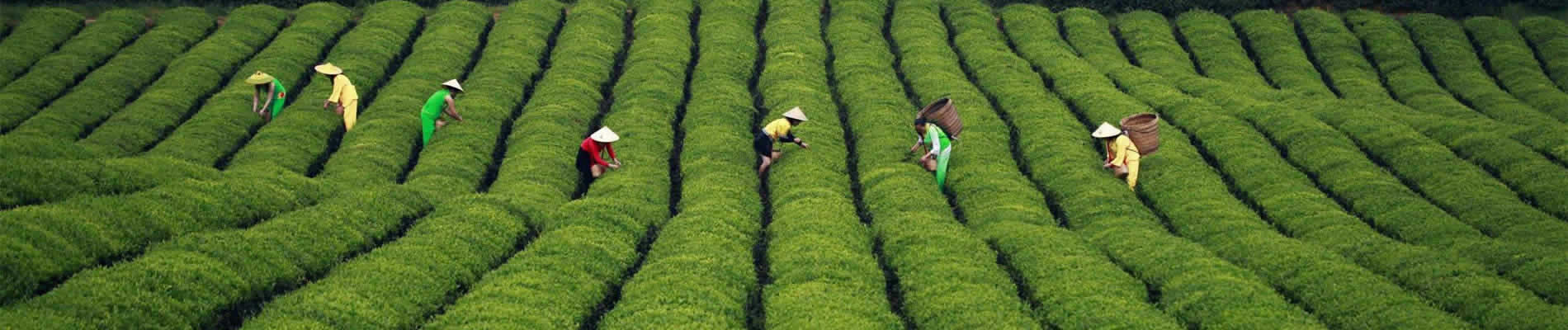
Along the canal, Xiaohe Historic Cultural Street offers charming cafés and small eateries where you can savor these dishes while enjoying views of the water and ancient architecture. Tea houses near Xiangji Temple provide an opportunity to pair traditional Hangzhou teas, such as Longjing (Dragon Well) tea, with snacks like steamed buns, dumplings, and local pastries, enhancing your cultural experience.
For street food lovers, don’t miss crispy fried river shrimp, stir-fried rice cakes, and other local treats sold along the historic lanes. Dining along the canal is not only about taste—it’s about immersing yourself in Hangzhou’s vibrant culture, where every meal is enhanced by the scenic, historic surroundings.
 Hangzhou World Heritage Culture Day Tour
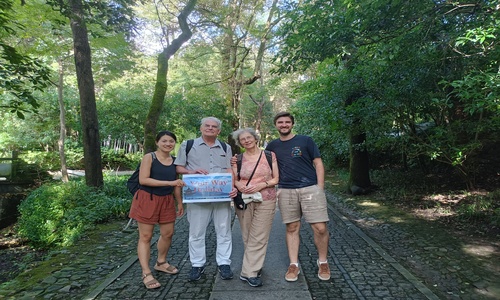 Once in a Lifetime Hangzhou Culture Experience Day Trip
Tips for Travelers
1. Best Time to Visit
The canal is beautiful year-round, but spring (March to May) offers blooming cherry blossoms along the banks, while autumn (September to November) provides golden foliage and gentle reflections on the water. Early morning or late afternoon is ideal for photography, as the light enhances the historic streets and bridges.
2. Getting There
The canal is accessible via public transportation, including buses and metro lines, as well as taxis or ride-hailing services. For a more immersive experience, consider joining a guided tour, which often includes canal boat rides and historical insights.
3. Exploring the Area
Walking or cycling along the canal is highly recommended, especially through Xiaohe Historic Cultural Street and areas near Xiangji Temple. Comfortable shoes are a must for exploring the cobblestone streets and bridges.
4. Canal Cruises
Consider a daytime or evening boat tour to see the canal from a different perspective. Evening cruises offer charming illuminated views of bridges and historical buildings, while daytime tours allow you to enjoy the surrounding nature and architecture.
5. Combine with Nearby Attractions
Pair your canal visit with nearby highlights such as West Lake, Lingyin Temple, or the Longjing Tea Village for a full-day itinerary that blends natural beauty, cultural heritage, and local flavors.
6. Local Etiquette
When visiting temples like Xiangji, dress modestly and maintain a respectful attitude. When sampling local cuisine, try sharing dishes, which is customary in Hangzhou dining culture.
More Information
Admission: Free
Hours: 24 hours (scenic areas vary)
How to get there: Take Bus K4, 504
Duration:6-8 Hours
Attractions(Cities):West Lake Boat Cruise, Viewing Fish at the Flower Pond, Guo Garden, Meijiawu Tea Plantation, Bamboo-lined Path at Yunqi, Hefang Street
Tour Style:See the softer side of Hangzhou on a full day built around its gardens, lake and tea villages. Your own guide and driver take you and your party by private air-conditioned car, starting with a quiet boat ride across West Lake, then a wander through the ponds of Flower Pond Park and the tucked-away pavilions of Guo’s Garden. Lunch is at a farmhouse table in the Longjing tea village of Meijiawu, with time among the terraces and the shaded Bamboo-lined Path at Yunqi, and the day closes at the old shopfronts of Hefang Street. Pickup is at your Hangzhou hotel, the pace is yours, and there is no forced shopping — just a private guide who knows where the crowds are, and where they are not.
Duration:6-8 Hours
Attractions(Cities):West Lake Boat Cruise, Viewing Fish at the Flower Pond, China National Tea Museum, Meijiawu Tea Plantation, Longjing Imperial Tea Garden
Tour Style:Hangzhou is China’s tea capital, and this private day tour is built around the Longjing (Dragon Well) that made it famous. You start with a quiet boat across West Lake and the koi ponds at Flower Pond, then get into tea in earnest: the China National Tea Museum near Longjing village, a farmhouse lunch in the tea hills, and time walking the working terraces at Meijiawu. The day closes at the Imperial Tea Garden and its legendary eighteen bushes. Your own guide and driver take you around in a private air-conditioned car from your Hangzhou hotel, the pace is yours, and there is no forced shopping — just honest help tasting, judging grade and season, and buying only what you actually like.
Duration:5 Days, 4 Nights
Attractions(Cities):Hangzhou, Suzhou
Tour Style:Five unhurried days across what the Chinese call heaven on earth - Hangzhou, the canal town of Wuzhen and the garden city of Suzhou - in one private trip. You move between the three by car and high-speed rail, with tickets and transfers arranged for you, so the logistics stay invisible and each place gets the time it deserves: lakes and tea villages in Hangzhou, water-town museums and crafts in Wuzhen, classical gardens and old streets in Suzhou. Every day is led by a local guide and a private driver who flex the pace to how your group feels.
Duration:6-8 Hours
Attractions(Cities):West Lake Boat Cruise, Viewing Fish at the Flower Pond, Lingyin Temple, Anmanfayun Village, Meijiawu Tea Plantation, Southern Song Imperial Street
Tour Style:A private, full-day look at Hangzhou's must-see sights, with no bus crowds and no fixed schedule. Your English-speaking local guide meets you at your hotel, and you travel in a private air-conditioned car with your own driver, so your bags stay in the car and you can stop whenever you like. Over 6-8 hours you cruise West Lake by boat, watch the carp at Viewing Fish at Flower Harbor Park, wander the incense halls of Lingyin Temple, drink fresh Longjing tea with farmers at Meijiawu Tea Village, and finish on the old Southern Song Imperial Street. Your guide prebooks entry tickets and manages the timing so you walk past the lines, and your driver handles every transfer between stops, so you just enjoy the day.
Duration:10+ Hours
Attractions(Cities):West Lake Boat Cruise, Guo Garden, Meijiawu Tea Plantation, Bamboo-lined Path at Yunqi, Hefang Street, Impression West Lake Show
Tour Style:A private day in Hangzhou that ends with its most famous spectacle. Your guide meets you at your hotel in central Hangzhou and takes your party around in your own car — a boat across West Lake, the tucked-away Guo’s Garden, a Longjing tasting at Meijiawu, a lunch of Hangzhou’s signature fish soup and cat-ear noodles, the bamboo path at Yunqi and the old lanes of Hefang Street — and after dark the Impression West Lake show, Enduring Memories of Hangzhou, staged on the lake itself. Coming from Shanghai? The high-speed train is about an hour and we can add first-class seats. As an official ticket agent we secure your show seats, and there is no forced shopping.
Wechat: YourWayHolidayAsia
24 Hours Hotline:
+86 137-3541-1378
Certificate of Excellence
2012~2026

Your Way Holiday
(Your Privacy is Protected)
1 to 1 tailor-made service from our professional travel advisors for the most sophisticated
Constantly excellent reviews for attraction, hotel and service Competitive price
Local experts provide quality tours Best selected knowledgeable local guides Authentic local restaurants
7*24 hours available to create you a worry-free tour. No Hidden Fees and absolutely no pressure to buy. Secured








Copyright © 2017 Hangzhouprivatetour.com All rights reserved.