24 Hours Hotline: +86 137-3541-1378
Email:info@tripstoshanghai.com
24 Hours Hotline: +86 137-3541-1378
Email:info@tripstoshanghai.com
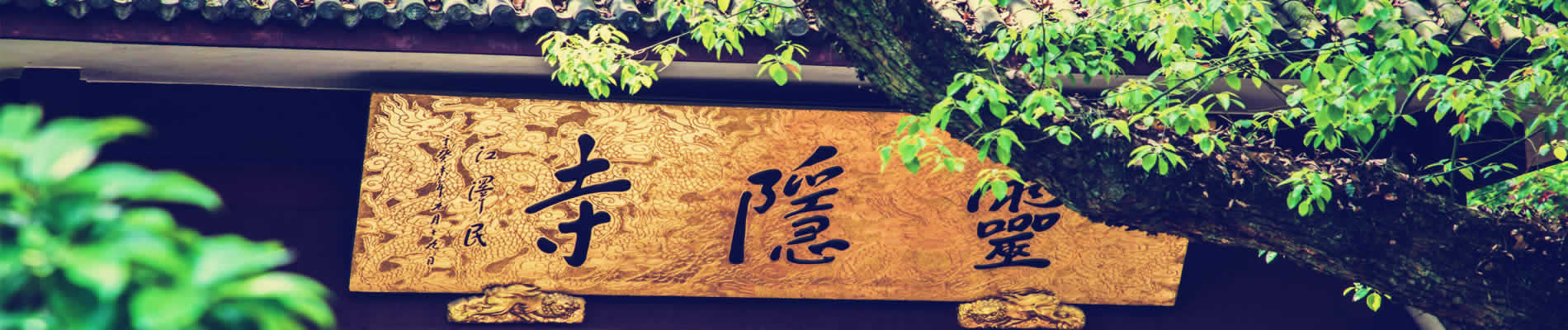
Overview of China National Tea Museum
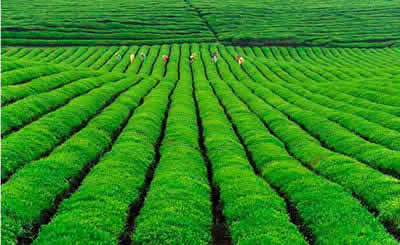
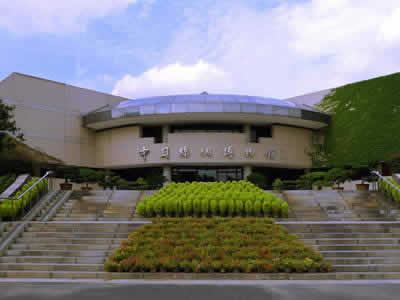
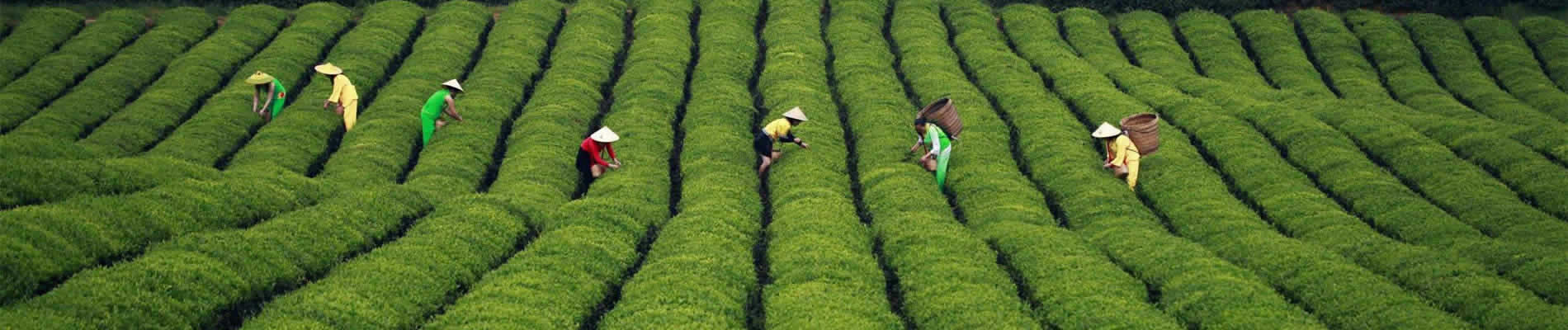
 National Tea Museum is situated in the Longjing (Dragon Well) Tea plantation near West Lake in Hangzhou, Zhejiang Province. The museum is clustered around the tea plantations. The function buildings are que disorder. In side the museum, the flower corridors, fake hills, ponds and water-side pavilions are well integrated. So they make it as the park in the south of the Changjiang River where has the clean atmosphere and can feel the closeness to nature.The museum was first built in 1987 and opened to public in April 1991, occupying a total construction area of 3500 square meters (less than one acre).The museum itself is a comprehensive one and has descriptions in English and Chinese.
National Tea Museum is the only state-level museum specialized in the theme of tea culture. It is also the largest tea museum in China with the most comprehensive collection of tea utensils and other relative exhibits on view. The museum is made up of five themed buildings: exhibition, tea drinking, tea performance, multiple functions, and international exchanges. The exhibition hall is the main body of the museum. Branching off it are areas dedicated to the history of Chinese tea, tea drinking customs, tea utensils used in past dynasties, and the knowledge surrounding tea culture, and even the complicated process of picking and roasting tea leaf.
Through years of research, China National Tea Museum has created a dozen of tea ceremonies such as Zen tea, West Lake tea ceremony, literati`s tea, grind tea, farmer`s tea, etc. They are not only performed in the museum, but also in Beijing, Shanghai, Guangzhou and in other countries including Japan, Vietnam, Australia and Germany. In addition, the ceremonies are played in a lot of Chinese and overseas TV programs. The museum is divided into mainly 5 sections. The first section talked about the history of tea from its prehistoric beginnings up till the present day. The second section talked about the six kinds of tea and their different varieties and where they are produced. There were examples of many varieties on display. The third section talked about the processing techniques of tea and had examples of some of the machines used in produced Chinese tea. The fourth section is the antique tea utensils exhibition. There were tea cups and pots from thousands of years ago until the Qing Dynasty on display. And finally, it is the tea house section where you can have different teas to taste, guided through it by a pleasant girl wearing traditional silk dress. Into tiny cups she poured tea steeped carefully for 30 or 40 seconds: oolong, green, one-leaf, pu-erh and jasmine, just to name a few. When ready, the tea is transferred to a glass pot so you can see it. And it is time to enjoy the good tea.
National Tea Museum plays an important role on the tea stage and offers the chance and space for international research and exchange about tea and tea culture. So far, the museum has been a hot tourist spot and an educational base that attracts millions of people from both home and abroad. Undoubtedly, National Tea Museum will help begin a new era in tea development.
Information
Address: 88#,Longjing Road, Hangzhou, Zhejiang, China
Tel: 0571-87964221/87964232
Fax:0571-87982096
Opening Hours: 8:30-16:30 (Oct. 8 - the next Apr. 30); 9:00-17:00 (May 1 - Oct. 7) Close on Monday
Transport: Take bus 27 or Y3 (Tourism Bus Line 3) and get off at Shuangfeng Station
Legends of Dragon Well Tea in Hangzhou
There are many legends surrounding the naming of the tea. It is named after a single well, named as you would imagine, the Dragon Well. Located in Dragon Well Village, the well was located behind the Dragon Well Temple which was built over 1,700 years ago.  Legend #1 According to the first legend, locals when digging the well found a stone shaped like a dragon and so they named the well Dragon Well.
Legend #2 The well’s water is particularly dense and after rainstorms, the lighter rain water floats on the surface of the water and exhibits a twisting pattern which resembles the long and sinuous body of Chinese dragons. I have personally witnessed this effect.
Legend #3 This is my personal favorite. Locals believe that in the ancient past, a benevolent dragon lived in the well. He controlled the weather and ensured that the area had enough rain. Locals would pray to the dragon and bring him offerings.
History and Legends of Dragon Well Tea
Longjing tea was granted the status of Gong Cha, or Imperial tea, in Qing Dynasty by Chinese emperor Kangxi. According to the legend, Kangxi's grandson Qianlong visited West Lake during one of his famous holidays.
He went to the Hu Gong Temple under the Lion Peak Mountain (Shi Feng Shan) and was presented with a cup of Longjing tea. In front of the Hu Gong Temple were 18 tea bushes. Emperor Qianlong was so impressed by the Longjing tea produced here that he conferred these 18 tea bushes special imperial status. The trees are still living and the tea they produce is auctioned annually for more money per gram than gold. There is another legend connecting Emperor Qianlong to Longjing Tea. It is said that while visiting the temple he was watching the ladies picking the tea. He was so enamored with their movements that he decided to try it himself. While picking tea he received a message that his mother, the Empress Dowager was ill and wished his immediate return to Beijing. He shoved the leaves he had picked into his sleeve and immediately left for Beijing. Upon his return he immediately went to visit his mother. She noticed the smell of the leaves coming from his sleeves and he immediately had it brewed for her. It is said that the shape of Longjing Tea was designed to mimic the appearance of the flattened leaves that the emperor brewed for his mother.
Longjing, which literally translates as "dragon well," is said to have named after a well that contains relatively dense water, and after rain the lighter rainwater floating on its surface sometimes exhibits a sinuous and twisting boundary with the well water, which is supposed to resemble the movement of a Chinese dragon.
Legend also has it that to achieve the best taste from Longjing, water from the Dreaming of the Tiger Spring, a famous spring in Hangzhou, is to be used. The water quality of the spring now is certainly very different than before.
Tour The China National Tea Museum Hangzhou with Hangzhou Private Tour
We design private and tailor-made Hangzhou Tours customized to your style of travel at affordable local prices. We will provide a private & spacious car and a local professional tour guide with over 5 years guiding experience only work for you or your group. Transport, ticket, and dining (We find the most authentic dishes popular with locals) all we will arrange for you according your requirements. Please check our most popular Hangzhou Tours including The China National Tea Museum Hangzhou as below:
{????}
Are the above sample tour programs not suitable for you? We have more Hangzhou Tours. Our tours can be tailor-made based on your requirements and budget to create unique Hangzhou experiences that allow you to interact with the local people and culture. We are Hangzhou travel experts who know what your guidebook and foreign agencies don't. Our enthusiastic tour expert will promptly reply you in details within 24 hours.
Prev: Moganshan
Duration:6-8 Hours
Attractions(Cities):West Lake Boat Cruise, Viewing Fish at the Flower Pond, Guo Garden, Meijiawu Tea Plantation, Bamboo-lined Path at Yunqi, Hefang Street
Tour Style:See the softer side of Hangzhou on a full day built around its gardens, lake and tea villages. Your own guide and driver take you and your party by private air-conditioned car, starting with a quiet boat ride across West Lake, then a wander through the ponds of Flower Pond Park and the tucked-away pavilions of Guo’s Garden. Lunch is at a farmhouse table in the Longjing tea village of Meijiawu, with time among the terraces and the shaded Bamboo-lined Path at Yunqi, and the day closes at the old shopfronts of Hefang Street. Pickup is at your Hangzhou hotel, the pace is yours, and there is no forced shopping — just a private guide who knows where the crowds are, and where they are not.
Duration:6-8 Hours
Attractions(Cities):West Lake Boat Cruise, Viewing Fish at the Flower Pond, China National Tea Museum, Meijiawu Tea Plantation, Longjing Imperial Tea Garden
Tour Style:Hangzhou is China’s tea capital, and this private day tour is built around the Longjing (Dragon Well) that made it famous. You start with a quiet boat across West Lake and the koi ponds at Flower Pond, then get into tea in earnest: the China National Tea Museum near Longjing village, a farmhouse lunch in the tea hills, and time walking the working terraces at Meijiawu. The day closes at the Imperial Tea Garden and its legendary eighteen bushes. Your own guide and driver take you around in a private air-conditioned car from your Hangzhou hotel, the pace is yours, and there is no forced shopping — just honest help tasting, judging grade and season, and buying only what you actually like.
Duration:5 Days, 4 Nights
Attractions(Cities):Hangzhou, Suzhou
Tour Style:Five unhurried days across what the Chinese call heaven on earth - Hangzhou, the canal town of Wuzhen and the garden city of Suzhou - in one private trip. You move between the three by car and high-speed rail, with tickets and transfers arranged for you, so the logistics stay invisible and each place gets the time it deserves: lakes and tea villages in Hangzhou, water-town museums and crafts in Wuzhen, classical gardens and old streets in Suzhou. Every day is led by a local guide and a private driver who flex the pace to how your group feels.
Duration:6-8 Hours
Attractions(Cities):West Lake Boat Cruise, Viewing Fish at the Flower Pond, Lingyin Temple, Anmanfayun Village, Meijiawu Tea Plantation, Southern Song Imperial Street
Tour Style:A private, full-day look at Hangzhou's must-see sights, with no bus crowds and no fixed schedule. Your English-speaking local guide meets you at your hotel, and you travel in a private air-conditioned car with your own driver, so your bags stay in the car and you can stop whenever you like. Over 6-8 hours you cruise West Lake by boat, watch the carp at Viewing Fish at Flower Harbor Park, wander the incense halls of Lingyin Temple, drink fresh Longjing tea with farmers at Meijiawu Tea Village, and finish on the old Southern Song Imperial Street. Your guide prebooks entry tickets and manages the timing so you walk past the lines, and your driver handles every transfer between stops, so you just enjoy the day.
Duration:10+ Hours
Attractions(Cities):West Lake Boat Cruise, Guo Garden, Meijiawu Tea Plantation, Bamboo-lined Path at Yunqi, Hefang Street, Impression West Lake Show
Tour Style:A private day in Hangzhou that ends with its most famous spectacle. Your guide meets you at your hotel in central Hangzhou and takes your party around in your own car — a boat across West Lake, the tucked-away Guo’s Garden, a Longjing tasting at Meijiawu, a lunch of Hangzhou’s signature fish soup and cat-ear noodles, the bamboo path at Yunqi and the old lanes of Hefang Street — and after dark the Impression West Lake show, Enduring Memories of Hangzhou, staged on the lake itself. Coming from Shanghai? The high-speed train is about an hour and we can add first-class seats. As an official ticket agent we secure your show seats, and there is no forced shopping.
Wechat: YourWayHolidayAsia
24 Hours Hotline:
+86 137-3541-1378
Certificate of Excellence
2012~2026

Your Way Holiday
(Your Privacy is Protected)
1 to 1 tailor-made service from our professional travel advisors for the most sophisticated
Constantly excellent reviews for attraction, hotel and service Competitive price
Local experts provide quality tours Best selected knowledgeable local guides Authentic local restaurants
7*24 hours available to create you a worry-free tour. No Hidden Fees and absolutely no pressure to buy. Secured









Copyright © 2017 Hangzhouprivatetour.com All rights reserved.